
Vaital Deula
General information
-
Ideal Duration:
45 Minutes - 1 Hour:Place Type:
Historic Temple/Tantric Site:Entry Fees:
Free Entry to the Temple: As an active place of worship and an Archaeological Survey of India (ASI) protected monument, there is generally no entry fee for visitors and devotees to access the Vaital Deula complex.
Donations: Devotees may cho...Free Entry to the Temple: As an active place of worship and an Archaeological Survey of India (ASI) protected monument, there is generally no entry fee for visitors and devotees to access the Vaital Deula complex.
Donations: Devotees may choose to make voluntary cash donations for the upkeep of the temple or to sponsor a Puja or ritual for the deity. Donation boxes are placed discreetly.
Fees for Special Rituals: If a tourist or devotee wishes to participate in or sponsor a specific private ritual or tantric offering to Goddess Chamundi, there will be an associated fee, which must be arranged with the temple priests.
Photography/Videography: Still photography is usually free in the temple complex, but as with all religious sites, photography inside the dark main sanctum is often strictly prohibited, and professional video filming requires ASI permission and a fee.
:Timing:
Regular Timings: The temple is open daily (no weekly holiday), typically from 7:00 AM in the morning until 8:00 PM in the evening. These hours allow for worship throughout the day.
Ideal Visit Time: The best time for a peaceful visit and to...Regular Timings: The temple is open daily (no weekly holiday), typically from 7:00 AM in the morning until 8:00 PM in the evening. These hours allow for worship throughout the day.
Ideal Visit Time: The best time for a peaceful visit and to appreciate the architecture and carvings in soft light is the early morning (7:00 AM to 9:00 AM). The evening time (around 6:00 PM to 8:00 PM) is also recommended for witnessing the evening Aarti ceremony, which is a key ritualistic experience.
Tantric Atmosphere: To experience the mysterious, dark atmosphere for which the temple is famous, the mid-day hours, when the light is most limited in the sanctum, or the evening, during the Aarti, are most evocative.
Duration: The temple is relatively small; a comprehensive visit including observation and worship takes about 30 minutes to 1 hour.
:Special Events:
Durga Puja and Dushera: As the temple is dedicated to Goddess Durga (Chamundi), the nine-day festival of Durga Puja (and Dushera), typically in September or October, is celebrated with great importance. Special Tantric rituals, prayers, and community gatherings take place. ...Durga Puja and Dushera: As the temple is dedicated to Goddess Durga (Chamundi), the nine-day festival of Durga Puja (and Dushera), typically in September or October, is celebrated with great importance. Special Tantric rituals, prayers, and community gatherings take place.
Kali Puja (Diwali): The temple’s presiding deity being a fierce form of the goddess also makes Kali Puja (observed during Diwali in October or November) a significant occasion, with special midnight Pujas and offerings.
Local Old Town Festivals: The temple is an integral part of the Old Town's religious life, so it participates in various local festivals associated with the Bindu Sarovara (tank) and the larger temple circuit, such as Chandan Yatra.
:Best Photo Spots:
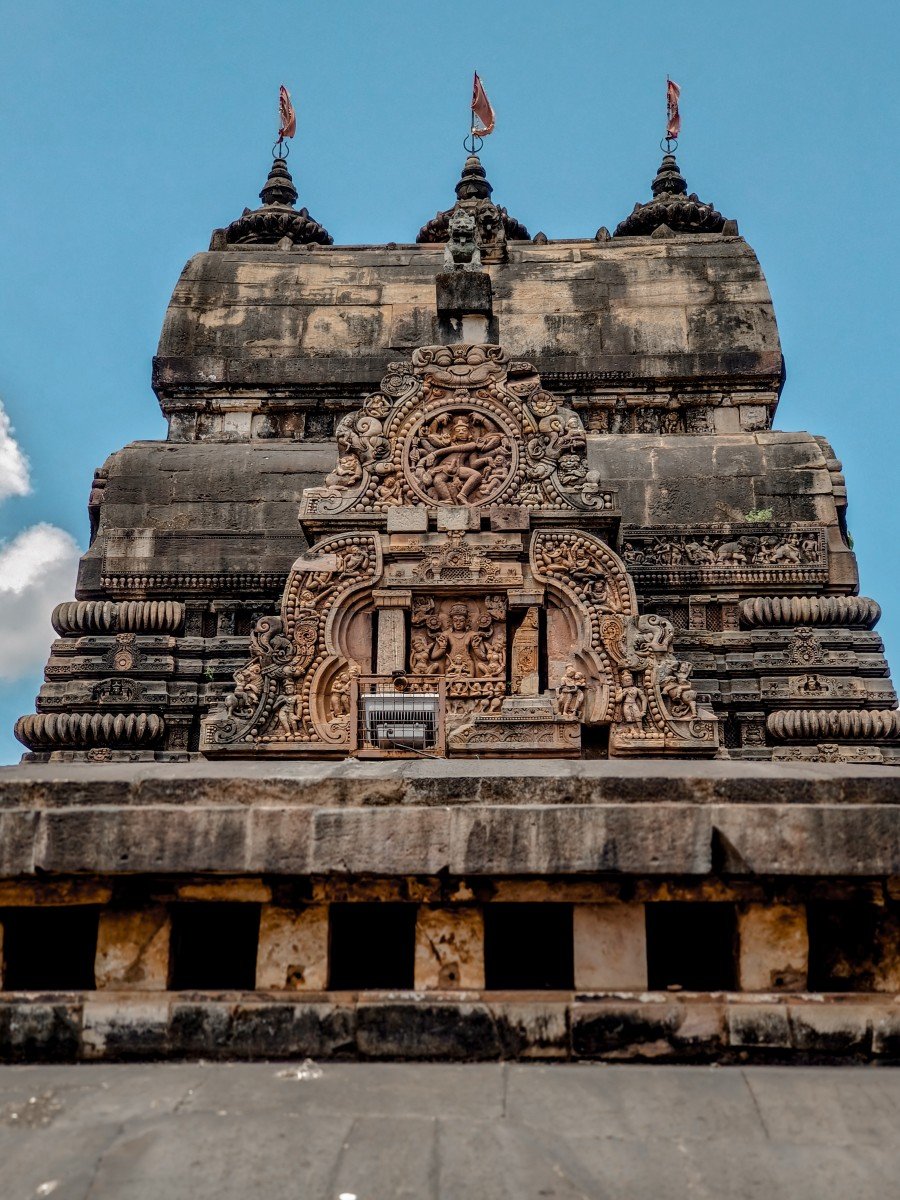
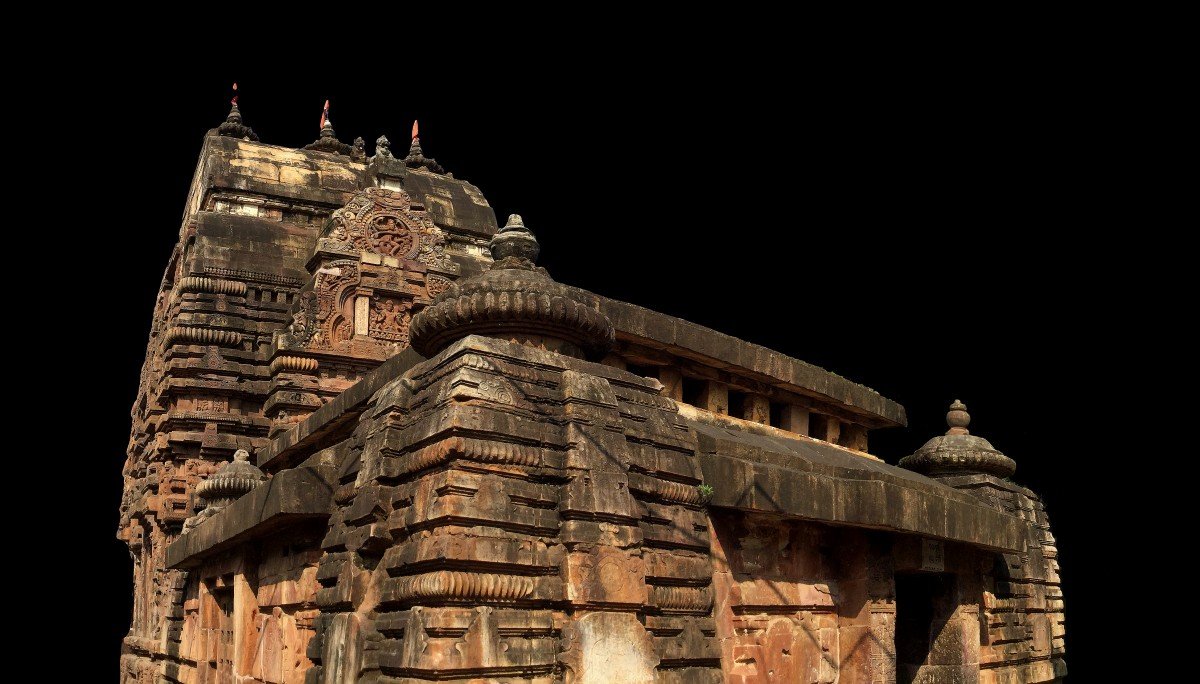
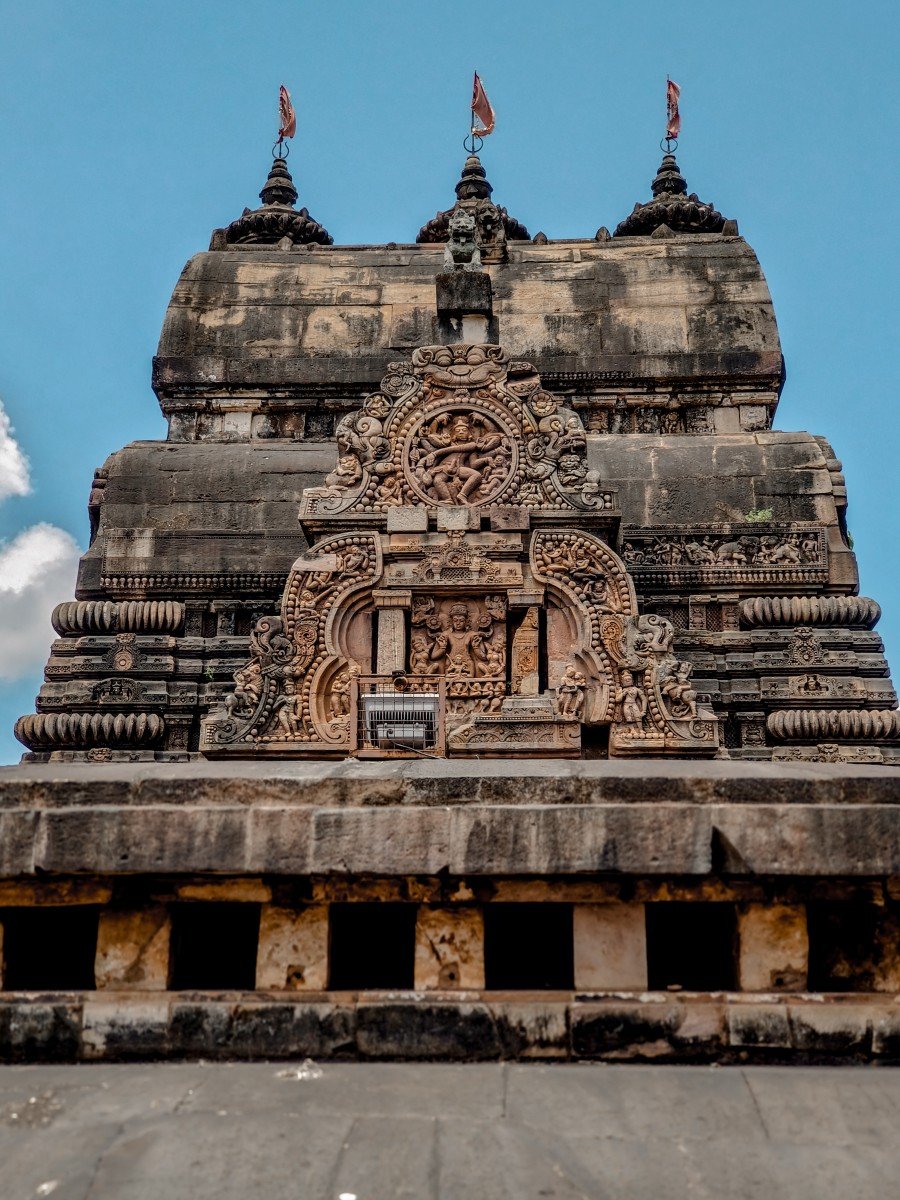
The Khakhara Roof Silhouette: The most unique and defining photo is the silhouette of the barrel-vaulted roof, particularly at sunrise or sunset, emphasizing its distinctive semi-cylindrical shape and the three crowning spires (Tini Mundia).
Doo...The Khakhara Roof Silhouette: The most unique and defining photo is the silhouette of the barrel-vaulted roof, particularly at sunrise or sunset, emphasizing its distinctive semi-cylindrical shape and the three crowning spires (Tini Mundia).
Doorway and Carvings: Capture the intricate carvings around the main entrance to the Jagamohana, paying attention to the artistic details, the figures, and the prominent Chaitya arch motif above the doorway.
Frame with the Bindu Sarovara: The temple can be photographed from the bank of the nearby Bindu Sarovara, using the holy tank's water or the surrounding trees as a frame to provide context and serenity to the unique structure.
Interior and Atmosphere: While photography inside the dark sanctum is often difficult and discouraged, a careful, high-quality shot of the general atmosphere of the outer hall, capturing the dim light and shadows, can convey the temple's mysterious nature. (Approx.
):Photo Gallery

Things To Do
-
Worship Goddess Chamundi: The primary activity is visiting the main sanctum to seek blessings from the powerful, eight-armed Goddess Chamundi. Observe the unique, fierce iconography of the deity, a significant departure from typical Hindu goddess figures.
Contemplate the Architecture: Spend time outside the sanctum to study the temple's unique Khakhara roof style, noting its semi-cylindrical shape, the ridge, and the three small spires. This is a must-do for architecture enthusiasts.
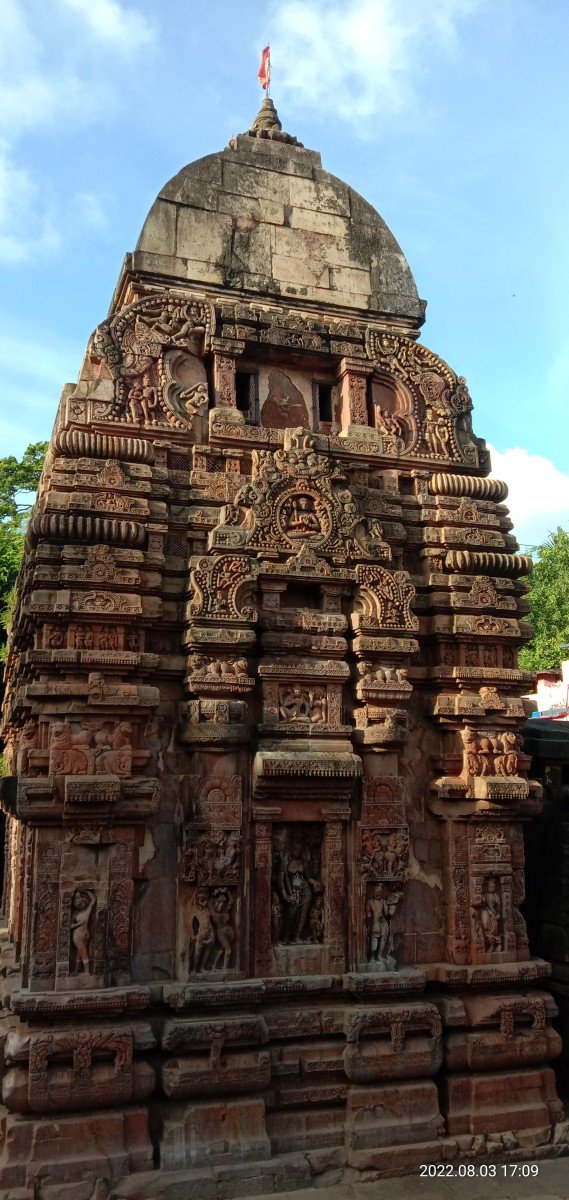
Examine the Exterior Carvings: Carefully walk around the exterior walls of the Jagamohana and deula. The carvings here depict various deities and scenes, providing a rich display of 8th-century sculptural art. Look specifically for the horseshoe-shaped Chaitya arch motif.
Visit the B...Worship Goddess Chamundi: The primary activity is visiting the main sanctum to seek blessings from the powerful, eight-armed Goddess Chamundi. Observe the unique, fierce iconography of the deity, a significant departure from typical Hindu goddess figures.
Contemplate the Architecture: Spend time outside the sanctum to study the temple's unique Khakhara roof style, noting its semi-cylindrical shape, the ridge, and the three small spires. This is a must-do for architecture enthusiasts.
Examine the Exterior Carvings: Carefully walk around the exterior walls of the Jagamohana and deula. The carvings here depict various deities and scenes, providing a rich display of 8th-century sculptural art. Look specifically for the horseshoe-shaped Chaitya arch motif.
Visit the Bindu Sarovara: The temple is located near the sacred Bindu Sarovara (lake/tank), which is a key part of the Old Town pilgrimage. Take a walk around the holy tank, which is often surrounded by other small temples and pilgrims performing rituals.
Photography of the Roof: The unique roof makes for an excellent and rare photo subject. Capture the entire structure from a slightly elevated position if possible, or from the surrounding street, emphasizing the unusual shape and the Tini Mundia.
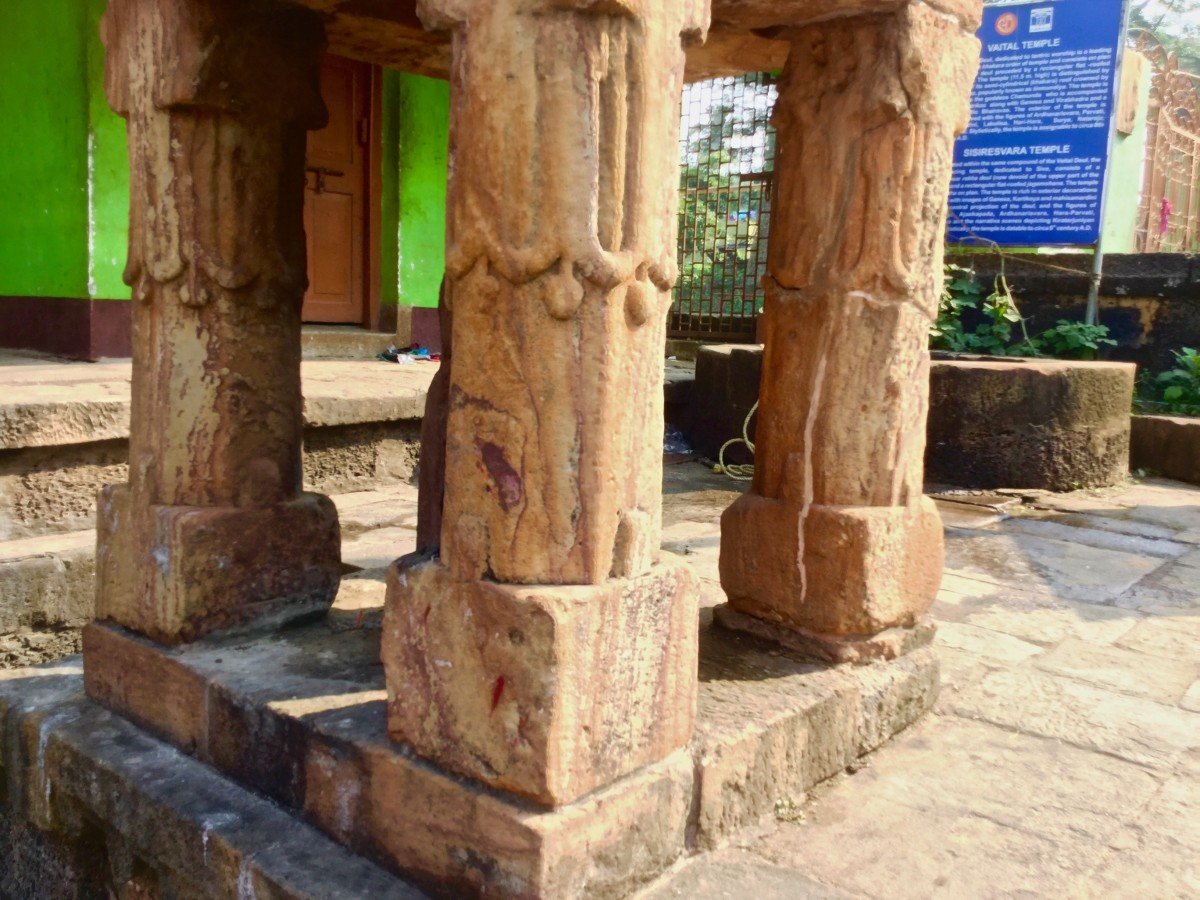
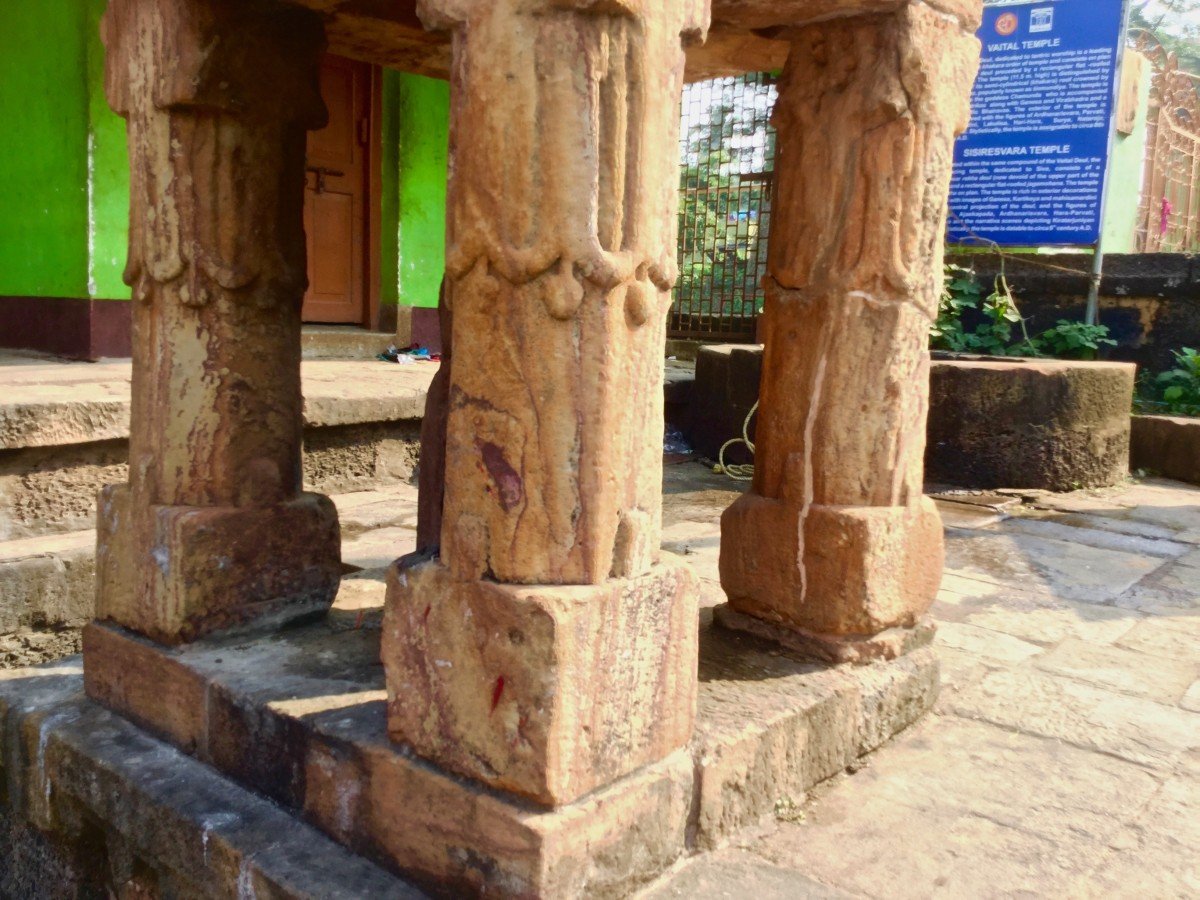
Observe the Tantric Elements: Note the dark, mysterious atmosphere of the inner chamber and the outside stone pillar, reflecting the temple's tantric past. While observing, maintain utmost respect and silence.
Combine with Nearby Temples: The temple is located in a cluster of other ancient temples in the Old Town area (e. g. , Lingaraj Temple, Mukteswara Temple). Plan the visit as part of a historical temple circuit.
:
Information
-
Why Famous:
Rare Khakhara Architectural Style: It is famous for its extremely rare and unique architectural form, the Khakhara style, whose barrel-vaulted roof resembles a cut-through wagon roof, a distinct feature in the Kalinga tradition that sets it apart from all other temples in Bh...Rare Khakhara Architectural Style: It is famous for its extremely rare and unique architectural form, the Khakhara style, whose barrel-vaulted roof resembles a cut-through wagon roof, a distinct feature in the Kalinga tradition that sets it apart from all other temples in Bhubaneswar.
Center of Tantric Worship: The temple is renowned for its historical association with the Kapalika and Vamachara (left-hand) Tantric cults. This history of esoteric rituals and the fierce image of the presiding deity, Goddess Chamundi, gives it a mysterious and unique spiritual notoriety.
The Macabre Deity: The image of the eight-armed Goddess Chamundi seated on a corpse, adorned with a garland of skulls, is a powerful and unique sculpture that attracts visitors interested in the iconography of fierce deities.
Proximity to Bindu Sarovara: Its location near the sacred Bindu Sarovara (a large holy tank) in the Old Town area adds to its religious significance, making it a key stop on the ancient pilgrimage circuit.
: -
Architecture:
Khakhara Style of Architecture: The Vaital Deula is a quintessential example of the Khakhara architectural style, characterized by a unique barrel-vaulted roof (semi-cylindrical and resembling a South Indian Gopuram or a covered wagon) over the sanctum (Vimana or deula). Th...Khakhara Style of Architecture: The Vaital Deula is a quintessential example of the Khakhara architectural style, characterized by a unique barrel-vaulted roof (semi-cylindrical and resembling a South Indian Gopuram or a covered wagon) over the sanctum (Vimana or deula). The sanctum’s roof is approximately 12 meters high and has a ridge running along its length, which is topped by three small miniature spires (Tini Mundia).
Ground Plan and Dimensions:
The temple comprises two main structures: the sanctum (deula), which is rectangular in plan, and the front porch or hall (Jagamohana), which is rectangular externally but square internally. The sanctum measures roughly 18 feet by 18 feet. The unique plan and elevation set it apart from the majority of the temples in the region, which follow the square-plan Rekha and Pida styles.
Exterior and Interior Decoration: The exterior walls of the porch and sanctum are richly carved, depicting scenes of gods, goddesses, and human figures, typical of the Kalinga style. However, the interior of the sanctum (Garbhagriha) is notable for its tantric-themed carvings, including sacrificial rituals and the powerful image of Goddess Chamundi along with her attendants.
The Doorway and Chaitya Arch: The temple features a beautifully carved door leading to the sanctum. On the porch's exterior facade, the famous stylized horseshoe-shaped Chaitya window motif is prominently displayed, which is characteristic of this early phase of Kalinga architecture.
: -
How To Reach:
By Air: The nearest airport is Biju Patnaik International Airport (BBI), approximately 7 KMS away. A taxi or an app-based cab is the best way to reach the temple, located in the Old Town area near the Bindu Sarovara.
By Train: The closest m...By Air: The nearest airport is Biju Patnaik International Airport (BBI), approximately 7 KMS away. A taxi or an app-based cab is the best way to reach the temple, located in the Old Town area near the Bindu Sarovara.
By Train: The closest major railway station is the Bhubaneswar Railway Station (BBS), situated around 5 KMS from the temple. The temple is well-known to local auto-rickshaw and taxi drivers; ensure to specify the Old Town location.
By Road - Intercity: The Baramunda Bus Stand is farther, about 11 KMS away. From the bus stand, take a taxi or a local city bus (like Mo Bus) towards the Old Town area, and then a short auto-rickshaw ride to the temple.
By Local Transport: Located right on the banks of the Bindu Sarovara in the heart of the Old Town, the temple is easily accessible. Auto-rickshaws are the most common mode of local transport. It is also an excellent stop on a walking tour of the Old Town temple cluster, as it is only about 700 meters from the Lingaraj Temple.
: -
Weather and Best Time to Visit:
Best Time to Visit - Seasonally: The most comfortable and ideal time is the Winter season, from October to March. The cool, dry weather makes walking around the Old Town temple complex and the nearby Bindu Sarovara very pleasant. The Monsoon can bring heavy rain, and the S...Best Time to Visit - Seasonally: The most comfortable and ideal time is the Winter season, from October to March. The cool, dry weather makes walking around the Old Town temple complex and the nearby Bindu Sarovara very pleasant. The Monsoon can bring heavy rain, and the Summer months are hot, making the exposed stone pathways uncomfortable.
Best Time to Visit - Parts of the Day: The best time is the early morning (7:00 AM to 9:00 AM) for a serene visit and the best natural light on the exterior carvings. The evening (6:00 PM to 8:00 PM) is also highly recommended to witness the Aarti and experience the unique, dark atmosphere of the sanctum during the main ritual.
: -
Near Tourist Places:
1. Mohini Temple (Approx. 0. 35 KMS), 2. Bindu Sarovara (Adjacent), 3. Lingaraj Temple (Approx. 0. 7 KMS), 4. Mukteswara Temple (Approx. 1. 5 KMS), 5. Rajarani Temple (Approx. 2 KMS), 6. Odisha State Museum (Approx. 3. 5 KMS), 7. Ram Mandir (Approx. 5. 5 KMS), 8. Dhauli Shanti Stupa (Approx. 7. 5 KMS), 9. Sishupalgarh (Approx. 6 KMS), 10. Bhubaneswar Railway Station (BBS) (Approx. 4.
5 KMS):
Tourism Tips
-
Health & Safety: The temple is old, so be mindful of uneven stone steps and surfaces, especially in the dark sanctum. Dress conservatively (covering shoulders and knees) as a sign of respect for this active, traditional place of worship. Take care near the Bindu Sarovara t...Health & Safety: The temple is old, so be mindful of uneven stone steps and surfaces, especially in the dark sanctum. Dress conservatively (covering shoulders and knees) as a sign of respect for this active, traditional place of worship. Take care near the Bindu Sarovara tank.
Packing: Minimal packing is recommended. A camera is a must for the unique architecture. Leave shoes at the designated stand before entering the complex. Do not carry leather items inside if visiting the nearby Lingaraj Temple (though this rule is not as strict here).
Accommodation: Stay in the Bhubaneswar Old Town area for an immersive historical experience, or in the central city for more modern amenities. There are many guesthouses and hotels near the Lingaraj Temple and Bindu Sarovara. Other Different Topics Heading - Respectful Conduct: Given the temple's tantric history, maintain a quiet and respectful demeanor, particularly inside the dark sanctum. Always check with the priests before attempting to take photos inside the main hall. Combine the visit with a tour of the other Kalinga temples nearby to appreciate the architectural evolution.
:
Reviews
FAQs
Bhubaneswar Itineray And Cost:-
Other Places In Bhubaneswar :-
Other States In India :-
Information about New and Updated Locations() of Odisha Has Been Added :-
Card subtitle
Note:-
Information provided here in good Faith and for reference only.
Near Places
Ananta Vasudeva Temple
Some quick example text to build on the card title and make up the bulk of the card's content.
Go somewhere
Balaram Temple
Some quick example text to build on the card title and make up the bulk of the card's content.
Go somewhere
BDA City Centre
Some quick example text to build on the card title and make up the bulk of the card's content.
Go somewhere
Bhubaneswar Zoo
Some quick example text to build on the card title and make up the bulk of the card's content.
Go somewhere
Biju Patnaik Park
Some quick example text to build on the card title and make up the bulk of the card's content.
Go somewhere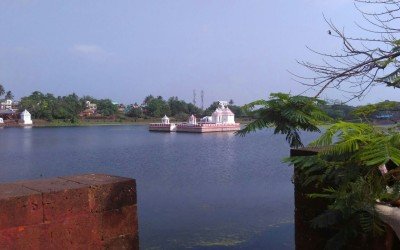
Bindusagar Lake
Some quick example text to build on the card title and make up the bulk of the card's content.
Go somewhere
Brahmeswara Temple
Some quick example text to build on the card title and make up the bulk of the card's content.
Go somewhere
Chausathi Jogini Temple
Some quick example text to build on the card title and make up the bulk of the card's content.
Go somewhere
Daya River Battlefield
Some quick example text to build on the card title and make up the bulk of the card's content.
Go somewhere
Deras Dam
Some quick example text to build on the card title and make up the bulk of the card's content.
Go somewhere
Dhauli Shanti Stupa
Some quick example text to build on the card title and make up the bulk of the card's content.
Go somewhere
Ekamra Haat
Some quick example text to build on the card title and make up the bulk of the card's content.
Go somewhere
Ekamra Kanan Botanical Gardens
Some quick example text to build on the card title and make up the bulk of the card's content.
Go somewhere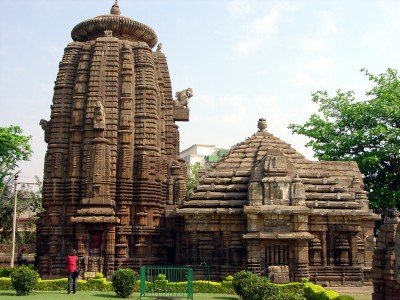
Ganesh Temple
Some quick example text to build on the card title and make up the bulk of the card's content.
Go somewhere
Gokarneshwar Temple
Some quick example text to build on the card title and make up the bulk of the card's content.
Go somewhere
ISKCON Temple, Bhubaneswar
Some quick example text to build on the card title and make up the bulk of the card's content.
Go somewherein Other Cities