

Sishupalgarh
General information
-
Ideal Duration:
1-2 Hours:Place Type:
Historical/Archaeological Site:Entry Fees:
Free Entry to the Site: As a large, open-air archaeological ruin and a nationally protected monument, there is typically no formal entry fee charged by the Archaeological Survey of India (ASI) to access the site and walk among the ruins of Sishupalgarh.
Read MoreFree Entry to the Site: As a large, open-air archaeological ruin and a nationally protected monument, there is typically no formal entry fee charged by the Archaeological Survey of India (ASI) to access the site and walk among the ruins of Sishupalgarh.
No Parking Fees: Generally, there are no formal parking facilities or associated fees, as the site is less commercialized than other monuments. However, in busy areas or during local events, a small, informal charge may be collected by local villagers for parking assistance.
Fees for Guides: While there are no official ASI guides present, hiring a local who can provide context or any available archaeologist/historian's assistance would involve a negotiated professional fee.
Permission for Commercial Photography: For any commercial photography, filming, or large-scale drone usage, explicit permission and associated fees would need to be obtained from the Archaeological Survey of India (ASI).
:Timing:
Regular Timings: Sishupalgarh is essentially a large open archaeological site and is generally considered to be accessible 24 hours a day, though the best and safest time to visit is typically from Sunrise to Sunset (approximately 6:00 AM to 6:00 PM).
Read MoreRegular Timings: Sishupalgarh is essentially a large open archaeological site and is generally considered to be accessible 24 hours a day, though the best and safest time to visit is typically from Sunrise to Sunset (approximately 6:00 AM to 6:00 PM).
Ideal Visit Time: The most ideal time is the early morning (6:00 AM to 8:30 AM) for cool weather, soft light for photography, and the highest chance of peaceful contemplation without crowds. The late afternoon (4:30 PM to 6:00 PM) is also excellent for sunset views.
Avoid Midday: Due to the complete lack of shade, the midday period (especially 10:00 AM to 4:00 PM) should be strictly avoided, particularly during the hot Summer and humid Monsoon seasons, as the temperature can be intense.
Duration: Given the scale of the site and the need to walk around the ramparts, allow at least 1. 5 to 2 hours for a comprehensive visit.
:Special Events:
Archaeological Excavations and Surveys: The most significant special events are the periodic archaeological excavations and surveys conducted by the Archaeological Survey of India (ASI) or collaborative international teams. These events, though not public-facing spectacles,...Archaeological Excavations and Surveys: The most significant special events are the periodic archaeological excavations and surveys conducted by the Archaeological Survey of India (ASI) or collaborative international teams. These events, though not public-facing spectacles, are crucial to the site’s history and are often announced in academic or local news.
Local Cultural Gatherings: Residents of the nearby Sisupalgarh village occasionally use the open grounds adjacent to the fort ruins for local festivals, fairs, or community gatherings, especially during major regional festivals. These events offer a glimpse into the local culture contrasting with the ancient historical ruins.
Historical Awareness Walks: Local history groups, students, or heritage enthusiasts sometimes organize historical walks or awareness campaigns at the site to highlight its importance and the need for its preservation, which can be an enriching experience if one manages to join.
:Best Photo Spots:
Sunrise and Sunset Silhouettes: The massive, high rampart walls and the gate remnants are perfect for dramatic silhouette photography, especially at sunrise or sunset, when the ruins stand stark against the colorful sky.
Textural Close-ups of La...Sunrise and Sunset Silhouettes: The massive, high rampart walls and the gate remnants are perfect for dramatic silhouette photography, especially at sunrise or sunset, when the ruins stand stark against the colorful sky.
Textural Close-ups of Laterite Stone: The rough, ancient laterite stone construction of the walls and gates provides excellent opportunities for textural close-up shots, highlighting the antiquity and the monumental scale of the construction material.
View from the Top of the Ramparts: Climb a section of the rampart (where safe and permitted) to capture a wide-angle view of the large, open, quadrangular area inside, emphasizing the vast scale of the ancient city's footprint.
The 19-Column Base: Though ruins, the remains of the 19-column structure can be photographed to capture a sense of the sophistication of the inner civic architecture, often requiring a lower angle to emphasize the foundation stones. (Approx.
):Photo Gallery
Things To Do
-
Walk the Ramparts: The primary activity is to walk along the remnants of the massive outer fortification walls (ramparts). This walk provides a sense of the sheer scale of the ancient city and its defensive capabilities, offering wide-angle views of the surrounding landscape.
Explore the Gate Ruins: Locate and inspect the remnants of the four main gates. Focus on the architecture of the gate passages and the adjacent bastions, noting the large laterite stones used in their construction and imagining the flow of people in ancient times.
Visit the 19-Column Structure: Head towards the center of the fort to see the archaeological remains of the 19-column structure (Area D). This requires some navigation and imagination, but it is key to understanding the potential civic or palatial heart of the c...Walk the Ramparts: The primary activity is to walk along the remnants of the massive outer fortification walls (ramparts). This walk provides a sense of the sheer scale of the ancient city and its defensive capabilities, offering wide-angle views of the surrounding landscape.
Explore the Gate Ruins: Locate and inspect the remnants of the four main gates. Focus on the architecture of the gate passages and the adjacent bastions, noting the large laterite stones used in their construction and imagining the flow of people in ancient times.
Visit the 19-Column Structure: Head towards the center of the fort to see the archaeological remains of the 19-column structure (Area D). This requires some navigation and imagination, but it is key to understanding the potential civic or palatial heart of the city.
Contemplate the History: Take time to sit and contemplate the historical significance of the site, realizing you are standing on what was once a major urban center that existed before the Mauryan Empire and witnessed the Kalinga War. The site is quiet and conducive to historical reflection.
Photography of the Ruins: The massive earthen and stone ramparts offer dramatic, textural subjects, especially at sunrise or sunset when the light emphasizes the shadows and scale. Capture the view from the top of the rampart looking out.
Check for Archaeological Signage: Look for any information boards or markers placed by the Archaeological Survey of India (ASI), which provide details about the excavation findings, the city plan, and the dating of the structures.
Engage a Local Guide: While not a common tourist spot, a knowledgeable local guide (if available in the nearby village) can significantly enhance the visit by pointing out specific archaeological features and sharing local lore.
:
Information
-
Why Famous:
Oldest Fortified City in India: It is famous for its claim to be one of the largest and oldest fortified urban settlements in early historic India, with origins tracing back to the 7th/6th century BCE, pre-dating major known sites and showcasing the maturity of urban life in...Oldest Fortified City in India: It is famous for its claim to be one of the largest and oldest fortified urban settlements in early historic India, with origins tracing back to the 7th/6th century BCE, pre-dating major known sites and showcasing the maturity of urban life in ancient Kalinga.
Believed to be Kalinganagar: The site is strongly associated with Kalinganagar, the capital of the powerful Kalinga kingdom, making it a critical historical landmark linked to the region's geopolitical importance before and during the famous Kalinga War.
Evidence of Advanced Urban Planning: Sishupalgarh is renowned for its sophisticated defensive architecture and evidence of a well-planned city, including massive ramparts and a possible grid plan, providing archaeologists with invaluable data on early Indian urban design and defense strategies.
A Monument of Resilience: Despite significant encroachment and ruin, the scale of the remaining walls and gate remnants still powerfully conveys the historical importance and the sheer magnitude of this ancient metropolis, attracting historians and those interested in monumental ruins.
: -
Architecture:
Massive Quadrangle Fortification: Sishupalgarh is defined by its massive, quadrangular, laterite stone wall fortification, which still stands approximately 4 to 5 meters high in some places. The fort walls form an almost square plan, measuring roughly 1,125 m × 1,115 m (3,...Massive Quadrangle Fortification: Sishupalgarh is defined by its massive, quadrangular, laterite stone wall fortification, which still stands approximately 4 to 5 meters high in some places. The fort walls form an almost square plan, measuring roughly 1,125 m × 1,115 m (3,691 ft × 3,658 ft) at the crest. These defenses are considered the highest known of this period in India.
Gateways and Bastions: The fortification walls are pierced by four main gates (two on each of the longer sides) and two subsidiary gates, indicating a sophisticated defense and access system. The remnants of these gates, often flanked by prominent towers or bastions, showcase the early structural engineering prowess of the ancient Kalingan builders.
The Iconic 19-Column Structure: A key architectural feature is the remains of a 19-column structure located towards the center of the fortress (Area D). While disturbed and incomplete, this structure, which has been recorded using laser scanning, suggests the presence of a large, possibly civic or palatial, complex at the city's heart, pointing to sophisticated civic architecture.
Internal Grid Plan Evidence: Archaeological work suggests that the city inside the ramparts was laid out on a grid plan, with remnants of residential quarters and ancient water systems (reservoirs and wells) indicating well-planned urban amenities and advanced engineering for the time.
: -
How To Reach:
By Air: The nearest airport is Biju Patnaik International Airport (BBI), located approximately 7 KMS away. The easiest way to reach the site is by hiring a pre-paid taxi or a ride-sharing cab (like Ola or Uber) and directing the driver to the Sisupalgarh village area, near ...By Air: The nearest airport is Biju Patnaik International Airport (BBI), located approximately 7 KMS away. The easiest way to reach the site is by hiring a pre-paid taxi or a ride-sharing cab (like Ola or Uber) and directing the driver to the Sisupalgarh village area, near the Old Town.
By Train: The closest major railhead is the Bhubaneswar Railway Station (BBS), situated around 7 KMS from the fort. From the station, you can easily hire an auto-rickshaw or a cab. Ensure you clearly specify the destination as the archaeological site in Sisupalgarh village.
By Road - Intercity: The Baramunda Bus Stand is farther, about 14-15 KMS away. Taking a direct cab or a city bus to the Old Town area and then a short auto-rickshaw ride is the best way to reach the ruins from the bus terminal.
By Local Transport: The site is on the outskirts of the main city, so local transport can be slightly less frequent than in the center. An auto-rickshaw is the most flexible option, but a round-trip hire or an app-based cab is recommended for tourists for convenience, as finding a return auto-rickshaw at the site can sometimes be difficult. The site is close to the Daya River area.
: -
Weather and Best Time to Visit:
Best Time to Visit - Seasonally: The absolute best time to visit the open-air archaeological site of Sishupalgarh is the cool, dry Winter season, from October to March. The pleasant temperatures are ideal for extensive walking around the massive ramparts and ruins. The Mon...Best Time to Visit - Seasonally: The absolute best time to visit the open-air archaeological site of Sishupalgarh is the cool, dry Winter season, from October to March. The pleasant temperatures are ideal for extensive walking around the massive ramparts and ruins. The Monsoon season (July to September) should be avoided due to muddy conditions, and the Summer (April to June) is extremely hot with no shade.
Best Time to Visit - Parts of the Day: The best time is the early morning (Sunrise to 9:00 AM). The temperature is lowest, and the soft, oblique lighting is perfect for accentuating the textures and shadows of the ancient stones and earthwork, offering the best views and photo opportunities. The late afternoon (4:00 PM to Sunset) is the second-best time.
: -
Near Tourist Places:
1. Dhauli Shanti Stupa (Approx. 3 KMS), 2. Lingaraj Temple (Approx. 5 KMS), 3. Rajarani Temple (Approx. 5 KMS), 4. Vaital Deula (Approx. 6 KMS), 5. Odisha State Museum (Approx. 7 KMS), 6. Mukteswara Temple (Approx. 6 KMS), 7. Udayagiri and Khandagiri Caves (Approx. 13 KMS), 8. Biju Patnaik International Airport (BBI) (Approx. 7 KMS), 9. Bhubaneswar Railway Station (BBS) (Approx. 7 KMS), 10.
Gangua River Bank (Adjacent):
Tourism Tips
-
Health & Safety: The site is mostly ruins and open land, so wear closed, sturdy walking shoes to navigate uneven terrain, especially on the ramparts. There are no safety barriers; be cautious near ditches or steep inclines. Carry ample water as no commercial facilities ar...Health & Safety: The site is mostly ruins and open land, so wear closed, sturdy walking shoes to navigate uneven terrain, especially on the ramparts. There are no safety barriers; be cautious near ditches or steep inclines. Carry ample water as no commercial facilities are available within the ruins.
Packing: Essential packing includes a sun hat, sunglasses, sunscreen, and water. A camera with a wide-angle lens is useful for capturing the scale of the fortification. Carry any necessary snacks, as the nearest shops are in the village.
Accommodation: Accommodation is best sought in the main city of Bhubaneswar or in the Old Town area, as the village of Sisupalgarh does not have dedicated tourist hotels. Stay in the city for better amenities and commute to the site. Other Different Topics Heading - Respect the Ruins and Environment: The site is an irreplaceable heritage. Do not climb on precarious walls, litter, or attempt to dig or remove any artifacts. Respect the ongoing archaeological work and the boundaries of the local village, which now occupies parts of the ancient city's footprint.
:
Reviews
FAQs
Bhubaneswar Itineray And Cost:-
Other Places In Bhubaneswar :-
Other States In India :-
Information about New and Updated Locations() of Odisha Has Been Added :-
Card subtitle
Note:-
Information provided here in good Faith and for reference only.
Near Places
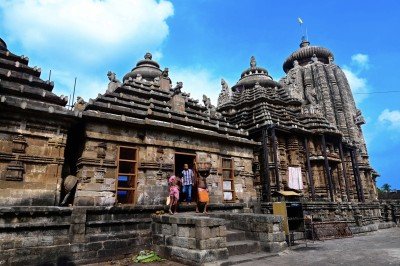
Ananta Vasudeva Temple
Some quick example text to build on the card title and make up the bulk of the card's content.
Go somewhere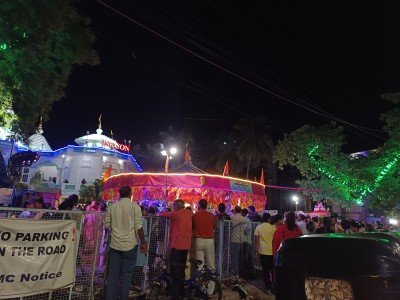
Balaram Temple
Some quick example text to build on the card title and make up the bulk of the card's content.
Go somewhere
BDA City Centre
Some quick example text to build on the card title and make up the bulk of the card's content.
Go somewhere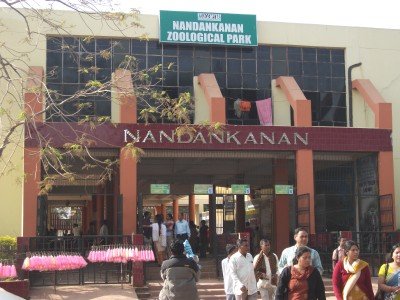
Bhubaneswar Zoo
Some quick example text to build on the card title and make up the bulk of the card's content.
Go somewhere
Biju Patnaik Park
Some quick example text to build on the card title and make up the bulk of the card's content.
Go somewhere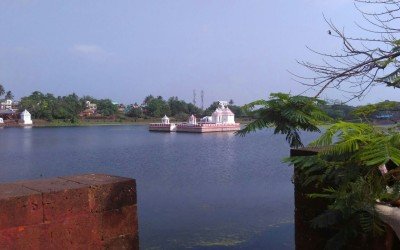
Bindusagar Lake
Some quick example text to build on the card title and make up the bulk of the card's content.
Go somewhere
Brahmeswara Temple
Some quick example text to build on the card title and make up the bulk of the card's content.
Go somewhere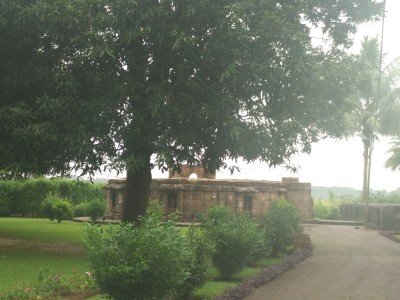
Chausathi Jogini Temple
Some quick example text to build on the card title and make up the bulk of the card's content.
Go somewhere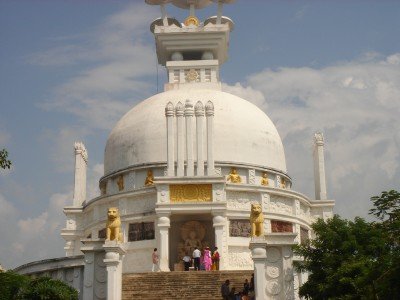
Daya River Battlefield
Some quick example text to build on the card title and make up the bulk of the card's content.
Go somewhere
Deras Dam
Some quick example text to build on the card title and make up the bulk of the card's content.
Go somewhere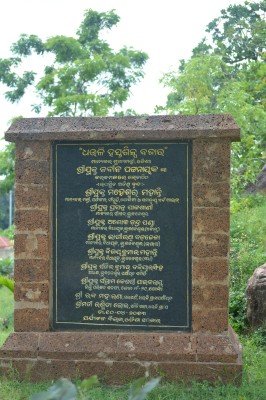
Dhauli Shanti Stupa
Some quick example text to build on the card title and make up the bulk of the card's content.
Go somewhere
Ekamra Haat
Some quick example text to build on the card title and make up the bulk of the card's content.
Go somewhere
Ekamra Kanan Botanical Gardens
Some quick example text to build on the card title and make up the bulk of the card's content.
Go somewhere
Ganesh Temple
Some quick example text to build on the card title and make up the bulk of the card's content.
Go somewhere
Gokarneshwar Temple
Some quick example text to build on the card title and make up the bulk of the card's content.
Go somewhere
ISKCON Temple, Bhubaneswar
Some quick example text to build on the card title and make up the bulk of the card's content.
Go somewherein Other Cities