

Ram Mandir
General information
-
Ideal Duration:
1 Hour:Place Type:
Modern Religious Shrine:Entry Fees:
No Entry Fee: The Ram Mandir is a place of worship and tradition, and there is no official entry fee for general visitors or devotees to enter the temple complex or the prayer hall. This is a common practice for operational Hindu temples in India.
Read MoreNo Entry Fee: The Ram Mandir is a place of worship and tradition, and there is no official entry fee for general visitors or devotees to enter the temple complex or the prayer hall. This is a common practice for operational Hindu temples in India.
Donation Boxes: While entry is free, visitors may choose to make voluntary donations for the temple's maintenance or to partake in specific religious offerings. Designated donation boxes are available within the premises.
Fees for Special Rituals: If a devotee wishes to sponsor or participate in a special Puja, Havan, or a specific ritual (like a personal Aarti), there may be a fixed fee associated with the service, which can be inquired about at the temple office.
Photography/Videography: Typically, photography in the outer complex is free, but photography is strictly prohibited inside the main sanctum (Garbhagriha). Any professional-level shooting requires prior permission and may incur a fee.
:Timing:
Regular Timings: The temple is open daily from 5:30 AM to 12:00 PM (forenoon session) and again from 4:30 PM to 9:30 PM (afternoon/evening session). The temple closes for a break in the afternoon.
Aarti Timings: The most popular times for v...Regular Timings: The temple is open daily from 5:30 AM to 12:00 PM (forenoon session) and again from 4:30 PM to 9:30 PM (afternoon/evening session). The temple closes for a break in the afternoon.
Aarti Timings: The most popular times for visitors are during the main Aarti sessions, which are held in the early morning and in the evening around sunset (e. g. , around 6:30 PM or 7:00 PM), which are characterized by great fervor.
Ideal Visit Time: The best time to visit for a peaceful spiritual experience is during the early morning (just after 5:30 AM opening). For a vibrant and visually striking visit (especially for photography of the illuminated spires), the evening (4:30 PM to 7:00 PM) is ideal.
Festival Timings: During major festivals like Ram Navami, the temple remains open for extended hours, and the closing time may be much later than usual due to the large influx of devotees.
:Special Events:
Ram Navami: The festival celebrating the birth of Lord Rama is the most significant event, falling usually in March or April. The temple is grandly decorated, special Pujas and Havan ceremonies are performed, and processions take place, drawing massive crowds of devotees. <...Ram Navami: The festival celebrating the birth of Lord Rama is the most significant event, falling usually in March or April. The temple is grandly decorated, special Pujas and Havan ceremonies are performed, and processions take place, drawing massive crowds of devotees.
Dussehra (Vijayadashami): This festival, usually in September or October, celebrates Lord Rama’s victory over the demon king Ravana. The temple complex sees special rituals, cultural programs, and often a fair or community events, creating a very festive atmosphere.
Diwali: The Festival of Lights, usually in October or November, is celebrated with spectacular lighting arrangements across the temple structure and premises, making the saffron spires glow beautifully in the night sky.
Janmashtami: The birth of Lord Krishna (an avatar of Lord Vishnu, as is Lord Rama) is also celebrated with fervor, involving special midnight Aartis and elaborate decorations.
:Best Photo Spots:
The Towering Spires Against the Sky: The most iconic photo is a wide-angle shot capturing the central and subsidiary saffron-colored spires against a clear day or dramatic evening sky. Their height and color make for a striking composition.
Eve...The Towering Spires Against the Sky: The most iconic photo is a wide-angle shot capturing the central and subsidiary saffron-colored spires against a clear day or dramatic evening sky. Their height and color make for a striking composition.
Evening Illumination: The temple is often brilliantly illuminated in the evening, providing a stunning photo opportunity to capture the structure glowing against the twilight or dark sky, emphasizing its role as a city landmark.
The Main Entrance Archway: The temple's main entrance, with its detailed ornamentation and view of the spires beyond, offers a great frame for capturing the devotion and flow of the visiting crowds.
Close-ups of the Idols: While generally no photography is allowed inside the inner sanctum, carefully framed shots of the idols from the outer viewing areas (if permitted) or the detailed artistry on the exterior walls are excellent photo subjects.
The Garden View: The temple can be photographed from the surrounding garden, using the lush greenery or colorful flowers as a natural, peaceful foreground to the massive structure. (Approx.
):Photo Gallery
Things To Do
-
Attend the Morning and Evening Aarti: The most spiritually rewarding activity is attending the morning (5:30 AM) or the evening (4:30 PM to 9:30 PM) Aarti. The atmosphere during these times is vibrant with devotional energy, music, and the ringing of bells, providing a deep cultural and religious experience.
Offer Prayers and Seek Blessings: Spend time in the main sanctum to offer prayers to Lord Rama, Goddess Sita, and Lord Lakshmana. The quiet contemplation in the presence of the beautiful idols is the main purpose of the visit.
Observe the Architecture and Carvings: Walk around the perimeter of the temple to admire the saffron-colored structure and the intricate carvings on the spires and walls. Note the different subsidiary shrines and their deities within the complex.
Read MoreAttend the Morning and Evening Aarti: The most spiritually rewarding activity is attending the morning (5:30 AM) or the evening (4:30 PM to 9:30 PM) Aarti. The atmosphere during these times is vibrant with devotional energy, music, and the ringing of bells, providing a deep cultural and religious experience.
Offer Prayers and Seek Blessings: Spend time in the main sanctum to offer prayers to Lord Rama, Goddess Sita, and Lord Lakshmana. The quiet contemplation in the presence of the beautiful idols is the main purpose of the visit.
Observe the Architecture and Carvings: Walk around the perimeter of the temple to admire the saffron-colored structure and the intricate carvings on the spires and walls. Note the different subsidiary shrines and their deities within the complex.
Relax in the Garden: Take a peaceful break in the surrounding well-maintained garden. It's a nice place for a short walk and to capture views of the temple's towering spires from a distance.
Participate in Bhajans and Kirtans: Check if any devotional singing sessions are scheduled during your visit. Joining or listening to the Bhajans and Kirtans is a culturally enriching activity.
Celebrate Festivals: If your visit coincides with major festivals like Ram Navami, Dussehra, or Diwali, the temple is beautifully decorated, and special grand rituals and processions take place, offering a spectacular cultural sight.
Photography of the Spire: Capture the prominent, towering spires of the temple. They are best photographed against a clear blue sky or during the evening when the temple is brightly illuminated, highlighting the saffron color and architectural details.
Visit the Temple Shop: Look for a temple-run shop or counter that might offer religious books, pictures of the deities, or small devotional items (prasad) as a souvenir of your visit.
:
Information
-
Why Famous:
Central Location and Visibility: The primary reason for its fame is its iconic status in the heart of Bhubaneswar. Its massive, bright saffron spires are a distinctive landmark, visible from far away, serving as a spiritual and geographic reference point in the city center,...Central Location and Visibility: The primary reason for its fame is its iconic status in the heart of Bhubaneswar. Its massive, bright saffron spires are a distinctive landmark, visible from far away, serving as a spiritual and geographic reference point in the city center, which makes it a must-see for locals and tourists alike.
Dedicated to Lord Rama: As a major modern temple dedicated to the highly revered Lord Rama, Goddess Sita, and Lord Lakshmana, it attracts a huge congregation of devotees, especially during festivals related to the Ram Parivar, such as Ram Navami and Dussehra.
Vibrant Religious Atmosphere: It is famous for the vibrancy of its daily religious rituals and the melodious devotional singing (Bhajans and Kirtans) and Aarti ceremonies, particularly in the morning and evening, which create a highly spiritual and engaging atmosphere for visitors.
Modern Architectural Beauty: The temple is a significant example of modern temple construction in the region, showcasing how contemporary building techniques and design can be used to create an impressive religious edifice that still respects traditional iconography and devotional space. The clean, well-maintained premises are highly appreciated by visitors.
: -
Architecture:
Architectural Style and Color Palette: The Ram Mandir's architecture is a contemporary take on the traditional Hindu temple style, yet it is often compared to the grandiosity of some ancient structures. The entire exterior is dominated by a vibrant saffron color, which symb...Architectural Style and Color Palette: The Ram Mandir's architecture is a contemporary take on the traditional Hindu temple style, yet it is often compared to the grandiosity of some ancient structures. The entire exterior is dominated by a vibrant saffron color, which symbolically represents the spirituality and purity of Sanatan Dharma. The use of bright color contrasts with the natural stone finish of the older temples in the city.
Prominent Shikharas (Spires): The most striking architectural elements are the soaring Shikharas (spires) above the main sanctum and the other shrine areas. These spires are intricately designed and are the reason for the temple's visibility from a distance. The central spire is the tallest, symbolizing the dwelling place of the primary deity, Lord Rama.
Detailed Interior and Exterior Decorations: The temple is known for its beautiful interiors, which are often decorated with contemporary art, carvings, and murals depicting scenes from the Ramayana and other Hindu scriptures. The outer structures feature intricate designs and carvings, though they may not possess the ancient detail of the Kalinga style, they are impressive for their modern craftsmanship and scale.
Complex Layout: The temple complex is well-planned, featuring the main shrine, smaller subsidiary shrines dedicated to other deities (often Lord Hanuman and Lord Shiva), a prayer hall, and a tranquil surrounding garden area that enhances the overall aesthetic and provides space for devotees.
: -
How To Reach:
By Air: The nearest airport is Biju Patnaik International Airport (BBI), approximately 4. 7 KMS away. The temple's central location ensures an easy and quick transit from the airport via taxi or ride-sharing services in about 15-20 minutes.
By ...By Air: The nearest airport is Biju Patnaik International Airport (BBI), approximately 4. 7 KMS away. The temple's central location ensures an easy and quick transit from the airport via taxi or ride-sharing services in about 15-20 minutes.
By Train: The Bhubaneswar Railway Station (BBS) is remarkably close, situated only about 1. 4 KMS from the temple. This proximity makes the train the most convenient way to arrive. From the station, a short auto-rickshaw ride (about 5 minutes) or a brief walk can easily take you to the temple.
By Road - Intercity: The Baramunda Bus Stand is located about 7. 6 KMS away. Travelers arriving by intercity bus can easily hire a taxi, auto-rickshaw, or take a local Mo Bus to the temple, as it is a well-known stop in the city.
By Local Transport: Being in the city center, the Ram Mandir has excellent connectivity. It is a major stop for the local Mo Bus service. Auto-rickshaws are plentiful, but it is advisable to negotiate the fare in advance. The area is also quite walkable from other central commercial points, and ride-sharing apps provide a reliable means of travel.
: -
Weather and Best Time to Visit:
Best Time to Visit - Seasonally: The most comfortable time to visit is the Winter season, from October to March, when the weather is cool and pleasant for walking around the complex. This season also coincides with the major festivals of Dussehra and Diwali, making the temp...Best Time to Visit - Seasonally: The most comfortable time to visit is the Winter season, from October to March, when the weather is cool and pleasant for walking around the complex. This season also coincides with the major festivals of Dussehra and Diwali, making the temple environment more vibrant and beautifully decorated. The Summer and Monsoon seasons are less comfortable due to heat, humidity, and rain, although the temple is an indoor site.
Best Time to Visit - Parts of the Day: The best time for a visit is in the early morning (5:30 AM to 7:00 AM) for a peaceful darshan before the rush, or in the evening (5:00 PM to 7:00 PM) to witness the spectacular evening Aarti ceremony and see the illuminated temple spires. Avoid the afternoon closure (12:00 PM to 4:30 PM) and the peak heat of the day.
: -
Near Tourist Places:
1. Bhubaneswar Railway Station (Approx. 1. 4 KMS), 2. Odisha State Museum (Approx. 2. 5 KMS), 3. ISKCON Temple (Approx. 2. 7 KMS), 4. Regional Plant Resource Centre (Botanical Garden) (Approx. 4 KMS), 5. Rajarani Temple (Approx. 4. 7 KMS), 6. Pathani Samanta Planetarium (Approx. 4. 7 KMS), 7. Lingaraj Temple (Approx. 5. 5 KMS), 8. Udayagiri and Khandagiri Caves (Approx. 7 KMS), 9. Dhauli Shanti Stupa (Approx. 10 KMS), 10. Sishupalgarh (Approx. 7.
5 KMS):
Tourism Tips
-
Health & Safety: As a busy religious place, be mindful of your belongings, especially during crowded Aarti times. The floor can be slippery after the cleaning or during the monsoon. Dress modestly, covering shoulders and knees, out of respect for the religious site.Health & Safety: As a busy religious place, be mindful of your belongings, especially during crowded Aarti times. The floor can be slippery after the cleaning or during the monsoon. Dress modestly, covering shoulders and knees, out of respect for the religious site.
Packing: Carry minimal items inside. Leave shoes at the designated stand (nominal fee usually applies). Carry water for hydration. Photography is usually restricted inside the sanctum.
Accommodation: Being in the central Unit-9 area, a wide range of accommodation is available, from major brand hotels to budget lodges, all within a few minutes' drive. Staying nearby is convenient for repeated visits or early morning Aarti. Other Different Topics Heading - Devotional Etiquette: The temple is an active place of worship. Maintain silence and respectful demeanor inside the prayer hall. Foreign visitors should be aware of standard temple etiquette regarding footwear and dress code. Use the short closure time between 12:00 PM and 4:30 PM to plan a meal or visit other nearby attractions.
:
Reviews
FAQs
Bhubaneswar Itineray And Cost:-
Other Places In Bhubaneswar :-
Other States In India :-
Information about New and Updated Locations() of Odisha Has Been Added :-
Card subtitle
Note:-
Information provided here in good Faith and for reference only.
Near Places
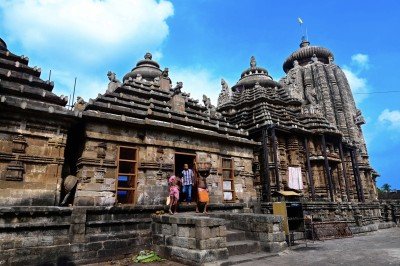
Ananta Vasudeva Temple
Some quick example text to build on the card title and make up the bulk of the card's content.
Go somewhere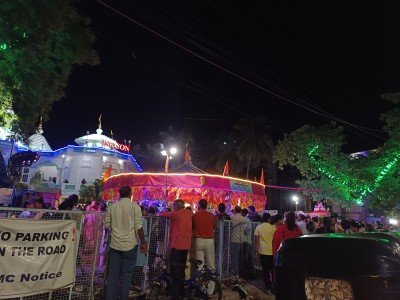
Balaram Temple
Some quick example text to build on the card title and make up the bulk of the card's content.
Go somewhere
BDA City Centre
Some quick example text to build on the card title and make up the bulk of the card's content.
Go somewhere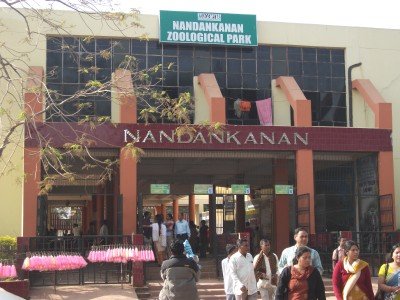
Bhubaneswar Zoo
Some quick example text to build on the card title and make up the bulk of the card's content.
Go somewhere
Biju Patnaik Park
Some quick example text to build on the card title and make up the bulk of the card's content.
Go somewhere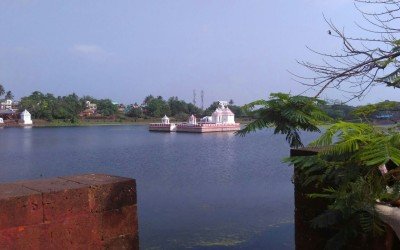
Bindusagar Lake
Some quick example text to build on the card title and make up the bulk of the card's content.
Go somewhere
Brahmeswara Temple
Some quick example text to build on the card title and make up the bulk of the card's content.
Go somewhere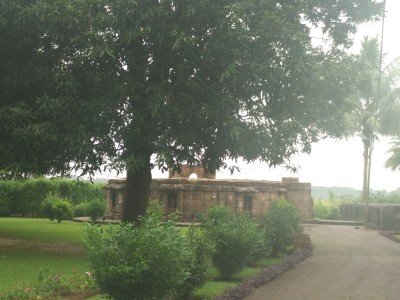
Chausathi Jogini Temple
Some quick example text to build on the card title and make up the bulk of the card's content.
Go somewhere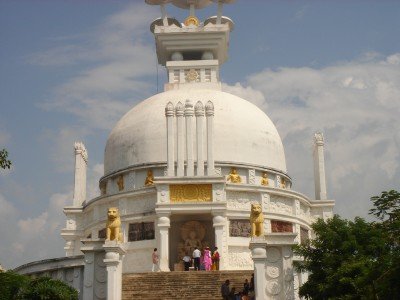
Daya River Battlefield
Some quick example text to build on the card title and make up the bulk of the card's content.
Go somewhere
Deras Dam
Some quick example text to build on the card title and make up the bulk of the card's content.
Go somewhere
Dhauli Shanti Stupa
Some quick example text to build on the card title and make up the bulk of the card's content.
Go somewhere
Ekamra Haat
Some quick example text to build on the card title and make up the bulk of the card's content.
Go somewhere
Ekamra Kanan Botanical Gardens
Some quick example text to build on the card title and make up the bulk of the card's content.
Go somewhere
Ganesh Temple
Some quick example text to build on the card title and make up the bulk of the card's content.
Go somewhere
Gokarneshwar Temple
Some quick example text to build on the card title and make up the bulk of the card's content.
Go somewhere
ISKCON Temple, Bhubaneswar
Some quick example text to build on the card title and make up the bulk of the card's content.
Go somewherein Other Cities