

Treta Ke Thakur Temple
General information
-
Ideal Duration:
1-2 Hours (If open);
Full Day (on Ekadashi):Place Type:
Temple/Historic Site:Entry Fees:
No Entry Fee: On the one day it is open, there is no entry fee for Darshan.
Crowd Management Fee: Due to the immense crowds on Ekadashi, certain controlled viewing areas or seva passes might be managed, but entry remains free.No Entry Fee: On the one day it is open, there is no entry fee for Darshan.
Crowd Management Fee: Due to the immense crowds on Ekadashi, certain controlled viewing areas or seva passes might be managed, but entry remains free.
Donations: Voluntary donations are highly encouraged on the day of Darshan:Timing:
Regular Timings: Closed for 364 days a year.
Ideal Visit Time: The temple is only open on Kartik Shukla Ekadashi (confirm the October/November date annually). On this day, visiting as early as possible is recommended to manage the crowd.Regular Timings: Closed for 364 days a year.
Ideal Visit Time: The temple is only open on Kartik Shukla Ekadashi (confirm the October/November date annually). On this day, visiting as early as possible is recommended to manage the crowd.
Open Day Timings: The opening time on Ekadashi is typically early morning and lasts until evening, but is subject to crowd flow and ritual completion:Special Events:
Kartik Shukla Ekadashi (Devotthan Ekadashi): This is the only day of the year the temple opens for public viewing, an immense, crowded, and deeply spiritual festival that is the highlight of the Ayodhya pilgrimage calendar.
Annual Temple Anniver...Kartik Shukla Ekadashi (Devotthan Ekadashi): This is the only day of the year the temple opens for public viewing, an immense, crowded, and deeply spiritual festival that is the highlight of the Ayodhya pilgrimage calendar.
Annual Temple Anniversary: Celebrations are held on the anniversary of the temple's establishment or the Holkar renovation, marked by special bhajans and rituals:Best Photo Spots:
The Main Nagara Shikhara: The towering spire of the main temple provides a magnificent, traditional photo subject.
The Temple Gates: The large, usually colorfully painted gates and walls of the temple, especially on the day it is open, are a...The Main Nagara Shikhara: The towering spire of the main temple provides a magnificent, traditional photo subject.
The Temple Gates: The large, usually colorfully painted gates and walls of the temple, especially on the day it is open, are a vibrant photo spot.
Exterior Architecture: Capture the architectural details, such as the Maratha-style touches and the stonework of the perimeter:Photo Gallery
Things To Do
-
Attend the Ekadashi Darshan: If your visit aligns, this is the paramount thing to do—join the thousands of pilgrims for the single-day Darshan of the idols.
Visit the Exterior: If the temple is closed, admire the exterior architecture and the temple gates, reflecting on its history.
Combine with Swarg Dwar: Visit the nearby Swarg Dwar ghat for a ritual bath and to witness the Saryu Aarti.
Photography of the Gates: Capture the architecture and the vibrant temple gates.
Reflection on the Yagya Site: Sit near the perimeter and meditate on the historical and spiritual significance of the Ashwamedha Yagya performed here:...Attend the Ekadashi Darshan: If your visit aligns, this is the paramount thing to do—join the thousands of pilgrims for the single-day Darshan of the idols.
Visit the Exterior: If the temple is closed, admire the exterior architecture and the temple gates, reflecting on its history.
Combine with Swarg Dwar: Visit the nearby Swarg Dwar ghat for a ritual bath and to witness the Saryu Aarti.
Photography of the Gates: Capture the architecture and the vibrant temple gates.
Reflection on the Yagya Site: Sit near the perimeter and meditate on the historical and spiritual significance of the Ashwamedha Yagya performed here:
Information
-
Why Famous:
Single Day Darshan: Famed for being open to the public only once a year, on Kartik Shukla Ekadashi (October/November), making the visit an extremely rare and highly revered pilgrimage opportunity.
Ashwamedha Yagya Site: It is the hallowed sp...Single Day Darshan: Famed for being open to the public only once a year, on Kartik Shukla Ekadashi (October/November), making the visit an extremely rare and highly revered pilgrimage opportunity.
Ashwamedha Yagya Site: It is the hallowed spot where Lord Ram is believed to have performed the great Ashwamedha Yagya after his victory.
Holkar's Legacy: The temple is an important historical landmark due to its reconstruction by the pious Maratha Queen Ahilyabai Holkar in the 18th century, linking Ayodhya with Maratha heritage: -
Architecture:
Architectural Style and Dimensions: The temple, largely reconstructed by Ahilyabai Holkar, predominantly features the classical North Indian Nagara style of temple architecture, including the towering Shikhara (spire) over the main sanctum. The presence of raised platforms,...Architectural Style and Dimensions: The temple, largely reconstructed by Ahilyabai Holkar, predominantly features the classical North Indian Nagara style of temple architecture, including the towering Shikhara (spire) over the main sanctum. The presence of raised platforms, often found in Maratha constructions, is also evident, reflecting the patronage. The unique idols, carved from a single block of black sandstone, are a significant artistic feature, showcasing the high-quality craftsmanship of the period. The dimensions are considerable to accommodate the large number of deities and the single-day influx of pilgrims, featuring an expansive courtyard and an inner sanctum. The entire complex represents a harmonious blend of historical Indian temple building traditions, with the influence of Maratha royal patronage: -
How To Reach:
By Air: Ayodhya International Airport (AYJ) is about 12 KMS away. Taxis are needed.
By Train: Ayodhya Dham Junction (AY) is approximately 2. 5 KMS away. Auto-rickshaws are the best way to reach Naya Ghat.
By R...By Air: Ayodhya International Airport (AYJ) is about 12 KMS away. Taxis are needed.
By Train: Ayodhya Dham Junction (AY) is approximately 2. 5 KMS away. Auto-rickshaws are the best way to reach Naya Ghat.
By Road: Located at the Naya Ghat section of Ayodhya, it is easily accessible by the main roads near the Saryu River.
By Local Transport: Auto-rickshaws and cycle rickshaws are common. Due to its proximity to the ghat and other major temples, it is a convenient stop on a temple tour. Be prepared for road closures and heavy foot traffic on the day it is open: -
Weather and Best Time to Visit:
Season and Weather: The best time to visit Ayodhya is October to March. The Ekadashi when the temple is open typically falls in the cool November or December weather, making it the ideal time for the event.
Different Parts of the Day: Early...Season and Weather: The best time to visit Ayodhya is October to March. The Ekadashi when the temple is open typically falls in the cool November or December weather, making it the ideal time for the event.
Different Parts of the Day: Early Morning on the day of Darshan (before 9:00 AM) is best, despite the crowds, to minimize wait time: -
Near Tourist Places:
Swarg Dwar (0.
5 KMS):
Ram Ki Paidi (1 KMS): Nageshwarnath Temple (1.
5 KMS):
Hanuman Garhi (2 KMS): Dashrath Bhavan (2.
5 KMS):
Kanak Bhawan (3 KMS):
Tulsi Smarak Bhawan (3 KMS): Sita Ki Rasoi (2.
5 KMS):
Suraj Kund (
5 KMS):
Lata Mangeshkar Chowk (2 KMS):
Tourism Tips
-
Health & Safety: Be prepared for extremely large crowds and long queues on Ekadashi. Carry water and snacks, and protect yourself from the sun/cold. Follow police and volunteer instructions closely.
Packing: Wear comfortable shoes that are...Health & Safety: Be prepared for extremely large crowds and long queues on Ekadashi. Carry water and snacks, and protect yourself from the sun/cold. Follow police and volunteer instructions closely.
Packing: Wear comfortable shoes that are easy to remove. Secure your valuables against pickpockets in the crowd.
Accommodation: Book accommodation well in advance for the Ekadashi period, as the entire city is full. Stay close to the Naya Ghat area for convenience.
Other Tips: Confirm the exact date of Kartik Shukla Ekadashi before planning your trip around this single-day event:
Reviews
FAQs
Ayodhya Itineray And Cost:-
Treta Ke Thakur Temple Tourism:-
Other Places In Ayodhya :-
Other States In India :-
Information about New and Updated Locations() of Uttar Pradesh Has Been Added :-
Card subtitle
Note:-
Information provided here in good Faith and for reference only.
Near Places
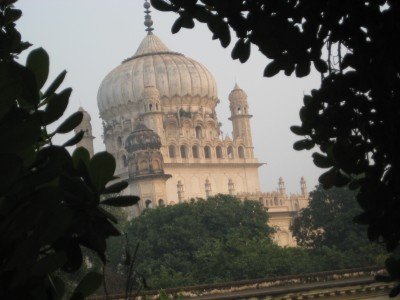
Bahu Begum ka Maqbara
Some quick example text to build on the card title and make up the bulk of the card's content.
Go somewhere
Brahma Kund Gurudwara
Some quick example text to build on the card title and make up the bulk of the card's content.
Go somewhere
Chhoti Devkali Temple
Some quick example text to build on the card title and make up the bulk of the card's content.
Go somewhere
Dashrath Bhavan
Some quick example text to build on the card title and make up the bulk of the card's content.
Go somewhere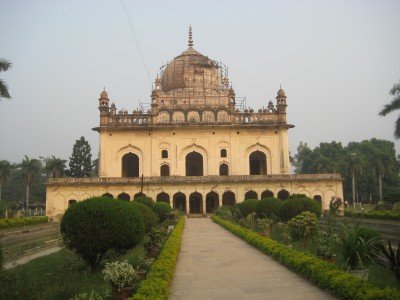
Gulab Bari
Some quick example text to build on the card title and make up the bulk of the card's content.
Go somewhere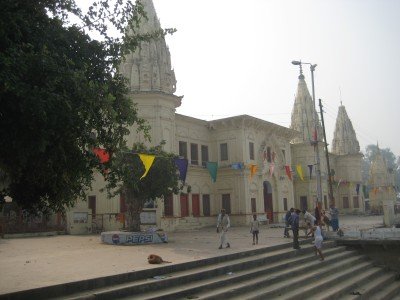
Guptar Ghat
Some quick example text to build on the card title and make up the bulk of the card's content.
Go somewhere
Hanuman Garhi
Some quick example text to build on the card title and make up the bulk of the card's content.
Go somewhere
Jain Shwetamber Temple
Some quick example text to build on the card title and make up the bulk of the card's content.
Go somewhere
Kanak Bhawan
Some quick example text to build on the card title and make up the bulk of the card's content.
Go somewhere
Lata Mangeshkar Chowk
Some quick example text to build on the card title and make up the bulk of the card's content.
Go somewhere
Mani Parbat
Some quick example text to build on the card title and make up the bulk of the card's content.
Go somewhere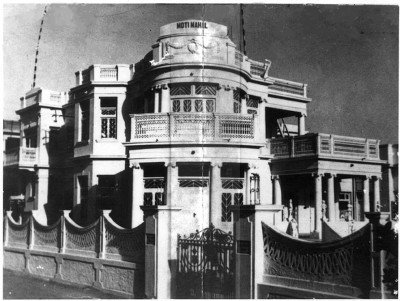
Moti Mahal
Some quick example text to build on the card title and make up the bulk of the card's content.
Go somewhere
Nageshwarnath Temple
Some quick example text to build on the card title and make up the bulk of the card's content.
Go somewhere
Queen Huh Memorial Park
Some quick example text to build on the card title and make up the bulk of the card's content.
Go somewhere
Raja Dasharath Samadhi Sthal
Some quick example text to build on the card title and make up the bulk of the card's content.
Go somewhere
Ram Janmabhoomi Temple
Some quick example text to build on the card title and make up the bulk of the card's content.
Go somewherein Other Cities