

Saryu River Ghats
General information
-
Ideal Duration:
3 to 4 HoursPlace Type:
Nature, Religious, and WaterfrontEntry Fees:
Standard Entry: Access to all the Saryu River Ghats is free for the public; there are no tickets required to walk on the promenade or sit on the steps.
Boat Ride Charges: Private boat rides typically cost between 300 to 500 Rupees for a fu...Standard Entry: Access to all the Saryu River Ghats is free for the public; there are no tickets required to walk on the promenade or sit on the steps.
Boat Ride Charges: Private boat rides typically cost between 300 to 500 Rupees for a full boat, or about 50 Rupees per person on a shared basis, depending on the duration of the trip.
:Timing:
Regular Timings: The ghats are accessible 24 Hours, though the main activities and shops operate from 4:00 AM to 11:00 PM to cater to the early morning and late night pilgrims.
Ideal Visit Time: Visit at 5:30 AM for the sunrise and the morn...Regular Timings: The ghats are accessible 24 Hours, though the main activities and shops operate from 4:00 AM to 11:00 PM to cater to the early morning and late night pilgrims.
Ideal Visit Time: Visit at 5:30 AM for the sunrise and the morning rituals, or at 6:00 PM for the evening Aarti; these are the times when the river looks its most divine and atmospheric.
:Special Events:
Kartik Purnima is the biggest event at the ghats, where people light thousands of lamps and float them in the river, creating a "river of fire" that looks spectacular at night.
Sravan Jhula Mela: During the rainy month of Sravan, the deities from various temples ar...Kartik Purnima is the biggest event at the ghats, where people light thousands of lamps and float them in the river, creating a "river of fire" that looks spectacular at night.
Sravan Jhula Mela: During the rainy month of Sravan, the deities from various temples are brought to the ghats in a grand procession for a symbolic swing ceremony near the water.
:Best Photo Spots:
Naya Ghat Main Steps: This offers the widest view of the river and the most vibrant activity, making it great for street photography and capturing the scale of the pilgrimage.
Guptar Ghat Sunsets: The orientation of this ghat allows for a d...Naya Ghat Main Steps: This offers the widest view of the river and the most vibrant activity, making it great for street photography and capturing the scale of the pilgrimage.
Guptar Ghat Sunsets: The orientation of this ghat allows for a direct view of the setting sun over the water, creating a perfect backdrop for romantic or peaceful portrait shots.
From the Mid-River Boat: Taking a photo looking back at the city from a boat captures the "Ghat Landscape" with all the temple spires and the long stretch of steps in one frame.
:Photo Gallery
Things To Do
-
Take a Traditional Boat Ride: Hire a hand-paddled wooden boat at dawn; the view of the temple-lined horizon from the middle of the river is the most iconic experience in Ayodhya.
Attend the Evening Aarti: Join the crowd at Naya Ghat around 6:30 PM to see the priests wave massive lamps in circles; the chanting of "Saryu Maiya" by thousands of people is soul-stirring.
Bathe in the Holy River: For a true pilgrim experience, take a dip in the Saryu; there are separate changing areas for men and women, and the water is generally shallow near the steps.
Explore Guptar Ghat: Visit the spot where Lord Ram completed his earthly journey; the temples here are beautifully maintained, and the surrounding cantonment area is very clean and green.
Read MoreTake a Traditional Boat Ride: Hire a hand-paddled wooden boat at dawn; the view of the temple-lined horizon from the middle of the river is the most iconic experience in Ayodhya.
Attend the Evening Aarti: Join the crowd at Naya Ghat around 6:30 PM to see the priests wave massive lamps in circles; the chanting of "Saryu Maiya" by thousands of people is soul-stirring.
Bathe in the Holy River: For a true pilgrim experience, take a dip in the Saryu; there are separate changing areas for men and women, and the water is generally shallow near the steps.
Explore Guptar Ghat: Visit the spot where Lord Ram completed his earthly journey; the temples here are beautifully maintained, and the surrounding cantonment area is very clean and green.
Evening Walk on the Promenade: The newly built walkway is perfect for a long stroll; it is well-lit and offers a safe, breezy environment to enjoy the river views after a long day of temple visits.
Photography of the Sun and River: The reflection of the rising sun on the ripples of the Saryu provides endless opportunities for stunning landscape and silhouette photography.
Interacting with Sadhus: The ghats are home to many wandering monks; talking to them (with respect) can provide interesting insights into the spiritual traditions and history of the river.
Feed the Fish: It is a local tradition to feed flour balls (Goli) to the fish in the Saryu; you can buy these from local vendors, and it’s a fun activity for children and families.
:
Information
-
Why Famous:
The Saryu River Ghats are famous as the site where Lord Ram is believed to have taken his "Jal Samadhi" (departure from the mortal world) at Guptar Ghat.
Holy Purification: They are famous for the Magh Mela and Kartik Purnima festivals, when millions of people cong...The Saryu River Ghats are famous as the site where Lord Ram is believed to have taken his "Jal Samadhi" (departure from the mortal world) at Guptar Ghat.
Holy Purification: They are famous for the Magh Mela and Kartik Purnima festivals, when millions of people congregate to take a synchronized dip in the cold, sacred waters.
Cinematic Beauty: The ghats have been featured in numerous documentaries and films due to their stunning sunrise views and the dramatic visual of hundreds of boats floating on the river.
Evening Aarti: The Saryu Aarti performed here is famous for its scale and devotion, rivaling the famous aartis of Varanasi and Haridwar in its spiritual intensity and beauty.
: -
Architecture:
The ghats are built using a combination of ancient masonry and modern concrete, featuring a series of tiered platforms that adapt to the changing water levels.
Stone Embankments: Most of the older ghats feature massive blocks of Chunar Sandstone, carved with simple...The ghats are built using a combination of ancient masonry and modern concrete, featuring a series of tiered platforms that adapt to the changing water levels.
Stone Embankments: Most of the older ghats feature massive blocks of Chunar Sandstone, carved with simple geometric patterns and designed to withstand the heavy flow of the river during monsoons.
Aarti Pavilions: Modern additions include elevated circular platforms or "Chhatris" specifically designed for the Saryu Aarti, equipped with sound systems and decorative railings.
Dimension of the Stretch: The main ghat area extends for over 2 Kilometers, providing a vast public space that varies in width from 20 to 50 meters depending on the river's edge.
Riverfront Walkway: A newly constructed wide promenade connects the various ghats, featuring stone benches, cast-iron lamp posts, and landscaped patches that give it a modern urban park feel.
: -
How To Reach:
By Air: From Ayodhya Airport, the ghats are a 25-minute drive; it is best to take a taxi which can drop you at the Naya Ghat entrance, the most accessible point for tourists.
By Train: From Ayodhya Dham Junction, the ghats are just 3. 5 KM...By Air: From Ayodhya Airport, the ghats are a 25-minute drive; it is best to take a taxi which can drop you at the Naya Ghat entrance, the most accessible point for tourists.
By Train: From Ayodhya Dham Junction, the ghats are just 3. 5 KMS away; E-rickshaws are the most popular way to get there, taking about 10 to 15 minutes through the city traffic.
By Road: If driving from Gorakhpur or Basti, the highway passes very close to the ghats; there is a dedicated parking area at Nayaghat where visitors can leave their cars and walk to the river.
By Local Transport: Within Ayodhya, cycle-rickshaws are a great way to reach the ghats through the narrower streets, while auto-rickshaws and E-rickshaws are better for reaching the more distant Guptar Ghat.
: -
Weather and Best Time to Visit:
Winter Season: November to February is excellent; the river breeze is cool and refreshing, and the water temperature is manageable for a holy dip, making it the peak time for tourism.
Summer Season: March to June is hot during the day; th...Winter Season: November to February is excellent; the river breeze is cool and refreshing, and the water temperature is manageable for a holy dip, making it the peak time for tourism.
Summer Season: March to June is hot during the day; the ghats are best visited during the "blue hour" just before sunrise or after sunset when the stone steps have cooled down.
Monsoon Season: July to September sees the river rise significantly; while the ghats look powerful and the weather is cooler, some lower steps may be submerged, requiring extra caution while walking.
: -
Near Tourist Places:
1. Ram Ki Paidi (0. 2 KMS), 2. Nageshwarnath Temple (0. 3 KMS), 3. Tulsi Udyan (0. 5 KMS), 4. Mani Parvat (3. 5 KMS), 5. Hanuman Garhi (2. 5 KMS), 6. Kanak Bhawan (2. 8 KMS), 7. Valmiki Bhawan (2 KMS), 8. Military Temple (9 KMS - near Guptar Ghat), 9. Company Garden (8. 5 KMS), 10. Choti Chawni (3 KMS)
Tourism Tips
-
Health and Safety: Be extremely careful of the current during the monsoon; stay within the designated bathing areas marked by chains and do not venture too far into the deep water.
Packing Essentials: If you plan to bathe, bring a dry bag ...Health and Safety: Be extremely careful of the current during the monsoon; stay within the designated bathing areas marked by chains and do not venture too far into the deep water.
Packing Essentials: If you plan to bathe, bring a dry bag for your clothes and electronics; also, carry some mosquito repellent if you plan to stay at the ghats late into the evening.
Connectivity and Cash: There is good mobile network coverage along the river; many boatmen now accept digital payments, but it is wise to keep small change for temple offerings and snacks.
Environmental Responsibility: Do not throw plastic, soap, or non-biodegradable offerings into the river; use the provided bins to help keep the sacred Saryu clean for future generations.
:
Reviews
FAQs
Ayodhya Itineray And Cost:-
Saryu River Ghats Tourism:-
Other Places In Ayodhya :-
Other States In India :-
Information about New and Updated Locations() of Uttar Pradesh Has Been Added :-
Card subtitle
Note:-
Information provided here in good Faith and for reference only.
Near Places
Bahu Begum ka Maqbara
Some quick example text to build on the card title and make up the bulk of the card's content.
Go somewhere
Brahma Kund Gurudwara
Some quick example text to build on the card title and make up the bulk of the card's content.
Go somewhere
Chhoti Devkali Temple
Some quick example text to build on the card title and make up the bulk of the card's content.
Go somewhere
Dashrath Bhavan
Some quick example text to build on the card title and make up the bulk of the card's content.
Go somewhere
Gulab Bari
Some quick example text to build on the card title and make up the bulk of the card's content.
Go somewhere
Guptar Ghat
Some quick example text to build on the card title and make up the bulk of the card's content.
Go somewhere
Hanuman Garhi
Some quick example text to build on the card title and make up the bulk of the card's content.
Go somewhere
Jain Shwetamber Temple
Some quick example text to build on the card title and make up the bulk of the card's content.
Go somewhere
Kanak Bhawan
Some quick example text to build on the card title and make up the bulk of the card's content.
Go somewhere
Lata Mangeshkar Chowk
Some quick example text to build on the card title and make up the bulk of the card's content.
Go somewhere
Mani Parbat
Some quick example text to build on the card title and make up the bulk of the card's content.
Go somewhere
Moti Mahal
Some quick example text to build on the card title and make up the bulk of the card's content.
Go somewhere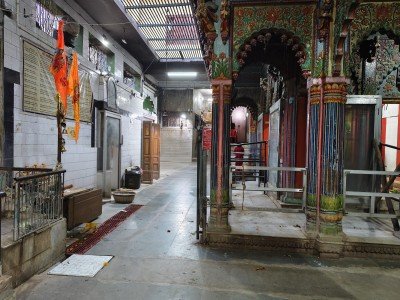
Nageshwarnath Temple
Some quick example text to build on the card title and make up the bulk of the card's content.
Go somewhere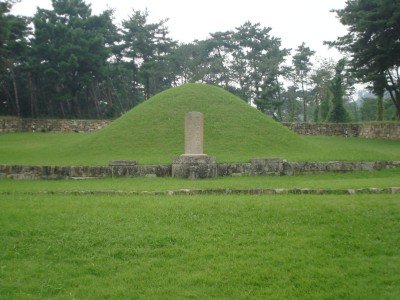
Queen Huh Memorial Park
Some quick example text to build on the card title and make up the bulk of the card's content.
Go somewhere
Raja Dasharath Samadhi Sthal
Some quick example text to build on the card title and make up the bulk of the card's content.
Go somewhere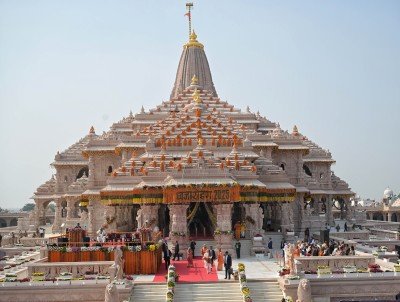
Ram Janmabhoomi Temple
Some quick example text to build on the card title and make up the bulk of the card's content.
Go somewherein Other Cities