
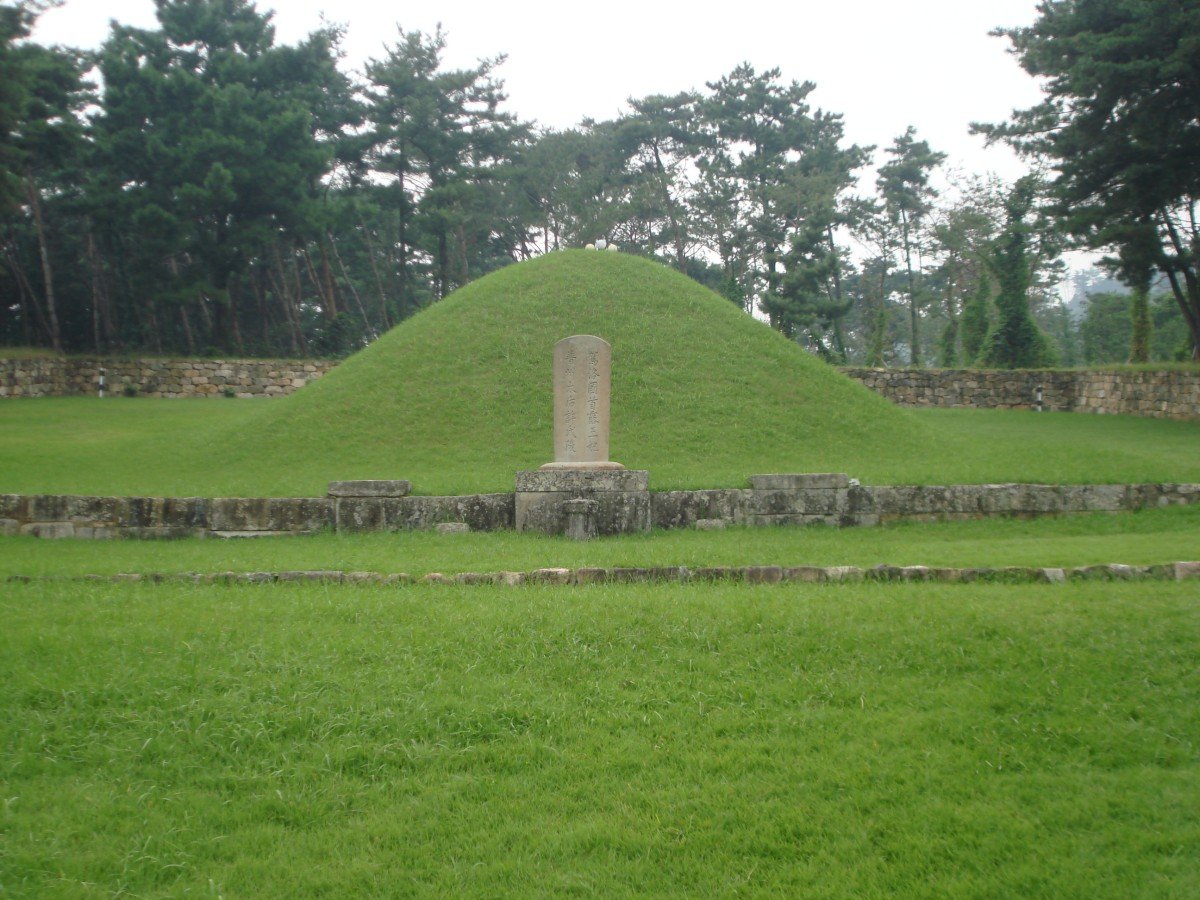
Queen Huh Memorial Park
General information
-
Ideal Duration:
1 HourPlace Type:
Cultural/Scenic/HistoricalEntry Fees:
No Entry Fee: Entry to the park is generally free for all visitors:
Parking Fees: There may be a nominal parking charge for private vehicles.
Donations: Donations towards the maintenance of the park, though n...No Entry Fee: Entry to the park is generally free for all visitors:
Parking Fees: There may be a nominal parking charge for private vehicles.
Donations: Donations towards the maintenance of the park, though not mandatory, are welcome to support the cultural endeavor:Timing:
Regular Timings: Open daily, typically from around 8:00 AM to 6:
00 PM (may vary seasonally):
Ideal Visit Time: Late afternoon (around 4:00 PM) to catch the soft evening light, which is perfect for photography,...Regular Timings: Open daily, typically from around 8:00 AM to 6:
00 PM (may vary seasonally):
Ideal Visit Time: Late afternoon (around 4:00 PM) to catch the soft evening light, which is perfect for photography, and to avoid the midday heat. The park's atmosphere is most serene in the early morning:Special Events:
Heo Hwang-ok Memorial Ceremony: A yearly ceremony, often attended by official delegates from South Korea and descendants of the Heo and Kim clans, celebrating the queen's life and the cultural connection:
Korean Festivals: Occasional cultural...Heo Hwang-ok Memorial Ceremony: A yearly ceremony, often attended by official delegates from South Korea and descendants of the Heo and Kim clans, celebrating the queen's life and the cultural connection:
Korean Festivals: Occasional cultural and friendship festivals are hosted here, showcasing Korean art, food, and traditions:Best Photo Spots:
The Twin Pavilions: The two pavilions (King and Queen) framed by the unique, colorful Korean architectural style:
The Saryu River Backdrop: The memorial structure positioned against the serene, flowing waters of the Saryu at sunset:The Twin Pavilions: The two pavilions (King and Queen) framed by the unique, colorful Korean architectural style:
The Saryu River Backdrop: The memorial structure positioned against the serene, flowing waters of the Saryu at sunset:
The Stone from Korea: A close-up or well-framed shot of the distinct stone stupa and its unique texture:Photo Gallery
Things To Do
-
Stroll the Gardens: Enjoy a leisurely walk through the park's manicured lawns, appreciating the tranquility and the blend of Indian and Korean landscaping styles.
Cultural Exploration: Read the plaques and inscriptions to learn about the fascinating ancient connection between Ayodhya and Korea, a unique aspect of Indian history.
Photography: The pavilions and the memorial stone against the backdrop of the Saryu River offer beautiful, unique photo opportunities.
Relaxation: Find a quiet bench by the pond to relax and reflect, enjoying the peaceful atmosphere away from the temple crowds.
Attend Cultural Events: Occasionally, the park hosts cultural exchange events or ceremonies organized by the Korean community or the local governm...Stroll the Gardens: Enjoy a leisurely walk through the park's manicured lawns, appreciating the tranquility and the blend of Indian and Korean landscaping styles.
Cultural Exploration: Read the plaques and inscriptions to learn about the fascinating ancient connection between Ayodhya and Korea, a unique aspect of Indian history.
Photography: The pavilions and the memorial stone against the backdrop of the Saryu River offer beautiful, unique photo opportunities.
Relaxation: Find a quiet bench by the pond to relax and reflect, enjoying the peaceful atmosphere away from the temple crowds.
Attend Cultural Events: Occasionally, the park hosts cultural exchange events or ceremonies organized by the Korean community or the local government to celebrate the bond:
Picnicking (Respectfully): The green lawns are suitable for a quiet family afternoon, provided all rules for cleanliness and respect for the memorial are followed:
Information
-
Why Famous:
Indo-Korean Kinship: It is famous as the only site in India that directly commemorates an ancient link with Korea, providing a fascinating and unique historical narrative rarely found elsewhere:
Serene Beauty: Its peaceful location on the ban...Indo-Korean Kinship: It is famous as the only site in India that directly commemorates an ancient link with Korea, providing a fascinating and unique historical narrative rarely found elsewhere:
Serene Beauty: Its peaceful location on the banks of the Saryu River and its meticulously maintained, beautifully landscaped gardens offer a quiet retreat from the spiritual bustle of the main city center:
International Significance: The park’s fame is rooted in its role as a cultural bridge, actively fostering diplomatic and cultural ties between India and South Korea, and the Korean diaspora: -
Architecture:
Korean Traditional Style: The design incorporates elements of traditional Korean architecture, which is a significant contrast to the regional Indian style. It features a main pavilion, a stone stupa, and a pond representing the sea voyage:
The ...Korean Traditional Style: The design incorporates elements of traditional Korean architecture, which is a significant contrast to the regional Indian style. It features a main pavilion, a stone stupa, and a pond representing the sea voyage:
The Stupa: A prominent feature is the stone stupa, an original element, which is a large, heavy stone shipped from Korea itself, symbolizing the queen's origin:
Pavilions and Pond: The park includes a King and Queen pavilion with their busts and a pond designed to represent the ocean journey of Princess Suriratna from Ayodhya to Korea. The landscaping blends both Indian and Korean garden designs: -
How To Reach:
By Air: Maharishi Valmiki International Airport Ayodhya (AYJ), about 13 KM away.
Take a pre-paid taxi or auto:
By Train: Ayodhya Dham Junction (AY) is about 3. 5 KM away. It's a short auto-rickshaw ride to t...By Air: Maharishi Valmiki International Airport Ayodhya (AYJ), about 13 KM away.
Take a pre-paid taxi or auto:
By Train: Ayodhya Dham Junction (AY) is about 3. 5 KM away. It's a short auto-rickshaw ride to the Naya Ghat area:
By Road: Located near Naya Ghat on the road leading out of the main city. E-rickshaws and auto-rickshaws are the most efficient local means of travel:
By Local Transport: Easily reachable by e-rickshaws or auto-rickshaws.
Ask for the "Korea Park" or "Naya Ghat Memorial": -
Weather and Best Time to Visit:
Seasons: October to March is the best period for pleasant weather conducive to walking and enjoying the park's open space:
Summer Season: Avoid the peak summer months (April-June) due to intense heat, making midday visits uncomfortable:Seasons: October to March is the best period for pleasant weather conducive to walking and enjoying the park's open space:
Summer Season: Avoid the peak summer months (April-June) due to intense heat, making midday visits uncomfortable:
Parts of the Day: Late afternoon provides excellent soft light for photography and a cooler temperature for strolling: -
Near Tourist Places:
Ram Ki Paidi (1 KM) Saryu Ghats (1 KM) Guptar Ghat (4 KM) Tulsi Smarak Bhawan (2 KM) Nageshwarnath Temple (2 KM) Kanak Bhawan (4 KM) Ram Janmabhoomi (5 KM) Hanuman Garhi (5 KM) Dashrath Mahal (5 KM) Treta Ke Thakur Temple (4 KM)
Tourism Tips
-
Health & Safety: The park is very safe, but be aware of traffic on the adjacent road. Carry insect repellent for evenings near the river:
Packing: Wear light, comfortable clothing. A camera is a must for the unique architecture. A light ja...Health & Safety: The park is very safe, but be aware of traffic on the adjacent road. Carry insect repellent for evenings near the river:
Packing: Wear light, comfortable clothing. A camera is a must for the unique architecture. A light jacket might be useful for winter evenings:
Accommodation: Accommodation near the Naya Ghat area is often quieter and slightly more upscale than the central city area near Hanuman Garhi:
Other Tips: This spot is great for a break from temple hopping. Take time to read the full legend on the plaques for the complete story. Purchase a guide book detailing the Indo-Korean connection:
Reviews
FAQs
Ayodhya Itineray And Cost:-
Queen Huh Memorial Park Tourism:-
Other Places In Ayodhya :-
Other States In India :-
Information about New and Updated Locations() of Uttar Pradesh Has Been Added :-
Card subtitle
Note:-
Information provided here in good Faith and for reference only.
Near Places
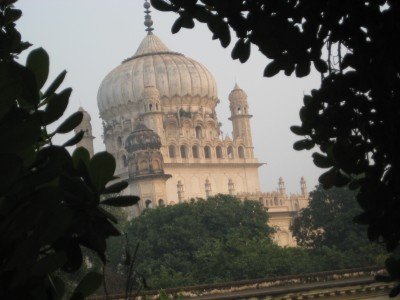
Bahu Begum ka Maqbara
Some quick example text to build on the card title and make up the bulk of the card's content.
Go somewhere
Brahma Kund Gurudwara
Some quick example text to build on the card title and make up the bulk of the card's content.
Go somewhere
Chhoti Devkali Temple
Some quick example text to build on the card title and make up the bulk of the card's content.
Go somewhere
Dashrath Bhavan
Some quick example text to build on the card title and make up the bulk of the card's content.
Go somewhere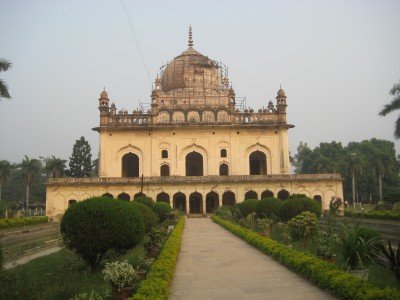
Gulab Bari
Some quick example text to build on the card title and make up the bulk of the card's content.
Go somewhere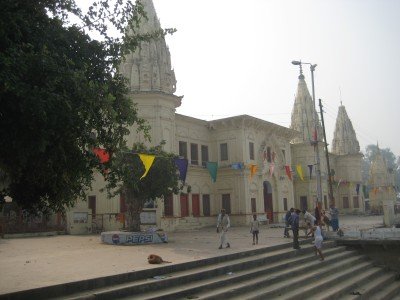
Guptar Ghat
Some quick example text to build on the card title and make up the bulk of the card's content.
Go somewhere
Hanuman Garhi
Some quick example text to build on the card title and make up the bulk of the card's content.
Go somewhere
Jain Shwetamber Temple
Some quick example text to build on the card title and make up the bulk of the card's content.
Go somewhere
Kanak Bhawan
Some quick example text to build on the card title and make up the bulk of the card's content.
Go somewhere
Lata Mangeshkar Chowk
Some quick example text to build on the card title and make up the bulk of the card's content.
Go somewhere
Mani Parbat
Some quick example text to build on the card title and make up the bulk of the card's content.
Go somewhere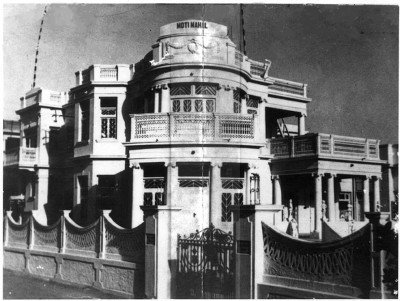
Moti Mahal
Some quick example text to build on the card title and make up the bulk of the card's content.
Go somewhere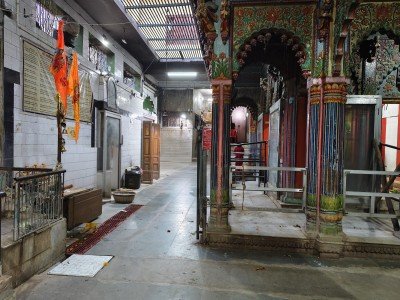
Nageshwarnath Temple
Some quick example text to build on the card title and make up the bulk of the card's content.
Go somewhere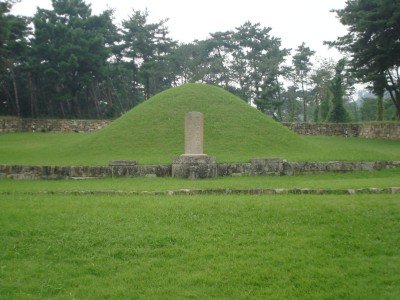
Queen Huh Memorial Park
Some quick example text to build on the card title and make up the bulk of the card's content.
Go somewhere
Raja Dasharath Samadhi Sthal
Some quick example text to build on the card title and make up the bulk of the card's content.
Go somewhere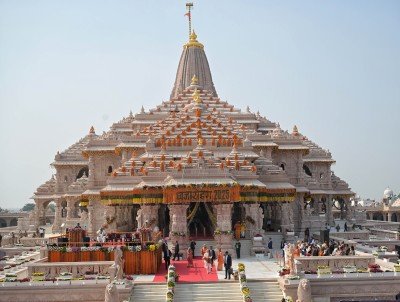
Ram Janmabhoomi Temple
Some quick example text to build on the card title and make up the bulk of the card's content.
Go somewherein Other Cities