

Raja Dasharath Samadhi Sthal
General information
-
Ideal Duration:
1-2 Hours (Due to Distance)Place Type:
Religious/PilgrimageEntry Fees:
No Entry Fee:
Entry to the temple and Samadhi Sthal is free:
Donation and Ritual Fees: Fees are only charged if you hire a local priest (Pandit) to perform specific Puja or Pind Daan rituals:
Read MoreNo Entry Fee:
Entry to the temple and Samadhi Sthal is free:
Donation and Ritual Fees: Fees are only charged if you hire a local priest (Pandit) to perform specific Puja or Pind Daan rituals:
Parking: Parking may be available for a small fee, as it is a more distant and rural location:Timing:
Regular Timings: Generally open from early morning (around 6:00 AM) to late evening (around 7:
00 PM) Ideal Visit Time: Early morning (before 9:00 AM) or late afternoon. It is best to visit after finishing the central city temples, as it is a...Regular Timings: Generally open from early morning (around 6:00 AM) to late evening (around 7:
00 PM) Ideal Visit Time: Early morning (before 9:00 AM) or late afternoon. It is best to visit after finishing the central city temples, as it is a half-day excursion:
Ritual Time: Visit during the first half of the day if you plan to perform Pind Daan or a holy dip:Special Events:
Annual Pind Daan Events: Specific days of the year, particularly during the Pitr Paksha (a Hindu period for remembering ancestors, usually in September), see major rituals and large gatherings for ancestral rites:
Dasharath Jayanti: The birth...Annual Pind Daan Events: Specific days of the year, particularly during the Pitr Paksha (a Hindu period for remembering ancestors, usually in September), see major rituals and large gatherings for ancestral rites:
Dasharath Jayanti: The birth anniversary of Raja Dasharath is celebrated with special Puja and community feasts:Best Photo Spots:
The Riverside Platform: The view of the Samadhi Sthal complex from the newly renovated platform near the Saryu bank:
The Main Temple Entrance: Capturing the temple structure and the quiet, rural background, which contrasts with the city templ...The Riverside Platform: The view of the Samadhi Sthal complex from the newly renovated platform near the Saryu bank:
The Main Temple Entrance: Capturing the temple structure and the quiet, rural background, which contrasts with the city temples:
Idol of Dasharath: A respectful shot of the main shrine or the idols of the family inside the main temple (if permitted):Photo Gallery
Things To Do
-
Perform Ancestral Rites: Engage in Pind Daan or other rituals to honor departed ancestors, a main purpose of the pilgrimage to this site.
Offer Prayers to Dasharath: Pay homage to the great king and seek blessings for a strong family and dutiful life.
Circumambulation (Parikrama): Perform Parikrama (ritual circling) of the central shrine.
Take a Dip in the Saryu: The proximity to Bilvharighat makes it an ideal spot for a holy bath in the river.
Meditation: The quiet, distant location is perfect for prolonged quiet reflection and meditation, especially near the riverside:
Recite Shani Stotra: Devotees often recite the Dasharath Krutha Shani Stotra to invoke protection from Saturn:...Perform Ancestral Rites: Engage in Pind Daan or other rituals to honor departed ancestors, a main purpose of the pilgrimage to this site.
Offer Prayers to Dasharath: Pay homage to the great king and seek blessings for a strong family and dutiful life.
Circumambulation (Parikrama): Perform Parikrama (ritual circling) of the central shrine.
Take a Dip in the Saryu: The proximity to Bilvharighat makes it an ideal spot for a holy bath in the river.
Meditation: The quiet, distant location is perfect for prolonged quiet reflection and meditation, especially near the riverside:
Recite Shani Stotra: Devotees often recite the Dasharath Krutha Shani Stotra to invoke protection from Saturn:
Information
-
Why Famous:
A Place of Ancestors: Its primary fame comes from being the final memorial for Raja Dasharath, making it a vital spot for Hindus to honor ancestors and perform rituals like Pind Daan:
The Shani Connection: A unique aspect is the belief that w...A Place of Ancestors: Its primary fame comes from being the final memorial for Raja Dasharath, making it a vital spot for Hindus to honor ancestors and perform rituals like Pind Daan:
The Shani Connection: A unique aspect is the belief that worshipping here helps in mitigating the negative influence of the planet Saturn (Shani Dev), which draws a specific set of devotees seeking astrological relief:
Off-Center Serenity: Unlike the crowded central temples, its distance from the city provides a peaceful, contemplative atmosphere, allowing for deeper spiritual practice and reflection: -
Architecture:
Traditional Temple Style: The architecture is predominantly that of a traditional Hindu temple complex, though it has undergone multiple renovations and recent beautification efforts by the state government. The design focuses on the sanctity of the memorial shrine and the ...Traditional Temple Style: The architecture is predominantly that of a traditional Hindu temple complex, though it has undergone multiple renovations and recent beautification efforts by the state government. The design focuses on the sanctity of the memorial shrine and the adjacent temple:
Shrines and Idols: The complex houses a Samadhi (tomb or memorial shrine) and a temple with idols of Raja Dasharath, his wives, and the four brothers (Rama, Lakshmana, Bharat, and Shatrughna). Crucially, it is also said to contain the Charan Paduka (footprints) of all four brothers and the ancient Guru Vashishth:
Surrounding Ghat: The complex is situated near the Bilvharighat on the banks of the Saryu, where pilgrims take a holy dip. The location is more serene and spread out than the congested city center spots: -
How To Reach:
By Air: Maharishi Valmiki International Airport Ayodhya (AYJ) is around 25 KM away. A pre-booked cab is the best option due to the distance:
By Train: Ayodhya Dham Junction (AY) is about 18 KM away. Hire a taxi or a local jeep/tempo; direc...By Air: Maharishi Valmiki International Airport Ayodhya (AYJ) is around 25 KM away. A pre-booked cab is the best option due to the distance:
By Train: Ayodhya Dham Junction (AY) is about 18 KM away. Hire a taxi or a local jeep/tempo; direct local bus services are also available but less frequent:
By Road: Located in the Pure Bazar Gram Panchayat, approximately 15-17 KM from the central Ayodhya city. The road journey takes about 30-45 minutes. Shared taxis or local autos are the most common way to reach:
By Local Transport: A dedicated auto-rickshaw or taxi is advisable due to its distance from the main city.
Negotiate the round-trip fare beforehand: -
Weather and Best Time to Visit:
Seasons: October to March is the most comfortable period for the longer road journey:
Ritual Time: Visit during Pitr Paksha for the maximum spiritual experience related to ancestor worship:
Parts of the Day: M...Seasons: October to March is the most comfortable period for the longer road journey:
Ritual Time: Visit during Pitr Paksha for the maximum spiritual experience related to ancestor worship:
Parts of the Day: Morning is more sacred for the Saryu dip and rituals, while the afternoon offers the quietest atmosphere for contemplation: -
Near Tourist Places:
Guptar Ghat (10 KM) Ram Katha Park (15 KM) Hanuman Garhi (17 KM) Ram Janmabhoomi (18 KM) Kanak Bhawan (18 KM) Dashrath Mahal (17 KM) Nageshwarnath Temple (17 KM) Tulsi Smarak Bhawan (17 KM) Mani Parvat (20 KM) Tomb of Bahu Begum (20 KM)
Tourism Tips
-
Health & Safety: Since it is rural, carry adequate water and snacks.
Be respectful of the quiet, rural setting:
Packing: Carry a change of clothes if you plan to take a holy dip in the river.Health & Safety: Since it is rural, carry adequate water and snacks.
Be respectful of the quiet, rural setting:
Packing: Carry a change of clothes if you plan to take a holy dip in the river.
Dress modestly:
Accommodation: It is not an accommodation hub; it's a day-trip destination.
Stay in central Ayodhya and travel:
Other Tips: Hire a priest at the site to explain the historical and religious importance of the rituals performed here. Ensure your transport waits for you for the return journey:
Reviews
FAQs
Ayodhya Itineray And Cost:-
Raja Dasharath Samadhi Sthal Tourism:-
Other Places In Ayodhya :-
Other States In India :-
Information about New and Updated Locations() of Uttar Pradesh Has Been Added :-
Card subtitle
Note:-
Information provided here in good Faith and for reference only.
Near Places
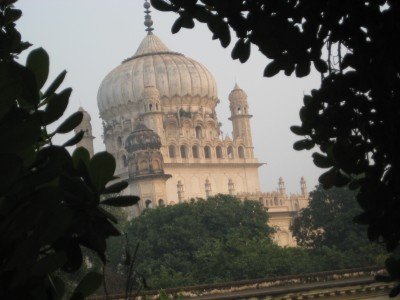
Bahu Begum ka Maqbara
Some quick example text to build on the card title and make up the bulk of the card's content.
Go somewhere
Brahma Kund Gurudwara
Some quick example text to build on the card title and make up the bulk of the card's content.
Go somewhere
Chhoti Devkali Temple
Some quick example text to build on the card title and make up the bulk of the card's content.
Go somewhere
Dashrath Bhavan
Some quick example text to build on the card title and make up the bulk of the card's content.
Go somewhere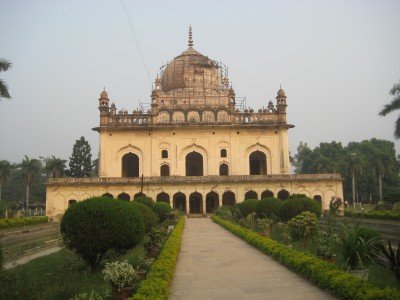
Gulab Bari
Some quick example text to build on the card title and make up the bulk of the card's content.
Go somewhere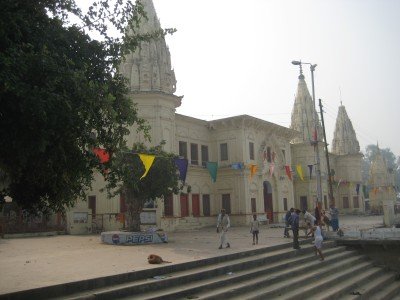
Guptar Ghat
Some quick example text to build on the card title and make up the bulk of the card's content.
Go somewhere
Hanuman Garhi
Some quick example text to build on the card title and make up the bulk of the card's content.
Go somewhere
Jain Shwetamber Temple
Some quick example text to build on the card title and make up the bulk of the card's content.
Go somewhere
Kanak Bhawan
Some quick example text to build on the card title and make up the bulk of the card's content.
Go somewhere
Lata Mangeshkar Chowk
Some quick example text to build on the card title and make up the bulk of the card's content.
Go somewhere
Mani Parbat
Some quick example text to build on the card title and make up the bulk of the card's content.
Go somewhere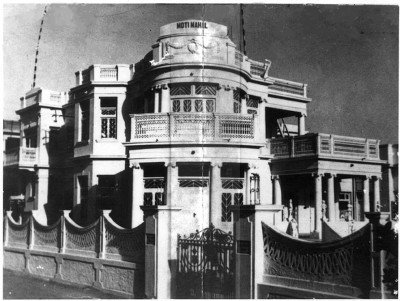
Moti Mahal
Some quick example text to build on the card title and make up the bulk of the card's content.
Go somewhere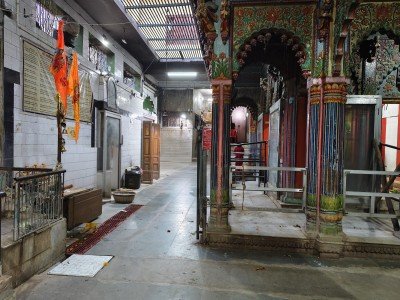
Nageshwarnath Temple
Some quick example text to build on the card title and make up the bulk of the card's content.
Go somewhere
Queen Huh Memorial Park
Some quick example text to build on the card title and make up the bulk of the card's content.
Go somewhere
Raja Dasharath Samadhi Sthal
Some quick example text to build on the card title and make up the bulk of the card's content.
Go somewhere
Ram Janmabhoomi Temple
Some quick example text to build on the card title and make up the bulk of the card's content.
Go somewherein Other Cities