

Swarg Dwar
General information
-
Ideal Duration:
1-2 Hours (plus extra for Aarti):Place Type:
Sacred River Ghat:Entry Fees:
No Entry Fee: Access to the ghat is entirely free of charge, as is customary for public pilgrimage sites.
Aarti Attendance: There is no fee to attend the evening aarti, though voluntary donations are often collected.
Read MoreNo Entry Fee: Access to the ghat is entirely free of charge, as is customary for public pilgrimage sites.
Aarti Attendance: There is no fee to attend the evening aarti, though voluntary donations are often collected.
Boat Rides: If offered, boat rides on the Saryu will incur a small charge, usually negotiated with local boatmen:Timing:
Regular Timings: Open from 4:00 AM to 10:00 PM daily (though accessible 24 hours).
Ideal Visit Time: One hour before Sunset to secure a spot for the evening Aarti is the Best Time to Visit. The aarti typically begins between 5:00 PM and 6:3...Regular Timings: Open from 4:00 AM to 10:00 PM daily (though accessible 24 hours).
Ideal Visit Time: One hour before Sunset to secure a spot for the evening Aarti is the Best Time to Visit. The aarti typically begins between 5:00 PM and 6:30 PM, depending on the season. Early Morning is best for a quiet bath.
Aarti Time Confirmation: Confirm the exact aarti starting time locally, as it shifts with the seasonal sunset:Special Events:
Deepotsav (Diwali): During Diwali, Swarg Dwar and Ram Ki Paidi are the primary sites where millions of diyas (earthen lamps) are lit, creating a Guinness World Record spectacle that is the single largest event in Ayodhya.
Kartik Purnima: Ano...Deepotsav (Diwali): During Diwali, Swarg Dwar and Ram Ki Paidi are the primary sites where millions of diyas (earthen lamps) are lit, creating a Guinness World Record spectacle that is the single largest event in Ayodhya.
Kartik Purnima: Another key day for ritual bathing, drawing massive crowds for purification in the Saryu.
Ram Navami: Pilgrims include a visit to the ghat as part of their city circuit to celebrate Lord Ram's birthday:Best Photo Spots:
The Aarti Spot: The main platform where the priests perform the Aarti offers a dynamic shot of faith, fire, and water.
Steps Leading to the River: A low-angle shot of the wide, receding steps is an iconic representation of the ghat.
...The Aarti Spot: The main platform where the priests perform the Aarti offers a dynamic shot of faith, fire, and water.
Steps Leading to the River: A low-angle shot of the wide, receding steps is an iconic representation of the ghat.
Night Illumination: A long exposure shot of the river, capturing the trails of the floating diyas and the illuminated background structures:Photo Gallery
Things To Do
-
Ritual Bathing (Snan): Take a ritual dip in the holy Saryu River for spiritual cleansing (ensure to use safety chains).
Witness the Aarti: Attend the spectacular evening Saryu Aarti, an absolute must-do for any visitor.
Offer Earthen Lamps: Float a small earthen lamp (deep) on the river during sunset.
Photography: Capture the river landscape and the vibrant colors of the evening aarti.
Walk along Ram Ki Paidi: Stroll along the extended stretch of ghats known as Ram Ki Paidi for varying views of the river.
Meditation: The early morning hours are perfect for quiet meditation on the steps.
Explore Nearby Temples: There are several small, ancient temples and shrines ...Ritual Bathing (Snan): Take a ritual dip in the holy Saryu River for spiritual cleansing (ensure to use safety chains).
Witness the Aarti: Attend the spectacular evening Saryu Aarti, an absolute must-do for any visitor.
Offer Earthen Lamps: Float a small earthen lamp (deep) on the river during sunset.
Photography: Capture the river landscape and the vibrant colors of the evening aarti.
Walk along Ram Ki Paidi: Stroll along the extended stretch of ghats known as Ram Ki Paidi for varying views of the river.
Meditation: The early morning hours are perfect for quiet meditation on the steps.
Explore Nearby Temples: There are several small, ancient temples and shrines located right on the ghat that can be explored:
Information
-
Why Famous:
Lord Ram's Final Act: Famed as the mythological spot where Lord Ram took Jal Samadhi, making it one of the most spiritually charged locations in Ayodhya, promising salvation.
The Saryu Aarti: The evening aarti (worship with lamps) performed ...Lord Ram's Final Act: Famed as the mythological spot where Lord Ram took Jal Samadhi, making it one of the most spiritually charged locations in Ayodhya, promising salvation.
The Saryu Aarti: The evening aarti (worship with lamps) performed here is a mesmerizing and soul-stirring event, a magnificent spectacle of faith, light, and sound that draws large crowds.
Historical Patronage: The 18th-century structures and the ghat renovation by figures like Naval Rai make it a site of historical and architectural importance: -
Architecture:
Architectural Style and Features: Swarg Dwar is a classic river ghat, characterized by a long, wide series of stone steps descending into the Saryu River. The surrounding architecture includes 18th-century buildings and smaller shrines built in a blend of traditional Indian...Architectural Style and Features: Swarg Dwar is a classic river ghat, characterized by a long, wide series of stone steps descending into the Saryu River. The surrounding architecture includes 18th-century buildings and smaller shrines built in a blend of traditional Indian and regional styles, notably commissioned by Naval Rai. The steps are designed to accommodate large crowds for ritual bathing and ceremonies. It is a large, open space, with the architectural focus being the relationship between the steps, the river, and the surrounding structures. The area is also part of Ram Ki Paidi, a modern project of constructed ghats along the river, often featuring floodlights and reinforced structures to manage the river's flow and provide safe access for devotees. Its dimensions are extensive, necessary to handle the massive inflow of pilgrims: -
How To Reach:
By Air: Ayodhya International Airport (AYJ) is about 12 KMS away. Taxis are the most direct route.
By Train: Ayodhya Dham Junction (AY) is approximately 3 KMS away. Auto-rickshaws and cycle rickshaws are easily available.By Air: Ayodhya International Airport (AYJ) is about 12 KMS away. Taxis are the most direct route.
By Train: Ayodhya Dham Junction (AY) is approximately 3 KMS away. Auto-rickshaws and cycle rickshaws are easily available.
By Road: Located in the Naya Ghat area, it is central and well-connected by road, a short drive from the main city center.
By Local Transport: Auto-rickshaws and cycle rickshaws are the most common. It is a very well-known spot, so directions are easy. It can be combined with a visit to Treta Ke Thakur Temple, which is nearby: -
Weather and Best Time to Visit:
Season and Weather: October to January is the Best Time to Visit due to cool, pleasant weather, which is ideal for the evening aarti. Avoid the monsoon months (July-September) when the river level is high.
Different Parts of the Day: Evenin...Season and Weather: October to January is the Best Time to Visit due to cool, pleasant weather, which is ideal for the evening aarti. Avoid the monsoon months (July-September) when the river level is high.
Different Parts of the Day: Evening is the most vibrant and famous time due to the spectacular Aarti. Early Morning (4:00 AM - 6:00 AM) offers the quietest, most spiritually intense experience for ritual bathers: -
Near Tourist Places:
Treta Ke Thakur Temple (0.
5 KMS):
Nageshwarnath Temple (1 KMS): Ram Ki Paidi (0.
5 KMS along the river):
Hanuman Garhi (2 KMS): Kanak Bhawan (2.
5 KMS):
Dashrath Bhavan (3 KMS):
Tulsi Smarak Bhawan (3 KMS): Sita Ki Rasoi (2.
5 KMS):
Suraj Kund (6 KMS):
Guptar Ghat (
5 KMS):
Tourism Tips
-
Health & Safety: Be extremely cautious when descending the steps and while bathing in the river; always use the chains for support. Dress modestly. Secure your belongings during the crowded aarti.
Packing: Bring a small towel and a change...Health & Safety: Be extremely cautious when descending the steps and while bathing in the river; always use the chains for support. Dress modestly. Secure your belongings during the crowded aarti.
Packing: Bring a small towel and a change of clothes if you plan to bathe. Carry a light jacket in winter evenings for the aarti.
Accommodation: The Naya Ghat area has many hotels and dharamsalas catering to pilgrims, offering easy access to the ghat.
Other Tips: Arrive early for the aarti to get a good spot. Be respectful of the priests and the rituals being performed:
Reviews
FAQs
Ayodhya Itineray And Cost:-
Other Places In Ayodhya :-
Other States In India :-
Information about New and Updated Locations() of Uttar Pradesh Has Been Added :-
Card subtitle
Note:-
Information provided here in good Faith and for reference only.
Near Places
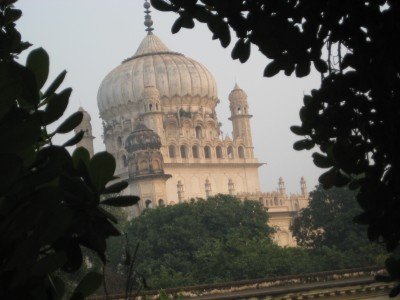
Bahu Begum ka Maqbara
Some quick example text to build on the card title and make up the bulk of the card's content.
Go somewhere
Brahma Kund Gurudwara
Some quick example text to build on the card title and make up the bulk of the card's content.
Go somewhere
Chhoti Devkali Temple
Some quick example text to build on the card title and make up the bulk of the card's content.
Go somewhere
Dashrath Bhavan
Some quick example text to build on the card title and make up the bulk of the card's content.
Go somewhere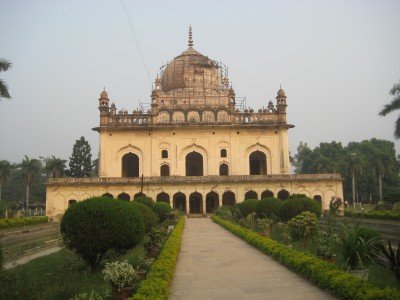
Gulab Bari
Some quick example text to build on the card title and make up the bulk of the card's content.
Go somewhere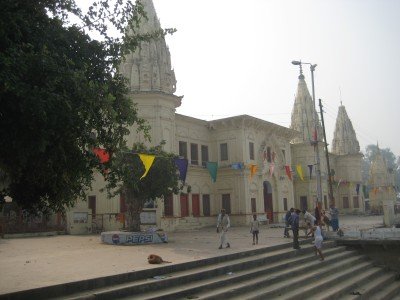
Guptar Ghat
Some quick example text to build on the card title and make up the bulk of the card's content.
Go somewhere
Hanuman Garhi
Some quick example text to build on the card title and make up the bulk of the card's content.
Go somewhere
Jain Shwetamber Temple
Some quick example text to build on the card title and make up the bulk of the card's content.
Go somewhere
Kanak Bhawan
Some quick example text to build on the card title and make up the bulk of the card's content.
Go somewhere
Lata Mangeshkar Chowk
Some quick example text to build on the card title and make up the bulk of the card's content.
Go somewhere
Mani Parbat
Some quick example text to build on the card title and make up the bulk of the card's content.
Go somewhere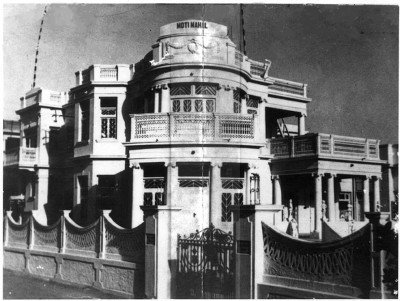
Moti Mahal
Some quick example text to build on the card title and make up the bulk of the card's content.
Go somewhere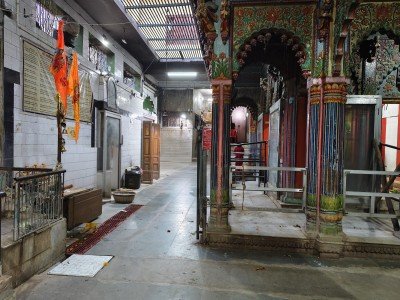
Nageshwarnath Temple
Some quick example text to build on the card title and make up the bulk of the card's content.
Go somewhere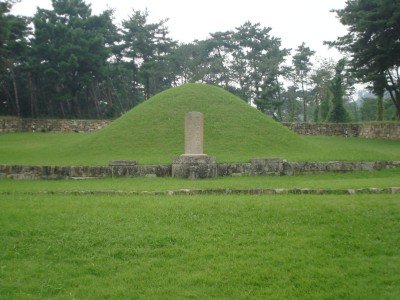
Queen Huh Memorial Park
Some quick example text to build on the card title and make up the bulk of the card's content.
Go somewhere
Raja Dasharath Samadhi Sthal
Some quick example text to build on the card title and make up the bulk of the card's content.
Go somewhere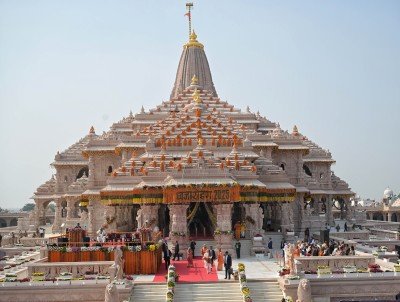
Ram Janmabhoomi Temple
Some quick example text to build on the card title and make up the bulk of the card's content.
Go somewherein Other Cities