
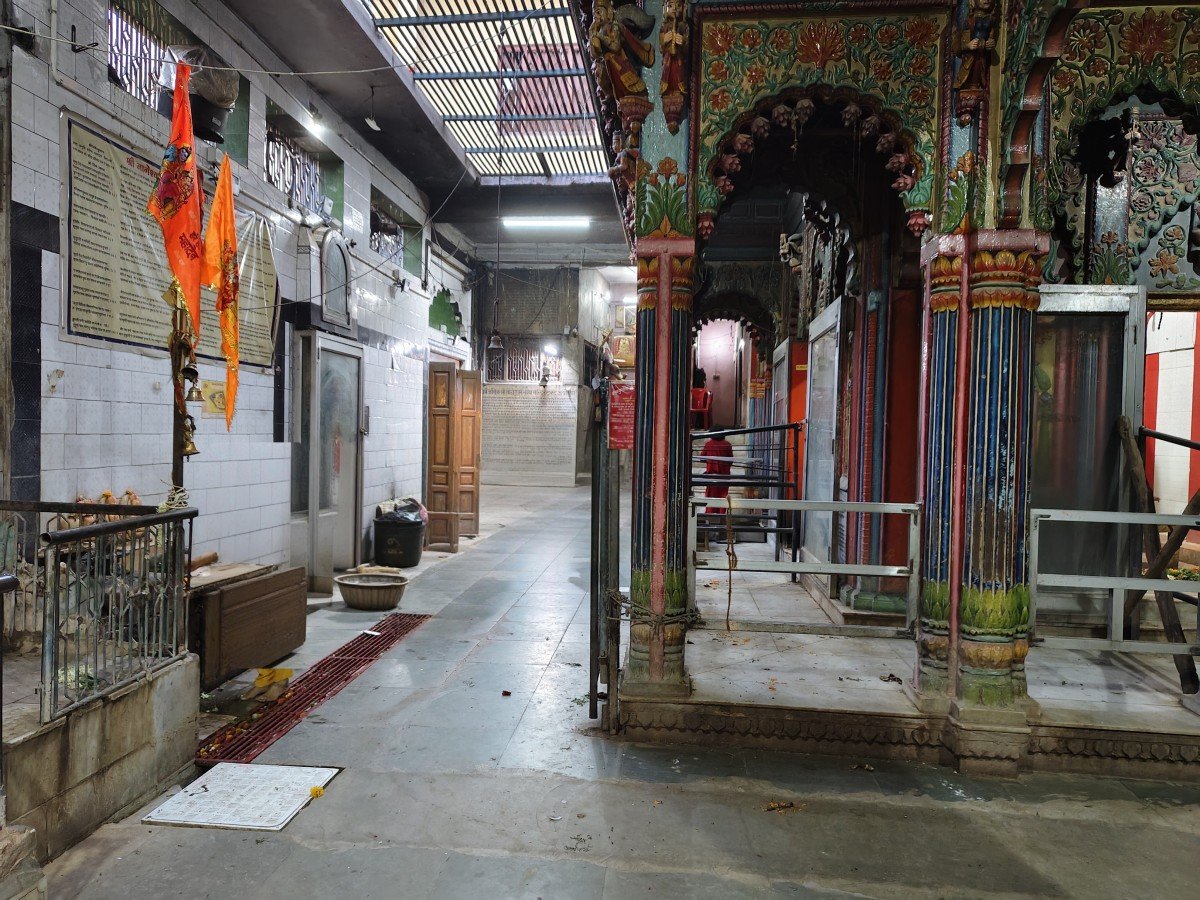
Nageshwarnath Temple
General information
-
Ideal Duration:
1 Hour to 2 HoursPlace Type:
Religious, Spiritual, HistoricalEntry Fees:
No Entry Fee: Entry to the temple is Free for all devotees. :
Aarti Fee: There is typically no fee for attending the general Aarti (ritual of light). :
Puja Offerings: Devotees often spend money on flowers, mi...No Entry Fee: Entry to the temple is Free for all devotees. :
Aarti Fee: There is typically no fee for attending the general Aarti (ritual of light). :
Puja Offerings: Devotees often spend money on flowers, milk, water, and bel leaves as offerings for the puja. :
Donations: Donations for the maintenance and daily rituals of the temple are voluntary and accepted at the donation boxes. :Timing:
Regular Timings: Generally open from 5:00 AM to 8:00 PM. :
Aarti Timings: Morning Aarti (5:00 AM to 6:00 AM) Evening Aarti (8:00 PM to 8:
30 PM) Ideal Visit Time: Early morning (6:00 AM to 7:00 AM) is ideal for...Regular Timings: Generally open from 5:00 AM to 8:00 PM. :
Aarti Timings: Morning Aarti (5:00 AM to 6:00 AM) Evening Aarti (8:00 PM to 8:
30 PM) Ideal Visit Time: Early morning (6:00 AM to 7:00 AM) is ideal for a peaceful darshan before the crowds and the heat, or late evening after the last Aarti. :
Peak Festival Hours: During Mahashivaratri, the temple remains open for extended hours, often overnight, but expects significant crowds. :Special Events:
Mahashivaratri: The most significant annual event (February/March) with the grand Shiva Baraat, attracting lakhs of devotees. :
Nagpanchami: A special festival dedicated to the Serpent Gods (Nagas) (July/August), especially significant due to...Mahashivaratri: The most significant annual event (February/March) with the grand Shiva Baraat, attracting lakhs of devotees. :
Nagpanchami: A special festival dedicated to the Serpent Gods (Nagas) (July/August), especially significant due to the temple's connection to the Nag Kanya legend. :
Trayodashi and Pradosh Vrat: Special monthly celebrations dedicated to Lord Shiva, where the temple is particularly vibrant. :
Sawan (Monsoon) Mondays: Every Monday in the holy month of Sawan (July/August) sees a massive influx of pilgrims offering water to the Shiva Lingam. :Best Photo Spots:
The Shikhara Against the Sky: Capture the intricate details of the Nagara-style spire against the clear morning or evening sky. :
Aarti Reflections: The temple is particularly photogenic during the evening Aarti (though photography inside is ...The Shikhara Against the Sky: Capture the intricate details of the Nagara-style spire against the clear morning or evening sky. :
Aarti Reflections: The temple is particularly photogenic during the evening Aarti (though photography inside is restricted), with the lights creating a serene glow on the exterior. :
View from the Saryu Bank: Take a shot from the banks of the Saryu River to capture the temple's elevated position and its reflection on the water. :
Crowd and Festivity Shots: During major festivals like Mahashivaratri, the temple grounds offer excellent opportunities for dynamic, high-energy devotional photography. :Photo Gallery
Things To Do
-
Darshan and Puja: Perform the ritualistic viewing (darshan) of the Shiva Lingam and offer prayers to Lord Shiva. :
Attend Aarti: Witness the spiritual fervor of the morning (5:00 AM to 6:00 AM) or evening (8:00 PM to 8:30 PM) Aarti (ritual of light). :
Circumambulation (Parikrama): Perform the ritualistic walk around the temple's perimeter for spiritual merit. :
Holy Dip and Veneration: Take a purifying bath in the nearby Saryu River and then proceed to the temple for worship. :
Visit Nearby Temples: Explore the other small, associated shrines located within the immediate proximity of the Nageshwarnath Temple. :
Festival Participation: If visiting during Mahashivaratri or Nagpanchami, participate in t...Darshan and Puja: Perform the ritualistic viewing (darshan) of the Shiva Lingam and offer prayers to Lord Shiva. :
Attend Aarti: Witness the spiritual fervor of the morning (5:00 AM to 6:00 AM) or evening (8:00 PM to 8:30 PM) Aarti (ritual of light). :
Circumambulation (Parikrama): Perform the ritualistic walk around the temple's perimeter for spiritual merit. :
Holy Dip and Veneration: Take a purifying bath in the nearby Saryu River and then proceed to the temple for worship. :
Visit Nearby Temples: Explore the other small, associated shrines located within the immediate proximity of the Nageshwarnath Temple. :
Festival Participation: If visiting during Mahashivaratri or Nagpanchami, participate in the grand festivities and processions. :
Meditation: Find a quiet corner after the main rituals for personal prayer and meditation. :
Information
-
Why Famous:
Connection to Kusha: Famous as the temple built by Lord Rama's son, Kusha, cementing its deep connection to the epic Ramayana and the divine lineage of Ayodhya. :
Symbol of Ayodhya's Identity: It is revered as a key spiritual landmark, with t...Connection to Kusha: Famous as the temple built by Lord Rama's son, Kusha, cementing its deep connection to the epic Ramayana and the divine lineage of Ayodhya. :
Symbol of Ayodhya's Identity: It is revered as a key spiritual landmark, with the idol of Baba Nageshwaranath being the religious identity of the ancient city. :
Mahashivaratri Celebration: The temple attracts millions of devotees during the festival of Mahashivaratri (February/March), when it is celebrated with great pomp, including a major Shiva Baraat procession. :
Survival Through Time: Its survival and restoration by figures like Vikramaditya underscore its enduring spiritual power and historical significance amidst the destruction of other ancient structures. : -
Architecture:
Nagara Style Influence: While renovated multiple times, the temple's structure primarily follows the North Indian Nagara style of architecture, typical of Hindu temple construction in the region. :
18th-Century Awadhi Additions: The renovatio...Nagara Style Influence: While renovated multiple times, the temple's structure primarily follows the North Indian Nagara style of architecture, typical of Hindu temple construction in the region. :
18th-Century Awadhi Additions: The renovation by Naval Rai in the 18th Century likely introduced elements of the late Mughal or Awadhi architectural style, blending with the older, fundamental Hindu temple form. :
Elevated Structure: The temple is slightly elevated from the ground level, often featuring a main shikhara (spire) over the sanctum sanctorum (garbhagriha) and a main hall (mandapa). :
Location and Proximity: Its location near the Saryu River and the Ramkot area (the fort) highlights its historical importance and centrality in the city's religious life. : -
How To Reach:
By Air: The nearest airport is Ayodhya International Airport (AYJ). Hire a taxi or cab for the approx. 15 KM journey. :
By Train: The nearest major railway station is Ayodhya Junction (AY) (approx. 3 KM). Take an auto-rickshaw or e-ricksh...By Air: The nearest airport is Ayodhya International Airport (AYJ). Hire a taxi or cab for the approx. 15 KM journey. :
By Train: The nearest major railway station is Ayodhya Junction (AY) (approx. 3 KM). Take an auto-rickshaw or e-rickshaw, which are easily available outside the station. :
By Road: The temple is located near Ramkot and the Saryu River, a central and well-known part of Ayodhya city, accessible by all city roads. :
By Local Transport: Auto-rickshaws, e-rickshaws, and cycle-rickshaws are the primary local transport and can drop you very close to the temple entrance. : -
Weather and Best Time to Visit:
Best Season: Winter (October to March) is the optimal time for pleasant weather, ideal for a comfortable pilgrimage experience. :
Festival Timing: February/March (for Mahashivaratri) or July/August (for Nagpanchami and Sawan) for the most vib...Best Season: Winter (October to March) is the optimal time for pleasant weather, ideal for a comfortable pilgrimage experience. :
Festival Timing: February/March (for Mahashivaratri) or July/August (for Nagpanchami and Sawan) for the most vibrant and spiritually charged atmosphere, despite the heat or crowds. :
Time of Day: Early Morning is best for a quick and peaceful darshan, while the Evening Aarti time is best for a sensory spiritual experience. : -
Near Tourist Places:
Ram Ki Paidi (1 KM) Ramkot (0. 5 KM) Saryu River Ghats (0. 8 KM) Hanuman Garhi (1. 5 KM) Kanak Bhawan (1. 8 KM) Sita Ki Rasoi (1. 5 KM) Dashrath Mahal (1. 8 KM) Ram Janmabhoomi Temple (2 KM) Guptar Ghat (5 KM) Treta Ke Thakur (2 KM)
Tourism Tips
-
Health & safety: Be prepared for crowds, especially during festival days. Guard your belongings in crowded areas. :
Packing: Modest clothing is mandatory—remove shoes before entering. Carry a small bag to hold your offerings. :Health & safety: Be prepared for crowds, especially during festival days. Guard your belongings in crowded areas. :
Packing: Modest clothing is mandatory—remove shoes before entering. Carry a small bag to hold your offerings. :
Accommodation: Staying near the Ram ki Paidi or Naya Ghat area is convenient, as the temple is centrally located. :
Photography Rule: Photography is generally not allowed inside the main temple, especially the garbhagriha. Be respectful of the rules. :
Ritual Dip: If you plan to take a holy dip in the Saryu River first, carry a change of clothes. :
Reviews
FAQs
Ayodhya Itineray And Cost:-
Nageshwarnath Temple Tourism:-
Other Places In Ayodhya :-
Other States In India :-
Information about New and Updated Locations() of Uttar Pradesh Has Been Added :-
Card subtitle
Note:-
Information provided here in good Faith and for reference only.
Near Places
Bahu Begum ka Maqbara
Some quick example text to build on the card title and make up the bulk of the card's content.
Go somewhere
Brahma Kund Gurudwara
Some quick example text to build on the card title and make up the bulk of the card's content.
Go somewhere
Chhoti Devkali Temple
Some quick example text to build on the card title and make up the bulk of the card's content.
Go somewhere
Dashrath Bhavan
Some quick example text to build on the card title and make up the bulk of the card's content.
Go somewhere
Gulab Bari
Some quick example text to build on the card title and make up the bulk of the card's content.
Go somewhere
Guptar Ghat
Some quick example text to build on the card title and make up the bulk of the card's content.
Go somewhere
Hanuman Garhi
Some quick example text to build on the card title and make up the bulk of the card's content.
Go somewhere
Jain Shwetamber Temple
Some quick example text to build on the card title and make up the bulk of the card's content.
Go somewhere
Kanak Bhawan
Some quick example text to build on the card title and make up the bulk of the card's content.
Go somewhere
Lata Mangeshkar Chowk
Some quick example text to build on the card title and make up the bulk of the card's content.
Go somewhere
Mani Parbat
Some quick example text to build on the card title and make up the bulk of the card's content.
Go somewhere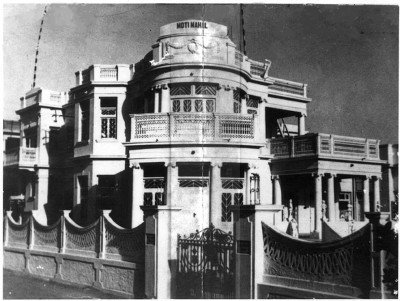
Moti Mahal
Some quick example text to build on the card title and make up the bulk of the card's content.
Go somewhere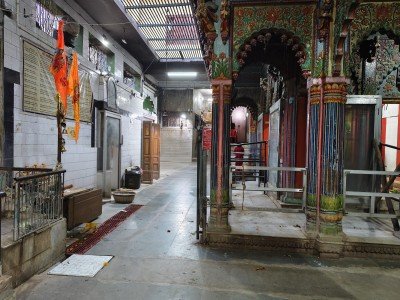
Nageshwarnath Temple
Some quick example text to build on the card title and make up the bulk of the card's content.
Go somewhere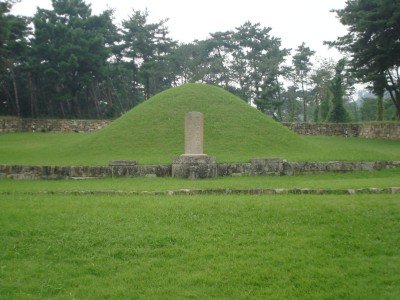
Queen Huh Memorial Park
Some quick example text to build on the card title and make up the bulk of the card's content.
Go somewhere
Raja Dasharath Samadhi Sthal
Some quick example text to build on the card title and make up the bulk of the card's content.
Go somewhere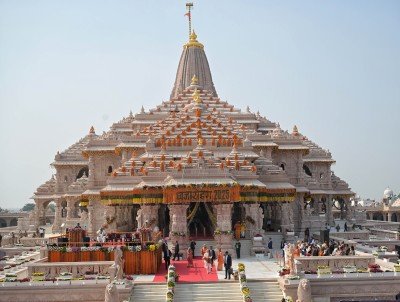
Ram Janmabhoomi Temple
Some quick example text to build on the card title and make up the bulk of the card's content.
Go somewherein Other Cities