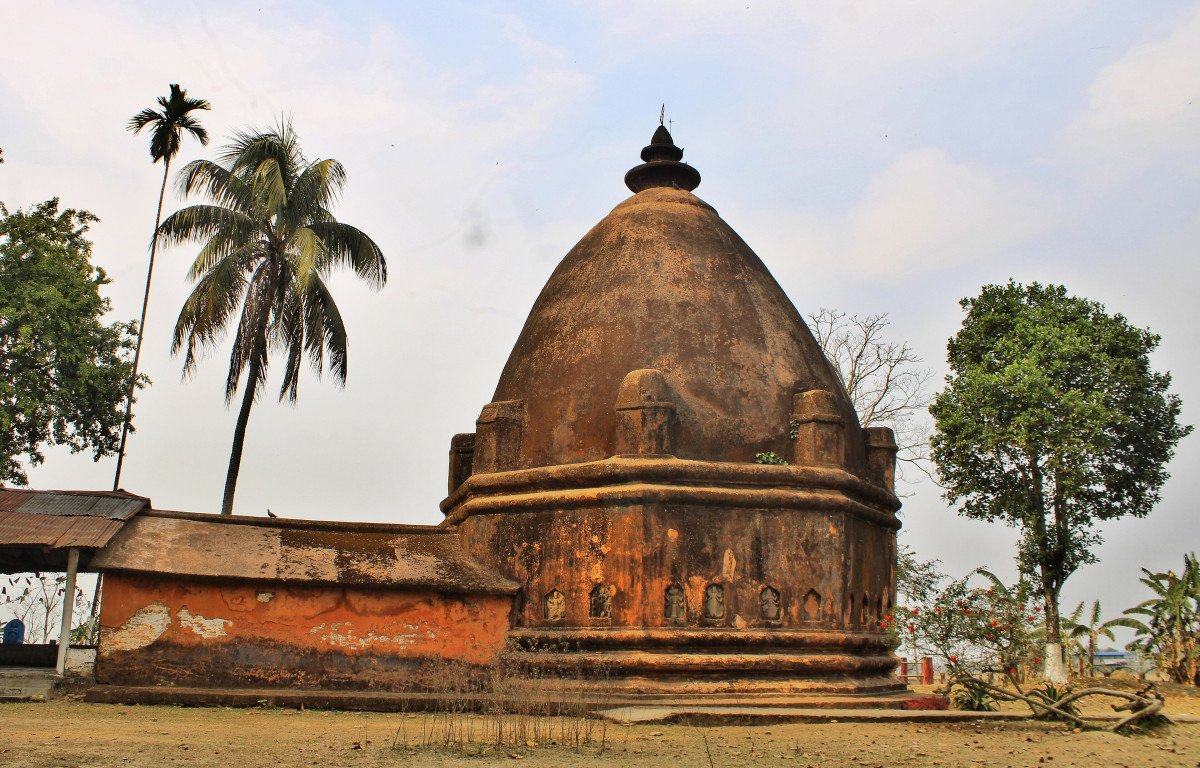
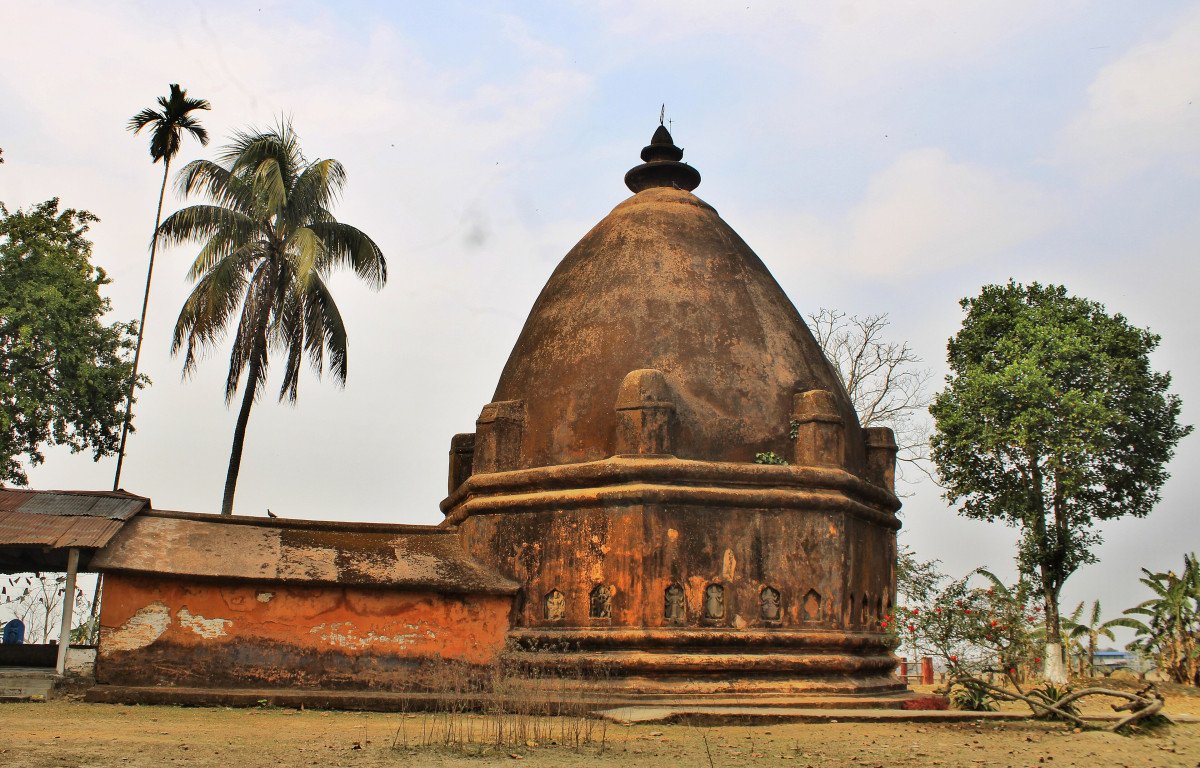
Raidongia Dol
General information
-
Ideal Duration:
1 to 2 HoursPlace Type:
Historical Monument & TempleEntry Fees:
General Admission:
: Entry to the Raidongia Dol complex is currently Free for all visitors, as it serves as both an active religious site and a public heritage monument.
Photogr...General Admission:
: Entry to the Raidongia Dol complex is currently Free for all visitors, as it serves as both an active religious site and a public heritage monument.
Photography Charges:
: While there is no official fee for mobile photography, professional videography or commercial shoots might require prior permission and a small donation to the temple committee.Timing:
Regular Timings:
: The temple complex is open to the public daily from 06:00 AM to 06:00 PM, though the inner sanctum may close briefly during mid-day rituals.
Ideal Visit Time:...Regular Timings:
: The temple complex is open to the public daily from 06:00 AM to 06:00 PM, though the inner sanctum may close briefly during mid-day rituals.
Ideal Visit Time:
: The best time to visit is during the late afternoon from 03:30 PM to 05:00 PM when the sunlight hits the carvings at an angle, making them more visible.Special Events:
Maha Shivratri:
: This is the most significant event held in February or March, where the entire complex is illuminated with lamps and thousands of pilgrims perform overnight prayers.
Read MoreMaha Shivratri:
: This is the most significant event held in February or March, where the entire complex is illuminated with lamps and thousands of pilgrims perform overnight prayers.
Annual Puja:
: Every year, special prayers are offered on the foundation day of the temple, attracting residents from nearby villages for community feasts and folk songs.Best Photo Spots:
The Main Sikhara:
: The towering structure of the Dol against the blue sky is a classic shot that highlights the grand scale of Ahom architecture.The Main Sikhara:
: The towering structure of the Dol against the blue sky is a classic shot that highlights the grand scale of Ahom architecture.
Reflections in the Pukhuri:
: Capturing the temple's image reflected in the still waters of the pond provides a symmetrical and artistic composition, especially during the early morning.
Terracotta Detailing:
: Macro photography of the weathered stone carvings and terracotta plaques on the walls reveals the intricate craftsmanship of the ancient era.Photo Gallery
Things To Do
-
Exploring the Ruins:
: Walk through the temple courtyard to admire the ancient stone idols and the surviving portions of the main Dol, noting the unique blend of brick and indigenous mortar.
Temple Rituals:
: Participate in the daily evening Aarti dedicated to Lord Shiva, where the local priest performs traditional rituals that have been passed down through generations.
...Exploring the Ruins:
: Walk through the temple courtyard to admire the ancient stone idols and the surviving portions of the main Dol, noting the unique blend of brick and indigenous mortar.
Temple Rituals:
: Participate in the daily evening Aarti dedicated to Lord Shiva, where the local priest performs traditional rituals that have been passed down through generations.
Photography of Carvings:
: Spend time capturing close-up shots of the detailed sculptures of deities like Brahma, Vishnu, and Durga that line the outer walls of the main structure.
Pond-side Relaxation:
: Sit by the banks of the Raidongia Pukhuri to enjoy the cool breeze and the scenic reflection of the temple in the water, a perfect spot for meditation.
Learning Local Legends:
: Engage with the local temple priest or elders to hear the folklore regarding the royal marriage and the history behind the temple's dowry origins.
Birdwatching:
: During the winter months, bring a pair of binoculars to spot water birds nesting in the trees surrounding the pond and the nearby paddy fields.
Archaeological Study:
: For students and researchers, the site offers a great opportunity to study the transition between Shaktism and Shaivism in the religious history of Upper Assam.
Information
-
Why Famous:
Royal Ahom History:
: It is famous for being one of the few surviving monuments from the reign of Pramatta Singha, showcasing the refined masonry and engineering of the mid-18th century.
Read MoreRoyal Ahom History:
: It is famous for being one of the few surviving monuments from the reign of Pramatta Singha, showcasing the refined masonry and engineering of the mid-18th century.
Sculptural Heritage:
: The site is renowned for its high-quality terracotta and stone sculptures that have survived for over 275 years, representing the peak of medieval Assamese art.Architecture:
Architectural Style:
: The temple is a classic example of Nilachal Style architecture, which is a fusion of indigenous Assamese and traditional Indian temple designs, characte...Architectural Style:
: The temple is a classic example of Nilachal Style architecture, which is a fusion of indigenous Assamese and traditional Indian temple designs, characterized by a polygonal base.
Structural Dimensions:
: The main tower or Sikhara of the Raidongia Dol reaches a height of approximately 45 feet, and the base is an octagonal altar measuring several meters in diameter.
Intricate Relics:
: The walls are adorned with 24 ancient relics and 14 stone statues depicting the various incarnations of Lord Vishnu, including Matsya, Kurma, and Kalki.How To Reach:
By Air:
: Fly into Dibrugarh Airport (MOHANBARI), which is approximately 37 KMS from the site; you can hire a private taxi for a direct trip ...By Air:
: Fly into Dibrugarh Airport (MOHANBARI), which is approximately 37 KMS from the site; you can hire a private taxi for a direct trip through the scenic countryside.
By Train:
: Dibrugarh Railway Station (DBRG) is about 28 KMS away; from the station, travelers can take local buses or hire auto-rickshaws to reach Lejai-Kalakhowa.
By Road:
: The site is connected to Dibrugarh by the Lejai-Kalakhowa Road; travelers can take a shared taxi or a private vehicle from the main city market area.
By Local Transport:
: From the Kalakhowa junction, small local tempos and e-rickshaws are available to take visitors the final few kilometers to the temple entrance.Weather and Best Time to Visit:
Winter Season (November to February):
: This is the peak season when the weather is most comfortable for exploring the outdoor ruins and the pond area without the heat.Winter Season (November to February):
: This is the peak season when the weather is most comfortable for exploring the outdoor ruins and the pond area without the heat.
Spring Season (March to April):
: Visiting during this time allows you to witness the Shivratri celebrations and enjoy the blooming greenery of the surrounding Assamese countryside.
Time of Day:
: Visit in the early morning at 07:00 AM to experience the spiritual serenity and hear the morning chants before the crowds arrive.Near Tourist Places:
1. Barbarua Maidam (12 KM), 2. Lekai Chetia Maidam (15 KM), 3. Jokai Botanical Garden (18 KM), 4. Dibrugarh City (22 KM), 5. Bogibeel Bridge (30 KM), 6. Jagannath Temple (20 KM), 7. Dinjoy Satra (35 KM), 8. Dehing Namti Satra (40 KM), 9. Mancotta Tea Estate (20 KM), 10. Tinsukia (65 KM).Tourism Tips
-
Health & Safety:
: Be cautious while walking near the pond edges as they can be slippery; also, avoid touching or climbing on the ancient rui...Health & Safety:
: Be cautious while walking near the pond edges as they can be slippery; also, avoid touching or climbing on the ancient ruins to help preserve the structure.
Packing for the Trip:
: Carry a hat and sunglasses for sun protection; it is also useful to have a small bottle of hand sanitizer and some light snacks as facilities are limited nearby.
Accommodation Options:
: It is best to stay in Dibrugarh city where a variety of hotels like Hotel Natraj or The Dibrugarh Address are available, as there are no stays near the site.
Respecting Traditions:
: As this is an active place of worship, please dress modestly and remove your footwear before stepping onto the raised platform of the temple area.
Reviews
FAQs
Dibrugarh Itineray And Cost:-
Other Places In Dibrugarh :-
Other States In India :-
Information about New and Updated Locations() of Assam Has Been Added :-
Card subtitle
Note:-
Information provided here in good Faith and for reference only.
Near Places

Anthropological Museum Of Indigenous Peoples
Some quick example text to build on the card title and make up the bulk of the card's content.
Go somewhere
Barbarua Maidam
Some quick example text to build on the card title and make up the bulk of the card's content.
Go somewhere
Bogibeel Bridge
Some quick example text to build on the card title and make up the bulk of the card's content.
Go somewhere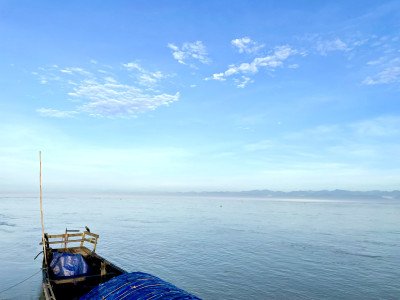
Brahmaputra Riverfront
Some quick example text to build on the card title and make up the bulk of the card's content.
Go somewhere
Dehing Namti Satra
Some quick example text to build on the card title and make up the bulk of the card's content.
Go somewhere
Dibrugarh Phoolbagan Ferry Ghat
Some quick example text to build on the card title and make up the bulk of the card's content.
Go somewhere
Dinjoy Satra
Some quick example text to build on the card title and make up the bulk of the card's content.
Go somewhere
Jokai Botanical Garden
Some quick example text to build on the card title and make up the bulk of the card's content.
Go somewhere
Lekai Chetia Maidam
Some quick example text to build on the card title and make up the bulk of the card's content.
Go somewhere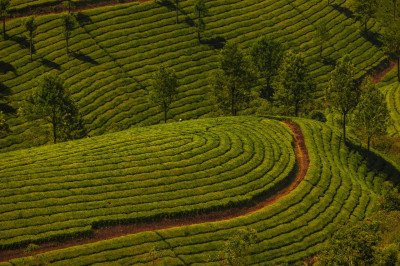
Mancotta Tea Estate
Some quick example text to build on the card title and make up the bulk of the card's content.
Go somewhere
Naharkatia Town
Some quick example text to build on the card title and make up the bulk of the card's content.
Go somewhere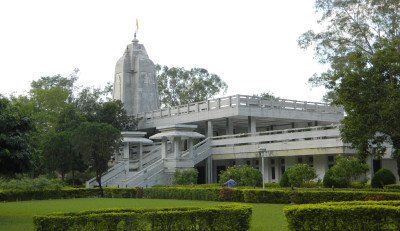
Radha Krishna Mandir
Some quick example text to build on the card title and make up the bulk of the card's content.
Go somewhere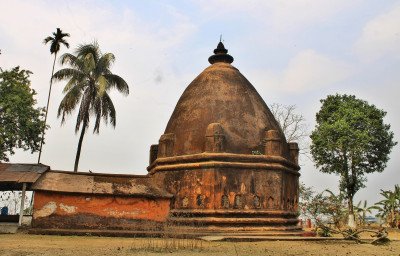
Raidongia Dol
Some quick example text to build on the card title and make up the bulk of the card's content.
Go somewhere
Raidongia Dol or Raidongia Shiv Doul
Some quick example text to build on the card title and make up the bulk of the card's content.
Go somewhere
Sarumechlow and Bormechow Maidam
Some quick example text to build on the card title and make up the bulk of the card's content.
Go somewhere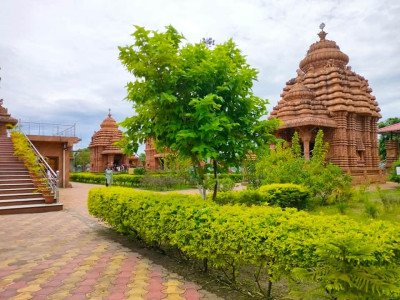
Shri Jagannath Temple
Some quick example text to build on the card title and make up the bulk of the card's content.
Go somewherein Other Cities