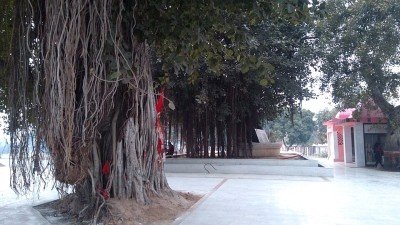
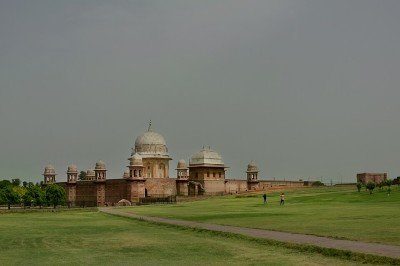
...

Place To Visit And Things To Do In Kurukshetra

Haryana, India
The Holy Land: Kurukshetra is not just a city but a living museum of Indian spirituality. Known as the 'Land of the Mahabharata,' it is where the epic war between the Pandavas and Kauravas was fought to uphold 'Dharma.' It is mentioned in the first verse of the Gita as Dharmakshetra. Sacred Waters: The city is dotted with 'Sarovars' (lakes) that are considered so holy that a dip during a solar eclipse is said to provide the merit of a thousand 'Ashvamedha' sacrifices. Educational Excellence: Beyond religion, it is a center of learning with the Kurukshetra University and National Institute of Technology (NIT). Cultural Hub: The city hosts the International Gita Mahotsav, attracting millions of tourists and scholars from around the globe.

Things To Do

Card image cap
1857 War Museum

The 1857 War Museum is an integral and primary feature of the Kurukshetra Panorama and Science Centre, offering a profound and multi-dimensional depic...

The 1857 War Museum is an integral and primary feature of the Kurukshetra Panorama and Science Centre, offering a profound and multi-dimensional depiction of the First War of Indian Independence in 1857. The main attraction is a magnificent, life-like, three-dimensional Panorama of the Battle of Kurukshetra from the Mahabharata epic, which is not strictly about 1857, but the center is commonly referred to by both names. However, the specific 1857 section focuses intently on the pivotal rebellion against the British East India Company. This section provides a comprehensive educational journey through the causes, key battles, and ultimate failure of the revolt. It uses dioramas, historical artifacts, detailed charts, and multimedia exhibits to honor the sacrifices of freedom fighters. The center is a unique convergence of science, history, and spiritual philosophy, using scientific principles and interactive models to explain the ancient Indian concepts of matter, astronomy, and geometry. It also features a permanent exhibition titled 'India: A Heritage in Science, Technology and Culture', providing an enriching experience that links ancient Indian wisdom with modern scientific thought. The structure itself is architecturally significant, and the entire complex serves as a major educational and historical landmark in the region, drawing students, history enthusiasts, and general tourists alike. The exhibits are designed to be engaging and interactive, making complex historical and scientific concepts accessible to visitors of all ages, thereby ensuring a meaningful and informative visit that celebrates both India's scientific heritage and its struggle for freedom. (Word Count: ~210)
Card image cap
48 Kos Parikrama Gate

@@Gateway to the Holy Land of Kurukshetra: This monumental gate marks the official entrance to the 48 Kos Parikrama, a 96-mile sacred circuit containi...

@@Gateway to the Holy Land of Kurukshetra: This monumental gate marks the official entrance to the 48 Kos Parikrama, a 96-mile sacred circuit containing over 134 holy sites. The gate serves as a spiritual landmark for pilgrims beginning their journey through the land of the Mahabharata. Historically, it signifies the boundary of the holy region where the great war of Dharma was fought and where Lord Krishna delivered the Bhagavad Gita. The structure is beautifully designed to reflect the Vedic heritage of the region, acting as a symbolic threshold between the mundane world and the sacred battlefield of Kurukshetra. Visitors often stop here to offer prayers and seek blessings before proceeding to other major tirthas like Brahma Sarovar or Jyotisar. The area surrounding the gate has been developed to provide a welcoming atmosphere for tourists and devotees alike, making it a prominent landmark on the National Highway. It represents the cultural pride of Haryana and the enduring legacy of Indian mythology.
Card image cap
Ancient Mound Amin

@@The Legendary Chakravyuha Battlefield: This ancient mound is traditionally identified as the site where the brave warrior Abhimanyu, son of Arjuna, ...
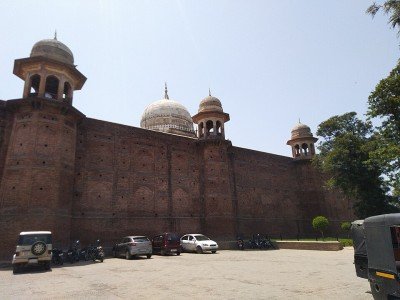
@@The Legendary Chakravyuha Battlefield: This ancient mound is traditionally identified as the site where the brave warrior Abhimanyu, son of Arjuna, was trapped in the Chakravyuha formation during the Mahabharata war. The village was recently renamed Abhimanyupur to honor this history. Excavations at the site have revealed that it was inhabited as far back as the 10th century BC. The mound itself is a significant archaeological site under the protection of the Archaeological Survey of India (ASI). It serves as a physical link to the epic narratives that define Kurukshetra. Pilgrims and history enthusiasts visit this site to pay homage to the young hero who fought valiantly against overwhelming odds. The atmosphere at the mound is serene and evocative, allowing visitors to visualize the ancient battlefield. Several artifacts, including red sandstone pillars from the Sunga period, were discovered here, proving the site's long-standing religious and cultural importance. It remains one of the most critical stops on the 48 Kos Parikrama circuit, representing the themes of sacrifice and duty.
Card image cap
Archaeological Site Museum

The Archaeological Site Museum in Thanesar is the first-of-its-kind museum established by the Archaeological Survey of India (ASI) in Haryana. Its pri...
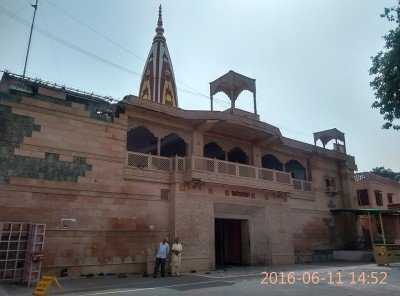
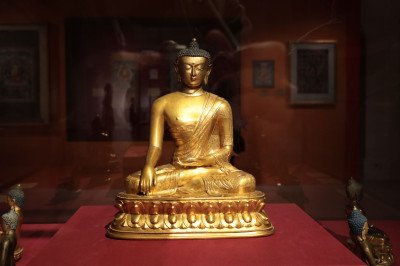
The Archaeological Site Museum in Thanesar is the first-of-its-kind museum established by the Archaeological Survey of India (ASI) in Haryana. Its primary purpose is to showcase the rich and multilayered history unearthed from the nearby ancient mound of Raja Harsha Ka Tila and other significant sites within the historical city of Thanesar, which was the capital of the Pushyabhuti dynasty under King Harsha in the 7th century CE. The museum houses a remarkable collection of artifacts spanning from the pre-Harappan period to the medieval era, a testament to the continuous civilization in the region. The exhibits include a diverse array of stone and terracotta sculptures, ancient coins, detailed ornaments, pottery, and ritualistic objects, all of which shed light on the daily life, religious practices, and artistic excellence of the past inhabitants. The museum serves as an essential educational bridge, allowing visitors to connect the physical ruins of the archaeological sites with the cultural narrative they represent. The well-preserved artifacts are meticulously displayed with clear, informative labels, providing a deep dive into the region's ancient culture and architecture. The findings illustrate the transformation of Thanesar from a modest settlement to a powerful political and religious center, highlighting its pivotal role in early medieval Indian history. This museum is an invaluable resource for archaeologists, historians, and anyone interested in the profound antiquity of the Kurukshetra region. (Word Count: ~200)
Card image cap
Arunai Temple

@@The Sangameshwar Mahadev Temple: Arunai Tirtha is one of the most revered sites in the 48 Kos Parikrama. It is located at the confluence of the Sara...
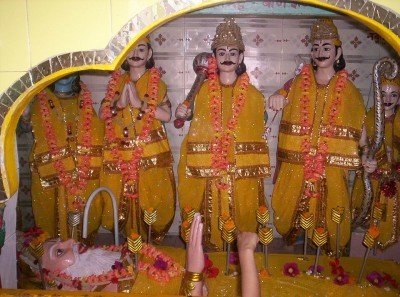
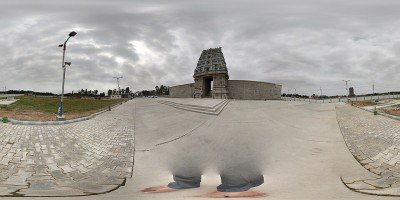
@@The Sangameshwar Mahadev Temple: Arunai Tirtha is one of the most revered sites in the 48 Kos Parikrama. It is located at the confluence of the Saraswati and Aruna rivers. The site is dedicated to Lord Shiva, worshipped here as Sangameshwar Mahadev (the Lord of the Confluence). According to the Vamana Purana, this is the place where the sage Vishwamitra and Vashishtha performed penance. The temple is famous for its spiritual energy and the belief that a dip in the holy waters here can cleanse one of sins and the cycle of rebirth. The architecture of the temple is grand, featuring a modern spire and a spacious courtyard that can accommodate thousands of pilgrims during festivals. The site is peaceful and surrounded by natural beauty, making it a perfect spot for meditation. Over the centuries, the temple has undergone several renovations, but it still maintains its status as a primary pilgrimage point. It is particularly busy during the months of Shravan and Phalgun, when devotees of Shiva flock here from across India.
Card image cap
Ban Ganga

Ban Ganga, also known as Baan Ganga, is a deeply revered sacred water body or tirtha intrinsically linked to the great Hindu epic, the Mahabharata. Th...

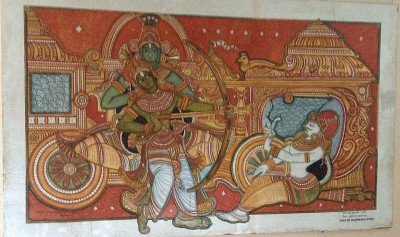
Ban Ganga, also known as Baan Ganga, is a deeply revered sacred water body or tirtha intrinsically linked to the great Hindu epic, the Mahabharata. The name literally translates to 'Arrow Ganga,' and its origin is rooted in a poignant and dramatic event that unfolded on the battlefield of Kurukshetra. According to the legend, during the final days of the battle, the great warrior and patriarch of the Kuru clan, Pitamaha Bhishma, fell, pierced by countless arrows shot by Arjuna, forming a 'bed of arrows' (Sharshaiya). As Bhishma lay dying, he expressed a thirst for water. Instead of ordinary water, Arjuna, realizing his revered elder deserved water from the sacred Ganga river, shot an arrow into the earth with immense force and devotion. Immediately, a stream of fresh, pure water gushed out of the ground, satisfying Bhishma's final thirst. This very spot is memorialized as Ban Ganga. It is a place of profound spiritual significance, symbolizing the filial duty and unmatched archery skills of Arjuna, and the devotion of Bhishma to his lineage. The site often features a small temple and a water tank, which is the physical manifestation of the legendary spring. The atmosphere is one of peaceful reverence, often visited by pilgrims and those seeking a quiet connection to the epic history of the region. The site is a reminder of the human drama and divine intervention central to the Mahabharata narrative, making it an essential stop on the Kurukshetra pilgrimage circuit. (Word Count: ~200)
Card image cap
Ban Ganga Kurukshetra

@@The Site of the Miraculous Spring: Ban Ganga is a deeply symbolic site located in Dayalpur. According to the Mahabharata, during the final days of t...
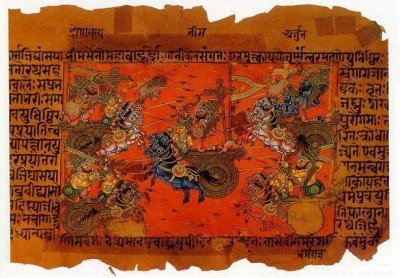
@@The Site of the Miraculous Spring: Ban Ganga is a deeply symbolic site located in Dayalpur. According to the Mahabharata, during the final days of the war, the patriarch Bhishma Pitamah lay on a bed of arrows (Sharshaiya). Feeling thirsty, he asked for water. Arjuna, his favorite grandson, shot an arrow into the earth, and a stream of the holy Ganga gushed out to quench the thirst of the dying warrior. This site is commemorated by a sacred water tank and a small temple. It represents the filial duty and the unmatched archery skills of Arjuna. The water in the tank is considered as holy as the Ganges itself. Devotees visit here to take a dip and reflect on the lessons of the great epic. The site is surrounded by tall trees and has a tranquil atmosphere, making it a place of deep spiritual significance. Over time, it has become a central part of the Bhishma Circuit, which includes the nearby Bhishma Kund at Narkatari. The legend of the arrow-born spring is one of the most touching stories of the war, highlighting compassion amidst the brutality of battle.
Card image cap
Ban Ganga Tirtha

@@The Final Rest of Pitamah Bhishma: Often referred to as Bhishma Kund, this Ban Ganga Tirtha is perhaps the most emotionally significant site in the ...

@@The Final Rest of Pitamah Bhishma: Often referred to as Bhishma Kund, this Ban Ganga Tirtha is perhaps the most emotionally significant site in the region. It is here that Bhishma Pitamah lay on his bed of arrows for 58 days, waiting for the auspicious time (Uttarayana) to leave his body. The site features a large, deep water tank (Kund) and a temple complex. The legend states that Arjuna created this spring to provide water for Bhishma. Unlike the other Ban Ganga in Dayalpur, this site is specifically where the 'Sharshaiya' incident is believed to have reached its conclusion. The temple houses a large reclining statue of Bhishma on arrows, which is a powerful visual representation of the epic. Pilgrims come here to meditate on the themes of loyalty, sacrifice, and the inevitability of time. The complex is well-maintained by the Kurukshetra Development Board and features lush gardens and paved walkways. It is a site that commands respect and offers a deep sense of peace, away from the hustle of the modern city.
Card image cap
Gurdwara Raj Ghat Patshahi Dasvin

@@Historical Significance: This sacred shrine commemorates the visit of the tenth Sikh Guru, Guru Gobind Singh Ji, who stayed here during the solar ec...
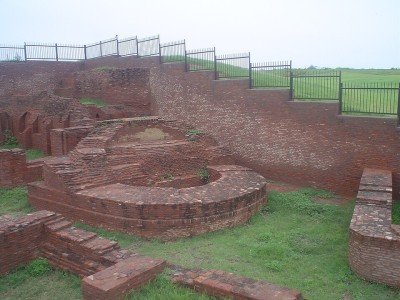
@@Historical Significance: This sacred shrine commemorates the visit of the tenth Sikh Guru, Guru Gobind Singh Ji, who stayed here during the solar eclipse of 1702. The Guru arrived with his family and warriors to break the shackles of superstitions surrounding the eclipse by preparing langar (community food) during the celestial event, which was traditionally forbidden by local orthodoxy. He blessed a young Brahmin with a Hukamnama (divine command) that is still a treasure of the local community. The Gurdwara stands as a beacon of equality and spiritual fearlessness, attracting thousands of pilgrims who seek solace on the banks of the holy Brahma Sarovar. It serves as a spiritual bridge between the Sikh and Hindu traditions in this ancient land of dharma.
Card image cap
Gurudwara Mastgarh

@@Unique Transformation: Located in the historic town of Shahabad Markanda, this Gurdwara is a rare architectural marvel that was originally a mosque ...
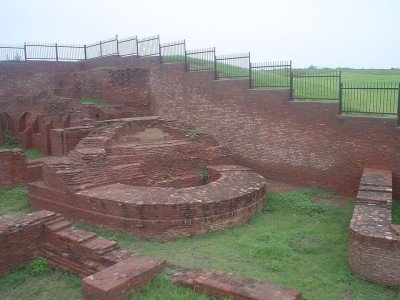
@@Unique Transformation: Located in the historic town of Shahabad Markanda, this Gurdwara is a rare architectural marvel that was originally a mosque built during the reign of Mughal Emperor Shah Jahan in 1630. After the Sikh conquest of the region in the 18th century by the Nishananwali Misl, the structure was converted into a Gurdwara while preserving its original domes and arches. It stands as a powerful symbol of the shifting political and religious tides of medieval India. The name "Mastgarh" implies a "Fort of Ecstasy," reflecting the joy of the Sikh warriors upon establishing their base here. Today, it serves as a peaceful community hub where the Guru Granth Sahib is installed under the ancient Mughal domes.
Card image cap
Harsh Ka Tila

@@Archeological Wonder: Harsh Ka Tila is a massive archaeological mound spanning nearly 1 kilometer in length, representing over 2,500 years of contin...
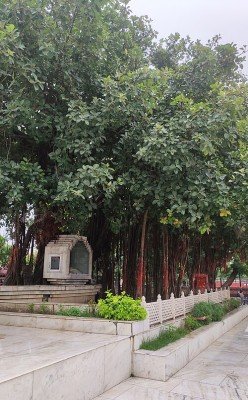
@@Archeological Wonder: Harsh Ka Tila is a massive archaeological mound spanning nearly 1 kilometer in length, representing over 2,500 years of continuous human habitation. Excavations conducted by the Archaeological Survey of India (ASI) have revealed layers of history ranging from the Vedic Period to the Mughal Era. It is named after the legendary Emperor Harshavardhana, who ruled North India in the 7th Century CE from his capital at Thanesar. The site has yielded priceless artifacts including Painted Grey Ware, Kushana coins, and exquisite terracotta figurines. Walking atop the mound is like walking through the timeline of Indian civilization, where every layer of soil tells a story of a fallen kingdom or a rising dynasty.
Card image cap
Jyotisar Sarovar

@@The Celestial Origin: Jyotisar is arguably the most spiritually significant site in Kurukshetra, believed to be the exact spot where Lord Krishna de...

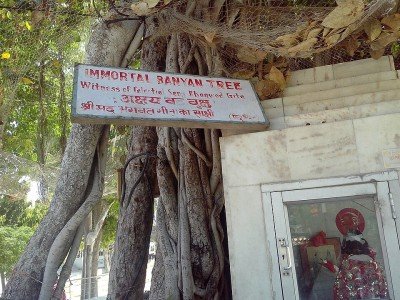
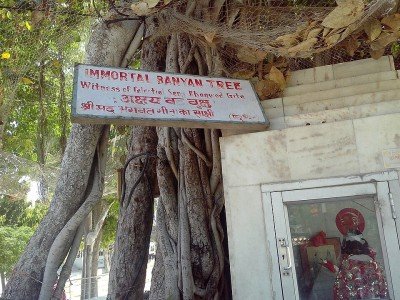
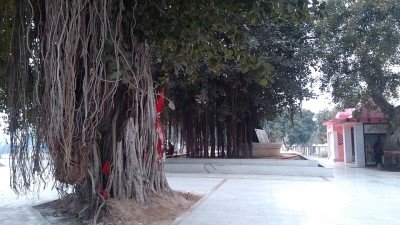
@@The Celestial Origin: Jyotisar is arguably the most spiritually significant site in Kurukshetra, believed to be the exact spot where Lord Krishna delivered the Bhagavad Gita to a confused Arjuna under a holy Banyan Tree. The name "Jyotisar" translates to "The Lake of Light," signifying the enlightenment that dawned upon Arjuna. An offshoot of the original ancient tree still stands on a raised plinth, draped in saffron threads by millions of devotees. The site features a beautiful sarovar (holy pond) where the reflection of the 40-foot tall Krishna statue creates a divine atmosphere. It is the spiritual epicenter of the Mahabharata trail, where the philosophy of Karma was first articulated to the world.
Card image cap
Kunti Ghat

Kunti Ghat is a site of deep historical and religious significance, named after Kunti, the mother of the Pandavas from the epic Mahabharata. Located i...

Kunti Ghat is a site of deep historical and religious significance, named after Kunti, the mother of the Pandavas from the epic Mahabharata. Located in the ancient town of Thanesar, it is believed that Kunti and her sons visited this ghat during their exile, making it a revered pilgrimage spot. Its connection to the Saraswati River and the Mahabharata war grounds imbues it with profound spiritual energy. The ghat serves as a tranquil spot for meditation, offering a connection to the rich Vedic and post-Vedic history of the region. The presence of nearby ancient settlements further highlights its importance as a center for cultural and religious activities dating back to the Vardhana Dynasty period of Emperor Harsha (606–647 CE) in Thanesar.
Card image cap
Kurukshetra Panorama & Science Centre

This unique center, established by the National Council of Science Museums, masterfully combines the ancient epic of Mahabharata with modern science. ...

This unique center, established by the National Council of Science Museums, masterfully combines the ancient epic of Mahabharata with modern science. Its main attraction is the huge, life-like Panorama of the Battle of Kurukshetra, housed in a cylindrical building, which provides a visual and sound spectacle justifying the events of the war through scientific principles like physics and astronomy. The center also features the exhibition 'India: A Heritage in Science, Technology and Culture,' which showcases India's contributions to science from ancient times in fields like mathematics, medicine, and atom structure. It's a key destination for students, families, and science enthusiasts, offering interactive exhibits that make learning fun and accessible. It successfully bridges cultural heritage with scientific temperament.
Card image cap
Laxmi Narayan Temple

The Laxmi Narayan Temple is a revered Hindu shrine dedicated to Lord Vishnu (Narayan) and his consort Goddess Lakshmi. Although often cited as an 18th...
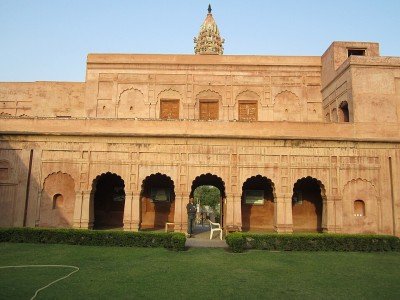
The Laxmi Narayan Temple is a revered Hindu shrine dedicated to Lord Vishnu (Narayan) and his consort Goddess Lakshmi. Although often cited as an 18th-century structure, local legends suggest its foundation is much older, with some traditions linking it to the Pandavas installing a deity here before the Mahabharata war. It is a vital pilgrimage center, particularly famous for the belief that performing seven circumambulations (Parikrama) around the temple grants the merit equivalent to completing the challenging Char Dham Yatra (a pilgrimage to the four holiest sites in India). This belief attracts thousands of devotees, especially on Tuesdays and auspicious Hindu festivals.
Card image cap
Mini Zoo

@@Green Canopy: Formally known as the Pipli Mini Zoo, this 27-acre wildlife sanctuary is a lush green oasis located right on the busy National Highway...

@@Green Canopy: Formally known as the Pipli Mini Zoo, this 27-acre wildlife sanctuary is a lush green oasis located right on the busy National Highway-44. Established in 1982, it serves as a vital rescue and breeding center for the regional fauna of Haryana. The zoo provides a naturalistic habitat for several species including majestic lions, leopards, and crocodiles. It is particularly famous for its Black Buck Breeding Center, which works towards the conservation of India's iconic antelope. The tall Eucalyptus and Peepal trees create a cool micro-climate, making it a favorite spot for families and nature lovers who want a break from the spiritual trail of the city.
Card image cap
Nabha House

Nabha House is a palatial heritage building constructed by the royal family of the Nabha princely state (one of the Phulkian states) in the 19th centu...

Nabha House is a palatial heritage building constructed by the royal family of the Nabha princely state (one of the Phulkian states) in the 19th century. Its primary purpose was to serve as a royal residence for the Maharaja and his family during their visits to Kurukshetra to perform religious rites, especially bathing in the nearby sacred Sannihit Sarovar during solar eclipses and other auspicious events. The building reflects the architectural fusion prevalent during the early British era. After India's independence, it served various purposes, including housing classrooms for Kurukshetra University temporarily, before being adopted and restored by the Archaeological Survey of India (ASI) to preserve its historical value.
Card image cap
OP Jindal Park & Musical Fountain

OP Jindal Park & Musical Fountain is a sprawling recreational space spread over 14 acres. It was built in memory of the visionary industrialist and p...

OP Jindal Park & Musical Fountain is a sprawling recreational space spread over 14 acres. It was built in memory of the visionary industrialist and politician O.P. Jindal. The park serves as a primary leisure hub for locals and tourists alike, offering a serene environment with lush green lawns, blooming flower beds, and medicinal plants. The highlight of the park is the mesmerizing musical fountain show that combines light, water, and music in a synchronized dance every evening. It is an ideal spot for family outings, morning jogs, and evening relaxation. The park also features a mini zoo, a meditation garden, and a dedicated kids' play area with various swings. Its clean pathways and well-maintained landscapes make it a refreshing escape from the city's hustle. Visitors often find the atmosphere tranquil, perfect for photography and nature walks. It represents the modern side of Kurukshetra, balancing the city's ancient religious significance with contemporary leisure.
Card image cap
Pashupatinatha Temple

The Pashupatinatha Temple in Pehowa is a highly revered Hindu shrine dedicated to Lord Shiva. It is modeled after the famous Pashupatinath Temple in ...

The Pashupatinatha Temple in Pehowa is a highly revered Hindu shrine dedicated to Lord Shiva. It is modeled after the famous Pashupatinath Temple in Kathmandu, Nepal. The temple houses a rare "Chaturmukha Linga" (four-faced Shiva Linga) made of touchstone, which is its primary spiritual attraction. Historically, this region was under Maratha occupation, and the temple reflects the architectural influence of that era. Pilgrims visit this temple to seek blessings for liberation and to perform rituals for their ancestors. The temple is situated near the banks of the sacred Sarasvati River, adding to its divine atmosphere. It is believed that a visit here is equivalent to visiting the shrine in Nepal. The surroundings are peaceful, providing a perfect setting for meditation and prayer. The temple is an integral part of the 48 Kos Parikrama of Kurukshetra, drawing thousands of devotees during festivals like Maha Shivaratri.
Card image cap
Pathar Masjid

Pathar Masjid (Stone Mosque) is a historical monument located in Thanesar, known for its construction using striking red sandstone, which gives the mo...

Pathar Masjid (Stone Mosque) is a historical monument located in Thanesar, known for its construction using striking red sandstone, which gives the mosque its name. Believed to have been built in the 17th century AD during the Mughal era, possibly during the reign of Emperor Jahangir, it stands as a fine example of Mughal architecture in the region. It is situated in the complex near the famous Sheikh Chilli's Tomb, a testament to the region's importance during the Indo-Islamic period. The mosque is now in a partially ruinous state but remains a protected monument under the Archaeological Survey of India (ASI), attracting visitors for its architectural features and historical context.
Card image cap
Prachin Shiva Temple

The Prachin Shiva Temple in Pehowa is an archaeological and spiritual treasure dating back to the 8th-9th Century AD. Founded by King Prithu, after w...

The Prachin Shiva Temple in Pehowa is an archaeological and spiritual treasure dating back to the 8th-9th Century AD. Founded by King Prithu, after whom the town Pehowa (Prithudaka) is named, this temple is one of the oldest in the region. The site is famous for yielding numerous ancient sculptures of Hindu deities, including Vishnu, Ganga, and Yamuna. Although the current structure has modern renovations, it incorporates several original stone doorframes and pillars from the Gurjara-Pratihara period. The temple is deeply connected to the ritual of "Pinda Daan" (ancestral worship), making it a crucial stop for pilgrims visiting Kurukshetra. The presence of a Vishnu image on the 'Lalatbimba' (lintel) suggests it might have originally been a Vishnu temple. It stands as a testament to the rich artistic heritage of ancient Haryana. The atmosphere is thick with history and devotion, offering a glimpse into the religious landscape of medieval India.
Card image cap
Raja Harsha Ka Tila

Raja Harsha Ka Tila (The Mound of King Harsha) is a massive archaeological mound spread over an area of about 1 km x 750 m and rising 15-18 meters abo...

Raja Harsha Ka Tila (The Mound of King Harsha) is a massive archaeological mound spread over an area of about 1 km x 750 m and rising 15-18 meters above the surrounding plain, located in the ancient city of Thanesar. It is one of the most important archaeological sites in Haryana, revealing the successive layers of an ancient city that continuously flourished from the 1st century AD up to the 19th century. Although it contains layers from the pre-Christian era (Painted Grey Ware culture), it is famously associated with King Harsha (Harshavardhana, 606–647 CE), whose capital of the Vardhana Empire was Thanesar. Excavations have unearthed structures and artifacts from the Kushan, Gupta, Vardhana, Rajput, Sultanate, and Mughal periods.
Card image cap
Raja Karna Ka Kila

Raja Karna Ka Kila is a significant archaeological mound located in Mirzapur, near Thanesar. Named after Raja Karna, a key hero of the Mahabharata, t...
Raja Karna Ka Kila is a significant archaeological mound located in Mirzapur, near Thanesar. Named after Raja Karna, a key hero of the Mahabharata, this site offers a chronological journey from 400 BC to 1700 AD. Excavations here have revealed remains from the Painted Grey Ware period to the late Medieval era. The mound stands about 10 meters high and has yielded artifacts like clay sealings with Brahmi script, terracotta figurines, and ancient pottery. It provides crucial evidence of the protohistoric and historical life of the Kurukshetra region. For history enthusiasts, the site is a goldmine of information regarding ancient urban planning and fortification. The use of 'lakhauri' bricks in the later layers shows the Mughal and pre-Mughal influence. Walking through the ruins, one can visualize the layers of civilizations that thrived on this land. It is a quiet, less-visited spot compared to the temples, offering a peaceful atmosphere for those who want to connect with the deep past of India.
Card image cap
Sannihit Sarovar

Sannihit Sarovar is an ancient and sacred water reservoir that holds immense significance in Hindu mythology. It is believed to be the permanent abod...

Sannihit Sarovar is an ancient and sacred water reservoir that holds immense significance in Hindu mythology. It is believed to be the permanent abode of Lord Vishnu. The name 'Sannihit' means 'collection', as it is said that the waters of all sacred 'Tirthas' (pilgrimage sites) assemble here on the day of Amavasya (New Moon). Pilgrims believe that taking a dip in this sarovar during a solar eclipse is equivalent to performing 1,000 'Ashvamedha Yajnas'. The sarovar is also a primary site for 'Pinda Daan', where people perform rituals for the peace of their ancestors' souls. For generations, the 'Pandas' or Purohits here have maintained detailed genealogy registers of visiting families. The sarovar is surrounded by several small shrines dedicated to Lord Vishnu, Goddess Durga, Hanuman, and Laxmi Narayan. The atmosphere is spiritually charged, with the sound of bells and hymns filling the air. It is a place of deep faith, where the past and present merge through ancient rituals and modern devotion.
Card image cap
Sheikh Chehli Ka Makbara

Sheikh Chehli Ka Makbara, popularly known as Sheikh Chilli's Tomb, is a magnificent mausoleum built in the memory of the Sufi Saint Abdur-Rahim, who ...
Sheikh Chehli Ka Makbara, popularly known as Sheikh Chilli's Tomb, is a magnificent mausoleum built in the memory of the Sufi Saint Abdur-Rahim, who was the spiritual teacher of the Mughal Prince Dara Shikoh. This beautiful complex is often referred to as the Taj of Haryana due to its striking white marble dome and elegant Persian-inspired design. The site serves as a testament to the deep spiritual bond between the royalty of the Mughal era and the Sufi saints of that time. The tomb stands on an elevated artificial terrace, providing a grand view of the surrounding Thanesar town. Inside the complex, there are two tombs; one belongs to the saint himself and the other is dedicated to his wife. Additionally, the premises include a historic Madrasa (educational institution) and two small museums that house artifacts from nearby archaeological excavations. The peaceful atmosphere of the gardens and the intricate stonework make it a must-visit for history lovers and spiritual seekers. It reflects the syncretic culture of medieval India where Islamic architecture blended seamlessly with local influences. Visitors often find themselves lost in the serene silence of the central courtyard, which was once a hub of learning and meditation. The tomb is not just a graveyard but a cultural landmark that narrates the story of the 17th century. It remains one of the best-preserved Mughal monuments in the northern region of India.
Card image cap
Shri Devikoop Bhadrakali Temple

Shri Devikoop Bhadrakali Temple is one of the most revered religious sites in North India, recognized as one of the 51 Shaktipeeths. According to Hin...

Shri Devikoop Bhadrakali Temple is one of the most revered religious sites in North India, recognized as one of the 51 Shaktipeeths. According to Hindu mythology, the right ankle of Goddess Sati fell at this very spot during Lord Shiva's cosmic dance of grief. The temple is dedicated to Maa Bhadrakali, a fierce yet protective form of the Mother Goddess. It is deeply connected to the Mahabharata era; it is believed that the Pandavas and Lord Krishna worshipped here before the great war to seek victory. After their triumph, they returned to offer their horses in gratitude, a tradition that continues today as devotees offer clay or metal horses when their wishes are fulfilled. The temple complex is vibrant and filled with a divine energy that attracts thousands of pilgrims daily. The main sanctum houses a beautiful idol of the Goddess, and the "Devi Koop" (divine well) after which the temple is named is a central point of worship. The atmosphere during the morning and evening Aarti is incredibly spiritual, with the sound of bells and chants echoing through the halls. It is also significant because the Mundan (first hair-cutting ceremony) of Lord Krishna and Balarama is said to have taken place here. The temple serves as a beacon of faith for millions of Shakti worshippers.
Card image cap
Shri Krishna Museum

Shri Krishna Museum was established in 1987 to showcase the multifaceted personality of Lord Krishna as depicted in the Mahabharata and the Bhagavata...
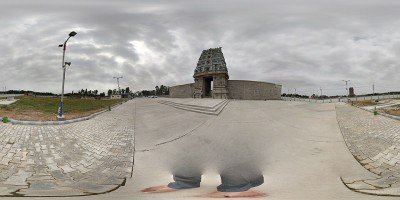
Shri Krishna Museum was established in 1987 to showcase the multifaceted personality of Lord Krishna as depicted in the Mahabharata and the Bhagavata Purana. This museum is not just a collection of artifacts but a deep dive into the spiritual and cultural history of India. It houses six massive galleries spread across two blocks, containing an incredible array of stone sculptures, bronze castings, leaf etchings, and miniature paintings. Each gallery is meticulously curated to tell the story of Krishna from his mischievous childhood in Vrindavan to his role as the divine strategist in the Kurukshetra war. The museum also features an extension called the Multimedia Mahabharata and Gita Gallery, which uses modern technology to narrate the epic. Visitors can see ancient artifacts from the Harappan era alongside contemporary folk art. The museum's objective is to present Krishna as a historical, philosophical, and divine figure who has influenced Indian art and literature for millennia. It is considered one of the most specialized museums in India and provides an educational experience for both children and scholars. The peaceful ambiance and the high-quality exhibits make it a highlight of any trip to Kurukshetra. Walking through its halls is like walking through the pages of ancient Indian history, brought to life by the skill of countless artisans.
Card image cap
Shri Venkateswara Swamy Temple

Shri Venkateswara Swamy Temple, also known as the Tirupati Balaji Temple of Kurukshetra, is a magnificent replica of the world-famous temple in Tirum...

Shri Venkateswara Swamy Temple, also known as the Tirupati Balaji Temple of Kurukshetra, is a magnificent replica of the world-famous temple in Tirumala. Built by the Tirumala Tirupati Devasthanams (TTD), this temple brings the spiritual essence and architectural grandeur of South India to the heart of Haryana. Dedicated to Lord Venkateswara, an incarnation of Lord Vishnu, the temple is a symbol of the growing cultural integration between the northern and southern parts of India. The temple follows all the strict Vedic rituals and daily 'Sevas' that are performed in the original Tirupati temple. The main idol of Lord Balaji is stunning and instills a sense of deep peace and devotion in the hearts of visitors. The entire complex is kept spotlessly clean and offers a serene environment for meditation and prayer. One of the unique aspects of this temple is the distribution of the famous Tirupati Laddu as prasad, which is prepared by traditional priests. The temple is situated on the banks of the holy Brahma Sarovar, adding to its spiritual aura. It has quickly become one of the most visited religious sites in Kurukshetra, attracting devotees who might not be able to travel all the way to Andhra Pradesh. The presence of this temple reinforces the identity of Kurukshetra as a universal center for Hindu pilgrimage.
Card image cap
Sthaneshwar Mahadev Temple

Sthaneshwar Mahadev Temple is one of the oldest and most significant temples in Kurukshetra, dedicated to Lord Shiva. The temple's history is deeply ...

Sthaneshwar Mahadev Temple is one of the oldest and most significant temples in Kurukshetra, dedicated to Lord Shiva. The temple's history is deeply intertwined with the Mahabharata; it is said that the Pandavas prayed here and received the blessings of Lord Shiva before their battle against the Kauravas. The town of Thanesar actually derives its name from "Sthaneshwar," meaning the "Place of God." This temple was also a central place of worship for the great King Harshavardhana of the Pushyabhuti dynasty in the 7th century. The temple complex features a sacred 'Sarovar' (tank) whose waters are believed to have healing properties. Legend says that a few drops of water from this tank cured the leprosy of the ancient king Banasura. The temple architecture, though renovated over centuries, retains a medieval charm with its white domes and serene atmosphere. It is considered an essential part of the Kurukshetra pilgrimage; it is commonly said that a visit to the holy city is incomplete without offering prayers to Sthaneshwar Mahadev. The temple is managed with great devotion, and the sound of the evening prayers creates a powerful spiritual vibration that resonates through the entire neighborhood. It is a place where history and mythology meet, providing a quiet retreat for those looking to connect with the ancient roots of Indian spirituality.
Card image cap
Suryakund

Suryakund is an ancient and highly revered water reservoir located in the holy city of Kurukshetra. According to local folklore and Hindu mythology, ...

Suryakund is an ancient and highly revered water reservoir located in the holy city of Kurukshetra. According to local folklore and Hindu mythology, this site is dedicated to the Sun God, Surya. It is believed that the Pandavas and other warriors of the Mahabharata era offered prayers here to gain the energy of the sun. The pond is smaller compared to Brahma Sarovar but carries immense spiritual weight. Pilgrims often visit this site to perform rituals that are said to cure skin ailments and provide mental peace. The water is considered sacred and is part of the 48 kos parikrama of Kurukshetra. Over the centuries, the site has been renovated by various rulers to maintain its sanctity. Today, it stands as a quiet witness to the Vedic heritage of India, attracting thousands during solar eclipses. The atmosphere here is deeply meditative and provides a stark contrast to the bustling markets of the city. It serves as a reminder of the ancient Indian mastery over water management and spiritual architecture.
Show All

Kurukshetra Itineray And Cost:-

Information about New and Updated Locations() of Haryana Has Been Added :-
Card subtitle

Note:-

Information provided here in good Faith and for reference only.

Near Places
...
Ambala

Some quick example text to build on the card title and make up the bulk of the card's content.

Go somewhere
...
Bahadurgarh

Some quick example text to build on the card title and make up the bulk of the card's content.

Go somewhere
...
Bhiwani

Some quick example text to build on the card title and make up the bulk of the card's content.

Go somewhere
...
Faridabad

Some quick example text to build on the card title and make up the bulk of the card's content.

Go somewhere
...
Fatehabad

Some quick example text to build on the card title and make up the bulk of the card's content.

Go somewhere
...
Gurugram

Some quick example text to build on the card title and make up the bulk of the card's content.

Go somewhere
...
Hisar

Some quick example text to build on the card title and make up the bulk of the card's content.

Go somewhere
...
Jhajjar

Some quick example text to build on the card title and make up the bulk of the card's content.

Go somewhere
...
Jind

Some quick example text to build on the card title and make up the bulk of the card's content.

Go somewhere
...
Jyotisar

Some quick example text to build on the card title and make up the bulk of the card's content.

Go somewhere
...
Karnal

Some quick example text to build on the card title and make up the bulk of the card's content.

Go somewhere
...
Kurukshetra

Some quick example text to build on the card title and make up the bulk of the card's content.

Go somewhere
...
Narnaul

Some quick example text to build on the card title and make up the bulk of the card's content.

Go somewhere
...
Palwal

Some quick example text to build on the card title and make up the bulk of the card's content.

Go somewhere
...
Panchkula

Some quick example text to build on the card title and make up the bulk of the card's content.

Go somewhere
...
Panipat

Some quick example text to build on the card title and make up the bulk of the card's content.

Go somewhere
in Other Cities