Sanchi Museum
Historical Context and Collection: The Sanchi Archaeological Museum (ASI) was first established by Sir John Marshall in 1919 on the hilltop and was later shifted to its present location at the base in 1966. Its primary function is to house and protect the numerous loose sculptures, architectural fra gments, and artifacts recovered during the excavation and conservation of the Sanchi complex (3rd century BCE to 12th century CE). Key Exhibits: The museum is most famous for displaying the magnificent Lion Capital of the Ashoka Pillar, which originally stood near the Southern Gateway. This capital is the basis for the National Emblem of India. Other key exhibits include fragmented stone reliefs from the Stupas and Gateways, various sculptures of the Buddha and Bodhisattvas from the Gupta and post-Gupta periods (4th to 9th centuries), and items used by the monks. The museum provides a vital, close-up look at the artistry that is otherwise only visible high up on the gateways.
General information
-
Ideal Duration:
1. 5 - 2 hoursEntry Fees:
Museum Entry Fee:
Separate from the main monument complex ticket:
Indian Citizens: Rs.30 per person;
Foreign Nationals: Rs.250 per person.
Photograph...Museum Entry Fee:
Separate from the main monument complex ticket:
Indian Citizens: Rs.30 per person;
Foreign Nationals: Rs.250 per person.
Photography Fee: Photography with a mobile phone or simple camera is usually free, but flash photography is often prohibited to protect the artifacts. Videography or using a tripod may incur an additional small fee.
Combined Ticket: There is no combined ticket for the monument complex and the museum, so you must purchase both separately.
No Fee Day: The ASI often allows free entry on specific days, such as World Heritage Day (April 18) or International Museum Day (May 18).Timing:
Regular Timings: Open from 9:00 AM to 5:00 PM, Saturday to Thursday. Closed on Fridays.
Ideal Visit Time: Midday (12:00 PM - 3:00 PM) is the most sensible time to visit, as it provides a cool, indoor break from the intense heat of the day, ...Regular Timings: Open from 9:00 AM to 5:00 PM, Saturday to Thursday. Closed on Fridays.
Ideal Visit Time: Midday (12:00 PM - 3:00 PM) is the most sensible time to visit, as it provides a cool, indoor break from the intense heat of the day, which is usually when most outdoor monuments are avoided.
Day Planning: Plan your visit to the hill monuments early in the morning, then come down to the museum during the peak heat hours, and return to the hill for the sunset view.Special Events:
World Heritage Day Celebrations: The museum is the primary venue for events on World Heritage Day (April 18), featuring temporary exhibitions, conservation workshops, and lectures by ASI experts on the latest findings at Sanchi and nearby sites.
...World Heritage Day Celebrations: The museum is the primary venue for events on World Heritage Day (April 18), featuring temporary exhibitions, conservation workshops, and lectures by ASI experts on the latest findings at Sanchi and nearby sites.
International Museum Day Event: On International Museum Day (May 18), the museum often hosts special guided tours focused on the conservation and archival process of the relics and artifacts, providing a behind-the-scenes look at the preservation work.Best Photo Spots:
The Lion Capital (Main Exhibit): This is the clear best photo spot, capturing the majestic scale and finish of the capital. Use the available light to emphasize the polished surface and the detail of the abacus.
Gupta Buddha Statues: Captur...The Lion Capital (Main Exhibit): This is the clear best photo spot, capturing the majestic scale and finish of the capital. Use the available light to emphasize the polished surface and the detail of the abacus.
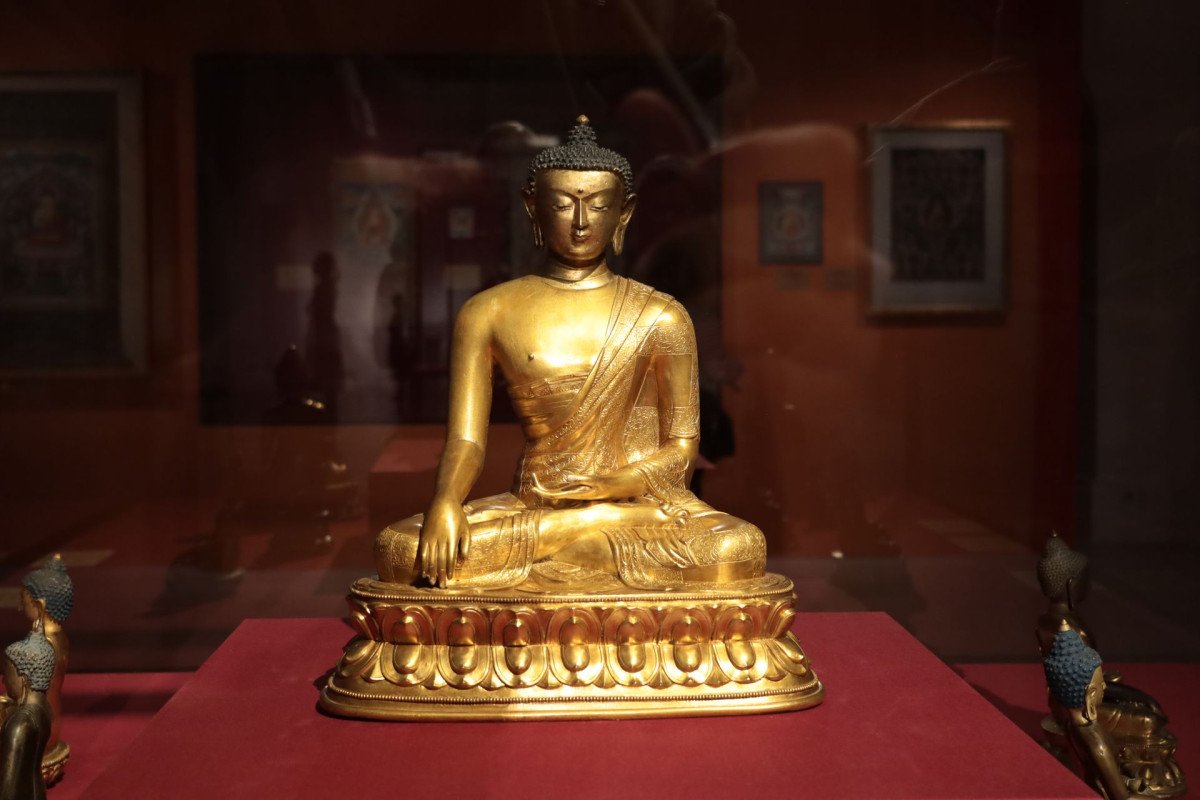
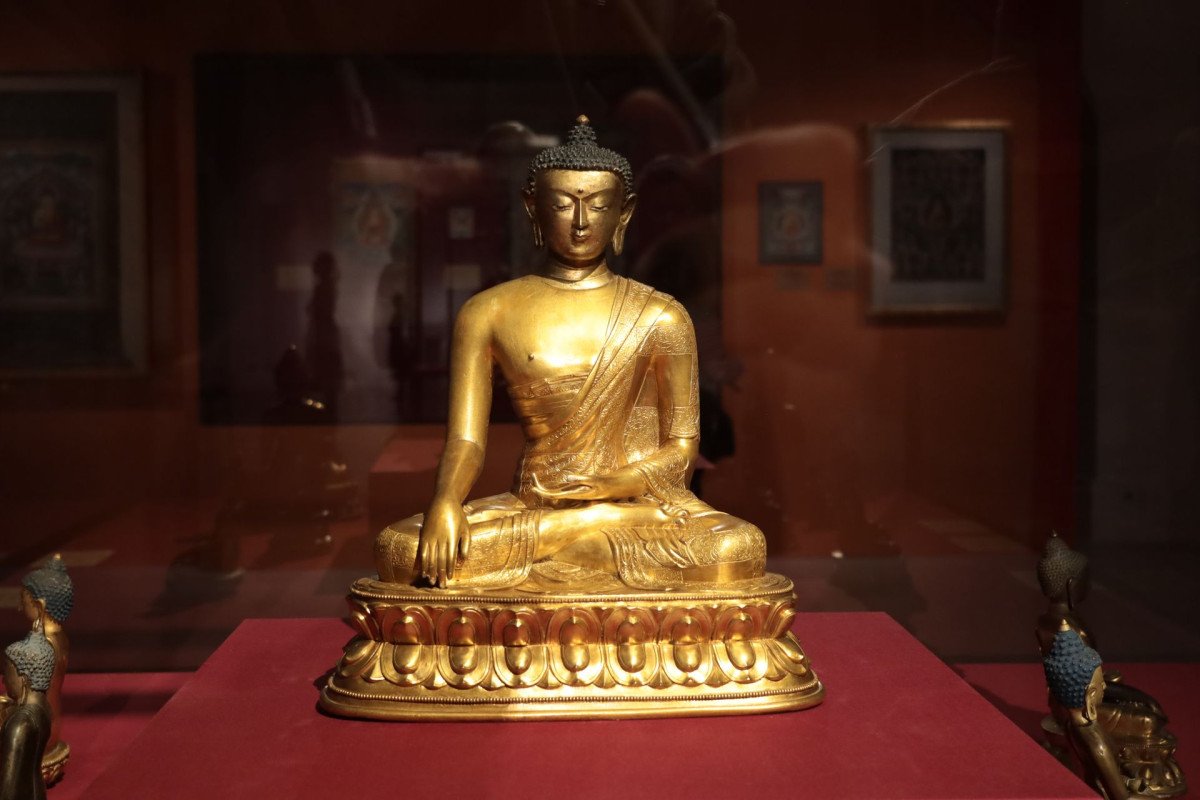
Gupta Buddha Statues: Capture the serene expression and the elegant, stylized drapery of the Gupta-era Buddha statues in the galleries, which are beautiful examples of classical Indian sculpture.
Architectural Fragments: Focus on a close-up of a highly detailed, fragmented relief carving to showcase the extraordinary skill of the Satavahana artisans, highlighting the narrative art.
Entrance Façade: A simple shot of the museum's entrance façade, with the ASI logo, representing the modern scientific effort to preserve the ancient site.Photo Gallery
Things To Do
-
Viewing the Lion Capital: This is the single most important activity. Spend time studying the four lions, the abacus with the running animals (geese and palmettes), and the phenomenal 'Mauryan Polish.
' Close-up Sculpture Study: Spend time in the galleries dedicated to Gupta and post-Gupta sculptures. Examine the serene face, the thin, flowing drapery of the Buddha images, and the subtle shift in artistic styles over the centuries.
Reading the Descriptions: Unlike the outdoor monuments, the museum provides detailed plaques in both Hindi and English for every exhibit. Read them carefully to understand the context and origin of the fragments.
Photography (Check Rules): Take high-quality, non-flash photographs of the exhibits (if permitted, usually for a small fee...Viewing the Lion Capital: This is the single most important activity. Spend time studying the four lions, the abacus with the running animals (geese and palmettes), and the phenomenal 'Mauryan Polish.
' Close-up Sculpture Study: Spend time in the galleries dedicated to Gupta and post-Gupta sculptures. Examine the serene face, the thin, flowing drapery of the Buddha images, and the subtle shift in artistic styles over the centuries.
Reading the Descriptions: Unlike the outdoor monuments, the museum provides detailed plaques in both Hindi and English for every exhibit. Read them carefully to understand the context and origin of the fragments.
Photography (Check Rules): Take high-quality, non-flash photographs of the exhibits (if permitted, usually for a small fee), especially the smaller relief panels.
Timing the Visit: Plan to visit the museum in the middle of the day, when the sun is too hot for outdoor exploration, providing a comfortable, indoor break.
Browsing the Book Shop: The museum usually has a small book shop run by the ASI, which sells excellent publications, books, and postcards about Sanchi and Buddhist art, which are great for in-depth learning.
Information
-
Why Famous:
The Ashoka Lion Capital: Its fame is overwhelmingly tied to the presence of the original, preserved Lion Capital of the Ashoka Pillar—the iconic source material for the National Emblem of India. This makes the museum a place of national significance.
Read MoreThe Ashoka Lion Capital: Its fame is overwhelmingly tied to the presence of the original, preserved Lion Capital of the Ashoka Pillar—the iconic source material for the National Emblem of India. This makes the museum a place of national significance.
Close-up Art Study: It is famous for allowing art historians and enthusiasts to examine the delicate, fragmented sculptures and inscriptions from the monuments up close, enabling a level of detail study impossible on the actual stupa.
Gupta Buddha Collection: The museum houses some of the finest examples of Gupta and post-Gupta Buddha and Bodhisattva sculptures, renowned for their classical grace, serene expressions, and elegant drapery.Architecture:
Standard Museum Architecture: The building follows a typical 20th-century museum structure, designed for security and display, with a main hall and several galleries. The architecture is functional, with the focus being on the lighting and preservation of the exhibits rathe...Standard Museum Architecture: The building follows a typical 20th-century museum structure, designed for security and display, with a main hall and several galleries. The architecture is functional, with the focus being on the lighting and preservation of the exhibits rather than the external structure. The total area is approximately 6. 3 acres.
Display Layout: The layout is chronological and thematic, guiding the visitor through the evolution of art at Sanchi from the Mauryan period to the late medieval period. It uses simple display cases and well-lit platforms. The most structurally significant element is the dedicated space for the massive Ashoka Pillar Capital, placed centrally to allow for 360-degree viewing and appreciation of its scale and polish. Dimensions of the largest exhibit, the Lion Capital, are approximately 2. 15 meters tall.How To Reach:
By Air: Nearest airport is Bhopal (BHO), 55 km. The museum is located at the base of the hill near the main ticket counter.
By Train: Closest station is Sanchi (SCI), 1 km. Vidisha (BHS), 10 km, offers better connectivity.By Air: Nearest airport is Bhopal (BHO), 55 km. The museum is located at the base of the hill near the main ticket counter.
By Train: Closest station is Sanchi (SCI), 1 km. Vidisha (BHS), 10 km, offers better connectivity.
By Road: Easily accessible from NH 146 and located right next to the parking area for the main complex. Hired taxis and state buses are available.
By Local Transport: The museum is a short walk from the Buddhist Vihara and the main monument complex entrance/parking area, making it easily reachable by foot or a very short auto-rickshaw ride from the town center.Weather and Best Time to Visit:
Different Types of Seasons: Winter (October to March) is pleasant, but the museum being indoors means the season is less critical. Summer is the best time to visit the museum for a comfortable, air-conditioned (or cooler) indoor experience during the heat.Different Types of Seasons: Winter (October to March) is pleasant, but the museum being indoors means the season is less critical. Summer is the best time to visit the museum for a comfortable, air-conditioned (or cooler) indoor experience during the heat.
Different Parts of the Day: Mid-day is highly recommended to escape the sun. The interior lighting is designed to illuminate the artifacts consistently, so the time of day does not significantly affect the viewing quality.Near Tourist Places:
Buddhist Vihara (Modern) (100m)Sanchi Railway Station (SCI) (1 km)The Great Bowl (500m)Sanchi Stupa Complex Entrance (200m)Vidisha (10 km)Udayagiri Caves (13 km)Bhopal (46 km)Bhojpur Temple (65 km)Bhimbetka Rock Shelters (90 km)Gyaraspur (40 km):Tourism Tips
-
Health & safety: Do not lean on or touch the display cases. Follow the security guards' instructions, especially around the Lion Capital.
Packing: Bring reading glasses if needed, as the detailed inscription plaques require close reading. ...Health & safety: Do not lean on or touch the display cases. Follow the security guards' instructions, especially around the Lion Capital.
Packing: Bring reading glasses if needed, as the detailed inscription plaques require close reading. A notebook is excellent for taking detailed notes on the sculptures.
Accommodation: Stay in Bhopal for the widest range of hotels. Sanchi has basic guesthouses.
Other Different Topics:
Security: Large bags and backpacks are often not allowed inside and must be checked at the cloakroom.
No Flash: Strictly avoid using flash photography to prevent damage to the centuries-old stone and paint fragments.
Accessibility: The museum is generally more accessible than the hilltop ruins, making it a good option for visitors with mobility issues.
Reviews
FAQs
Sanchi Itineray And Cost:-
Other Places In Sanchi :-
Other States In India :-
Information about New and Updated Locations() of Madhya Pradesh Has Been Added :-
Card subtitle
Note:-
Information provided here in good Faith and for reference only.
Near Places

Mata Mandir
Some quick example text to build on the card title and make up the bulk of the card's content.
Go somewhere
Sanchi Museum
Some quick example text to build on the card title and make up the bulk of the card's content.
Go somewhere
The Great Bowl
Some quick example text to build on the card title and make up the bulk of the card's content.
Go somewhere
Turtle Rock
Some quick example text to build on the card title and make up the bulk of the card's content.
Go somewhere
Western Gateway
Some quick example text to build on the card title and make up the bulk of the card's content.
Go somewhere
Zoo Rock
Some quick example text to build on the card title and make up the bulk of the card's content.
Go somewherein Other Cities