

Tarn Taran Sahib
General information
-
Ideal Duration:
1 DayPlace Type:
Religious & SpiritualSpecial Events:
Amavasya Gatherings: Every month on the no-moon day, thousands of pilgrims gather for a special festival. The atmosphere is electric with prayers, hymns, and massive community feasts.
Vaisakhi Celebrations: The city celebrates the birth of ...Amavasya Gatherings: Every month on the no-moon day, thousands of pilgrims gather for a special festival. The atmosphere is electric with prayers, hymns, and massive community feasts.
Vaisakhi Celebrations: The city celebrates the birth of the Khalsa with great pomp and show. Colorful processions (Nagar Kirtans) and martial arts displays (Gatka) are the highlights.Best Photo Spots:
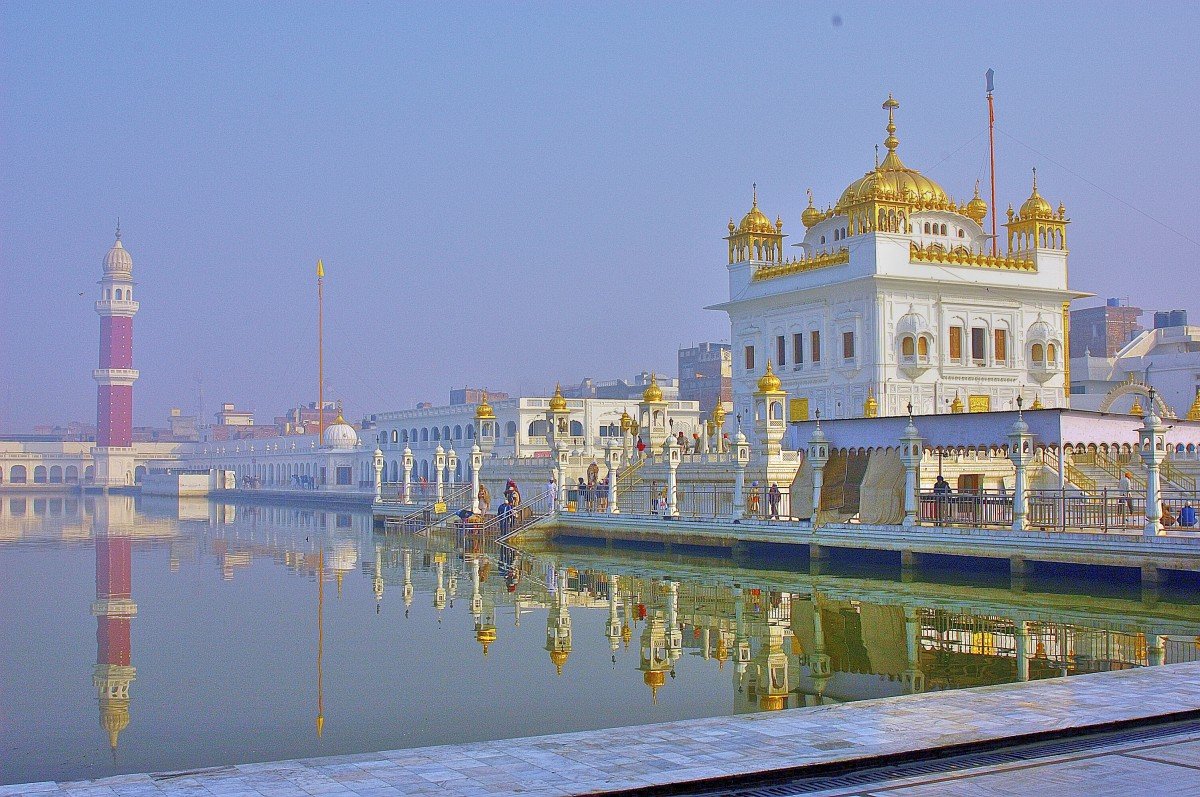
The Sarovar Edge: Sit on the marble walkway and capture the vast expanse of the water against the temple. The symmetrical architecture provides a perfect frame for architectural photography.
Evening Illumination: The Gurudwara is beautifull...The Sarovar Edge: Sit on the marble walkway and capture the vast expanse of the water against the temple. The symmetrical architecture provides a perfect frame for architectural photography.
Evening Illumination: The Gurudwara is beautifully lit after sunset, creating a magical glow. The contrast of the golden lights against the dark water is a favorite for night photographers.Photo Gallery

Things To Do
 Rare Punjab Holiday'S is a specialized tour operator and farm stay that focuses on "Rural Tourism" in the Tarn Taran and Amritsar belt. It offers curated experiences such as village walks, turban tying sessions, and visits to local artisans. The place is designed to give international and domestic tourists an immersive look into the soul of Punjab. Guests can stay in beautifully decorated rooms that blend rustic charm with modern comfort. The initiative promotes sustainable tourism by involving the local community in all activities. It is a top choice for travelers who want more than just a sightseeing tour of the Golden Temple.
 Akal Bunga is a highly revered site located within the Darbar Sahib Complex in Tarn Taran Sahib. This sacred structure is deeply intertwined with the spiritual and administrative history of the Sikh faith in the Majha region. It serves as a reminder of the "Akal Takht" concept, representing the eternal throne of the Almighty. Historically, this place was used by Sikh warriors and scholars for congregational gatherings and for making significant decisions concerning the community. The atmosphere here is thick with devotion, and the sound of Gurbani resonates throughout the day. Visitors often feel a profound sense of peace while sitting in the vicinity of this holy structure. It was significantly developed during the era of the Sikh Misls and later during the reign of Maharaja Ranjit Singh. The site is a testimony to the resilience of the Khalsa, as it stood strong through various historical invasions. For a devotee, it is not just a building but a symbol of the sovereignty of the Sikh spirit. Today, it attracts thousands of pilgrims who come to seek blessings and understand the rich heritage of the fifth Guru, Guru Arjan Dev Ji, who founded the city. The complex is immaculately maintained by the SGPC, ensuring that the sanctity is preserved for future generations.
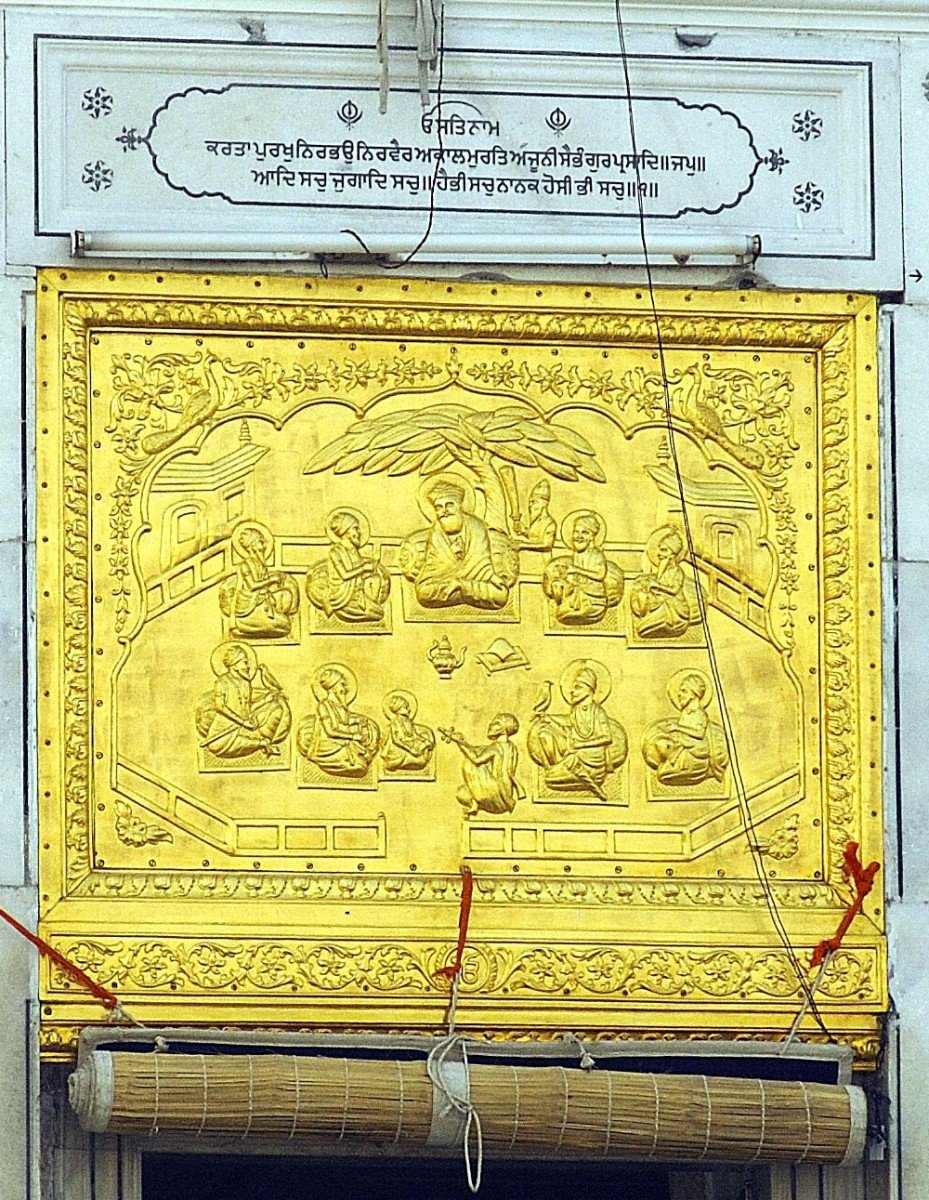
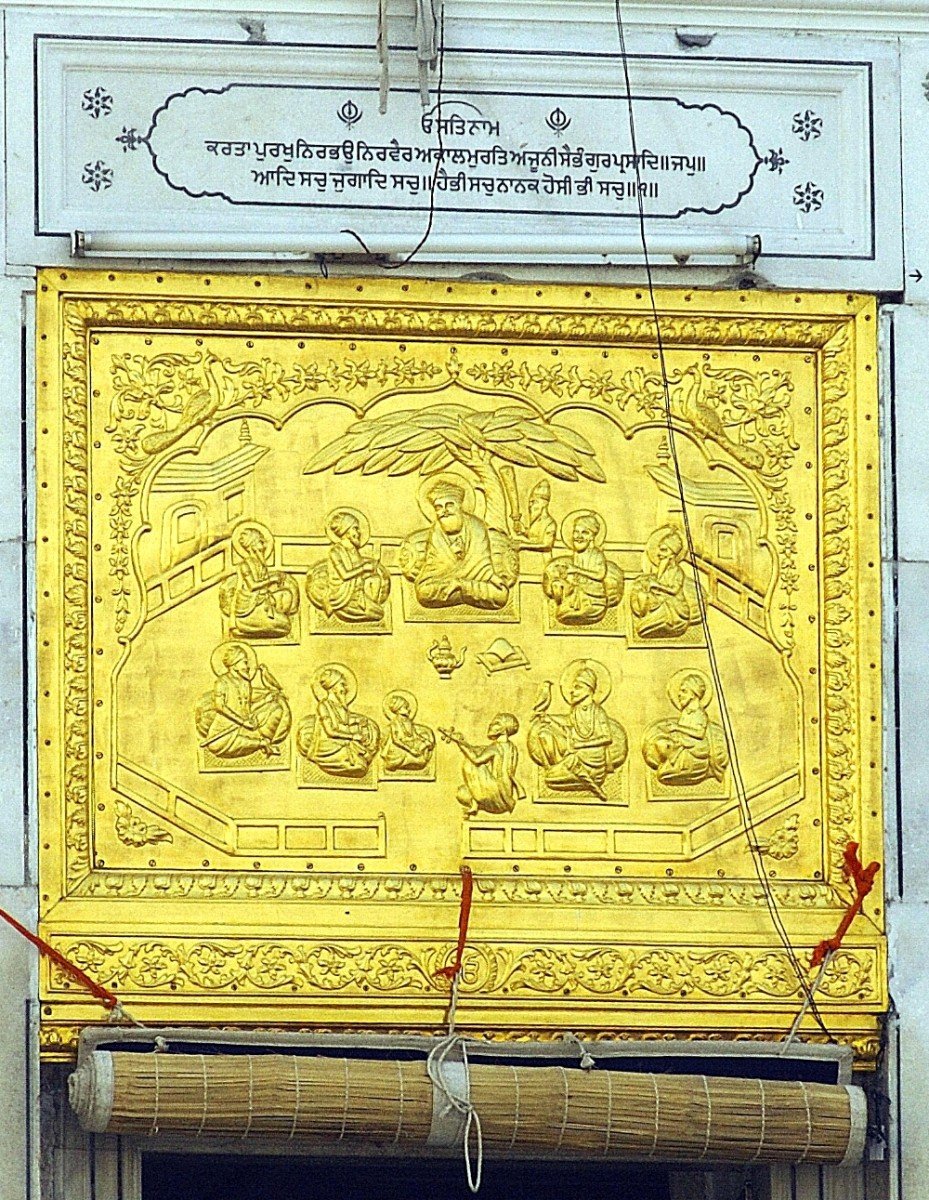
Gurdwara Sri Darbar Sahib Tarn Taran was established by the fifth Sikh Guru, Shri Guru Arjan Dev Ji, in 1590. This sacred site is renowned for housing the largest Sarovar (holy tank) among all Sikh shrines. The Guru founded the city itself, naming it Tarn Taran, which translates to "The Boat that carries one across the ocean of existence." Historically, the Guru established a leper home here, providing medical and spiritual healing, a tradition that continues to define the town's compassionate spirit. The primary shrine is a three-storied structure located at the edge of the vast water body. Pilgrims believe that the waters of this Sarovar possess medicinal properties, particularly for skin ailments. Over the centuries, the Gurdwara has been a focal point for the Majha region's Sikh community. It was heavily renovated during the Sikh Empire under Maharaja Ranjit Singh, who gold-plated the upper portion of the building to match the splendor of the Golden Temple in Amritsar. Today, it stands as a testament to the Guru's vision of a self-sustaining city focused on spirituality, health, and community service. The atmosphere is perpetually filled with the soothing sounds of Gurbani Kirtan, creating a serene environment for meditation and reflection.
@@Description: The Haveli Sardar Panjab Singh Batth stands as a magnificent sentinel of the Sikh aristocracy's opulent lifestyle. This historic mansion belonged to a prominent noble family and reflects the feudal grandeur of the late 19th Century. Visitors can witness the thick Nanakshahi brick walls and the remnants of a bygone era where local chieftains held court. The structure is spread over a vast area and serves as a living museum of rural Punjabi heritage. It provides a deep insight into the socio-political structure of the Majha region during the British Raj. The haveli is surrounded by lush green fields, offering a serene escape from the modern bustle of the city. It remains a site of immense pride for the local community and historians alike. The intricate woodwork on the doors still speaks of the skilled craftsmanship of ancient Punjabi artisans. Many locals share legends of the Batth family's bravery and hospitality that once echoed in these halls. The haveli is a primary example of how residential architecture was used to display power and wealth. It is currently being maintained by the descendants and remains a quiet witness to the changing tides of time. Tourists often visit to experience the authentic "Pind" (village) life and the grandeur of old Punjab.
Akal Bunga is a highly revered site located within the Darbar Sahib Complex in Tarn Taran Sahib. This sacred structure is deeply intertwined with the spiritual and administrative history of the Sikh faith in the Majha region. It serves as a reminder of the "Akal Takht" concept, representing the eternal throne of the Almighty. Historically, this place was used by Sikh warriors and scholars for congregational gatherings and for making significant decisions concerning the community. The atmosphere here is thick with devotion, and the sound of Gurbani resonates throughout the day. Visitors often feel a profound sense of peace while sitting in the vicinity of this holy structure. It was significantly developed during the era of the Sikh Misls and later during the reign of Maharaja Ranjit Singh. The site is a testimony to the resilience of the Khalsa, as it stood strong through various historical invasions. For a devotee, it is not just a building but a symbol of the sovereignty of the Sikh spirit. Today, it attracts thousands of pilgrims who come to seek blessings and understand the rich heritage of the fifth Guru, Guru Arjan Dev Ji, who founded the city. The complex is immaculately maintained by the SGPC, ensuring that the sanctity is preserved for future generations.
Gurdwara Sri Darbar Sahib Tarn Taran was established by the fifth Sikh Guru, Shri Guru Arjan Dev Ji, in 1590. This sacred site is renowned for housing the largest Sarovar (holy tank) among all Sikh shrines. The Guru founded the city itself, naming it Tarn Taran, which translates to "The Boat that carries one across the ocean of existence." Historically, the Guru established a leper home here, providing medical and spiritual healing, a tradition that continues to define the town's compassionate spirit. The primary shrine is a three-storied structure located at the edge of the vast water body. Pilgrims believe that the waters of this Sarovar possess medicinal properties, particularly for skin ailments. Over the centuries, the Gurdwara has been a focal point for the Majha region's Sikh community. It was heavily renovated during the Sikh Empire under Maharaja Ranjit Singh, who gold-plated the upper portion of the building to match the splendor of the Golden Temple in Amritsar. Today, it stands as a testament to the Guru's vision of a self-sustaining city focused on spirituality, health, and community service. The atmosphere is perpetually filled with the soothing sounds of Gurbani Kirtan, creating a serene environment for meditation and reflection.
@@Description: The Haveli Sardar Panjab Singh Batth stands as a magnificent sentinel of the Sikh aristocracy's opulent lifestyle. This historic mansion belonged to a prominent noble family and reflects the feudal grandeur of the late 19th Century. Visitors can witness the thick Nanakshahi brick walls and the remnants of a bygone era where local chieftains held court. The structure is spread over a vast area and serves as a living museum of rural Punjabi heritage. It provides a deep insight into the socio-political structure of the Majha region during the British Raj. The haveli is surrounded by lush green fields, offering a serene escape from the modern bustle of the city. It remains a site of immense pride for the local community and historians alike. The intricate woodwork on the doors still speaks of the skilled craftsmanship of ancient Punjabi artisans. Many locals share legends of the Batth family's bravery and hospitality that once echoed in these halls. The haveli is a primary example of how residential architecture was used to display power and wealth. It is currently being maintained by the descendants and remains a quiet witness to the changing tides of time. Tourists often visit to experience the authentic "Pind" (village) life and the grandeur of old Punjab. This historic site is the final resting place of Amanat Khan, the legendary calligrapher who designed the inscriptions on the Taj Mahal. It served as a vital caravan sarai on the ancient trade route between Agra and Lahore during the 17th Century. The conservation reserve around it preserves the local flora and fauna, making it a unique mix of history and nature. Visitors can explore the massive gateways and the mosque that still stand as a testament to Mughal grandeur in the heart of Punjab. The site offers a peaceful retreat for those interested in Islamic art and medieval Indian history.
Daburji Adda is the primary commercial and transit gateway for travelers entering Tarn Taran Sahib from the Amritsar side. It serves as a bustling junction where the pulse of the town can be felt. Historically, this "Adda" (stopping point) has been the heart of trade for the surrounding agricultural villages. It is lined with shops selling everything from traditional Punjabi "Juttis" and agricultural machinery to modern electronics. For a tourist, it is the best place to experience the local flavor of a Punjabi market. The area is famous for its "Dhabas" which serve authentic, spicy Punjabi food that is popular among truck drivers and travelers alike. The energy here is contagious, with the constant movement of buses, tractors, and pedestrians. It also acts as a hub for educational institutes and small industries, making it a vital part of the district's economy. While it may seem chaotic, there is an underlying order to the trade and transport systems here. Many pilgrims stop at Daburji Adda to buy offerings like "Patasa" and "Flowers" before heading to the main Gurdwara. The growth of this area reflects the urbanization of the Tarn Taran district. It is also a key point for catching local transport to deeper rural areas of the border belt.
This historic site is the final resting place of Amanat Khan, the legendary calligrapher who designed the inscriptions on the Taj Mahal. It served as a vital caravan sarai on the ancient trade route between Agra and Lahore during the 17th Century. The conservation reserve around it preserves the local flora and fauna, making it a unique mix of history and nature. Visitors can explore the massive gateways and the mosque that still stand as a testament to Mughal grandeur in the heart of Punjab. The site offers a peaceful retreat for those interested in Islamic art and medieval Indian history.
Daburji Adda is the primary commercial and transit gateway for travelers entering Tarn Taran Sahib from the Amritsar side. It serves as a bustling junction where the pulse of the town can be felt. Historically, this "Adda" (stopping point) has been the heart of trade for the surrounding agricultural villages. It is lined with shops selling everything from traditional Punjabi "Juttis" and agricultural machinery to modern electronics. For a tourist, it is the best place to experience the local flavor of a Punjabi market. The area is famous for its "Dhabas" which serve authentic, spicy Punjabi food that is popular among truck drivers and travelers alike. The energy here is contagious, with the constant movement of buses, tractors, and pedestrians. It also acts as a hub for educational institutes and small industries, making it a vital part of the district's economy. While it may seem chaotic, there is an underlying order to the trade and transport systems here. Many pilgrims stop at Daburji Adda to buy offerings like "Patasa" and "Flowers" before heading to the main Gurdwara. The growth of this area reflects the urbanization of the Tarn Taran district. It is also a key point for catching local transport to deeper rural areas of the border belt. Gurudwara Lakeer Sahib is a site of profound bravery and sacrifice in Sikh history. It marks the spot where the legendary warrior Baba Deep Singh Ji drew a line ("Lakeer") on the ground with his sword in 1757. At the age of 75, he was leading a band of Sikh warriors to liberate the Golden Temple from the Afghan forces of Ahmad Shah Abdali. Before the final battle, he challenged his followers: "Only those who are prepared to lay down their lives for the faith should cross this line." All five thousand warriors crossed the line with him. The battle that followed is one of the most famous in Sikh lore; despite being mortally wounded and decapitated, Baba Deep Singh Ji is said to have fought his way to the Golden Temple carrying his head in his hand to fulfill his vow. This Gurdwara stands as a memorial to that pivotal moment of commitment. The shrine is relatively small compared to the main Darbar Sahib but carries an immense emotional and spiritual weight. It is located just a kilometer away from the main Tarn Taran shrine, making it an easy addition to any pilgrimage.Show All
@@Description: Gurdwara Manji Sahib is an integral part of the grand Darbar Sahib complex in Tarn Taran. This sacred spot marks the place where Guru Hargobind Sahib, the sixth Sikh Guru, stayed during his visit to the city. It is a place of deep meditation and spiritual solace for thousands of pilgrims who visit daily. The atmosphere here is filled with the rhythmic chanting of Gurbani and the peaceful presence of the Sarovar. The Gurdwara holds a special place in the hearts of the devotees as it represents the "Miri-Piri" philosophy of the sixth Guru. The structure is beautifully maintained, with marble flooring that stays cool even in the heat of June. Many historical relics and stories are associated with this specific spot within the larger complex. It serves as a reminder of the Guru's mission to protect the oppressed and spread the message of peace. The "Manji" or the small cot used by the Guru is commemorated here. Pilgrims often sit here for hours in "Simran" (meditation) to find inner peace. The surrounding area is always bustling with "Seva" (selfless service), which is the cornerstone of Sikhism. It is a must-visit for anyone seeking a spiritual connection.
Gurudwara Lakeer Sahib is a site of profound bravery and sacrifice in Sikh history. It marks the spot where the legendary warrior Baba Deep Singh Ji drew a line ("Lakeer") on the ground with his sword in 1757. At the age of 75, he was leading a band of Sikh warriors to liberate the Golden Temple from the Afghan forces of Ahmad Shah Abdali. Before the final battle, he challenged his followers: "Only those who are prepared to lay down their lives for the faith should cross this line." All five thousand warriors crossed the line with him. The battle that followed is one of the most famous in Sikh lore; despite being mortally wounded and decapitated, Baba Deep Singh Ji is said to have fought his way to the Golden Temple carrying his head in his hand to fulfill his vow. This Gurdwara stands as a memorial to that pivotal moment of commitment. The shrine is relatively small compared to the main Darbar Sahib but carries an immense emotional and spiritual weight. It is located just a kilometer away from the main Tarn Taran shrine, making it an easy addition to any pilgrimage.Show All
@@Description: Gurdwara Manji Sahib is an integral part of the grand Darbar Sahib complex in Tarn Taran. This sacred spot marks the place where Guru Hargobind Sahib, the sixth Sikh Guru, stayed during his visit to the city. It is a place of deep meditation and spiritual solace for thousands of pilgrims who visit daily. The atmosphere here is filled with the rhythmic chanting of Gurbani and the peaceful presence of the Sarovar. The Gurdwara holds a special place in the hearts of the devotees as it represents the "Miri-Piri" philosophy of the sixth Guru. The structure is beautifully maintained, with marble flooring that stays cool even in the heat of June. Many historical relics and stories are associated with this specific spot within the larger complex. It serves as a reminder of the Guru's mission to protect the oppressed and spread the message of peace. The "Manji" or the small cot used by the Guru is commemorated here. Pilgrims often sit here for hours in "Simran" (meditation) to find inner peace. The surrounding area is always bustling with "Seva" (selfless service), which is the cornerstone of Sikhism. It is a must-visit for anyone seeking a spiritual connection.Information
-
Why Famous:
Largest Holy Tank: The sheer size of the sarovar is its most famous feature. It is a sight to behold, especially during the early morning hours when the water is perfectly still.
Healing Waters: For centuries, people have come here to bathe...Largest Holy Tank: The sheer size of the sarovar is its most famous feature. It is a sight to behold, especially during the early morning hours when the water is perfectly still.
Healing Waters: For centuries, people have come here to bathe in the sarovar, believing it cures skin ailments. This tradition has made it a major pilgrimage site for people from all walks of life. -
How To Reach:
By Air: Sri Guru Ram Dass Jee International Airport in Amritsar is only 30 KMS away. From the airport, one can hire a pre-paid taxi or take a local bus to reach the city.
By Train: Tarn Taran Railway Station is connected to Amritsar and oth...By Air: Sri Guru Ram Dass Jee International Airport in Amritsar is only 30 KMS away. From the airport, one can hire a pre-paid taxi or take a local bus to reach the city.
By Train: Tarn Taran Railway Station is connected to Amritsar and other nearby towns by passenger trains. Most long-distance travelers arrive at Amritsar and then travel by road.
By Road: It is well-connected by a four-lane highway to Amritsar, making the drive very smooth. Regular buses and shared taxis operate between the two cities throughout the day.
By Local Transport: Within the city, auto-rickshaws are the most efficient way to travel. For visiting nearby rural Gurudwaras, hiring a private taxi for the day is a more comfortable option. -
Weather and Best Time to Visit:
Winter Season: October to March is the best time as the weather is cool and pleasant for walking around the large sarovar. The clear skies are also perfect for photography.
Monsoon Season: July to September brings rain, which can make the m...Winter Season: October to March is the best time as the weather is cool and pleasant for walking around the large sarovar. The clear skies are also perfect for photography.
Monsoon Season: July to September brings rain, which can make the marble floors quite slippery. However, the washed-clean look of the temple and the full sarovar are very beautiful.
Summer Season: April to June can be extremely hot, with the marble walkways becoming very hot during the day. It is best to visit during the early dawn or late night hours. -
Near Tourist Places:
Amritsar (25 KM), Harike Wetland (35 KM), Goindwal Sahib (25 KM), Khadur Sahib (20 KM), Wagah Border (55 KM), Jallianwala Bagh (25 KM), Beas (45 KM), Jalandhar (75 KM), Ferozepur (85 KM), Patti (20 KM)
Tourism Tips
-
Health & Safety: Be careful on the wet marble floors near the sarovar to avoid slipping. Keep your shoes in the designated 'Joda Ghar' (shoe room) where they are kept safely for free.
Packing Tips: Always carry a scarf or large handkerchief...Health & Safety: Be careful on the wet marble floors near the sarovar to avoid slipping. Keep your shoes in the designated 'Joda Ghar' (shoe room) where they are kept safely for free.
Packing Tips: Always carry a scarf or large handkerchief to cover your head inside the complex. Wear modest clothing that covers your shoulders and legs to respect the local religious sentiments.
Accommodation: Many pilgrims stay in the 'Sarai' provided by the Gurudwara for a nominal fee. For more comfortable stay options, most tourists prefer to stay in hotels in nearby Amritsar.
Local Culture: Participate in the tradition of 'Sewa' if you have the time; it is highly respected. Be prepared for large crowds if your visit coincides with the monthly Amavasya festival.
Reviews
FAQs
Tarn Taran Sahib Itineray And Cost:-
Tarn Taran Sahib Tourism:-
Other Places In Punjab :-
Other States In India :-
Information about New and Updated Locations() of Punjab Has Been Added :-
Card subtitle
Note:-
Information provided here in good Faith and for reference only.
Near Places
Abohar
Some quick example text to build on the card title and make up the bulk of the card's content.
Go somewhere
Amritsar
Some quick example text to build on the card title and make up the bulk of the card's content.
Go somewhere
Anandpur Sahib
Some quick example text to build on the card title and make up the bulk of the card's content.
Go somewhere
Batala
Some quick example text to build on the card title and make up the bulk of the card's content.
Go somewhere
Bathinda
Some quick example text to build on the card title and make up the bulk of the card's content.
Go somewhere
Faridkot
Some quick example text to build on the card title and make up the bulk of the card's content.
Go somewhere
Fatehgarh Sahib
Some quick example text to build on the card title and make up the bulk of the card's content.
Go somewhere
Fazilka
Some quick example text to build on the card title and make up the bulk of the card's content.
Go somewhere
Firozpur
Some quick example text to build on the card title and make up the bulk of the card's content.
Go somewhere
Gurdaspur
Some quick example text to build on the card title and make up the bulk of the card's content.
Go somewhere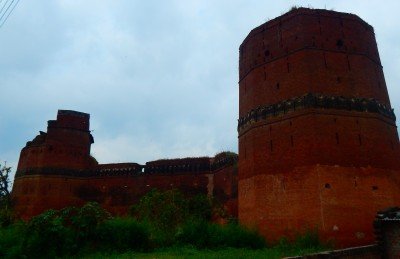
Hoshiarpur
Some quick example text to build on the card title and make up the bulk of the card's content.
Go somewhere
Jalandhar
Some quick example text to build on the card title and make up the bulk of the card's content.
Go somewhere
Kapurthala
Some quick example text to build on the card title and make up the bulk of the card's content.
Go somewhere
Khanna
Some quick example text to build on the card title and make up the bulk of the card's content.
Go somewhere
Ludhiana
Some quick example text to build on the card title and make up the bulk of the card's content.
Go somewhere
Mandi Gobindgarh
Some quick example text to build on the card title and make up the bulk of the card's content.
Go somewherein Other Cities