Sirhind
General information
-
Ideal Duration:
1 DayPlace Type:
Religious & HistoricSpecial Events:
Shaheedi Jor Mela: Held in December, this massive event commemorates the martyrdom of the Sahibzadas. It is a time of religious processions, prayers, and massive community service.
Urs at Rauza Sharif: An annual gathering of Sufi devotees t...Shaheedi Jor Mela: Held in December, this massive event commemorates the martyrdom of the Sahibzadas. It is a time of religious processions, prayers, and massive community service.
Urs at Rauza Sharif: An annual gathering of Sufi devotees to celebrate the birth anniversary of the saint. The atmosphere is filled with spiritual songs and traditional rituals.Best Photo Spots:
Fatehgarh Sahib at Night: The illuminated golden domes reflecting in the surrounding pools create a divine sight. It is perfect for capturing the spiritual aura of the shrine.
Aam Khas Bagh Arches: The weathered brick arches and the shadows...Fatehgarh Sahib at Night: The illuminated golden domes reflecting in the surrounding pools create a divine sight. It is perfect for capturing the spiritual aura of the shrine.
Aam Khas Bagh Arches: The weathered brick arches and the shadows they cast during the late afternoon are perfect for historical photography. Use a wide-angle lens for the ruins.Photo Gallery
Things To Do
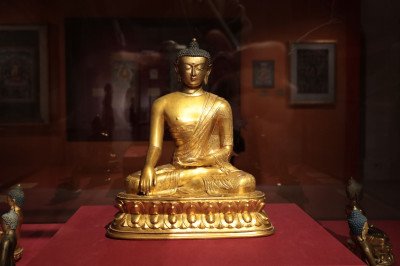 Sanghol, also known as Ucha Pind, is one of the most significant archaeological sites in India, offering a timeline that stretches from the Harappan civilization to the Mughal era. The Sanghol Museum was established to house the incredible finds from this site, which was excavated in the 1960s and 80s. The most famous discovery here is a massive Buddhist Stupa dating back to the 1st and 2nd centuries AD (Kushan period). In 1985, a treasure trove of 117 carved stone slabs, including railing pillars and crossbars, was unearthed. These sculptures belong to the Mathura School of Art and are renowned for their exquisite detail and physical grace. The museum displays over 15,000 artifacts, including ancient coins, seals, pottery, and terracotta figurines. Walking through the museum is like traveling through 4,000 years of history. The site of the stupa itself is located a short distance from the museum and is laid out in a unique "wheel" shape (Dharma Chakra). Sanghol was once a major stop on the Uttarapatha, the ancient trade route connecting Mathura to Taxila. The presence of Buddhist, Hindu, and later Islamic artifacts shows the layers of culture that have settled here over millennia. It is a quiet, scholarly place that provides deep insights into the early history of the Punjab region. For history buffs and students, Sanghol is a goldmine of information and a must-visit destination to understand the roots of Indian civilization.
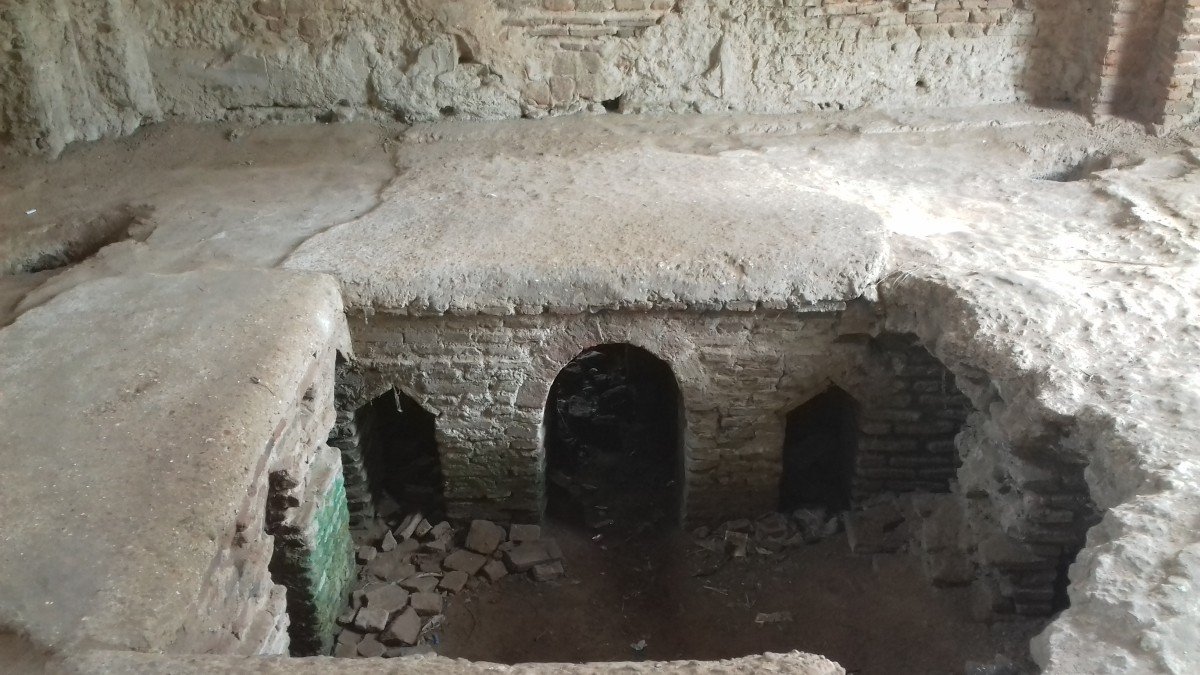
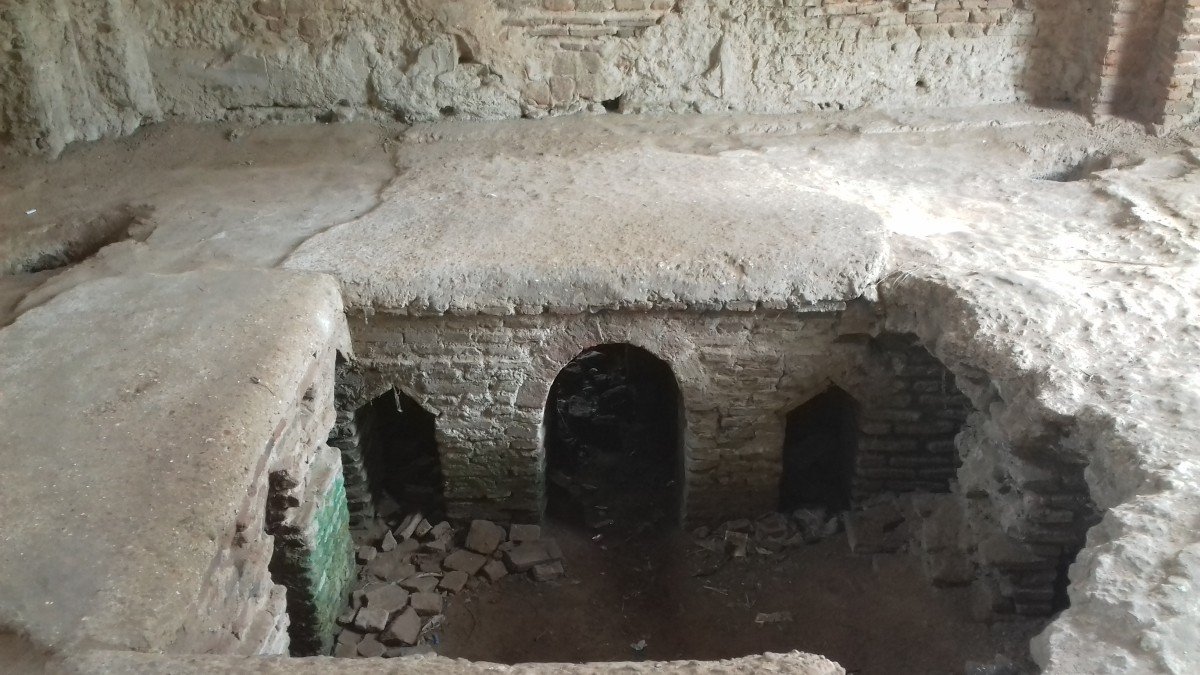
 Aam Khas Bagh is the glorious remains of a Mughal highway inn (Sarai), strategically built on the old Mughal military road between Delhi and Lahore: Initially conceptualised and built by Emperor Akbar and later significantly rebuilt and added to by Emperor Shah Jahan and Jahangir: The complex was divided into two distinct parts: the Aam (common) for public use and the Khas (special/private) for royalty and the royal entourage: It served as a critical halting place for the royal couple during their frequent journeys: Historical records praise the complex for its sophisticated air-conditioning system, known as Sarad Khana, which circulated water through its walls and channels: Despite being heavily damaged during the repeated Sikh-Mughal wars in the 18th century, it still showcases impressive structures like the Sheesh Mahal, Daulat Khana-e-Khas (private palace), Hamam (bathhouse), and a large Tank: Today, it is maintained by the Archaeological Survey of India (ASI) and hosts an annual light and sound show during the Jorh Mel festival: Its sprawling grounds include an old orchard with ancient mango, pear, and guava trees, adding to its historical and natural ambience:
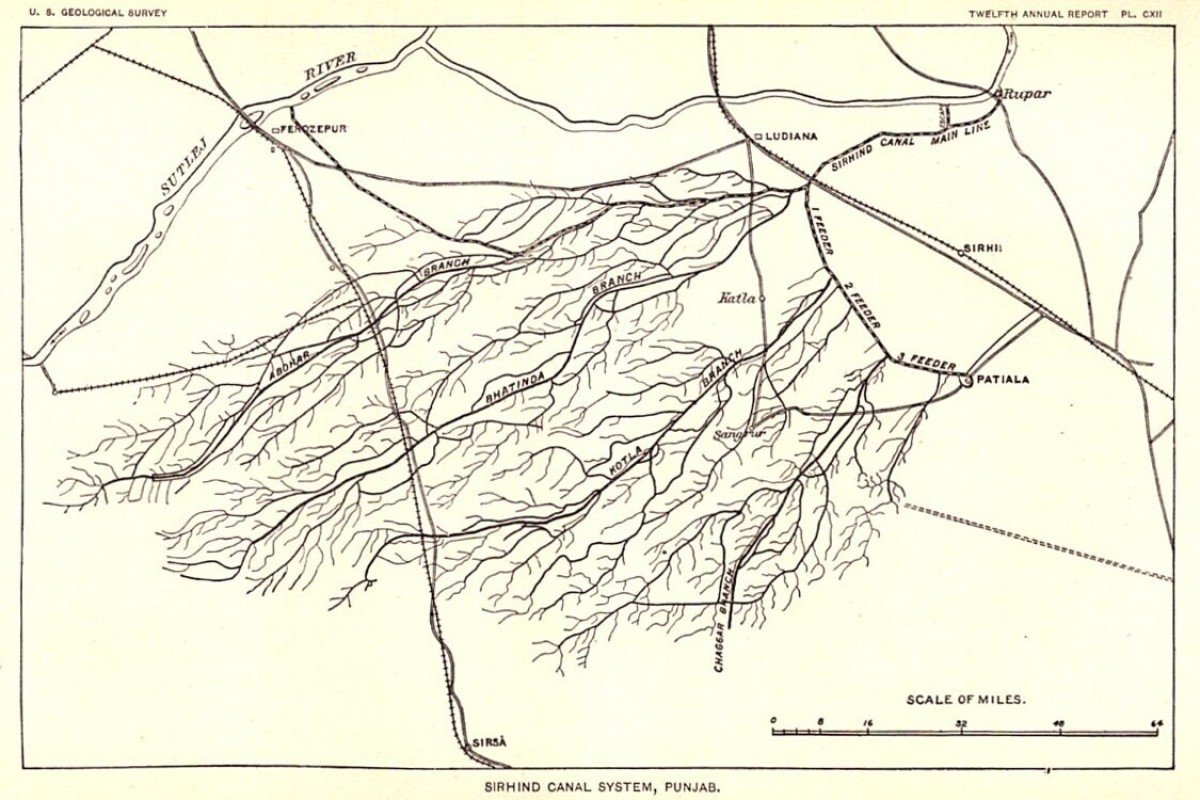
The Floating Restaurant in Sirhind holds the unique distinction of being India's first and foremost floating restaurant, a pioneering idea conceived and brought to fruition in the early 1970s: This unique project was built on the waters of the Bhakra Mainline Canal, which runs between Gobindgarh and Sirhind: Its novelty and successful implementation at the time made it a national sensation and earned it a feature in the Limca Book of World Records: Initially owned by the Punjab Tourism Development Corporation (PTDC), it was later handed over to the Punjab Heritage Tourism Promotion Board (PHTPB): It is situated as a convenient roadside facility, serving as a popular stop for travellers on the busy highway to relax, dine, and even stay overnight: The restaurant offers a memorable dining experience with a perfect view of the canal waters flowing past: The food is well-regarded for its quality, taste, and reasonable pricing, serving a mix of Punjabi and multi-cuisine options: It also features spacious and comfortable rooms, making it a comprehensive halt for road travellers: The concept, while novel in the 1970s, continues to draw visitors who appreciate the peaceful, water-side setting:
@@A Modern Hub with Historic Roots:: Phuwara Chawk (Fountain Square/Junction) is understood to be the vibrant, bustling commercial and traffic intersection located in the heart of modern Sirhind town, the central point where local life, trade, and transport converge. While the modern area is a typical busy Punjabi market (chawk), its significance lies in its historical continuity, as this commercial area likely served as the mandi (marketplace) of the grand Mughal city of Sirhind for centuries. The original fountain (phuwara) may have been a functional or decorative element in the Mughal era, providing water or a cooling feature to the central marketplace, though the modern structure is an urban replacement. Today, it is the pulse of Sirhind, surrounded by small shops, local eateries, and essential services, making it the best place to observe the current daily life of the community. Its history is less about a single monument and more about its enduring role as the commercial and social epicenter of the town, connecting the old religious and monumental areas to the modern administrative blocks. The square is a vibrant, noisy, and colorful spectacle, full of the energy of modern Punjab life, a direct link to the historical commercial activity of the past.
The Mosque of Sadhana Kasai is a unique historical structure dedicated to Bhagat Sadhana, a 13th-century Muslim saint, poet, and mystic whose hymns are included in the Guru Granth Sahib. Although named after him, the current structure was likely built during the Mughal era to commemorate his spiritual legacy. Sadhana was a butcher by profession in Sindh before he turned to a life of devotion and moved to Sirhind. The mosque is a testament to the syncretic culture of medieval India, where a person's profession did not hinder their path to sainthood. The site is presently managed by the Archaeological Survey of India (ASI) and is considered one of the oldest mosques in the region. It stands as a symbol of the spiritual diversity that Sirhind hosted during its golden age. The mosque features a large central dome and several side bays, though part of the structure is now in ruins. The interior walls contain remnants of beautiful Mughal-style paintings and inscriptions. Visiting this mosque provides a peaceful atmosphere away from the city's hustle. It is particularly revered by those who follow the teachings of the Bhagats and the Sikh Gurus, as it bridges the gap between Islamic and Sikh traditions. The surrounding area is lush and provides a quiet spot for reflection on the life of a man who found God while following a humble trade. The mosque's history is intertwined with the Battle of Sirhind, with some historians suggesting it was built or renovated by Emperor Humayun. It remains a significant site for both pilgrims and architecture lovers.
Aam Khas Bagh is the glorious remains of a Mughal highway inn (Sarai), strategically built on the old Mughal military road between Delhi and Lahore: Initially conceptualised and built by Emperor Akbar and later significantly rebuilt and added to by Emperor Shah Jahan and Jahangir: The complex was divided into two distinct parts: the Aam (common) for public use and the Khas (special/private) for royalty and the royal entourage: It served as a critical halting place for the royal couple during their frequent journeys: Historical records praise the complex for its sophisticated air-conditioning system, known as Sarad Khana, which circulated water through its walls and channels: Despite being heavily damaged during the repeated Sikh-Mughal wars in the 18th century, it still showcases impressive structures like the Sheesh Mahal, Daulat Khana-e-Khas (private palace), Hamam (bathhouse), and a large Tank: Today, it is maintained by the Archaeological Survey of India (ASI) and hosts an annual light and sound show during the Jorh Mel festival: Its sprawling grounds include an old orchard with ancient mango, pear, and guava trees, adding to its historical and natural ambience:
The Floating Restaurant in Sirhind holds the unique distinction of being India's first and foremost floating restaurant, a pioneering idea conceived and brought to fruition in the early 1970s: This unique project was built on the waters of the Bhakra Mainline Canal, which runs between Gobindgarh and Sirhind: Its novelty and successful implementation at the time made it a national sensation and earned it a feature in the Limca Book of World Records: Initially owned by the Punjab Tourism Development Corporation (PTDC), it was later handed over to the Punjab Heritage Tourism Promotion Board (PHTPB): It is situated as a convenient roadside facility, serving as a popular stop for travellers on the busy highway to relax, dine, and even stay overnight: The restaurant offers a memorable dining experience with a perfect view of the canal waters flowing past: The food is well-regarded for its quality, taste, and reasonable pricing, serving a mix of Punjabi and multi-cuisine options: It also features spacious and comfortable rooms, making it a comprehensive halt for road travellers: The concept, while novel in the 1970s, continues to draw visitors who appreciate the peaceful, water-side setting:
@@A Modern Hub with Historic Roots:: Phuwara Chawk (Fountain Square/Junction) is understood to be the vibrant, bustling commercial and traffic intersection located in the heart of modern Sirhind town, the central point where local life, trade, and transport converge. While the modern area is a typical busy Punjabi market (chawk), its significance lies in its historical continuity, as this commercial area likely served as the mandi (marketplace) of the grand Mughal city of Sirhind for centuries. The original fountain (phuwara) may have been a functional or decorative element in the Mughal era, providing water or a cooling feature to the central marketplace, though the modern structure is an urban replacement. Today, it is the pulse of Sirhind, surrounded by small shops, local eateries, and essential services, making it the best place to observe the current daily life of the community. Its history is less about a single monument and more about its enduring role as the commercial and social epicenter of the town, connecting the old religious and monumental areas to the modern administrative blocks. The square is a vibrant, noisy, and colorful spectacle, full of the energy of modern Punjab life, a direct link to the historical commercial activity of the past.
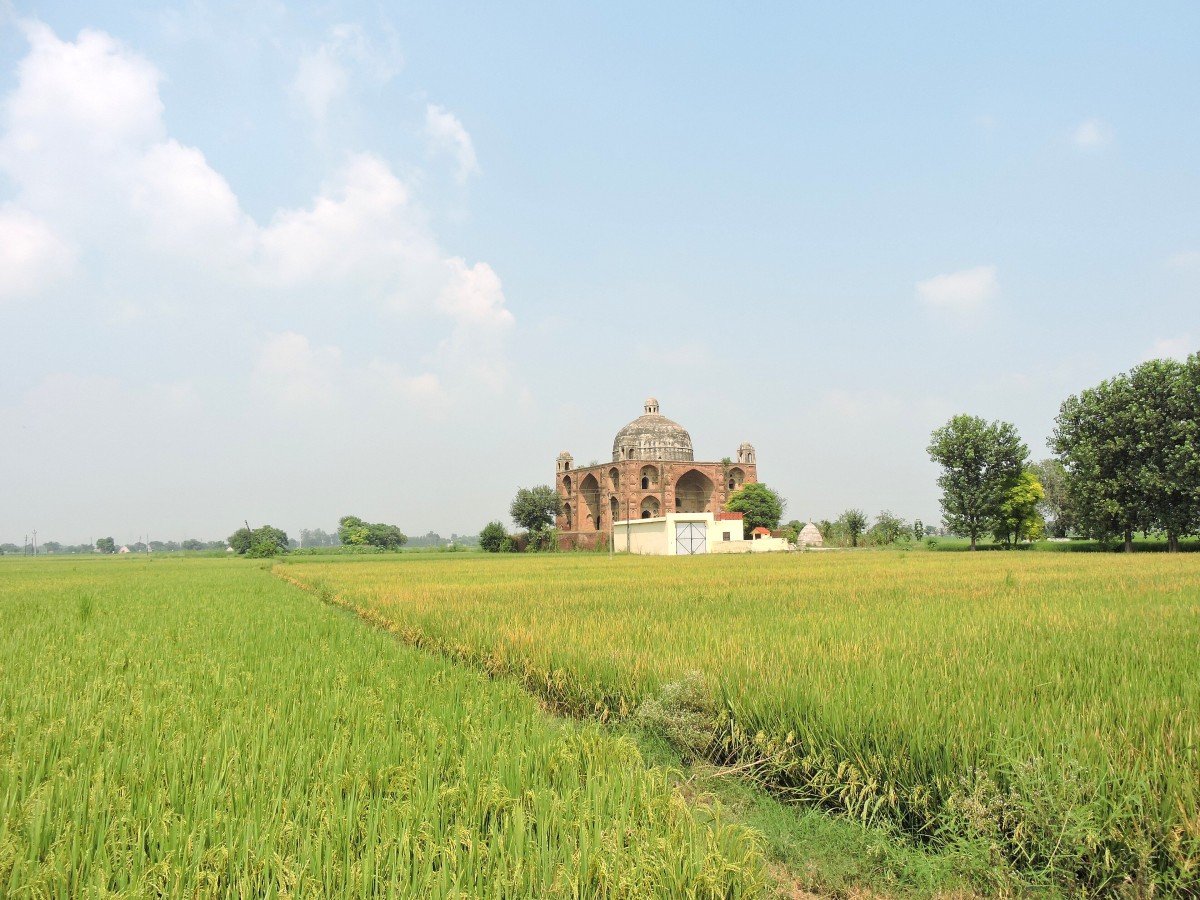
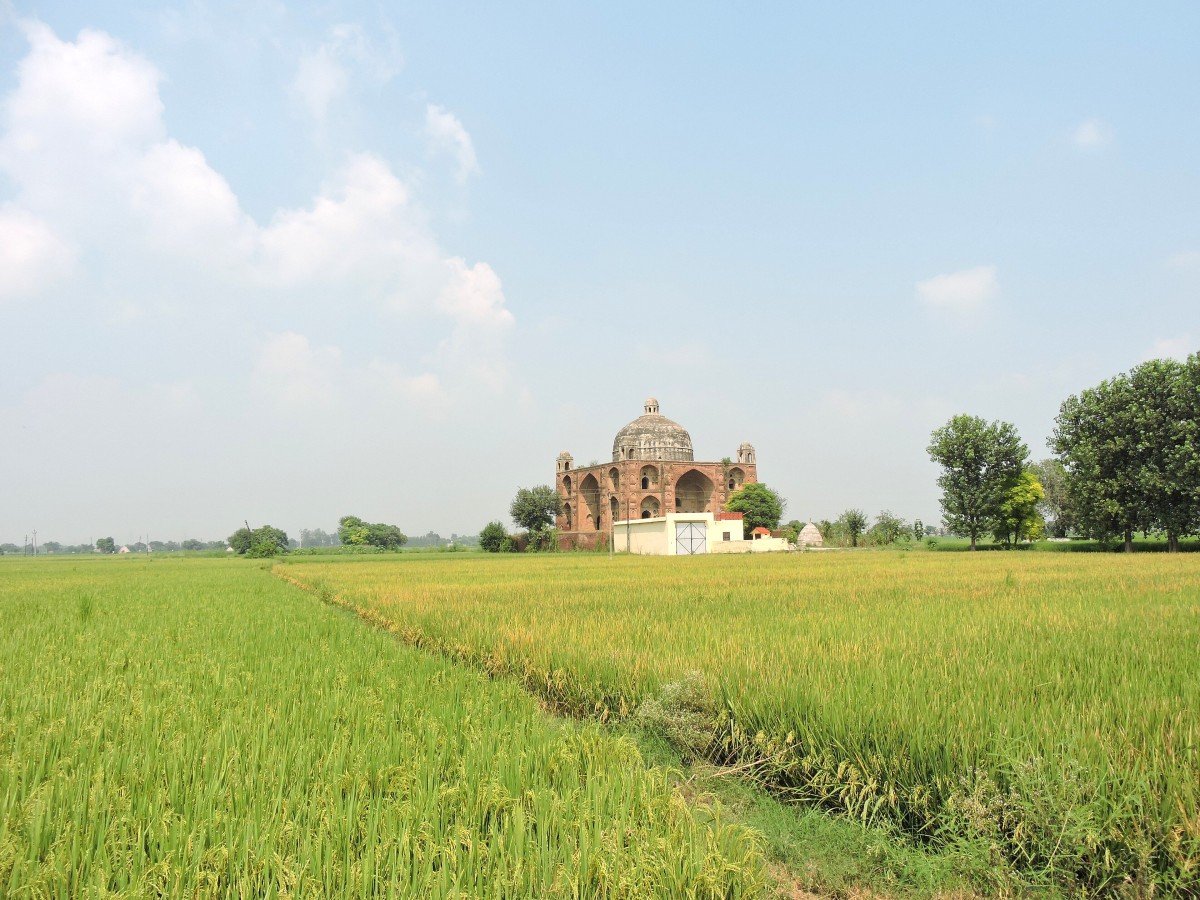
The Mosque of Sadhana Kasai is a unique historical structure dedicated to Bhagat Sadhana, a 13th-century Muslim saint, poet, and mystic whose hymns are included in the Guru Granth Sahib. Although named after him, the current structure was likely built during the Mughal era to commemorate his spiritual legacy. Sadhana was a butcher by profession in Sindh before he turned to a life of devotion and moved to Sirhind. The mosque is a testament to the syncretic culture of medieval India, where a person's profession did not hinder their path to sainthood. The site is presently managed by the Archaeological Survey of India (ASI) and is considered one of the oldest mosques in the region. It stands as a symbol of the spiritual diversity that Sirhind hosted during its golden age. The mosque features a large central dome and several side bays, though part of the structure is now in ruins. The interior walls contain remnants of beautiful Mughal-style paintings and inscriptions. Visiting this mosque provides a peaceful atmosphere away from the city's hustle. It is particularly revered by those who follow the teachings of the Bhagats and the Sikh Gurus, as it bridges the gap between Islamic and Sikh traditions. The surrounding area is lush and provides a quiet spot for reflection on the life of a man who found God while following a humble trade. The mosque's history is intertwined with the Battle of Sirhind, with some historians suggesting it was built or renovated by Emperor Humayun. It remains a significant site for both pilgrims and architecture lovers.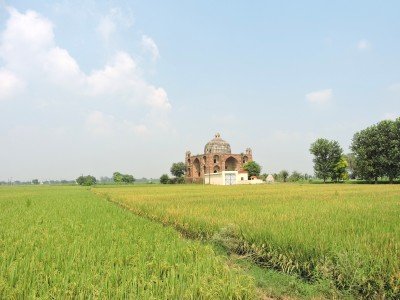 Ustad Di Mazar (Tomb of the Master) is a prominent Mughal-era monument situated in the village of Talanian, west of Sirhind: It is believed to be the tomb of Ustad Syad Khan Pathan (or sometimes just Ustad Syad Khan), a renowned master mason or architect who worked under the Mughals, possibly serving as a Governor of Punjab according to some accounts: The tomb is a fine example of 16th-century or 17th-century Mughal architectural skill, particularly noted for its use of glazed ornamentation: It is one of a pair, located about 200 meters from the Shagird Di Mazar (Tomb of the Apprentice), and both are often mistakenly linked to a fictional competition between a master and his student: The monument is under the protection of the Archaeological Survey of India (ASI) and the Punjab Ancient and Historical Monuments and Archaeological Sites and Remains Act, 1964: Despite being a historical ruin, it is deeply respected by locals and is often treated as a sacred shrine, with the grave covered by a Chadar (cloth sheet): The twin tombs stand as a silent testament to the artistic patronage of the Mughal era and the highly skilled craftsmen of Sirhind:
@@Historical Context & Identity:: The place locally referred to as Nabis Tomb is officially known as Rauza Sharif and houses the mausoleum of Sheikh Ahmad Faruqi Sirhindi (1564–1624 AD), a towering figure in the Naqshbandi Sufi order, revered as Mujaddid Alf Sani, meaning the 'Reviver of the Faith in the Second Millennium'. The complex also contains the graves of his descendants and followers, establishing it as a major pilgrimage site, particularly for Sunni Muslims, who often refer to it as the "Second Mecca" of India. The tomb's construction began during the Mughal period, reflecting the importance of the Sheikh to the ruling elite. The site stands as a profound marker of Sirhind's commercial and religious zenith under the Mughal Empire, when the city was a center of Islamic learning and spiritual power, often eclipsing even Delhi and Lahore in stature during certain periods. The spiritual atmosphere is palpable, drawing devotees from Afghanistan, Pakistan, Bangladesh, and other global Muslim communities, making it a unique cultural and religious confluence.:Show All
Ustad Di Mazar (Tomb of the Master) is a prominent Mughal-era monument situated in the village of Talanian, west of Sirhind: It is believed to be the tomb of Ustad Syad Khan Pathan (or sometimes just Ustad Syad Khan), a renowned master mason or architect who worked under the Mughals, possibly serving as a Governor of Punjab according to some accounts: The tomb is a fine example of 16th-century or 17th-century Mughal architectural skill, particularly noted for its use of glazed ornamentation: It is one of a pair, located about 200 meters from the Shagird Di Mazar (Tomb of the Apprentice), and both are often mistakenly linked to a fictional competition between a master and his student: The monument is under the protection of the Archaeological Survey of India (ASI) and the Punjab Ancient and Historical Monuments and Archaeological Sites and Remains Act, 1964: Despite being a historical ruin, it is deeply respected by locals and is often treated as a sacred shrine, with the grave covered by a Chadar (cloth sheet): The twin tombs stand as a silent testament to the artistic patronage of the Mughal era and the highly skilled craftsmen of Sirhind:
@@Historical Context & Identity:: The place locally referred to as Nabis Tomb is officially known as Rauza Sharif and houses the mausoleum of Sheikh Ahmad Faruqi Sirhindi (1564–1624 AD), a towering figure in the Naqshbandi Sufi order, revered as Mujaddid Alf Sani, meaning the 'Reviver of the Faith in the Second Millennium'. The complex also contains the graves of his descendants and followers, establishing it as a major pilgrimage site, particularly for Sunni Muslims, who often refer to it as the "Second Mecca" of India. The tomb's construction began during the Mughal period, reflecting the importance of the Sheikh to the ruling elite. The site stands as a profound marker of Sirhind's commercial and religious zenith under the Mughal Empire, when the city was a center of Islamic learning and spiritual power, often eclipsing even Delhi and Lahore in stature during certain periods. The spiritual atmosphere is palpable, drawing devotees from Afghanistan, Pakistan, Bangladesh, and other global Muslim communities, making it a unique cultural and religious confluence.:Show All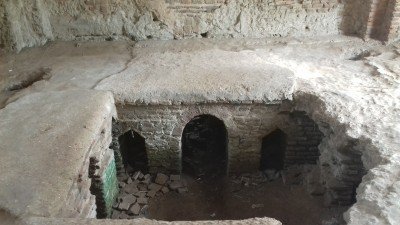 @@Mughal Cooling System & History:: The Sirhind Tank is the large, historic water reservoir or sarovar that constitutes a central and integral part of the sprawling Aam Khas Bagh complex, a royal inn and pleasure garden built during the Mughal Empire. The tank's history is fascinatingly tied to the engineering challenges of the dry region; Emperor Shah Jahan in the 17th century lamented that the tank was difficult to fill, even though it was connected to the old irrigation channels (the original Firuz Shah Tughlaq canal). Its primary function was not just aesthetic but climatic: it was crucial for the Mughal cooling system (Sarad Khana) and for supplying water to the numerous fountains, pavilions, and the Hamam (royal bath) within the complex. The tank's existence highlights the sophistication of Mughal hydro-engineering and landscape architecture, where water was not only a resource but an essential luxury and a symbol of power. Today, while the gardens are partially ruined, the tank area remains a historical focal point, and the nearby monuments like the Daulat Khana-e-Khas (private palace) and the Sheesh Mahal (palace of mirrors) are intrinsically linked to its water supply and aesthetic value, providing a tranquil contrast to the arid surroundings.
Information
-
Why Famous:
Fatehgarh Sahib: The supreme sacrifice of the young Sahibzadas makes this a pivot of Sikh history. Millions of devotees visit every year to pay their respects to the brave souls.
Rauza Sharif: This mausoleum of Sheikh Ahmad Faruqi Sirhindi ...Fatehgarh Sahib: The supreme sacrifice of the young Sahibzadas makes this a pivot of Sikh history. Millions of devotees visit every year to pay their respects to the brave souls.
Rauza Sharif: This mausoleum of Sheikh Ahmad Faruqi Sirhindi is a masterpiece of Mughal architecture. It attracts pilgrims from all over the world, especially during the annual Urs. -
How To Reach:
By Air: Chandigarh International Airport is the nearest, located about 45 KMS away. One can take a direct taxi or a bus from the airport to reach Sirhind.
By Train: Sirhind Junction is a major railway station on the Delhi-Amritsar route. A...By Air: Chandigarh International Airport is the nearest, located about 45 KMS away. One can take a direct taxi or a bus from the airport to reach Sirhind.
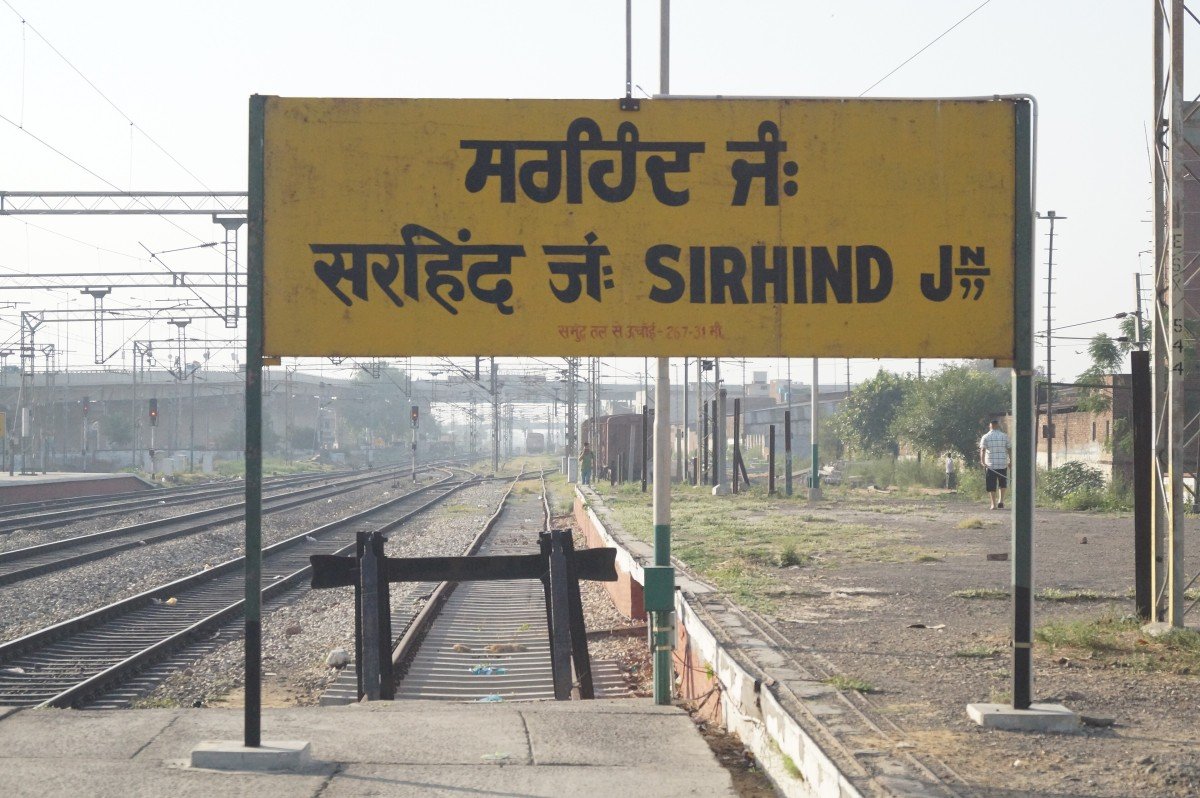
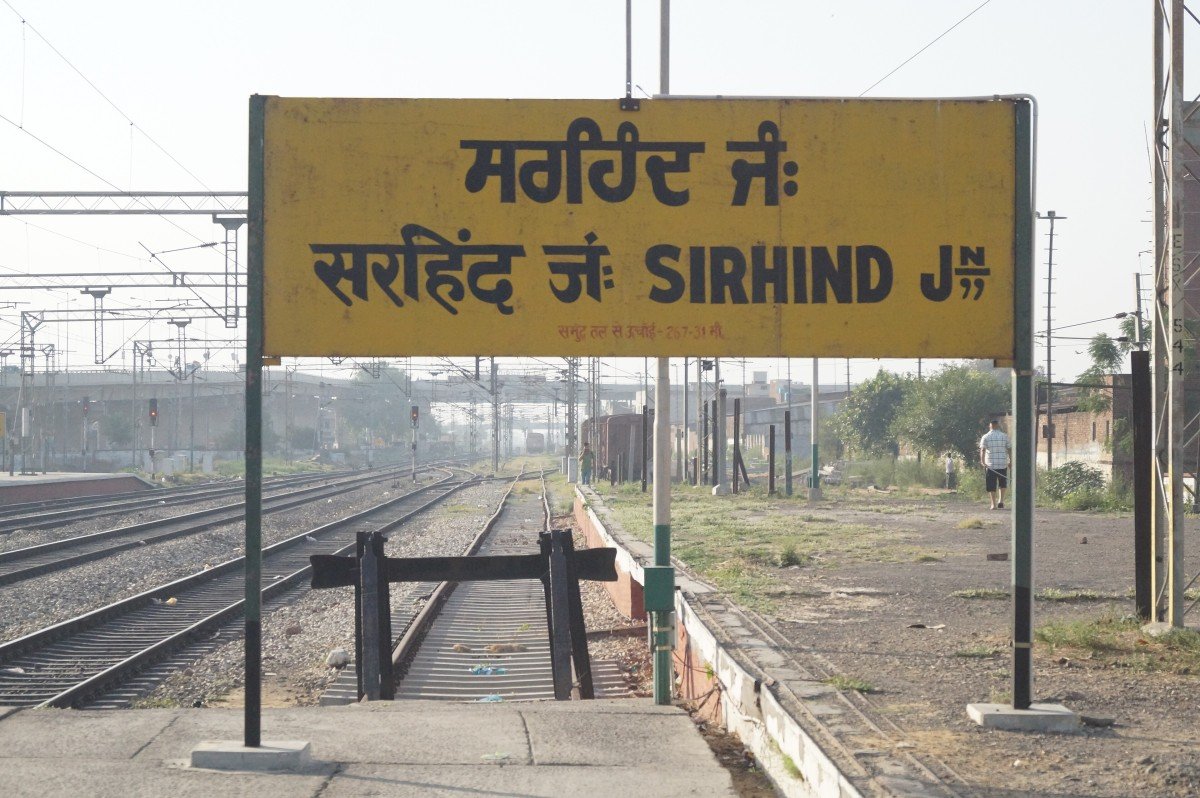
By Train: Sirhind Junction is a major railway station on the Delhi-Amritsar route. Almost all major trains stop here, making it very easy to reach from any part of India.
By Road: It is situated on the GT Road (NH-44), ensuring excellent connectivity. Luxury and local buses ply frequently from Chandigarh, Delhi, and Ludhiana.
By Local Transport: Auto-rickshaws and cycle-rickshaws are easily available for moving between the monuments. Many visitors prefer walking between nearby sites to soak in the history. -
Weather and Best Time to Visit:
Winter Season: October to March is the best time, with December being the most important for religious reasons. The weather is cold but very comfortable for sightseeing.
Monsoon Season: July to September makes the Mughal gardens look fresh ...Winter Season: October to March is the best time, with December being the most important for religious reasons. The weather is cold but very comfortable for sightseeing.
Monsoon Season: July to September makes the Mughal gardens look fresh and vibrant. However, outdoor movement might be restricted during heavy downpours.
Summer Season: April to June can be very hot, with dry winds known as 'Loo'. It is advisable to visit the shrines in the early morning or late evening during these months. -
Near Tourist Places:
Patiala (45 KM), Chandigarh (40 KM), Ludhiana (65 KM), Sanghol (20 KM), Rupnagar (50 KM), Ambala (50 KM), Nabha (50 KM), Khanna (15 KM), Rajpura (30 KM), Govindgarh (10 KM)
Tourism Tips
-
Health & Safety: The town can get very crowded during the Shaheedi Jor Mela in December. Plan your travel in advance if visiting during this time to avoid traffic jams.
Packing Essentials: Carry a headscarf as it is mandatory for both men a...Health & Safety: The town can get very crowded during the Shaheedi Jor Mela in December. Plan your travel in advance if visiting during this time to avoid traffic jams.
Packing Essentials: Carry a headscarf as it is mandatory for both men and women in Gurudwaras. During winter, heavy jackets and sweaters are a must as it gets quite chilly.
Accommodation: There are many budget hotels and Sarai (guesthouses) managed by the Gurudwara. For luxury options, one might have to look towards nearby Chandigarh.
Local Customs: Always wash your feet and hands before entering the main prayer area of the Gurudwara. Maintain silence and decorum inside the religious and historical premises.
Reviews
FAQs
Sirhind Itineray And Cost:-
Other Places In Punjab :-
Other States In India :-
Information about New and Updated Locations() of Punjab Has Been Added :-
Card subtitle
Note:-
Information provided here in good Faith and for reference only.
Near Places
Abohar
Some quick example text to build on the card title and make up the bulk of the card's content.
Go somewhere
Amritsar
Some quick example text to build on the card title and make up the bulk of the card's content.
Go somewhere
Anandpur Sahib
Some quick example text to build on the card title and make up the bulk of the card's content.
Go somewhere
Batala
Some quick example text to build on the card title and make up the bulk of the card's content.
Go somewhere
Bathinda
Some quick example text to build on the card title and make up the bulk of the card's content.
Go somewhere
Faridkot
Some quick example text to build on the card title and make up the bulk of the card's content.
Go somewhere
Fatehgarh Sahib
Some quick example text to build on the card title and make up the bulk of the card's content.
Go somewhere
Fazilka
Some quick example text to build on the card title and make up the bulk of the card's content.
Go somewhere
Firozpur
Some quick example text to build on the card title and make up the bulk of the card's content.
Go somewhere
Gurdaspur
Some quick example text to build on the card title and make up the bulk of the card's content.
Go somewhere
Hoshiarpur
Some quick example text to build on the card title and make up the bulk of the card's content.
Go somewhere
Jalandhar
Some quick example text to build on the card title and make up the bulk of the card's content.
Go somewhere
Kapurthala
Some quick example text to build on the card title and make up the bulk of the card's content.
Go somewhere
Khanna
Some quick example text to build on the card title and make up the bulk of the card's content.
Go somewhere
Ludhiana
Some quick example text to build on the card title and make up the bulk of the card's content.
Go somewhere
Mandi Gobindgarh
Some quick example text to build on the card title and make up the bulk of the card's content.
Go somewherein Other Cities