

Shivpuri
General information
-
Ideal Duration:
2 DaysPlace Type:
Wildlife & Royal HeritageEntry Fees:
National Park Fees: The entry fee for Madhav National Park is around 250 rupees for Indians and higher for foreigners. Vehicle entry and guide charges are extra. It is advisable to book your safari in advance during the peak winter months.
Chh...National Park Fees: The entry fee for Madhav National Park is around 250 rupees for Indians and higher for foreigners. Vehicle entry and guide charges are extra. It is advisable to book your safari in advance during the peak winter months.
Chhatri Entry Charges: A nominal entry fee of 20 to 50 rupees is charged for visiting the Scindia Chhatris. This helps in the maintenance of the marble structures and the gardens. Photography might have a small additional cost for professional equipment.Timing:
Temple and Chhatri Timings: The Chhatris are open from 8:00 AM to 6:00 PM. Madhav National Park follows seasonal timings, usually 6:30 AM to 10:30 AM and 2:30 PM to 6:00 PM. Most local markets open by 10:00 AM and close by 8:30 PM.
Ideal Visit...Temple and Chhatri Timings: The Chhatris are open from 8:00 AM to 6:00 PM. Madhav National Park follows seasonal timings, usually 6:30 AM to 10:30 AM and 2:30 PM to 6:00 PM. Most local markets open by 10:00 AM and close by 8:30 PM.
Ideal Visit Window: Early morning is the best time for wildlife safaris to spot animals. The late afternoon is perfect for visiting the Chhatris as the light is soft and the gardens are pleasant. Avoid exploring the forest areas after dark for safety reasons.Special Events:
Shivpuri Cultural Festival: An annual event organized by the tourism department to showcase local talent. It features classical music, folk dances like Rai, and local handicrafts. The festival brings the royal history of the city to life with various performances. It is a...Shivpuri Cultural Festival: An annual event organized by the tourism department to showcase local talent. It features classical music, folk dances like Rai, and local handicrafts. The festival brings the royal history of the city to life with various performances. It is a great time to experience the local Bundeli and Scindia culture.
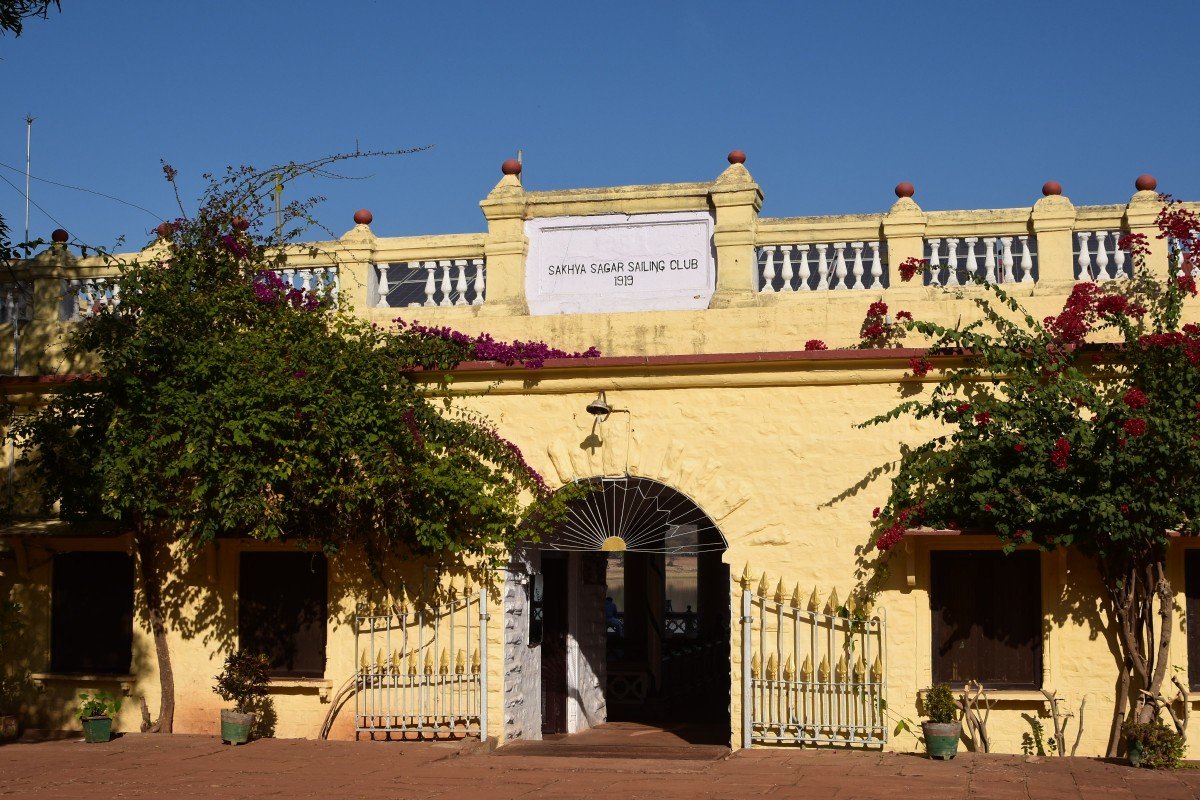
Annual Sailing Regatta: Held at the Sakhya Sagar Lake, this event attracts sports enthusiasts. The lake provides a perfect setting for water sports and sailing competitions. It is a unique event for an inland city in India. The sight of colorful sails against the green forest is very beautiful.Best Photo Spots:
Chhatri Marble Details: Close-up shots of the stone inlay and carvings on the Chhatris are very rewarding. The white marble looks best during the early morning or late afternoon. The reflection of the monuments in the surrounding water channels adds a great depth to the ph...Chhatri Marble Details: Close-up shots of the stone inlay and carvings on the Chhatris are very rewarding. The white marble looks best during the early morning or late afternoon. The reflection of the monuments in the surrounding water channels adds a great depth to the photos.
George Castle Vista: The panoramic view of the lakes from the castle balcony is a must-capture. It shows the vastness of the Madhav National Park and its water bodies. The contrast between the stone castle and the green forest is visually very striking.Photo Gallery





Things To Do
 Pichhore Taalab is a central landmark in the town of Pichhore, acting as both a scenic spot and a historical water reservoir. This large pond is surrounded by local temples and small structures that date back to the Bundela era. The water body is known for its calm environment, often covered with lotus flowers during the post-monsoon season. It serves as a social hub for the town, where people come for morning walks or to perform religious rituals at the various small shrines located along its banks. The history of the pond is linked to the local chieftains who established Pichhore as a semi-independent state under the broader Bundelkhand umbrella. The pond was designed to ensure water security for the town during the dry months, a testament to the foresight of ancient town planners. Today, it remains a place of quiet beauty, reflecting the daily rhythms of life in a small Indian town. The area around the pond is often frequented by local fishermen, and the sight of their small boats adds a picturesque element to the landscape. For a traveler, it offers a slice of life that is far removed from the typical tourist trail, providing an opportunity for genuine interaction with the local community and a chance to observe traditional customs.
The 3 River Bridge is a notable civil engineering structure that serves as a vital crossing point and a picturesque viewpoint near Shivpuri. It is situated close to the famous Madhav National Park, making it a common stop for tourists heading into the wildlife sanctuary or the lakes like Sakhya Sagar. The bridge itself spans a valley, offering expansive views of the surrounding forested landscape, which is particularly lush during and right after the monsoon season. It is often misnamed, as it is a single structure, but it’s crucial for connecting the main city area to the national highway towards Gwalior and other significant destinations. This location symbolizes the blend of human development and natural beauty in the region, providing infrastructure while maintaining access to a relatively unspoiled natural environment. For locals, it's a known spot for an evening drive or a quick break to enjoy the breeze and the scenery. Its robust construction ensures smooth traffic flow, which is essential for the region's economy and tourism. The area is also part of the larger ecological zone of the park, and one can sometimes spot local wildlife or diverse bird species from the vantage point of the bridge. The sight of the sun setting or rising over the valley from this bridge is a simple yet deeply rewarding experience, capturing the tranquil spirit of Shivpuri. It embodies a transition point from the bustling town life to the serenity of nature. The bridge's importance is not just geographical but also experiential, marking the gateway to the natural wonders of the Shivpuri district and its famed reserves. The structure's modern utility contrasts interestingly with the ancient history that pervades the rest of Shivpuri, such as its temples and cenotaphs, presenting a complete picture of the district's evolution. Its location near several major natural and historical attractions solidifies its status as a significant landmark on any Shivpuri itinerary, offering a moment to pause and appreciate the scale of the landscape. The river system it traverses contributes to the larger ecosystem feeding the lakes like Sakhya Sagar and Madhav Sagar, linking the bridge directly to the natural health of the region's water bodies and the sustenance of the local flora and fauna.
Pichhore Taalab is a central landmark in the town of Pichhore, acting as both a scenic spot and a historical water reservoir. This large pond is surrounded by local temples and small structures that date back to the Bundela era. The water body is known for its calm environment, often covered with lotus flowers during the post-monsoon season. It serves as a social hub for the town, where people come for morning walks or to perform religious rituals at the various small shrines located along its banks. The history of the pond is linked to the local chieftains who established Pichhore as a semi-independent state under the broader Bundelkhand umbrella. The pond was designed to ensure water security for the town during the dry months, a testament to the foresight of ancient town planners. Today, it remains a place of quiet beauty, reflecting the daily rhythms of life in a small Indian town. The area around the pond is often frequented by local fishermen, and the sight of their small boats adds a picturesque element to the landscape. For a traveler, it offers a slice of life that is far removed from the typical tourist trail, providing an opportunity for genuine interaction with the local community and a chance to observe traditional customs.
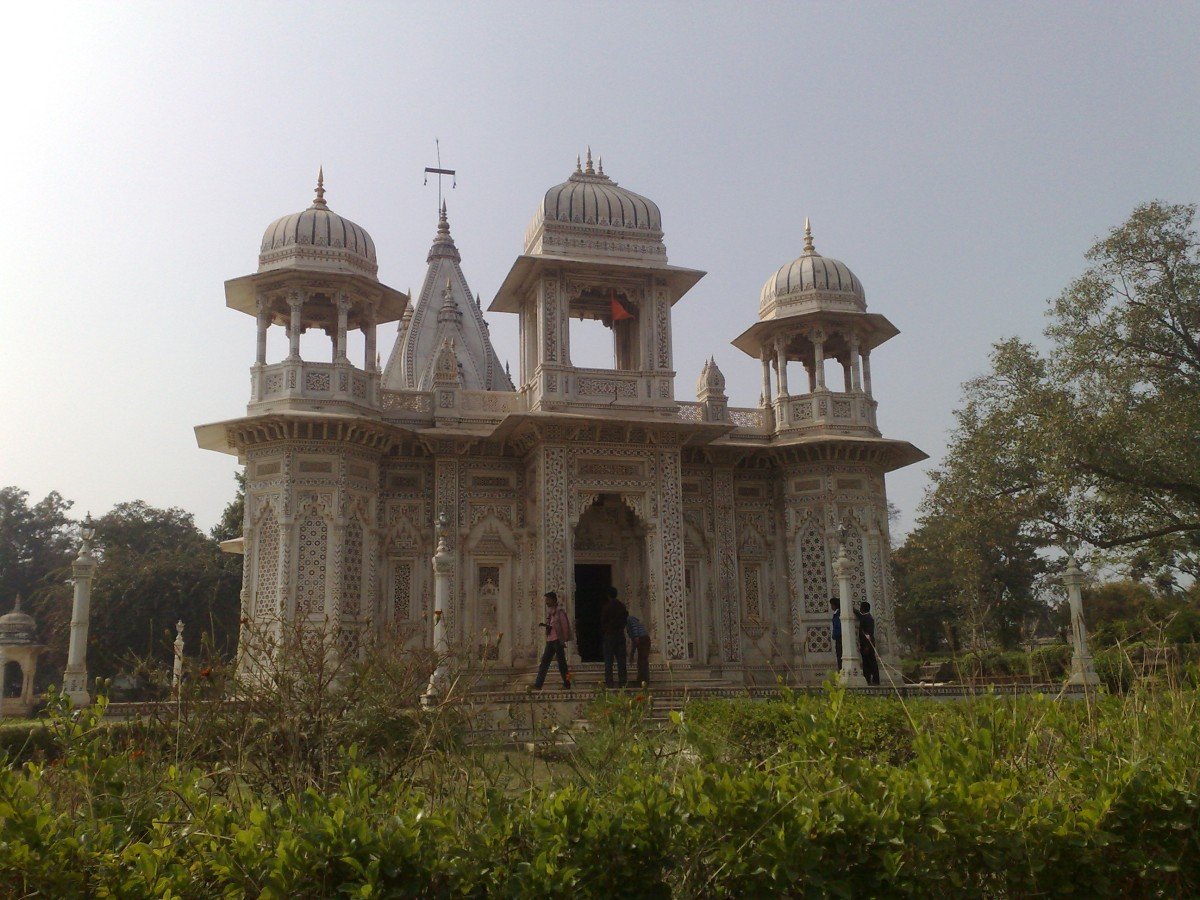
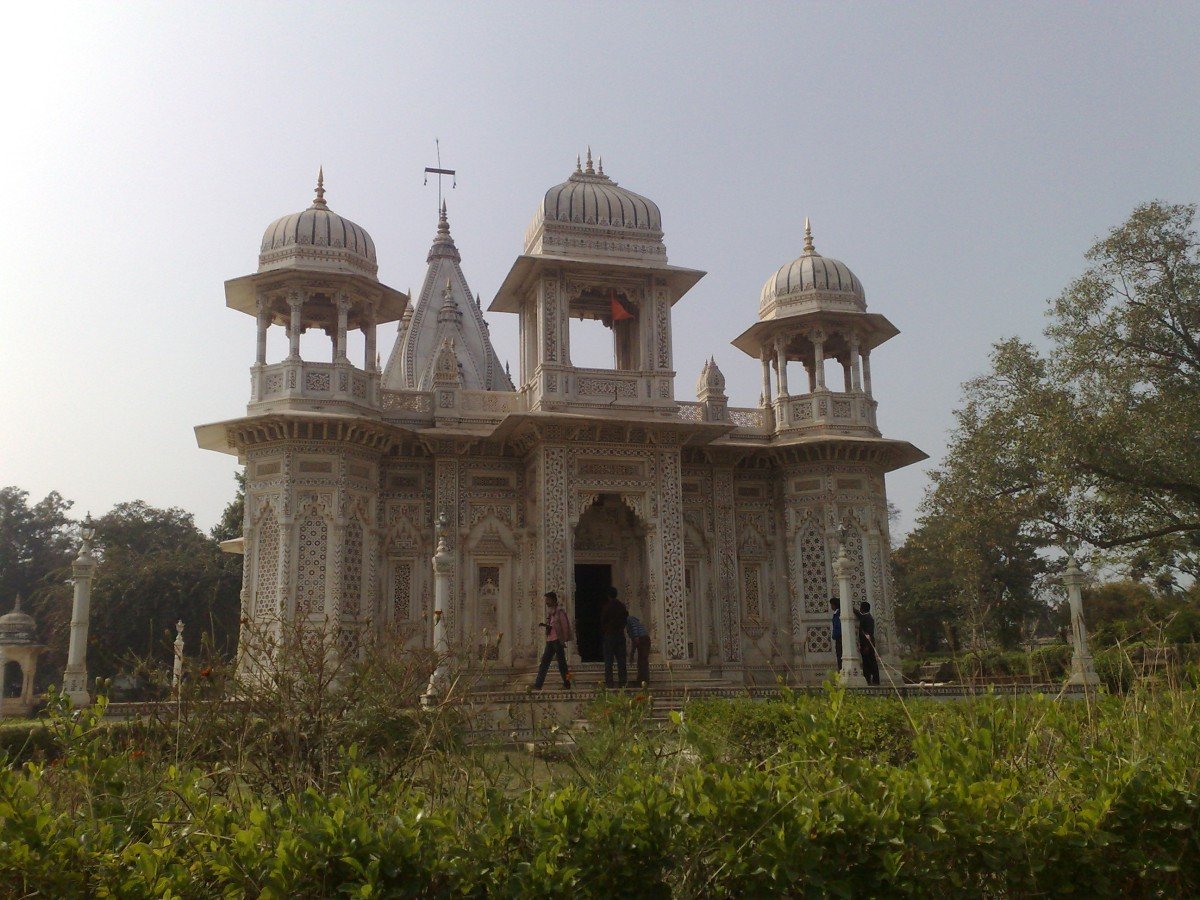
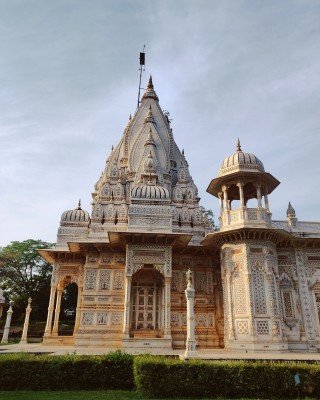
The 3 River Bridge is a notable civil engineering structure that serves as a vital crossing point and a picturesque viewpoint near Shivpuri. It is situated close to the famous Madhav National Park, making it a common stop for tourists heading into the wildlife sanctuary or the lakes like Sakhya Sagar. The bridge itself spans a valley, offering expansive views of the surrounding forested landscape, which is particularly lush during and right after the monsoon season. It is often misnamed, as it is a single structure, but it’s crucial for connecting the main city area to the national highway towards Gwalior and other significant destinations. This location symbolizes the blend of human development and natural beauty in the region, providing infrastructure while maintaining access to a relatively unspoiled natural environment. For locals, it's a known spot for an evening drive or a quick break to enjoy the breeze and the scenery. Its robust construction ensures smooth traffic flow, which is essential for the region's economy and tourism. The area is also part of the larger ecological zone of the park, and one can sometimes spot local wildlife or diverse bird species from the vantage point of the bridge. The sight of the sun setting or rising over the valley from this bridge is a simple yet deeply rewarding experience, capturing the tranquil spirit of Shivpuri. It embodies a transition point from the bustling town life to the serenity of nature. The bridge's importance is not just geographical but also experiential, marking the gateway to the natural wonders of the Shivpuri district and its famed reserves. The structure's modern utility contrasts interestingly with the ancient history that pervades the rest of Shivpuri, such as its temples and cenotaphs, presenting a complete picture of the district's evolution. Its location near several major natural and historical attractions solidifies its status as a significant landmark on any Shivpuri itinerary, offering a moment to pause and appreciate the scale of the landscape. The river system it traverses contributes to the larger ecosystem feeding the lakes like Sakhya Sagar and Madhav Sagar, linking the bridge directly to the natural health of the region's water bodies and the sustenance of the local flora and fauna. The Chhatris of Scindia Dynasty are world-renowned cenotaphs dedicated to the rulers of the Gwalior state. Located in a beautifully landscaped Mughal-style garden, these structures are a testament to the architectural brilliance of the 19th and 20th centuries. The two most prominent chhatris are those of Maharani Sakhya Raje Scindia and Maharaja Madhav Rao Scindia. Built using high-quality white marble, they feature intricate carvings, delicate stone screens (Jalis), and imposing domes. The complex is designed with fountains, manicured lawns, and pathways that create a sense of royal tranquility. It is not just a memorial but a living piece of history where traditional rituals are still performed daily, making it a "must-visit" for anyone exploring the heritage of Central India.
 @@Bhavan Details:This is a modern community hall or a cultural center named after Shri Chitragupta, the Hindu deity who records the deeds of humans and is highly revered by the Kayastha community: @@Functionality:It serves as a primary venue for social gatherings, religious events, weddings, and cultural programs for the local residents, often hosting plays, lectures, and community celebrations, making it a focal point of local life and culture:
@@George Castle is a historic structure perched atop the highest point in Madhav National Park, standing at 484 meters. Built in 1911 by the Scindia ruler, the castle was intended as a hunting lodge for King George V of England, who was scheduled to stop here for a tiger shoot during his visit to India. Ironically, the King reportedly shot a tiger en route and never stayed at the castle. The structure, though small for a traditional castle, is a significant piece of royal heritage and offers arguably the most breathtaking panoramic view of the park. From its vantage point, visitors can survey the dense forest terrain and the interconnected lakes of the park, including Sakhya Sagar and Madhav Sagar. It symbolizes the lavish preparations made by the Gwalior royal family for their high-profile British guests. Its location deep within the park requires a safari or vehicle permit, adding an adventurous element to the visit and highlighting its former use as a secluded royal retreat within the hunting grounds of the Scindias. The castle today serves as a monument to a bygone era of Indian princely states and British influence.:
@@Bhavan Details:This is a modern community hall or a cultural center named after Shri Chitragupta, the Hindu deity who records the deeds of humans and is highly revered by the Kayastha community: @@Functionality:It serves as a primary venue for social gatherings, religious events, weddings, and cultural programs for the local residents, often hosting plays, lectures, and community celebrations, making it a focal point of local life and culture:
@@George Castle is a historic structure perched atop the highest point in Madhav National Park, standing at 484 meters. Built in 1911 by the Scindia ruler, the castle was intended as a hunting lodge for King George V of England, who was scheduled to stop here for a tiger shoot during his visit to India. Ironically, the King reportedly shot a tiger en route and never stayed at the castle. The structure, though small for a traditional castle, is a significant piece of royal heritage and offers arguably the most breathtaking panoramic view of the park. From its vantage point, visitors can survey the dense forest terrain and the interconnected lakes of the park, including Sakhya Sagar and Madhav Sagar. It symbolizes the lavish preparations made by the Gwalior royal family for their high-profile British guests. Its location deep within the park requires a safari or vehicle permit, adding an adventurous element to the visit and highlighting its former use as a secluded royal retreat within the hunting grounds of the Scindias. The castle today serves as a monument to a bygone era of Indian princely states and British influence.: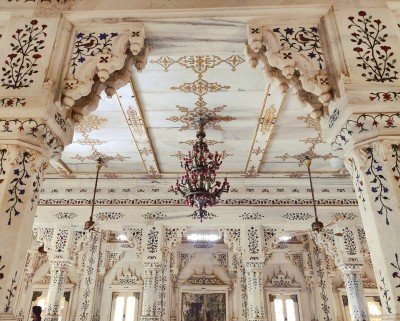 The Bhomia Baba Temple is a highly significant, yet often simple and unassuming, place of worship in the rural landscape surrounding Shivpuri. The deity, Bhomia Baba (Bhoomiya Baba), is a revered regional folk deity in North and Central India, considered the Protector of the Land or the Guardian of the Village Territory and the agricultural fields. His name literally derives from 'Bhumi' meaning 'earth' or 'land.' The temple structure is typically not a grand, elaborate edifice like the major city temples but often a small, open-air shrine under a large, ancient tree, or a simple enclosure housing a plain, uncarved stone, a trident, or an anthropomorphic idol representing the protector deity. This simplicity underscores the deep, foundational connection the deity has with the common man, particularly farmers and local residents. Devotees visit the shrine to seek blessings for a good harvest, protection from natural calamities, prevention of disease, and safety for their homes and livestock. Before starting a new venture, buying land, or beginning the farming season, local villagers will always perform a ritual at the Bhomia Baba shrine. The temple’s fame rests not on grand architecture, but on the profound, unbroken faith of the local community. It is a powerful example of the continuing tradition of localized folk deities who play an essential role in the daily lives, beliefs, and agricultural cycle of the region. Visiting a Bhomia Baba shrine offers a unique and authentic glimpse into the religious syncretism and deep-rooted folk culture of Madhya Pradesh, providing a powerful contrast to the royal history of the Scindia monuments in the city. The tranquil, rural setting of the shrine, surrounded by fields, adds to the atmosphere of peace and earthly connection.
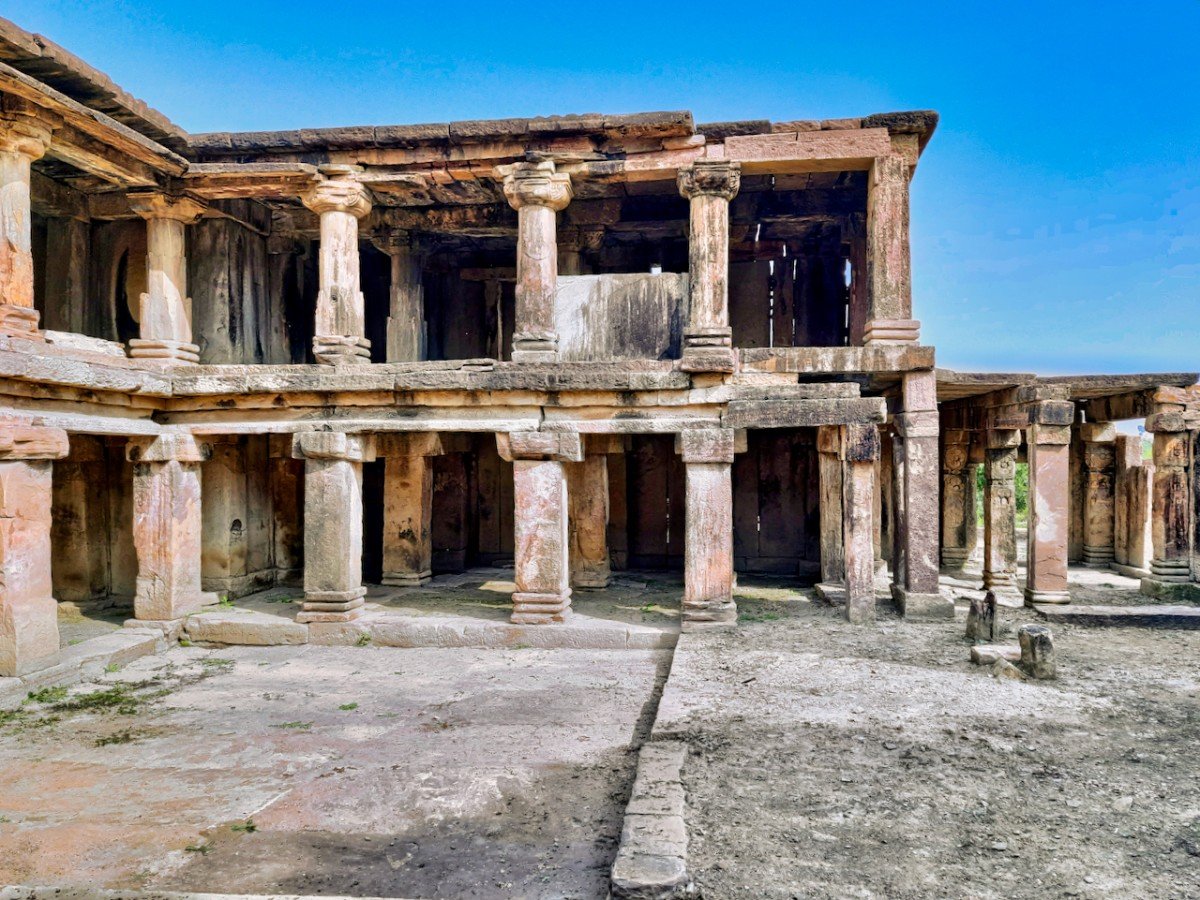
 Khokai Math is a historic Hindu monastery and temple complex located in the village of Rannod, belonging to the Shivpuri district. Dating back to the Medieval period, specifically the 9th or 10th century, this site was once a thriving center for the Shaiva Siddhanta sect. The temple is dedicated to Lord Shiva and is renowned for its intricate stone carvings and monolithic structure. The architecture reflects the Kachchhapaghata style, which was prominent in the region during that era. The monastery part of the complex was used by sages for meditation and teaching, featuring various cells and halls. Despite being partially in ruins, the remaining structures showcase the grandeur of ancient Indian craftsmanship. The walls are adorned with sculptures of deities, celestial dancers, and floral patterns. The site is currently maintained by the Archaeological Survey of India (ASI). Visitors often find the silence of the place spiritually uplifting. It is an essential stop for those interested in archaeology and the religious history of Central India. The complex is surrounded by a rural landscape, offering a glimpse into the traditional life of Madhya Pradesh. It remains a significant link to the region's glorious past under the regional dynasties.Show All
@@History Focus:This fort is historically significant as a remnant of the Gurjara-Pratihara empire (8th to 11th centuries CE), marking the era's presence and influence in the Shivpuri region: @@Ancient Identity:It is believed to stand on the ruins of a much older settlement, making it a site of continuous occupation and a key marker of cultural continuity from the early medieval to the late medieval period:
Khokai Math is a historic Hindu monastery and temple complex located in the village of Rannod, belonging to the Shivpuri district. Dating back to the Medieval period, specifically the 9th or 10th century, this site was once a thriving center for the Shaiva Siddhanta sect. The temple is dedicated to Lord Shiva and is renowned for its intricate stone carvings and monolithic structure. The architecture reflects the Kachchhapaghata style, which was prominent in the region during that era. The monastery part of the complex was used by sages for meditation and teaching, featuring various cells and halls. Despite being partially in ruins, the remaining structures showcase the grandeur of ancient Indian craftsmanship. The walls are adorned with sculptures of deities, celestial dancers, and floral patterns. The site is currently maintained by the Archaeological Survey of India (ASI). Visitors often find the silence of the place spiritually uplifting. It is an essential stop for those interested in archaeology and the religious history of Central India. The complex is surrounded by a rural landscape, offering a glimpse into the traditional life of Madhya Pradesh. It remains a significant link to the region's glorious past under the regional dynasties.Show All
@@History Focus:This fort is historically significant as a remnant of the Gurjara-Pratihara empire (8th to 11th centuries CE), marking the era's presence and influence in the Shivpuri region: @@Ancient Identity:It is believed to stand on the ruins of a much older settlement, making it a site of continuous occupation and a key marker of cultural continuity from the early medieval to the late medieval period:Information
-
Why Famous:
Scindia Royal Chhatris: These are the most famous landmarks of Shivpuri. Dedicated to the Scindia rulers, these marble monuments are stunningly beautiful. They are surrounded by lush gardens and provide a peaceful atmosphere for visitors. The night lighting of these Chhat...Scindia Royal Chhatris: These are the most famous landmarks of Shivpuri. Dedicated to the Scindia rulers, these marble monuments are stunningly beautiful. They are surrounded by lush gardens and provide a peaceful atmosphere for visitors. The night lighting of these Chhatris makes them look like a dream in white marble.
Madhav National Park: Famous for its biodiversity and the George Castle located within its boundaries. It is one of the few national parks where you can see historical monuments alongside wild animals. The park's lake, Sakhya Sagar, is a designated Ramsar site. It is a top destination for those looking for an offbeat wildlife experience. -
Architecture:
Indo-Saracenic and Mughal Style: The architecture of Shivpuri is dominated by the exquisite Scindia Chhatris. These cenotaphs are built using white marble with intricate carvings and inlay work. They reflect a mix of Mughal, Rajput, and European styles. The Madhav Vilas P...Indo-Saracenic and Mughal Style: The architecture of Shivpuri is dominated by the exquisite Scindia Chhatris. These cenotaphs are built using white marble with intricate carvings and inlay work. They reflect a mix of Mughal, Rajput, and European styles. The Madhav Vilas Palace is another example of grand royal architecture with its rose-pink facade and elegant terraces.
Dimensions and Craftsmanship: The Chhatris are set in formal Mughal-style gardens with fountains and water channels. The George Castle, located inside the national park, stands at a height of 484 meters. The stone carvings on the Chhatris are so fine they resemble delicate lace. Each structure is a testament to the high level of craftsmanship of the 19th-century artisans. -
How To Reach:
By Air Access: The nearest airport is in Gwalior, which is about 125 KMS from Shivpuri. One can hire a taxi or take a bus from Gwalior airport to reach the city in 3 hours. Gwalior is well-connected to Delhi and Mumbai by regular flights.
By T...By Air Access: The nearest airport is in Gwalior, which is about 125 KMS from Shivpuri. One can hire a taxi or take a bus from Gwalior airport to reach the city in 3 hours. Gwalior is well-connected to Delhi and Mumbai by regular flights.
By Train Connectivity: Shivpuri has its own railway station on the Guna-Gwalior line. Several express trains connect it to major cities like Bhopal, Indore, and Delhi. The railway station is clean and well-maintained for travelers.
By Road Route: The city is a major junction on National Highway 46. It is well-connected by road to Gwalior (115 KMS), Jhansi (100 KMS), and Bhopal (300 KMS). State transport buses and private luxury coaches run frequently on these routes.
Local Transportation: Auto-rickshaws are the main mode of transport within the city limits. For visiting the national park or nearby forts, it is better to hire a full-day taxi. Walking is also a pleasant option in the Civil Lines and royal monument areas. -
Weather and Best Time to Visit:
Winter Season Magic: October to March is the absolute best time to visit Shivpuri. The weather is cool and perfect for safaris and monument walks. The migratory birds arrive at the lakes, making it a treat for birdwatchers.
Monsoon Refreshment...Winter Season Magic: October to March is the absolute best time to visit Shivpuri. The weather is cool and perfect for safaris and monument walks. The migratory birds arrive at the lakes, making it a treat for birdwatchers.
Monsoon Refreshment: From July to September, the waterfalls and lakes are in full glory. The forest turns a deep shade of green, and the air is fresh. While outdoor activities might be limited by rain, the natural beauty is at its peak. -
Near Tourist Places:
1. Gwalior (115 KMS), 2. Jhansi (100 KMS), 3. Orchha (120 KMS), 4. Narwar Fort (42 KMS), 5. Survaya ki Garhi (20 KMS), 6. Guna (100 KMS), 7. Chanderi (125 KMS), 8. Datia (130 KMS), 9. Kuno National Park (150 KMS), 10. Bhopal (300 KMS)
Tourism Tips
-
Health and Wildlife Safety: Follow all instructions from your forest guide during the safari. Do not get out of the vehicle in the national park. Keep a safe distance from crocodiles and wild animals at the lake. Carry basic medicines and mosquito repellent for forest tri...Health and Wildlife Safety: Follow all instructions from your forest guide during the safari. Do not get out of the vehicle in the national park. Keep a safe distance from crocodiles and wild animals at the lake. Carry basic medicines and mosquito repellent for forest trips.
Packing Tips: Wear neutral-colored clothes for the wildlife safari to blend in with nature. A pair of binoculars is essential for birdwatching at Sakhya Sagar. During winter, carry warm clothing as temperatures can drop significantly at night on the plateau.
Accommodation Guide: Shivpuri has some excellent heritage hotels and government-run tourist bungalows. Staying at a palace-turned-hotel can provide a royal experience. Budget hotels are also available near the bus stand and railway station for economical travel.
General Travel Etiquette: Maintain silence while visiting the Chhatris as they are cenotaphs. Respect the local traditions and the history of the Scindia family. Avoid using plastic in the national park area to protect the environment and wildlife.
Reviews
FAQs
Shivpuri Itineray And Cost:-
Other Places In Madhya Pradesh :-
Other States In India :-
Information about New and Updated Locations() of Madhya Pradesh Has Been Added :-
Card subtitle
Note:-
Information provided here in good Faith and for reference only.
Near Places
Amarkantak
Some quick example text to build on the card title and make up the bulk of the card's content.
Go somewhere
Bhedaghat
Some quick example text to build on the card title and make up the bulk of the card's content.
Go somewhere
Bhopal
Some quick example text to build on the card title and make up the bulk of the card's content.
Go somewhere
Burhanpur
Some quick example text to build on the card title and make up the bulk of the card's content.
Go somewhere
Chanderi
Some quick example text to build on the card title and make up the bulk of the card's content.
Go somewhere
Chitrakoot
Some quick example text to build on the card title and make up the bulk of the card's content.
Go somewhere
Gwalior
Some quick example text to build on the card title and make up the bulk of the card's content.
Go somewhere
Indore
Some quick example text to build on the card title and make up the bulk of the card's content.
Go somewhere
Jabalpur
Some quick example text to build on the card title and make up the bulk of the card's content.
Go somewhere
Khajuraho
Some quick example text to build on the card title and make up the bulk of the card's content.
Go somewhere
Mandu
Some quick example text to build on the card title and make up the bulk of the card's content.
Go somewhere
Omkareshwar
Some quick example text to build on the card title and make up the bulk of the card's content.
Go somewhere
Orchha
Some quick example text to build on the card title and make up the bulk of the card's content.
Go somewhere
Pachmarhi
Some quick example text to build on the card title and make up the bulk of the card's content.
Go somewhere
Sagar
Some quick example text to build on the card title and make up the bulk of the card's content.
Go somewhere
Sanchi
Some quick example text to build on the card title and make up the bulk of the card's content.
Go somewherein Other Cities