

Chamba
General information
-
Ideal Duration:
1 to 2 Days.Place Type:
Hill Station, Transit Hub, Nature.Entry Fees:
Town Access: There is no entry fee for the town of Chamba or for visiting the local viewpoints. It is a public hill station accessible to everyone at any time. You can drive through the town and enjoy the scenery without any charges. The local parks and market areas are a...Town Access: There is no entry fee for the town of Chamba or for visiting the local viewpoints. It is a public hill station accessible to everyone at any time. You can drive through the town and enjoy the scenery without any charges. The local parks and market areas are also free to explore. This makes it an attractive stopover for those on a tight budget. Most of the natural beauty here can be enjoyed for free by simply walking through the trails and orchards.
Dam and Water Sports: While the town is free, visiting the Tehri Dam viewpoint may require a nominal entry fee of around 20 to 50 INR. The water sports at Tehri Lake have their own specific pricing, ranging from 300 INR for a short boat ride to 2,000 INR or more for jet skiing or houseboats. The Surkanda Devi ropeway costs approximately 500 to 600 INR for a round trip. Parking fees in the dam area and the lakefront are usually around 50 INR. These charges are used for the development and maintenance of tourism infrastructure.Timing:
Regular Timings: Chamba is a transit town, so it remains active throughout the day and night. However, for sightseeing, the ideal time is from 7:00 AM to 7:00 PM. The Surkanda Devi Temple is usually open from 6:00 AM to 6:00 PM. The Tehri Lake water sports are operational...Regular Timings: Chamba is a transit town, so it remains active throughout the day and night. However, for sightseeing, the ideal time is from 7:00 AM to 7:00 PM. The Surkanda Devi Temple is usually open from 6:00 AM to 6:00 PM. The Tehri Lake water sports are operational from 9:00 AM to 5:00 PM, depending on the weather and water levels. Shops and local eateries in the town center stay open until 9:00 PM. It is a very safe town for walking around during the evening hours.
Ideal Visit Time: For the best views of the Himalayas, the early morning hours between 6:30 AM and 8:30 AM are perfect. If you are planning a visit to the Tehri Lake, the afternoon hours are better as the water activities are in full swing. The trek to Surkanda Devi is most pleasant in the early morning before the sun gets too strong. In the winter, the town can be quite cold, so the mid-day hours are the best for exploring the orchards and local markets. The sunset views over the lake are best enjoyed from 5:30 PM onwards.Special Events:
Surkanda Devi Fair: Every year during the Ganga Dussehra festival (usually in June), a massive fair is held at the Surkanda Devi Temple. Thousands of pilgrims from all over Uttarakhand and neighboring states visit the shrine to offer prayers. The atmosphere is filled with ...Surkanda Devi Fair: Every year during the Ganga Dussehra festival (usually in June), a massive fair is held at the Surkanda Devi Temple. Thousands of pilgrims from all over Uttarakhand and neighboring states visit the shrine to offer prayers. The atmosphere is filled with religious chants, folk music, and the smell of incense. It is a vibrant display of faith and mountain culture. Local artisans sell handicrafts and traditional sweets at the stalls set up during the fair. It is a spiritually uplifting and culturally rich experience for any visitor.
Tehri Lake Festival: This is a modern event organized by the state tourism department to promote water sports and tourism in the region. The festival features jet skiing competitions, paragliding, and cultural performances by famous artists. It is usually held in the spring or autumn and attracts a large number of young travelers and adventure seekers. The lake is decorated with lights, and there are food stalls offering local and international cuisines. It has quickly become one of the most popular events in the Garhwal region.Best Photo Spots:
Tehri Lake Panoramas: The various viewpoints along the road to Chamba offer stunning panoramic views of the Tehri Lake. The massive expanse of turquoise water surrounded by rugged hills is a sight to behold. You can use a wide-angle lens to capture the scale of the lake an...Tehri Lake Panoramas: The various viewpoints along the road to Chamba offer stunning panoramic views of the Tehri Lake. The massive expanse of turquoise water surrounded by rugged hills is a sight to behold. You can use a wide-angle lens to capture the scale of the lake and the sky above. During the day, the reflection of the sun on the water creates beautiful sparkling effects. The blue hour, just after sunset, is also a great time to photograph the lake when the lights of the nearby towns start to appear. It is the most iconic shot of the region.
Surkanda Devi Summit: The top of the Surkanda Devi hill offers a spectacular bird's-eye view of the entire Garhwal range. You can capture the snow-clad peaks of the higher Himalayas on one side and the rolling hills of the lower range on the other. The temple itself, with its traditional architecture, provides a great foreground for your photos. The colorful prayer flags fluttering in the wind add a sense of motion and spirituality to your shots. It is a perfect spot for 360-degree panoramas and dramatic sky photography.
Kaudia Forest Sunsets: The clearings in the Kaudia Forest near Kanatal offer some of the most beautiful sunset views in the region. The layers of hills fading into the distance create a beautiful "mountain mist" effect that looks great in photos. You can frame your shots with the tall pine and cedar trees that dominate the landscape. The colors of the sky reflected on the pine needles create a warm and cozy atmosphere in the pictures. It is also a good place to capture silhouetted trees against a vibrant evening sky.
Apple Orchard Textures: The apple and apricot orchards around Chamba are great for macro and close-up photography. You can capture the delicate blossoms in the spring or the ripe, red fruits in the autumn. The textures of the tree bark and the patterns of the terraced fields provide interesting subjects for artistic shots. The local farmers working in the fields also offer a chance for authentic human-interest photography. The soft morning light in the orchards is perfect for capturing the natural colors of the fruits and leaves.Photo Gallery
Things To Do
 @@Spiritual Sanctuary of Lord Shiva: The Buda Kedar Temple is a profound spiritual site located at the serene confluence of the Bal Ganga and Dharam Ganga rivers. It is often referred to as the 'Fifth Dham' of Uttarakhand, holding immense religious weight alongside the traditional Char Dham circuit. According to local lore and the Mahabharata, the Pandavas sought out Lord Shiva here to atone for their sins after the great war. Shiva, testing their devotion, appeared in the form of an elderly man, hence the name 'Buda' (old) 'Kedar'. The temple is surrounded by dense deodar forests and terraced fields, offering a tranquil atmosphere that feels untouched by time. The central deity is a massive natural rock Shivling, believed to be the largest in Northern India. Pilgrims visit this site not just for its religious sanctity but to witness the raw beauty of the Garhwal Himalayas. The temple serves as a reminder of ancient Vedic traditions and provides a glimpse into the rustic lifestyle of the hill folk who have protected this shrine for centuries. Visitors often feel a deep sense of peace upon entering the temple grounds, where the sound of the flowing rivers provides a constant meditative backdrop. It is a place where mythology meets reality, making it a must-visit for seekers of divinity and nature:
 The Shri Adinath Digambar Jain Mandir in Chamba is a significant religious site for the Jain community and a peaceful retreat for all visitors. Dedicated to Lord Adinath, the first Tirthankara of Jainism, this temple is known for its pristine white marble interiors and a very calm, meditative atmosphere. While Chamba is predominantly known for its Hindu shrines and scenic beauty, this temple stands as a testament to the town's religious diversity and the principles of non-violence (Ahimsa) and simplicity. The temple is meticulously maintained and features a central idol of Lord Adinath in a seated 'Padmasana' posture, carved from high-quality white stone that radiates a sense of tranquility. It serves as a spiritual hub for the small but vibrant Jain community in the region. Visitors often come here to escape the noise of the main market and spend some time in silent reflection. The temple complex is not very large, but every corner is designed to foster a sense of inner peace. The surrounding area is relatively quiet, and the temple offers a unique cultural contrast to the typical mountain architecture of the Garhwal region. It is a place where spirituality is felt through silence and cleanliness.
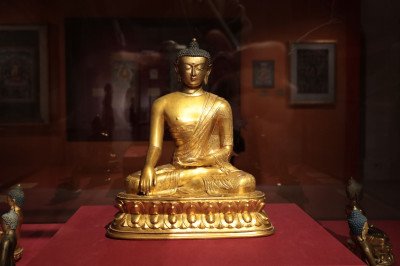 The Tehri Garhwal Museum is a poignant and informative center dedicated to preserving the cultural and historical heritage of the Garhwal Kingdom. Much of the region's history was submerged under the waters of the Tehri Dam in the early 2000s, and this museum serves as a vital link to that lost world. It houses an impressive collection of artifacts, including ancient coins, traditional Garhwali costumes, weapons used by the Pawar Dynasty kings, and rare manuscripts. One of the most significant sections is dedicated to the Old Tehri town, featuring photographs and maps of the city before it was flooded. Visitors can learn about the lives of the royals who once ruled from the palace at the confluence of the Bhagirathi and Bhilangana rivers. The museum also showcases the local folk art, musical instruments, and the unique lifestyle of the mountain people, making it an essential stop for history buffs and culture enthusiasts.
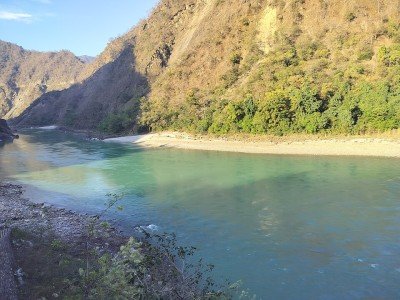 @@A Thrill-Seeker's Paradise: Kaudiyala is a world-renowned destination for white-water rafting and adventure camping, nestled on the banks of the Ganges river. Located at an altitude of about 380 meters, it serves as the starting point for one of the most challenging rafting stretches in the country, ending at Rishikesh. The most famous feature of this stretch is 'The Wall', a Grade 4+ rapid that tests the skills of even the most experienced rafters. Beyond the adrenaline-pumping water sports, Kaudiyala is a place of immense natural beauty, surrounded by dense forests that are home to a variety of wildlife. The white sandy beaches of the river here are perfect for camping under the stars. The vibe is energetic yet peaceful, making it a favorite for corporate retreats and youth groups. It offers a unique combination of physical challenge and natural serenity. Whether you are battling the waves of the mighty river or enjoying a bonfire by the silent shore at night, Kaudiyala provides an unforgettable experience that connects you deeply with the elements of water and earth:
The Raghunath Temple in Devprayag is one of the oldest and most revered shrines dedicated to Lord Rama in India. It is situated at the sacred Sangam, where the Alaknanda and Bhagirathi rivers meet to form the mighty Ganga. According to mythology, Lord Rama performed severe penance here to atone for the sin of killing Ravana, who was a Brahmin. The temple is also significant as one of the 108 Divya Desams, sacred shrines for followers of the Vaishnavite tradition. The current structure is built of massive gray stones and has survived for centuries, despite being in a seismically active zone. The temple complex includes smaller shrines dedicated to Hanuman, Sita, and Lakshman. The spiritual energy of the place is palpable, especially with the constant roar of the two rivers merging just below the temple walls. It is believed that the 8th-century philosopher Adi Shankara established the temple in its current religious form. Pilgrims from all over India visit this spot before heading further up to Badrinath. The temple is not just a place of worship but a witness to the very birth of the Ganga river. Its history is mentioned in various Puranas, including the Padma Purana, solidifying its place in the heart of Hindu spirituality.
The Surkanda Devi Temple is a highly revered Hindu shrine dedicated to Goddess Durga, perched at a staggering altitude of 2,757 meters in the Tehri Garhwal district. According to ancient mythology, this is the sacred spot where the head of Goddess Sati fell while Lord Shiva was performing the Tandava, making it one of the 51 Shakti Peethas. The temple offers a breathtaking 360-degree view of the snow-clad Himalayan ranges, including peaks like Bandarpunch, Kedarnath, and Chaukhamba. Visitors can reach the temple via a scenic 2 KM trek from the base at Kaddukhal or use the newly inaugurated ropeway service. The atmosphere here is deeply spiritual, filled with the scent of deodar forests and the sound of temple bells echoing through the misty mountains.
@@A Thrill-Seeker's Paradise: Kaudiyala is a world-renowned destination for white-water rafting and adventure camping, nestled on the banks of the Ganges river. Located at an altitude of about 380 meters, it serves as the starting point for one of the most challenging rafting stretches in the country, ending at Rishikesh. The most famous feature of this stretch is 'The Wall', a Grade 4+ rapid that tests the skills of even the most experienced rafters. Beyond the adrenaline-pumping water sports, Kaudiyala is a place of immense natural beauty, surrounded by dense forests that are home to a variety of wildlife. The white sandy beaches of the river here are perfect for camping under the stars. The vibe is energetic yet peaceful, making it a favorite for corporate retreats and youth groups. It offers a unique combination of physical challenge and natural serenity. Whether you are battling the waves of the mighty river or enjoying a bonfire by the silent shore at night, Kaudiyala provides an unforgettable experience that connects you deeply with the elements of water and earth:
The Raghunath Temple in Devprayag is one of the oldest and most revered shrines dedicated to Lord Rama in India. It is situated at the sacred Sangam, where the Alaknanda and Bhagirathi rivers meet to form the mighty Ganga. According to mythology, Lord Rama performed severe penance here to atone for the sin of killing Ravana, who was a Brahmin. The temple is also significant as one of the 108 Divya Desams, sacred shrines for followers of the Vaishnavite tradition. The current structure is built of massive gray stones and has survived for centuries, despite being in a seismically active zone. The temple complex includes smaller shrines dedicated to Hanuman, Sita, and Lakshman. The spiritual energy of the place is palpable, especially with the constant roar of the two rivers merging just below the temple walls. It is believed that the 8th-century philosopher Adi Shankara established the temple in its current religious form. Pilgrims from all over India visit this spot before heading further up to Badrinath. The temple is not just a place of worship but a witness to the very birth of the Ganga river. Its history is mentioned in various Puranas, including the Padma Purana, solidifying its place in the heart of Hindu spirituality.
The Surkanda Devi Temple is a highly revered Hindu shrine dedicated to Goddess Durga, perched at a staggering altitude of 2,757 meters in the Tehri Garhwal district. According to ancient mythology, this is the sacred spot where the head of Goddess Sati fell while Lord Shiva was performing the Tandava, making it one of the 51 Shakti Peethas. The temple offers a breathtaking 360-degree view of the snow-clad Himalayan ranges, including peaks like Bandarpunch, Kedarnath, and Chaukhamba. Visitors can reach the temple via a scenic 2 KM trek from the base at Kaddukhal or use the newly inaugurated ropeway service. The atmosphere here is deeply spiritual, filled with the scent of deodar forests and the sound of temple bells echoing through the misty mountains.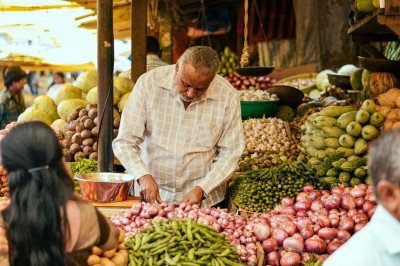 @@The Vibrant Local Hub: Chamba Town Market is a bustling center of activity that serves as the primary shopping and social hub for both locals and tourists passing through to the higher reaches of the Garhwal Himalayas. Unlike the crowded markets of the plains, this market offers a distinct mountain charm with its narrow lanes and shops selling a mix of traditional handicrafts and modern daily essentials. It is famously known for its fresh local produce, especially apples, apricots, and various hill pulses (daals). As you walk through the market, the aroma of local tea and street food like Bun-Tikki and spicy pakoras fills the air. The market also acts as a gateway to several trekking trails and nearby viewpoints. Historically, it has been a trade link for villagers from the interior regions of Tehri. Shopping here is an experience of its own, as it allows you to interact with the warm and resilient people of the hills. Whether you are looking for hand-knitted woolen sweaters or authentic pahadi spices, this market has something unique for everyone. It is the perfect place to experience the 'slow life' while observing the daily hustle of a Himalayan town:Show All
The Tehri Hydro Development Corporation (THDC) Complex is the administrative and residential hub for the engineers and staff managing the massive dam project. Located on a scenic hilltop known as Bhagirathipuram, the complex is like a self-contained town. While the core operational areas of the power plant are restricted for security reasons, the public areas of the complex offer a unique look at the lives of those who maintain one of the world's most complex hydro projects. The area is exceptionally well-planned, with terraced gardens, neat residential quarters, and viewpoints that look directly down into the dam's intake structures. It serves as an educational site where visitors can appreciate the scale of the operation required to light up millions of homes across North India. The complex also houses a guest house and administrative offices that are examples of modern hill architecture.
@@The Vibrant Local Hub: Chamba Town Market is a bustling center of activity that serves as the primary shopping and social hub for both locals and tourists passing through to the higher reaches of the Garhwal Himalayas. Unlike the crowded markets of the plains, this market offers a distinct mountain charm with its narrow lanes and shops selling a mix of traditional handicrafts and modern daily essentials. It is famously known for its fresh local produce, especially apples, apricots, and various hill pulses (daals). As you walk through the market, the aroma of local tea and street food like Bun-Tikki and spicy pakoras fills the air. The market also acts as a gateway to several trekking trails and nearby viewpoints. Historically, it has been a trade link for villagers from the interior regions of Tehri. Shopping here is an experience of its own, as it allows you to interact with the warm and resilient people of the hills. Whether you are looking for hand-knitted woolen sweaters or authentic pahadi spices, this market has something unique for everyone. It is the perfect place to experience the 'slow life' while observing the daily hustle of a Himalayan town:Show All
The Tehri Hydro Development Corporation (THDC) Complex is the administrative and residential hub for the engineers and staff managing the massive dam project. Located on a scenic hilltop known as Bhagirathipuram, the complex is like a self-contained town. While the core operational areas of the power plant are restricted for security reasons, the public areas of the complex offer a unique look at the lives of those who maintain one of the world's most complex hydro projects. The area is exceptionally well-planned, with terraced gardens, neat residential quarters, and viewpoints that look directly down into the dam's intake structures. It serves as an educational site where visitors can appreciate the scale of the operation required to light up millions of homes across North India. The complex also houses a guest house and administrative offices that are examples of modern hill architecture.Information
-
Why Famous:
Tehri Lake Proximity: Chamba is famous for its proximity to the massive Tehri Lake, one of the largest man-made lakes in the world. Visitors use Chamba as a base to explore the water sports and the engineering marvel of the Tehri Dam. The lake offers activities like jet sk...Tehri Lake Proximity: Chamba is famous for its proximity to the massive Tehri Lake, one of the largest man-made lakes in the world. Visitors use Chamba as a base to explore the water sports and the engineering marvel of the Tehri Dam. The lake offers activities like jet skiing, motorboating, and houseboats, which are rare in the Himalayas. The view of the blue water against the backdrop of the brown and green hills is iconic. It has become a major destination for adventure seekers in recent years.
Spiritual Significance: The town is a gateway to several important religious sites, most notably the Surkanda Devi Temple. This temple is one of the 51 Shakti Peethas and is located on a hilltop offering a 360-degree view of the mountains. Many pilgrims stop at Chamba while on their way to Gangotri and Yamunotri as part of the Char Dham Yatra. The spiritual energy of the region is palpable, with many small shrines and ashrams scattered around. It provides a peaceful setting for meditation and prayer.
Apple Orchards and Views: Chamba is renowned for its vast apple and apricot orchards that cover the surrounding hills. During the harvest season, the town is filled with the aroma of fresh fruits, and visitors can buy produce directly from the farmers. The town also offers some of the best unobstructed views of the snow-clad Himalayan ranges, including the Thalay Sagar and Jonli peaks. The quietude of the town combined with these grand vistas makes it a photographer’s paradise. It is the perfect place to witness the grandeur of the Garhwal Himalayas. -
Architecture:
Garhwali Vernacular Style: The architecture in Chamba is a mix of traditional Garhwali "Pahaadi" style and modern concrete structures. Traditional houses are built using "Pathal" (slate) for roofing and local stones for walls, ensuring durability against the elements. The ...Garhwali Vernacular Style: The architecture in Chamba is a mix of traditional Garhwali "Pahaadi" style and modern concrete structures. Traditional houses are built using "Pathal" (slate) for roofing and local stones for walls, ensuring durability against the elements. The houses often feature small windows to trap heat and large balconies for drying agricultural produce. The use of timber is extensive, especially for pillars and beams that support the heavy stone roofs. This style is not only functional but also reflects the cultural identity of the Garhwal region.
Dimensions and Structural Features: Traditional Garhwali homes in Chamba typically have a footprint of about 800 to 1,200 square feet. The ground floor is often used for livestock, while the upper floors serve as the primary living quarters for the family. Ceiling heights are kept low, usually around 7 to 8 feet, to conserve warmth during the harsh winter months. The walls are thick, often exceeding 2 feet, built with dry masonry or mud mortar. Modern buildings in the town center follow contemporary RC designs but often incorporate sloping roofs to manage the heavy monsoon runoff.
Religious Architecture: The temples around Chamba, like the Surkanda Devi, follow the Nagara style with a distinct Himalayan influence. These temples feature a conical "Shikhara" and a square "Garbhagriha" (sanctum sanctorum) made of finely carved stone. The dimensions of these temples are usually modest, focusing on verticality to mirror the surrounding peaks. Brass bells and wooden carvings are common decorative elements found in these spiritual spaces. The architecture is designed to withstand high-velocity winds and heavy snow loads common at such altitudes. -
How To Reach:
By Air: The Jolly Grant Airport in Dehradun is the nearest airport to Chamba, situated at a distance of about 75 KMS. The airport has regular flights from major Indian cities, making it a convenient entry point. From the airport, you can hire a direct taxi to Chamba, which...By Air: The Jolly Grant Airport in Dehradun is the nearest airport to Chamba, situated at a distance of about 75 KMS. The airport has regular flights from major Indian cities, making it a convenient entry point. From the airport, you can hire a direct taxi to Chamba, which takes about 2 to 2. 5 hours. The route passes through Rishikesh and then climbs up the winding hills of Tehri Garhwal. The drive is very scenic, offering views of the Ganges and the lush green mountains. Many hotels in Chamba can also arrange for airport pickups.
By Train: The nearest railway stations are at Rishikesh (60 KMS) and Haridwar (85 KMS). While Rishikesh is closer, Haridwar is a major rail hub with better connectivity to all parts of the country. From either station, you can take a bus or a shared taxi heading towards Chamba or Tehri. The journey from Rishikesh takes about 2 hours and is a steady climb through beautiful forest areas. Shared taxis are the most common and convenient way for budget travelers to reach the town. The train journey to Haridwar is an experience in itself, passing through the heart of North India.
By Road: Chamba is perfectly situated on the junction of the Rishikesh-Gangotri and Mussoorie-Srinagar highways. It is well-connected by road to Rishikesh (60 KMS), Mussoorie (55 KMS), and Dehradun (85 KMS). Regular state-run buses and private luxury coaches ply from Delhi to Rishikesh and Haridwar, from where you can take local transport. The roads are generally wide and well-maintained, as they are part of the Char Dham route. Driving your own car is a great option, as the route is one of the most picturesque in Uttarakhand. The journey from Delhi takes about 7-8 hours.
By Local Transport: The town of Chamba is small enough to be explored on foot, which is the best way to enjoy the local markets and orchards. For visiting nearby attractions like the Tehri Lake or Surkanda Devi, local shared taxis and buses are easily available from the main market square. You can also hire a private taxi for a day of sightseeing. Motorbikes are a popular choice for young travelers who want more flexibility. The local transport is reliable and follows fixed rates for common tourist spots. Most of the points of interest are within a 15-30 KM radius of the town center. -
Weather and Best Time to Visit:
Summer and Autumn: The months of April to June and September to November are the most popular times to visit Chamba. During summer, the weather is cool and pleasant, offering a respite from the plains. In autumn, the skies are crystal clear, providing the best views of the...Summer and Autumn: The months of April to June and September to November are the most popular times to visit Chamba. During summer, the weather is cool and pleasant, offering a respite from the plains. In autumn, the skies are crystal clear, providing the best views of the Himalayan peaks. This is the ideal time for water sports at Tehri Lake and for trekking to Surkanda Devi. The orchards are also full of fruit during these months. It is a great time for family vacations and outdoor adventures.
Monsoon and Winter: The monsoon (July-August) brings lush greenery but can make road travel difficult due to rains. However, for those who love the misty mountain vibe, it is a beautiful time to visit. Winter (December-February) can be quite cold, and the town occasionally receives snow. The winter sun is very pleasant, making it a good time for those who enjoy a cozy, chilly environment. It is a quieter time with fewer tourists, perfect for a peaceful retreat. The view of the snow-covered peaks is most dramatic during the winter months.
Day and Night: Early mornings (6:00 AM to 8:30 AM) are the best for capturing the sunrise over the mountains and the lake. The daytime is best for activities and exploring the local markets and orchards. Evenings are perfect for relaxing by the lake or enjoying a bonfire at your resort. The nights in Chamba are quiet and starry, providing a peaceful atmosphere for rest. The town stays relatively active until late evening, making it safe for a night walk. Avoid high-altitude treks after sunset as temperatures drop rapidly. -
Near Tourist Places:
1. Tehri Lake (20 KM), 2. Surkanda Devi (24 KM), 3. Kanatal (15 KM), 4. Dhanaulti (30 KM), 5. Mussoorie (55 KM), 6. Rishikesh (60 KM), 7. New Tehri (11 KM), 8. Kaudia Forest (20 KM), 9. Ranichauri (10 KM), 10. Kunjapuri Temple (45 KM).
Tourism Tips
-
Health & Safety: The drive to Chamba involves many hairpin bends, so be prepared for some mountain sickness. Carry basic medicines for cold, headache, and stomach issues. The town is quite safe, but always be cautious when near the Tehri Lake and follow all safety instruct...Health & Safety: The drive to Chamba involves many hairpin bends, so be prepared for some mountain sickness. Carry basic medicines for cold, headache, and stomach issues. The town is quite safe, but always be cautious when near the Tehri Lake and follow all safety instructions for water sports. Wear a life jacket at all times during boat rides. If trekking to Surkanda Devi, take frequent breaks and carry enough water. The sun can be quite harsh at high altitudes, so stay protected. Avoid solo trekking in dense forest areas during the late evening.
Packing: Comfortable walking shoes are a must for exploring the town and the orchards. Pack light cotton clothes for the day and a light sweater or jacket for the evening during summer. For winter, bring heavy woolens and a good quality windbreaker. A wide-brimmed hat and sunglasses will help during the sunny days. Carry a good camera with extra batteries as you will be taking a lot of photos. A small backpack is useful for day trips to the lake or the temple. Don't forget to pack your personal toiletries and a basic first-aid kit.
Accommodation: Chamba offers a variety of stay options, from budget guesthouses in the town to luxury eco-resorts on the outskirts. Staying in a resort with a view of the Himalayan peaks or the Tehri Lake is highly recommended. Many homestays are available in the nearby villages, providing a chance to experience Garhwali life. During the peak pilgrimage season, it is best to book your stay well in advance. Government-run GMVN guest houses are reliable and offer decent facilities. For a unique experience, consider staying in a houseboat on the lake or a campsite in Kanatal.
Other Tips: The local market is great for buying fresh fruits and traditional Garhwali handicrafts. Try to interact with the local farmers to learn about the different varieties of apples grown here. Respect the religious sentiments of the locals when visiting temples like Surkanda Devi. The town has good mobile connectivity, but it can drop in the interior forest areas. ATMs are available in the main market, but carrying some cash is always better. Chamba is a great place to buy organic honey and local spices. Take the time to enjoy a quiet sunset by the lake—it’s the best part of the trip.
Reviews
FAQs
Chamba Itineray And Cost:-
Other Places In Uttarakhand :-
Other States In India :-
Information about New and Updated Locations() of Uttarakhand Has Been Added :-
Card subtitle
Note:-
Information provided here in good Faith and for reference only.
Near Places
Chakrata
Some quick example text to build on the card title and make up the bulk of the card's content.
Go somewhere
Chamba
Some quick example text to build on the card title and make up the bulk of the card's content.
Go somewhere
Chamoli
Some quick example text to build on the card title and make up the bulk of the card's content.
Go somewhere
Champawat
Some quick example text to build on the card title and make up the bulk of the card's content.
Go somewhere
Chopta
Some quick example text to build on the card title and make up the bulk of the card's content.
Go somewhere
Corbett
Some quick example text to build on the card title and make up the bulk of the card's content.
Go somewhere
Dehradun
Some quick example text to build on the card title and make up the bulk of the card's content.
Go somewhere
Dhanaulti
Some quick example text to build on the card title and make up the bulk of the card's content.
Go somewhere
Gwaldam
Some quick example text to build on the card title and make up the bulk of the card's content.
Go somewhere
Haldwani
Some quick example text to build on the card title and make up the bulk of the card's content.
Go somewhere
Haridwar
Some quick example text to build on the card title and make up the bulk of the card's content.
Go somewhere
Joshimath
Some quick example text to build on the card title and make up the bulk of the card's content.
Go somewhere
Kanatal
Some quick example text to build on the card title and make up the bulk of the card's content.
Go somewhere
Kashipur
Some quick example text to build on the card title and make up the bulk of the card's content.
Go somewhere
Kausani
Some quick example text to build on the card title and make up the bulk of the card's content.
Go somewhere
Kedarnath
Some quick example text to build on the card title and make up the bulk of the card's content.
Go somewherein Other Cities