

Munsiyari
General information
-
Ideal Duration:
4-5 DaysPlace Type:
Adventure / OffbeatEntry Fees:
Museum Entry: The Tribal Heritage Museum has a small entry fee of around INR 50, which supports the private efforts to preserve history. It is a small price to pay for the wealth of knowledge provided by the curator.
Trekking Permits: While...Museum Entry: The Tribal Heritage Museum has a small entry fee of around INR 50, which supports the private efforts to preserve history. It is a small price to pay for the wealth of knowledge provided by the curator.
Trekking Permits: While short treks like Khaliya Top don't require formal permits, longer glacier treks like Milam need inner-line permits. These can be obtained from the SDM office in Munsiyari with valid ID proof.Timing:
Museum Timings: The museum is usually open from 9:00 AM to 5:00 PM every day. However, it is a private residence, so it is polite to check if the owner is available before entering the premises.
Best Time for Peaks: The most ideal time to s...Museum Timings: The museum is usually open from 9:00 AM to 5:00 PM every day. However, it is a private residence, so it is polite to check if the owner is available before entering the premises.
Best Time for Peaks: The most ideal time to see the mountains clearly is between 6:00 AM and 9:00 AM. By afternoon, clouds often cover the peaks, so early risers get the best views in Munsiyari.Special Events:
Munsiyari Festival: An annual event that celebrates the local culture through folk songs like Jhora and Chanchri. It is a great opportunity for tourists to witness the traditional attire and communal spirit of the Bhotia people.
Nanda Devi Mela...Munsiyari Festival: An annual event that celebrates the local culture through folk songs like Jhora and Chanchri. It is a great opportunity for tourists to witness the traditional attire and communal spirit of the Bhotia people.
Nanda Devi Mela: A religious fair dedicated to the patron goddess of the Kumaon region, held with great pomp in the nearby areas. It involves colorful processions and traditional rituals that have been followed for centuries.Best Photo Spots:
Khaliya Top Ridge: The highest point accessible to most tourists, offering a 360-degree view of the peaks and the valley. The sunrise here is spectacular, with the snow-covered mountains lighting up one by one.
The Road to Birthi Falls: The...Khaliya Top Ridge: The highest point accessible to most tourists, offering a 360-degree view of the peaks and the valley. The sunrise here is spectacular, with the snow-covered mountains lighting up one by one.
The Road to Birthi Falls: The winding mountain roads with deep valleys on one side and waterfalls on the other offer dramatic frames. The bridge near the waterfall is a classic spot for long-exposure photography.
Tribal Village Backdrops: The old stone houses of Darkot with the Himalayas in the background provide a perfect setting for cultural photography. The textures of the old wood and stone add a rustic charm to the pictures.Photo Gallery
Things To Do
 Betulidhar is a stunning, high-altitude meadow situated at an elevation of around 2,750 meters above sea level, primarily renowned for its vast expanse of rhododendron flowers (called buransh in the local language), which bloom in vibrant scarlet hues, turning the hillside into a painter's canvas, especially during the spring season. Beyond the floral spectacle, it is a prime spot for enjoying a panoramic and unobstructed view of the majestic Panchachuli peaks, which are five snow-capped Himalayan summits. The sunrise and sunset from this vantage point are truly mesmerizing experiences, bathing the snow peaks in hues of gold, orange, and crimson, making it a favorite for nature lovers and photographers. During the winter months (especially December to February), the region receives considerable snowfall, transforming the meadows into a picturesque winter wonderland, and is sometimes used for winter sports like skiing by enthusiasts. The serene environment and crisp mountain air offer a perfect retreat from the hustle and bustle of city life, appealing to those seeking peace and natural beauty in the Kumaon region of the Himalayas. (Approx. 150+ words):
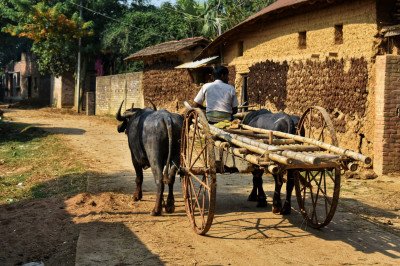 @@Traditional Kumaoni Hamlet : Darkot Village is a small, picturesque settlement that showcases the rich culture of the Johar Valley. It is famous for its traditional wooden houses with intricately carved doors and windows. The village is the primary center for high-quality Pashmina and sheep wool products. Almost every household here is involved in the art of hand-weaving shawls and blankets. Walking through the village feels like stepping back in time to an era of craftsmanship. The residents belong to the Bhotia community, known for their resilience and hospitality. You can see the old-style slate roofs that are designed to withstand heavy snowfall. The village is surrounded by lush fields where locals grow organic vegetables. It offers a stunning view of the Nanda Devi and Panchachuli peaks. Tourists often visit Darkot to buy authentic souvenirs that are much cheaper than in the cities. The craftsmanship seen in the local houses is a testament to the artistic heritage of Kumaon. It is a quiet place where you can experience the authentic lifestyle of the Himalayas. The village also acts as a gateway to several higher altitude treks in the region. Many researchers visit this village to study the traditional weaving techniques and local dialects. It is a hidden gem for those who appreciate art, culture, and slow travel.
Kalamuni Top is the highest point on the road leading to Munsiyari, situated at an altitude of approximately 9,500 feet. It serves as a natural gateway to the Johar Valley and offers the first breathtaking view of the Panchachuli peaks for travelers coming from the plains. The spot is spiritually significant due to the presence of the ancient Kalamuni Temple, dedicated to Goddess Kali. The temple is adorned with countless bells tied by devotees, which chime rhythmically with the mountain wind. The landscape is dominated by dense forests of rhododendron and old-growth deodar trees, which are often covered in thick snow during the winter months. Historically, this pass was a crucial resting point for traders traveling between India and Tibet. The air here is noticeably thinner and colder, providing a true Himalayan experience. Many trekkers use this as a starting point for shorter hikes into the surrounding ridges. The silence of the top is only broken by the temple bells and the occasional call of high-altitude birds like the Monal. It is a place where spirituality meets the raw grandeur of the mountains.
The Ralam Glacier Trek is one of the most secluded and physically demanding adventures in the Kumaon Himalayas. Starting from Munsiyari, which serves as the logistical hub, the trek leads into the heart of the Johar Valley. This trek is not merely a walk; it is an expedition through history, following the old trade routes that once connected India with Tibet. The glacier itself is split into Upper Ralam and Lower Ralam, situated at an altitude of approximately 12,700 feet. The trail passes through high-altitude villages like Lilam, Paton, and the ghost-like settlement of Ralam Village, where many houses stand as stone witnesses to a bygone era of prosperity. The trek offers a raw, unfiltered look at the Himalayan ecosystem, featuring deep gorges, cascading waterfalls, and vast alpine meadows known as Bugyals. It is famous for the 'Triple Glacier' view, where the Kalabaland, Sutela, and Yangchar glaciers meet. For many, the highlight is the crossing of the Brij Ganga Dhura Pass, which provides a staggering view of peaks like Hardeol and Trishuli. The silence of the Ralam Valley is profound, broken only by the roar of the Gori Ganga river and the occasional whistle of a marmot. It is a journey for those who seek solitude and want to test their limits against the high mountains. Unlike the more popular Milam Glacier, Ralam remains relatively untouched by commercial tourism, offering a true wilderness experience.
Munsiyari, literally meaning 'place of snow,' is a picturesque hill town located in the Pithoragarh district of Uttarakhand at an altitude of approximately 2,200 meters (7,200 feet). While a beautiful destination in its own right, its most significant identity is its status as the crucial Base Camp for some of the most famous and challenging glacier treks in the Kumaon Himalayas. It is the starting point for expeditions to the Milam Glacier, Ralam Glacier, Namik Glacier, and the short but popular Khaliya Top trek. The town's infrastructure, including hotels, guest houses, local guides, porters, and administrative offices (like the Forest Department and ITBP for permits), is geared towards supporting these expeditions. Historically, Munsiyari was an important trading hub on the ancient Salt Route to Tibet, a heritage now reflected in its local Bhotia culture. Its location offers unparalleled, majestic views of the Panchachuli peaks, which dominate the skyline. (Approx. 150+ words):
@@Traditional Kumaoni Hamlet : Darkot Village is a small, picturesque settlement that showcases the rich culture of the Johar Valley. It is famous for its traditional wooden houses with intricately carved doors and windows. The village is the primary center for high-quality Pashmina and sheep wool products. Almost every household here is involved in the art of hand-weaving shawls and blankets. Walking through the village feels like stepping back in time to an era of craftsmanship. The residents belong to the Bhotia community, known for their resilience and hospitality. You can see the old-style slate roofs that are designed to withstand heavy snowfall. The village is surrounded by lush fields where locals grow organic vegetables. It offers a stunning view of the Nanda Devi and Panchachuli peaks. Tourists often visit Darkot to buy authentic souvenirs that are much cheaper than in the cities. The craftsmanship seen in the local houses is a testament to the artistic heritage of Kumaon. It is a quiet place where you can experience the authentic lifestyle of the Himalayas. The village also acts as a gateway to several higher altitude treks in the region. Many researchers visit this village to study the traditional weaving techniques and local dialects. It is a hidden gem for those who appreciate art, culture, and slow travel.
Kalamuni Top is the highest point on the road leading to Munsiyari, situated at an altitude of approximately 9,500 feet. It serves as a natural gateway to the Johar Valley and offers the first breathtaking view of the Panchachuli peaks for travelers coming from the plains. The spot is spiritually significant due to the presence of the ancient Kalamuni Temple, dedicated to Goddess Kali. The temple is adorned with countless bells tied by devotees, which chime rhythmically with the mountain wind. The landscape is dominated by dense forests of rhododendron and old-growth deodar trees, which are often covered in thick snow during the winter months. Historically, this pass was a crucial resting point for traders traveling between India and Tibet. The air here is noticeably thinner and colder, providing a true Himalayan experience. Many trekkers use this as a starting point for shorter hikes into the surrounding ridges. The silence of the top is only broken by the temple bells and the occasional call of high-altitude birds like the Monal. It is a place where spirituality meets the raw grandeur of the mountains.
The Ralam Glacier Trek is one of the most secluded and physically demanding adventures in the Kumaon Himalayas. Starting from Munsiyari, which serves as the logistical hub, the trek leads into the heart of the Johar Valley. This trek is not merely a walk; it is an expedition through history, following the old trade routes that once connected India with Tibet. The glacier itself is split into Upper Ralam and Lower Ralam, situated at an altitude of approximately 12,700 feet. The trail passes through high-altitude villages like Lilam, Paton, and the ghost-like settlement of Ralam Village, where many houses stand as stone witnesses to a bygone era of prosperity. The trek offers a raw, unfiltered look at the Himalayan ecosystem, featuring deep gorges, cascading waterfalls, and vast alpine meadows known as Bugyals. It is famous for the 'Triple Glacier' view, where the Kalabaland, Sutela, and Yangchar glaciers meet. For many, the highlight is the crossing of the Brij Ganga Dhura Pass, which provides a staggering view of peaks like Hardeol and Trishuli. The silence of the Ralam Valley is profound, broken only by the roar of the Gori Ganga river and the occasional whistle of a marmot. It is a journey for those who seek solitude and want to test their limits against the high mountains. Unlike the more popular Milam Glacier, Ralam remains relatively untouched by commercial tourism, offering a true wilderness experience.
Munsiyari, literally meaning 'place of snow,' is a picturesque hill town located in the Pithoragarh district of Uttarakhand at an altitude of approximately 2,200 meters (7,200 feet). While a beautiful destination in its own right, its most significant identity is its status as the crucial Base Camp for some of the most famous and challenging glacier treks in the Kumaon Himalayas. It is the starting point for expeditions to the Milam Glacier, Ralam Glacier, Namik Glacier, and the short but popular Khaliya Top trek. The town's infrastructure, including hotels, guest houses, local guides, porters, and administrative offices (like the Forest Department and ITBP for permits), is geared towards supporting these expeditions. Historically, Munsiyari was an important trading hub on the ancient Salt Route to Tibet, a heritage now reflected in its local Bhotia culture. Its location offers unparalleled, majestic views of the Panchachuli peaks, which dominate the skyline. (Approx. 150+ words):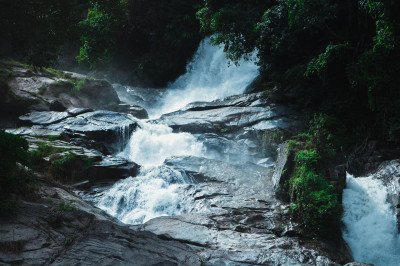 @@Giant Water Curtain : Birthi Falls is one of the most spectacular waterfalls in the Kumaon region. It cascades from a staggering height of 126 meters, creating a misty and thunderous atmosphere. The waterfall is surrounded by dense forests and rocky cliffs that add to its raw beauty. It is located on the way to Munsiyari, making it a perfect stopover for travelers. A short staircase trek of about 500 meters leads you to the base of the falls. The cool spray of water is incredibly refreshing after a long mountain drive. During the monsoon, the water flow increases significantly, making it a powerful sight to behold. The area around the falls is well-maintained with a small viewpoint for tourists. Legend says that the water has medicinal properties due to the herbs it passes through. Nature lovers often spend hours here listening to the rhythmic sound of the falling water. The lush greenery surrounding the cliff is home to various mountain birds. It is a photographer's dream, especially when a rainbow forms in the mist. The waterfall is visible from the main road, but the trek to the base is highly recommended. Many trekkers use this spot as a resting point during their journey to the higher reaches. It is a symbol of the pristine and untouched beauty of the Pithoragarh district.
Thamari Kund is a peaceful, small, natural lake nestled deep within a dense forest of Paper Trees (Bhojpatra) and Alpine conifers, situated close to the Betulidhar area. This tranquil water body is renowned for its pristine, untouched natural beauty and the profound silence that pervades the area, offering a truly secluded escape. The trek to the kund is a pleasant, gentle uphill walk through the lush forest, making it a favorite for soft adventurers and nature lovers. Local folklore suggests that the kund is sacred and is blessed by two mythical birds that keep its water clean. The local community also believes that the kund possesses the power to bless the region with rain, especially during times of drought, giving it a subtle but important spiritual significance. It is an ideal spot for birdwatching, photography, and quiet contemplation. (Approx. 150+ words):Show All
@@Historical Ridge Town : Didihat is a picturesque town situated on the pilgrimage route to Kailash Mansarovar. It is located on a hilltop known as Dand, offering a panoramic view of the Panchachuli and Trishul peaks. The town has a rich history, having been ruled by the Raika Malla kings in the past. It serves as a major commercial and administrative hub for the surrounding rural areas. The valley below the town, known as Haat Valley, is exceptionally fertile and green. Didihat is surrounded by thick forests of oak and rhododendron, making it a nature lover's paradise. The town is famous for the ancient Shirakot Temple dedicated to Lord Malay Nath. The spiritual energy of the town is palpable, with many old shrines and religious sites. It is an ideal base for trekking to the Chipla Kedar and other high-altitude spots. The climate here is pleasant throughout the year, with cool summers and snowy winters. Travelers often stop here to experience the authentic Kumaoni culture and food. The town's markets are vibrant and offer a variety of local mountain products. It provides a unique blend of historical significance and natural beauty. For those looking for an offbeat destination away from the main tourist circuit, Didihat is a perfect choice.
@@Giant Water Curtain : Birthi Falls is one of the most spectacular waterfalls in the Kumaon region. It cascades from a staggering height of 126 meters, creating a misty and thunderous atmosphere. The waterfall is surrounded by dense forests and rocky cliffs that add to its raw beauty. It is located on the way to Munsiyari, making it a perfect stopover for travelers. A short staircase trek of about 500 meters leads you to the base of the falls. The cool spray of water is incredibly refreshing after a long mountain drive. During the monsoon, the water flow increases significantly, making it a powerful sight to behold. The area around the falls is well-maintained with a small viewpoint for tourists. Legend says that the water has medicinal properties due to the herbs it passes through. Nature lovers often spend hours here listening to the rhythmic sound of the falling water. The lush greenery surrounding the cliff is home to various mountain birds. It is a photographer's dream, especially when a rainbow forms in the mist. The waterfall is visible from the main road, but the trek to the base is highly recommended. Many trekkers use this spot as a resting point during their journey to the higher reaches. It is a symbol of the pristine and untouched beauty of the Pithoragarh district.
Thamari Kund is a peaceful, small, natural lake nestled deep within a dense forest of Paper Trees (Bhojpatra) and Alpine conifers, situated close to the Betulidhar area. This tranquil water body is renowned for its pristine, untouched natural beauty and the profound silence that pervades the area, offering a truly secluded escape. The trek to the kund is a pleasant, gentle uphill walk through the lush forest, making it a favorite for soft adventurers and nature lovers. Local folklore suggests that the kund is sacred and is blessed by two mythical birds that keep its water clean. The local community also believes that the kund possesses the power to bless the region with rain, especially during times of drought, giving it a subtle but important spiritual significance. It is an ideal spot for birdwatching, photography, and quiet contemplation. (Approx. 150+ words):Show All
@@Historical Ridge Town : Didihat is a picturesque town situated on the pilgrimage route to Kailash Mansarovar. It is located on a hilltop known as Dand, offering a panoramic view of the Panchachuli and Trishul peaks. The town has a rich history, having been ruled by the Raika Malla kings in the past. It serves as a major commercial and administrative hub for the surrounding rural areas. The valley below the town, known as Haat Valley, is exceptionally fertile and green. Didihat is surrounded by thick forests of oak and rhododendron, making it a nature lover's paradise. The town is famous for the ancient Shirakot Temple dedicated to Lord Malay Nath. The spiritual energy of the town is palpable, with many old shrines and religious sites. It is an ideal base for trekking to the Chipla Kedar and other high-altitude spots. The climate here is pleasant throughout the year, with cool summers and snowy winters. Travelers often stop here to experience the authentic Kumaoni culture and food. The town's markets are vibrant and offer a variety of local mountain products. It provides a unique blend of historical significance and natural beauty. For those looking for an offbeat destination away from the main tourist circuit, Didihat is a perfect choice.Information
-
Why Famous:
The Panchachuli Peaks: Munsiyari is famous for being the best place to witness the five peaks of Panchachuli in their full glory. The legend says the Pandavas cooked their last meal on these five peaks before ascending to heaven.
Trekking Base ...The Panchachuli Peaks: Munsiyari is famous for being the best place to witness the five peaks of Panchachuli in their full glory. The legend says the Pandavas cooked their last meal on these five peaks before ascending to heaven.
Trekking Base Camp: It is globally recognized as the starting point for some of the most challenging and scenic glacier treks in the Indian Himalayas. This makes it a bucket-list destination for serious trekkers and explorers. -
Architecture:
Traditional Kumaoni Style: Buildings in Munsiyari are designed to withstand extreme cold, featuring thick stone walls and small windows to retain heat. Many older houses have beautiful wood carvings on the doors and pillars, showcasing local craftsmanship.Traditional Kumaoni Style: Buildings in Munsiyari are designed to withstand extreme cold, featuring thick stone walls and small windows to retain heat. Many older houses have beautiful wood carvings on the doors and pillars, showcasing local craftsmanship.
Tribal Heritage Museum: This private museum is housed in a traditional building that reflects the lifestyle of the Bhotia traders. The layout is simple but functional, using local materials like stone, wood, and slate for the roof.
Panchachuli Viewpoints: The local architecture often incorporates large open terraces or balconies facing the north to provide unobstructed views of the peaks. This ensures that the mountain scenery is part of the daily living experience. -
How To Reach:
By Air: The nearest airport is Pantnagar Airport, about 335 km away. Since the distance is vast, it is best to break the journey at Almora or Chaukori before reaching Munsiyari.
By Train: Kathgodam and Tanakpur are the nearest railway stati...By Air: The nearest airport is Pantnagar Airport, about 335 km away. Since the distance is vast, it is best to break the journey at Almora or Chaukori before reaching Munsiyari.
By Train: Kathgodam and Tanakpur are the nearest railway stations, both over 270 km from the town. From the station, you can take a shared taxi or hire a private vehicle for a 10-12 hour drive.
By Road: It is well-connected by road to major Kumaon towns like Almora, Pithoragarh, and Bageshwar. The drive is one of the most scenic in the Himalayas, passing through deep gorges and high ridges.
Local Transport: Within the town, walking is the primary way to get around as it is quite small. For visiting nearby villages or the hot springs, local taxis can be hired from the main market stand. -
Weather and Best Time to Visit:
Summer Season (April to June): This is the best time for trekking as the weather is cool and the trails are clear of snow. The rhododendrons are in full bloom, making the landscape incredibly vibrant and colorful.
Autumn Season (October to Nove...Summer Season (April to June): This is the best time for trekking as the weather is cool and the trails are clear of snow. The rhododendrons are in full bloom, making the landscape incredibly vibrant and colorful.
Autumn Season (October to November): The skies are at their clearest during this time, providing the best views of the high peaks. It is the peak season for photographers and those who want to see the sharp details of the mountains.
Winter Season (December to March): The town receives heavy snow, making it a winter paradise but also causing road blocks. Only visit during this time if you are prepared for sub-zero temperatures and limited facilities. -
Near Tourist Places:
Birthi Falls (35 KMS), Pithoragarh (125 KMS), Chaukori (95 KMS), Almora (200 KMS), Dharchula (95 KMS), Madkot (22 KMS), Darkot (6 KMS), Khaliya Top (6 KMS), Thamri Kund (3 KMS), Bageshwar (130 KMS)
Tourism Tips
-
Health and Safety: Due to its remote location, medical facilities are basic, so carry all your essential medicines. Always check the road conditions before starting your journey, as landslides are common during the rainy season.
Packing Essenti...Health and Safety: Due to its remote location, medical facilities are basic, so carry all your essential medicines. Always check the road conditions before starting your journey, as landslides are common during the rainy season.
Packing Essentials: Even in summer, nights are cold, so bring heavy woolens and a good quality windbreaker. For those planning to trek, high-quality boots and walking sticks are highly recommended for the steep terrain.
Cash and Fuel: There are very few ATMs and petrol pumps in Munsiyari, and they often run out of stock. It is crucial to carry enough cash and ensure your vehicle has a full tank before leaving Pithoragarh or Thal.
Accommodation Advice: During the peak trekking season, hotels can get full, so book your stay well in advance. Homestays are a great way to experience the local hospitality and enjoy authentic Kumaoni meals.
Reviews
FAQs
Munsiyari Itineray And Cost:-
Other Places In Uttarakhand :-
Other States In India :-
Information about New and Updated Locations() of Uttarakhand Has Been Added :-
Card subtitle
Note:-
Information provided here in good Faith and for reference only.
Near Places
Chakrata
Some quick example text to build on the card title and make up the bulk of the card's content.
Go somewhere
Chamba
Some quick example text to build on the card title and make up the bulk of the card's content.
Go somewhere
Chamoli
Some quick example text to build on the card title and make up the bulk of the card's content.
Go somewhere
Champawat
Some quick example text to build on the card title and make up the bulk of the card's content.
Go somewhere
Chopta
Some quick example text to build on the card title and make up the bulk of the card's content.
Go somewhere
Corbett
Some quick example text to build on the card title and make up the bulk of the card's content.
Go somewhere
Dehradun
Some quick example text to build on the card title and make up the bulk of the card's content.
Go somewhere
Dhanaulti
Some quick example text to build on the card title and make up the bulk of the card's content.
Go somewhere
Gwaldam
Some quick example text to build on the card title and make up the bulk of the card's content.
Go somewhere
Haldwani
Some quick example text to build on the card title and make up the bulk of the card's content.
Go somewhere
Haridwar
Some quick example text to build on the card title and make up the bulk of the card's content.
Go somewhere
Joshimath
Some quick example text to build on the card title and make up the bulk of the card's content.
Go somewhere
Kanatal
Some quick example text to build on the card title and make up the bulk of the card's content.
Go somewhere
Kashipur
Some quick example text to build on the card title and make up the bulk of the card's content.
Go somewhere
Kausani
Some quick example text to build on the card title and make up the bulk of the card's content.
Go somewhere
Kedarnath
Some quick example text to build on the card title and make up the bulk of the card's content.
Go somewherein Other Cities