

Chopta
General information
-
Ideal Duration:
2 to 3 Days.Place Type:
Trekking, Spiritual, Wildlife.Entry Fees:
Meadow and Wildlife Fees: There is currently no entry fee to visit the Chopta meadows or to trek to Tungnath and Chandrashila. The temple itself is free for all devotees and trekkers. However, for the Kanchula Korak Musk Deer Sanctuary, there is a nominal entry fee of arou...Meadow and Wildlife Fees: There is currently no entry fee to visit the Chopta meadows or to trek to Tungnath and Chandrashila. The temple itself is free for all devotees and trekkers. However, for the Kanchula Korak Musk Deer Sanctuary, there is a nominal entry fee of around 50 to 100 INR for maintenance. Since Chopta is part of a protected forest, camping in specific areas may require a permit from the forest department, costing around 100 to 200 INR per person. These minimal charges help in preserving the pristine environment of the region.
Camping and Gear Costs: While the trek is free, most visitors stay in private eco-camps, which cost between 1,500 and 4,000 INR per night including meals. If you are not carrying your own trekking gear, you can rent walking sticks or crampons for 50 to 100 INR. Mules are available for the trek to Tungnath, charging approximately 1,000 to 1,500 INR for a one-way trip. Parking at the Chopta road-head is usually free or involves a small fee of 50 INR. The overall cost of visiting is quite low, making it a favorite for student groups and solo travelers.Timing:
Regular Timings: Chopta is a high-altitude region with no electricity in many parts, so activities are strictly limited to daylight hours. The trek to Tungnath is best started between 6:00 AM and 8:00 AM to ensure you can reach the summit and return before sunset. The Tung...Regular Timings: Chopta is a high-altitude region with no electricity in many parts, so activities are strictly limited to daylight hours. The trek to Tungnath is best started between 6:00 AM and 8:00 AM to ensure you can reach the summit and return before sunset. The Tungnath Temple is open from 6:00 AM to 7:00 PM during the pilgrimage season (May to October). During winter, the temple is closed, and the idol is moved to Ukhimath. Most campsites serve dinner by 8:00 PM and encourage guests to retire early to save battery and enjoy the silence.
Ideal Visit Time: The ideal time to be at the Chandrashila Peak is during sunrise (around 5:30 AM to 6:30 AM) for the most breathtaking views. This requires starting the trek from Chopta at around 3:30 AM with headlamps. For birdwatching, the early morning hours from 6:00 AM to 9:00 AM are the most productive. The months of April to June offer pleasant weather and blooming flowers, while October and November offer the clearest skies for mountain views. In winter, visit between 10:00 AM and 4:00 PM when the sun is out to enjoy the snow safely.Special Events:
Nanda Devi Mela: Celebrated in the villages around Chopta, this festival honors the patron goddess of the Himalayas, Nanda Devi. The event involves traditional "Jagar" singing and folk dances that depict stories from the life of the goddess. Local fairs are organized where...Nanda Devi Mela: Celebrated in the villages around Chopta, this festival honors the patron goddess of the Himalayas, Nanda Devi. The event involves traditional "Jagar" singing and folk dances that depict stories from the life of the goddess. Local fairs are organized where villagers gather to trade goods and celebrate the harvest. It is a beautiful display of the deep-rooted spiritual connection the people have with the mountains. Visitors can witness the authentic rituals and taste traditional festive foods. The atmosphere is one of joy and community spirit.
Tungnath Opening Ceremony: The opening of the Tungnath Temple after the winter break is a major spiritual event in Chopta. The idol of Lord Shiva is brought back from its winter seat in Ukhimath in a grand procession. Hundreds of devotees accompany the palanquin, singing hymns and playing traditional instruments like the Dhol and Damau. The ceremony marks the start of the trekking and pilgrimage season in the region. It is a very emotional and powerful event that showcases the unwavering faith of the mountain people. The temple comes alive with energy and prayers.Best Photo Spots:
Chandrashila 360-Degree View: The summit of Chandrashila offers arguably the best panoramic view of the Himalayas in Uttarakhand. You can capture a full circle of snow-capped peaks, including Nanda Devi, Chaukhamba, and Kedar Peak. The sunrise from this point is legendary,...Chandrashila 360-Degree View: The summit of Chandrashila offers arguably the best panoramic view of the Himalayas in Uttarakhand. You can capture a full circle of snow-capped peaks, including Nanda Devi, Chaukhamba, and Kedar Peak. The sunrise from this point is legendary, as the first rays of light turn the white peaks into molten gold. Use a panorama mode or a wide-angle lens to capture the sheer scale of the landscape. The small temple at the top provides a perfect foreground for your mountain shots. It is a challenging but highly rewarding spot for any serious photographer.
Tungnath Temple Architecture: The ancient stone structure of the Tungnath Temple is a unique subject for photography. You can capture the rugged beauty of the stone slabs against the backdrop of the high-altitude meadows. The colorful prayer flags and the brass bells add a sense of life and devotion to the frames. The play of light on the grey stone during the golden hour is very beautiful. You can also take wide shots of the temple complex showing its isolated and majestic position on the mountain. It is a place where the architecture seems to grow out of the rock itself.
Monal in the Wild: Capturing a clear photo of the Himalayan Monal is the ultimate goal for bird photographers in Chopta. The vibrant, metallic colors of the bird's feathers are a stunning sight. You will need a good telephoto lens and a lot of patience to get close enough for a shot. The best time is early morning when the birds are feeding in the meadows or perched on tree branches. The green background of the Bugyals makes the bird's colors pop even more. It is a rewarding and colorful addition to any wildlife portfolio.
Deoria Tal Reflection: The mirror-like reflection of the Chaukhamba peaks in Deoria Tal is one of the most famous shots in the region. To get the best reflection, visit the lake early in the morning when the water is completely still. You can frame the shot with the surrounding trees and the colorful tents of the campers. The symmetry of the snow peaks in the water is visually very satisfying. It is also a great spot for night photography, as the still water can reflect the stars and the moon. The peace of the lake is perfectly captured in these reflection shots.Photo Gallery
Things To Do
 @@Overview of the Summit and Views: Chandrashila literally means 'Moon Rock' and is a summit at an altitude of about 4,000 meters (13,000 ft) above sea level, offering a spectacular 360-degree panoramic view of the majestic Himalayan peaks. Trekking to this peak is a popular and relatively short extension (1.5 km) from the sacred Tungnath Mahadev Temple. The peak provides mesmerizing views of prominent Himalayan ranges, including Nanda Devi, Trishul, Chaukhamba, Kedar Peak, and Bandarpunch mountains. It is a key destination for high-altitude trekking enthusiasts and nature lovers, accessible for most of the year except for heavy snow in deep winter. The trek is challenging but rewarding, often taken early in the morning to witness the breathtaking sunrise over the snow-capped mountains. The peak is steeped in mythology, believed to be the spot where Lord Rama meditated after defeating Ravana, adding a spiritual dimension to the adventure. The serene and unpolluted environment makes it an ideal spot for contemplation and photography, culminating the beautiful journey that begins from Chopta. The views are considered some of the best unobstructed mountain vistas in the region.
 Tungnath Temple is a legendary shrine and the highest Shiva temple in the world, perched at an altitude of 3,680 Meters. It is the third temple in the Panch Kedar circuit and is believed to be over 1,000 Years old. The trek from Chopta to Tungnath is a well-paved stone path that winds through lush alpine meadows known as Bugyals. During the ascent, trekkers are treated to breathtaking panoramic views of the Nanda Devi, Trishul, and Chaukhamba peaks. The temple itself is a marvel of ancient architecture, built with heavy grey siltstone. According to mythology, the Pandavas built this temple to appease Lord Shiva. The spiritual energy here is palpable, especially during the morning Aarti. The temple remains closed during the winter months when the region is buried under several feet of snow, and the deity is moved to Makkumath. The surrounding area is part of the Kedarnath Wildlife Sanctuary, and it is very common to spot the Himalayan Monal bird with its iridescent feathers near the temple complex. Just 1.5 KMS above Tungnath is the Chandrashila summit, offering a 360-degree view of the Himalayas. Despite its high altitude, the trek is considered "easy to moderate," making it accessible to most people with basic fitness levels. It is a place where spirituality meets the raw, unbridled beauty of the high mountains.
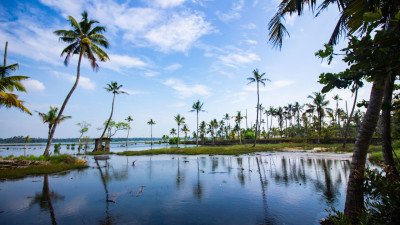 Deoria Tal is a mesmerizing high-altitude lake situated at an elevation of 2,438 meters, surrounded by thick forests of pine, oak, and rhododendron. The lake is legendary for its still, emerald waters that provide a flawless reflection of the Chaukhamba peaks on clear mornings. According to Hindu mythology, this is the very spot where the Pandavas were tested by the Yaksha with a series of riddles during their exile. It is also believed that the gods (Devas) used to bathe in this lake, giving it the name "Deoria." The trek from Sari Village to the lake is a gentle uphill climb through terraced fields and dense woods, making it accessible for families and beginners alike. Once you reach the top, the forest opens up to a vast meadow with the lake at its center. The area is part of the Kedarnath Wildlife Sanctuary, and one can often spot Himalayan birds and small animals nearby. The lake offers a 300-degree panoramic view of the Himalayan ranges. Camping was once popular directly at the lakeside, but now it is regulated to protect the ecology. The peaceful atmosphere, combined with the historical and spiritual weight of the location, makes it a must-visit. During the spring, the surrounding rhododendrons bloom in shades of red and pink, adding a vibrant border to the serene water. It is a place of deep reflection, both literally and figuratively.
Gopeshwar is a mesmerizing town nestled in the Chamoli district of Uttarakhand, serving as the administrative headquarters. Situated at an elevation of 1,308 meters, this town is a perfect blend of natural beauty and spiritual significance. The town is most famous for the ancient Gopinath Temple, dedicated to Lord Shiva, which draws thousands of pilgrims annually. Historically, the name Gopeshwar is linked to Lord Krishna, adding a layer of mythological importance to its identity. The town is surrounded by lush green mountain ranges, terrace farms, and small lakes that create a serene atmosphere. Unlike busier tourist hubs, Gopeshwar offers a tranquil environment for those seeking peace and reflection. It acts as a major transit point for trekkers heading towards Rudranath or pilgrims on the Char Dham Yatra. The climate remains pleasant throughout the year, making it an ideal offbeat hill station. Local markets in Gopeshwar are vibrant, offering traditional Garhwali crafts and local produce. The town's layout is characterized by steep winding roads and traditional stone houses that reflect the local culture. Exploring Gopeshwar allows visitors to witness the authentic lifestyle of the Himalayan people. The town also houses several other smaller shrines and the sacred Vaitarni Kund, where devotees take holy dips. Its proximity to Chopta makes it a must-visit for anyone exploring the Garhwal region. The combination of its religious aura and the surrounding oak and rhododendron forests makes it a unique destination. Visitors often find themselves captivated by the panoramic views of the Himalayan peaks visible on clear days. Whether you are a spiritual seeker or a nature lover, Gopeshwar provides an enriching experience that stays with you long after you leave. The town is also known for its educational institutions, adding a youthful energy to its ancient roots. :
@@Overview of the Largest Western Himalayan Protected Area: The Kedarnath Wildlife Sanctuary (KWS), also known as the Kedarnath Musk Deer Sanctuary, is the largest protected area in the Western Himalayas, spanning an area of 975 square kilometers. It covers parts of both the Rudraprayag and Chamoli districts, with Chopta being a key entry point and central area within its boundaries. Established in 1972, its primary aim is the conservation of the endangered Himalayan Musk Deer and its high-altitude habitat. The sanctuary's altitude ranges dramatically from 1,160 meters to 7,068 meters (covering peaks like Chaukhamba), supporting a diverse range of ecosystems from temperate forests to alpine meadows (bugyals) and snow-clad peaks. It is a critical habitat for a vast array of flora and fauna, including the snow leopard, Himalayan tahr, Himalayan black bear, and over 230 species of birds. The sanctuary also holds deep spiritual significance as it surrounds the sacred Kedarnath Temple and includes the Panch Kedar shrines (Tungnath is within its boundary), offering a blend of pilgrimage and adventure:
Deoria Tal is a mesmerizing high-altitude lake situated at an elevation of 2,438 meters, surrounded by thick forests of pine, oak, and rhododendron. The lake is legendary for its still, emerald waters that provide a flawless reflection of the Chaukhamba peaks on clear mornings. According to Hindu mythology, this is the very spot where the Pandavas were tested by the Yaksha with a series of riddles during their exile. It is also believed that the gods (Devas) used to bathe in this lake, giving it the name "Deoria." The trek from Sari Village to the lake is a gentle uphill climb through terraced fields and dense woods, making it accessible for families and beginners alike. Once you reach the top, the forest opens up to a vast meadow with the lake at its center. The area is part of the Kedarnath Wildlife Sanctuary, and one can often spot Himalayan birds and small animals nearby. The lake offers a 300-degree panoramic view of the Himalayan ranges. Camping was once popular directly at the lakeside, but now it is regulated to protect the ecology. The peaceful atmosphere, combined with the historical and spiritual weight of the location, makes it a must-visit. During the spring, the surrounding rhododendrons bloom in shades of red and pink, adding a vibrant border to the serene water. It is a place of deep reflection, both literally and figuratively.
Gopeshwar is a mesmerizing town nestled in the Chamoli district of Uttarakhand, serving as the administrative headquarters. Situated at an elevation of 1,308 meters, this town is a perfect blend of natural beauty and spiritual significance. The town is most famous for the ancient Gopinath Temple, dedicated to Lord Shiva, which draws thousands of pilgrims annually. Historically, the name Gopeshwar is linked to Lord Krishna, adding a layer of mythological importance to its identity. The town is surrounded by lush green mountain ranges, terrace farms, and small lakes that create a serene atmosphere. Unlike busier tourist hubs, Gopeshwar offers a tranquil environment for those seeking peace and reflection. It acts as a major transit point for trekkers heading towards Rudranath or pilgrims on the Char Dham Yatra. The climate remains pleasant throughout the year, making it an ideal offbeat hill station. Local markets in Gopeshwar are vibrant, offering traditional Garhwali crafts and local produce. The town's layout is characterized by steep winding roads and traditional stone houses that reflect the local culture. Exploring Gopeshwar allows visitors to witness the authentic lifestyle of the Himalayan people. The town also houses several other smaller shrines and the sacred Vaitarni Kund, where devotees take holy dips. Its proximity to Chopta makes it a must-visit for anyone exploring the Garhwal region. The combination of its religious aura and the surrounding oak and rhododendron forests makes it a unique destination. Visitors often find themselves captivated by the panoramic views of the Himalayan peaks visible on clear days. Whether you are a spiritual seeker or a nature lover, Gopeshwar provides an enriching experience that stays with you long after you leave. The town is also known for its educational institutions, adding a youthful energy to its ancient roots. :
@@Overview of the Largest Western Himalayan Protected Area: The Kedarnath Wildlife Sanctuary (KWS), also known as the Kedarnath Musk Deer Sanctuary, is the largest protected area in the Western Himalayas, spanning an area of 975 square kilometers. It covers parts of both the Rudraprayag and Chamoli districts, with Chopta being a key entry point and central area within its boundaries. Established in 1972, its primary aim is the conservation of the endangered Himalayan Musk Deer and its high-altitude habitat. The sanctuary's altitude ranges dramatically from 1,160 meters to 7,068 meters (covering peaks like Chaukhamba), supporting a diverse range of ecosystems from temperate forests to alpine meadows (bugyals) and snow-clad peaks. It is a critical habitat for a vast array of flora and fauna, including the snow leopard, Himalayan tahr, Himalayan black bear, and over 230 species of birds. The sanctuary also holds deep spiritual significance as it surrounds the sacred Kedarnath Temple and includes the Panch Kedar shrines (Tungnath is within its boundary), offering a blend of pilgrimage and adventure: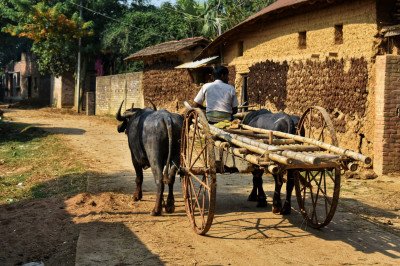 Mandal Village is a serene hamlet tucked away in the Garhwal Himalayas, often ignored by mainstream tourists flocking to Chopta. It serves as a vital base camp for the arduous trek to Rudranath, one of the Panch Kedar temples. The village is characterized by its vibrant green landscape, traditional wooden houses, and a peaceful atmosphere that seems frozen in time. Unlike the high-altitude meadows of Chopta, Mandal is situated at a lower elevation of about 1,650 Meters, allowing for a rich diversity of flora and fauna. You will find orchards of local fruits and dense forests of oak and rhododendron surrounding the settlement. The village is also famous for the Anasuya Devi Temple, which is a 5-km trek from here. This place offers a raw glimpse into the Himalayan lifestyle where farming and animal husbandry are the primary occupations. The air here is incredibly fresh, and the sound of the nearby Balkhila River adds to the meditative quality of the environment. It is an ideal spot for those looking to escape the crowded trails of Tungnath and experience authentic Garhwali culture. Visitors often stay here to acclimatize before heading to higher altitudes or simply to enjoy the biodiversity of the Kedarnath Wildlife Sanctuary.
Bisuri Tal is a pristine high-altitude glacial lake nestled at an elevation of approximately 4,000 meters in the Mandakini valley of the Garhwal Himalayas. This hidden treasure remains largely unexplored by the mainstream tourist crowd due to its demanding trekking route, making it a sanctuary for those seeking absolute solitude and raw natural beauty. The lake is surrounded by towering snow-clad peaks and alpine meadows that change color with the seasons. According to local folklore, the water of this lake possesses medicinal properties capable of curing various skin ailments. The trek to the lake takes you through the heart of the Kedarnath Wildlife Sanctuary, where the air is thin but filled with the scent of wild herbs and rhododendrons. The silence of the area is only broken by the sound of distant waterfalls and the occasional call of high-altitude birds. It is a place where time seems to stand still, offering a profound sense of peace. The crystal-clear water of the lake reflects the surrounding ridges like a mirror, creating a surreal atmosphere. Visitors often find themselves in awe of the sheer scale of the landscape and the untouched nature of the trail. The journey involves crossing high ridges and navigating through dense forests, making the arrival at the lake a deeply rewarding experience for any adventurer. It represents the untamed spirit of the Himalayas, away from any commercial interference.Show All
Dugalbitta is a charming and tranquil hamlet that serves as a perfect alternative base for travelers exploring the Chopta region. Situated at an altitude of 2,600 meters, its name literally translates to the "space between two mountains." Unlike the main Chopta area, which has strict regulations on permanent structures, Dugalbitta offers several cozy resorts, eco-lodges, and Swiss tents. The hamlet is enveloped by lush green pasture lands and dense forests that are part of the Kedarnath Wildlife Sanctuary. It is an ideal spot for those who want to enjoy the beauty of the Himalayas without the crowds. The views of the snow-clad peaks from here are equally stunning, and the area is a hotspot for birdwatchers. Many travelers choose to stay here because the road remains accessible even during heavy winters when the road further up to Chopta might be blocked by snow. The atmosphere is laid-back, making it perfect for a digital detox. You can spend your days walking through the tall dark woods or simply sitting in the meadows with a book. The proximity to various trek starting points makes it strategically convenient. In the evenings, the temperature drops significantly, and the clear skies offer a brilliant display of stars. It represents the quintessential Garhwali mountain life, blended with modern hospitality for tourists.
Mandal Village is a serene hamlet tucked away in the Garhwal Himalayas, often ignored by mainstream tourists flocking to Chopta. It serves as a vital base camp for the arduous trek to Rudranath, one of the Panch Kedar temples. The village is characterized by its vibrant green landscape, traditional wooden houses, and a peaceful atmosphere that seems frozen in time. Unlike the high-altitude meadows of Chopta, Mandal is situated at a lower elevation of about 1,650 Meters, allowing for a rich diversity of flora and fauna. You will find orchards of local fruits and dense forests of oak and rhododendron surrounding the settlement. The village is also famous for the Anasuya Devi Temple, which is a 5-km trek from here. This place offers a raw glimpse into the Himalayan lifestyle where farming and animal husbandry are the primary occupations. The air here is incredibly fresh, and the sound of the nearby Balkhila River adds to the meditative quality of the environment. It is an ideal spot for those looking to escape the crowded trails of Tungnath and experience authentic Garhwali culture. Visitors often stay here to acclimatize before heading to higher altitudes or simply to enjoy the biodiversity of the Kedarnath Wildlife Sanctuary.
Bisuri Tal is a pristine high-altitude glacial lake nestled at an elevation of approximately 4,000 meters in the Mandakini valley of the Garhwal Himalayas. This hidden treasure remains largely unexplored by the mainstream tourist crowd due to its demanding trekking route, making it a sanctuary for those seeking absolute solitude and raw natural beauty. The lake is surrounded by towering snow-clad peaks and alpine meadows that change color with the seasons. According to local folklore, the water of this lake possesses medicinal properties capable of curing various skin ailments. The trek to the lake takes you through the heart of the Kedarnath Wildlife Sanctuary, where the air is thin but filled with the scent of wild herbs and rhododendrons. The silence of the area is only broken by the sound of distant waterfalls and the occasional call of high-altitude birds. It is a place where time seems to stand still, offering a profound sense of peace. The crystal-clear water of the lake reflects the surrounding ridges like a mirror, creating a surreal atmosphere. Visitors often find themselves in awe of the sheer scale of the landscape and the untouched nature of the trail. The journey involves crossing high ridges and navigating through dense forests, making the arrival at the lake a deeply rewarding experience for any adventurer. It represents the untamed spirit of the Himalayas, away from any commercial interference.Show All
Dugalbitta is a charming and tranquil hamlet that serves as a perfect alternative base for travelers exploring the Chopta region. Situated at an altitude of 2,600 meters, its name literally translates to the "space between two mountains." Unlike the main Chopta area, which has strict regulations on permanent structures, Dugalbitta offers several cozy resorts, eco-lodges, and Swiss tents. The hamlet is enveloped by lush green pasture lands and dense forests that are part of the Kedarnath Wildlife Sanctuary. It is an ideal spot for those who want to enjoy the beauty of the Himalayas without the crowds. The views of the snow-clad peaks from here are equally stunning, and the area is a hotspot for birdwatchers. Many travelers choose to stay here because the road remains accessible even during heavy winters when the road further up to Chopta might be blocked by snow. The atmosphere is laid-back, making it perfect for a digital detox. You can spend your days walking through the tall dark woods or simply sitting in the meadows with a book. The proximity to various trek starting points makes it strategically convenient. In the evenings, the temperature drops significantly, and the clear skies offer a brilliant display of stars. It represents the quintessential Garhwali mountain life, blended with modern hospitality for tourists.Information
-
Why Famous:
Highest Shiva Temple: Chopta is globally famous for the Tungnath Temple, which is the highest temple dedicated to Lord Shiva in the world. Located at an altitude of 3,680 meters, it is part of the sacred Panch Kedar pilgrimage. The trek from Chopta to Tungnath is not only ...Highest Shiva Temple: Chopta is globally famous for the Tungnath Temple, which is the highest temple dedicated to Lord Shiva in the world. Located at an altitude of 3,680 meters, it is part of the sacred Panch Kedar pilgrimage. The trek from Chopta to Tungnath is not only a spiritual journey but also one of the most scenic trails in India. Reaching the temple is considered a significant achievement for both pilgrims and trekkers. The divine aura of the temple amidst the high mountains is truly profound.
Panoramic Himalayan Views: The Chandrashila Peak, which is a short trek above Tungnath, offers one of the most spectacular 360-degree views of the Himalayas. On a clear day, one can see peaks like Nanda Devi, Trishul, Kedar Peak, and Chaukhamba in their full glory. It is one of the few places where such a wide range of high-altitude peaks is visible from a single point. This makes Chopta a top destination for photographers and mountain enthusiasts. The feeling of being "on top of the world" is literally experienced here.
The Mini Switzerland: Chopta is nicknamed the "Mini Switzerland of India" because of its vast, rolling green meadows (Bugyals). The landscape, with its undulating hills and dense forest borders, closely resembles the alpine scenery of Switzerland. It is a premier destination for birdwatching, especially for the Himalayan Monal, which is the state bird of Uttarakhand. The absence of concrete roads and buildings within the meadows preserves its idyllic and postcard-perfect charm. It is the best place to experience the raw, unadulterated beauty of the Himalayas. -
Architecture:
Tungnath's Ancient Stone Work: The Tungnath Temple in Chopta is a marvel of ancient Himalayan architecture, built using heavy stone slabs. It is constructed in the North Indian Nagara style, featuring a majestic stone tower and a small entrance porch. The temple is designe...Tungnath's Ancient Stone Work: The Tungnath Temple in Chopta is a marvel of ancient Himalayan architecture, built using heavy stone slabs. It is constructed in the North Indian Nagara style, featuring a majestic stone tower and a small entrance porch. The temple is designed to withstand extreme weather conditions, including heavy snow and sub-zero temperatures. There are no decorative carvings on the exterior, reflecting a minimalist and rugged aesthetic that matches the terrain. The structure is built on a solid rock foundation, ensuring its permanence at an altitude of 3,680 meters.
Dimensions and Scale: The temple structure is relatively small compared to the plains' temples, with the main tower rising about 12 to 15 feet. The entrance door is intentionally kept low, forcing devotees to bow as they enter the sanctum. The "Garbhagriha" is a tiny chamber, barely 6x6 feet, housing the Swayambhu Lingam of Lord Shiva. The surrounding courtyard is paved with large slate stones, covering an area of about 500 square feet. This compact design helps in retaining heat and provides a sturdy shelter against high-altitude winds.
Eco-Friendly Temporary Structures: Since Chopta is a protected forest area, the modern architecture here consists mostly of temporary eco-camps and wooden huts. These structures are built using light timber, bamboo, and waterproof canvas to minimize the environmental footprint. The camps are typically 10x12 feet in size, equipped with basic amenities to cater to trekkers and nature lovers. These temporary dwellings are designed to be easily dismantled during the heavy winter snow. The focus is on functionality and blending into the natural landscape rather than creating permanent concrete footprints. -
How To Reach:
By Air: The Jolly Grant Airport in Dehradun is the nearest airport, located about 220 KMS from Chopta. The drive from the airport takes about 7 to 8 hours, passing through Rishikesh, Devprayag, and Rudraprayag. You can hire a private taxi directly from the airport or take ...By Air: The Jolly Grant Airport in Dehradun is the nearest airport, located about 220 KMS from Chopta. The drive from the airport takes about 7 to 8 hours, passing through Rishikesh, Devprayag, and Rudraprayag. You can hire a private taxi directly from the airport or take a shared cab from Rishikesh. Some people also fly into the airport and then take a shorter flight (helicopter) to nearby Phata during the yatra season, though this is primarily for Kedarnath. The road journey is scenic but long, so it is best to break the journey at a midway point. The mountain views start becoming spectacular once you cross Rudraprayag.
By Train: The nearest railway stations are Rishikesh (200 KMS) and Haridwar (225 KMS). Most travelers take an overnight train from Delhi to Haridwar and then start their road journey early in the morning. From the station, you can find many shared taxis and buses heading towards Ukhimath or Gopeshwar, both of which are close to Chopta. The journey from Haridwar takes about 7 to 9 hours depending on road conditions. The train journey is efficient, but the subsequent road trip requires some stamina. It is one of the most common routes taken by trekkers and pilgrims heading to the Panch Kedar region.
By Road: Chopta is well-connected by road but is located on a less busy route compared to the main Char Dham highway. It is about 400 KMS from Delhi, taking approximately 12 to 14 hours. The most common route is via Haridwar, Rishikesh, Devprayag, Rudraprayag, and Ukhimath. The roads are generally in good condition but can be narrow in the last stretch from Ukhimath to Chopta. During winter, the road can be blocked by snow, so it is essential to check the status before traveling. Driving your own vehicle, especially a 4x4 in winter, is a great adventure. Regular buses also ply to Ukhimath from where local taxis are available.
By Local Transport: Within the Chopta region, there is no public transport like city buses or autos. The primary way to get around is by local shared taxis or by hiring a private Jeep. Since it is a small area, most visitors explore the meadows and trekking trails on foot. For reaching nearby spots like Deoria Tal, you will need to take a taxi to Sari village and then trek. Many people also travel between Ukhimath and Chopta using shared cabs which are frequent during the peak season. Walking is the most popular "local transport" here, as the area is meant for slow exploration and nature immersion. -
Weather and Best Time to Visit:
Summer and Autumn: The months of April to June and September to November are the best for visiting Chopta. During summer, the meadows are lush green, and the weather is perfect for the trek to Tungnath. In autumn, the skies are the clearest, providing the most spectacular ...Summer and Autumn: The months of April to June and September to November are the best for visiting Chopta. During summer, the meadows are lush green, and the weather is perfect for the trek to Tungnath. In autumn, the skies are the clearest, providing the most spectacular views of the snow peaks. This is also the best time for bird photography as the birds are more visible. The overall environment is very pleasant and welcoming for all types of travelers. It is the peak season for trekking and camping in the region.
Winter for Snow: December to February is the time for those who want to experience the "Winter Wonderland" of Chopta. The region receives heavy snowfall, and the trekking trails are covered in white. It is a great time for snow trekking and experiencing the extreme Himalayan winter. However, be prepared for very low temperatures and basic facilities, as many camps close down. The beauty of the snow-clad meadows is unparalleled, but it requires good physical fitness and proper gear. The silence of the winter forest is a unique experience for those who seek total isolation.
Day and Night: The best time of the day is undoubtedly the early morning (4:00 AM to 8:00 AM) for the sunrise trek to Chandrashila. The midday hours are best for exploring the meadows and the musk deer sanctuary. Late afternoon (4:00 PM to 6:00 PM) offers beautiful light for photography and a cool breeze. The nights are the most magical part of Chopta, with a sky so full of stars that it feels like you can touch them. Since there is no electricity, the nights are truly dark and peaceful. Always carry a reliable light source for moving around the campsite at night. -
Near Tourist Places:
1. Tungnath Temple (5 KM), 2. Chandrashila Peak (6. 5 KM), 3. Deoria Tal (20 KM), 4. Ukhimath (30 KM), 5. Sari Village (20 KM), 6. Madmaheshwar (40 KM), 7. Kalpeshwar (45 KM), 8. Duggalbitta (7 KM), 9. Makkumath (15 KM), 10. Rudraprayag (65 KM).
Tourism Tips
-
Health & Safety: Chopta is at a high altitude, and the trek to Tungnath goes even higher, so be aware of the signs of altitude sickness. Drink plenty of water and do not rush the climb. The weather can change in minutes, turning from sunny to snowy or rainy, so always be p...Health & Safety: Chopta is at a high altitude, and the trek to Tungnath goes even higher, so be aware of the signs of altitude sickness. Drink plenty of water and do not rush the climb. The weather can change in minutes, turning from sunny to snowy or rainy, so always be prepared. There are no hospitals in Chopta; the nearest medical facility is in Ukhimath or Gopeshwar, so carry a comprehensive medical kit. The trails can be slippery, especially in monsoon and winter, so use trekking poles for better balance. Always keep a whistle and a torch with you if you are exploring the forest trails.
Packing: Layered clothing is the key to staying comfortable in Chopta. Even in summer, temperatures can drop to single digits at night. For the trek, wear moisture-wicking clothes and a good pair of waterproof trekking shoes. If visiting in winter, you will need professional-grade snow gear, including gaiters and insulated boots. A high-SPF sunscreen and lip balm are essential as the UV rays are very strong at this altitude. Carry a power bank and extra camera batteries, as charging facilities are very limited and depend on solar power. A raincoat is a must-have in your daypack.
Accommodation: Most stays in Chopta are in eco-camps or simple wooden huts that provide basic amenities. These camps are located in beautiful settings but do not have running hot water or regular electricity. If you prefer more comfort, you can stay in hotels in Ukhimath or Duggalbitta and drive to Chopta for the day. For those who want the true mountain experience, camping in the meadows is highly recommended. It is best to book your camp in advance during the peak months of May, June, and October. During the winter, many camps close down, so check availability before planning your trip.
Other Tips: Chopta is a "silent zone" and part of a wildlife sanctuary, so avoid playing loud music or making unnecessary noise. Respect the flora and fauna; do not pluck flowers or disturb the wildlife. Carry all your non-biodegradable waste back with you to keep the meadows clean. Try the local "Garhwali" tea and food served at the small dhabas along the trek. Since there are no ATMs in Chopta, carry sufficient cash for your entire stay. The mobile signal (mostly BSNL) is very weak, so inform your family beforehand. It is the perfect place for a digital detox and a spiritual reset.
Reviews
FAQs
Chopta Itineray And Cost:-
Other Places In Uttarakhand :-
Other States In India :-
Information about New and Updated Locations() of Uttarakhand Has Been Added :-
Card subtitle
Note:-
Information provided here in good Faith and for reference only.
Near Places
Chakrata
Some quick example text to build on the card title and make up the bulk of the card's content.
Go somewhere
Chamba
Some quick example text to build on the card title and make up the bulk of the card's content.
Go somewhere
Chamoli
Some quick example text to build on the card title and make up the bulk of the card's content.
Go somewhere
Champawat
Some quick example text to build on the card title and make up the bulk of the card's content.
Go somewhere
Chopta
Some quick example text to build on the card title and make up the bulk of the card's content.
Go somewhere
Corbett
Some quick example text to build on the card title and make up the bulk of the card's content.
Go somewhere
Dehradun
Some quick example text to build on the card title and make up the bulk of the card's content.
Go somewhere
Dhanaulti
Some quick example text to build on the card title and make up the bulk of the card's content.
Go somewhere
Gwaldam
Some quick example text to build on the card title and make up the bulk of the card's content.
Go somewhere
Haldwani
Some quick example text to build on the card title and make up the bulk of the card's content.
Go somewhere
Haridwar
Some quick example text to build on the card title and make up the bulk of the card's content.
Go somewhere
Joshimath
Some quick example text to build on the card title and make up the bulk of the card's content.
Go somewhere
Kanatal
Some quick example text to build on the card title and make up the bulk of the card's content.
Go somewhere
Kashipur
Some quick example text to build on the card title and make up the bulk of the card's content.
Go somewhere
Kausani
Some quick example text to build on the card title and make up the bulk of the card's content.
Go somewhere
Kedarnath
Some quick example text to build on the card title and make up the bulk of the card's content.
Go somewherein Other Cities