Corbett
General information
-
Ideal Duration:
2-3 DaysPlace Type:
Wildlife & AdventureSpecial Events:
Place Special Event:
Kartik Poornima: Celebrated at the Garjiya Devi Temple on the banks of the Kosi River, where thousands of devotees gather for holy prayers.
Forest Martyrs Day: Observed on September 11, h...Place Special Event:
Kartik Poornima: Celebrated at the Garjiya Devi Temple on the banks of the Kosi River, where thousands of devotees gather for holy prayers.
Forest Martyrs Day: Observed on September 11, honoring those who lost their lives protecting the park's wildlife and natural heritage.Best Photo Spots:
Place Best Photo Spots:
Dhikala Watchtower: Provides a panoramic 360-degree view of the vast Patli Dun valley and the winding Ramganga river, perfect for landscape shots.
Corbett Falls: A scenic 20-meter-high...Place Best Photo Spots:
Dhikala Watchtower: Provides a panoramic 360-degree view of the vast Patli Dun valley and the winding Ramganga river, perfect for landscape shots.
Corbett Falls: A scenic 20-meter-high waterfall surrounded by teak forests, ideal for long-exposure photography and nature portraits.Photo Gallery
Things To Do
 @@The Barati Rau Waterfall is a magnificent natural wonder tucked away in the Ramnagar Forest Division near Corbett. This waterfall is part of the Sitabani Conservation Reserve and offers a secluded environment for those looking to escape the crowded safari zones. It is a perennial stream that flows through dense Sal forests, creating a tranquil atmosphere filled with the sounds of chirping birds and rushing water. The waterfall is relatively small but incredibly photogenic, with water cascading down from a height of about 30 feet into a clear pool. Visitors usually need to trek about 1 KM through the forest to reach the falls, which adds an element of adventure to the trip. The area is rich in biodiversity, and it is not uncommon to spot various species of butterflies and small reptiles along the trail. Because it is less commercialized than other falls, the water remains pristine and the surroundings are exceptionally clean. It serves as a vital water source for the local wildlife, making it a hotspot for nature observers. The lush greenery surrounding the fall becomes particularly vibrant during the post-monsoon months, offering a refreshing sight for tired eyes.
@@Sacred Ambiance of Hanuman Dham: The Shri Hanuman Dham is a significant religious landmark located near the Jim Corbett National Park. This temple is not just a place of worship but a massive complex that showcases the various life stages and forms of Lord Hanuman. Visitors are greeted by a serene environment that balances spiritual energy with natural beauty. The complex is spread over several acres and serves as a hub for devotees and tourists alike who seek blessings before entering the forest. The atmosphere is filled with the chanting of prayers and the sound of the nearby Kosi River, creating a meditative backdrop for all. Many believe that a visit here provides the strength and protection needed for the journey ahead. The temple is meticulously maintained, with clean walkways and lush gardens that allow for long, contemplative walks. It stands as a testament to the deep-rooted cultural heritage of the Kumaon region. Families often visit to teach their children about Hindu mythology through the many statues and murals found within. It has become a must-visit spot for anyone traveling to Corbett for wildlife, as it offers a different kind of "wild" peace.
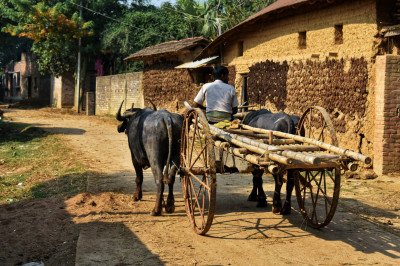 @@The Rural Charm of Kyari: Kyari Village is a hidden treasure for those who want to experience the authentic rural life of Uttarakhand. Unlike the commercialized parts of Ramnagar, Kyari has managed to preserve its traditional roots. The village is surrounded by dense forests on three sides and a seasonal stream on the fourth. The residents are primarily farmers who practice organic agriculture, and in recent years, they have embraced eco-tourism. A visit to Kyari allows you to walk through mustard fields, see how "Aloo ke Gutke" (a local potato dish) is prepared on wood fires, and stay in mud-plastered cottages. It is an "open-air classroom" for sustainable living. The village is also a hotspot for adventure activities like body surfing in the local canals and night forest walks (with guides). The absence of loud music and city lights makes it a perfect place for soul-searching. It is one of the few places where you can see the coexistence of humans and wildlife—it's not uncommon to see a leopard's pugmarks in a farmer's field the morning after.
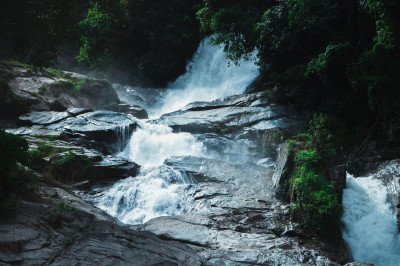 @@ General Description: Virgin Falls of Chunakhan, also known as Barati Rau Falls, is one of the most secluded and pristine waterfalls in the Corbett region. As the name suggests, it has remained largely "virgin" or untouched by large-scale commercialization, offering a raw and authentic nature experience. To reach the falls, one must embark on a short but exhilarating trek through a dense teak and bamboo forest, which adds to the sense of discovery. The waterfall drops from a significant height into a naturally formed turquoise pool, surrounded by moss-covered rocks and towering trees that filter the sunlight. The sound of the water crashing against the stones is the only melody that breaks the silence of the deep forest. Unlike other tourist spots, there are no concrete structures or shops here, allowing visitors to connect deeply with the wilderness. The water is incredibly pure and is often used by local wildlife as a drinking source, so sightings of deer or exotic birds are common. This destination is for the true explorer who values solitude and the rugged beauty of the Uttarakhand forests. The mist generated by the falling water creates a magical atmosphere, especially during the early morning hours. It is a place that demands respect for nature, urging visitors to leave nothing but footprints and take nothing but memories. The journey to the falls is as beautiful as the destination itself, passing through small hamlets and vibrant forest patches. :
@@The Garija Devi Wildlife Park (often referred to as the Garjiya Safari Zone) is a unique blend of religious significance and wild adventure. Named after the famous temple perched on a rock in the Kosi River, this zone serves as a vital corridor for tigers and elephants. It is one of the most popular safari zones in Corbett due to its diverse landscape, which includes dense Sal forests, open grasslands (Chours), and the rocky bed of the Kosi River. The park is famous for its high frequency of tiger sightings, as the terrain allows for better visibility compared to the thicker parts of the park. Visitors can enjoy Jeep safaris that take them deep into the forest, where they can observe the complex ecosystem of the Terai region. The park is also a birdwatcher's delight, with hundreds of species residing near the riverbanks. The coexistence of the sacred temple and the wild animals creates a unique atmosphere of reverence for nature. It is an ideal spot for families who want to combine a pilgrimage with a wildlife experience. The zone is well-managed by the forest department, ensuring a balanced flow of vehicles to minimize disturbance to the animals.
@@ General Description: The Kedar Suspension Bridge, locally known as Jhula Pul, is an iconic landmark that spans the gushing Kosi River. It serves as a symbolic gateway between the bustling tourist hubs of Dhikuli and the spiritual serenity of the Garjiya Devi Temple area. This bridge is a marvel of local engineering, designed to withstand the high-velocity winds and the rising water levels of the river during the monsoon. Walking across the bridge is an adventure in itself, as the structure sways gently with every step, offering a thrilling perspective of the riverbed below. The bridge is surrounded by a canopy of ancient trees and provides a panoramic view of the Corbett landscape, including the distant foothills of the Himalayas. It has been a silent witness to the region's transformation from a remote forest area to a world-renowned wildlife destination. The rhythmic sound of the river flowing over large boulders beneath the bridge creates a meditative ambiance that attracts thousands of visitors. It is a place where history meets nature, as the older bridge nearby tells stories of a bygone era when such crossings were the only lifelines for local villagers. Today, it stands as a testament to the resilience of the local infrastructure and remains a favorite spot for tourists to stop and soak in the raw beauty of the Kosi valley. :
Ramnagar Town is the bustling heart and the primary entry point for anyone visiting the Jim Corbett National Park. Established in the mid-19th century by Commissioner H. Ramsay, the town has evolved from a small British settlement into a major tourism hub. It is situated on the banks of the Kosi River and acts as the administrative headquarters for the tiger reserve. The town is a melting pot of Kumaoni culture, where traditional markets coexist with modern cafes and wildlife resorts. Ramnagar is famous for its vast fruit orchards, particularly Litchis and Mangoes, which fill the air with a sweet aroma during the summer months. For the traveler, it serves as the essential stop for supplies, safari bookings, and transport arrangements. The town's atmosphere is one of anticipation, as jeeps filled with excited tourists head out toward the various forest gates every morning. Beyond its role as a gateway, Ramnagar has its own charm, with old temples like the Hanuman Dham and the bustling main market where one can find local handicrafts and pahadi spices. It is the only place in the region with full urban amenities, including hospitals, banks, and major transport junctions. Whether you are looking for a luxury resort on the outskirts or a budget guesthouse in the center, Ramnagar provides the perfect base to explore the entire Corbett landscape.Show All
@@The Crocodile View Point is a specialized observation deck located near the village of Marchula, on the banks of the Ramganga River. This location is famous for offering a safe and elevated vantage point to see the two primary species of crocodiles found in India: the Mugger and the Gharial. Unlike the dense jungle safaris, this spot focuses on the river ecosystem where the reptiles bask in the sun on the sandy banks during the winter months. The drive to Marchula is itself a treat, winding through hilly terrain with the river flowing deep in the valley below. The observation point is strategically placed where the river bends, creating natural sandbars that crocodiles prefer for resting. It is a peaceful spot where one can sit for hours with a telescope or binoculars, observing the slow-moving life of the river. The area is also a hotspot for anglers, as the Ramganga is famous for the Golden Mahseer fish. The surrounding cliffs and the iconic Marchula suspension bridge add a dramatic backdrop to the wildlife viewing experience. It is an essential stop for those who want to see a different side of Corbett's biodiversity beyond the Tiger.
Information
-
Why Famous:
Why Famous Place:
Tiger Conservation: Corbett is globally famous for being the launchpad of Project Tiger in 1973, aimed at protecting the national animal. It holds the highest density of tigers in any Indian park.
Read MoreWhy Famous Place:
Tiger Conservation: Corbett is globally famous for being the launchpad of Project Tiger in 1973, aimed at protecting the national animal. It holds the highest density of tigers in any Indian park.
Natural Landscapes: The park's varied topography, including hills, marshes, and riverbeds, makes it a scenic paradise for nature lovers and researchers.How To Reach:
Place How to Reach:
By Air: The nearest airport is Pantnagar, located about 80 KM away, with regular flights from Delhi and other major Indian cities.
By Train: Ramnagar Railway Station is the closest railhea...Place How to Reach:
By Air: The nearest airport is Pantnagar, located about 80 KM away, with regular flights from Delhi and other major Indian cities.
By Train: Ramnagar Railway Station is the closest railhead, situated just 12 KM from the park entrance, well-connected to Delhi via overnight trains.
By Road: Corbett is easily accessible via NH34, with a driving distance of roughly 260 KM from Delhi, taking about 6 hours.
Local Transport: Taxis and shared autos are readily available at Ramnagar station to transport visitors to their respective resorts or park gates.Weather and Best Time to Visit:
Place Best Time to Visit:
Winter Season: November to February is the best time for birdwatching and exploring all zones, with temperatures ranging from 5°C to 25°C.
Summer Season: March to June is ideal for...Place Best Time to Visit:
Winter Season: November to February is the best time for birdwatching and exploring all zones, with temperatures ranging from 5°C to 25°C.
Summer Season: March to June is ideal for tiger sightings as animals frequent water bodies to quench their thirst during the heat.Near Tourist Places:
1. Nainital (65 KM), 2. Ranikhet (90 KM), 3. Bhimtal (80 KM), 4. Mukteshwar (110 KM), 5. Almora (125 KM), 6. Sattal (85 KM), 7. Naukuchiatal (90 KM), 8. Kausani (150 KM), 9. Pangot (80 KM), 10. Lansdowne (120 KM)Tourism Tips
-
Place Tourism Tips:
Safari Booking: Always book your safari permits online at least 45 days in advance via the official government portal to avoid last-minute disappointments.
Packing Essentials: Carry neutra...Place Tourism Tips:
Safari Booking: Always book your safari permits online at least 45 days in advance via the official government portal to avoid last-minute disappointments.
Packing Essentials: Carry neutral-colored clothing like olive or beige to blend in, along with sturdy binoculars and high-SPF sunscreen for day trips.
Health and Safety: Strictly follow guide instructions, never get out of the vehicle, and keep a first-aid kit with basic medicines for motion sickness.
Accommodation: Stay inside forest rest houses for an immersive experience, but remember that electricity and mobile networks are very limited there.
Reviews
FAQs
Corbett Itineray And Cost:-
Other Places In Uttarakhand :-
Other States In India :-
Information about New and Updated Locations() of Uttarakhand Has Been Added :-
Card subtitle
Note:-
Information provided here in good Faith and for reference only.
Near Places
Chakrata
Some quick example text to build on the card title and make up the bulk of the card's content.
Go somewhere
Chamba
Some quick example text to build on the card title and make up the bulk of the card's content.
Go somewhere
Chamoli
Some quick example text to build on the card title and make up the bulk of the card's content.
Go somewhere
Champawat
Some quick example text to build on the card title and make up the bulk of the card's content.
Go somewhere
Chopta
Some quick example text to build on the card title and make up the bulk of the card's content.
Go somewhere
Corbett
Some quick example text to build on the card title and make up the bulk of the card's content.
Go somewhere
Dehradun
Some quick example text to build on the card title and make up the bulk of the card's content.
Go somewhere
Dhanaulti
Some quick example text to build on the card title and make up the bulk of the card's content.
Go somewhere
Gwaldam
Some quick example text to build on the card title and make up the bulk of the card's content.
Go somewhere
Haldwani
Some quick example text to build on the card title and make up the bulk of the card's content.
Go somewhere
Haridwar
Some quick example text to build on the card title and make up the bulk of the card's content.
Go somewhere
Joshimath
Some quick example text to build on the card title and make up the bulk of the card's content.
Go somewhere
Kanatal
Some quick example text to build on the card title and make up the bulk of the card's content.
Go somewhere
Kashipur
Some quick example text to build on the card title and make up the bulk of the card's content.
Go somewhere
Kausani
Some quick example text to build on the card title and make up the bulk of the card's content.
Go somewhere
Kedarnath
Some quick example text to build on the card title and make up the bulk of the card's content.
Go somewherein Other Cities