

Champawat
General information
-
Ideal Duration:
2 to 3 Days.Place Type:
Heritage, Spiritual, Nature.Entry Fees:
Temple and Fort Access: There is no entry fee for the Baleshwar Temple, Nagnath Temple, or the town of Champawat. These are public religious and heritage sites open to all devotees and tourists. Similarly, visiting the ruins of Banasur Ka Kila or the Ek Hathiya Ka Naula is...Temple and Fort Access: There is no entry fee for the Baleshwar Temple, Nagnath Temple, or the town of Champawat. These are public religious and heritage sites open to all devotees and tourists. Similarly, visiting the ruins of Banasur Ka Kila or the Ek Hathiya Ka Naula is free of cost. This makes Champawat an excellent destination for history buffs and budget travelers. The spiritual and historical heritage is accessible to everyone without any financial barrier. Donations for the upkeep of temples are purely voluntary.
Special Site Fees: Visiting the Meetha Reetha Sahib or the Purnagiri Temple is free, but there might be small charges for parking and shoe-keeping. At Abbott Mount, there is no entry fee, but if you wish to stay in the colonial cottages, the room rates vary. Angling at Pancheshwar requires a mandatory permit from the forest department, which costs around 500 to 1,000 INR per day for Indians. Hiring a professional angling guide and equipment can cost an additional 2,000 to 5,000 INR. These fees ensure the conservation of the river ecosystem and regulated fishing.Timing:
Regular Timings: The ancient temples in Champawat like Baleshwar are usually open from 6:00 AM to 8:00 PM. Abbott Mount and the local viewpoints can be visited anytime during the day, but 8:00 AM to 6:00 PM is recommended for safety. The local markets are active from 10:00...Regular Timings: The ancient temples in Champawat like Baleshwar are usually open from 6:00 AM to 8:00 PM. Abbott Mount and the local viewpoints can be visited anytime during the day, but 8:00 AM to 6:00 PM is recommended for safety. The local markets are active from 10:00 AM to 7:00 PM. Since the town is relatively quiet, most activities wind down after sunset. It is a place that follows the natural rhythm of the day. The Meetha Reetha Sahib Gurudwara is open throughout the day for devotees and travelers.
Ideal Visit Time: The best time to explore the heritage sites is in the early morning at 7:30 AM when the light is soft and the atmosphere is calm. For the trek to Banasur Ka Kila, starting around 9:00 AM is ideal to avoid the midday heat. The tea gardens are most beautiful in the misty mornings between 7:00 AM and 9:00 AM. During the winter, the sun feels very pleasant, so the entire day is suitable for sightseeing. If you are visiting for the Devidhura Fair, ensure you reach the site a few hours before the main event to get a good spot.Special Events:
Devidhura Bagwal Fair: Held at the Varahi Devi Temple on the day of Rakshabandhan, this is one of the most unique and thrilling festivals in India. Traditionally, two groups of people engage in a ritualistic "stone-pelting" battle to please the goddess. In recent years, st...Devidhura Bagwal Fair: Held at the Varahi Devi Temple on the day of Rakshabandhan, this is one of the most unique and thrilling festivals in India. Traditionally, two groups of people engage in a ritualistic "stone-pelting" battle to please the goddess. In recent years, stones have been replaced by fruits and flowers to ensure safety, but the spirit of the event remains. Thousands of people gather to watch this display of valor and devotion. The rhythm of the traditional drums and the energy of the participants are awe-inspiring. It is a must-see for anyone interested in rare cultural traditions.
Purnagiri Mela: This fair is held during the Navratri period at the Purnagiri Temple and lasts for nearly two months. It is one of the largest religious gatherings in the Kumaon region, with millions of devotees visiting the shrine. The entire path to the temple is lined with shops and resting places, creating a festive atmosphere. The views from the temple during the fair are spectacular, as you can see the lights of the towns in the plains. It is a time of intense devotion, community service, and spiritual celebration.Best Photo Spots:
Baleshwar Temple Carvings: The intricate stone carvings of the Baleshwar Temple are a must-photograph for any art lover. You can use a macro lens to capture the fine details of the sculptures and the patterns on the pillars. The play of light and shadow on the grey stone w...Baleshwar Temple Carvings: The intricate stone carvings of the Baleshwar Temple are a must-photograph for any art lover. You can use a macro lens to capture the fine details of the sculptures and the patterns on the pillars. The play of light and shadow on the grey stone walls creates very dramatic and deep architectural shots. The symmetry of the temple and the surrounding smaller shrines provide great opportunities for wide-angle compositions. It is a place where you can spend hours just focusing on the craftsmanship of the medieval era. The historical vibe is palpable in every frame.
Abbott Mount Viewpoint: This spot offers a stunning panoramic view of the Himalayan peaks, including Trishul and Nanda Devi. The old colonial-style church surrounded by tall deodar trees provides a very atmospheric and "old-world" frame. You can capture the misty mornings where the church seems to emerge from the clouds. The wide-open meadows are perfect for landscape shots and for capturing the vastness of the Kumaon hills. It is also a great place for night photography and capturing the star-filled sky. The peacefulness of the location translates beautifully into the photos.
Pancheshwar River Confluence: The meeting point of the Kali and Saryu rivers at Pancheshwar is a powerful and scenic subject. You can capture the swirling waters of the two rivers as they merge amidst the deep green valleys. The ancient Chaumu Temple on the bank adds a spiritual element to the landscape. During the golden hour, the light reflecting off the water and the surrounding hills is magical. It is also a great spot to photograph the local fishermen and the traditional wooden boats. The raw and rugged beauty of the border region is very photogenic.
Champawat Tea Gardens: The lush green tea estates of Champawat offer beautiful patterns and textures for photography. You can capture the neat rows of tea bushes that follow the contours of the hills. The early morning mist rising from the tea gardens creates a very serene and ethereal atmosphere. You can also photograph the tea pickers in their traditional gear, adding a human element to the landscape. The contrast of the green tea leaves against the blue mountain sky is very vibrant. It is a soothing and visually pleasing location for any photographer.Photo Gallery
Things To Do
 @@Historical Significance: This ancient temple, located in the scenic Ramak village, is a rare shrine dedicated to both Surya Devta (Sun God) and Lord Shiva, hence its popular local name Shivaditya Temple: @@Legends of Pandavas: Local folklore suggests that the Pandavas visited this sacred spot during their exile (agyatvas) and consecrated the Shivalinga here, adding a layer of deep mythological significance to the place: @@Chand Dynasty Connection: The temple is believed to have been established by the kings of the Chand Dynasty sometime in the 16th century, making it a vital heritage site reflecting the regional architectural and religious history: @@Natural Surroundings: It is surrounded by majestic hills, lush biodiversity, and tranquil nature, providing a serene environment for worship and meditation away from the hustle of city life.:
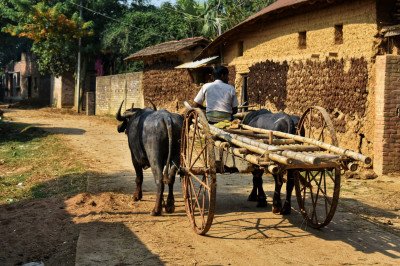 @@Place Details: Tamli Village is one of the most remote and culturally rich villages in the Champawat district, situated right on the edge of the India-Nepal border along the Kali river. This village serves as a living museum of traditional Kumaoni architecture and lifestyle, where ancient customs are still practiced with great fervor. The village is surrounded by steep mountains and dense forests, providing a dramatic backdrop to the stone-walled houses with slate roofs. Historically, Tamli was an important trade post on the route to Nepal and Tibet, and one can still find old merchant houses with intricately carved wooden doors and windows. The people of Tamli are known for their hospitality and their deep-rooted connection to the land, primarily engaging in terraced farming and animal husbandry. The village offers a glimpse into a world where modern technology has only recently begun to arrive, allowing visitors to experience life in its purest form. The trek to Tamli or the drive along the mountain ridges offers breathtaking views of the river valleys below. It is a place for the true explorer who wants to go beyond the tourist maps and discover the "Last Village" feel. The silence of the village is punctuated only by the roar of the Kali river in the distance and the sounds of rural life. During the winters, the village often sees light snowfall, turning it into a white wonderland. The local cuisine here, featuring dishes like Bhatt ki Churkani and Mandua ki Roti, is a highlight for food enthusiasts. Tamli is not just a destination; it is an experience of human resilience and cultural preservation in the lap of the Himalayas. :
 Henry Waterfall is a magnificent natural wonder located in the serene district of Champawat. This stunning 40-foot waterfall is named after a British officer, Henry Ramsay, who frequently visited the spot during the 19th century. Surrounded by dense green forests and rugged mountain terrains, the waterfall provides a refreshing escape for travelers. The sound of water crashing against the rocks creates a rhythmic melody that soothes the soul. The water flows from a significant height, forming a cool pool at the base where visitors often relax. Over the years, the local government has improved the site under rural employment schemes to make it more accessible. It remains one of the most picturesque and tranquil spots in the Kumaon region, offering a blend of history and nature. The lush greenery surrounding the falls is home to various bird species, making it a treat for nature lovers. Many tourists find this place to be a hidden paradise away from the crowded city life. It is especially vibrant during the September and October months when the monsoon has just passed. The site is well-maintained and provides a clean environment for families and solo travelers alike.
@@Deity and Status: Dedicated to Goddess Nanda Devi, the patron deity of the Kumaon region and the most revered Goddess of the Chand Dynasty, this temple holds immense cultural and religious importance: @@Historical Connection: The temple is located very close to, or is often a part of, the historical Baleshwar Temple complex, reflecting the tight integration of royal and religious life when Champawat was the Chand capital: @@Confusion with Almora: It is important to note that the main, grander Nanda Devi Temple and the famous annual Nanda Devi Mela are located in Almora; this Champawat shrine is the ancient, original shrine that preceded the Almora one: @@The Goddess's Idol: The sacred image or idol of Goddess Nanda is highly revered and draws local devotees throughout the year.:
@@Historical Overview: Ek Hathiya Ka Naula (meaning 'The well of the one-handed man') is a unique, ancient stone water reservoir (Naula) and a masterpiece of Kumaoni folk architecture dating back to the 14th century under the Chand Dynasty: @@The Legend of Jagannath: It is famous for the local legend that a highly skilled but one-handed artisan, Jagannath Mistry, carved the entire intricate structure in the course of a single night to prove his prowess after facing discrimination: @@Architectural Uniqueness: The structure is a blend of a functional water tank and a highly ornate mini-temple, adorned with intricate, beautiful stone carvings that captivate visitors: @@Cultural Significance: This site symbolizes the resilience of human spirit and craftsmanship, standing as a historical testament to the ingenuity of the local artisans in the Kumaon region.:
Meetha Reetha Sahib is a highly revered Sikh pilgrimage site situated at the confluence of the Lodhiya and Ratiya rivers. This sacred spot is famous for a miracle associated with Guru Nanak Dev Ji, the founder of Sikhism, who visited this place in 1501. Legend has it that during his discussion with Gorakhpanthi yogis, his companion Bhai Mardana felt hungry. Guru Nanak told him to eat the fruit of a soapnut (Reetha) tree nearby. Normally, these fruits are extremely bitter, but the ones on the branch under which the Guru sat turned miraculously sweet. Today, the Gurudwara, constructed in 1960, stands as a testament to this event. Pilgrims from all over the world visit to receive the "Sweet Reetha" as prasad. The Gurudwara complex is pristine white, contrasting beautifully with the surrounding green hills. The atmosphere is filled with the sounds of Gurbani and the peaceful flow of the rivers. The site also includes a temple dedicated to Dhernath, reflecting the communal harmony of the region. A large fair is held here every year on Baisakhi Poornima, attracting thousands of devotees. The journey to the Gurudwara takes you through some of the most scenic parts of the Kumaon hills, crossing small villages and dense forests. It is not just a religious site but a place of immense natural beauty and historical importance.
Abbott Mount is a quaint and serene hill station situated at an elevation of 1,981 meters. It was established by a British businessman named John Harold Abbott in the early 20th century, who wanted a retreat from the summer heat of the plains. The place is famous for its cluster of 13 colonial-style cottages spread across five acres of lush forest. It offers a breathtaking panoramic view of the snow-capped Himalayan peaks like Nanda Devi and Trishul. The atmosphere here is eerie yet peaceful, often described as a "ghost town" due to its sparse population and historical hospital. It is a perfect spot for those seeking solitude and nature in its purest form.Show All
@@Place Details: Pokhari Himalayas View Point, often referred to as Maunpokhari, is a hidden treasure located near the village of Punaithi in the Champawat district. This spot is renowned for offering one of the most unobstructed and panoramic views of the central Himalayan range, including peaks like Nanda Devi, Trishul, and Panchachuli. Unlike the more crowded viewpoints in Nainital or Mussoorie, Pokhari provides a tranquil environment where the only sounds are the whistling wind and distant bells of grazing cattle. The name "Pokhari" comes from a small, serene pond located at the top, which reflects the blue sky and the surrounding oak trees. The trek to the viewpoint is relatively easy, passing through beautiful rhododendron forests that bloom in vibrant shades of red and pink during the spring. This location is a favorite among local landscape photographers who come here to capture the first rays of the sun hitting the snow-capped peaks. The air here is exceptionally pure, and on clear days, the visibility is so high that one can see the intricate ridges of the distant mountains. Historically, this area was a grazing ground for local shepherds, who used the "Pokhari" (pond) to water their sheep. Today, it has evolved into a peaceful retreat for those looking to escape the hustle of city life. The viewpoint remains largely undeveloped, which adds to its raw and authentic charm. It is an ideal spot for meditation, as the vastness of the mountains evokes a sense of spiritual humbleness. The surrounding slopes are dotted with terraced fields, showing the traditional agricultural practices of the Kumaoni people. Visiting Pokhari is like stepping into a postcard, where nature's grandeur is on full display without any artificial interference. :
Henry Waterfall is a magnificent natural wonder located in the serene district of Champawat. This stunning 40-foot waterfall is named after a British officer, Henry Ramsay, who frequently visited the spot during the 19th century. Surrounded by dense green forests and rugged mountain terrains, the waterfall provides a refreshing escape for travelers. The sound of water crashing against the rocks creates a rhythmic melody that soothes the soul. The water flows from a significant height, forming a cool pool at the base where visitors often relax. Over the years, the local government has improved the site under rural employment schemes to make it more accessible. It remains one of the most picturesque and tranquil spots in the Kumaon region, offering a blend of history and nature. The lush greenery surrounding the falls is home to various bird species, making it a treat for nature lovers. Many tourists find this place to be a hidden paradise away from the crowded city life. It is especially vibrant during the September and October months when the monsoon has just passed. The site is well-maintained and provides a clean environment for families and solo travelers alike.
@@Deity and Status: Dedicated to Goddess Nanda Devi, the patron deity of the Kumaon region and the most revered Goddess of the Chand Dynasty, this temple holds immense cultural and religious importance: @@Historical Connection: The temple is located very close to, or is often a part of, the historical Baleshwar Temple complex, reflecting the tight integration of royal and religious life when Champawat was the Chand capital: @@Confusion with Almora: It is important to note that the main, grander Nanda Devi Temple and the famous annual Nanda Devi Mela are located in Almora; this Champawat shrine is the ancient, original shrine that preceded the Almora one: @@The Goddess's Idol: The sacred image or idol of Goddess Nanda is highly revered and draws local devotees throughout the year.:
@@Historical Overview: Ek Hathiya Ka Naula (meaning 'The well of the one-handed man') is a unique, ancient stone water reservoir (Naula) and a masterpiece of Kumaoni folk architecture dating back to the 14th century under the Chand Dynasty: @@The Legend of Jagannath: It is famous for the local legend that a highly skilled but one-handed artisan, Jagannath Mistry, carved the entire intricate structure in the course of a single night to prove his prowess after facing discrimination: @@Architectural Uniqueness: The structure is a blend of a functional water tank and a highly ornate mini-temple, adorned with intricate, beautiful stone carvings that captivate visitors: @@Cultural Significance: This site symbolizes the resilience of human spirit and craftsmanship, standing as a historical testament to the ingenuity of the local artisans in the Kumaon region.:
Meetha Reetha Sahib is a highly revered Sikh pilgrimage site situated at the confluence of the Lodhiya and Ratiya rivers. This sacred spot is famous for a miracle associated with Guru Nanak Dev Ji, the founder of Sikhism, who visited this place in 1501. Legend has it that during his discussion with Gorakhpanthi yogis, his companion Bhai Mardana felt hungry. Guru Nanak told him to eat the fruit of a soapnut (Reetha) tree nearby. Normally, these fruits are extremely bitter, but the ones on the branch under which the Guru sat turned miraculously sweet. Today, the Gurudwara, constructed in 1960, stands as a testament to this event. Pilgrims from all over the world visit to receive the "Sweet Reetha" as prasad. The Gurudwara complex is pristine white, contrasting beautifully with the surrounding green hills. The atmosphere is filled with the sounds of Gurbani and the peaceful flow of the rivers. The site also includes a temple dedicated to Dhernath, reflecting the communal harmony of the region. A large fair is held here every year on Baisakhi Poornima, attracting thousands of devotees. The journey to the Gurudwara takes you through some of the most scenic parts of the Kumaon hills, crossing small villages and dense forests. It is not just a religious site but a place of immense natural beauty and historical importance.
Abbott Mount is a quaint and serene hill station situated at an elevation of 1,981 meters. It was established by a British businessman named John Harold Abbott in the early 20th century, who wanted a retreat from the summer heat of the plains. The place is famous for its cluster of 13 colonial-style cottages spread across five acres of lush forest. It offers a breathtaking panoramic view of the snow-capped Himalayan peaks like Nanda Devi and Trishul. The atmosphere here is eerie yet peaceful, often described as a "ghost town" due to its sparse population and historical hospital. It is a perfect spot for those seeking solitude and nature in its purest form.Show All
@@Place Details: Pokhari Himalayas View Point, often referred to as Maunpokhari, is a hidden treasure located near the village of Punaithi in the Champawat district. This spot is renowned for offering one of the most unobstructed and panoramic views of the central Himalayan range, including peaks like Nanda Devi, Trishul, and Panchachuli. Unlike the more crowded viewpoints in Nainital or Mussoorie, Pokhari provides a tranquil environment where the only sounds are the whistling wind and distant bells of grazing cattle. The name "Pokhari" comes from a small, serene pond located at the top, which reflects the blue sky and the surrounding oak trees. The trek to the viewpoint is relatively easy, passing through beautiful rhododendron forests that bloom in vibrant shades of red and pink during the spring. This location is a favorite among local landscape photographers who come here to capture the first rays of the sun hitting the snow-capped peaks. The air here is exceptionally pure, and on clear days, the visibility is so high that one can see the intricate ridges of the distant mountains. Historically, this area was a grazing ground for local shepherds, who used the "Pokhari" (pond) to water their sheep. Today, it has evolved into a peaceful retreat for those looking to escape the hustle of city life. The viewpoint remains largely undeveloped, which adds to its raw and authentic charm. It is an ideal spot for meditation, as the vastness of the mountains evokes a sense of spiritual humbleness. The surrounding slopes are dotted with terraced fields, showing the traditional agricultural practices of the Kumaoni people. Visiting Pokhari is like stepping into a postcard, where nature's grandeur is on full display without any artificial interference. :Information
-
Why Famous:
Ancient Chand Dynasty Capital: Champawat is famous for its rich historical legacy as the capital of the Chand rulers of Kumaon. The town is a living museum of medieval stone architecture and Kumaoni heritage. Sites like the Baleshwar Temple and the Nagnath Temple are renow...Ancient Chand Dynasty Capital: Champawat is famous for its rich historical legacy as the capital of the Chand rulers of Kumaon. The town is a living museum of medieval stone architecture and Kumaoni heritage. Sites like the Baleshwar Temple and the Nagnath Temple are renowned for their intricate stone carvings and religious importance. History enthusiasts come here to study the evolution of the Kumaon region and its royal past. The town's historical depth is unmatched in the eastern part of the state.
The Legend of Jim Corbett: The town gained international fame through the writings of Jim Corbett, who hunted the infamous Champawat Tiger here. This man-eater was responsible for over 400 deaths, and its elimination marked the beginning of Corbett’s career as a conservationist. Many travelers visit the area to see the locations mentioned in his book "Man-Eaters of Kumaon. " The thrill of being in the land of legends and big cats adds a layer of excitement to the visit. It is a place where history and wildlife lore converge.
Spiritual and Natural Retreats: Champawat is famous for the Purnagiri Temple, which attracts millions of devotees during the Navratri fair. The town also offers the peaceful Meetha Reetha Sahib, a sacred site where Guru Nanak Dev is said to have stayed. For nature lovers, Abbott Mount provides a quiet colonial charm with panoramic views of the Himalayan peaks. The blend of powerful spiritual sites and serene natural landscapes makes it a versatile destination. It is a place that caters to both the soul and the eyes. -
Architecture:
Chand Dynasty Stone Craft: The architecture in Champawat is dominated by the exquisite stone carvings of the Chand era. The Baleshwar Temple complex is the finest example, featuring detailed sculptures of gods, goddesses, and mythical creatures. The stone used is a locally...Chand Dynasty Stone Craft: The architecture in Champawat is dominated by the exquisite stone carvings of the Chand era. The Baleshwar Temple complex is the finest example, featuring detailed sculptures of gods, goddesses, and mythical creatures. The stone used is a locally sourced dark grey rock that allows for high-precision carving. The temples follow the Indo-Aryan style, with a heavy emphasis on the "Mandapa" (hall) and the "Shikhara. " The craftsmanship is so fine that even the smallest floral patterns are clearly visible after centuries of weathering.
Dimensions and Layout: The Baleshwar Temple stands on a raised platform, with the main spire reaching a height of nearly 40 feet. The assembly hall or Mandapa is a rectangular space measuring approximately 20x15 feet, supported by carved stone pillars. The temple complex includes several smaller shrines, each meticulously placed to create a symmetrical layout. The "Naula" or stone step-well in the town is another architectural marvel, measuring about 30x30 feet. These structures were designed to be both functional water sources and beautiful social gathering spots.
Colonial and Local Blend: Parts of Champawat, like Abbott Mount, feature European-style cottage architecture from the early 20th century. These cottages are characterized by stone chimneys, wooden floorboards, and large glass windows to capture the mountain views. The dimensions of these cottages are usually around 1,500 square feet, designed as cozy retreats for British officials. The blend of ancient stone temples and colonial cottages gives Champawat a unique architectural skyline. Modern residences in the town are now adopting concrete, yet many still use traditional stone facades to honor the local aesthetic. -
How To Reach:
By Air: The nearest airport to Champawat is Pantnagar Airport, located approximately 160 KMS away. The airport has limited connectivity, mainly with Delhi. From Pantnagar, you can hire a taxi or take a bus to reach Champawat, which takes about 5 to 6 hours. Alternatively,...By Air: The nearest airport to Champawat is Pantnagar Airport, located approximately 160 KMS away. The airport has limited connectivity, mainly with Delhi. From Pantnagar, you can hire a taxi or take a bus to reach Champawat, which takes about 5 to 6 hours. Alternatively, some travelers use the Naini Saini Airport in Pithoragarh, which is closer (75 KMS) but has very infrequent flights. Most international and domestic travelers prefer to fly into Delhi and then take a train or road transport. The drive from the airport to the hills is a beautiful transition from the plains to the Kumaon mountains.
By Train: The nearest railway station is Tanakpur, which is about 75 KMS from Champawat. Tanakpur is well-connected by trains from Delhi, Lucknow, and Bareilly. From the station, you can find numerous shared taxis and state-run buses that take you up to Champawat in about 3 hours. The road from Tanakpur is a steady climb with several hairpin bends and great views of the Sharda River. Kathgodam Railway Station (150 KMS) is another major option with better train connectivity, from where you can take a bus or taxi via Almora or Devidhura. The rail-road combination is the most popular way to reach the town.
By Road: Champawat is well-connected by road to major cities in Uttarakhand and neighboring states. It is about 420 KMS from Delhi, taking around 10 to 12 hours. The route usually goes through Moradabad, Bareilly, and Tanakpur. Regular buses run from the Anand Vihar ISBT in Delhi. The roads in the Kumaon region are generally well-maintained and offer a smooth driving experience. Driving through the lush forests of the Terai and then into the mountains is a highlight of the journey. The town also has good road links to Almora, Pithoragarh, and Nainital, making it a part of many Kumaon tour circuits.
By Local Transport: Local transport in Champawat consists of shared taxis, jeeps, and state-run buses that connect the town with nearby villages and attractions. For exploring the town center and heritage sites like the Baleshwar Temple, walking is the best and most enjoyable option. For visiting places like Abbott Mount or Pancheshwar, you can hire a private taxi for the day. Shared cabs are a very economical way to travel between Champawat and Lohaghat. The local people are very helpful, and the transport system is quite straightforward. Hiring a local guide for heritage walks is also a good idea to understand the history better. -
Weather and Best Time to Visit:
Spring and Summer: The months of March to June are the best for exploring the heritage and natural beauty of Champawat. The weather is very pleasant, and the entire landscape is vibrant with new growth. This is the ideal time for visiting the tea gardens and for trekking t...Spring and Summer: The months of March to June are the best for exploring the heritage and natural beauty of Champawat. The weather is very pleasant, and the entire landscape is vibrant with new growth. This is the ideal time for visiting the tea gardens and for trekking to the various viewpoints. The clear weather ensures that you get the best views of the Himalayan ranges. It is the perfect time for family trips and cultural exploration. The local festivals like the Purnagiri Mela also take place during this period.
Autumn and Winter: September to November is another great time, with clear post-monsoon skies and crisp air. The mountains are clearly visible, and the weather is perfect for outdoor photography. December to February is the winter season, which can be cold but is very scenic. The town occasionally receives snow, and the surrounding pine forests look beautiful with a dusting of white. This is a good time for those who seek solitude and want to experience the quiet side of the Kumaon hills. The winter festivals add a cultural charm to the season.
Day and Night: The best time of the day is early morning (7:00 AM to 9:30 AM) for visiting temples and enjoying the misty tea gardens. The late afternoon (3:30 PM to 5:30 PM) is the best time for hiking and capturing the golden light on the ancient stone carvings. Evenings are very quiet and peaceful, ideal for a stroll through the town or a quiet dinner. The nights are dark and clear, perfect for observing the constellations. It is a town that sleeps early, so it is best to finish your outdoor activities by 7:00 PM. The soft light of the morning is most flattering for the town's heritage architecture. -
Near Tourist Places:
1. Baleshwar Temple (0. 5 KM), 2. Abbott Mount (20 KM), 3. Lohaghat (14 KM), 4. Banasur Ka Kila (20 KM), 5. Purnagiri Temple (75 KM), 6. Meetha Reetha Sahib (70 KM), 7. Pancheshwar (40 KM), 8. Pithoragarh (75 KM), 9. Tanakpur (75 KM), 10. Devidhura (45 KM).
Tourism Tips
-
Health & Safety: Champawat is at a moderate altitude, so AMS is generally not an issue, but the winding roads can cause motion sickness. The region is known for its leopards, so avoid walking in isolated forest areas after sunset. When visiting the Pancheshwar confluence, ...Health & Safety: Champawat is at a moderate altitude, so AMS is generally not an issue, but the winding roads can cause motion sickness. The region is known for its leopards, so avoid walking in isolated forest areas after sunset. When visiting the Pancheshwar confluence, be careful of the strong river currents and follow the advice of local guides. Ensure you have the necessary permits for angling before starting. The town is very safe for tourists, but it's always good to stay alert in crowded market areas. Carry a basic first-aid kit and your regular medicines.
Packing: Comfortable walking shoes or light hiking boots are best for exploring the temples and forts. Pack light woolens for the summer and heavy winter wear if visiting between December and February. A good pair of binoculars is highly recommended for birdwatching and mountain viewing. Carry a sun hat, sunglasses, and a good sunscreen for the daytime. A small umbrella or raincoat is useful for the unpredictable mountain showers. If you are into photography, bring a tripod for those beautiful sunset and heritage shots. A reusable water bottle will help you stay hydrated while exploring.
Accommodation: The town has several budget and mid-range hotels, as well as the government-run KMVN tourist rest house. For a more unique experience, stay at a colonial-style cottage in Abbott Mount or a riverside camp in Pancheshwar. Homestays in the local Kumaoni villages offer a warm and authentic experience of the local culture and food. During the Purnagiri Mela, it is essential to book your stay well in advance as the entire region gets very crowded. Most accommodations are simple but provide all the basic necessities. Many properties offer stunning views of the Himalayan ranges directly from the balcony.
Other Tips: The local Kumaoni food, especially "Bhatt ki Churkani" and "Bal Mithai," is a must-try. Support the local economy by buying hand-knitted woolens and local honey. Respect the local customs and traditions when visiting the ancient temples. The town is a great place to learn about the history of the Chand Dynasty, so consider hiring a local guide for a day. Mobile connectivity is generally good in the town, but can be weak in the deeper valleys. ATMs are available in the main market. Champawat is a place for quiet reflection and historical discovery, so take it slow and enjoy the peaceful atmosphere.
Reviews
FAQs
Champawat Itineray And Cost:-
Other Places In Uttarakhand :-
Other States In India :-
Information about New and Updated Locations() of Uttarakhand Has Been Added :-
Card subtitle
Note:-
Information provided here in good Faith and for reference only.
Near Places
Chakrata
Some quick example text to build on the card title and make up the bulk of the card's content.
Go somewhere
Chamba
Some quick example text to build on the card title and make up the bulk of the card's content.
Go somewhere
Chamoli
Some quick example text to build on the card title and make up the bulk of the card's content.
Go somewhere
Champawat
Some quick example text to build on the card title and make up the bulk of the card's content.
Go somewhere
Chopta
Some quick example text to build on the card title and make up the bulk of the card's content.
Go somewhere
Corbett
Some quick example text to build on the card title and make up the bulk of the card's content.
Go somewhere
Dehradun
Some quick example text to build on the card title and make up the bulk of the card's content.
Go somewhere
Dhanaulti
Some quick example text to build on the card title and make up the bulk of the card's content.
Go somewhere
Gwaldam
Some quick example text to build on the card title and make up the bulk of the card's content.
Go somewhere
Haldwani
Some quick example text to build on the card title and make up the bulk of the card's content.
Go somewhere
Haridwar
Some quick example text to build on the card title and make up the bulk of the card's content.
Go somewhere
Joshimath
Some quick example text to build on the card title and make up the bulk of the card's content.
Go somewhere
Kanatal
Some quick example text to build on the card title and make up the bulk of the card's content.
Go somewhere
Kashipur
Some quick example text to build on the card title and make up the bulk of the card's content.
Go somewhere
Kausani
Some quick example text to build on the card title and make up the bulk of the card's content.
Go somewhere
Kedarnath
Some quick example text to build on the card title and make up the bulk of the card's content.
Go somewherein Other Cities