

Rudraprayag
General information
-
Ideal Duration:
1 to 2 DaysPlace Type:
Pilgrimage, Nature, TransitEntry Fees:
Temples: There are No Entry Fees for any of the temples.
Sangam: Access to the river ghats is free for everyone.
Parking: Nominal fees apply at the main market parking areas. ...Temples: There are No Entry Fees for any of the temples.
Sangam: Access to the river ghats is free for everyone.
Parking: Nominal fees apply at the main market parking areas.Timing:
Regular Timings: Temples are open from 5:00 AM to 8:00 PM.
Sangam Aarti: Held at sunset, usually around 6:30 PM.
Ideal Visit Time: Early morning for peaceful river views. ...Regular Timings: Temples are open from 5:00 AM to 8:00 PM.
Sangam Aarti: Held at sunset, usually around 6:30 PM.
Ideal Visit Time: Early morning for peaceful river views.Special Events:
Baisakhi: Celebrated with great fervor as the start of the harvest. Local fairs are organized where villagers gather for folk dances.
Mahashivratri: Being a Shiva-centric town, this is the biggest festival. Thousands of devotees visit the ...Baisakhi: Celebrated with great fervor as the start of the harvest. Local fairs are organized where villagers gather for folk dances.
Mahashivratri: Being a Shiva-centric town, this is the biggest festival. Thousands of devotees visit the Rudra Temple for blessings.Best Photo Spots:
Sangam Point: The best place to photograph the river confluence.
Koteshwar Cave: Great for shots of natural rock formations.
Kartik Swami: For breathtaking panoramic views of the peaks. ...Sangam Point: The best place to photograph the river confluence.
Koteshwar Cave: Great for shots of natural rock formations.
Kartik Swami: For breathtaking panoramic views of the peaks.Photo Gallery
Things To Do
 The Indrasani Mansa Devi Temple is an ancient and highly revered Hindu shrine dedicated to Goddess Mansa Devi, believed to be a 'Mansi Kanya' of Sage Kashyapa. The temple is considered one of the 'Siddha Peeths' and holds significant mythological importance, with its origins mentioned in the holy texts like Skanda Purana, Devibhagvata, and Kedarkhand. Legend has it that the temple was established during the era of Adi Shankaracharya, possibly around the 8th century, showcasing a long and rich history of spiritual worship in the Garhwal Himalayas. The Goddess is also known by names like Vaishnavi, Shavi, and Vishari, and is popularly worshipped as the Goddess of Serpents, with local folklore asserting her divine power to cure individuals bitten by snakes. The tranquil setting of the temple, surrounded by other smaller shrines dedicated to deities like Jalkedareshwar, Jakh Devta, and Khetrapal, creates a powerful spiritual atmosphere for devotees. It is a vital pilgrimage spot for locals and travelers alike, especially those undertaking the Char Dham Yatra, seeking the blessings of the protective and benevolent Goddess for health, progeny, and protection from serpentine threats. This sacred site serves not only as a religious hub but also as a window into the deep-rooted cultural and mythological traditions of the Rudraprayag region, offering solace and an appreciation for the ancient Hindu heritage.
 The Rudraprayag Confluence, or Sangam, is one of the most sacred spots in India, marking the fourth of the famous Panch Prayag (five confluences) of the Alaknanda river. It is here that the emerald green waters of the Mandakini, flowing from the Kedarnath hills, merge with the forceful, brownish currents of the Alaknanda, originating from Badrinath. The town is named after Lord Shiva, who is said to have appeared here in his Rudra (angry) avatar to bless Sage Narad. The confluence is not just a geographical phenomenon but a spiritual epicenter where devotees take holy dips to cleanse their souls. The sound of the clashing waters is thunderous yet meditative, creating an atmosphere of divine power. A series of stone steps leads down to the river bank, where ancient temples stand guard over the rushing waters. The site has been a witness to centuries of pilgrimage, and it remains a vital stopover for anyone traveling to the higher reaches of the Garhwal Himalayas. The town itself has grown around this sacred spot, offering a mix of modern facilities and ancient traditions. In the evenings, the air is filled with the scent of incense and the sound of temple bells, as the daily aarti is performed. The view of the two distinct colors of the rivers merging into one is a sight that stays with a traveler forever. It is a place where the physical world feels deeply connected to the mythological stories of the Vedas and Puranas. The natural beauty of the surrounding cliffs and the constant roar of the rivers make it a perfect place for introspection and prayer. Whether you are a believer or a nature lover, the energy of the Rudraprayag Sangam is undeniably captivating.
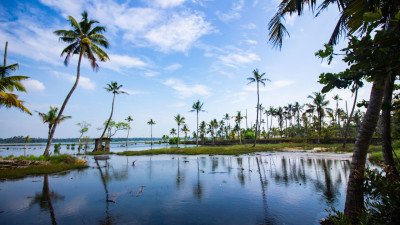 @@Deoria Tal Lake Details: Deoria Tal is a pristine emerald lake situated at an altitude of 2438 meters. It is famous for providing a perfect reflection of the Chaukhamba peaks on its crystal-clear water. According to legend, the gods (Devas) bathed in this lake, giving it the name "Deoria". It is also believed to be the spot where the Yaksha questioned the Pandavas in the Mahabharata. The trek to the lake starts from Sari Village and is a gentle uphill climb through dense forests of rhododendron and oak. The lake is part of the Kedarnath Wildlife Sanctuary, making it a haven for nature lovers and birdwatchers.
Trijugi Narayan Temple (also spelled Triyuginarayan) is a world-renowned pilgrimage site located at an altitude of 1,980 meters. It is most famous as the sacred spot where Lord Shiva and Goddess Parvati were wedded during the Satya Yuga. The temple is dedicated to Lord Vishnu, who is said to have acted as the brother of Parvati and performed the wedding rituals. A unique feature of this site is the Akhand Dhuni, an eternal flame that has been burning for three ages (Yugas). Pilgrims from across the globe visit to witness this fire and seek blessings for a happy married life by offering wood to the flame.
@@Deoria Tal Lake Details: Deoria Tal is a pristine emerald lake situated at an altitude of 2438 meters. It is famous for providing a perfect reflection of the Chaukhamba peaks on its crystal-clear water. According to legend, the gods (Devas) bathed in this lake, giving it the name "Deoria". It is also believed to be the spot where the Yaksha questioned the Pandavas in the Mahabharata. The trek to the lake starts from Sari Village and is a gentle uphill climb through dense forests of rhododendron and oak. The lake is part of the Kedarnath Wildlife Sanctuary, making it a haven for nature lovers and birdwatchers.
Trijugi Narayan Temple (also spelled Triyuginarayan) is a world-renowned pilgrimage site located at an altitude of 1,980 meters. It is most famous as the sacred spot where Lord Shiva and Goddess Parvati were wedded during the Satya Yuga. The temple is dedicated to Lord Vishnu, who is said to have acted as the brother of Parvati and performed the wedding rituals. A unique feature of this site is the Akhand Dhuni, an eternal flame that has been burning for three ages (Yugas). Pilgrims from across the globe visit to witness this fire and seek blessings for a happy married life by offering wood to the flame.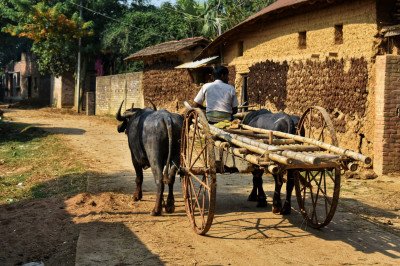 Jakholi is a picturesque village situated at a high altitude, offering a panoramic view of the Himalayas. It is located on the border of Rudraprayag and Tehri districts. The village is surrounded by lush green forests and terraced fields. It is a place of immense natural beauty and serves as an offbeat destination for those looking to escape the crowded pilgrim routes. The village is known for its traditional Garhwali culture and warm hospitality. From here, one can see the magnificent peaks of Chaukhamba and Kedarnath. The air is pure, and the atmosphere is serene, making it a perfect spot for nature lovers.
Rudraprayag Sangam is the breathtakingly beautiful and highly sacred confluence of the Alaknanda River, flowing from Badrinath, and the Mandakini River, flowing from Kedarnath. It is the second of the five sacred confluences, known as the Panch Prayag, which dot the course of the Alaknanda. This pivotal location gives the town its name, as Rudraprayag is named after the Rudra (Lord Shiva) avatar. Mythology states that the celestial musician, Narad Muni, meditated at this very spot to master the mysteries of music, and Lord Shiva appeared here in his Rudra form to bless him. The most striking visual aspect is the discernible difference in the colors of the water: the Alaknanda is often a clearer, turquoise-blue, while the Mandakini is usually a silt-laden, muddier grey, particularly during the monsoon, creating a clear line where the two forces meet. This Sangam is a crucial halt and spiritual junction for pilgrims on the revered Char Dham Yatra, lying strategically on the route to both Kedarnath and Badrinath. Devotees descend a flight of concrete steps to the ghat to perform holy dips (snan), offer prayers, and perform ancestral rites (pind daan) at this powerful meeting point, where the combined spiritual energy of the two major pilgrim routes is said to wash away sins and grant divine blessings.
Okhimath, commonly known as Ukhimath, is a significant pilgrimage town located at an altitude of 1,311 meters. It is most famous for being the winter home of Lord Kedarnath and Lord Madhyamaheshwar. When the high-altitude temples close due to snow in November, the idols are brought here in a grand procession. The main Omkareshwar Temple houses these deities for six months. The town is named after Usha, the daughter of Banasur, who married Lord Krishna's grandson Aniruddha here. It offers a beautiful view of the Kedarnath and Neelkanth peaks. The town serves as a major hub for travelers heading towards Chopta and Deoria Tal.Show All
@@Augustmuni Town Details: Augustmuni is a bustling yet charming town situated in the heart of the Rudraprayag district. Known primarily for the temple of Sage Agastya, the town acts as a vital stopover for pilgrims heading toward Kedarnath. The town is nestled in a lush valley with the Mandakini River dividing it, providing a picturesque setting. It offers a blend of local Garhwali culture and modern amenities like markets and banks. Tourists often spend a day here to acclimatize before heading to higher altitudes. The local markets are filled with authentic pahari goods and traditional eateries serving local cuisine.
Jakholi is a picturesque village situated at a high altitude, offering a panoramic view of the Himalayas. It is located on the border of Rudraprayag and Tehri districts. The village is surrounded by lush green forests and terraced fields. It is a place of immense natural beauty and serves as an offbeat destination for those looking to escape the crowded pilgrim routes. The village is known for its traditional Garhwali culture and warm hospitality. From here, one can see the magnificent peaks of Chaukhamba and Kedarnath. The air is pure, and the atmosphere is serene, making it a perfect spot for nature lovers.
Rudraprayag Sangam is the breathtakingly beautiful and highly sacred confluence of the Alaknanda River, flowing from Badrinath, and the Mandakini River, flowing from Kedarnath. It is the second of the five sacred confluences, known as the Panch Prayag, which dot the course of the Alaknanda. This pivotal location gives the town its name, as Rudraprayag is named after the Rudra (Lord Shiva) avatar. Mythology states that the celestial musician, Narad Muni, meditated at this very spot to master the mysteries of music, and Lord Shiva appeared here in his Rudra form to bless him. The most striking visual aspect is the discernible difference in the colors of the water: the Alaknanda is often a clearer, turquoise-blue, while the Mandakini is usually a silt-laden, muddier grey, particularly during the monsoon, creating a clear line where the two forces meet. This Sangam is a crucial halt and spiritual junction for pilgrims on the revered Char Dham Yatra, lying strategically on the route to both Kedarnath and Badrinath. Devotees descend a flight of concrete steps to the ghat to perform holy dips (snan), offer prayers, and perform ancestral rites (pind daan) at this powerful meeting point, where the combined spiritual energy of the two major pilgrim routes is said to wash away sins and grant divine blessings.
Okhimath, commonly known as Ukhimath, is a significant pilgrimage town located at an altitude of 1,311 meters. It is most famous for being the winter home of Lord Kedarnath and Lord Madhyamaheshwar. When the high-altitude temples close due to snow in November, the idols are brought here in a grand procession. The main Omkareshwar Temple houses these deities for six months. The town is named after Usha, the daughter of Banasur, who married Lord Krishna's grandson Aniruddha here. It offers a beautiful view of the Kedarnath and Neelkanth peaks. The town serves as a major hub for travelers heading towards Chopta and Deoria Tal.Show All
@@Augustmuni Town Details: Augustmuni is a bustling yet charming town situated in the heart of the Rudraprayag district. Known primarily for the temple of Sage Agastya, the town acts as a vital stopover for pilgrims heading toward Kedarnath. The town is nestled in a lush valley with the Mandakini River dividing it, providing a picturesque setting. It offers a blend of local Garhwali culture and modern amenities like markets and banks. Tourists often spend a day here to acclimatize before heading to higher altitudes. The local markets are filled with authentic pahari goods and traditional eateries serving local cuisine.Information
-
Why Famous:
Holy Sangam: The meeting of two sacred rivers is a divine sight. It is considered highly auspicious to perform rituals at this point.
Gateway to Dham: It is the junction for roads to both Kedarnath and Badrinath. Every pilgrim must pass th...Holy Sangam: The meeting of two sacred rivers is a divine sight. It is considered highly auspicious to perform rituals at this point.
Gateway to Dham: It is the junction for roads to both Kedarnath and Badrinath. Every pilgrim must pass through this mountain gateway.
Natural Beauty: The town offers untouched views of the Himalayan landscape. It is less commercialized than other major spiritual centers. -
Architecture:
Temple Architecture: The Rudra Temple is built in the traditional hill style. It features heavy stone slabs and intricate wooden carvings.
Koteshwar Cave: A natural cave temple formed by the flow of water. It has naturally carved stone lin...Temple Architecture: The Rudra Temple is built in the traditional hill style. It features heavy stone slabs and intricate wooden carvings.
Koteshwar Cave: A natural cave temple formed by the flow of water. It has naturally carved stone lingams and narrow passages.
Modern Bridges: New suspension bridges show modern mountain engineering. They span over 100 meters above the crashing river waters. -
How To Reach:
By Air: Jolly Grant Airport in Dehradun is 155 KM away.
By Train: The nearest railhead is at Rishikesh or Yog Nagari.
By Road: Well connected by NH-58 from Rishikesh and Srinagar.
Read MoreBy Air: Jolly Grant Airport in Dehradun is 155 KM away.
By Train: The nearest railhead is at Rishikesh or Yog Nagari.
By Road: Well connected by NH-58 from Rishikesh and Srinagar.
Local Transport: Shared jeeps and local buses are the main lifeline.Weather and Best Time to Visit:
Spring Season: March to April is the best for clear blue skies.
Autumn Season: September to November offers crisp mountain air.
Best Part of Day: Sunsets here turn the river water into gold. ...Spring Season: March to April is the best for clear blue skies.
Autumn Season: September to November offers crisp mountain air.
Best Part of Day: Sunsets here turn the river water into gold.Near Tourist Places:
Kedarnath (86km), Srinagar (34km), Chopta (65km), Ukhimath (41km), Joshimath (115km), Karnaprayag (33km), Guptkashi (45km), Tungnath (70km), Deoriatal (55km), Gaurikund (72km)Tourism Tips
-
Health & Safety: Carry basic medicines for motion sickness on hills.
Packing: Even in summer, keep a light jacket for the cold nights.
Accommodation: Stay in the GMVN tourist rest house for best views.
<...Health & Safety: Carry basic medicines for motion sickness on hills.
Packing: Even in summer, keep a light jacket for the cold nights.
Accommodation: Stay in the GMVN tourist rest house for best views.
General: Do not throw plastic or waste into the holy river waters.
Reviews
FAQs
Rudraprayag Itineray And Cost:-
Other Places In Uttarakhand :-
Other States In India :-
Information about New and Updated Locations() of Uttarakhand Has Been Added :-
Card subtitle
Note:-
Information provided here in good Faith and for reference only.
Near Places
Chakrata
Some quick example text to build on the card title and make up the bulk of the card's content.
Go somewhere
Chamba
Some quick example text to build on the card title and make up the bulk of the card's content.
Go somewhere
Chamoli
Some quick example text to build on the card title and make up the bulk of the card's content.
Go somewhere
Champawat
Some quick example text to build on the card title and make up the bulk of the card's content.
Go somewhere
Chopta
Some quick example text to build on the card title and make up the bulk of the card's content.
Go somewhere
Corbett
Some quick example text to build on the card title and make up the bulk of the card's content.
Go somewhere
Dehradun
Some quick example text to build on the card title and make up the bulk of the card's content.
Go somewhere
Dhanaulti
Some quick example text to build on the card title and make up the bulk of the card's content.
Go somewhere
Gwaldam
Some quick example text to build on the card title and make up the bulk of the card's content.
Go somewhere
Haldwani
Some quick example text to build on the card title and make up the bulk of the card's content.
Go somewhere
Haridwar
Some quick example text to build on the card title and make up the bulk of the card's content.
Go somewhere
Joshimath
Some quick example text to build on the card title and make up the bulk of the card's content.
Go somewhere
Kanatal
Some quick example text to build on the card title and make up the bulk of the card's content.
Go somewhere
Kashipur
Some quick example text to build on the card title and make up the bulk of the card's content.
Go somewhere
Kausani
Some quick example text to build on the card title and make up the bulk of the card's content.
Go somewhere
Kedarnath
Some quick example text to build on the card title and make up the bulk of the card's content.
Go somewherein Other Cities