

Chamoli
General information
-
Ideal Duration:
3 to 5 Days.Place Type:
Pilgrimage, Adventure, Wildlife.Entry Fees:
Park and Shrine Fees: Entry to the Valley of Flowers National Park costs 150 INR for Indians and 600 INR for foreigners for a 3-day pass. The Badrinath Temple and other religious shrines do not charge an entry fee, but donations are welcome. Special Puja bookings at the te...Park and Shrine Fees: Entry to the Valley of Flowers National Park costs 150 INR for Indians and 600 INR for foreigners for a 3-day pass. The Badrinath Temple and other religious shrines do not charge an entry fee, but donations are welcome. Special Puja bookings at the temple have their own prescribed rates ranging from 500 to 10,000 INR. The Hemkund Sahib Gurudwara is free for all visitors, following the tradition of selfless service. These fees and donations support the conservation of the park and the maintenance of the ancient shrines.
Skiing and Transport: In Auli, the ropeway from Joshimath costs approximately 1,000 INR for a round trip. Chairlift rides for skiing are charged separately, usually around 300 to 500 INR per trip. Skiing equipment rental and instructor fees can range from 1,000 to 3,000 INR per day depending on the level of training. Parking at major transit points like Govindghat or Joshimath usually costs 50 to 100 INR. The costs reflect the premium nature of winter sports and the high-altitude logistics involved in maintaining the facilities.Timing:
Regular Timings: The Badrinath Temple is open from 4:30 AM to 1:00 PM and then from 4:00 PM to 9:00 PM. The Valley of Flowers is open for visitors from 7:00 AM to 5:00 PM, with the last entry allowed at 2:00 PM to ensure everyone returns before dark. Hemkund Sahib follows ...Regular Timings: The Badrinath Temple is open from 4:30 AM to 1:00 PM and then from 4:00 PM to 9:00 PM. The Valley of Flowers is open for visitors from 7:00 AM to 5:00 PM, with the last entry allowed at 2:00 PM to ensure everyone returns before dark. Hemkund Sahib follows similar timings, with most people starting their trek by 5:00 AM. Most other shrines and viewpoints in Chamoli are accessible during daylight hours. It is crucial to follow these timings as high-altitude weather can change rapidly and become dangerous after sunset.
Ideal Visit Time: To beat the crowds at Badrinath, the early morning Aarti at 4:30 AM is the most auspicious and peaceful time. For the Valley of Flowers, the months of July and August are the only times it is open, and reaching the valley by 9:00 AM gives you the best light for photography. Auli is best visited in the morning for skiing when the snow is fresh and firm. The months of May-June and September-October offer the most stable weather for all activities. Always plan to reach your destination well before 6:00 PM in the mountains.Special Events:
Nanda Devi Raj Jat: This is one of the most famous and sacred pilgrimages in Uttarakhand, held once every 12 years. The procession starts from Nauti village in Chamoli and travels through rugged terrains to the high-altitude Roopkund lake. It is a massive cultural event th...Nanda Devi Raj Jat: This is one of the most famous and sacred pilgrimages in Uttarakhand, held once every 12 years. The procession starts from Nauti village in Chamoli and travels through rugged terrains to the high-altitude Roopkund lake. It is a massive cultural event that involves thousands of people and a four-horned sheep leading the way. The yatra is a display of incredible faith and endurance, passing through some of the most beautiful parts of the district. Being part of this event is a once-in-a-lifetime spiritual and cultural experience.
Auli Winter Carnival: Every year, usually in January or February, Auli hosts a winter carnival to celebrate snow sports. The event features skiing competitions, snowboarding displays, and local folk music performances. It attracts professional skiers from across India and abroad. The carnival creates a festive atmosphere in the snow-clad mountains with bonfire nights and cultural programs. It is a great time to visit for families and adventure lovers who want to experience the fun side of winter. The energy of the participants and spectators is very high.Best Photo Spots:
Valley of Flowers Meadows: The Valley of Flowers is perhaps the most photogenic spot in all of India. You can capture endless fields of colorful wildflowers with the backdrop of snow-capped mountains and glaciers. The diversity of colors—from the purple of the orchids to...Valley of Flowers Meadows: The Valley of Flowers is perhaps the most photogenic spot in all of India. You can capture endless fields of colorful wildflowers with the backdrop of snow-capped mountains and glaciers. The diversity of colors—from the purple of the orchids to the yellow of the marigolds—is a photographer's dream. Macro photography is particularly rewarding here, as you can capture the intricate details of rare Himalayan flora. Every step you take in the valley offers a new and stunning composition. The misty atmosphere of the monsoon adds a dreamlike quality to the photos.
Auli Reflection Lake: The artificial lake in Auli is a perfect spot to capture the reflection of the Nanda Devi peak. On a clear day, the water acts as a giant mirror, creating a symmetrical shot of the highest mountain in India. This is one of the most famous frames in Himalayan photography. You can also capture the skiing action on the nearby slopes with the grand mountains in the background. The contrast of the deep blue lake and the white snow is visually very powerful. It is a must-visit spot for any landscape photographer.
Hemkund Sahib Glacial Lake: The high-altitude lake at Hemkund Sahib is a stunning subject for photography. The crystal-clear water reflects the seven snow-covered peaks that surround the Gurudwara. You can capture the devotion of the pilgrims and the unique architecture of the star-shaped Gurudwara. The presence of the rare "Brahma Kamal" flowers around the lake adds a special touch to the photos. The atmosphere is often misty, which can be used to create moody and ethereal mountain shots. It is a place where nature and spirituality are perfectly aligned.
Mana Village Stone Streets: The narrow, stone-paved streets of Mana Village are great for street and cultural photography. You can capture the traditional wooden houses, the local people in their ethnic attire, and the overall rustic charm of the village. The Bheem Pul over the roaring Saraswati River is another dramatic subject. The "Last Indian Tea Shop" sign is a popular and quirky frame for travelers. The mix of mythological significance and real-world mountain life provides endless stories for your camera. Every corner of the village has a piece of history waiting to be photographed.Photo Gallery
Things To Do
 Adi Badri is a magnificent complex of 16 ancient temples located in the Garhwal hills. It is part of the famous Panch Badri circuit and is dedicated to Lord Vishnu. Historically, it is believed that Lord Vishnu resided here during the Satyug, Treta, and Dwapar ages before moving to Badrinath in the Kalyug. The complex was significantly restored by Adi Shankaracharya in the 8th Century to revive Hinduism. Local legends also suggest that the great sage Ved Vyasa divided the Vedas into four parts at this very location. The atmosphere here is deeply spiritual and calm, offering a sense of ancient connection to every pilgrim who visits. It is a site of immense archaeological and religious importance in India.:
Nandprayag is a beautiful town situated at the holy confluence of the Alaknanda and Nandakini rivers in the Chamoli district of Uttarakhand. It serves as the second of the famous Panch Prayag (five confluences) of the Alaknanda river and holds immense spiritual significance for Hindu pilgrims. The town is perched at an altitude of approximately 870 meters and is surrounded by the majestic Himalayan ranges that provide a serene backdrop for meditation and prayer. Historically, it was the capital of the Yadu kingdom, and the confluence is named after King Nanda, who performed a great 'Yagna' here to please Lord Vishnu. The town is not just a religious site but also a vital trade hub and a transit point for travelers heading toward Badrinath and the Valley of Flowers. Visitors can explore various ancient temples dedicated to Lord Shiva, Gopal Ji, and Goddess Chandika, each narrating stories from Indian mythology. The atmosphere at the 'Ghats' is incredibly peaceful, where one can witness the merging of the emerald green Alaknanda and the turquoise Nandakini rivers. This destination offers a perfect blend of natural beauty, cultural heritage, and spiritual tranquility, making it a must-visit for anyone exploring the Garhwal region. The local population is known for its warm hospitality, preserving the traditional Garhwali way of life amidst the changing times. Whether you are a spiritual seeker or a nature lover, Nandprayag offers a profound sense of peace that is hard to find in the bustling cities of the plains.
Adi Badri is a magnificent complex of 16 ancient temples located in the Garhwal hills. It is part of the famous Panch Badri circuit and is dedicated to Lord Vishnu. Historically, it is believed that Lord Vishnu resided here during the Satyug, Treta, and Dwapar ages before moving to Badrinath in the Kalyug. The complex was significantly restored by Adi Shankaracharya in the 8th Century to revive Hinduism. Local legends also suggest that the great sage Ved Vyasa divided the Vedas into four parts at this very location. The atmosphere here is deeply spiritual and calm, offering a sense of ancient connection to every pilgrim who visits. It is a site of immense archaeological and religious importance in India.:
Nandprayag is a beautiful town situated at the holy confluence of the Alaknanda and Nandakini rivers in the Chamoli district of Uttarakhand. It serves as the second of the famous Panch Prayag (five confluences) of the Alaknanda river and holds immense spiritual significance for Hindu pilgrims. The town is perched at an altitude of approximately 870 meters and is surrounded by the majestic Himalayan ranges that provide a serene backdrop for meditation and prayer. Historically, it was the capital of the Yadu kingdom, and the confluence is named after King Nanda, who performed a great 'Yagna' here to please Lord Vishnu. The town is not just a religious site but also a vital trade hub and a transit point for travelers heading toward Badrinath and the Valley of Flowers. Visitors can explore various ancient temples dedicated to Lord Shiva, Gopal Ji, and Goddess Chandika, each narrating stories from Indian mythology. The atmosphere at the 'Ghats' is incredibly peaceful, where one can witness the merging of the emerald green Alaknanda and the turquoise Nandakini rivers. This destination offers a perfect blend of natural beauty, cultural heritage, and spiritual tranquility, making it a must-visit for anyone exploring the Garhwal region. The local population is known for its warm hospitality, preserving the traditional Garhwali way of life amidst the changing times. Whether you are a spiritual seeker or a nature lover, Nandprayag offers a profound sense of peace that is hard to find in the bustling cities of the plains.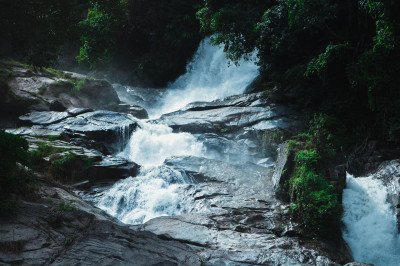 Vasudhara Falls is a magnificent waterfall located in the high altitudes of the Chamoli district, about 9 kilometers from the holy town of Badrinath. Dropping from a staggering height of 122 meters (400 feet), the waterfall is set against a dramatic backdrop of snowy peaks, glaciers, and rocky cliffs. To reach the falls, one must undertake a scenic 6-kilometer trek from Mana, the last Indian village before the Tibet border. The trail follows the course of the Alaknanda river and offers views of the Saraswati river as it disappears into the earth. According to Hindu mythology, the waterfall's water only falls on those who are pure of heart and free from sin. It is said that the water diverts its course if a "sinner" stands beneath it. The falls are also associated with the Pandavas, who are believed to have passed this way on their journey to heaven (Swargarohini). The water of Vasudhara is considered to have medicinal properties because it flows over various Ayurvedic herbs found in the high Himalayan meadows. The site provides an incredible sense of peace and isolation, as it is far removed from the crowds of the main temple town. The sheer force of the wind often scatters the falling water into a fine mist before it reaches the ground, creating a magical, ethereal atmosphere. Surrounded by peaks like Chaukhamba, Nilkantha, and Balakun, Vasudhara Falls is not just a natural wonder but a spiritual destination that cleanses the mind and soul of every visitor.
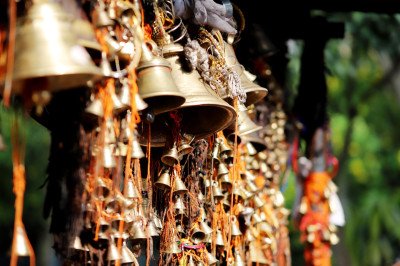 Chamolanath Temple is a deeply revered shrine located in the heart of the Chamoli district. It is dedicated to the local deity Chamolanath, who is believed to be a manifestation of Lord Shiva. According to ancient legends, the entire district of Chamoli derived its name from this god. The temple is built on the exact spot where the idols of the deity are said to have miraculously emerged from the earth centuries ago. It is a central place of worship for the local community, who believe the deity protects the valley from natural disasters. Unlike the remote shrines of the Himalayas, this temple is easily accessible and plays a vital role in the daily socio-religious life of the town's residents.:
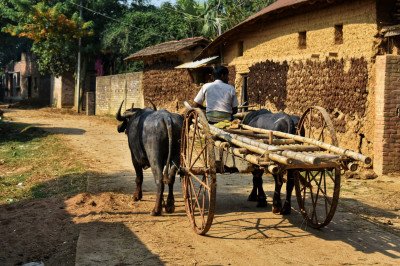 @@National Pride: Mana Village, situated at an altitude of 3200 meters, has been officially designated as the "First Village of India" by the BRO. Located just 4 KM from Badrinath, it sits on the Indo-Tibetan border and is the last point accessible by road. The village is steeped in Mahabharata legends, with sites like Vyas Gufa and Bheem Pul attracting thousands of spiritual seekers. It is the home of the Bhotiya community, a nomadic tribe known for their resilience and exquisite woolen handicrafts. The Saraswati River, which is mostly mythical elsewhere, is seen flowing with great force here before going underground, adding to the mystical aura of the village. @@Nature's Splendor: Beyond its religious roots, Mana is a gateway to high-altitude treks like Vasudhara Falls and Satopanth Lake. The village offers a stark, beautiful landscape of rugged mountains and alpine meadows.
Pipalkoti is a picturesque small town nestled in the Garhwal Himalayas of the Chamoli district. Located at an elevation of 1,260 meters, it sits on the banks of the Alaknanda river and serves as a major halt for pilgrims traveling to Badrinath, Hemkund Sahib, and the Valley of Flowers. The town is known for its lush green surroundings, terraced agricultural fields, and stunning views of the snow-clad peaks of Nanda Devi and Neelkanth. Historically, it has been a resting point for travelers for centuries, evolving from a small village into a bustling hub with modern amenities while retaining its rustic charm. The area is surrounded by dense forests of oak and pine, providing a refreshing atmosphere for those looking to escape the heat of the plains. For adventure enthusiasts, Pipalkoti offers several short hiking trails that lead to hidden waterfalls and traditional Garhwali villages where one can experience the local culture firsthand. The town is also famous for its local market, where travelers can stock up on essential supplies, trekking gear, and local handicrafts. Its strategic location makes it an ideal base for exploring the deeper parts of the Chamoli district. The weather remains pleasant for most of the year, although winters can be quite chilly. As a transit point, it provides a variety of accommodation options, from budget guest houses to comfortable hotels, ensuring a relaxing stay for tired travelers. Visiting Pipalkoti is not just about the destination but the experience of being in the heart of the Himalayas, surrounded by natural beauty and a sense of spiritual anticipation.
Bedni Bugyal is widely considered one of the largest and most beautiful alpine meadows in the Himalayas. Situated at an altitude of approximately 3,354 meters, it offers an unobstructed view of the Trishul and Nanda Ghunti peaks. The word "Bugyal" in the local language means a high-altitude meadow. This vast expanse of green velvet is part of the legendary Roopkund trek route. According to local folklore, the Bedni Kund located here is where the Vedas were written. During the spring, the entire meadow is covered with a variety of wildflowers, creating a dreamlike landscape. It is not just a trekking destination but a site of deep religious significance, especially during the Nanda Devi Raj Jat Yatra. The silence of the meadows is only broken by the sound of grazing sheep and the whistling wind.:Show All
@@Historical Significance: Gopeshwar serves as the administrative headquarters of the Chamoli district and is situated at an elevation of 1308 meters above sea level. This picturesque town is famous for its pleasant climate and the ancient Gopinath Temple, which remains a major pilgrimage site throughout the year. According to local legends, the town's name is derived from its association with Lord Krishna, who was addressed as "Gopeshwar" by Lord Shiva during a celestial event. The town is surrounded by four famous shrines: Tungnath, Anusuya Devi, Rudranath, and Badrinath, making it a vital hub for travelers. Visitors can enjoy the serene atmosphere of terrace farms and small lakes while exploring the rich cultural heritage of the Garhwal region. @@Cultural Landscape: The local lifestyle is deeply rooted in spirituality and agriculture, with residents maintaining traditional Garhwali customs. The town's markets are vibrant, offering a glimpse into the local trade of handlooms and indigenous crafts. Being a major commercial hub, it provides a unique blend of modern facilities and traditional charm, ensuring a comfortable stay for pilgrims and trekkers alike.
@@National Pride: Mana Village, situated at an altitude of 3200 meters, has been officially designated as the "First Village of India" by the BRO. Located just 4 KM from Badrinath, it sits on the Indo-Tibetan border and is the last point accessible by road. The village is steeped in Mahabharata legends, with sites like Vyas Gufa and Bheem Pul attracting thousands of spiritual seekers. It is the home of the Bhotiya community, a nomadic tribe known for their resilience and exquisite woolen handicrafts. The Saraswati River, which is mostly mythical elsewhere, is seen flowing with great force here before going underground, adding to the mystical aura of the village. @@Nature's Splendor: Beyond its religious roots, Mana is a gateway to high-altitude treks like Vasudhara Falls and Satopanth Lake. The village offers a stark, beautiful landscape of rugged mountains and alpine meadows.
Pipalkoti is a picturesque small town nestled in the Garhwal Himalayas of the Chamoli district. Located at an elevation of 1,260 meters, it sits on the banks of the Alaknanda river and serves as a major halt for pilgrims traveling to Badrinath, Hemkund Sahib, and the Valley of Flowers. The town is known for its lush green surroundings, terraced agricultural fields, and stunning views of the snow-clad peaks of Nanda Devi and Neelkanth. Historically, it has been a resting point for travelers for centuries, evolving from a small village into a bustling hub with modern amenities while retaining its rustic charm. The area is surrounded by dense forests of oak and pine, providing a refreshing atmosphere for those looking to escape the heat of the plains. For adventure enthusiasts, Pipalkoti offers several short hiking trails that lead to hidden waterfalls and traditional Garhwali villages where one can experience the local culture firsthand. The town is also famous for its local market, where travelers can stock up on essential supplies, trekking gear, and local handicrafts. Its strategic location makes it an ideal base for exploring the deeper parts of the Chamoli district. The weather remains pleasant for most of the year, although winters can be quite chilly. As a transit point, it provides a variety of accommodation options, from budget guest houses to comfortable hotels, ensuring a relaxing stay for tired travelers. Visiting Pipalkoti is not just about the destination but the experience of being in the heart of the Himalayas, surrounded by natural beauty and a sense of spiritual anticipation.
Bedni Bugyal is widely considered one of the largest and most beautiful alpine meadows in the Himalayas. Situated at an altitude of approximately 3,354 meters, it offers an unobstructed view of the Trishul and Nanda Ghunti peaks. The word "Bugyal" in the local language means a high-altitude meadow. This vast expanse of green velvet is part of the legendary Roopkund trek route. According to local folklore, the Bedni Kund located here is where the Vedas were written. During the spring, the entire meadow is covered with a variety of wildflowers, creating a dreamlike landscape. It is not just a trekking destination but a site of deep religious significance, especially during the Nanda Devi Raj Jat Yatra. The silence of the meadows is only broken by the sound of grazing sheep and the whistling wind.:Show All
@@Historical Significance: Gopeshwar serves as the administrative headquarters of the Chamoli district and is situated at an elevation of 1308 meters above sea level. This picturesque town is famous for its pleasant climate and the ancient Gopinath Temple, which remains a major pilgrimage site throughout the year. According to local legends, the town's name is derived from its association with Lord Krishna, who was addressed as "Gopeshwar" by Lord Shiva during a celestial event. The town is surrounded by four famous shrines: Tungnath, Anusuya Devi, Rudranath, and Badrinath, making it a vital hub for travelers. Visitors can enjoy the serene atmosphere of terrace farms and small lakes while exploring the rich cultural heritage of the Garhwal region. @@Cultural Landscape: The local lifestyle is deeply rooted in spirituality and agriculture, with residents maintaining traditional Garhwali customs. The town's markets are vibrant, offering a glimpse into the local trade of handlooms and indigenous crafts. Being a major commercial hub, it provides a unique blend of modern facilities and traditional charm, ensuring a comfortable stay for pilgrims and trekkers alike.Information
-
Why Famous:
World Heritage Sites: Chamoli is world-famous for housing the Valley of Flowers National Park, a UNESCO World Heritage site. Every year, thousands of people trek here to see the meadows carpeted with rare flowers like the Blue Poppy and Brahma Kamal. The district is also h...World Heritage Sites: Chamoli is world-famous for housing the Valley of Flowers National Park, a UNESCO World Heritage site. Every year, thousands of people trek here to see the meadows carpeted with rare flowers like the Blue Poppy and Brahma Kamal. The district is also home to the Nanda Devi Biosphere Reserve, which is a haven for rare Himalayan flora and fauna. These sites represent the pinnacle of natural beauty and biodiversity in the Indian Himalayas. It is a bucket-list destination for botanists and nature photographers.
The Spiritual Heart: The district is the spiritual heart of Uttarakhand, containing the holy shrine of Badrinath, one of the four Dhams. It also hosts Hemkund Sahib, the highest Sikh pilgrimage site in the world, situated next to a pristine glacial lake. The presence of the Panch Kedar and Panch Badri temples makes it a land of deep religious significance for Hindus. Pilgrims from all over the world travel to Chamoli to seek divine blessings and spiritual peace. The sound of temple bells and river currents creates a holy atmosphere.
Skiing and Adventure Capital: Chamoli is home to Auli, widely considered the skiing capital of India. With its world-class slopes and the longest cable car ride in Asia, it attracts winter sports enthusiasts from across the globe. The district also offers some of the most challenging trekking routes, such as the Kuari Pass and the Roopkund Trek. The diversity of adventure, from skiing on snow to trekking through meadows, makes it a premier destination. It is the ultimate playground for adventure seekers and mountain lovers. -
Architecture:
Nagara and Katyuri Styles: Chamoli is famous for its ancient stone temples built in the Nagara and Katyuri architectural styles. The temples are characterized by tall, curvilinear spires called Shikharas and intricately carved stone walls. The Gopinath Temple in Gopeshwar ...Nagara and Katyuri Styles: Chamoli is famous for its ancient stone temples built in the Nagara and Katyuri architectural styles. The temples are characterized by tall, curvilinear spires called Shikharas and intricately carved stone walls. The Gopinath Temple in Gopeshwar is a prime example, standing as a massive stone structure that has survived for centuries. These temples do not use iron or mortar; instead, stones are joined using interlocking techniques. This ancient engineering has allowed these massive structures to remain standing in a highly seismic zone.
Dimensions and Proportions: The main shrine of the Gopinath Temple rises to a height of approximately 30 feet, dominating the town's skyline. The inner sanctum is a square chamber of about 10x10 feet, designed to create a sense of intimacy and spiritual focus. The temple complex is spread over a large stone platform, providing space for pilgrims to gather and meditate. The thickness of the stone walls at the base can reach up to 4 feet, ensuring the stability of the tall spire. Every dimension is calculated according to Vastu Shastra to harmonize with cosmic energies.
Wooden Himalayan Architecture: In the higher reaches of Chamoli, domestic architecture utilizes the "Kath-Kuni" style, where wood and stone are layered. These houses are typically 2 to 3 stories high, with the top floor featuring a wide wooden balcony called a "Danda. " The dimensions of these balconies are often 4 feet wide, running across the entire length of the house. The roofs are made of flat slate tiles laid over a wooden frame, slanted at a steep angle. This architecture is perfectly adapted to the heavy snowfall of the upper Garhwal region. -
How To Reach:
By Air: The Jolly Grant Airport in Dehradun is the closest airport to Chamoli, located about 220 KMS away. Since it is a long drive, many travelers prefer to stay overnight in Rishikesh or Rudraprayag before continuing to Chamoli. From the airport, you can hire a private t...By Air: The Jolly Grant Airport in Dehradun is the closest airport to Chamoli, located about 220 KMS away. Since it is a long drive, many travelers prefer to stay overnight in Rishikesh or Rudraprayag before continuing to Chamoli. From the airport, you can hire a private taxi or take a shared cab. The journey takes about 7 to 8 hours and follows the Alaknanda River. The road offers spectacular views of the river confluences (Prayags). Helicopter services are also available for Badrinath and Hemkund Sahib during the pilgrimage season from Dehradun and Phata.
By Train: The nearest major railway station is in Rishikesh (200 KMS), though the new rail line to Karnaprayag is under construction. Currently, Haridwar (225 KMS) is the best-connected railhead for travelers from across India. From Haridwar or Rishikesh, you can take early morning buses or shared taxis to Gopeshwar or Chamoli town. The train journey to Haridwar is comfortable and well-served by express trains like the Shatabdi. From the station, the mountain journey is a long but beautiful drive through the heart of Garhwal. It is advisable to start early in the morning to reach before dark.
By Road: Chamoli is well-connected by the National Highway 58, which is the main route for the Badrinath Yatra. It is about 450 KMS from Delhi, taking around 12 to 14 hours of driving time. The road passes through major towns like Rishikesh, Devprayag, and Srinagar. Regular state-run (UTC) buses and private operators run from Delhi and Dehradun. The roads are generally good but can be challenging during the monsoon season due to landslides. Driving a personal SUV is a popular way to explore the district's various attractions. The route is one of the most famous and scenic road trips in the Himalayas.
By Local Transport: Within Chamoli district, shared taxis (mostly Tata Sumos and Maxx) are the lifeline for locals and tourists alike. They connect the major towns like Gopeshwar, Joshimath, and Karnaprayag. For specific sites like the Valley of Flowers or Auli, you will need to reach the base points like Govindghat or Joshimath and then use local transport or the ropeway. In towns like Gopeshwar, walking is the best way to explore the local temples and markets. Many people also hire mountain bikes or Jeeps for more remote areas. The local transport is rugged and reliable, designed for the steep mountain terrains. -
Weather and Best Time to Visit:
Monsoon for Flowers: Unlike most other mountain destinations, the best time to visit Chamoli for the Valley of Flowers is during the monsoon months of July and August. This is when the flowers are in full bloom and the valley is at its most beautiful. For the Badrinath Tem...Monsoon for Flowers: Unlike most other mountain destinations, the best time to visit Chamoli for the Valley of Flowers is during the monsoon months of July and August. This is when the flowers are in full bloom and the valley is at its most beautiful. For the Badrinath Temple and Hemkund Sahib, the period from May to June and September to October is ideal. The weather is stable, and the pilgrimage routes are fully operational. These months offer the best balance of accessibility and scenic beauty. It is the peak season for all types of travelers.
Winter for Skiing: For skiing enthusiasts, the months of December to March are the best time to visit Auli. The slopes are covered with a thick layer of snow, and the winter carnival adds to the excitement. The weather is very cold, but the experience of being in a world-class ski resort is worth it. For those who want to see the "frozen" side of the Himalayas, this is the perfect time. The higher reaches like Roopkund and Niti Valley are usually inaccessible during this period. The clarity of the air in winter makes for incredible mountain photography.
Day and Night: Early morning (4:00 AM to 7:00 AM) is the most spiritual time in Chamoli, especially for temple visits and starting treks. The midday hours are best for trekking through the valleys and enjoying the sunlight. Evenings (5:00 PM to 8:00 PM) are perfect for attending temple Aartis and relaxing in the mountain towns. Nights can be extremely cold, especially at high altitudes, so staying indoors is recommended. The starlit sky in the high Himalayas is a sight to behold for those who can brave the cold. Always keep track of the changing weather patterns throughout the day. -
Near Tourist Places:
1. Badrinath (100 KM), 2. Valley of Flowers (75 KM), 3. Auli (60 KM), 4. Hemkund Sahib (75 KM), 5. Mana Village (105 KM), 6. Joshimath (55 KM), 7. Rudranath (20 KM trek), 8. Kalpeshwar (40 KM), 9. Karnaprayag (35 KM), 10. Nandprayag (15 KM).
Tourism Tips
-
Health & Safety: High-altitude sickness (AMS) is a real concern in places like Hemkund Sahib and Badrinath. Ascend slowly, stay hydrated, and avoid overexertion. Carry portable oxygen cylinders if you have respiratory issues. The weather in Chamoli can be extremely unpred...Health & Safety: High-altitude sickness (AMS) is a real concern in places like Hemkund Sahib and Badrinath. Ascend slowly, stay hydrated, and avoid overexertion. Carry portable oxygen cylinders if you have respiratory issues. The weather in Chamoli can be extremely unpredictable; always carry a poncho or raincoat even if it looks sunny. Follow the instructions of the forest department and local authorities, especially in protected areas. The rivers have very strong currents, so avoid going near the water's edge. Always travel in a group when trekking in remote areas like Niti Valley or Roopkund.
Packing: Heavy woolens, thermals, and waterproof jackets are essential throughout the year. For the Valley of Flowers trek, high-quality waterproof trekking shoes with good ankle support are a must. Bring a sturdy walking stick to help with the steep climbs. Carry a small medical kit with altitude sickness pills, painkillers, and bandages. A good power bank is necessary as electricity can be intermittent in high-altitude camps. Pack high-energy snacks like nuts, chocolates, and energy bars for the treks. A reusable water bottle is essential to reduce plastic waste in the fragile ecosystem.
Accommodation: Options range from basic pilgrim lodges (Dharamshalas) to high-end luxury camps and hotels in Joshimath and Auli. During the Yatra season, every accommodation is usually full, so pre-booking is mandatory. In Auli, staying in a wooden cottage provides a cozy winter experience. Govindghat and Ghangaria offer basic amenities for those trekking to the Valley of Flowers. For a more local feel, try the homestays in villages like Mana or Niti. The GMVN guest houses are located at almost every major tourist point and are generally reliable. Always check for heating facilities if visiting in winter.
Other Tips: The Valley of Flowers is plastic-free; do not carry any disposable plastic items inside. Respect the sanctity of the religious sites by dressing modestly and following temple rules. Photography might be restricted inside the sanctum of the temples. Hire local porters and mules if you are not confident about your physical fitness for the long treks; this also helps the local economy. ATMs are available in major towns like Gopeshwar and Joshimath, but not in higher camps. The local "Pahaadi" cuisine is nutritious and delicious—don't miss the "Jhangora ki Kheer. " Be patient with road travel, as landslides can cause delays during the monsoon.
Reviews
FAQs
Chamoli Itineray And Cost:-
Other Places In Uttarakhand :-
Other States In India :-
Information about New and Updated Locations() of Uttarakhand Has Been Added :-
Card subtitle
Note:-
Information provided here in good Faith and for reference only.
Near Places
Chakrata
Some quick example text to build on the card title and make up the bulk of the card's content.
Go somewhere
Chamba
Some quick example text to build on the card title and make up the bulk of the card's content.
Go somewhere
Chamoli
Some quick example text to build on the card title and make up the bulk of the card's content.
Go somewhere
Champawat
Some quick example text to build on the card title and make up the bulk of the card's content.
Go somewhere
Chopta
Some quick example text to build on the card title and make up the bulk of the card's content.
Go somewhere
Corbett
Some quick example text to build on the card title and make up the bulk of the card's content.
Go somewhere
Dehradun
Some quick example text to build on the card title and make up the bulk of the card's content.
Go somewhere
Dhanaulti
Some quick example text to build on the card title and make up the bulk of the card's content.
Go somewhere
Gwaldam
Some quick example text to build on the card title and make up the bulk of the card's content.
Go somewhere
Haldwani
Some quick example text to build on the card title and make up the bulk of the card's content.
Go somewhere
Haridwar
Some quick example text to build on the card title and make up the bulk of the card's content.
Go somewhere
Joshimath
Some quick example text to build on the card title and make up the bulk of the card's content.
Go somewhere
Kanatal
Some quick example text to build on the card title and make up the bulk of the card's content.
Go somewhere
Kashipur
Some quick example text to build on the card title and make up the bulk of the card's content.
Go somewhere
Kausani
Some quick example text to build on the card title and make up the bulk of the card's content.
Go somewhere
Kedarnath
Some quick example text to build on the card title and make up the bulk of the card's content.
Go somewherein Other Cities