

Pithoragarh
General information
-
Ideal Duration:
3 to 4 DaysPlace Type:
Valley / HeritageEntry Fees:
Fort and Temple Fees: Most historical and religious sites in Pithoragarh do not charge an entry fee, reflecting the local tradition of free access. You can explore the Pithoragarh Fort and the Nakuleshwar Temple without any cost. This makes the town an accessible destinati...Fort and Temple Fees: Most historical and religious sites in Pithoragarh do not charge an entry fee, reflecting the local tradition of free access. You can explore the Pithoragarh Fort and the Nakuleshwar Temple without any cost. This makes the town an accessible destination for all types of travelers and pilgrims.
Adventure Activity Charges: Participating in activities like paragliding or river rafting will involve a fee charged by private operators. These prices can range from 1500 INR to 3000 INR depending on the duration and type of activity. It is advisable to book these through recognized agencies to ensure safety and fair pricing.Timing:
General Timings: Most temples and the fort are open from 7:00 AM to 6:00 PM. The local markets are most active from 10:00 AM to 7:00 PM. It is best to visit the viewpoints early in the morning for clear mountain views and avoid the heat of the afternoon sun during the summ...General Timings: Most temples and the fort are open from 7:00 AM to 6:00 PM. The local markets are most active from 10:00 AM to 7:00 PM. It is best to visit the viewpoints early in the morning for clear mountain views and avoid the heat of the afternoon sun during the summer months.
Best Time for Sightseeing: Early morning between 6:00 AM and 9:00 AM is the ideal time to visit the viewpoints and catch the best light for photography. Evenings are perfect for a stroll through the local market and enjoying the cool breeze in the valley. During winter, it is better to finish outdoor activities before it gets dark and cold.Special Events:
Mostamanu Mela: The Mostamanu Mela is a famous local fair held at the Mostamanu Temple in August. It features traditional Kumaoni music, dances, and sports like wrestling and archery. The fair is a great way to see the local traditions and interact with the people from the...Mostamanu Mela: The Mostamanu Mela is a famous local fair held at the Mostamanu Temple in August. It features traditional Kumaoni music, dances, and sports like wrestling and archery. The fair is a great way to see the local traditions and interact with the people from the remote mountain villages.
Kailash Mansarovar Send-off: The official send-off ceremony for the Kailash Mansarovar pilgrims is a significant event in Pithoragarh. It is a time of spiritual fervor, with rituals and prayers being performed for the safe journey of the devotees. This event showcases the religious importance of the town and its hospitality towards travelers.Best Photo Spots:
Panchachuli Peaks from Munsyari: While Munsyari is a bit further away, the photography of the Panchachuli peaks from there is legendary. The five snow-capped peaks against the blue sky provide a dramatic and stunning backdrop. It is one of the most photographed mountain ra...Panchachuli Peaks from Munsyari: While Munsyari is a bit further away, the photography of the Panchachuli peaks from there is legendary. The five snow-capped peaks against the blue sky provide a dramatic and stunning backdrop. It is one of the most photographed mountain ranges in the entire Himalayan region.
Saur Valley View from Chandak: Capturing the entire Saur Valley from the top of Chandak Hill is a must for every photographer. The patchwork of green fields and the cluster of houses in the town create a beautiful composition. It is especially striking during the harvest season when the fields turn golden.Photo Gallery
Things To Do
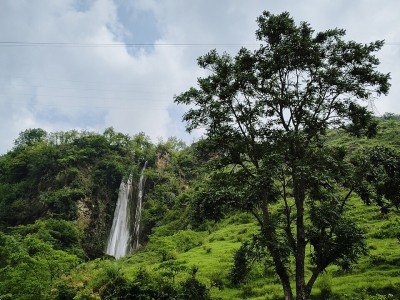 @@Overview: Bhurmuni Waterfall, located in Jagtar village, is a beautiful natural attraction still relatively untouched by mass tourism, offering a serene escape. It is a stunning two-tiered cascade, with the upper tier being a powerful drop of around 70 meters, especially during the monsoon, and the lower tier offering a gentler, more tranquil sight. The surrounding area is characterized by dense pine forests, terraced fields, and offers occasional views of the majestic Himalayan peaks. The peaceful ambiance and clean, refreshing water make it a perfect spot for nature lovers and solitude seekers. The final approach involves a short trek through a picturesque forest trail, enhancing the sense of adventure and discovery. The remote nature ensures a quiet, spiritual experience away from crowded tourist spots. The local atmosphere is very welcoming and simple:
 Narayan Ashram is a spiritual and socio-educational center established in 1936 by the visionary saint Shri Narayan Swami. Perched at an altitude of 2,734 meters, it is situated 14 KMs from Tawaghat in the Dharchula region. The ashram was built with the noble intention of providing a peaceful retreat for spiritual seekers and uplifting the local tribal communities through education and healthcare. Surrounded by lush green forests and overlooking the majestic Himalayan peaks, the ashram is a masterpiece of peace and tranquility. Historically, it served as an important resting point for pilgrims on the Kailash Mansarovar Yatra. The construction of the ashram was a Herculean task, taking over 13 years, as all materials had to be carried manually for several days from the nearest motorable road at the time. Today, it houses a school for local children, a well-stocked library, a meditation hall, and a Samadhi Sthal of the founder. The gardens are filled with rare high-altitude flowers and medicinal herbs. Visitors are expected to follow a disciplined lifestyle while staying here, participating in the daily prayers and community service. It is not just a tourist spot but a living institution of Himalayan spirituality and social service.
@@The Spiritual Essence of Adi Kailash: Adi Kailash, often revered as 'Chhota Kailash', is an ancient holy site situated in the high Himalayan range of the Kumaon region. This majestic peak stands at an elevation of approximately 5,945 meters and is considered a replica of the original Mount Kailash in Tibet. The spiritual significance of this place is profound, as it is believed to be one of the abodes of Lord Shiva. The journey to Adi Kailash takes pilgrims through the scenic Kuti Valley, which is named after Kunti, the mother of the Pandavas. The area is surrounded by snow-capped peaks and pristine landscapes that evoke a sense of divine tranquility. The sacred Jollingkong Lake, also known as Gauri Kund, sits at the base of the peak, reflecting the mountain's image in its crystal-clear waters. Pilgrims often perform a 'Parikrama' or circumambulation of the peak, which is a test of both physical endurance and spiritual devotion. The entire region is steeped in Hindu mythology, with various landmarks associated with the Mahabharata. The trek offers a rare glimpse into the remote lifestyle of the Bhotia tribes who inhabit the high-altitude villages like Gunji and Kuti. Despite the challenging terrain, the sense of peace and the raw beauty of the Himalayas make it a bucket-list destination for seekers and adventurers alike. Visiting Adi Kailash is not just a trip; it is a pilgrimage that cleanses the soul and provides a deep connection with nature and divinity.
@@Serenity Amidst the Peaks: Chaukori is a dreamlike hamlet situated at an elevation of 2,010 meters, famous for its spectacular sunrise and sunset views over the Himalayan peaks. Unlike many crowded hill stations, Chaukori offers a peaceful retreat surrounded by lush tea gardens, fruit orchards, and dense forests of deodar and pine. The town provides a front-row seat to the majestic Panchachuli, Nanda Devi, Nanda Kot, and Trishul peaks. Historically, the British were drawn to this location for its climate and developed several tea estates here. Today, those gardens add a vibrant green hue to the landscape, contrasting beautifully with the white of the mountains. The village is also a spiritual gateway, with several ancient temples like Nag Devta and Ghunsera Devi nearby. Chaukori is particularly famous for its 'river of clouds' phenomenon, where the valley below fills with thick mist, making the peaks look like islands in a white sea. The air here is exceptionally pure, and the silence is only broken by the chirping of birds or the rustle of the wind. It is an ideal spot for writers, artists, and those looking to disconnect from the world. The local hospitality is warm, with several heritage bungalows and forest rest houses providing a cozy stay. Whether you are walking through the emerald tea rows or watching the stars in the clear night sky, Chaukori leaves an indelible mark on your soul.
@@Overview: Kapileshwar Mahadev Cave is an ancient and sacred Hindu cave temple dedicated to Lord Shiva, located just about 3 kilometers from Pithoragarh town near Tildhukari. The temple is believed to have been the meditation spot of the great sage Kapil Muni, from whom it derives its name. The cave itself is a geological and spiritual marvel, featuring natural stalactite and stalagmite formations that are revered as representations of various Hindu deities, including the Shiva Lingam. Visitors must descend approximately 200 stone steps to reach the main sanctum within the dark, cool cavern. From the entrance and surrounding platform, the site offers a beautiful, clear view of the Soar Valley and the distant Himalayan peaks, combining spiritual retreat with scenic beauty:
Jauljibi is a small yet historically significant border town situated at the breathtaking confluence of the Kali and Gori rivers. Located in the Dharchula tehsil of Pithoragarh district, it serves as a natural gateway between India and Nepal. The town is famous for its vibrant cross-border trade and the legendary Jauljibi Mela, which has been a tradition since 1914. This fair was historically the primary hub for the Shuaka community to trade wool, salt, and borax from Tibet with the people of the plains. Geographically, the town is unique as a suspension bridge over the roaring Kali River connects the Indian market with a smaller bazaar in Nepal. The landscape is dominated by steep hills and the turquoise waters of the two rivers merging into one. It is a place where one can experience the seamless blending of Indian and Nepalese cultures, languages, and cuisines. The town sits at a lower altitude of 915 meters, making it warmer than the high-altitude peaks surrounding it. For travelers, it offers a glimpse into the rugged life of the border communities and the ancient trade routes that once connected the Gangetic plains to the Trans-Himalayan region. Despite its modest size, its strategic and cultural importance is immense.
Narayan Ashram is a spiritual and socio-educational center established in 1936 by the visionary saint Shri Narayan Swami. Perched at an altitude of 2,734 meters, it is situated 14 KMs from Tawaghat in the Dharchula region. The ashram was built with the noble intention of providing a peaceful retreat for spiritual seekers and uplifting the local tribal communities through education and healthcare. Surrounded by lush green forests and overlooking the majestic Himalayan peaks, the ashram is a masterpiece of peace and tranquility. Historically, it served as an important resting point for pilgrims on the Kailash Mansarovar Yatra. The construction of the ashram was a Herculean task, taking over 13 years, as all materials had to be carried manually for several days from the nearest motorable road at the time. Today, it houses a school for local children, a well-stocked library, a meditation hall, and a Samadhi Sthal of the founder. The gardens are filled with rare high-altitude flowers and medicinal herbs. Visitors are expected to follow a disciplined lifestyle while staying here, participating in the daily prayers and community service. It is not just a tourist spot but a living institution of Himalayan spirituality and social service.
@@The Spiritual Essence of Adi Kailash: Adi Kailash, often revered as 'Chhota Kailash', is an ancient holy site situated in the high Himalayan range of the Kumaon region. This majestic peak stands at an elevation of approximately 5,945 meters and is considered a replica of the original Mount Kailash in Tibet. The spiritual significance of this place is profound, as it is believed to be one of the abodes of Lord Shiva. The journey to Adi Kailash takes pilgrims through the scenic Kuti Valley, which is named after Kunti, the mother of the Pandavas. The area is surrounded by snow-capped peaks and pristine landscapes that evoke a sense of divine tranquility. The sacred Jollingkong Lake, also known as Gauri Kund, sits at the base of the peak, reflecting the mountain's image in its crystal-clear waters. Pilgrims often perform a 'Parikrama' or circumambulation of the peak, which is a test of both physical endurance and spiritual devotion. The entire region is steeped in Hindu mythology, with various landmarks associated with the Mahabharata. The trek offers a rare glimpse into the remote lifestyle of the Bhotia tribes who inhabit the high-altitude villages like Gunji and Kuti. Despite the challenging terrain, the sense of peace and the raw beauty of the Himalayas make it a bucket-list destination for seekers and adventurers alike. Visiting Adi Kailash is not just a trip; it is a pilgrimage that cleanses the soul and provides a deep connection with nature and divinity.
@@Serenity Amidst the Peaks: Chaukori is a dreamlike hamlet situated at an elevation of 2,010 meters, famous for its spectacular sunrise and sunset views over the Himalayan peaks. Unlike many crowded hill stations, Chaukori offers a peaceful retreat surrounded by lush tea gardens, fruit orchards, and dense forests of deodar and pine. The town provides a front-row seat to the majestic Panchachuli, Nanda Devi, Nanda Kot, and Trishul peaks. Historically, the British were drawn to this location for its climate and developed several tea estates here. Today, those gardens add a vibrant green hue to the landscape, contrasting beautifully with the white of the mountains. The village is also a spiritual gateway, with several ancient temples like Nag Devta and Ghunsera Devi nearby. Chaukori is particularly famous for its 'river of clouds' phenomenon, where the valley below fills with thick mist, making the peaks look like islands in a white sea. The air here is exceptionally pure, and the silence is only broken by the chirping of birds or the rustle of the wind. It is an ideal spot for writers, artists, and those looking to disconnect from the world. The local hospitality is warm, with several heritage bungalows and forest rest houses providing a cozy stay. Whether you are walking through the emerald tea rows or watching the stars in the clear night sky, Chaukori leaves an indelible mark on your soul.
@@Overview: Kapileshwar Mahadev Cave is an ancient and sacred Hindu cave temple dedicated to Lord Shiva, located just about 3 kilometers from Pithoragarh town near Tildhukari. The temple is believed to have been the meditation spot of the great sage Kapil Muni, from whom it derives its name. The cave itself is a geological and spiritual marvel, featuring natural stalactite and stalagmite formations that are revered as representations of various Hindu deities, including the Shiva Lingam. Visitors must descend approximately 200 stone steps to reach the main sanctum within the dark, cool cavern. From the entrance and surrounding platform, the site offers a beautiful, clear view of the Soar Valley and the distant Himalayan peaks, combining spiritual retreat with scenic beauty:
Jauljibi is a small yet historically significant border town situated at the breathtaking confluence of the Kali and Gori rivers. Located in the Dharchula tehsil of Pithoragarh district, it serves as a natural gateway between India and Nepal. The town is famous for its vibrant cross-border trade and the legendary Jauljibi Mela, which has been a tradition since 1914. This fair was historically the primary hub for the Shuaka community to trade wool, salt, and borax from Tibet with the people of the plains. Geographically, the town is unique as a suspension bridge over the roaring Kali River connects the Indian market with a smaller bazaar in Nepal. The landscape is dominated by steep hills and the turquoise waters of the two rivers merging into one. It is a place where one can experience the seamless blending of Indian and Nepalese cultures, languages, and cuisines. The town sits at a lower altitude of 915 meters, making it warmer than the high-altitude peaks surrounding it. For travelers, it offers a glimpse into the rugged life of the border communities and the ancient trade routes that once connected the Gangetic plains to the Trans-Himalayan region. Despite its modest size, its strategic and cultural importance is immense.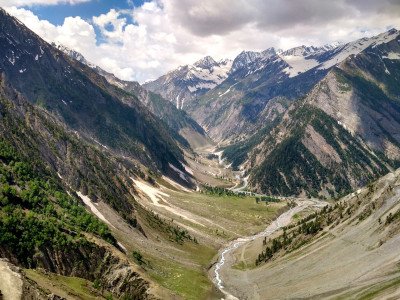 @@Overview: Sor Valley is the picturesque, bowl-shaped valley in which the entire town of Pithoragarh is nestled. It is widely famous and often nicknamed the 'Mini Kashmir' of Uttarakhand due to its unparalleled natural beauty, characterized by lush terraced fields, green meadows, rolling hills, and a mild, pleasant climate. The valley is surrounded by high ridges, including Chandak Hill, which offer spectacular viewpoints. The valley floor is where the main urban and agricultural activities of the district take place. It is the heart of the region, offering not just scenic beauty but also a deep dive into the local Kumaoni culture, lifestyle, and agricultural practices. The breathtaking sight of the distant, snow-capped Himalayan peaks towering over the valley is the quintessential Pithoragarh experience:Show All
Om Parvat is a majestic and sacred peak in the Himalayas, standing at an elevation of 6,191 meters. It is famous worldwide for a unique natural phenomenon: the snow deposition on the black mountain face forms a distinct and unmistakable "Om" (?) symbol. This peak is located near the Indo-Nepal border in the Pithoragarh district. It is considered one of the eight natural "Om" symbols in the world, of which only this one has been discovered so far. The mountain is sacred to Hindus, Buddhists, and Jains alike, believed to be a manifestation of Lord Shiva's presence. Om Parvat is a key highlight of the Adi Kailash and Kailash Mansarovar Yatra. The view of the peak from Nabidhang is a deeply spiritual experience that leaves pilgrims in awe. The terrain leading to the mountain is rugged, involving high-altitude passes and remote valleys. The journey offers a glimpse into the raw, untamed beauty of the Kumaon Himalayas, with its vast meadows, glacial streams, and the unique culture of the Bhotia tribe. Reaching this spot requires inner strength and a permit from the Indian government, making it a destination for the truly dedicated traveler.
@@Overview: Sor Valley is the picturesque, bowl-shaped valley in which the entire town of Pithoragarh is nestled. It is widely famous and often nicknamed the 'Mini Kashmir' of Uttarakhand due to its unparalleled natural beauty, characterized by lush terraced fields, green meadows, rolling hills, and a mild, pleasant climate. The valley is surrounded by high ridges, including Chandak Hill, which offer spectacular viewpoints. The valley floor is where the main urban and agricultural activities of the district take place. It is the heart of the region, offering not just scenic beauty but also a deep dive into the local Kumaoni culture, lifestyle, and agricultural practices. The breathtaking sight of the distant, snow-capped Himalayan peaks towering over the valley is the quintessential Pithoragarh experience:Show All
Om Parvat is a majestic and sacred peak in the Himalayas, standing at an elevation of 6,191 meters. It is famous worldwide for a unique natural phenomenon: the snow deposition on the black mountain face forms a distinct and unmistakable "Om" (?) symbol. This peak is located near the Indo-Nepal border in the Pithoragarh district. It is considered one of the eight natural "Om" symbols in the world, of which only this one has been discovered so far. The mountain is sacred to Hindus, Buddhists, and Jains alike, believed to be a manifestation of Lord Shiva's presence. Om Parvat is a key highlight of the Adi Kailash and Kailash Mansarovar Yatra. The view of the peak from Nabidhang is a deeply spiritual experience that leaves pilgrims in awe. The terrain leading to the mountain is rugged, involving high-altitude passes and remote valleys. The journey offers a glimpse into the raw, untamed beauty of the Kumaon Himalayas, with its vast meadows, glacial streams, and the unique culture of the Bhotia tribe. Reaching this spot requires inner strength and a permit from the Indian government, making it a destination for the truly dedicated traveler.Information
-
Why Famous:
The Mini Kashmir: Pithoragarh is famous for its uncanny resemblance to the Kashmir Valley, with its wide-open fields and snow-capped mountain backdrop. This title has made it a popular destination for those who want to experience the beauty of the high Himalayas without goi...The Mini Kashmir: Pithoragarh is famous for its uncanny resemblance to the Kashmir Valley, with its wide-open fields and snow-capped mountain backdrop. This title has made it a popular destination for those who want to experience the beauty of the high Himalayas without going to the far north.
Kailash Mansarovar Route: The town is globally recognized as a crucial stopping point for the Kailash Mansarovar Yatra. This pilgrimage is one of the most sacred for Hindus, Buddhists, and Jains, bringing a sense of holy significance to the entire district. Many pilgrims spend a few days in Pithoragarh to acclimate before proceeding to the higher altitudes. -
Architecture:
Gorkha and Kumaoni Style: The architecture in Pithoragarh is characterized by the use of local stone and wood, especially in its older structures and forts. The Pithoragarh Fort features thick stone walls and a design intended for defense, reflecting the Gorkha influence of...Gorkha and Kumaoni Style: The architecture in Pithoragarh is characterized by the use of local stone and wood, especially in its older structures and forts. The Pithoragarh Fort features thick stone walls and a design intended for defense, reflecting the Gorkha influence of the 18th century. These buildings are often situated on high ground to provide a strategic advantage and a clear view of the valley. The traditional Kumaoni houses in the nearby villages feature beautifully carved wooden doors and windows, known as Likhai. This intricate woodcraft is a hallmark of the region's artistic identity.
Cave and Temple Designs: The religious architecture in Pithoragarh includes both stone temples and natural cave shrines. The Nakuleshwar Temple is built in the Khajuraho style, featuring detailed carvings of various deities on its exterior walls. Natural cave temples like Kapileshwar Mahadev are unique, as they use the natural formations of the earth as a sacred space. These shrines often have modest dimensions but are located in sites of great natural beauty, enhancing their spiritual aura. The use of locally sourced limestone and slate in temple construction is a common practice in the region. -
How To Reach:
By Air: The nearest operational airport is at Pantnagar, about 240 KMS away, though the Naini Saini Airport in Pithoragarh itself has limited flights. Most travelers take a flight to Delhi and then travel by road or train. The drive from Pantnagar to Pithoragarh takes abou...By Air: The nearest operational airport is at Pantnagar, about 240 KMS away, though the Naini Saini Airport in Pithoragarh itself has limited flights. Most travelers take a flight to Delhi and then travel by road or train. The drive from Pantnagar to Pithoragarh takes about 8 to 9 hours through beautiful hill stations like Almora.
By Train: The nearest railway station is at Tanakpur, which is about 138 KMS from Pithoragarh. Tanakpur is connected to major cities like Delhi and Lucknow by regular trains. From the station, you can find numerous buses and shared taxis that ply daily to Pithoragarh through scenic mountain roads.
By Road: Pithoragarh is well-connected by road to major towns in Uttarakhand like Almora, Haldwani, and Nainital. State-run buses and private taxis are the primary mode of transport. The road trip offers stunning views of the Kumaon hills but can be quite long, so plan accordingly.
Local Transport: Within the town, walking is the best way to explore the main market area and the fort. For reaching nearby attractions like Chandak or Narayan Ashram, you can hire a local taxi or use the shared jeeps. Many tourists also prefer renting a bike to explore the valley at their own pace. -
Weather and Best Time to Visit:
Summer and Post-Monsoon: The best time to visit Pithoragarh is from April to June and from September to November. During these months, the weather is pleasant and the sky is clear, providing great views of the Himalayas. This is also the ideal time for trekking and other o...Summer and Post-Monsoon: The best time to visit Pithoragarh is from April to June and from September to November. During these months, the weather is pleasant and the sky is clear, providing great views of the Himalayas. This is also the ideal time for trekking and other outdoor adventure activities.
Winter Experience: For those who want to see snow, December to February is a good time, especially in the higher reaches of the district. The town itself can get quite cold, and heavy woolens are necessary. Some of the higher mountain passes might be closed due to heavy snowfall during this time. -
Near Tourist Places:
1. Munsyari (125km), 2. Patal Bhuvaneshwar (87km), 3. Chaukori (85km), 4. Gangolihat (77km), 5. Didihat (54km), 6. Dhwaj Temple (10km), 7. Thal Kedar (16km), 8. Chandak (8km), 9. Narayan Ashram (44km), 10. Jauljibi (68km)
Tourism Tips
-
Safety and Health: Always carry enough warm clothing, even in summer, as the weather in the mountains can be unpredictable. Stay hydrated and carry some high-energy snacks like nuts and chocolate for long road journeys. It is also important to respect the local culture and...Safety and Health: Always carry enough warm clothing, even in summer, as the weather in the mountains can be unpredictable. Stay hydrated and carry some high-energy snacks like nuts and chocolate for long road journeys. It is also important to respect the local culture and follow the rules when visiting sacred sites and temples.
Packing Essentials: Carry comfortable walking shoes and a good quality rain jacket, as it can rain anytime in the hills. A power bank and a local map are also useful for exploring the more remote parts of the district. If you plan to go trekking, make sure you have the necessary gear and a local guide for safety.
Reviews
FAQs
Pithoragarh Itineray And Cost:-
Other Places In Uttarakhand :-
Other States In India :-
Information about New and Updated Locations() of Uttarakhand Has Been Added :-
Card subtitle
Note:-
Information provided here in good Faith and for reference only.
Near Places
Chakrata
Some quick example text to build on the card title and make up the bulk of the card's content.
Go somewhere
Chamba
Some quick example text to build on the card title and make up the bulk of the card's content.
Go somewhere
Chamoli
Some quick example text to build on the card title and make up the bulk of the card's content.
Go somewhere
Champawat
Some quick example text to build on the card title and make up the bulk of the card's content.
Go somewhere
Chopta
Some quick example text to build on the card title and make up the bulk of the card's content.
Go somewhere
Corbett
Some quick example text to build on the card title and make up the bulk of the card's content.
Go somewhere
Dehradun
Some quick example text to build on the card title and make up the bulk of the card's content.
Go somewhere
Dhanaulti
Some quick example text to build on the card title and make up the bulk of the card's content.
Go somewhere
Gwaldam
Some quick example text to build on the card title and make up the bulk of the card's content.
Go somewhere
Haldwani
Some quick example text to build on the card title and make up the bulk of the card's content.
Go somewhere
Haridwar
Some quick example text to build on the card title and make up the bulk of the card's content.
Go somewhere
Joshimath
Some quick example text to build on the card title and make up the bulk of the card's content.
Go somewhere
Kanatal
Some quick example text to build on the card title and make up the bulk of the card's content.
Go somewhere
Kashipur
Some quick example text to build on the card title and make up the bulk of the card's content.
Go somewhere
Kausani
Some quick example text to build on the card title and make up the bulk of the card's content.
Go somewhere
Kedarnath
Some quick example text to build on the card title and make up the bulk of the card's content.
Go somewherein Other Cities