

Rishikesh
General information
-
Ideal Duration:
3 to 5 DaysPlace Type:
Pilgrimage, Adventure, YogaEntry Fees:
General Entry: Most temples and ghats have Free Entry.
Beatles Ashram: There is a fee of INR 150 for Indians.
Adventure: Rafting costs between INR 600 to 2500 per person. ...General Entry: Most temples and ghats have Free Entry.
Beatles Ashram: There is a fee of INR 150 for Indians.
Adventure: Rafting costs between INR 600 to 2500 per person.Timing:
Regular Timings: Ghats are open 24 Hours for visitors.
Aarti Time: Starts around 6:00 PM in winter and 7:00 PM summer.
Ideal Visit Time: Early morning for yoga and evening for prayers. ...Regular Timings: Ghats are open 24 Hours for visitors.
Aarti Time: Starts around 6:00 PM in winter and 7:00 PM summer.
Ideal Visit Time: Early morning for yoga and evening for prayers.Special Events:
International Yoga Festival: Held in March, attracting global gurus and practitioners. It features workshops, lectures, and mass yoga sessions.
Ganga Dussehra: Celebrated in June to honor the descent of the river. Devotees light thousands ...International Yoga Festival: Held in March, attracting global gurus and practitioners. It features workshops, lectures, and mass yoga sessions.
Ganga Dussehra: Celebrated in June to honor the descent of the river. Devotees light thousands of lamps on the river surface.Best Photo Spots:
Triveni Ghat: Capture the synchronized movement of lamps during evening aarti.
The Beatles Ashram: Famous for its colorful graffiti and stone huts.
Kunjapuri Sunrise: A 360-degree view of the Himalayas and t...Triveni Ghat: Capture the synchronized movement of lamps during evening aarti.
The Beatles Ashram: Famous for its colorful graffiti and stone huts.
Kunjapuri Sunrise: A 360-degree view of the Himalayas and the sunrise.Photo Gallery
Things To Do
 This is the oldest and one of the most sacred temples in Rishikesh, dedicated to Lord Vishnu (worshipped here as Hrishikesh Narayan). Its history is steeped in ancient Hindu mythology, even finding mention in the Mahabharata and Puranas. It is believed to be established by the sage Raibhya and later reinstalled by Adi Shankaracharya in 789 AD. The temple houses an idol of Lord Vishnu carved from a single piece of Saligram stone. The complex includes a small museum showcasing archaeological finds, including pottery and ancient sculptures, some dating back to the 12th century. The temple is considered one of the Panch Tirth (Five Pilgrimages) of Rishikesh. Pilgrims believe that taking 108 rounds around the deity on Akshaya Tritiya is equivalent to a pilgrimage to Badrinath Dham. The serene atmosphere makes it an ideal spot for devotees and history enthusiasts alike. It is a peaceful spiritual retreat right in the busy heart of the city, offering a deep connection to Rishikesh's spiritual roots. (Approx. 130 words)
 The Tera Manzil Temple, officially known as Trayambakeshwar Temple or Kailash Niketan Temple, is one of the most prominent landmarks in Rishikesh, recognized by its unique 13-story structure standing tall on the banks of the River Ganga near the iconic Lakshman Jhula bridge. Unlike most Hindu temples dedicated to a single deity, this temple houses multiple shrines to various Hindu Gods and Goddesses on each of its thirteen floors, making it a comprehensive destination for devotees. The temple offers spectacular panoramic views of the entire Rishikesh valley, the winding Ganga river, and the surrounding Shivalik Hills from its upper floors. Its spiritual energy and its location in the bustling yet sacred Lakshman Jhula area make it a major magnet for tourists and pilgrims. The temple is managed by the Kailashanand Mission Trust and is a key site to visit after crossing the Lakshman Jhula (currently closed to traffic, but the area is still active). (Condensed from 400 words)
@@Introduction and Overview: Rajaji National Park, accessible via Chilla Gate, is a sprawling wildlife sanctuary in the Shivalik range, offering a rich diversity of flora and fauna and a much-needed escape from city life. It is named after C. Rajagopalachari (Rajaji). The park is a significant natural corridor, connecting the Himalayan foothills with the Shivalik range. It is particularly known for its large population of Asian elephants. The natural beauty here is defined by dense Sal forests, mixed broad-leaved forests, and scrubland, with the Ganga River flowing through a part of the park, adding to its picturesque landscape. The Chilla range is the most popular zone for visitors coming from Rishikesh and Haridwar, primarily for jungle safaris. The ecosystem is vibrant and relatively untouched, providing a crucial habitat for numerous endangered species. The park's establishment consolidated three sanctuaries (Rajaji, Motichur, and Chilla) into one large national park in 1983. This area has immense ecological importance and is a prime spot for nature photography, birdwatching, and enjoying the tranquility of the wilderness. The park management ensures minimal human intervention to maintain the natural integrity of the habitat. Visitors should plan their trip around the safari timings, as the park is open for a limited period in the morning and evening, generally remaining closed during the monsoon season. It provides a unique opportunity to experience a dry deciduous forest ecosystem. The safaris are conducted in open jeeps, providing a thrilling ride through the dense jungle trails. It's a must-visit for adventure and wildlife enthusiasts looking for an authentic jungle experience near Rishikesh.:
@@Historical Significance of Muni Ki Reti: The name literally means 'Sands of the Sages,' referring to the belief that many great saints and sages, including King Bharata of the Ramayana, performed penance and meditated here before journeying into the higher Himalayas. This area served as a historical starting point for the Char Dham Yatra pilgrimage. It's a key spiritual hub situated right on the banks of the holy river Ganga where the river is still clean and serene. The town is a quieter, less commercial part of Rishikesh, primarily focused on spirituality, yoga, and meditation. It has been the home to several influential Ashrams and spiritual institutions that have attracted seekers and Western visitors for decades. The atmosphere is notably calmer, fostering an environment conducive to deep reflection and spiritual practice, contrasting with the bustling markets found elsewhere in the city. The continuous flow of spiritual energy, combined with the natural beauty of the river and the surrounding foothills of the Shivalik range, makes Muni Ki Reti a profoundly sacred and peaceful destination. The locale is not a single point but rather a municipal area encompassing major spiritual landmarks like Ram Jhula and parts of Swarg Ashram. The tradition of Ganga Seva and Satsangs (spiritual discourses) is deeply embedded in the daily life of this place, making it a living heritage site. The riverbanks are particularly cherished for evening rituals and quiet contemplation, symbolizing the enduring spiritual connection between man and nature. The overall focus is on holistic wellness and Vedic learning. The presence of international students attending long-term yoga and meditation programs adds a multicultural layer to its spiritual fabric. This town represents the heart of Rishikesh's identity as the 'Yoga Capital of the World,' drawing its essence from ancient practices and the purity of the Ganga. The local communities are generally supportive of the spiritual tourism, maintaining the sanctity of the place. :
The Tera Manzil Temple, officially known as Trayambakeshwar Temple or Kailash Niketan Temple, is one of the most prominent landmarks in Rishikesh, recognized by its unique 13-story structure standing tall on the banks of the River Ganga near the iconic Lakshman Jhula bridge. Unlike most Hindu temples dedicated to a single deity, this temple houses multiple shrines to various Hindu Gods and Goddesses on each of its thirteen floors, making it a comprehensive destination for devotees. The temple offers spectacular panoramic views of the entire Rishikesh valley, the winding Ganga river, and the surrounding Shivalik Hills from its upper floors. Its spiritual energy and its location in the bustling yet sacred Lakshman Jhula area make it a major magnet for tourists and pilgrims. The temple is managed by the Kailashanand Mission Trust and is a key site to visit after crossing the Lakshman Jhula (currently closed to traffic, but the area is still active). (Condensed from 400 words)
@@Introduction and Overview: Rajaji National Park, accessible via Chilla Gate, is a sprawling wildlife sanctuary in the Shivalik range, offering a rich diversity of flora and fauna and a much-needed escape from city life. It is named after C. Rajagopalachari (Rajaji). The park is a significant natural corridor, connecting the Himalayan foothills with the Shivalik range. It is particularly known for its large population of Asian elephants. The natural beauty here is defined by dense Sal forests, mixed broad-leaved forests, and scrubland, with the Ganga River flowing through a part of the park, adding to its picturesque landscape. The Chilla range is the most popular zone for visitors coming from Rishikesh and Haridwar, primarily for jungle safaris. The ecosystem is vibrant and relatively untouched, providing a crucial habitat for numerous endangered species. The park's establishment consolidated three sanctuaries (Rajaji, Motichur, and Chilla) into one large national park in 1983. This area has immense ecological importance and is a prime spot for nature photography, birdwatching, and enjoying the tranquility of the wilderness. The park management ensures minimal human intervention to maintain the natural integrity of the habitat. Visitors should plan their trip around the safari timings, as the park is open for a limited period in the morning and evening, generally remaining closed during the monsoon season. It provides a unique opportunity to experience a dry deciduous forest ecosystem. The safaris are conducted in open jeeps, providing a thrilling ride through the dense jungle trails. It's a must-visit for adventure and wildlife enthusiasts looking for an authentic jungle experience near Rishikesh.:
@@Historical Significance of Muni Ki Reti: The name literally means 'Sands of the Sages,' referring to the belief that many great saints and sages, including King Bharata of the Ramayana, performed penance and meditated here before journeying into the higher Himalayas. This area served as a historical starting point for the Char Dham Yatra pilgrimage. It's a key spiritual hub situated right on the banks of the holy river Ganga where the river is still clean and serene. The town is a quieter, less commercial part of Rishikesh, primarily focused on spirituality, yoga, and meditation. It has been the home to several influential Ashrams and spiritual institutions that have attracted seekers and Western visitors for decades. The atmosphere is notably calmer, fostering an environment conducive to deep reflection and spiritual practice, contrasting with the bustling markets found elsewhere in the city. The continuous flow of spiritual energy, combined with the natural beauty of the river and the surrounding foothills of the Shivalik range, makes Muni Ki Reti a profoundly sacred and peaceful destination. The locale is not a single point but rather a municipal area encompassing major spiritual landmarks like Ram Jhula and parts of Swarg Ashram. The tradition of Ganga Seva and Satsangs (spiritual discourses) is deeply embedded in the daily life of this place, making it a living heritage site. The riverbanks are particularly cherished for evening rituals and quiet contemplation, symbolizing the enduring spiritual connection between man and nature. The overall focus is on holistic wellness and Vedic learning. The presence of international students attending long-term yoga and meditation programs adds a multicultural layer to its spiritual fabric. This town represents the heart of Rishikesh's identity as the 'Yoga Capital of the World,' drawing its essence from ancient practices and the purity of the Ganga. The local communities are generally supportive of the spiritual tourism, maintaining the sanctity of the place. :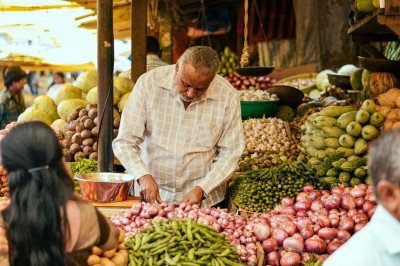 @@Introduction and Overview: The Rishikesh Local Market, or Bazaar, is not a single location but a collection of vibrant, distinct market zones located around the major spiritual landmarks, primarily near Ram Jhula, Laxman Jhula, and the old city center near Triveni Ghat. These markets are a microcosm of Rishikesh life, bustling with pilgrims, international tourists, and locals. They offer a unique mix of spiritual artifacts, bohemian clothing, local handicrafts, and essential goods. The atmosphere is energetic and aromatic, filled with the scent of incense, Ayurvedic herbs, and fresh spices. The most prominent markets are the Laxman Jhula Market (known for spiritual jewelry, clothes, and cafes), the Ram Jhula Market (specializing in Ayurvedic products, Rudraksha malas, and religious books), and the Rishikesh Main Market (a hub for local clothing, daily necessities, and street food). Shopping here is an experience in itself, requiring good bargaining skills. The city's pure vegetarian and alcohol-free ethos extends to the market, where you can find delicious sattvic food and organic products. The market areas are perfect for finding souvenirs that capture the essence of the 'Yoga Capital of the World,' from finely crafted statues to high-quality yoga mats. Local artisans and Tibetan vendors often set up stalls, adding to the diversity of the goods available. Exploring these markets involves navigating narrow, crowded lanes, which adds to the charm of the experience. The local flavor is strongest near the main city bazaar, while the areas near the bridges cater more to the tourist and spiritual seeker crowd.:
@@Philosophical Basis and Focus on Active Meditation: Osho Ganga Ashram, also known as Osho Gangadham, is a spiritual centre based on the teachings and philosophy of Bhagwan Shree Rajneesh, commonly known as Osho. The Ashram's core focus is unique in Rishikesh as it emphasizes Osho's methods of Active Meditation, contrasting sharply with the passive sitting meditation taught in many traditional Himalayan ashrams. These active techniques—such as Dynamic Meditation, Kundalini Meditation, and Nadabrahma Meditation—involve vigorous physical activity, catharsis, and conscious movement before moving into silence. The philosophy promotes a joyous, holistic acceptance of life, integrating the spiritual with the material, and celebrating a deep sense of freedom and individuality. The goal is to release built-up tension and emotions, preparing the body and mind for deeper stillness. @@Location and Serene Environment: The Ashram is strategically located on the banks of the holy river Ganga at Brahmapuri, slightly upstream from the main busy hubs like Laxman Jhula and Ram Jhula. This location provides a tranquil and natural environment, with the flowing river and the surrounding Shivalik hills creating a perfect backdrop for inner work. The relative distance from the city centre ensures a quiet atmosphere, conducive to the intensive spiritual work conducted there. It attracts a different, often younger, and more international crowd who are drawn to Osho's unconventional, liberating teachings. The overall environment encourages self-discovery and transformation through unconventional methods. :
Geeta Bhawan is one of the oldest and largest ashrams in Rishikesh, founded by Jayadayal Goyandka of Gita Press Gorakhpur. Situated right on the banks of the holy Ganga River in the serene Swargashram area, the complex spans a vast area and is dedicated to the promotion of the teachings of the Bhagavad Gita. The ashram is renowned for its philanthropic service, offering over 1,000 basic rooms for free accommodation to pilgrims, and serving wholesome, pure vegetarian (sattvic) meals at minimal or no cost. Its massive halls are adorned with verses from the Gita and other Hindu scriptures. A key feature is the extensive in-house library containing thousands of scriptures, including different editions of the Bhagavad Gita and publications from Gita Press. Visitors come here for spiritual retreats, to attend daily satsangs (spiritual discourses), bhajans (devotional songs), and to simply soak in the deeply spiritual and peaceful environment. (Approx. 130 words)Show All
Vashishta Gufa is an ancient, natural cave nestled along the banks of the River Ganga, situated about 25 kilometers upstream from Rishikesh on the road towards Devprayag and Badrinath. It is a place of profound spiritual significance, believed to be the spot where Maharishi Vashishta, one of the seven great sages (Saptarishis) in Hindu mythology and the guru of Lord Rama, meditated after the tragic loss of his children. The cave maintains an intense, palpable stillness and silence, making it one of the most powerful and authentic spots for deep meditation in the Rishikesh area. Inside the main cave is a naturally formed Shivlinga, illuminated by a single oil lamp (Diya). The site is managed by the Swami Purushottamanand Ashram, which provides a serene setting and basic facilities for seekers. The trek down to the cave from the road is short but scenic, leading to a calm Ghat on the Ganga river. (Condensed from 400 words)
@@Introduction and Overview: The Rishikesh Local Market, or Bazaar, is not a single location but a collection of vibrant, distinct market zones located around the major spiritual landmarks, primarily near Ram Jhula, Laxman Jhula, and the old city center near Triveni Ghat. These markets are a microcosm of Rishikesh life, bustling with pilgrims, international tourists, and locals. They offer a unique mix of spiritual artifacts, bohemian clothing, local handicrafts, and essential goods. The atmosphere is energetic and aromatic, filled with the scent of incense, Ayurvedic herbs, and fresh spices. The most prominent markets are the Laxman Jhula Market (known for spiritual jewelry, clothes, and cafes), the Ram Jhula Market (specializing in Ayurvedic products, Rudraksha malas, and religious books), and the Rishikesh Main Market (a hub for local clothing, daily necessities, and street food). Shopping here is an experience in itself, requiring good bargaining skills. The city's pure vegetarian and alcohol-free ethos extends to the market, where you can find delicious sattvic food and organic products. The market areas are perfect for finding souvenirs that capture the essence of the 'Yoga Capital of the World,' from finely crafted statues to high-quality yoga mats. Local artisans and Tibetan vendors often set up stalls, adding to the diversity of the goods available. Exploring these markets involves navigating narrow, crowded lanes, which adds to the charm of the experience. The local flavor is strongest near the main city bazaar, while the areas near the bridges cater more to the tourist and spiritual seeker crowd.:
@@Philosophical Basis and Focus on Active Meditation: Osho Ganga Ashram, also known as Osho Gangadham, is a spiritual centre based on the teachings and philosophy of Bhagwan Shree Rajneesh, commonly known as Osho. The Ashram's core focus is unique in Rishikesh as it emphasizes Osho's methods of Active Meditation, contrasting sharply with the passive sitting meditation taught in many traditional Himalayan ashrams. These active techniques—such as Dynamic Meditation, Kundalini Meditation, and Nadabrahma Meditation—involve vigorous physical activity, catharsis, and conscious movement before moving into silence. The philosophy promotes a joyous, holistic acceptance of life, integrating the spiritual with the material, and celebrating a deep sense of freedom and individuality. The goal is to release built-up tension and emotions, preparing the body and mind for deeper stillness. @@Location and Serene Environment: The Ashram is strategically located on the banks of the holy river Ganga at Brahmapuri, slightly upstream from the main busy hubs like Laxman Jhula and Ram Jhula. This location provides a tranquil and natural environment, with the flowing river and the surrounding Shivalik hills creating a perfect backdrop for inner work. The relative distance from the city centre ensures a quiet atmosphere, conducive to the intensive spiritual work conducted there. It attracts a different, often younger, and more international crowd who are drawn to Osho's unconventional, liberating teachings. The overall environment encourages self-discovery and transformation through unconventional methods. :
Geeta Bhawan is one of the oldest and largest ashrams in Rishikesh, founded by Jayadayal Goyandka of Gita Press Gorakhpur. Situated right on the banks of the holy Ganga River in the serene Swargashram area, the complex spans a vast area and is dedicated to the promotion of the teachings of the Bhagavad Gita. The ashram is renowned for its philanthropic service, offering over 1,000 basic rooms for free accommodation to pilgrims, and serving wholesome, pure vegetarian (sattvic) meals at minimal or no cost. Its massive halls are adorned with verses from the Gita and other Hindu scriptures. A key feature is the extensive in-house library containing thousands of scriptures, including different editions of the Bhagavad Gita and publications from Gita Press. Visitors come here for spiritual retreats, to attend daily satsangs (spiritual discourses), bhajans (devotional songs), and to simply soak in the deeply spiritual and peaceful environment. (Approx. 130 words)Show All
Vashishta Gufa is an ancient, natural cave nestled along the banks of the River Ganga, situated about 25 kilometers upstream from Rishikesh on the road towards Devprayag and Badrinath. It is a place of profound spiritual significance, believed to be the spot where Maharishi Vashishta, one of the seven great sages (Saptarishis) in Hindu mythology and the guru of Lord Rama, meditated after the tragic loss of his children. The cave maintains an intense, palpable stillness and silence, making it one of the most powerful and authentic spots for deep meditation in the Rishikesh area. Inside the main cave is a naturally formed Shivlinga, illuminated by a single oil lamp (Diya). The site is managed by the Swami Purushottamanand Ashram, which provides a serene setting and basic facilities for seekers. The trek down to the cave from the road is short but scenic, leading to a calm Ghat on the Ganga river. (Condensed from 400 words)Information
-
Why Famous:
Spiritual Hub: It is the ultimate destination for yoga and deep meditation. Hundreds of ashrams provide a peaceful environment for growth.
Adventure Sports: The town is the river rafting capital of India. The Grade III and IV rapids provid...Spiritual Hub: It is the ultimate destination for yoga and deep meditation. Hundreds of ashrams provide a peaceful environment for growth.
Adventure Sports: The town is the river rafting capital of India. The Grade III and IV rapids provide extreme thrills.
Holy River: The Ganges leaves the mountains here to enter the plains. Taking a holy dip is believed to wash away all sins. -
Architecture:
Traditional Style: The architecture follows the North Indian temple style. Temples like Bharat Mandir have stone carvings from the 12th century.
Suspension Bridges: The Lakshman Jhula and Ram Jhula are iconic iron bridges. They measure ove...Traditional Style: The architecture follows the North Indian temple style. Temples like Bharat Mandir have stone carvings from the 12th century.
Suspension Bridges: The Lakshman Jhula and Ram Jhula are iconic iron bridges. They measure over 130 meters in length and hang high.
Ashram Designs: The Beatles Ashram features unique stone beehive-style huts. These were built using local river stones for meditation. -
How To Reach:
By Air: The Jolly Grant Airport in Dehradun is 20 KM away.
By Train: The Yog Nagari Rishikesh station connects major cities.
By Road: Regular buses run from Delhi, Haridwar, and Dehradun.
Read MoreBy Air: The Jolly Grant Airport in Dehradun is 20 KM away.
By Train: The Yog Nagari Rishikesh station connects major cities.
By Road: Regular buses run from Delhi, Haridwar, and Dehradun.
Local Transport: Auto-rickshaws and rented scooters are very common here.Weather and Best Time to Visit:
Summer Season: March to May is hot but best for rafting.
Winter Season: October to February is cool and ideal for yoga.
Best Part of Day: Sunrise and sunset provide the best light. ...Summer Season: March to May is hot but best for rafting.
Winter Season: October to February is cool and ideal for yoga.
Best Part of Day: Sunrise and sunset provide the best light.Near Tourist Places:
Haridwar (20km), Shivpuri (16km), Dehradun (45km), Mussoorie (75km), Devprayag (70km), Byasi (30km), Kaudiyala (40km), Chamba (60km), Narendra Nagar (20km), Tehri Dam (75km)Tourism Tips
-
Health & Safety: Avoid swimming in deep river currents during monsoon.
Packing: Carry modest cotton clothes and good walking sandals.
Accommodation: Stay in the Tapovan area for better cafe access.
<...Health & Safety: Avoid swimming in deep river currents during monsoon.
Packing: Carry modest cotton clothes and good walking sandals.
Accommodation: Stay in the Tapovan area for better cafe access.
General: Respect local traditions and avoid carrying plastic to ghats.
Reviews
FAQs
Rishikesh Itineray And Cost:-
Other Places In Uttarakhand :-
Other States In India :-
Information about New and Updated Locations() of Uttarakhand Has Been Added :-
Card subtitle
Note:-
Information provided here in good Faith and for reference only.
Near Places
Chakrata
Some quick example text to build on the card title and make up the bulk of the card's content.
Go somewhere
Chamba
Some quick example text to build on the card title and make up the bulk of the card's content.
Go somewhere
Chamoli
Some quick example text to build on the card title and make up the bulk of the card's content.
Go somewhere
Champawat
Some quick example text to build on the card title and make up the bulk of the card's content.
Go somewhere
Chopta
Some quick example text to build on the card title and make up the bulk of the card's content.
Go somewhere
Corbett
Some quick example text to build on the card title and make up the bulk of the card's content.
Go somewhere
Dehradun
Some quick example text to build on the card title and make up the bulk of the card's content.
Go somewhere
Dhanaulti
Some quick example text to build on the card title and make up the bulk of the card's content.
Go somewhere
Gwaldam
Some quick example text to build on the card title and make up the bulk of the card's content.
Go somewhere
Haldwani
Some quick example text to build on the card title and make up the bulk of the card's content.
Go somewhere
Haridwar
Some quick example text to build on the card title and make up the bulk of the card's content.
Go somewhere
Joshimath
Some quick example text to build on the card title and make up the bulk of the card's content.
Go somewhere
Kanatal
Some quick example text to build on the card title and make up the bulk of the card's content.
Go somewhere
Kashipur
Some quick example text to build on the card title and make up the bulk of the card's content.
Go somewhere
Kausani
Some quick example text to build on the card title and make up the bulk of the card's content.
Go somewhere
Kedarnath
Some quick example text to build on the card title and make up the bulk of the card's content.
Go somewherein Other Cities