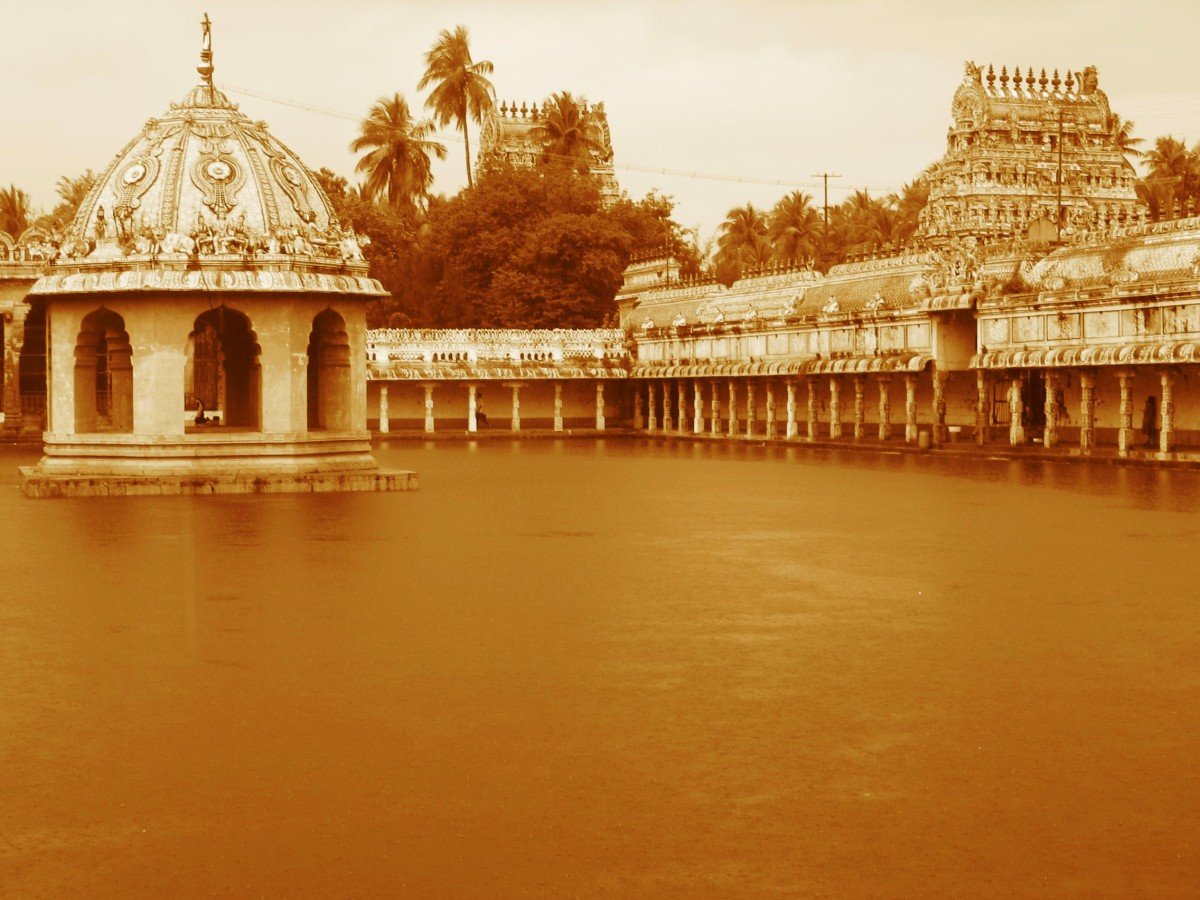


Chidambaram
General information
-
Ideal Duration:
1 to 2 DaysPlace Type:
Pilgrimage Town / Heritage SiteEntry Fees:
Temple Entry: There is no entry fee for the Nataraja Temple, and it is open to all regardless of their faith or nationality. Special darshan tickets may be available for a nominal fee to skip the queues during peak festival seasons. It is common practice to offer a small ...Temple Entry: There is no entry fee for the Nataraja Temple, and it is open to all regardless of their faith or nationality. Special darshan tickets may be available for a nominal fee to skip the queues during peak festival seasons. It is common practice to offer a small donation for the maintenance of the temple or to the priests for performing rituals. Always check for any specific local rules regarding dress code and mobile phone usage inside the temple.
Pichavaram Boating: Boating at Pichavaram has a structured fee system managed by the Forest Department. The rates depend on the type of boat (rowboat or motorboat) and the duration of the trip. There are extra charges for carrying cameras or video equipment into the forest area. It is advisable to buy tickets directly at the government counter to ensure fair pricing. The fees collected contribute to the conservation efforts of the mangrove ecosystem.Timing:
Regular Timings: The Nataraja Temple is open from 6:00 AM to 12:00 PM and from 4:00 PM to 10:00 PM daily. Rituals and Pooja are performed at specific intervals, with the evening Aarti being the most popular time for visitors. Pichavaram boating is usually available from 9...Regular Timings: The Nataraja Temple is open from 6:00 AM to 12:00 PM and from 4:00 PM to 10:00 PM daily. Rituals and Pooja are performed at specific intervals, with the evening Aarti being the most popular time for visitors. Pichavaram boating is usually available from 9:00 AM to 6:00 PM, depending on the weather and water levels. It is best to arrive early at the temple to avoid the midday heat and the large crowds that gather during the evening sessions.
Ideal Visit Time: The early morning hours around 7:00 AM are perfect for temple visits as you can witness the morning rituals in a peaceful atmosphere. For Pichavaram, the best time to visit is during the late afternoon around 4:00 PM when the sun is less intense. This allows you to enjoy the boat ride comfortably and witness a beautiful sunset over the backwaters. Avoiding the peak afternoon hours is recommended as the coastal humidity can be quite draining for outdoor activities.Special Events:
Aani Tirumanjanam: Celebrated in the Tamil month of Aani (June-July), this festival involves a grand abhishekam (anointing) of the Nataraja idol. It is one of the two most important festivals in the year where the deity is brought to the thousand-pillared hall. Thousands ...Aani Tirumanjanam: Celebrated in the Tamil month of Aani (June-July), this festival involves a grand abhishekam (anointing) of the Nataraja idol. It is one of the two most important festivals in the year where the deity is brought to the thousand-pillared hall. Thousands of devotees gather to witness the ritual and the subsequent procession of the temple chariots. The town comes alive with decorations, music, and a festive spirit that is deeply rooted in local traditions.
Margazhi Thiruvaadhirai: Occurring in December-January, this festival marks the appearance of Lord Shiva to his devotees. The highlight is the early morning rituals and the preparation of a special dish called Thiruvaadhirai Kali. It is a time of intense devotion, with people singing hymns and visiting the temple in large numbers. The cool winter weather adds to the pleasant experience of participating in the outdoor processions and community gatherings.Best Photo Spots:
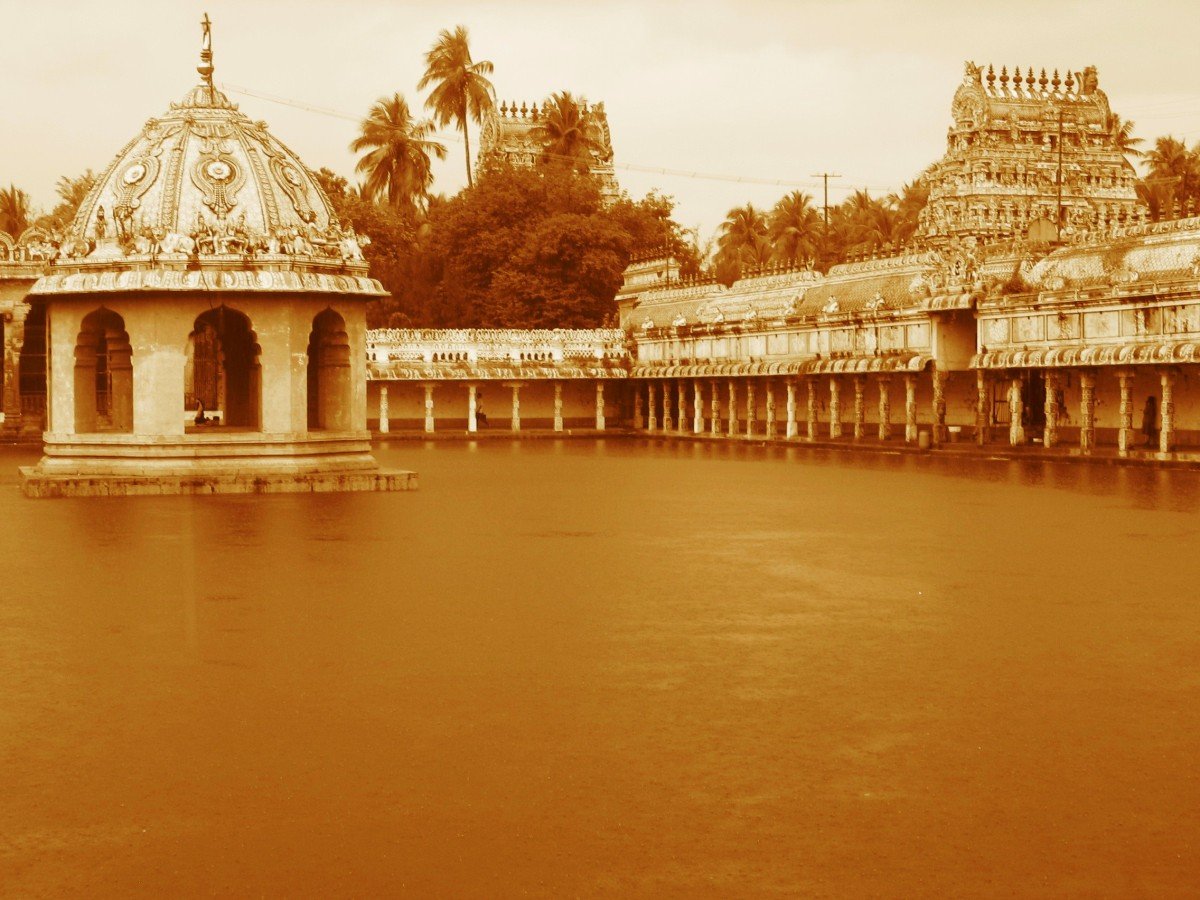
Nataraja Temple Gopurams: The four towering gateways provide a majestic backdrop for photography, especially during the early morning or late afternoon. The intricate carvings of the dance poses are best captured with a zoom lens to show the fine details. The symmetry of ...Nataraja Temple Gopurams: The four towering gateways provide a majestic backdrop for photography, especially during the early morning or late afternoon. The intricate carvings of the dance poses are best captured with a zoom lens to show the fine details. The symmetry of the temple layout and the large corridors offer great opportunities for architectural photography. Please note that photography inside the main sanctum is strictly prohibited to maintain the sanctity of the shrine.
Pichavaram Mangroves: The narrow water channels flanked by green mangroves offer a unique and picturesque setting for nature photography. The reflections of the trees in the still water and the play of light through the canopy create stunning visual compositions. If you are lucky, you can capture various species of water birds in their natural habitat. A boat ride during the golden hour provides the best lighting conditions for capturing the beauty of this natural hidden gem.Photo Gallery

Things To Do
 @@ Divine Healing: Vaitheeswaran Koil is a renowned temple dedicated to Lord Shiva, worshipped here as Vaidyanathar, the "God of Healing." Devotees believe that a visit to this temple and a dip in its holy waters can cure chronic diseases and skin ailments. The goddess is worshipped as Thaiyalnayaki, who is said to accompany the Lord with medicinal oil to heal the wounds of his followers. The temple is a sanctuary of hope for thousands who seek relief from physical and mental suffering through divine intervention. @@ Planetary Connection: This site is one of the Navagraha temples, specifically associated with the planet Mars (Angaraka or Chevvai). According to mythology, the planet Mars was cured of leprosy after praying to Lord Shiva here. People with Chevvai Dosham (astrological afflictions related to Mars) visit this temple to perform special poojas to mitigate the negative effects on their lives, especially regarding marriage and health. The temple serves as a crucial stop on the famous Navagraha pilgrimage circuit of Tamil Nadu. @@ Nadi Astrology: Apart from its religious significance, the town is the world center for Nadi Astrology. It is believed that ancient sages recorded the past, present, and future of all human beings on palm leaves, which are preserved here. Visitors flock to the many Nadi centers around the temple to have their life's destiny read by specialized practitioners. This mystical practice adds an aura of intrigue to the place, attracting both believers and curious travelers from across the globe. @@ Rituals and Faith: The temple is famous for its unique offerings, such as Thiruchandu Urundai (medicinal pellets made of temple soil, ash, and neem), which are consumed by devotees for healing. Another popular ritual involves dissolving jaggery in the temple tank, Siddhamirtham, to cure skin problems. The atmosphere inside the temple is vibrant yet disciplined, with the chanting of Vedic hymns and the fragrance of incense creating a powerful spiritual environment. It is a place where faith and ancient traditional medicine go hand in hand.
 @@Ecology and Scale: The Pichavaram Mangrove Forest is a globally significant ecological treasure, ranked as the second-largest mangrove forest in the world (after the Sundarbans). It spans over 1100 hectares (11 square kilometers) and is a stunning labyrinth of interconnected waterways, tidal flats, mudflats, and a dense evergreen forest of trees adapted to saline water. The forest is formed where the Vellar and Coleroon river distributaries meet the Bay of Bengal, creating a unique estuarine ecosystem of canals, creeks, and islands.@@Biodiversity and Importance: This biodiversity hotspot is home to 17 exclusive species of mangroves and is a crucial nursery and breeding ground for various species of fish, shrimp, and crustaceans. It is a haven for ornithologists, with around 200 species of birds, including migratory visitors like pelicans, storks, and flamingos, visiting the area during winter. The unique ecosystem acts as a natural buffer, protecting the coastal areas from cyclones and tsunamis. Its natural beauty and ecological importance make it a unique and stunning attraction near Chidambaram.:
@@History and Diversity: Annamalai University, founded in 1929 by the great philanthropist Rajah Sir Annamalai Chettiar, is a historic and one of the largest residential universities in Asia, sprawling over a massive 1000-acre sylvan campus. It began as a composite of colleges (Sri Minakshi College, Sri Minakshi Tamil College, and Sri Minakshi Sanskrit College) dedicated to promoting Tamil Language and literature and uplifting the downtrodden. It was governed by the Annamalai University Act of 1928 and later the 2013 Act. The University Town, Annamalainagar, is strategically located just east of the temple town of Chidambaram. The university is renowned for its disciplinary diversity, housing about 50 Departments across Eight Faculties, including Arts, Science, Marine Sciences, Indian Languages, and more.@@Accreditation and Impact: The institution has played a significant role in the social and cultural upliftment of the region for nearly a century. It maintains a unitary structure and has recently become an affiliating university with jurisdiction over several districts. It offers programs through both on-campus and Distance Education (DDE) modes, ensuring education is accessible to a wide audience. The on-campus programs are accredited by various competent bodies like NAAC (with an 'A+' Grade), NBA, and AICTE, testifying to its academic rigor and quality. Its commitment to research, innovation, and community service makes it a pivotal educational and cultural landmark in Tamil Nadu, transcending the typical definition of a tourist spot to offer a look into a monumental center of learning and its vast, well-maintained infrastructure and cultural ecosystem. This vast educational institution provides a unique contrast to the ancient temples nearby, representing modern scholarly tradition alongside ancient spiritual heritage.:
Pichavaram Backwaters is a breathtaking eco-tourism destination known for its vast network of mangrove forests spreading over 1100 hectares. This natural wonder consists of 400 small and large islands separated by a labyrinth of waterways. The mangroves are unique because the trees are permanently rooted in a few feet of water, creating an otherworldly landscape. It is a haven for nature lovers and bird watchers, especially during the migratory season. The TTDC boat house offers rowboats and motorboats that take you deep into the narrow "mangrove tunnels" where the sunlight barely touches the water. The water is quite shallow and calm, making it a safe yet adventurous experience. It is not just a tourist spot but a vital ecosystem that protects the inland areas from tsunamis and cyclones. Exploring the silence of the backwaters, broken only by the sound of oars and chirping birds, is a soul-stirring experience that every traveler must enjoy.
@@Purpose and Collection: The Government Museum, Chidambaram, is a local repository established to protect and showcase the rich archaeological, sculptural, and historical heritage of the Cuddalore District and the surrounding region, which was a significant center for the great Chola dynasty. The museum's collection is modest but focused, providing important context to the ancient town of Chidambaram and its architectural marvels. The exhibits primarily focus on stone sculptures dating from the Pallava and Chola periods, which were either recovered from local temples or excavated in the area.@@Key Exhibits: A major highlight is its collection of Chola-era bronze idols, though the most famous bronzes are housed in larger museums (like the Chennai museum). The Chidambaram museum features unique local deity figures, ancient coins, traditional pottery, and agricultural tools, offering a detailed glimpse into the social and cultural history of the region surrounding the Nataraja Temple. It is an essential stop for history buffs, providing intellectual insight into the dynasties that built the magnificent temples visitors have come to see.:
@@ Historical Overview: Tharangambadi, formerly known as Tranquebar, is a unique heritage destination that served as a Danish colony from 1620 to 1845. The name itself translates to "the land of the singing waves," reflecting its serene coastal charm. It was the first Danish trading post in India, established after a treaty between Danish Admiral Ove Gjedde and the Thanjavur Nayak king. Today, the town remains a living museum of colonial history, featuring cobblestone streets, whitewashed bungalows, and grand churches that stand in stark contrast to the surrounding Tamil landscape. @@ Cultural Significance: The town is a melting pot of Danish and Tamil cultures. It saw the establishment of the first Protestant mission in India by Bartholomaeus Ziegenbalg in 1706. The printing press introduced here was one of the first in the country, significantly impacting Tamil literature and education. Visitors can feel the layers of history as they walk past the Zion Church and the New Jerusalem Church, which represent the early spread of Christianity in South India. @@ Geographical Beauty: Situated on the Coromandel Coast, the town is famous for its high ozone content in the air, making it a healthy retreat. The shoreline is dominated by the majestic Fort Dansborg, which overlooks the Bay of Bengal. Unlike the bustling beaches of Chennai or Puducherry, the beach here offers a meditative silence, broken only by the rhythmic sound of the waves. It is an ideal spot for those seeking peace away from modern urban chaos. @@ Preservation and Tourism: In recent years, several heritage buildings have been restored into boutique hotels, such as the Bungalow by the Beach. This has transformed the sleepy village into a sophisticated tourist spot that attracts history buffs, researchers, and families. The local community remains deeply connected to the sea, and the sight of traditional fishing boats at sunrise adds a rustic touch to the colonial grandeur. Exploring this town feels like stepping back into a forgotten chapter of Indo-European history.
@@Ecology and Scale: The Pichavaram Mangrove Forest is a globally significant ecological treasure, ranked as the second-largest mangrove forest in the world (after the Sundarbans). It spans over 1100 hectares (11 square kilometers) and is a stunning labyrinth of interconnected waterways, tidal flats, mudflats, and a dense evergreen forest of trees adapted to saline water. The forest is formed where the Vellar and Coleroon river distributaries meet the Bay of Bengal, creating a unique estuarine ecosystem of canals, creeks, and islands.@@Biodiversity and Importance: This biodiversity hotspot is home to 17 exclusive species of mangroves and is a crucial nursery and breeding ground for various species of fish, shrimp, and crustaceans. It is a haven for ornithologists, with around 200 species of birds, including migratory visitors like pelicans, storks, and flamingos, visiting the area during winter. The unique ecosystem acts as a natural buffer, protecting the coastal areas from cyclones and tsunamis. Its natural beauty and ecological importance make it a unique and stunning attraction near Chidambaram.:
@@History and Diversity: Annamalai University, founded in 1929 by the great philanthropist Rajah Sir Annamalai Chettiar, is a historic and one of the largest residential universities in Asia, sprawling over a massive 1000-acre sylvan campus. It began as a composite of colleges (Sri Minakshi College, Sri Minakshi Tamil College, and Sri Minakshi Sanskrit College) dedicated to promoting Tamil Language and literature and uplifting the downtrodden. It was governed by the Annamalai University Act of 1928 and later the 2013 Act. The University Town, Annamalainagar, is strategically located just east of the temple town of Chidambaram. The university is renowned for its disciplinary diversity, housing about 50 Departments across Eight Faculties, including Arts, Science, Marine Sciences, Indian Languages, and more.@@Accreditation and Impact: The institution has played a significant role in the social and cultural upliftment of the region for nearly a century. It maintains a unitary structure and has recently become an affiliating university with jurisdiction over several districts. It offers programs through both on-campus and Distance Education (DDE) modes, ensuring education is accessible to a wide audience. The on-campus programs are accredited by various competent bodies like NAAC (with an 'A+' Grade), NBA, and AICTE, testifying to its academic rigor and quality. Its commitment to research, innovation, and community service makes it a pivotal educational and cultural landmark in Tamil Nadu, transcending the typical definition of a tourist spot to offer a look into a monumental center of learning and its vast, well-maintained infrastructure and cultural ecosystem. This vast educational institution provides a unique contrast to the ancient temples nearby, representing modern scholarly tradition alongside ancient spiritual heritage.:
Pichavaram Backwaters is a breathtaking eco-tourism destination known for its vast network of mangrove forests spreading over 1100 hectares. This natural wonder consists of 400 small and large islands separated by a labyrinth of waterways. The mangroves are unique because the trees are permanently rooted in a few feet of water, creating an otherworldly landscape. It is a haven for nature lovers and bird watchers, especially during the migratory season. The TTDC boat house offers rowboats and motorboats that take you deep into the narrow "mangrove tunnels" where the sunlight barely touches the water. The water is quite shallow and calm, making it a safe yet adventurous experience. It is not just a tourist spot but a vital ecosystem that protects the inland areas from tsunamis and cyclones. Exploring the silence of the backwaters, broken only by the sound of oars and chirping birds, is a soul-stirring experience that every traveler must enjoy.
@@Purpose and Collection: The Government Museum, Chidambaram, is a local repository established to protect and showcase the rich archaeological, sculptural, and historical heritage of the Cuddalore District and the surrounding region, which was a significant center for the great Chola dynasty. The museum's collection is modest but focused, providing important context to the ancient town of Chidambaram and its architectural marvels. The exhibits primarily focus on stone sculptures dating from the Pallava and Chola periods, which were either recovered from local temples or excavated in the area.@@Key Exhibits: A major highlight is its collection of Chola-era bronze idols, though the most famous bronzes are housed in larger museums (like the Chennai museum). The Chidambaram museum features unique local deity figures, ancient coins, traditional pottery, and agricultural tools, offering a detailed glimpse into the social and cultural history of the region surrounding the Nataraja Temple. It is an essential stop for history buffs, providing intellectual insight into the dynasties that built the magnificent temples visitors have come to see.:
@@ Historical Overview: Tharangambadi, formerly known as Tranquebar, is a unique heritage destination that served as a Danish colony from 1620 to 1845. The name itself translates to "the land of the singing waves," reflecting its serene coastal charm. It was the first Danish trading post in India, established after a treaty between Danish Admiral Ove Gjedde and the Thanjavur Nayak king. Today, the town remains a living museum of colonial history, featuring cobblestone streets, whitewashed bungalows, and grand churches that stand in stark contrast to the surrounding Tamil landscape. @@ Cultural Significance: The town is a melting pot of Danish and Tamil cultures. It saw the establishment of the first Protestant mission in India by Bartholomaeus Ziegenbalg in 1706. The printing press introduced here was one of the first in the country, significantly impacting Tamil literature and education. Visitors can feel the layers of history as they walk past the Zion Church and the New Jerusalem Church, which represent the early spread of Christianity in South India. @@ Geographical Beauty: Situated on the Coromandel Coast, the town is famous for its high ozone content in the air, making it a healthy retreat. The shoreline is dominated by the majestic Fort Dansborg, which overlooks the Bay of Bengal. Unlike the bustling beaches of Chennai or Puducherry, the beach here offers a meditative silence, broken only by the rhythmic sound of the waves. It is an ideal spot for those seeking peace away from modern urban chaos. @@ Preservation and Tourism: In recent years, several heritage buildings have been restored into boutique hotels, such as the Bungalow by the Beach. This has transformed the sleepy village into a sophisticated tourist spot that attracts history buffs, researchers, and families. The local community remains deeply connected to the sea, and the sight of traditional fishing boats at sunrise adds a rustic touch to the colonial grandeur. Exploring this town feels like stepping back into a forgotten chapter of Indo-European history. @@Historical Significance and Legend: Tirunallurpperumanam Temple is one of the 275 revered Paadal Petra Sthalams (temples praised in the Tevaram hymns) dedicated to Lord Shiva (worshipped here as Sivalokathyagesar) and Goddess Thiruvenneetrumai Ammai. Its primary historical fame is as the site where the great Shaiva saint-poet, Thiru Gnana Sambandhar, along with his wife and numerous followers, attained Mukti (salvation) by entering a massive, brilliant light that appeared from the temple sanctum. This monumental event in Shaiva history makes the temple an exceptionally holy destination, considered to grant the ultimate spiritual release.@@Patronage and Rituals: The temple received massive endowments during the periods of the Imperial Cholas (Raja Raja I, Vikrama Chola, Kulottunga III) and Maravarman Parakrama Pandyan, which is evidenced by the detailed inscriptions found within the complex. Six daily pooja services are offered to the Lord and the Goddess, following traditional Agamic methods, preserving the spiritual sanctity and ritual purity of this ancient shrine.:Show All
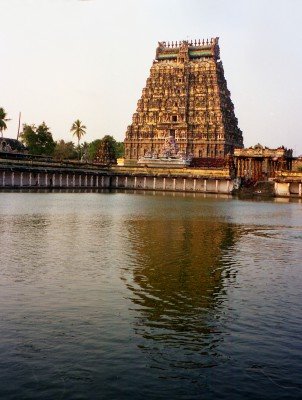 The Bhuvanagiri Temple is a highly revered pilgrimage site dedicated to the Great Saint Sri Raghavendra Swami, who was born in this very town in 1595. This temple is not just a religious site but the actual ancestral home where the saint spent his childhood, later converted into a beautiful shrine for devotees. The atmosphere here is filled with deep spiritual vibrations, attracting thousands of followers who believe in the miraculous powers of the Guru. Unlike traditional large temples, this place feels like a peaceful sanctuary where one can sit and meditate on the teachings of the Dvaita Philosophy. The shrine houses a beautiful idol of the Guru and is maintained with extreme purity and devotion by the local trust. Visitors often come here to seek blessings for health, prosperity, and mental peace, as the saint is considered an incarnation of Prahlada. The town of Bhuvanagiri itself is a quiet, traditional settlement that retains the old-world charm of Tamil Nadu.
Information
-
Why Famous:
Cosmic Dance Center: It is world-famous as the site where Lord Shiva performed the Ananda Tandava or the dance of bliss. The idol of Nataraja is a masterpiece of bronze casting, symbolizing the five activities of creation, preservation, destruction, illusion, and grace. T...Cosmic Dance Center: It is world-famous as the site where Lord Shiva performed the Ananda Tandava or the dance of bliss. The idol of Nataraja is a masterpiece of bronze casting, symbolizing the five activities of creation, preservation, destruction, illusion, and grace. This iconography has become a global symbol of Indian culture and spirituality. The temple serves as the spiritual home for dancers who consider it the ultimate stage for their art form.
Architectural Wonder: The temple's golden roof and the "Chidambara Rahasya" are unique features that draw architects and historians from everywhere. The complex is maintained by a unique community of priests called Dikshitars, who follow ancient rituals found nowhere else. The structural integrity and the mathematical precision used in the construction reflect the advanced scientific knowledge of ancient Tamil builders. It remains one of the few active temples that has preserved its original customs for over a millennium. -
Architecture:
Unique Temple Layout: The Nataraja Temple is spread over 40 acres and is a classic example of Chola and Pandya architectural styles. It features five main halls or Sabhas, each serving a specific ritualistic and spiritual purpose. The Kanakasabha (Golden Hall) has a roof ...Unique Temple Layout: The Nataraja Temple is spread over 40 acres and is a classic example of Chola and Pandya architectural styles. It features five main halls or Sabhas, each serving a specific ritualistic and spiritual purpose. The Kanakasabha (Golden Hall) has a roof made of 21,600 gold tiles, representing the number of breaths a human takes in a day. The temple's design is said to be based on the human body, with the sanctum placed slightly to the left to represent the heart.
Gopurams and Carvings: The temple has four massive Gopurams (gateways) facing the cardinal directions, each intricately carved with mythological stories. The Eastern tower is particularly famous for featuring all 108 dance poses mentioned in the Natya Shastra. The stone carvings are incredibly detailed, showcasing the high level of craftsmanship achieved during the Chola era. The dimensions of these towers are impressive, with the tallest reaching nearly 42 meters, dominating the flat landscape of the coastal town. -
How To Reach:
By Air: The nearest airport is Tiruchirappalli (TRZ), located about 170 KMS away from the town. Chennai International Airport is another major option, approximately 230 KMS away, offering better connectivity to international destinations. From these airports, you can hire...By Air: The nearest airport is Tiruchirappalli (TRZ), located about 170 KMS away from the town. Chennai International Airport is another major option, approximately 230 KMS away, offering better connectivity to international destinations. From these airports, you can hire a private taxi or take a bus to reach the town. The drive from Chennai via the East Coast Road is scenic and takes about 5 to 6 hours, depending on traffic conditions.
By Train: The town has its own railway station, Chidambaram (CDM), which is well-connected to Chennai, Trichy, and Madurai. It lies on the main line between Chennai and Tanjore, making it easily accessible for travelers across the state. Several express and passenger trains stop here daily, providing a comfortable and affordable mode of transport. The station is located close to the town center, and auto-rickshaws are readily available for the short commute to the temple.
By Road: It is well-connected by a network of state and national highways to all major cities in Tamil Nadu. Frequent bus services are operated by TNSTC from Chennai, Pondicherry, and Tanjore. Private bus operators also run luxury coaches that offer a more comfortable journey for long distances. The roads are generally in good condition, and the drive through the rural landscape of the Cauvery Delta is quite pleasant for those who enjoy road trips.
By Local Transport: The town is relatively small, and most major attractions can be covered using Auto-rickshaws or by walking. Autos are the most common way to get around, but it is necessary to negotiate the fare beforehand as they might not use meters. Bicycles are also a popular and eco-friendly way to explore the town at a slow pace. For trips to nearby places like Pichavaram, you can hire a private taxi or take a local bus from the main bus stand. -
Weather and Best Time to Visit:
Winter Season: November to February is the most pleasant time to visit, with temperatures ranging from 18°C to 30°C. The weather is ideal for temple hopping and enjoying the boat ride at Pichavaram without getting exhausted. This period also marks the celebration of sev...Winter Season: November to February is the most pleasant time to visit, with temperatures ranging from 18°C to 30°C. The weather is ideal for temple hopping and enjoying the boat ride at Pichavaram without getting exhausted. This period also marks the celebration of several major festivals, adding a cultural layer to your visit. The air is relatively dry and the skies are clear, providing great conditions for photography and outdoor exploration.
Monsoon Season: From July to October, the region receives moderate to heavy rainfall due to the southwest and northeast monsoons. The landscape turns lush green, and the Pichavaram mangroves look particularly vibrant after the rains. However, heavy downpours can sometimes disrupt boating activities and travel plans. If you don't mind the rain, it's a good time to see the town in its natural glory, but always carry an umbrella and check weather forecasts before heading out.
Summer Season: March to June is the hottest period, with temperatures often soaring above 35°C. The high humidity can make outdoor activities quite uncomfortable during the daytime. Most tourists avoid visiting during these months unless they are attending specific religious events. If you do visit, it is best to stay indoors during the peak sun hours and plan your sightseeing for the early mornings or late evenings when the temperature is slightly more bearable. -
Near Tourist Places:
1. Pichavaram Mangrove Forest (16 KMS), 2. Gangaikonda Cholapuram (45 KMS), 3. Vaitheeswaran Koil (25 KMS), 4. Mayiladuthurai (40 KMS), 5. Pondicherry (65 KMS), 6. Tharangambadi (Tranquebar) (55 KMS), 7. Kumbakonam (75 KMS), 8. Poompuhar (45 KMS), 9. Sirkazhi (20 KMS), 10. Nagore (85 KMS).
Tourism Tips
-
Health and Safety: Stay hydrated by drinking plenty of water and tender coconut, which is easily available throughout the town. Be cautious of your belongings in crowded temple areas and avoid wearing expensive jewelry to prevent attracting unwanted attention. The town is...Health and Safety: Stay hydrated by drinking plenty of water and tender coconut, which is easily available throughout the town. Be cautious of your belongings in crowded temple areas and avoid wearing expensive jewelry to prevent attracting unwanted attention. The town is generally safe, but it's always better to return to your accommodation before it gets too late. Follow the local safety guidelines when boating in Pichavaram, especially regarding life jackets and moving within the boat.
Packing Tips: Wear comfortable, loose cotton clothing to deal with the humid coastal weather. Since it's a temple town, carry a shawl or a traditional veshti/saree if you plan to participate in special religious ceremonies. A good pair of slip-on sandals is practical as you will need to remove your shoes frequently at temple entrances. Don't forget to pack a hat, sunglasses, and sunscreen for your boat trip to protect yourself from the direct sunlight on the water.
Accommodation: There are several budget and mid-range hotels located around the Nataraja Temple area for easy access. Some heritage guesthouses offer a more traditional stay experience with local decor and home-cooked meals. For a more luxurious stay, you might need to look for resorts on the outskirts of the town or in nearby Pondicherry. It is advisable to book your room in advance, especially during the festival seasons of December and June when pilgrims flock to the town.
Cultural Sensitivity: Respect the local customs by dressing modestly and following the rules set by the temple authorities. The Dikshitar priests are the traditional custodians of the temple, and it is polite to seek their guidance if you are unsure about any rituals. Avoid taking photos of people without their permission, particularly during their moments of prayer. Learning a few basic Tamil words like "Nandri" (Thank you) can go a long way in building a friendly rapport with the local residents.
Reviews
FAQs
Chidambaram Itineray And Cost:-
Other Places In Tamil Nadu :-
Other States In India :-
Information about New and Updated Locations() of Tamil Nadu Has Been Added :-
Card subtitle
Note:-
Information provided here in good Faith and for reference only.
Near Places
Chennai
Some quick example text to build on the card title and make up the bulk of the card's content.
Go somewhere
Chidambaram
Some quick example text to build on the card title and make up the bulk of the card's content.
Go somewhere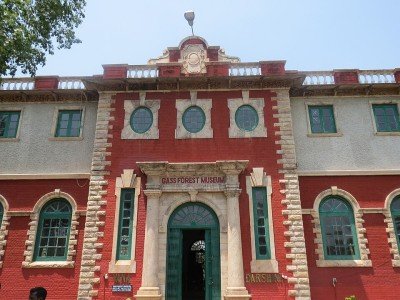
Coimbatore
Some quick example text to build on the card title and make up the bulk of the card's content.
Go somewhere
Courtallam
Some quick example text to build on the card title and make up the bulk of the card's content.
Go somewhere
Dindigul
Some quick example text to build on the card title and make up the bulk of the card's content.
Go somewhere
Kanchipuram
Some quick example text to build on the card title and make up the bulk of the card's content.
Go somewhere
Kanyakumari
Some quick example text to build on the card title and make up the bulk of the card's content.
Go somewhere
Karaikal
Some quick example text to build on the card title and make up the bulk of the card's content.
Go somewhere
Karaikudi
Some quick example text to build on the card title and make up the bulk of the card's content.
Go somewhere
Kodaikanal
Some quick example text to build on the card title and make up the bulk of the card's content.
Go somewhere
Kovalam
Some quick example text to build on the card title and make up the bulk of the card's content.
Go somewhere
Kumbakonam
Some quick example text to build on the card title and make up the bulk of the card's content.
Go somewhere
Madurai
Some quick example text to build on the card title and make up the bulk of the card's content.
Go somewhere
Mahabalipuram
Some quick example text to build on the card title and make up the bulk of the card's content.
Go somewhere
Masinagudi
Some quick example text to build on the card title and make up the bulk of the card's content.
Go somewhere
Nagapattinam
Some quick example text to build on the card title and make up the bulk of the card's content.
Go somewherein Other Cities