


Tenkasi
General information
-
Ideal Duration:
Duration: 1 to 2 DaysPlace Type:
Category: Pilgrimage/NatureEntry Fees:
Temple Entry: Entry to the Kasi Viswanathar Temple is Free for everyone. There might be small charges for special services or 'pujas'. Parking near the temple is usually nominal, around Rs. 20 to Rs. 50. Carrying a camera inside the inner sanctum is generally not allowe...Temple Entry: Entry to the Kasi Viswanathar Temple is Free for everyone. There might be small charges for special services or 'pujas'. Parking near the temple is usually nominal, around Rs. 20 to Rs. 50. Carrying a camera inside the inner sanctum is generally not allowed.
Courtallam Entry: Most waterfalls in Courtallam have Free access for bathing. Some specific areas or parks near the falls might charge a small entry fee of Rs. 5 to Rs. 20. It is advisable to keep some change for using cloakrooms or changing facilities. Public transport to the falls is very affordable.Timing:
Regular Timings: The main temple is open from 06:00 AM to 12:00 PM and 04:00 PM to 08:30 PM. The waterfalls at Courtallam are accessible throughout the day. It is best to visit the temple in the early morning for a peaceful experience. Markets are open from 09:00 AM to 09...Regular Timings: The main temple is open from 06:00 AM to 12:00 PM and 04:00 PM to 08:30 PM. The waterfalls at Courtallam are accessible throughout the day. It is best to visit the temple in the early morning for a peaceful experience. Markets are open from 09:00 AM to 09:00 PM.
Ideal Visit Time: Early mornings at 06:30 AM are perfect for temple visits and nature walks. For the waterfalls, reaching by 08:00 AM helps you avoid the heavy tourist rush. Evenings are best for exploring the town and enjoying the cool breeze. Avoid visiting the falls late at night for safety reasons.Special Events:
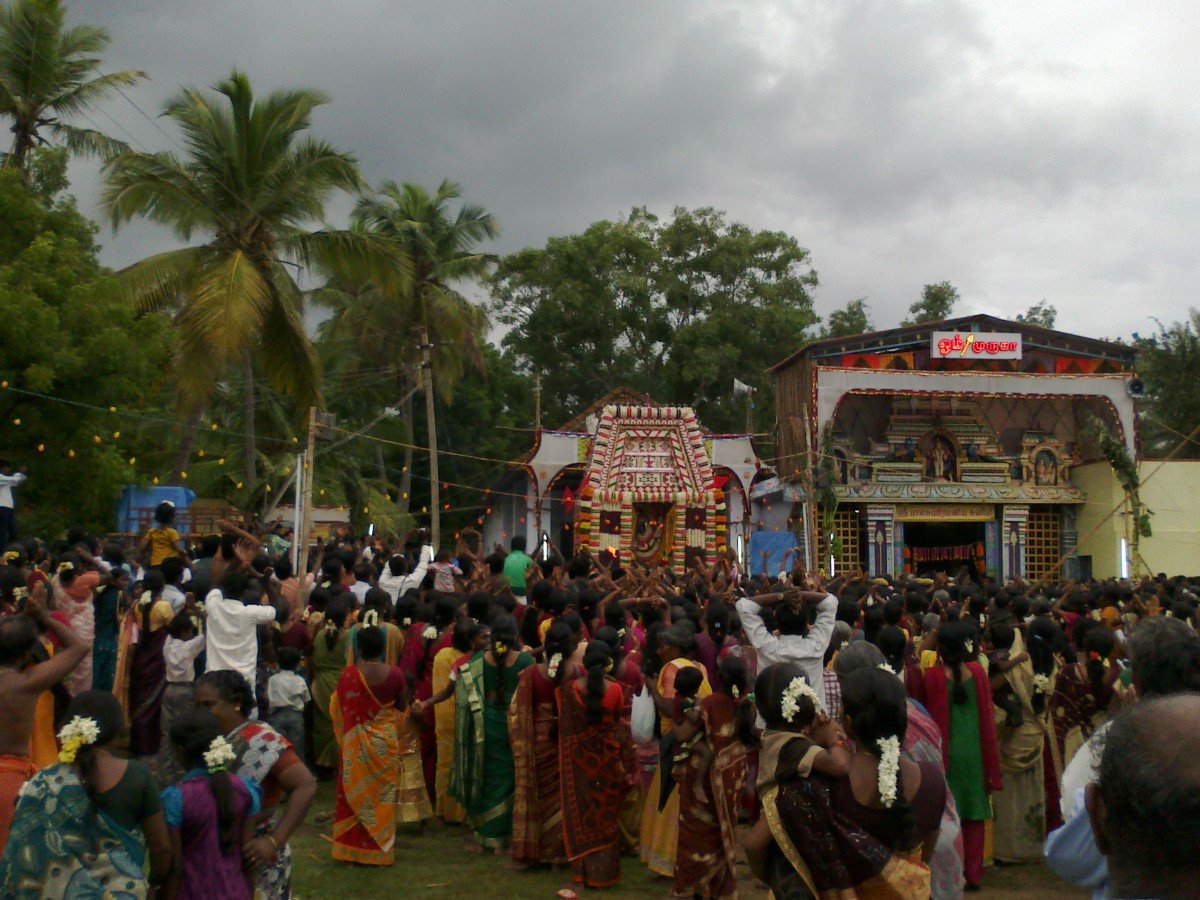
Temple Car Festival: The annual chariot festival of the Kasi Viswanathar Temple is a grand event. The massive temple car is pulled through the streets by thousands of devotees. It is a spectacle of faith and tradition that attracts people from all over. The town is decora...Temple Car Festival: The annual chariot festival of the Kasi Viswanathar Temple is a grand event. The massive temple car is pulled through the streets by thousands of devotees. It is a spectacle of faith and tradition that attracts people from all over. The town is decorated, and cultural programs are held throughout the festival.
Courtallam Season: The period from June to September is considered a festive season in itself. The arrival of the monsoon brings the waterfalls to life, and the town is packed with tourists. Special cultural events and food stalls are set up to cater to the visitors. It is the most vibrant and energetic time to be in Tenkasi.Best Photo Spots:
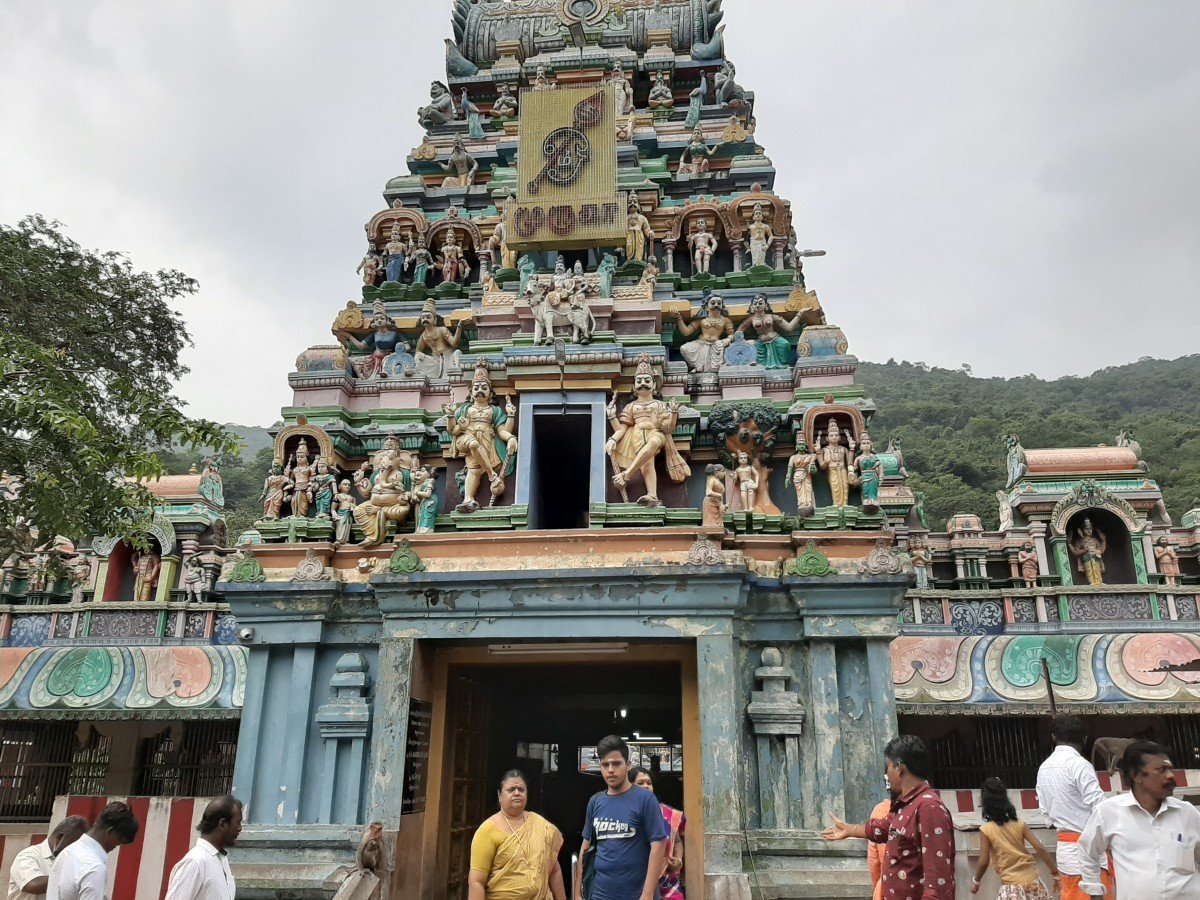
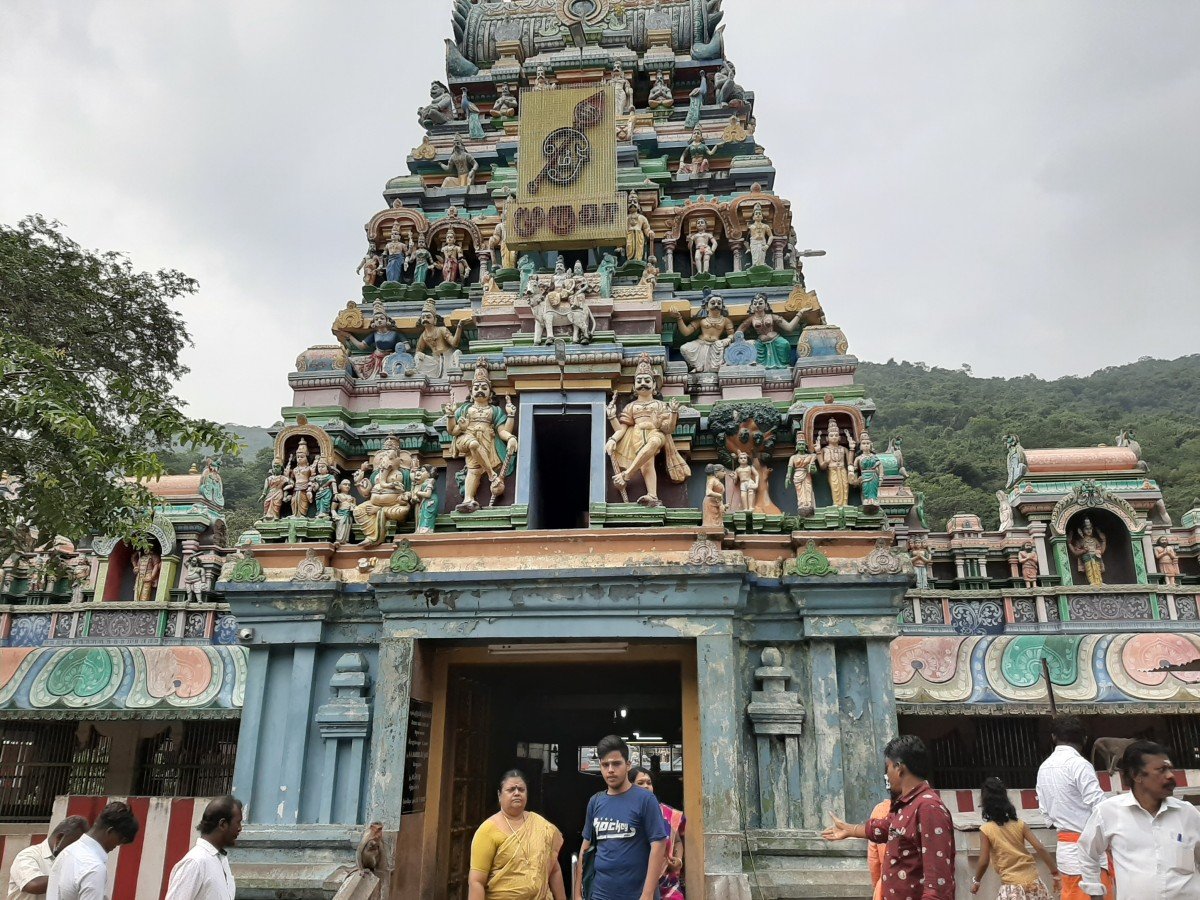
Rajagopuram Views: The massive temple tower is the best spot for photography in the town. Capture its details during the morning or evening when the light is soft. The tower dominates the skyline and provides a classic South Indian backdrop. It is an iconic image that rep...Rajagopuram Views: The massive temple tower is the best spot for photography in the town. Capture its details during the morning or evening when the light is soft. The tower dominates the skyline and provides a classic South Indian backdrop. It is an iconic image that represents the spirit of Tenkasi.
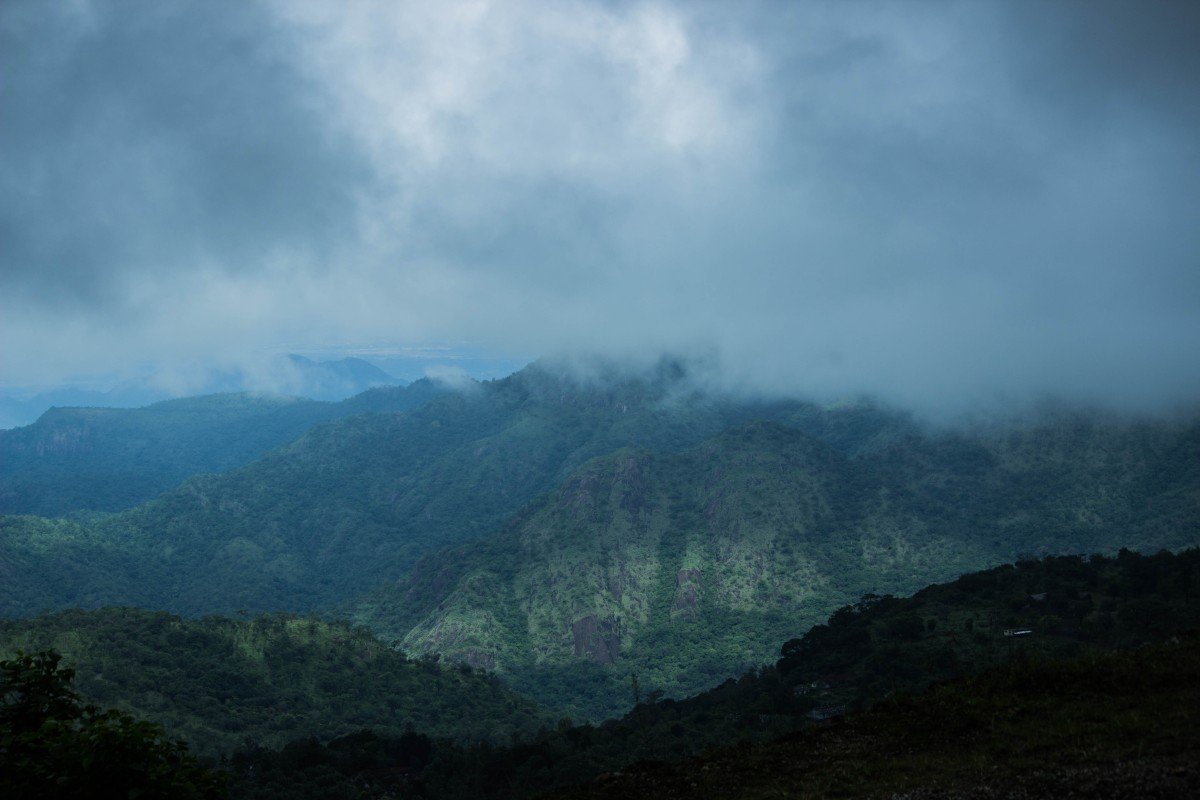
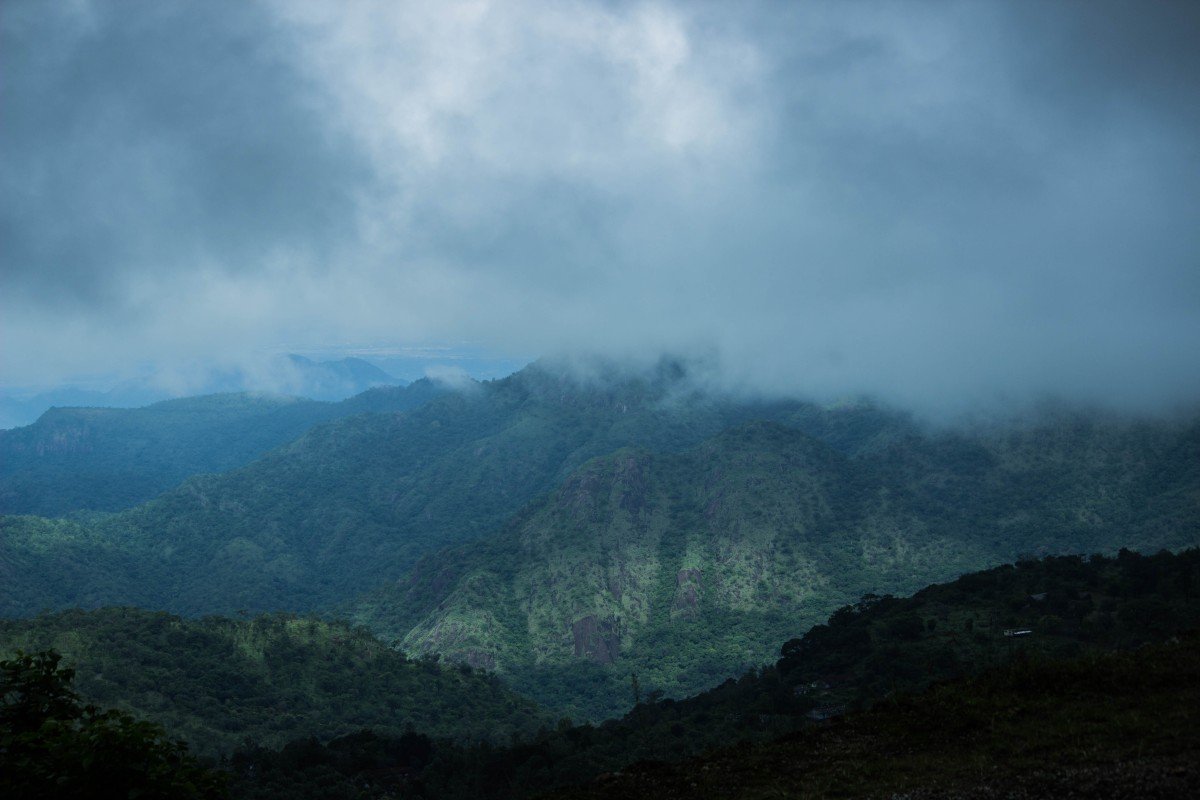
Paddy Fields with Hills: The green fields at the foot of the Western Ghats offer a picturesque landscape. The contrast between the bright green crops and the blue-grey mountains is stunning. This is a perfect spot for nature and landscape photography. Early morning mist adds a magical touch to the photos.Photo Gallery


Things To Do
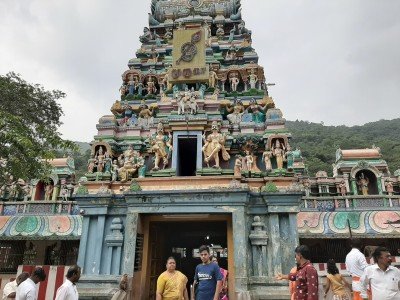 Arulmigu Ilanjikumarar Temple is an ancient and spiritually significant temple where Lord Murugan is the primary deity. Located in the fertile village of Ilanji, the temple's name is derived from the Magizha tree (Ilanji), which is the sthala vriksham. The temple is historically linked to Sage Agastya, who is said to have worshipped Murugan here to gain the strength to transform a Vishnu idol into a Shivalinga at Courtallam. The temple houses a unique Shivalinga called Iruvaluga Eesar, which was miraculously fashioned by the sage out of white sand (Valugam). Because it is made of sand, no water abhishekam is performed on this Linga. The temple is nestled between the Chitra River and lush paddy fields, creating a tranquil Vedic atmosphere. It is a popular spot for weddings, as it is believed that getting married here ensures a long and prosperous life. The presiding deity, Ilanji Kumarar, is flanked by his consorts Valli and Devasena. The literary works of Arunagirinathar have praised the beauty and divinity of this shrine in the Thiruppugazh. :
 @@Reserve Overview: The Kalakkad Mundanthurai Tiger Reserve, often abbreviated as KMTR, is the second largest protected area in Tamil Nadu and a vital part of the Agasthyamala Biosphere Reserve. Established in 1988 by merging two existing sanctuaries, it spans over 1,600 sq. km of rugged terrain in the southern Western Ghats. This reserve is uniquely known as a "River Sanctuary" because it serves as the catchment area for 14 major rivers, including the sacred Thamirabarani, which sustains the agriculture of southern districts. The landscape is incredibly diverse, ranging from dry thorn forests at lower elevations to lush, wet evergreen forests on the higher peaks like Agasthyamalai. Wildlife enthusiasts flock here to catch a glimpse of the elusive Bengal Tiger, Leopards, and Elephants. It is also a critical habitat for the endangered Lion-tailed Macaque and the Nilgiri Langur. The reserve boasts over 150 endemic plants and a rich variety of avian species, making it a paradise for birdwatchers. The core zone remains largely untouched, preserving the pristine beauty of the Western Ghats. Visitors can explore various nature trails, witness breathtaking waterfalls like Agasthiyar Falls, and enjoy the serene atmosphere of the forest. The management emphasizes eco-development, involving local tribal communities like the Kani tribes in conservation efforts. Despite being a tiger reserve, the presence of various dams like Papanasam and Servalar within its boundaries adds a unique industrial-natural blend to the scenery. It remains a cornerstone of biodiversity in India, under consideration for UNESCO World Heritage status.
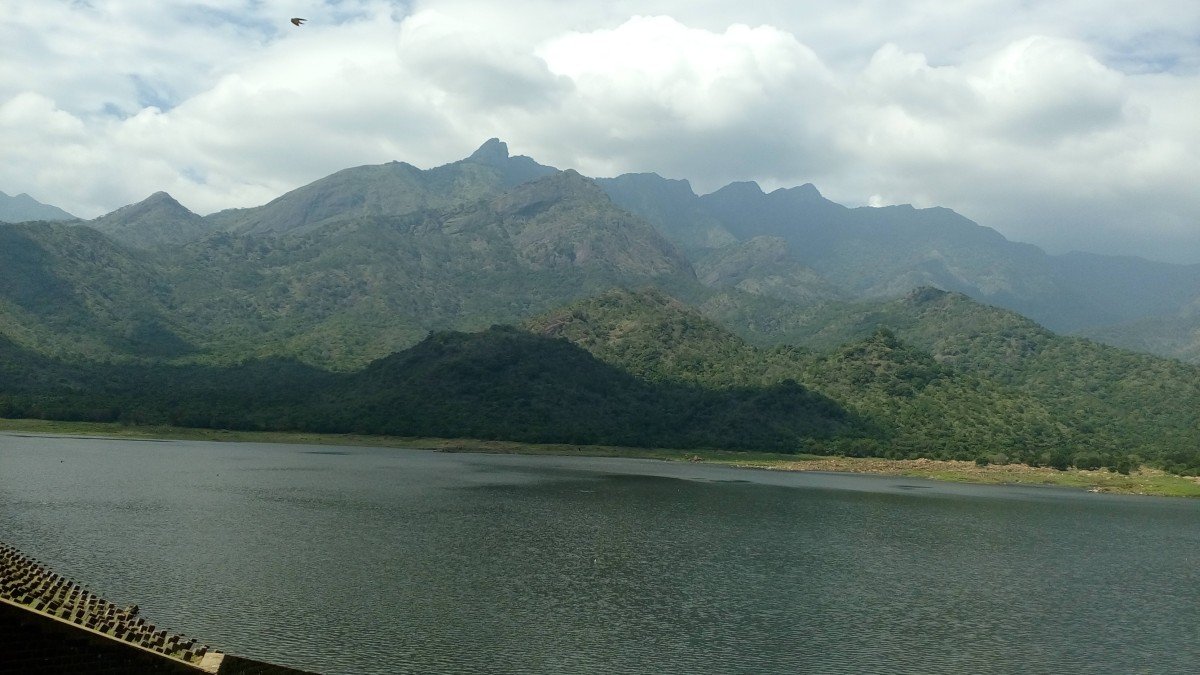
 @@Dam and Falls Overview: Manimuthar Dam and Falls represent a stunning combination of man-made engineering and natural splendor located in the Tirunelveli district. The dam was constructed in 1957 across the Manimuthar River, the largest tributary of the Thamirabarani, and is one of the most significant reservoirs in the region. Situated at the foothills of the Podhigai Hills, the dam offers a panoramic view of the mountains reflecting in the vast expanse of blue water. About 6 KMS further up from the dam lies the Manimuthar Falls, a beautiful cascade that drops from a height of 25 feet into a deep pond. This pond is famously known to be about 90 feet deep, creating a lagoon-like appearance amidst the dense forest. The water here is crystal clear and remains cool throughout the year, making it a favorite spot for tourists to take a refreshing dip. The drive from the dam to the falls passes through a reserve forest area, offering a chance to spot local wildlife and enjoy the fresh mountain air. This area is under the strict control of the Forest Department to ensure the preservation of its ecological integrity. The falls are less crowded than the famous Courtallam Falls, providing a more peaceful experience for nature enthusiasts. The combination of the massive dam structure, the sprawling gardens, and the natural waterfall makes it a versatile destination for families and solo travelers. It is a vital source of water for the surrounding plains, and the sight of the reservoir during a full monsoon is awe-inspiring.
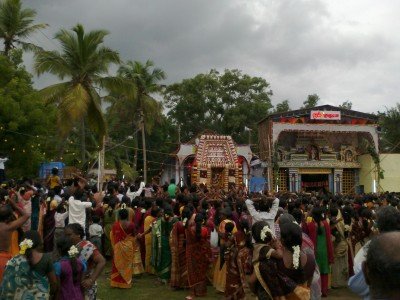 The Ayikudi Balasubramanya Swamy Temple is a sacred Hindu shrine dedicated to Lord Murugan, located on the banks of the holy Hanuman River. The temple's presiding deity is a beautiful Swayambhu (self-manifested) idol of Balasubramanya found by a villager named Mallan in the riverbed. Legend has it that Lord Hanuman, while searching for Goddess Sita, felt thirsty and created the Hanuman River using the tip of his tail. The temple is unique because it emphasizes the number Five, representing the five sacred trees (Sthala Vrikshas) and five deities in the sanctum. Devotees believe that worshipping here brings prosperity and is particularly auspicious for couples seeking children. The atmosphere is filled with the scent of sacred herbs and the sound of the flowing river. The temple was originally a simple structure made of coconut leaves until the Maharaja of Travancore renovated it into its current stone form. It is one of the few temples where the deity is offered Padi Payasam (sweet rice pudding) on the temple steps. The spiritual energy here is palpable, especially during the morning rituals. :
 The Kadayam Perumal Temple (formally Arulmigu Vilvavananatha Swamy Temple for Shiva and the nearby Perumal shrine) is a place of immense historical and literary importance. Kadayam is the ancestral home of the great Tamil poet Mahakavi Subramaniya Bharathiyar's wife, Chellammal. It is here that the poet spent significant time and composed some of his most famous revolutionary verses. The temple complex is serene, surrounded by vast paddy fields and the distant silhouette of the Western Ghats. The main deity is Lord Vilvavananathar, but the Perumal temple within the village is equally revered for its ancient stone idols and calm environment. The village of Kadayam is known for its traditional Agraharam (Brahmin streets) and its connection to the Pancha Krosha temples. Legend says that worshipping at this temple is equivalent to visiting the shrines of North India. The air here is clean, and the lifestyle remains largely untouched by modern commercialization. It is a place where spirituality meets history, providing a perfect backdrop for those interested in Tamil literature and ancient Dravidian culture. :
 @@Dam Overview: Karuppanadhi Dam is a significant earthen dam located near the village of Chokkampatti at the foothills of the Western Ghats. Built across the Karuppanadhi River, which is a vital branch of the Tamirabarani system, the dam plays a crucial role in the irrigation of the Kadayanallur region. The project was initiated in 1971 and completed by 1977, reflecting the post-independence focus on agricultural self-sufficiency in Tamil Nadu. The reservoir is framed by the majestic mountain ranges of the Western Ghats, providing a picturesque backdrop that attracts nature lovers and photographers alike. Unlike the more crowded tourist spots in Tenkasi, this dam offers a quiet, contemplative environment perfect for those seeking to escape the hustle of city life. During the Monsoon season, the dam reaches its full capacity, and the sight of water being released through its sluice gates is truly magnificent. The surrounding area is lush with greenery, making it an excellent spot for a short picnic or a nature walk. The river itself originates at a high altitude of 5,870 feet, ensuring a steady flow of cool, fresh water. Local farmers depend heavily on this reservoir for their paddy fields and coconut groves. The site is well-maintained by the Public Works Department, though it remains a relatively "hidden" destination for mainstream tourists. Visitors often combine a trip here with a visit to the nearby Kasi Viswanathar Temple. It stands as a testament to engineering and nature coexisting to support the local economy.
 @@Temple Overview: Sankaranarayana Swamy Temple in Sankarankovil is a unique and magnificent shrine that embodies the philosophical concept of "Harihara" — the unity of Shiva (Sankara) and Vishnu (Narayana). Built in the 11th Century by King Ukkira Pandyan, the temple was established to settle a dispute between devotees of the two deities regarding who was superior. The Lord appeared in a combined form to show that they are one and the same. The temple is one of the Panchabootha Sthalas of the south, specifically representing the element of Earth (though some local traditions vary on the element). The central idol of Sankara Narayanan is a rare iconographic marvel, where the right half represents Shiva and the left half represents Vishnu, complete with their respective traditional ornaments and weapons. The temple is also famous for Gomathi Amman, the consort of the Lord, who is worshipped with great fervor. Many devotees believe that the sacred sand (Vibhuthi) from the anthill (Vanmeekam) inside the temple has miraculous healing powers, especially for skin ailments. The temple tank, Nagachunai, is believed to have been dug by the serpent kings Paduman and Sangan. Architecturally, the temple is grand, featuring a 125-foot tall Rajagopuram and several pillared halls with exquisite sculptures. It serves as a major cultural landmark in the Tenkasi district, drawing thousands of pilgrims daily. The town of Sankarankovil itself grew around this sacred site, making the temple the focal point of local life and commerce.Show All
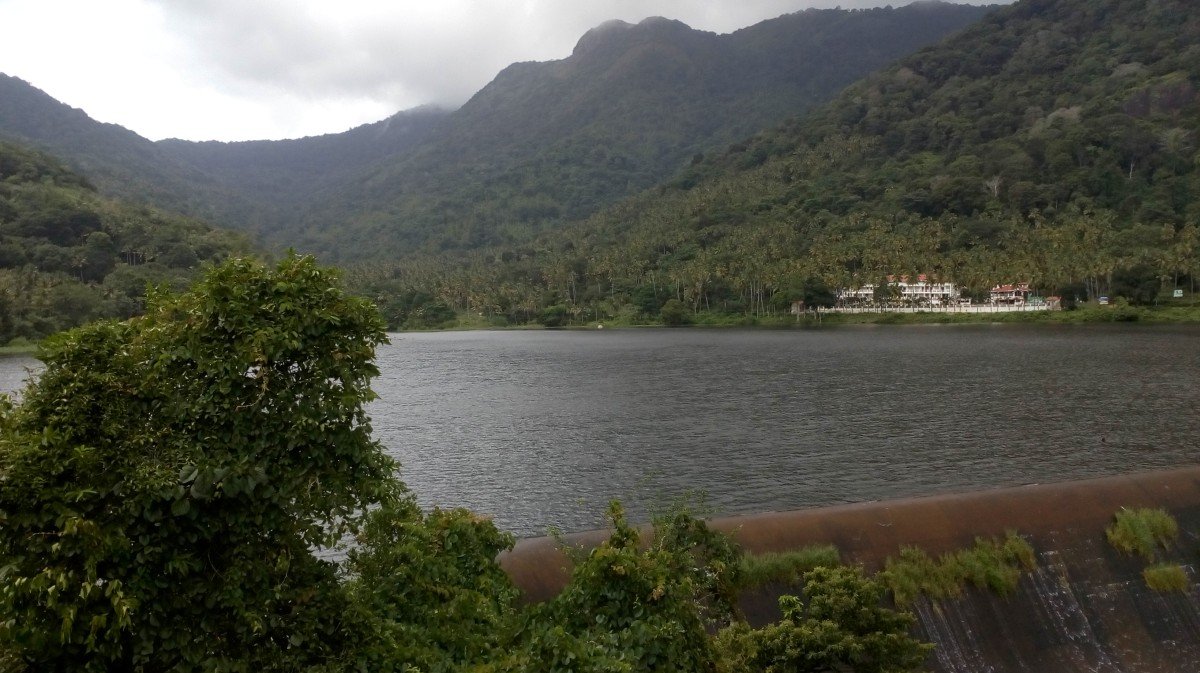
 Gundaru Dam is a hidden treasure located near Sengottai, serving as a tranquil retreat for those looking to escape the commercial bustle of Courtallam. The dam is relatively small but is surrounded by an incredibly lush forest and steep hills that create a "wind tunnel" effect, keeping the area cool even in summer. It is most famous for the Private Falls located upstream, which can only be reached by hiring local 4WD Jeeps. The reservoir area itself is beautifully landscaped with a small park, making it a favorite for local picnickers. The water in the reservoir is crystal clear, and the surrounding mountains are often draped in low-hanging clouds. It is a vital irrigation source for the local paddy fields. Many visitors come here to witness the "overflow" during the monsoon, where water cascades over the dam wall like a man-made waterfall. The area is also a habitat for various bird species, making it a quiet spot for birdwatching. The silence of the forest, punctuated only by the sound of water and birds, provides a deep sense of serenity. :
Information
-
Why Famous:
The Kasi Connection: Tenkasi is world-famous for its temple that is considered equivalent to the Varanasi temple. It allows devotees in the south to seek the same spiritual benefits as the northern pilgrimage. The temple's history and its majestic tower are major draws. I...The Kasi Connection: Tenkasi is world-famous for its temple that is considered equivalent to the Varanasi temple. It allows devotees in the south to seek the same spiritual benefits as the northern pilgrimage. The temple's history and its majestic tower are major draws. It is a site of great religious and historical pride.
Proximity to Courtallam: The town is the primary hub for anyone visiting the famous Courtallam waterfalls. These falls are renowned for their healing properties and natural beauty. Thousands of tourists stay in Tenkasi while exploring the nine different falls. It makes the town a major tourism center in southern Tamil Nadu. -
Architecture:
Dravidian Masterpiece: The Kasi Viswanathar Temple is a prime example of late Pandyan architecture. It features a massive and colorful Rajagopuram with hundreds of sculptures. The stone carvings on the temple walls depict various scenes from Hindu mythology. The temple co...Dravidian Masterpiece: The Kasi Viswanathar Temple is a prime example of late Pandyan architecture. It features a massive and colorful Rajagopuram with hundreds of sculptures. The stone carvings on the temple walls depict various scenes from Hindu mythology. The temple complex is spacious and includes separate shrines for various deities. The use of traditional building techniques ensures natural cooling inside the halls.
Dimensions: The Rajagopuram stands at an impressive height of 180 feet. It is one of the tallest temple towers in South India. The main hall (Mandapam) is supported by numerous carved stone pillars. The temple tank is well-maintained and serves as a center for rituals. These vast dimensions reflect the royal patronage and religious importance of the site. -
How To Reach:
By Air: The nearest airport is Tuticorin (Thoothukudi), about 100 KMS away. Another option is Madurai International Airport, which is around 160 KMS away. From either airport, you can hire a taxi or take a bus to Tenkasi. The drive from Madurai takes about 3. 5 hours thro...By Air: The nearest airport is Tuticorin (Thoothukudi), about 100 KMS away. Another option is Madurai International Airport, which is around 160 KMS away. From either airport, you can hire a taxi or take a bus to Tenkasi. The drive from Madurai takes about 3. 5 hours through scenic routes.
By Train: Tenkasi Junction is well-connected to major cities like Chennai, Madurai, and Tirunelveli. It is a major stop on the Sengottai-Chennai line. The train journey through the hills is very beautiful. Taxis and auto-rickshaws are readily available outside the station.
By Road: Tenkasi is well-connected by road to all major towns in Tamil Nadu and Kerala. Regular buses operate from Tirunelveli, Madurai, and Trivandrum. The drive from Tirunelveli takes about 1. 5 hours. The roads are generally good and offer a pleasant driving experience.
By Local Transport: Auto-rickshaws are the most convenient way to travel within the town and to Courtallam. Buses also run frequently between Tenkasi and the falls. Many tourists prefer renting a car for the day to explore the surrounding areas. Walking is a good option for exploring the central town and temple area. -
Weather and Best Time to Visit:
Monsoon Season: June to September is the best time for those who want to experience the waterfalls. The weather is cool, and the nature is at its most vibrant. However, it can be very crowded during this period. The waterfalls are in full flow, making it the peak tourist ...Monsoon Season: June to September is the best time for those who want to experience the waterfalls. The weather is cool, and the nature is at its most vibrant. However, it can be very crowded during this period. The waterfalls are in full flow, making it the peak tourist season.
Winter Season: October to February is ideal for temple visits and trekking. The weather is pleasant and less humid than the summer months. It is a good time for those seeking a more peaceful experience away from the monsoon crowds. The landscape remains green and beautiful during these months. -
Near Tourist Places:
Nearby Places: 1. Courtallam (6 KMS), 2. Papanasam (35 KMS), 3. Tirunelveli (55 KMS), 4. Srivilliputhur (90 KMS), 5. Agasthiyar Falls (38 KMS), 6. Manimuthar Dam (45 KMS), 7. Kalakkad Mundanthurai Tiger Reserve (50 KMS), 8. Shencottah (8 KMS), 9. Aryankavu (30 KMS), 10. Palaruvi Falls (35 KMS).
Tourism Tips
-
Health and Safety: Be careful while bathing in the waterfalls as the rocks can be slippery. Follow all safety instructions provided by the guards at the falls. Keep yourself hydrated and use sunscreen during outdoor activities. Ensure you take care of your belongings in c...Health and Safety: Be careful while bathing in the waterfalls as the rocks can be slippery. Follow all safety instructions provided by the guards at the falls. Keep yourself hydrated and use sunscreen during outdoor activities. Ensure you take care of your belongings in crowded temple and falls areas.
Packing Essentials: Carry light, comfortable cotton clothes and a good pair of walking shoes. A raincoat or umbrella is essential if visiting during the monsoon. Don't forget your camera and extra memory cards for the beautiful landscapes. Pack a set of traditional clothes for the temple visits.
Accommodation: There are several hotels and lodges in Tenkasi town that cater to different budgets. Many pilgrims prefer staying near the temple for convenience. For those visiting the falls, there are numerous resorts in and around Courtallam. Booking in advance is necessary during the peak "Season.
" General Conduct: Respect the religious customs when visiting the temple and dress appropriately. Avoid littering near the waterfalls and the temple area to preserve the environment. Be polite with the locals and follow the rules of the town. It is helpful to know a few basic words in Tamil for easier communication.
Reviews
FAQs
Tenkasi Itineray And Cost:-
Other Places In Tamil Nadu :-
Other States In India :-
Information about New and Updated Locations() of Tamil Nadu Has Been Added :-
Card subtitle
Note:-
Information provided here in good Faith and for reference only.
Near Places
Chennai
Some quick example text to build on the card title and make up the bulk of the card's content.
Go somewhere
Chidambaram
Some quick example text to build on the card title and make up the bulk of the card's content.
Go somewhere
Coimbatore
Some quick example text to build on the card title and make up the bulk of the card's content.
Go somewhere
Courtallam
Some quick example text to build on the card title and make up the bulk of the card's content.
Go somewhere
Dindigul
Some quick example text to build on the card title and make up the bulk of the card's content.
Go somewhere
Kanchipuram
Some quick example text to build on the card title and make up the bulk of the card's content.
Go somewhere
Kanyakumari
Some quick example text to build on the card title and make up the bulk of the card's content.
Go somewhere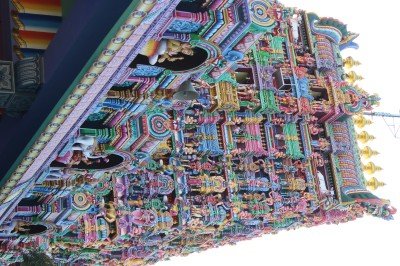
Karaikal
Some quick example text to build on the card title and make up the bulk of the card's content.
Go somewhere
Karaikudi
Some quick example text to build on the card title and make up the bulk of the card's content.
Go somewhere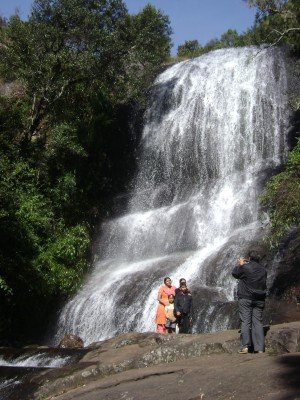
Kodaikanal
Some quick example text to build on the card title and make up the bulk of the card's content.
Go somewhere
Kovalam
Some quick example text to build on the card title and make up the bulk of the card's content.
Go somewhere
Kumbakonam
Some quick example text to build on the card title and make up the bulk of the card's content.
Go somewhere
Madurai
Some quick example text to build on the card title and make up the bulk of the card's content.
Go somewhere
Mahabalipuram
Some quick example text to build on the card title and make up the bulk of the card's content.
Go somewhere
Masinagudi
Some quick example text to build on the card title and make up the bulk of the card's content.
Go somewhere
Nagapattinam
Some quick example text to build on the card title and make up the bulk of the card's content.
Go somewherein Other Cities