

Sivakasi
General information
-
Ideal Duration:
Duration: 1 DayPlace Type:
Category: Industrial/ReligiousEntry Fees:
Temple Access: Entry to all the major temples in Sivakasi is Free. There are no specific charges for general 'darshan'. However, special offerings or 'pujas' may have nominal fees. Donation boxes are available for those who wish to contribute to temple maintenance.Temple Access: Entry to all the major temples in Sivakasi is Free. There are no specific charges for general 'darshan'. However, special offerings or 'pujas' may have nominal fees. Donation boxes are available for those who wish to contribute to temple maintenance.
Industrial Units: Most factory visits are for business purposes and don't have an entry fee. However, you must obtain prior permission from the management. Some units might offer guided tours for educational groups. Always follow the safety instructions provided by the staff.Timing:
Regular Timings: Temples are generally open from 06:00 AM to 12:00 PM and 04:00 PM to 08:30 PM. Industrial units usually operate from 09:00 AM to 06:00 PM. It is best to schedule your temple visits for the early morning. Markets are most active during the daytime and earl...Regular Timings: Temples are generally open from 06:00 AM to 12:00 PM and 04:00 PM to 08:30 PM. Industrial units usually operate from 09:00 AM to 06:00 PM. It is best to schedule your temple visits for the early morning. Markets are most active during the daytime and early evening.
Ideal Visit Time: The best time for sightseeing is between 07:00 AM and 10:00 AM. The weather is cool, and the temples are less crowded. Evenings are perfect for exploring the markets and enjoying the local food. Avoid visiting factories during the peak heat of the afternoon.Special Events:
Panguni Pongal: This is the most famous festival celebrated at the Bhadrakali Amman Temple. It lasts for several days and involves grand processions and cultural programs. The town comes alive with music, lights, and traditional performances. It is a time when the entire ...Panguni Pongal: This is the most famous festival celebrated at the Bhadrakali Amman Temple. It lasts for several days and involves grand processions and cultural programs. The town comes alive with music, lights, and traditional performances. It is a time when the entire community joins in the celebrations.
Deepavali Season: While not a single event, the months leading to Deepavali are the busiest for the town. The energy in the town is palpable as production reaches its peak. It is a unique time to witness the town in its full industrial glory. The spirit of the festival is felt in every corner of the town.Best Photo Spots:
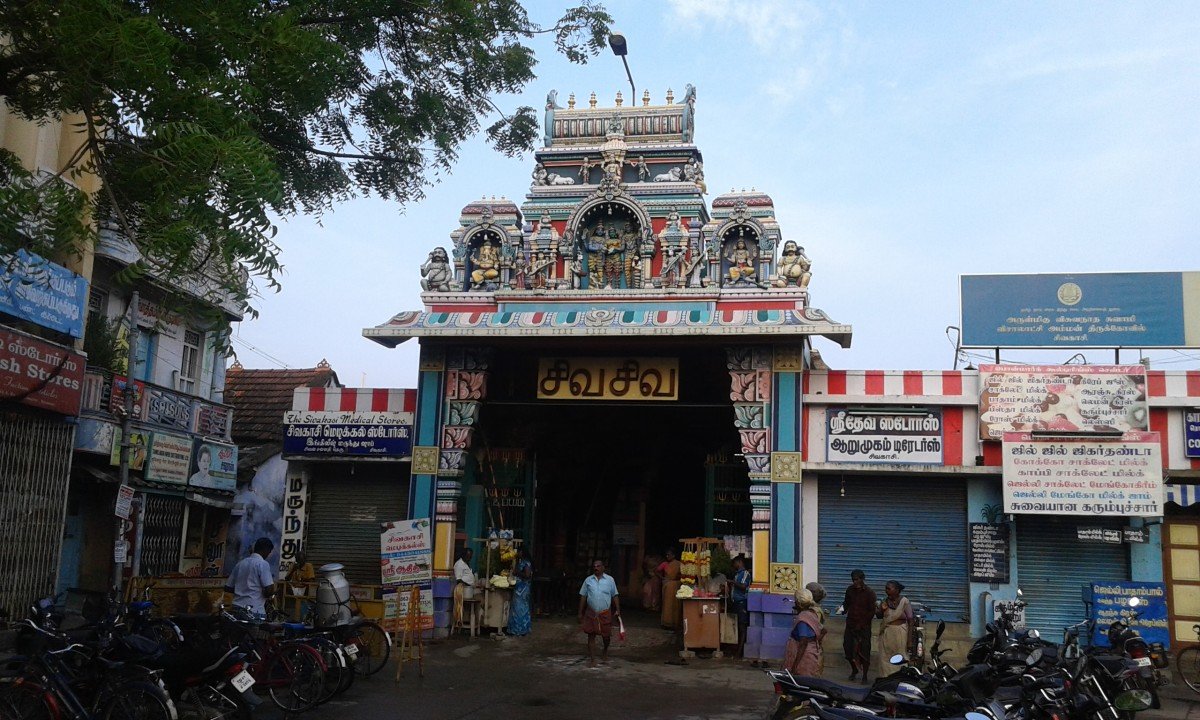
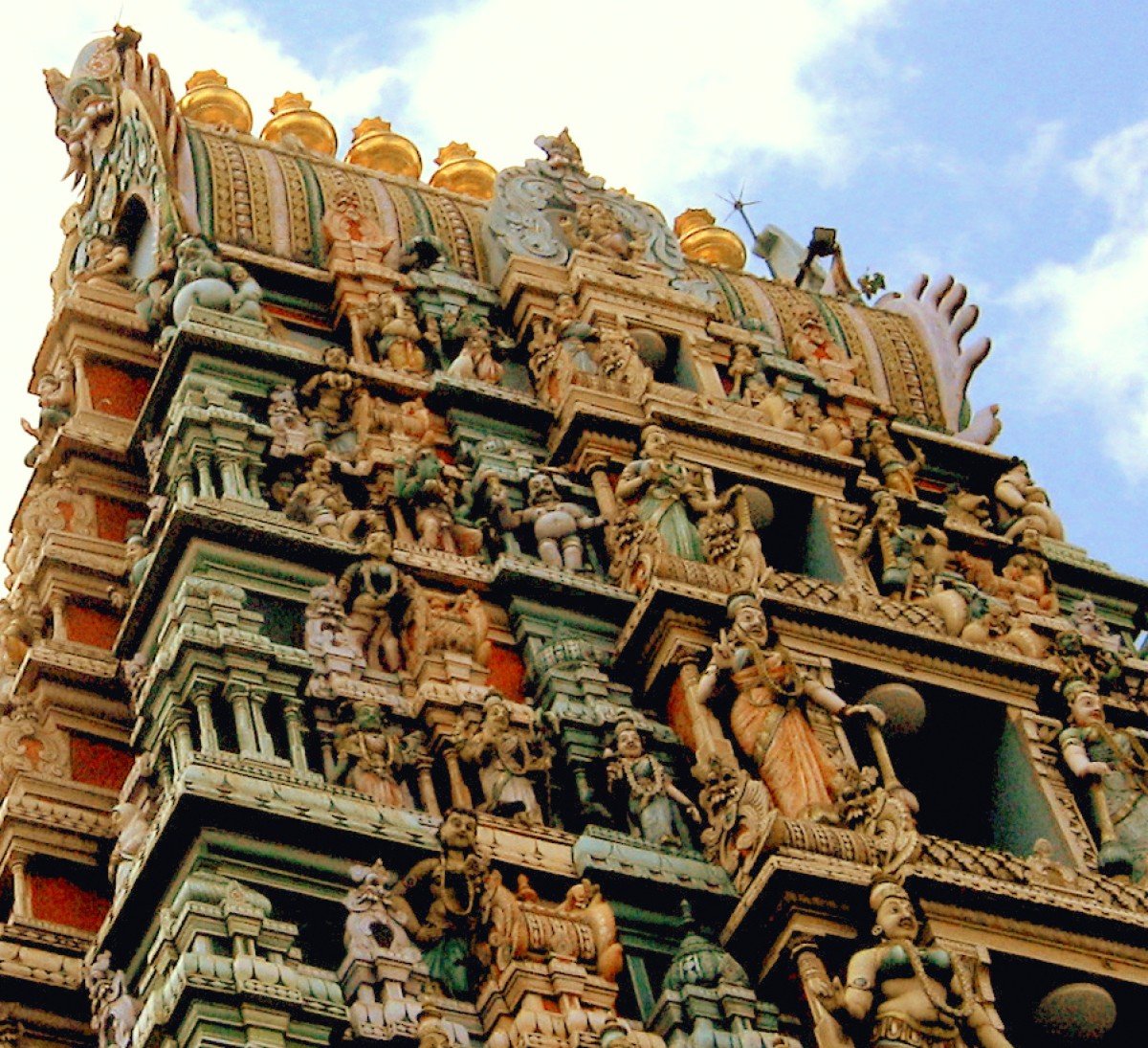
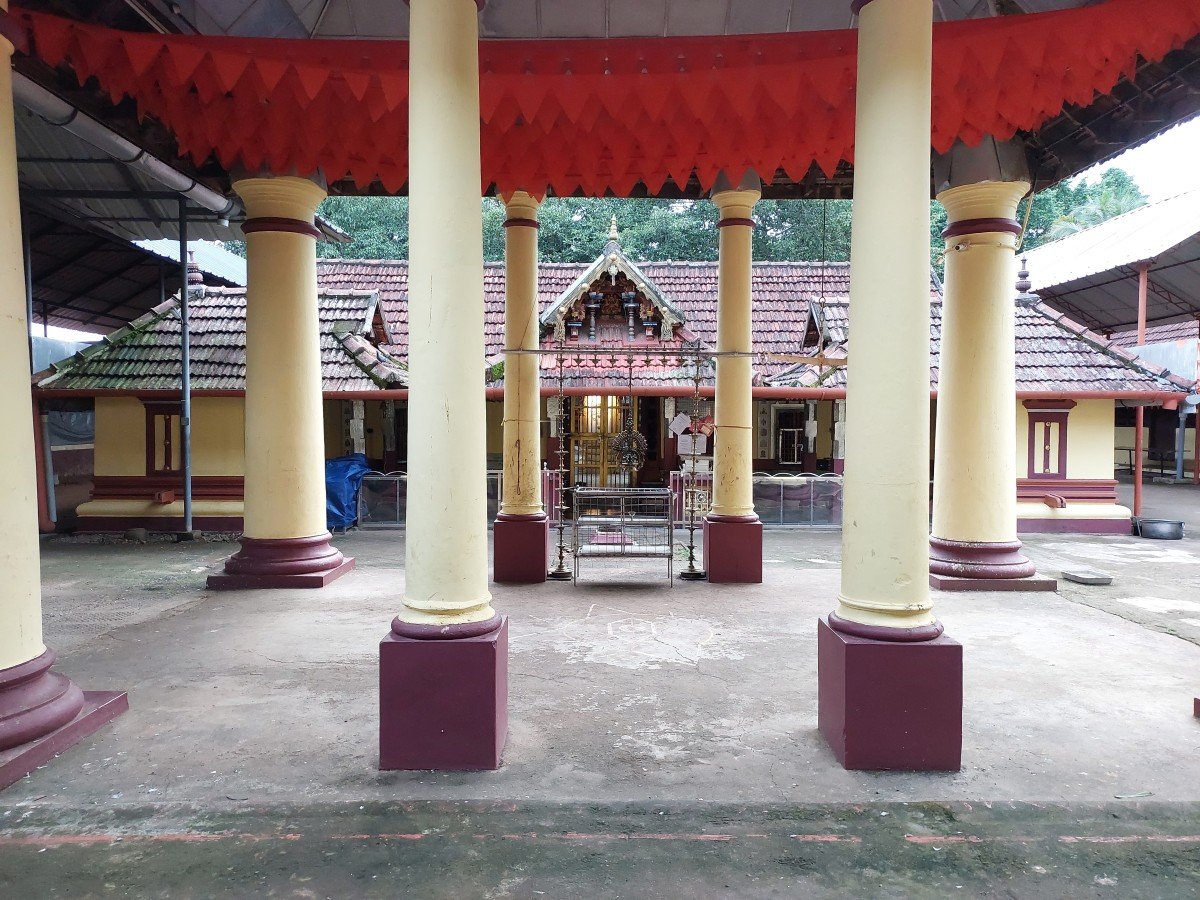
Bhadrakali Amman Temple: The bright colors and tall structure of the temple tower make it a top photo spot. It stands out against the sky and provides a classic South Indian temple aesthetic. The night lighting during festivals makes it even more beautiful. It is a must-c...Bhadrakali Amman Temple: The bright colors and tall structure of the temple tower make it a top photo spot. It stands out against the sky and provides a classic South Indian temple aesthetic. The night lighting during festivals makes it even more beautiful. It is a must-capture for any visitor to the town.
Industrial Landscapes: The massive chimneys and factory structures provide a different kind of photographic appeal. They represent the industrious spirit of the town. Capturing the workers in action (where permitted) can result in powerful documentary shots. The contrast between the old temples and new factories is a recurring theme.Photo Gallery


Things To Do
 Kathiresan Kovil is a prominent Hindu temple located on a hill in Kovilpatti. Dedicated to Lord Murugan, it is a site of great spiritual fervor and architectural beauty. The temple is reached by climbing a series of well-laid stone steps that wind up the rocky hill. As you ascend, the noise of the town fades away, replaced by the sound of temple bells and chanting. The temple is famous for its vibrant festivals and its role as a cultural anchor for the local community. The view from the top is spectacular, providing a bird's-eye view of the matchstick and cracker factories that dot the landscape. The temple's sanctum is carved into the rock, giving it an ancient and powerful feel. Many devotees visit here to seek blessings for health and prosperity. The peaceful environment at the summit makes it a popular spot for morning walks and meditation. It is an essential stop for any religious circuit in the Virudhunagar and Thoothukudi districts.
 @@A Tranquil Green Space in the Industrial Town:: Kamaraj Park, located on the outskirts near Thiruthangal on the Thiruthangal Road, serves as one of the essential green and recreational spaces in the highly industrial town of Sivakasi. It is not a large, sprawling national park but rather a well-maintained municipal park dedicated to the celebrated former Chief Minister of Tamil Nadu, K. Kamaraj, who is often revered as the 'Kingmaker' and 'Black Gandhi'. The park provides a much-needed respite from the hustle and bustle and the air pollution often associated with the local fireworks and match industries for which Sivakasi is famous. It is particularly popular among morning walkers, joggers, and families looking for a safe and accessible outdoor environment. The atmosphere is generally calm and welcoming, offering shaded areas and pathways for a pleasant stroll. The development of this park underscores the commitment of the local municipality to provide public amenities and spaces for social gathering and physical wellness. The dedication to Kamaraj also imbues the park with a sense of historical and political significance, serving as a reminder of his legacy of service and development. Visitors to Sivakasi who are interested in a short, relaxing break from temple tours or industrial visits often find the park a convenient and pleasant stop. The facility is designed to cater to a diverse group of visitors, ensuring it remains a central point for community interaction and personal recreation. Its location, while slightly away from the immediate city center, makes it a quiet haven. The management ensures regular maintenance, keeping the landscaping tidy and the facilities operational for public use throughout the week. The park acts as a social lung for the region.:
 The Sattur Sri Venkatachalapathy Temple is a highly revered Vaishnavite shrine dedicated to Lord Vishnu. Known as the Tirupati of the South, this temple attracts thousands of pilgrims who cannot travel to the main Tirupati temple. The presiding deity is seen in a standing posture, radiating immense grace and power. The temple has a history spanning over 800 years, with contributions from various dynasties. It is situated near the Vaippar River, which adds to its spiritual aura. The temple rituals follow the strict Vaishnava traditions, ensuring a divine experience for every visitor. Devotees often perform Angapradakshinam as a mark of their devotion. The temple complex is vast and houses several sub-shrines for other deities. The vibration inside the sanctum sanctorum is said to be very potent. Many families visit the temple to perform special poojas for prosperity and health. The temple administration maintains the premises with great care, ensuring cleanliness. It serves as a major cultural hub for the town of Sattur. The sacredness of the water in the river nearby is often linked to the temple's legends. Pilgrims often take a dip in the river before entering the temple. The temple is especially crowded during Saturdays, which is considered auspicious for Lord Vishnu. It stands as a testament to the deep-rooted faith of the Tamil people.
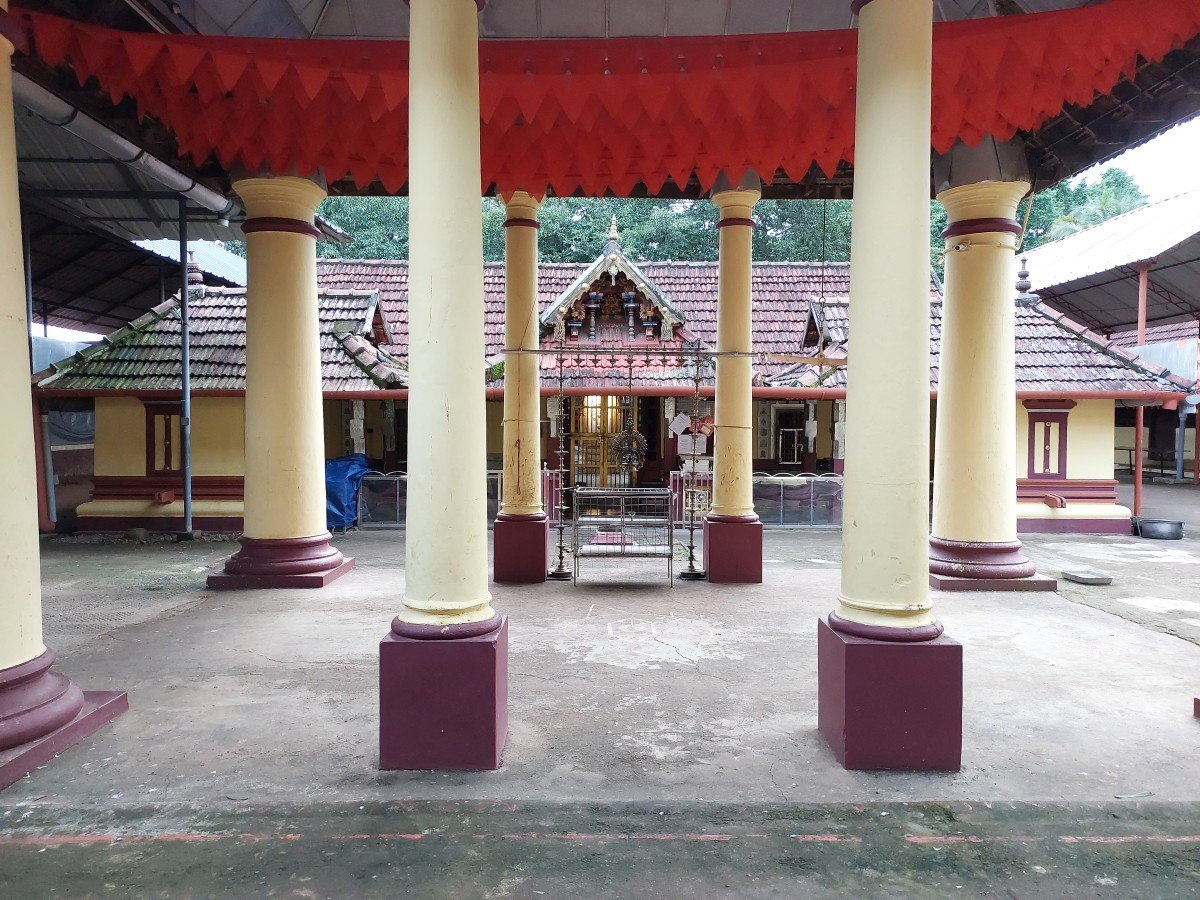
 @@The Grand Shrine of the Town's Protecting Deity:: The Sri Badrakali Amman Temple is one of the most prominent and historically significant temples in Sivakasi, dedicated to Goddess Badrakali (or Bhadrakali), a fierce manifestation of Parvati, the consort of Lord Shiva. The temple is considered the town's protecting deity and is a major center for Shaktism (worship of the Divine Feminine). Believed to have been constructed during the 18th century, the temple has undergone substantial expansion in the 19th and 20th centuries, resulting in its imposing and ornate present-day form. The temple is famous for its massive Rajagopuram (main gateway tower), which is a key landmark in Sivakasi. Unusually, the gopuram is not perfectly axial to the sanctum. The Goddess Badrakali Amman is housed in a unique north-facing sanctum and is depicted in a powerful, seated posture, a common feature in temples dedicated to this fierce form of the Goddess. The complex also features a beautiful, large temple tank and a bell tower located axially to the sanctum. Historically, like the Kasi Viswanatha Swamy Temple, the Sri Badrakali Amman Temple also played a central role in the social and religious dynamics that led to the Sivakasi riots of 1899, making it an essential site for understanding the local social history. The grandeur of its architecture and the intensity of its worship make it a deeply revered spiritual site.:
Kathiresan Hill is a prominent rocky hillock known for the Kathiresan Kovil (Temple) dedicated to Lord Murugan. The hill is a significant spiritual site where devotees climb several hundred steps to reach the sanctum. Apart from its religious importance, the hill is famous for the "Tiger Cave," a natural rock formation that resembles a tiger's mouth. These caves have historical significance and are believed to have been used by ancient monks or for storage. The climb offers a panoramic view of the surrounding plains and the town of Kovilpatti. The temple itself is vibrant, especially during festivals like Thaipusam. The combination of spiritual energy and natural adventure makes it a unique destination. The rock formations on the hill are geologically interesting, attracting both pilgrims and trekkers. The atmosphere at the summit is breezy and peaceful, a stark contrast to the busy industrial towns nearby. It is a place where nature and faith coexist harmoniously.
@@The Grand Shrine of the Town's Protecting Deity:: The Sri Badrakali Amman Temple is one of the most prominent and historically significant temples in Sivakasi, dedicated to Goddess Badrakali (or Bhadrakali), a fierce manifestation of Parvati, the consort of Lord Shiva. The temple is considered the town's protecting deity and is a major center for Shaktism (worship of the Divine Feminine). Believed to have been constructed during the 18th century, the temple has undergone substantial expansion in the 19th and 20th centuries, resulting in its imposing and ornate present-day form. The temple is famous for its massive Rajagopuram (main gateway tower), which is a key landmark in Sivakasi. Unusually, the gopuram is not perfectly axial to the sanctum. The Goddess Badrakali Amman is housed in a unique north-facing sanctum and is depicted in a powerful, seated posture, a common feature in temples dedicated to this fierce form of the Goddess. The complex also features a beautiful, large temple tank and a bell tower located axially to the sanctum. Historically, like the Kasi Viswanatha Swamy Temple, the Sri Badrakali Amman Temple also played a central role in the social and religious dynamics that led to the Sivakasi riots of 1899, making it an essential site for understanding the local social history. The grandeur of its architecture and the intensity of its worship make it a deeply revered spiritual site.:
Kathiresan Hill is a prominent rocky hillock known for the Kathiresan Kovil (Temple) dedicated to Lord Murugan. The hill is a significant spiritual site where devotees climb several hundred steps to reach the sanctum. Apart from its religious importance, the hill is famous for the "Tiger Cave," a natural rock formation that resembles a tiger's mouth. These caves have historical significance and are believed to have been used by ancient monks or for storage. The climb offers a panoramic view of the surrounding plains and the town of Kovilpatti. The temple itself is vibrant, especially during festivals like Thaipusam. The combination of spiritual energy and natural adventure makes it a unique destination. The rock formations on the hill are geologically interesting, attracting both pilgrims and trekkers. The atmosphere at the summit is breezy and peaceful, a stark contrast to the busy industrial towns nearby. It is a place where nature and faith coexist harmoniously. @@ Details : The Kathiresan Hill Tiger Cave is a fascinating archaeological and spiritual site located on a rocky outcrop. This cave is not an actual dwelling for tigers but is named so due to the rock formations and the carvings that resemble the face of a lion or tiger, similar to the Tiger Cave in Mahabalipuram. This site is a rare example of rock-cut architecture in this part of southern Tamil Nadu. The cave is situated on a hill that offers a panoramic view of the surrounding plains and the distant Western Ghats. Historically, it is believed that these caves were used by Jain monks for meditation before being adopted by Hindu devotees. The hill also houses a temple dedicated to Lord Murugan, known here as Kathiresan. The ascent to the cave involves climbing a series of stone steps, providing a mild trekking experience. Inside the cave, the air is cool, and the atmosphere is deeply meditative. The carvings on the walls, though weathered by time, show the skill of ancient artisans. It is a place where nature and history blend perfectly. The surrounding area is relatively quiet, making it a favorite spot for those who want to escape the crowd. Many local legends are associated with the cave, including stories of ancient sages who lived here for hundreds of years. The hill is also a great spot for sunrise and sunset views, attracting many local youngsters and pilgrims. Despite its historical significance, it remains a hidden gem that is not yet overrun by mass tourism, allowing for a peaceful exploration.
 @@A Historical and Spiritual Epicenter of Sivakasi:: The Kasi Viswanatha Swamy Temple is not just a place of worship but the historical and spiritual heart of Sivakasi itself, with the town’s very name linked to its origin. The name Sivakasi is derived from the legend where the reigning Pandya king, Harikesari Parakkirama Pandian, was bringing a Shiva Lingam from Kasi (Varanasi) to install in his new temple at Tenkasi. The lingam refused to move from this spot, and the king realized it was the Lord's wish to reside here, hence the place was named Sivakasi (meaning 'the light of Shiva from Kasi'). The temple is dedicated to Lord Shiva as Kasi Viswanathar and his consort Goddess Parvathi as Visalakshi. Believed to have been constructed during the 15th century by the Pandya rulers, with significant additions by the later Madurai Nayaks, the temple is a living document of South Indian temple history. It is a key center for Saivite tradition and continues to hold deep religious significance for the people of the region. The temple premises are characterized by a traditional layout, granite walls, and a prominent gopuram. Its location in the busy Bazaar Street highlights its central role in the commercial and cultural life of the town, making it a pivotal landmark. The daily rituals and annual festivals draw massive crowds, cementing its status as the prime spiritual destination in Sivakasi. The architectural elements tell a story of centuries of patronage and devotion. This temple played a crucial, and at times, tumultuous role in the social history of the region, notably during the Sivakasi riots of 1899, making it historically complex and profoundly important to local identity.:Show All
The Theppakulam in Virudhunagar is a massive historic water tank that reflects the town's architectural heritage. Originally built to store water for the town's needs, it has now become a major social and cultural gathering spot. The tank is rectangular and surrounded by stone steps on all sides. In the center of the tank, there is a beautiful Mandapam that looks stunning during the rainy season when the tank is full. It serves as the primary venue for the annual float festival. The area around the tank is used by locals for evening strolls and community meetings. It plays a vital role in maintaining the groundwater level of the surrounding areas. The sight of the moon reflecting in the still water of the tank is a favorite for many. The structure represents the wisdom of ancient water management systems in Tamil Nadu. Over the years, the government has renovated the area to include lighting and seating. It is located near important administrative buildings, making it very accessible. The local markets nearby add a vibrant touch to the atmosphere. Children often come here to feed the fish or play near the banks. It is not just a water body but a living part of Virudhunagar's history. During the summer, the breeze from the water provides relief from the heat. The tank is a symbol of the town's identity and resilience. It is a must-visit for anyone wanting to understand the local lifestyle.
@@A Historical and Spiritual Epicenter of Sivakasi:: The Kasi Viswanatha Swamy Temple is not just a place of worship but the historical and spiritual heart of Sivakasi itself, with the town’s very name linked to its origin. The name Sivakasi is derived from the legend where the reigning Pandya king, Harikesari Parakkirama Pandian, was bringing a Shiva Lingam from Kasi (Varanasi) to install in his new temple at Tenkasi. The lingam refused to move from this spot, and the king realized it was the Lord's wish to reside here, hence the place was named Sivakasi (meaning 'the light of Shiva from Kasi'). The temple is dedicated to Lord Shiva as Kasi Viswanathar and his consort Goddess Parvathi as Visalakshi. Believed to have been constructed during the 15th century by the Pandya rulers, with significant additions by the later Madurai Nayaks, the temple is a living document of South Indian temple history. It is a key center for Saivite tradition and continues to hold deep religious significance for the people of the region. The temple premises are characterized by a traditional layout, granite walls, and a prominent gopuram. Its location in the busy Bazaar Street highlights its central role in the commercial and cultural life of the town, making it a pivotal landmark. The daily rituals and annual festivals draw massive crowds, cementing its status as the prime spiritual destination in Sivakasi. The architectural elements tell a story of centuries of patronage and devotion. This temple played a crucial, and at times, tumultuous role in the social history of the region, notably during the Sivakasi riots of 1899, making it historically complex and profoundly important to local identity.:Show All
The Theppakulam in Virudhunagar is a massive historic water tank that reflects the town's architectural heritage. Originally built to store water for the town's needs, it has now become a major social and cultural gathering spot. The tank is rectangular and surrounded by stone steps on all sides. In the center of the tank, there is a beautiful Mandapam that looks stunning during the rainy season when the tank is full. It serves as the primary venue for the annual float festival. The area around the tank is used by locals for evening strolls and community meetings. It plays a vital role in maintaining the groundwater level of the surrounding areas. The sight of the moon reflecting in the still water of the tank is a favorite for many. The structure represents the wisdom of ancient water management systems in Tamil Nadu. Over the years, the government has renovated the area to include lighting and seating. It is located near important administrative buildings, making it very accessible. The local markets nearby add a vibrant touch to the atmosphere. Children often come here to feed the fish or play near the banks. It is not just a water body but a living part of Virudhunagar's history. During the summer, the breeze from the water provides relief from the heat. The tank is a symbol of the town's identity and resilience. It is a must-visit for anyone wanting to understand the local lifestyle.Information
-
Why Famous:
Firework Industry: Sivakasi is world-famous for being the primary source of firecrackers in India. Almost every celebration in the country uses products made in this small town. The scale of production and the variety of fireworks are truly impressive. It is a unique dest...Firework Industry: Sivakasi is world-famous for being the primary source of firecrackers in India. Almost every celebration in the country uses products made in this small town. The scale of production and the variety of fireworks are truly impressive. It is a unique destination for those interested in industrial tourism.
Printing and Matchboxes: The town is a global hub for high-quality printing services and matchbox production. The precision and scale of the printing industry here are renowned internationally. Many of the calendars and diaries used in India are printed in Sivakasi. It showcases the town's capability as a major manufacturing center. -
Architecture:
Traditional Temples: The temple architecture in Sivakasi follows the Dravidian style with tall towers. The Kasi Viswanathar Temple features elaborate carvings and a sacred tank. The Bhadrakali Amman Temple is known for its vibrant and colorful Gopuram. The use of granite ...Traditional Temples: The temple architecture in Sivakasi follows the Dravidian style with tall towers. The Kasi Viswanathar Temple features elaborate carvings and a sacred tank. The Bhadrakali Amman Temple is known for its vibrant and colorful Gopuram. The use of granite and stone in construction ensures the longevity of these structures. Inner halls are supported by pillars with intricate mythological depictions.
Dimensions: The Bhadrakali Amman Temple's tower is one of the tallest in the region. The temple tank, or 'Theppakulam', is quite large and used for float festivals. Most industrial units are sprawling complexes covering several acres. The printing presses house some of the largest machinery in the country. These structures reflect both ancient spiritual goals and modern economic ones. -
How To Reach:
By Air: The nearest airport is Madurai International Airport, about 75 KMS away. Frequent taxis and buses connect the airport to Sivakasi. The drive takes roughly 1. 5 to 2 hours. Madurai airport is well-connected to all major Indian cities.
...By Air: The nearest airport is Madurai International Airport, about 75 KMS away. Frequent taxis and buses connect the airport to Sivakasi. The drive takes roughly 1. 5 to 2 hours. Madurai airport is well-connected to all major Indian cities.
By Train: Sivakasi has its own railway station with trains connecting to Chennai, Madurai, and Tenkasi. It is a convenient way for travelers to reach the town directly. The railway station is close to the main industrial and residential areas. Taxis and auto-rickshaws are available at the station.
By Road: The town is well-connected by a network of state and national highways. Regular buses ply from Madurai, Virudhunagar, and Tirunelveli. Private taxis are a comfortable option for inter-city travel. The roads are generally in good condition and easy to navigate.
By Local Transport: Auto-rickshaws are the most common mode of transport within the town. They are easily available and can take you to all the major temples and factories. Many areas are also walkable if you are staying in the town center. Rental cars are available for day trips to nearby attractions. -
Weather and Best Time to Visit:
Cool Season: October to February is the best time to visit Sivakasi. The weather is pleasant, making it comfortable for industrial and temple tours. This period also coincides with various local festivals. The heat is much more manageable compared to the summer months.Cool Season: October to February is the best time to visit Sivakasi. The weather is pleasant, making it comfortable for industrial and temple tours. This period also coincides with various local festivals. The heat is much more manageable compared to the summer months.
Summer and Monsoon: March to June is the summer season with temperatures often exceeding 38°C. It can be very hot and tiring for outdoor activities. Monsoon from July to September brings moderate rain and some relief from the heat. However, the humidity levels can remain high during this time. -
Near Tourist Places:
Nearby Places: 1. Srivilliputhur (20 KMS), 2. Madurai (75 KMS), 3. Virudhunagar (25 KMS), 4. Ayyanar Falls (25 KMS), 5. Vembakottai Dam (15 KMS), 6. Tenkasi (90 KMS), 7. Courtallam (100 KMS), 8. Tirunelveli (100 KMS), 9. Sattur (25 KMS), 10. Rajapalayam (35 KMS).
Tourism Tips
-
Health and Safety: Industrial areas can be noisy and dusty, so carry a mask if needed. Always follow safety signs and instructions when visiting firecracker units. Keep yourself hydrated and avoid direct sun exposure during mid-day. Be cautious while walking in busy marke...Health and Safety: Industrial areas can be noisy and dusty, so carry a mask if needed. Always follow safety signs and instructions when visiting firecracker units. Keep yourself hydrated and avoid direct sun exposure during mid-day. Be cautious while walking in busy market areas with heavy traffic.
Packing Tips: Carry light cotton clothes and comfortable footwear. A hat and sunglasses will protect you from the harsh tropical sun. If you have sensitive ears, carry earplugs for industrial visits. Don't forget your camera to capture the unique industrial and religious sites.
Accommodation: There are several budget and mid-range hotels in the town center. Most cater to business travelers and offer basic modern amenities. Booking in advance is recommended if you are visiting during the festival season. Some hotels provide travel desk services for local sightseeing.
General Conduct: Respect the workers and avoid obstructing their work during factory visits. Dress modestly when visiting temples and follow all religious protocols. Interact politely with the locals who are usually very helpful. Avoid taking photos in restricted industrial areas without permission.
Reviews
FAQs
Sivakasi Itineray And Cost:-
Other Places In Tamil Nadu :-
Other States In India :-
Information about New and Updated Locations() of Tamil Nadu Has Been Added :-
Card subtitle
Note:-
Information provided here in good Faith and for reference only.
Near Places
Chennai
Some quick example text to build on the card title and make up the bulk of the card's content.
Go somewhere
Chidambaram
Some quick example text to build on the card title and make up the bulk of the card's content.
Go somewhere
Coimbatore
Some quick example text to build on the card title and make up the bulk of the card's content.
Go somewhere
Courtallam
Some quick example text to build on the card title and make up the bulk of the card's content.
Go somewhere
Dindigul
Some quick example text to build on the card title and make up the bulk of the card's content.
Go somewhere
Kanchipuram
Some quick example text to build on the card title and make up the bulk of the card's content.
Go somewhere
Kanyakumari
Some quick example text to build on the card title and make up the bulk of the card's content.
Go somewhere
Karaikal
Some quick example text to build on the card title and make up the bulk of the card's content.
Go somewhere
Karaikudi
Some quick example text to build on the card title and make up the bulk of the card's content.
Go somewhere
Kodaikanal
Some quick example text to build on the card title and make up the bulk of the card's content.
Go somewhere
Kovalam
Some quick example text to build on the card title and make up the bulk of the card's content.
Go somewhere
Kumbakonam
Some quick example text to build on the card title and make up the bulk of the card's content.
Go somewhere
Madurai
Some quick example text to build on the card title and make up the bulk of the card's content.
Go somewhere
Mahabalipuram
Some quick example text to build on the card title and make up the bulk of the card's content.
Go somewhere
Masinagudi
Some quick example text to build on the card title and make up the bulk of the card's content.
Go somewhere
Nagapattinam
Some quick example text to build on the card title and make up the bulk of the card's content.
Go somewherein Other Cities