









Kumbakonam
General information
-
Ideal Duration:
2 to 3 DaysPlace Type:
Pilgrimage / HeritageEntry Fees:
Special Events:
Maha Maham: The grandest event occurring once in 12 years (Next in 2034).
Masi Magam: An annual festival in February-March where deities are taken to the tank. ...Maha Maham: The grandest event occurring once in 12 years (Next in 2034).
Masi Magam: An annual festival in February-March where deities are taken to the tank.Best Photo Spots:
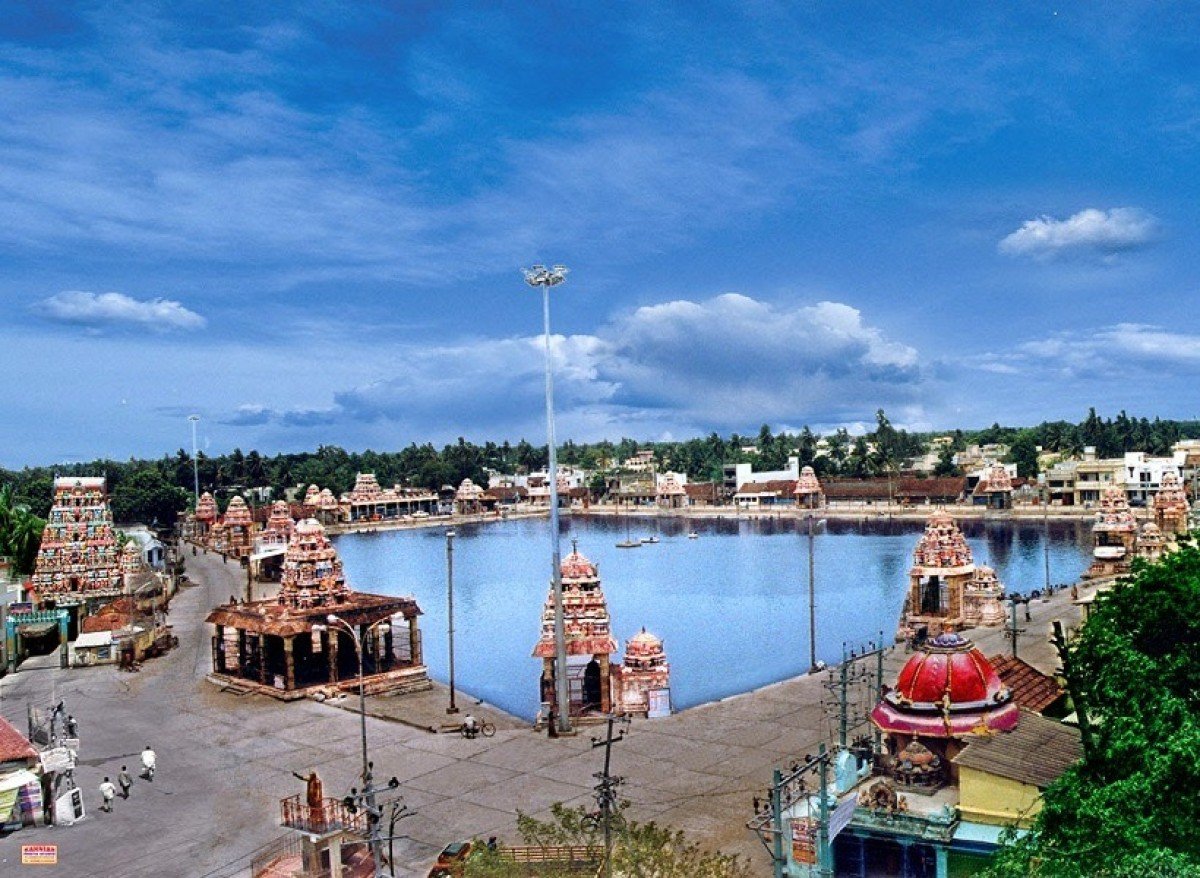
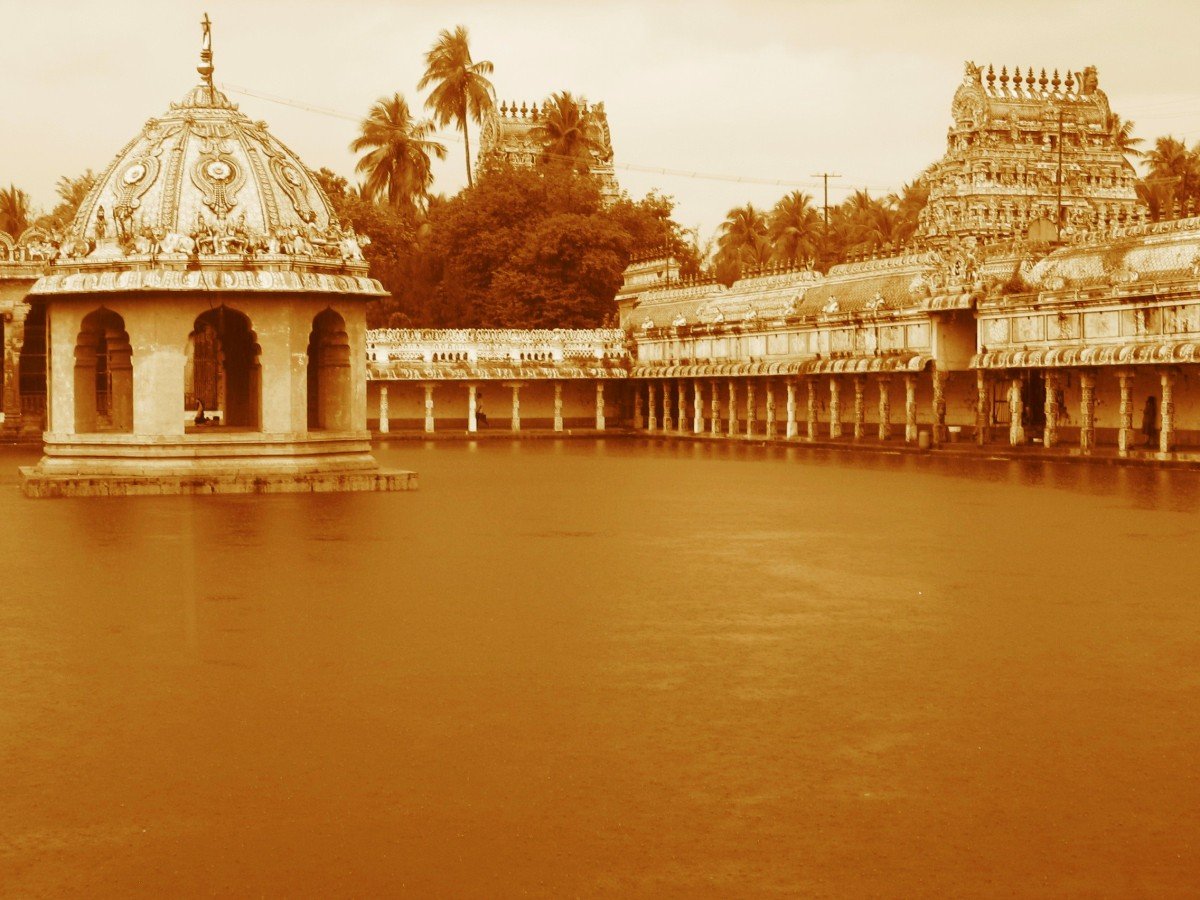
Maha Maham Tank: Best captured during the golden hour with temple reflections.
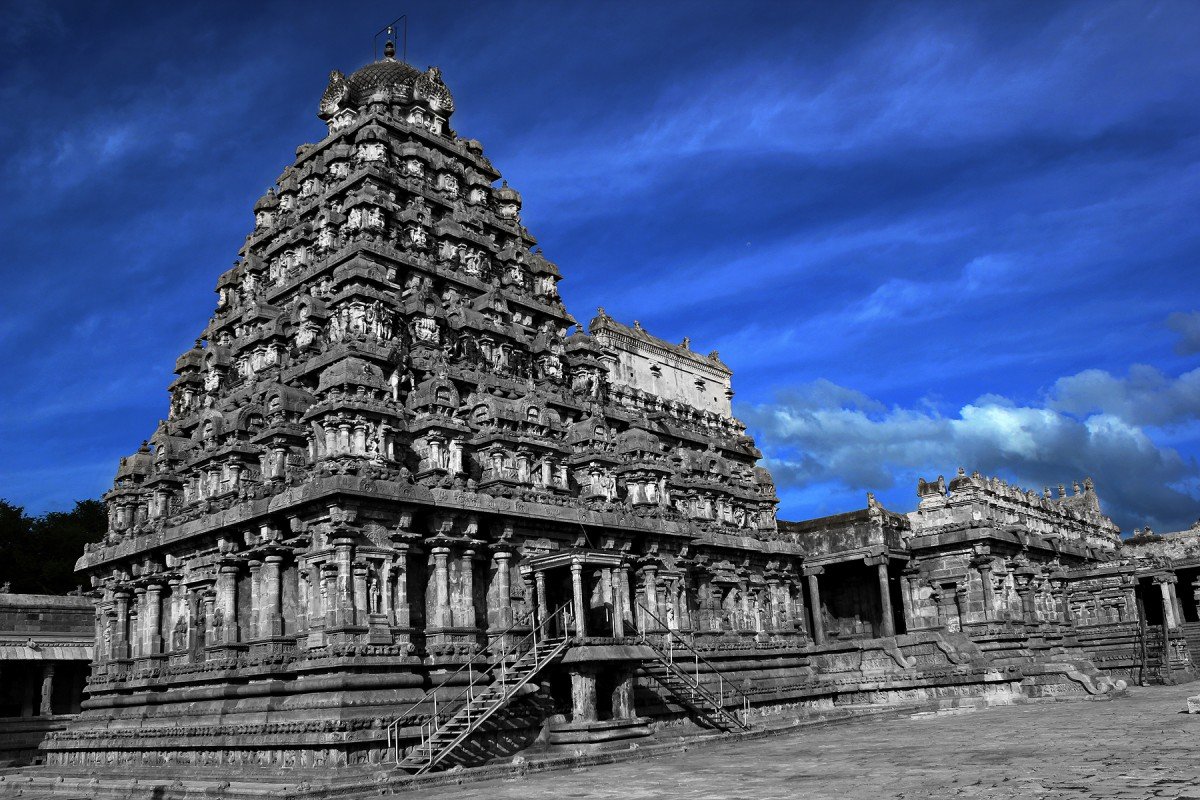
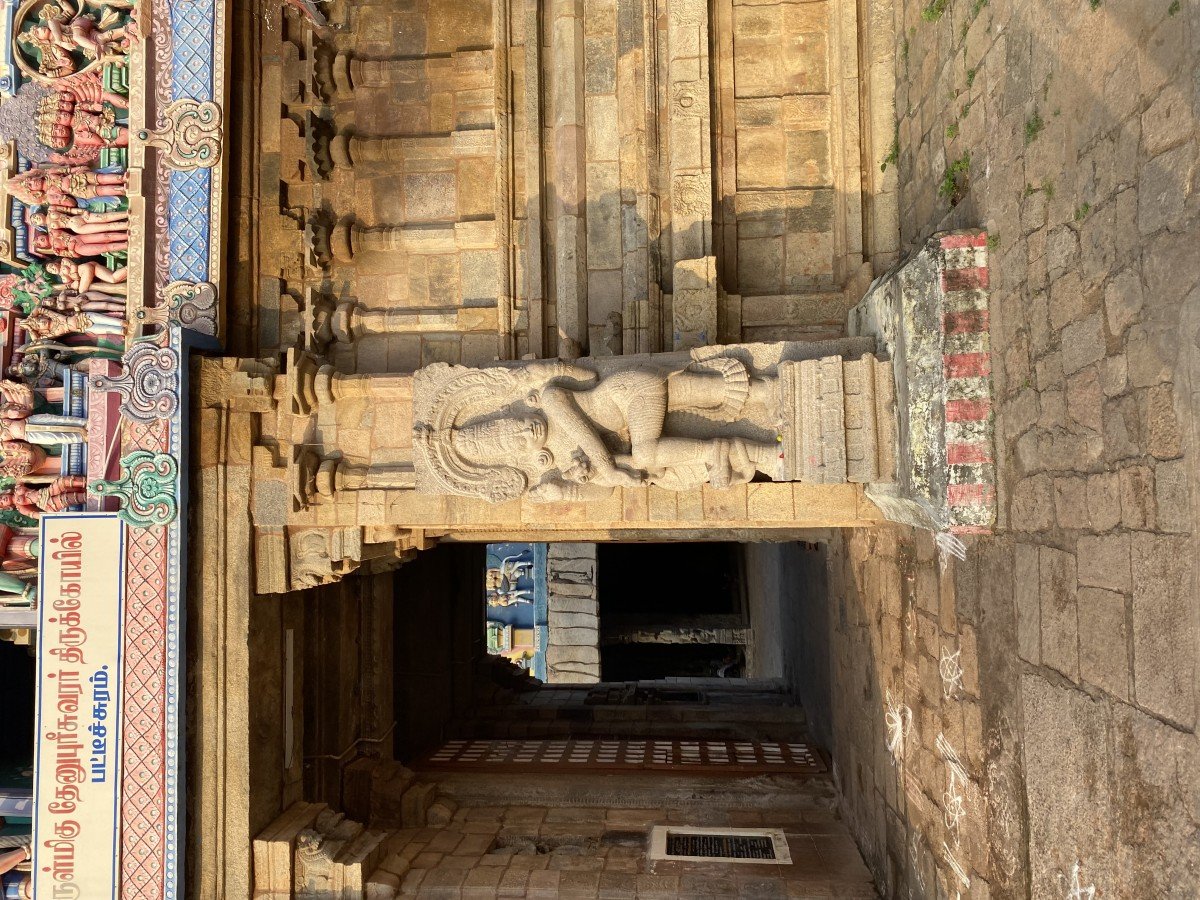
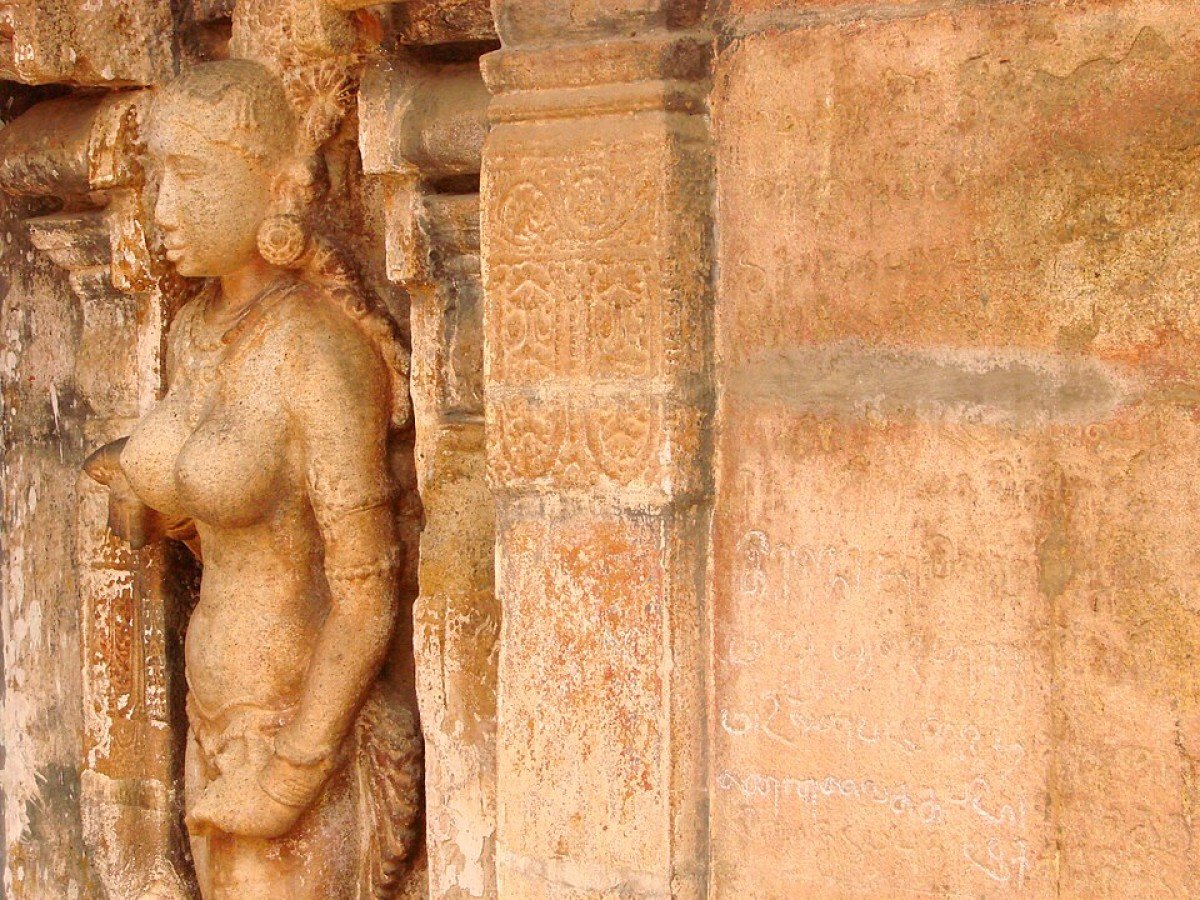
Dharasuram Temple: Ideal for architectural photography and close-up stone details.
Gopuram Views: Capturing the towering heights...Maha Maham Tank: Best captured during the golden hour with temple reflections.
Dharasuram Temple: Ideal for architectural photography and close-up stone details.
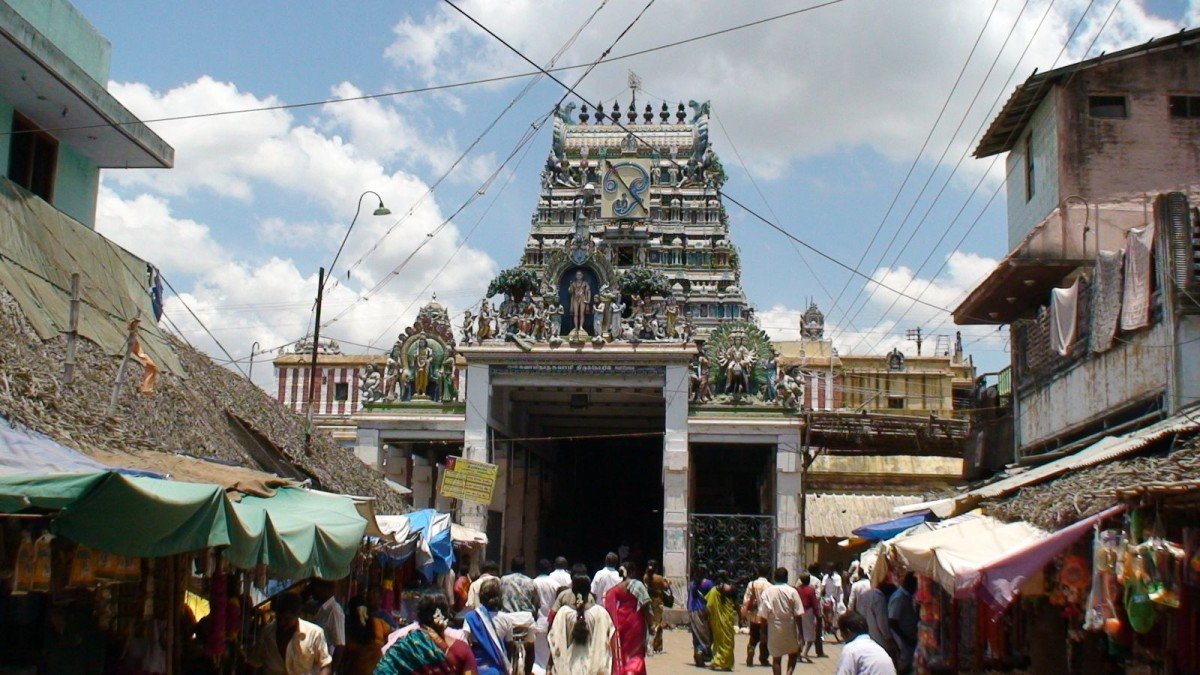
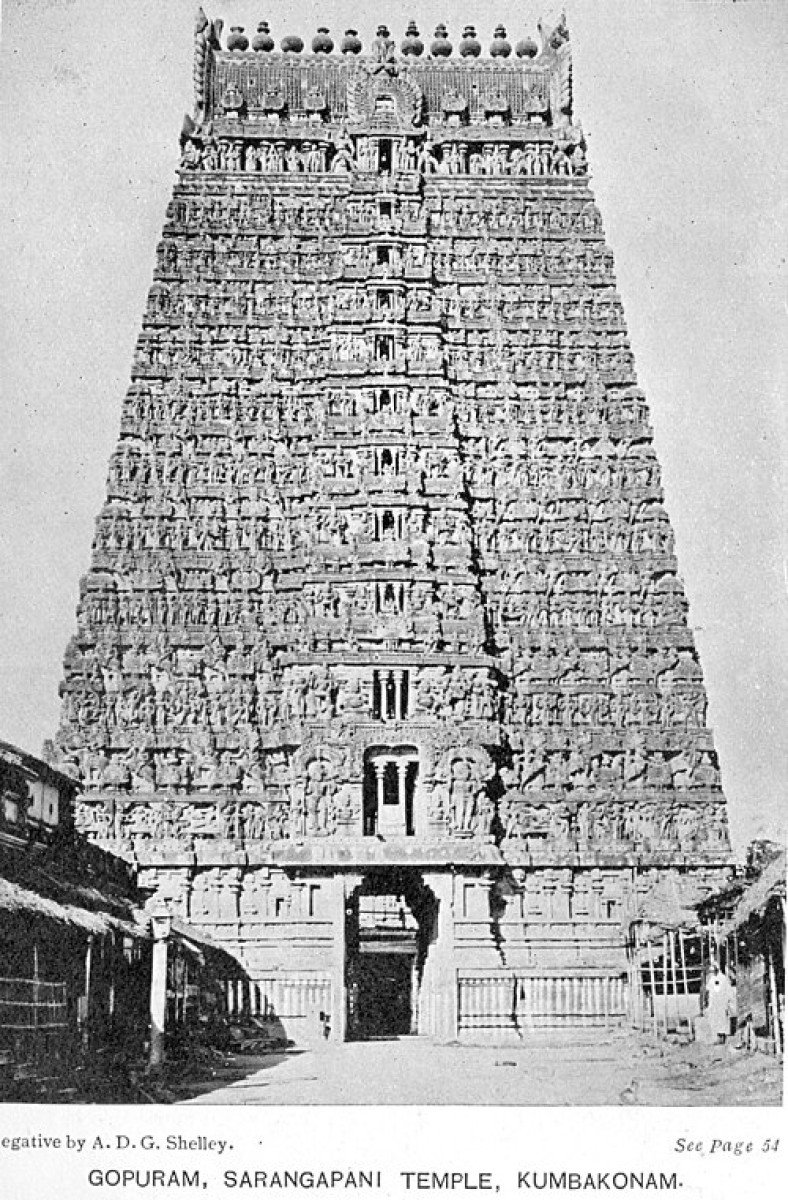
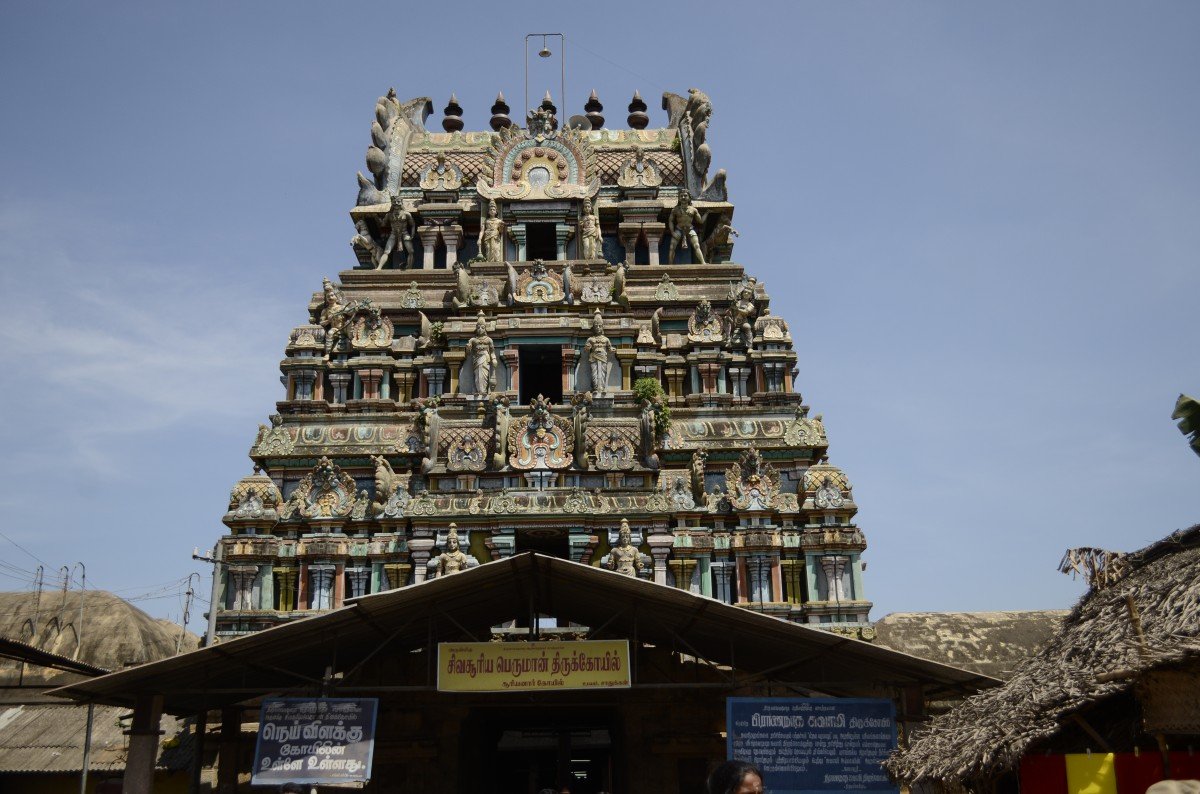
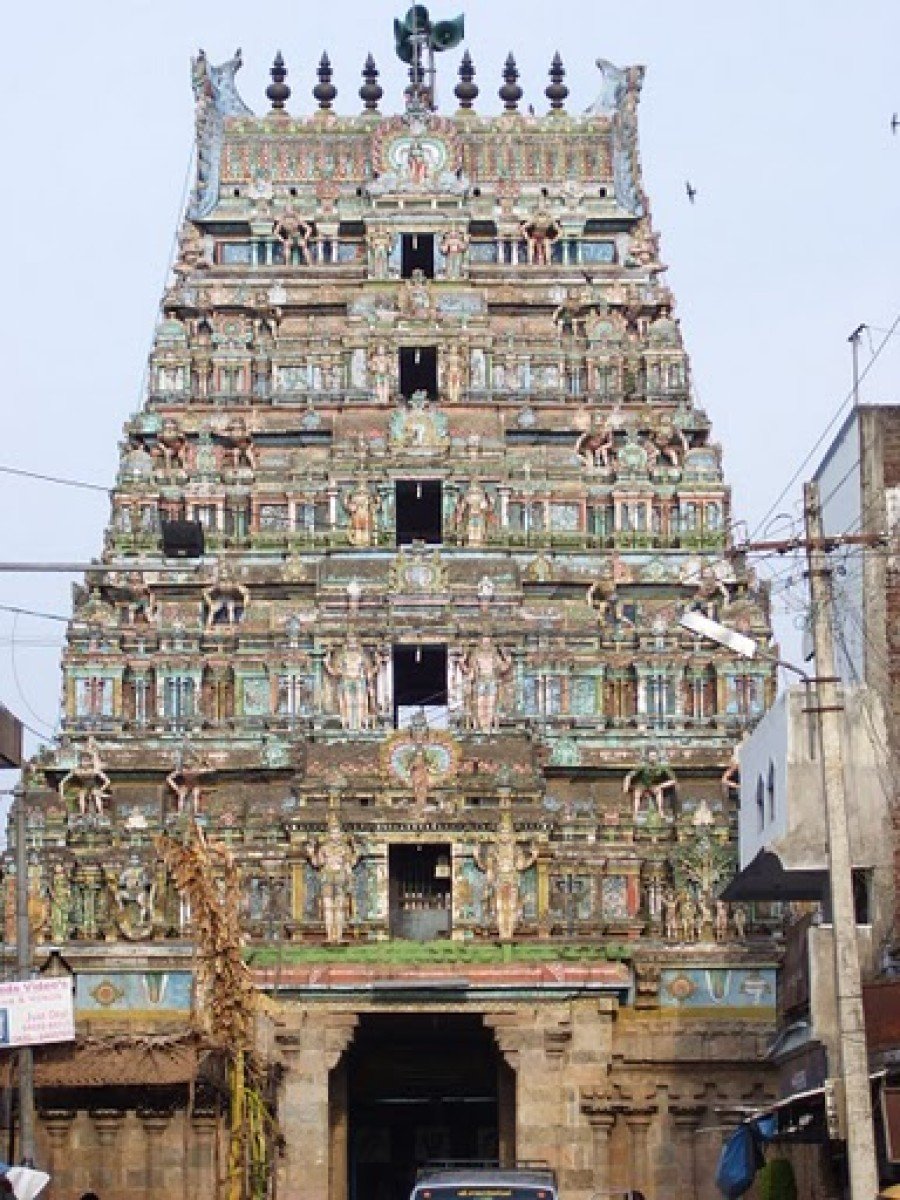
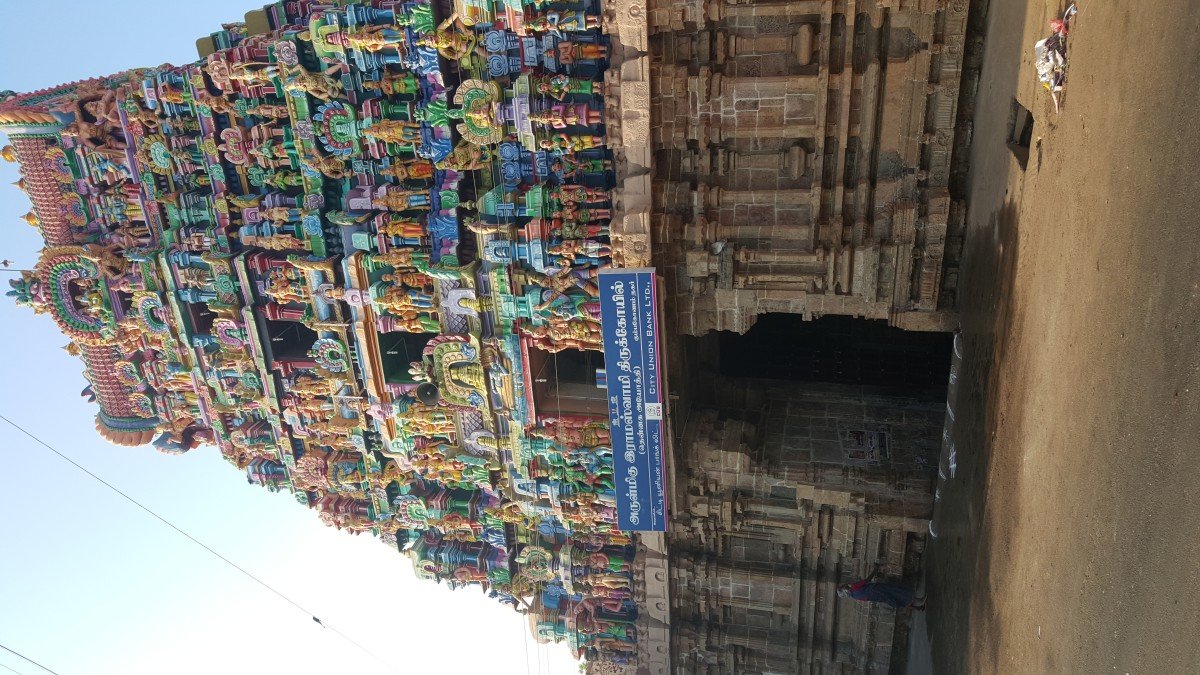
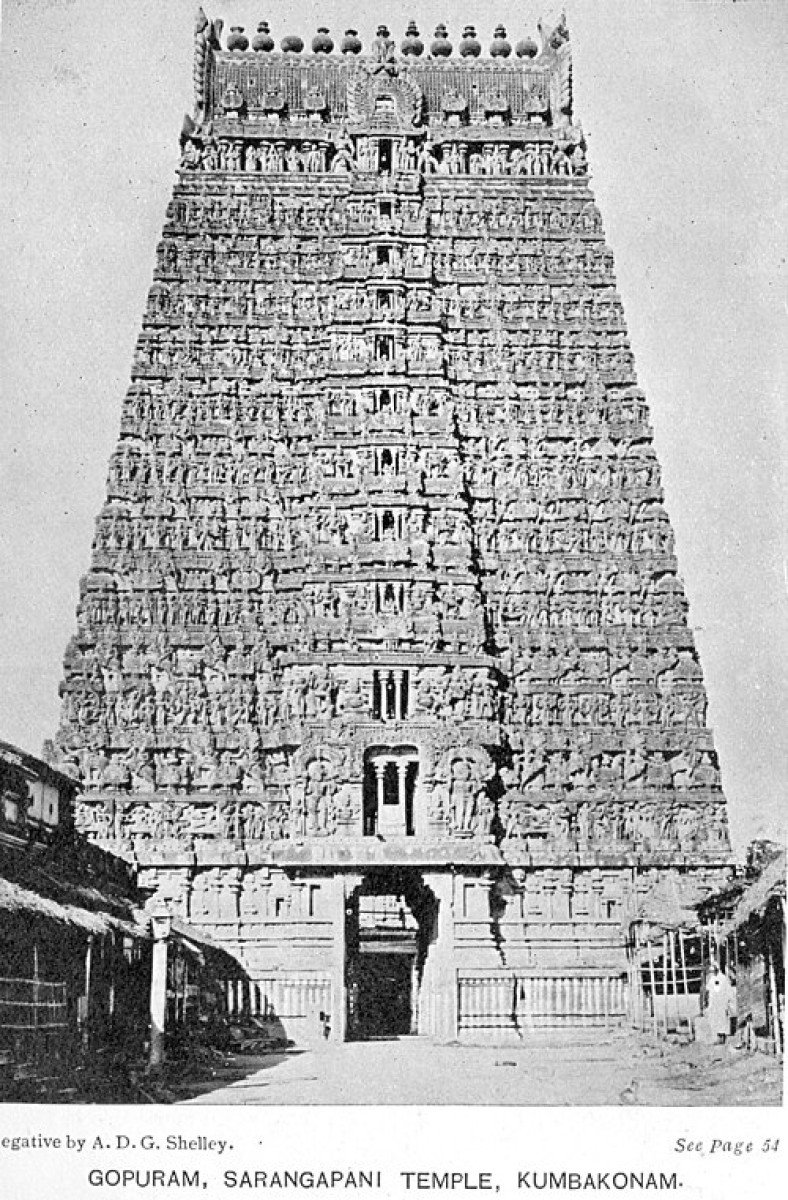
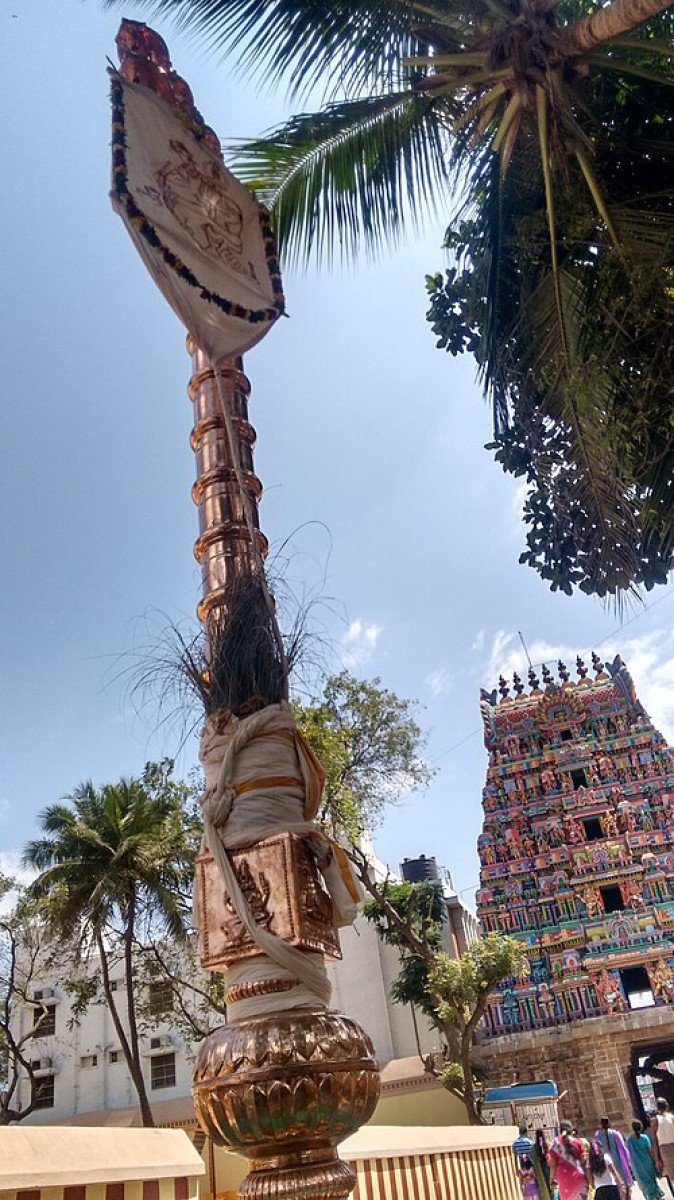
Gopuram Views: Capturing the towering heights of Sarangapani Temple.Photo Gallery
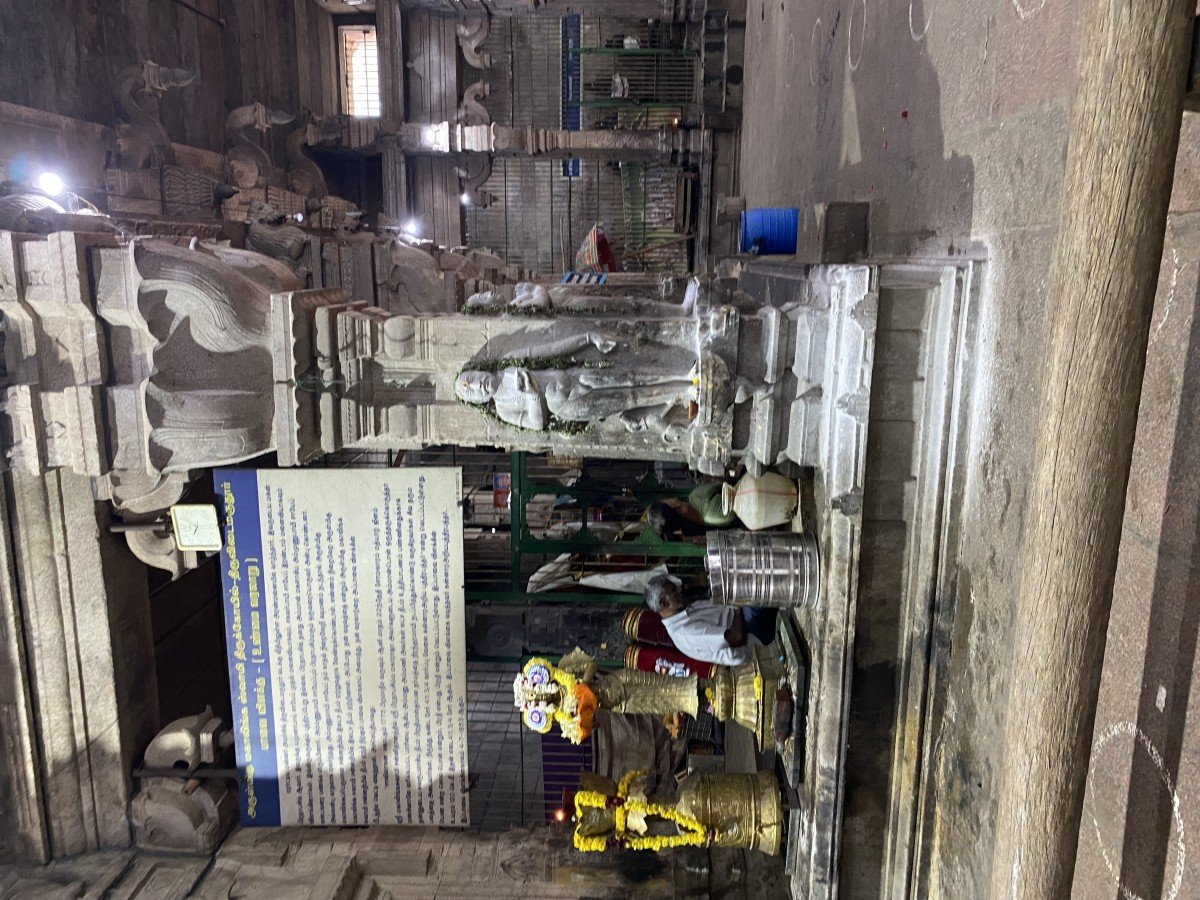


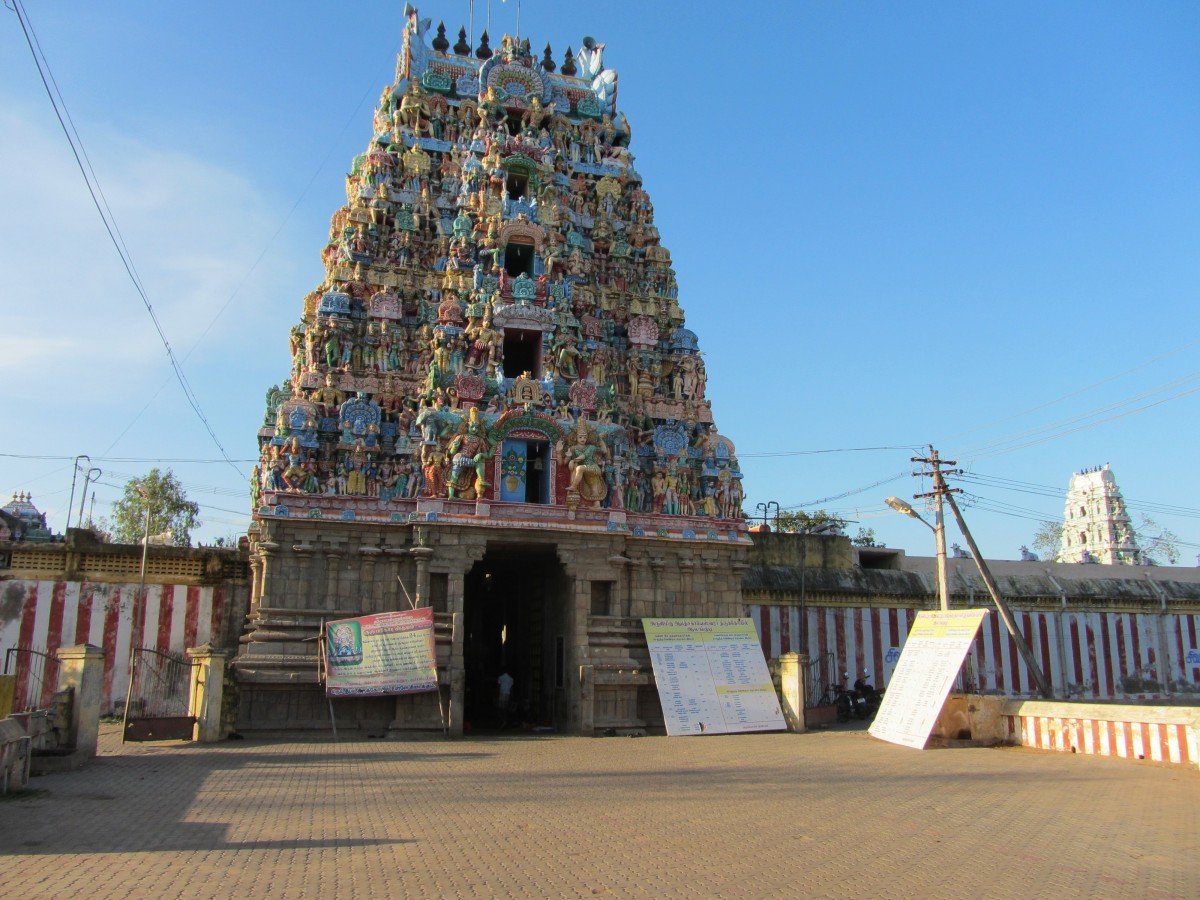








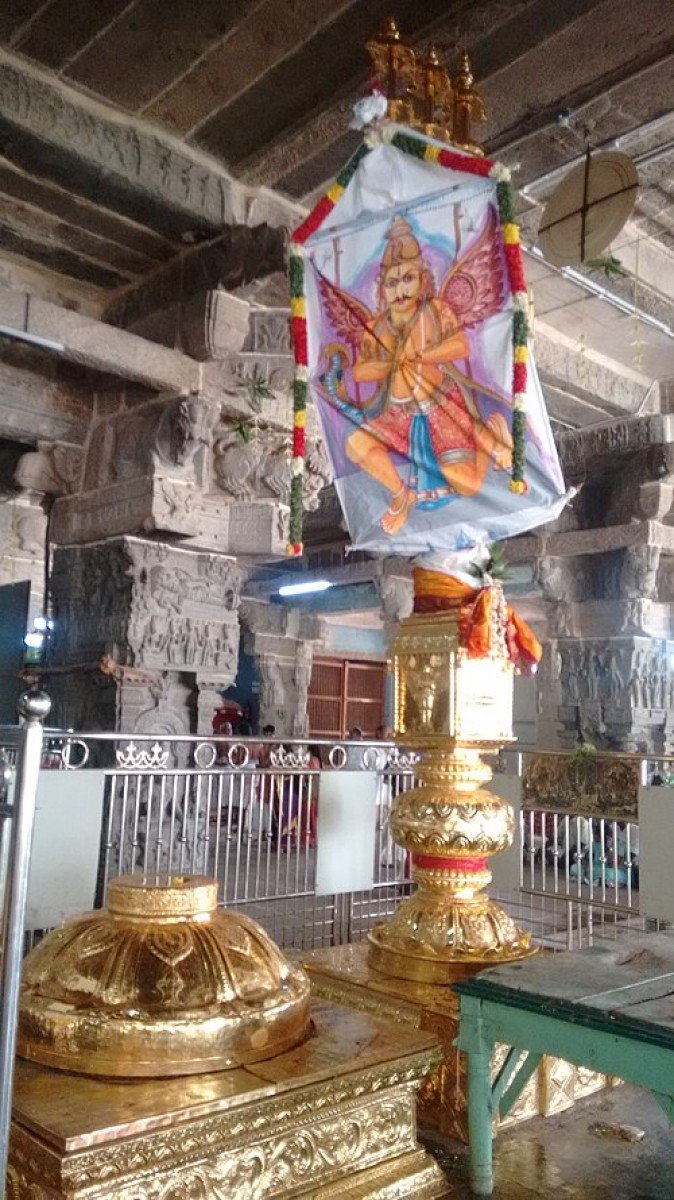
Things To Do
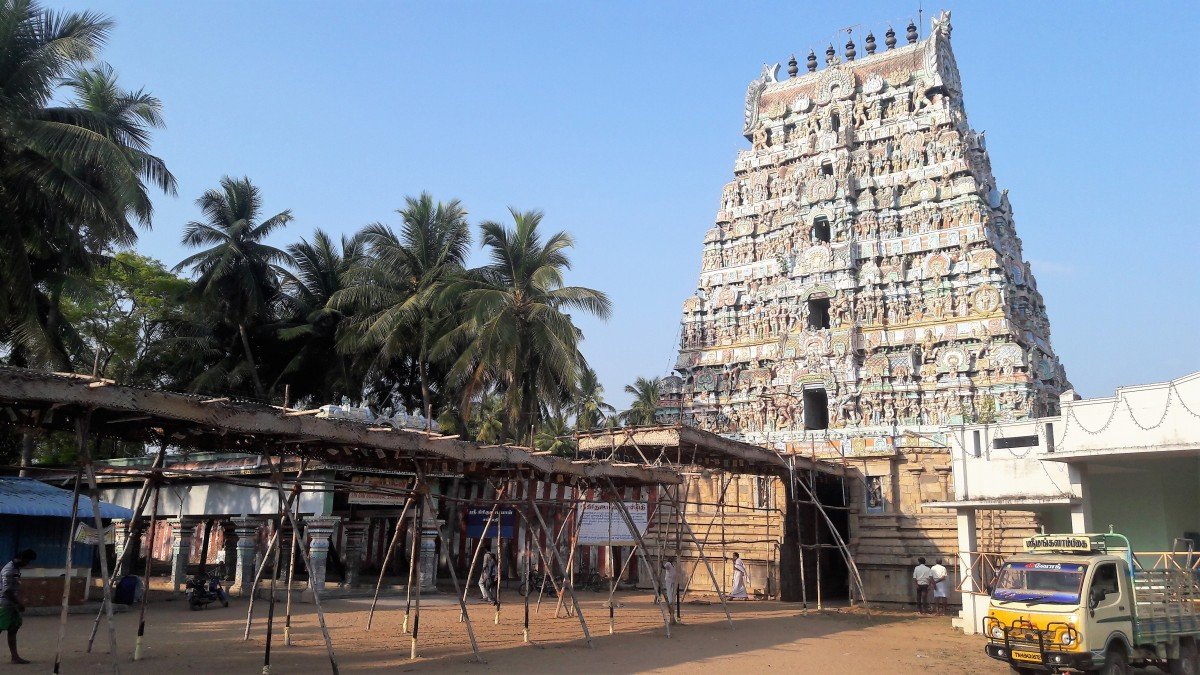
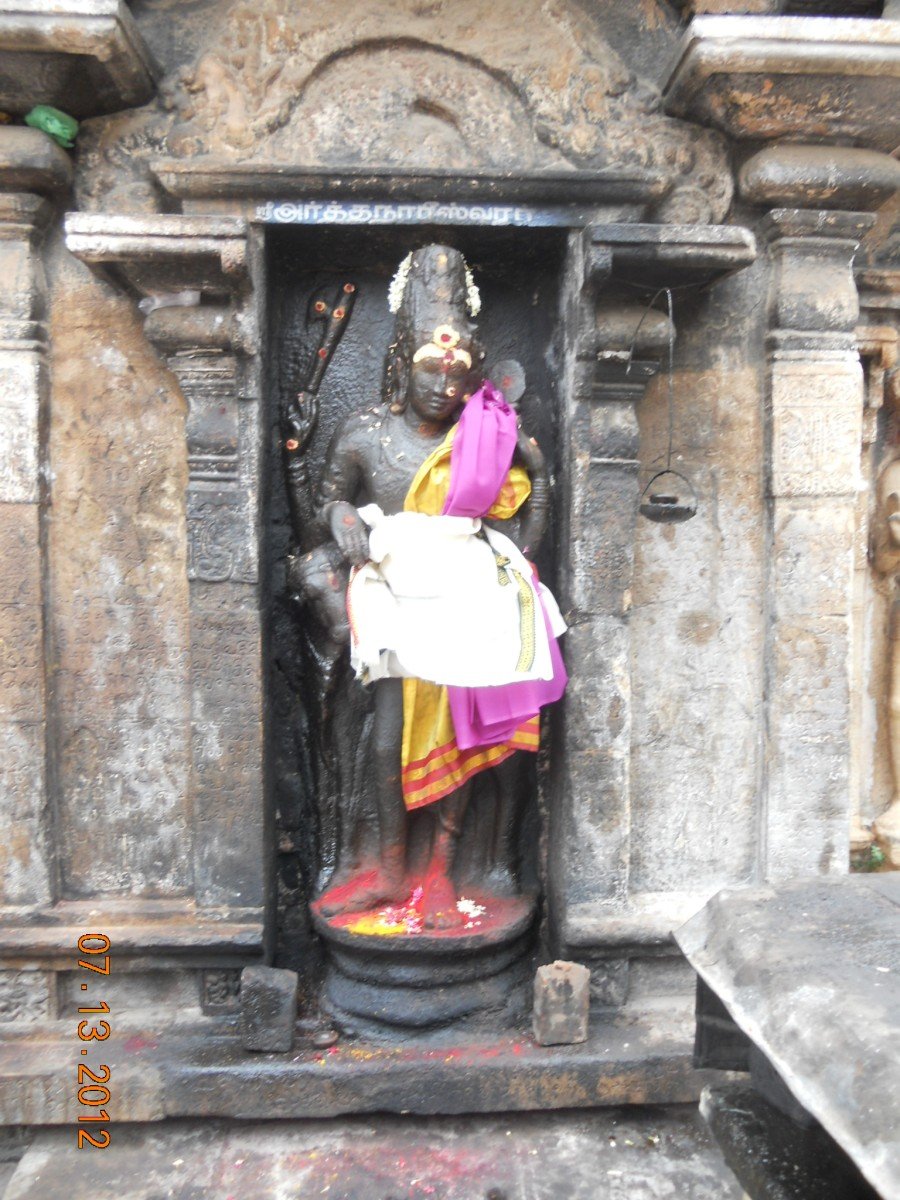
 This magnificent temple is a Paadal Petra Sthalam and one of the nine Navagraha temples, specifically dedicated to the shadow planet Rahu. The primary deity is Lord Naganathar (Shiva), but the temple is globally famous for the Rahu Bhagavan shrine. Legend has it that the serpent kings Adisesha, Dakshan, and Kaarkotakan worshipped Shiva here to be relieved of curses. A unique feature here is that Rahu is depicted with a human face along with his two consorts, Nagavalli and Nagakanni, unlike other temples where he has a serpent's face. The temple is vital for those seeking relief from Sarpa Dosha or Kala Sarpa Dosha. A miraculous phenomenon occurs during the Milk Abhishekam, where the milk poured over the Rahu idol turns blue as it flows over the body, which is believed to symbolize the neutralization of poison. The temple has been glorified by the Nayanars in their hymns, marking its spiritual importance for over a millennium. The sprawling complex is not just a place of ritual but a museum of Chola and Nayak heritage, reflecting the deep-rooted serpent worship in Indian culture.:
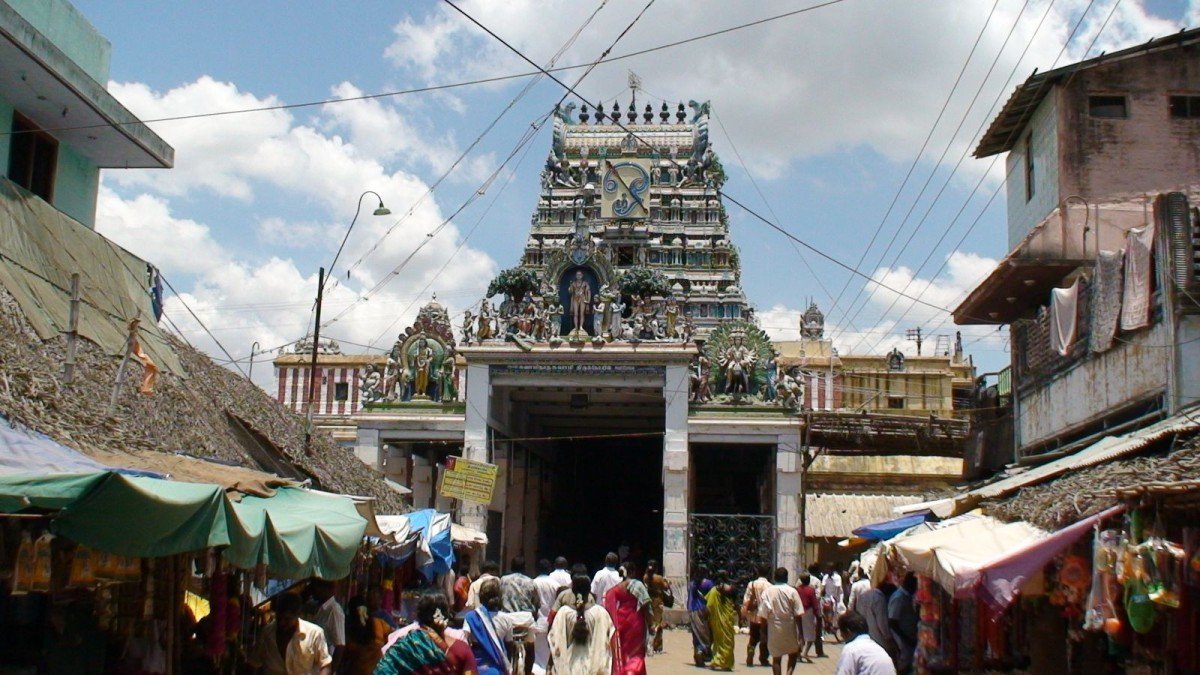
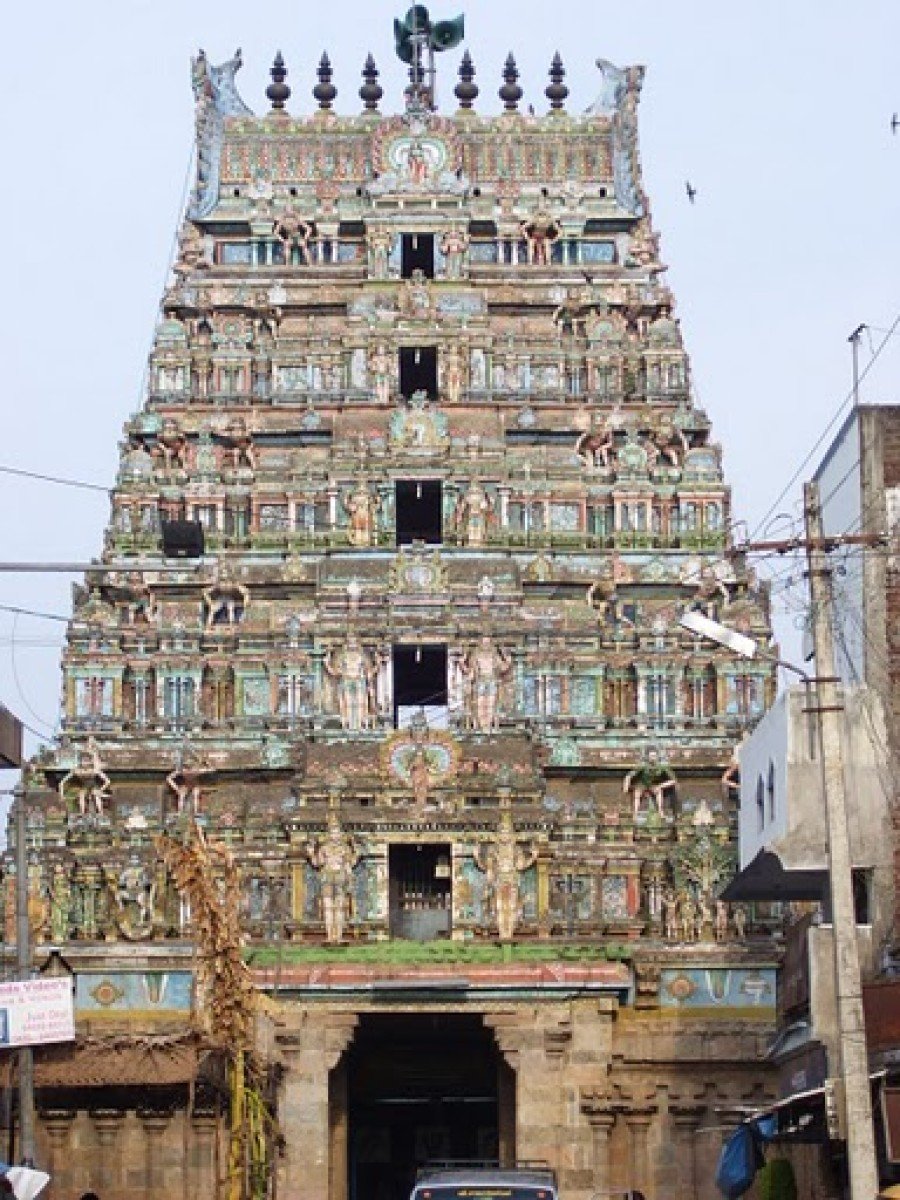
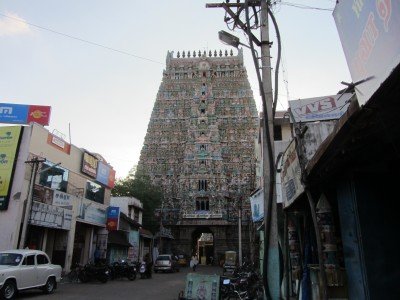 The Sarangapani Temple is the largest Vishnu temple in Kumbakonam and is counted as one of the 108 Divya Desams. The temple is dedicated to Lord Vishnu, known here as Sarangapani (one who holds the bow). The architecture is extraordinary, with the central shrine built in the shape of a massive stone chariot pulled by horses and elephants. This design symbolizes the Lord descending from heaven in a celestial vehicle. The temple’s Rajagopuram is one of the tallest in the region, standing at 173 feet with eleven tiers, visible from miles away. Legend says that the Goddess Lakshmi was born as Komalavalli in the Potramarai Tank nearby, and Lord Vishnu came down to marry her. The temple has two special entrances called Utharayana Vaasal and Dakshanayana Vaasal, which are opened alternately every six months based on the sun's movement. Inside, the deity is in a unique reclining posture known as Udyoga Sayana, where he appears to be getting up to greet his devotees. The temple complex is vast, housing several shrines, large mandapams, and a beautiful sacred tank. It has been patronized by the Cholas, Vijayanagara kings, and Nayaks, each adding to its grandeur. It is also the birthplace of the Vaishnavite saint Nathamuni, who compiled the Nalayira Divya Prabandham here.
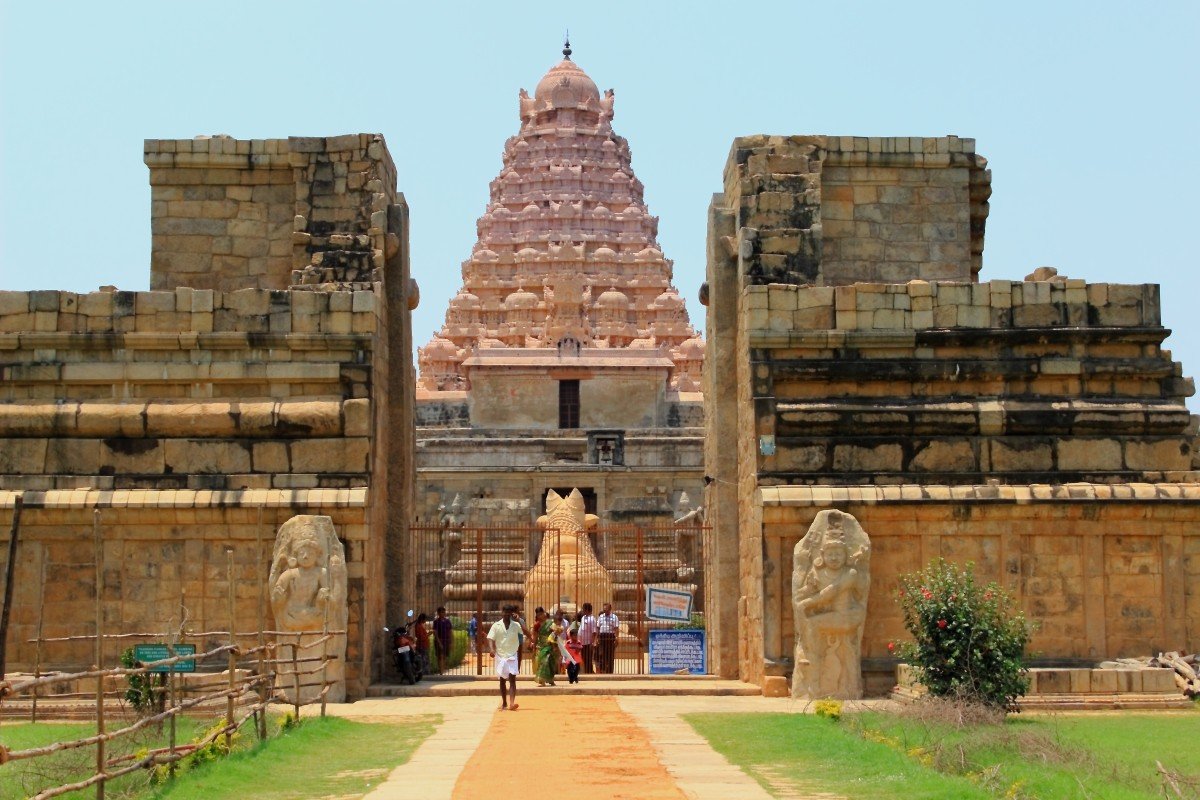
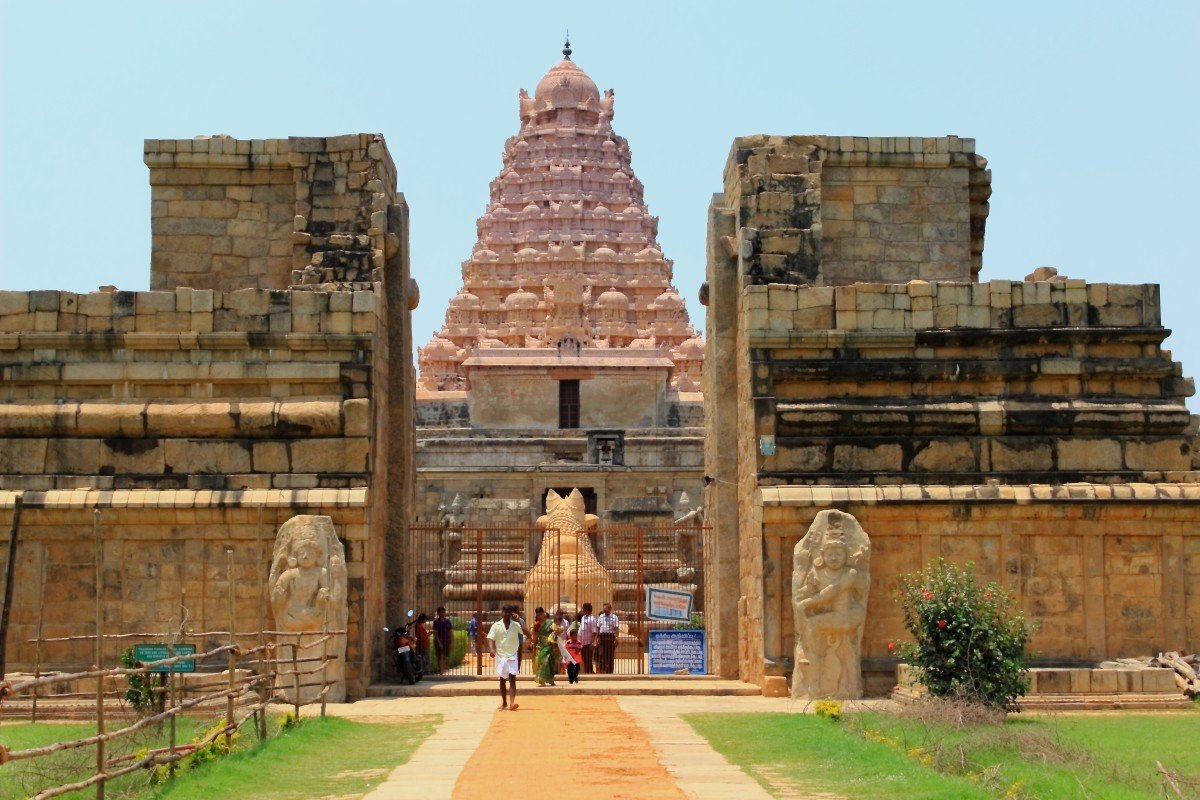
 @@The Historical Legacy: This magnificent temple was built by Rajendra Chola I to commemorate his victory over the northern kingdoms near the Ganges. It served as the capital of the Chola Empire for over 250 years. The temple is a UNESCO World Heritage site and is dedicated to Lord Shiva. It represents the pinnacle of medieval South Indian power and artistic vision. @@The Spiritual Essence: The presiding deity is Brihadeeswarar, represented by a massive 13-foot-tall Lingam. It is believed that water from the Ganges was poured into the temple well, making it a "Ganges-holding" city. The temple reflects a serene atmosphere, often less crowded than Thanjavur. @@The Cultural Impact: For centuries, it has been a center for Vedic learning and Tamil culture. The inscriptions on the walls provide detailed records of Chola administration and social life. It remains a living monument where daily rituals are performed with ancient Vedic precision. @@The Geographical Context: Situated in the Ariyalur district, it forms a part of the "Great Living Chola Temples" circuit. The surrounding greenery and the vast temple complex offer a peaceful retreat for history buffs and spiritual seekers alike.
 Vaitheeswaran Koil is a globally renowned pilgrimage site, serving as the Angaraka (Mars) Sthalam among the Navagraha temples. The main deity, Lord Vaidyanatha Swamy (Shiva), is worshipped as the "Divine Physician" who heals all ailments. Legend says that the planet Mars was cured of leprosy after praying here. The temple is also famous for Nadi Astrology, where it is believed that the past, present, and future of every human are recorded on palm leaves by ancient sages. Devotees come from all over the world to find their "leaf." Another significant deity here is Selva Muthukumaraswamy (Lord Murugan), who is highly revered. The temple also holds a connection to the Ramayana; it is said that Lord Rama and Lakshmana cremated the vulture king Jatayu at this spot. The ritual of dissolving jaggery in the temple tank, Siddhamirtham, is a unique practice believed to cure skin diseases. The holy soil and the "Thiruchandu Urundai" (medicinal pellets) are distributed as Prasadam to heal devotees.:
 Suryanar Koil is a unique and significant Hindu temple as it is the only one among the famous Navagraha temples where the Sun God is the presiding deity. Built during the reign of the Chola king Kulottunga Chola I in the 11th century, it is also notable for housing individual shrines for all other eight planetary deities (Navagrahas) within its complex. According to mythology, the nine planets were cursed with leprosy by Lord Brahma and performed severe penance at this spot to Lord Shiva. Shiva, pleased with their devotion, relieved them of the curse and granted them the power to bless devotees who worship them here. Unlike most other temples where the planets face different directions, here all the other eight planets are oriented towards the central shrine of Suryanar. The Sun God is depicted in a standing posture with his consorts, Usha and Prathyusha (also known as Chaya), on a chariot-like structure. Devotees flock here to seek relief from astrological "doshas" or malefic effects of the planets in their horoscopes. The temple is managed by the Thiruvavaduthurai Adheenam and maintains a tradition of elaborate rituals that have remained unchanged for centuries. It serves as the starting or central point for many pilgrims undertaking the Navagraha circuit in the Cauvery delta region.
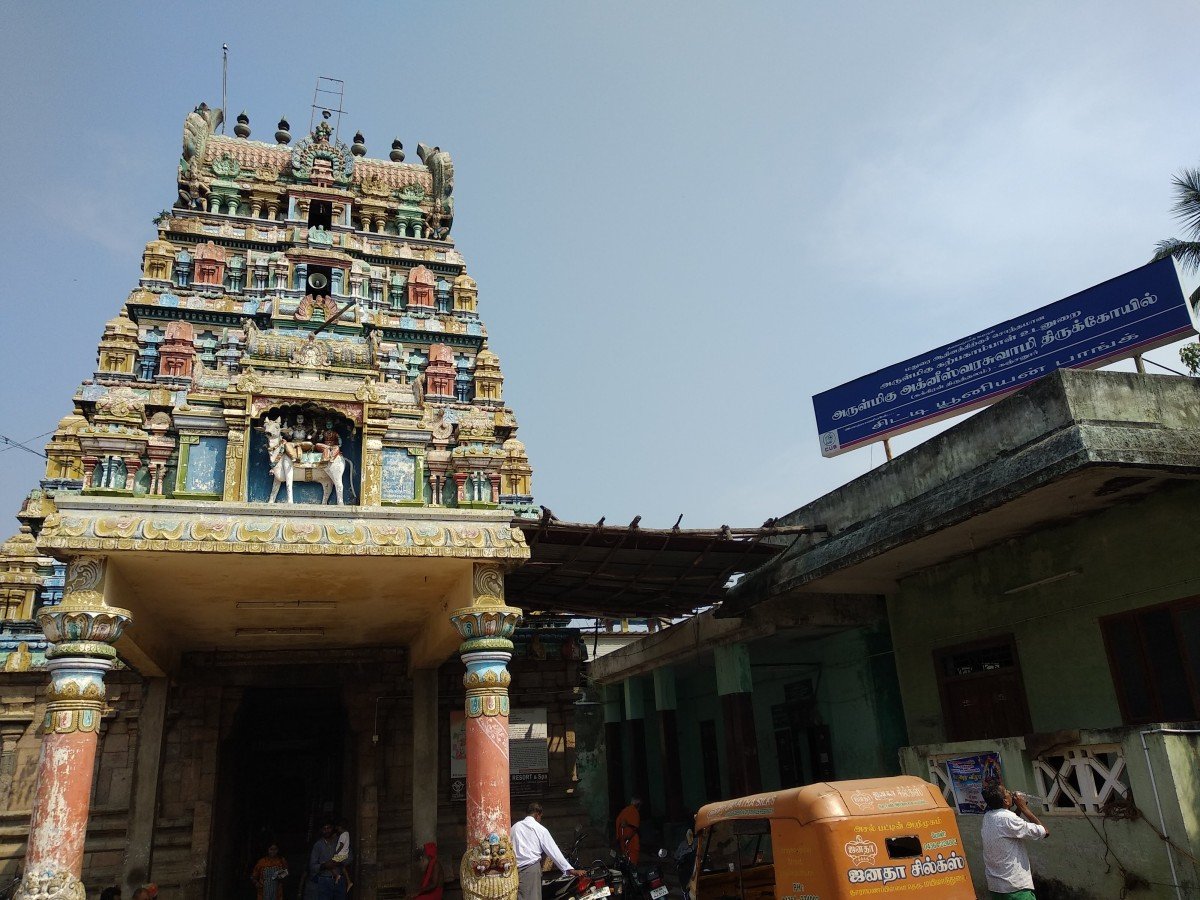
@@The Southern Varanasi: This temple is located right next to the famous Mahamaham Tank. It is believed that worshipping here gives the same merit as visiting Kasi (Varanasi). The temple is dedicated to Kasi Viswanathar and his consort Visalakshi. @@The River Goddesses: A unique feature of this temple is the presence of idols representing the nine sacred rivers of India, known as the Nava Kannigais. Legend says these rivers come to the Mahamaham tank every 12 years to wash away the sins of the world. @@The Ramayana Connection: It is believed that Lord Rama worshipped Shiva here to gain strength before his battle with Ravana. The temple has a "Rama Lingam" in the outer courtyard which is said to grow in size over time. @@The Pilgrimage Magnet: As one of the 12 major Shiva temples associated with the Mahamaham festival, it is a key stop for every pilgrim visiting Kumbakonam. The spiritual vibration near the tank during early mornings is truly profound and soul-stirring.
Suryanar Koil is a unique and significant Hindu temple as it is the only one among the famous Navagraha temples where the Sun God is the presiding deity. Built during the reign of the Chola king Kulottunga Chola I in the 11th century, it is also notable for housing individual shrines for all other eight planetary deities (Navagrahas) within its complex. According to mythology, the nine planets were cursed with leprosy by Lord Brahma and performed severe penance at this spot to Lord Shiva. Shiva, pleased with their devotion, relieved them of the curse and granted them the power to bless devotees who worship them here. Unlike most other temples where the planets face different directions, here all the other eight planets are oriented towards the central shrine of Suryanar. The Sun God is depicted in a standing posture with his consorts, Usha and Prathyusha (also known as Chaya), on a chariot-like structure. Devotees flock here to seek relief from astrological "doshas" or malefic effects of the planets in their horoscopes. The temple is managed by the Thiruvavaduthurai Adheenam and maintains a tradition of elaborate rituals that have remained unchanged for centuries. It serves as the starting or central point for many pilgrims undertaking the Navagraha circuit in the Cauvery delta region.
@@The Southern Varanasi: This temple is located right next to the famous Mahamaham Tank. It is believed that worshipping here gives the same merit as visiting Kasi (Varanasi). The temple is dedicated to Kasi Viswanathar and his consort Visalakshi. @@The River Goddesses: A unique feature of this temple is the presence of idols representing the nine sacred rivers of India, known as the Nava Kannigais. Legend says these rivers come to the Mahamaham tank every 12 years to wash away the sins of the world. @@The Ramayana Connection: It is believed that Lord Rama worshipped Shiva here to gain strength before his battle with Ravana. The temple has a "Rama Lingam" in the outer courtyard which is said to grow in size over time. @@The Pilgrimage Magnet: As one of the 12 major Shiva temples associated with the Mahamaham festival, it is a key stop for every pilgrim visiting Kumbakonam. The spiritual vibration near the tank during early mornings is truly profound and soul-stirring.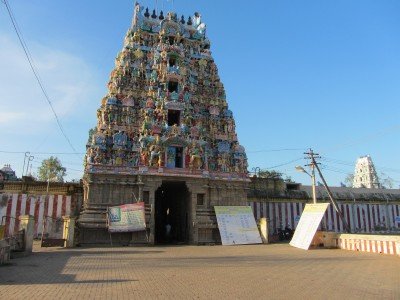 The Alangudi Guru Temple, officially known as the Abatsahayeswarar Temple, is one of the most significant Navagraha (nine planetary) temples in South India. It is specifically dedicated to the planet Jupiter, known as Lord Guru. While the presiding deity is Lord Shiva (Abatsahayeswarar), the temple is world-famous for its shrine of Lord Dakshinamurthy, who represents Guru Bhagavan. The name "Alangudi" is derived from the legend where Lord Shiva consumed the deadly poison (Alavisham) during the churning of the cosmic ocean, thereby saving the universe; "Alam" means poison and "Kudi" means to drink. Devotees flock here from all over the country to seek relief from the "Guru Dosha" or to pray for success in education, wisdom, and marriage. The temple is situated in a quiet village surrounded by the three holy rivers—Cauvery, Kolidam, and Vennaru. It is a "Paadal Petra Sthalam," meaning it has been glorified in the hymns of the Saivite saints. The temple complex is vibrant and always bustling with Vedic rituals. The primary practice here involves lighting 24 lamps and circumambulating the shrine 24 times, as 24 is the number associated with Lord Guru. The energy of the temple is intense, especially on Thursdays, which are dedicated to Jupiter. The temple has a five-tiered Rajagopuram and two enclosures (Prakarams) filled with various deities. For those following the Navagraha circuit, Alangudi is an essential stop, believed to be the place where one receives the "divine gaze" of the teacher of the gods. The spiritual vibrations here are said to enhance one's mental clarity and decision-making abilities. :Show All
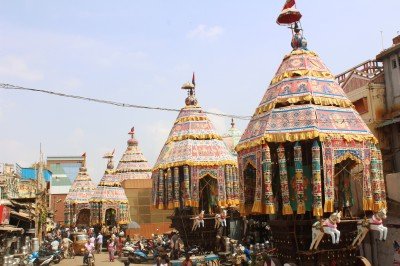 The Adi Kumbeswarar Temple is the most significant Shiva temple in Kumbakonam, after which the town itself is named. The presiding deity, Lord Kumbeswarar, is worshipped in the form of a unique Lingam that is conical in shape, believed to have been formed by Lord Shiva himself using the nectar from a divine pot (Kumbam). According to the Puranas, when the world was threatened by a great deluge, Lord Brahma placed the seeds of all living beings in a pot filled with nectar on top of Mount Meru. The pot floated south and was struck by Shiva’s arrow at this very spot; the nectar spilled, and the soil soaked in it was used to create the first Lingam. The temple is massive, covering an area of over 30,000 square feet, and is a masterpiece of Chola and Vijayanagara architecture. The goddess here is Mangalambigai, considered the supreme mother who grants auspiciousness to all. The temple is the primary coordinator for the Mahamaham festival, held once every 12 years, where the deity is taken in a grand procession to the sacred tank. Its long, pillared corridors and ancient atmosphere make it the most iconic spiritual landmark of the region.
Information
-
Why Famous:
Abundance of Temples: It is famous for housing over 180 temples within the town limits. It is the core of the Navagraha (nine planets) temple circuit.
Maha Maham Festival: This 'Kumbh Mela of the South' happens once every 12 years. It draw...Abundance of Temples: It is famous for housing over 180 temples within the town limits. It is the core of the Navagraha (nine planets) temple circuit.
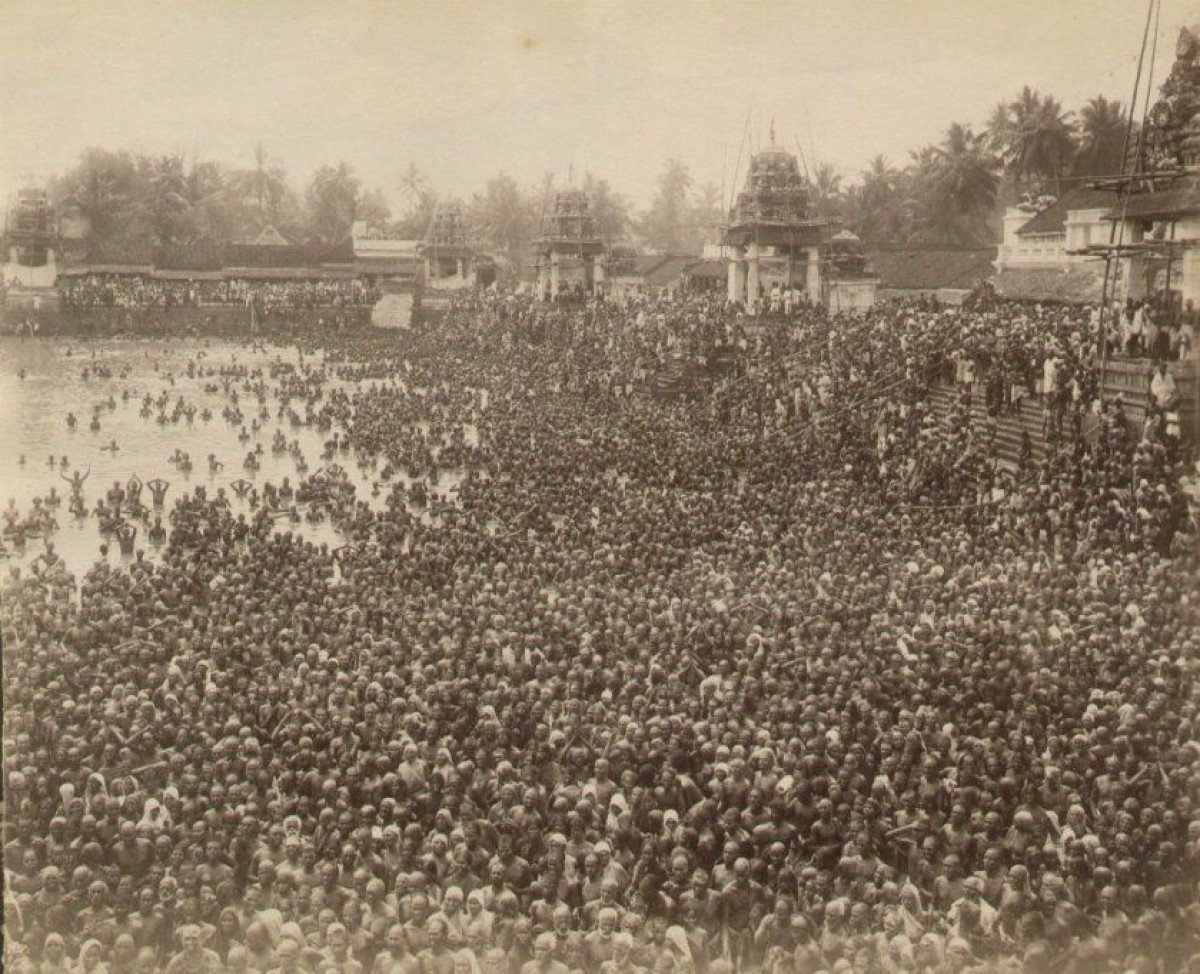
Maha Maham Festival: This 'Kumbh Mela of the South' happens once every 12 years. It draws millions of devotees who take a holy dip in the central tank.
Filter Coffee: The Kumbakonam Degree Coffee is legendary for its purity and taste. It is made using thick undiluted milk and traditional brewing methods. -
Architecture:
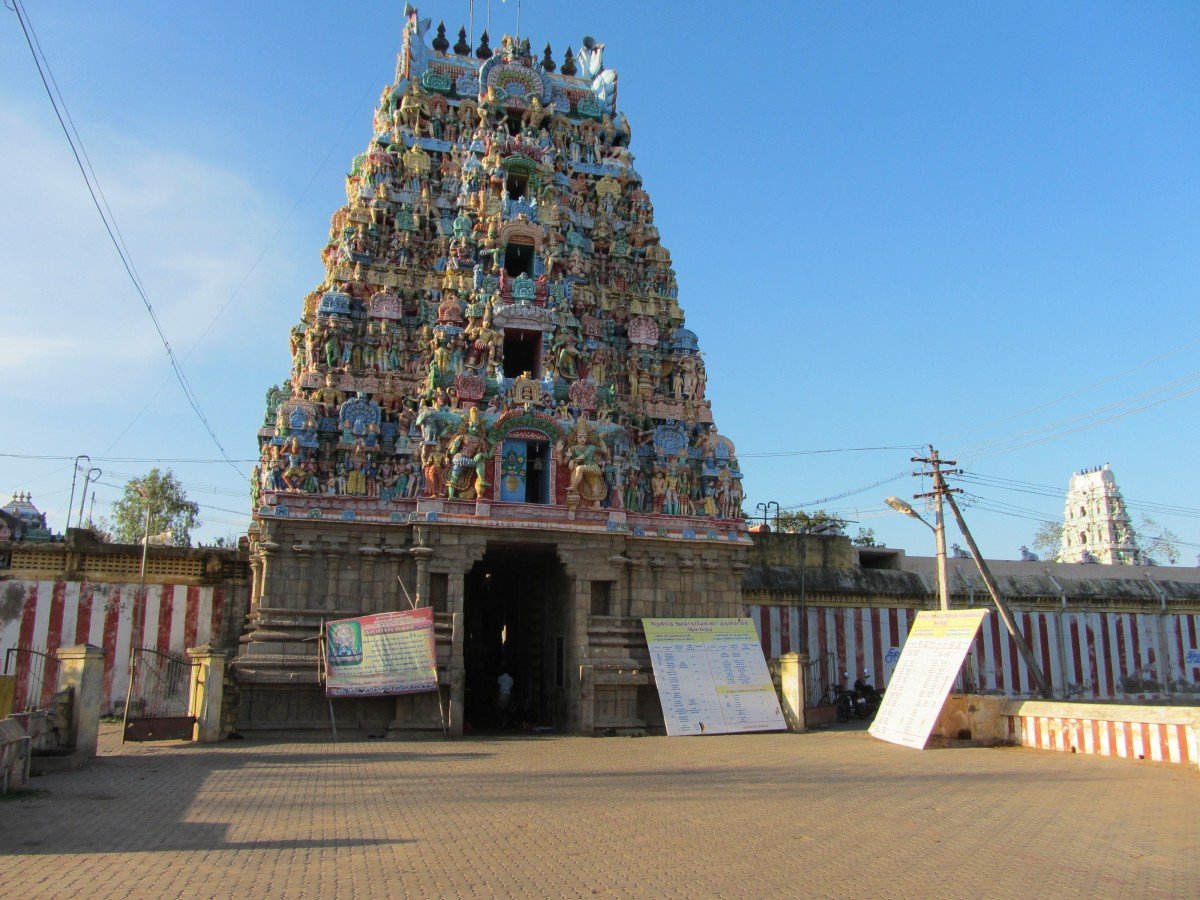
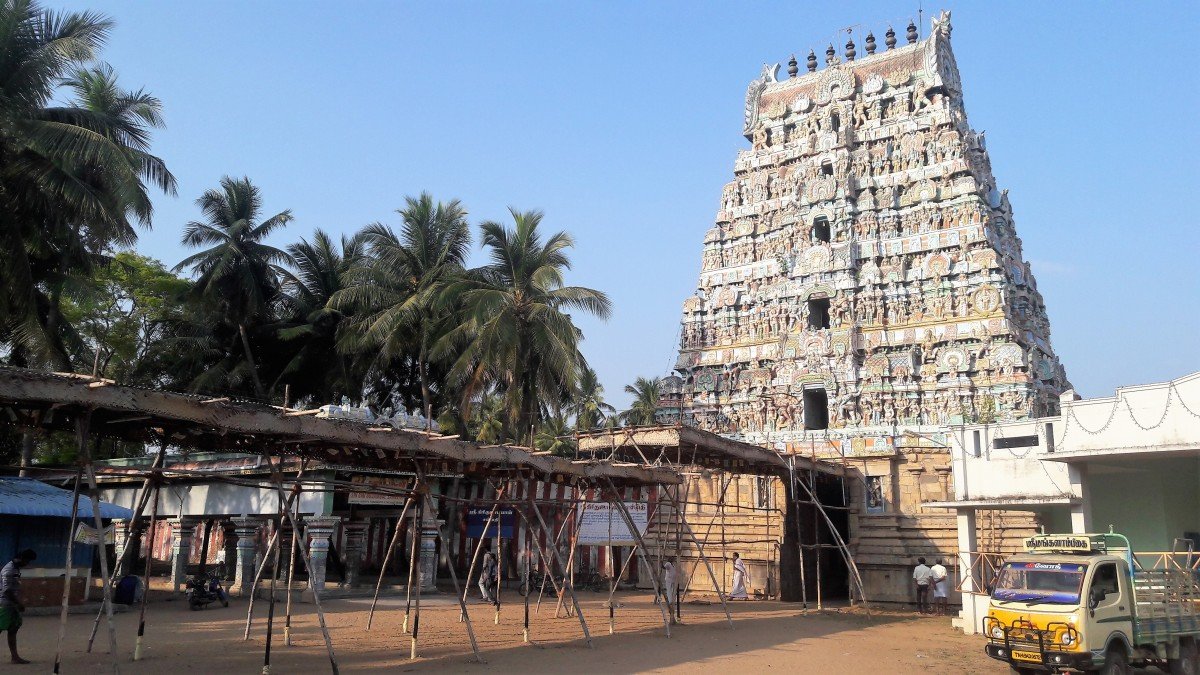
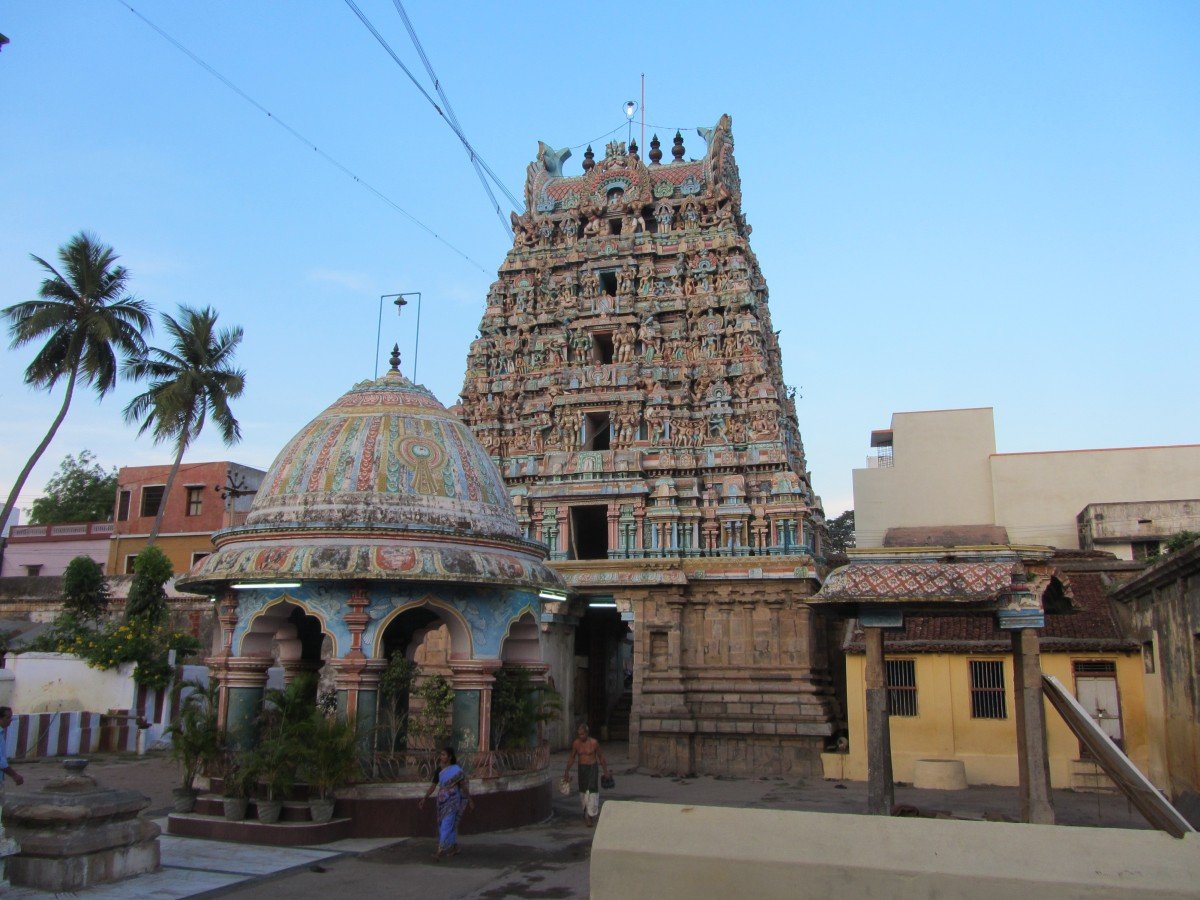
Dravidian Style: The architecture is characterized by towering Gopurams (gateways) with thousands of colorful sculptures. The temples are built primarily with granite and sandstone. Dimensions of the Sarangapani Temple gopuram reach over 170 feet.
Read MoreDravidian Style: The architecture is characterized by towering Gopurams (gateways) with thousands of colorful sculptures. The temples are built primarily with granite and sandstone. Dimensions of the Sarangapani Temple gopuram reach over 170 feet.
Mandapams and Pillars: Inside the temples, one finds massive halls with intricately carved pillars. These pillars often depict scenes from the Ramayana and Mahabharata. The Ramaswamy Temple is particularly famous for its artistic pillars.
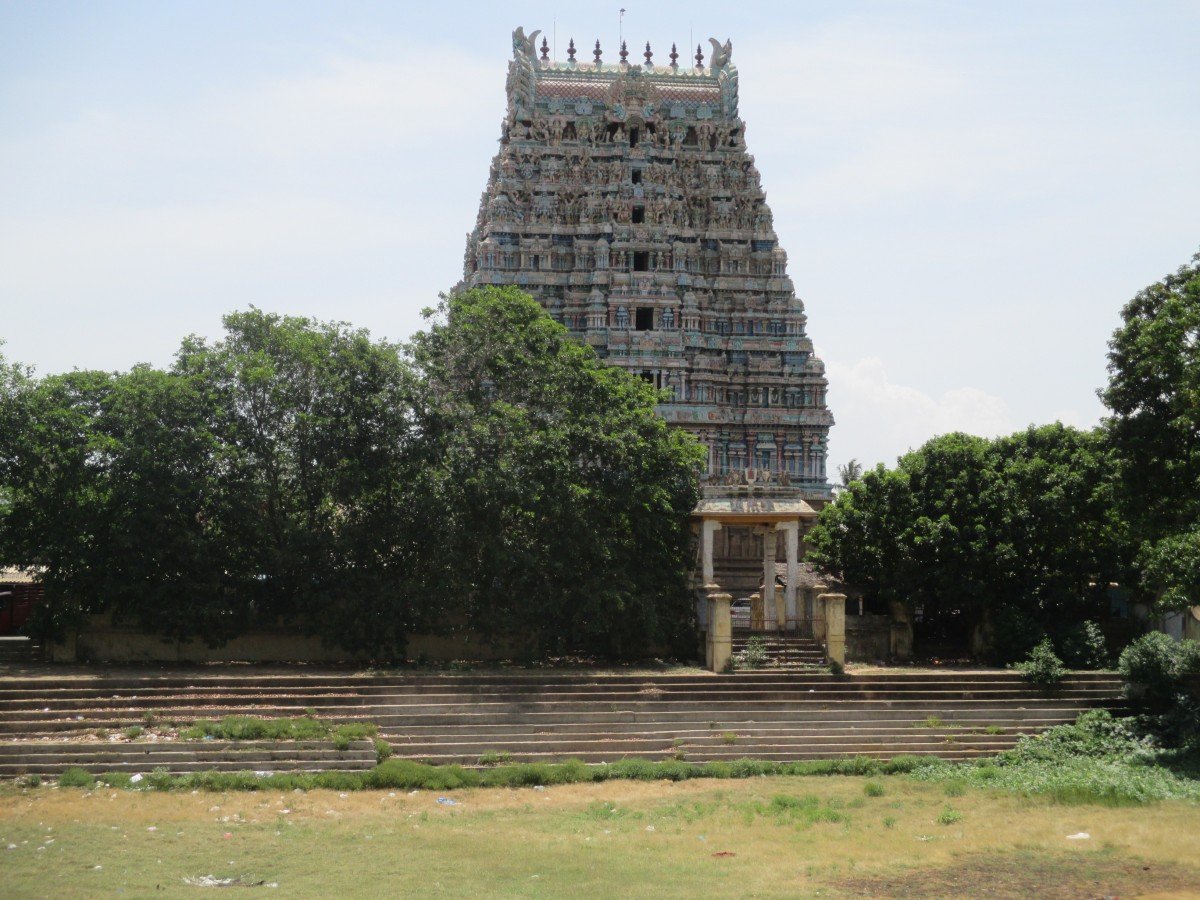
Sacred Tanks: The Maha Maham Tank is an architectural marvel of its own. It is surrounded by 16 small shrines and spread over 6 acres. The stone steps lead down to the holy water from all sides.How To Reach:
By Air: Tiruchirappalli (Trichy) Airport is the nearest, about 90 KMS away. Taxis take around 2 hours to reach the town.
By Train: Kumbakonam Railway Station is well-connected to Chennai, Bangalore, and Madurai. It is a major stop on the m...By Air: Tiruchirappalli (Trichy) Airport is the nearest, about 90 KMS away. Taxis take around 2 hours to reach the town.
By Train: Kumbakonam Railway Station is well-connected to Chennai, Bangalore, and Madurai. It is a major stop on the main line.
By Road: Regular buses ply from Thanjavur, Trichy, and Chennai. The roads are well-paved and pass through lush paddy fields.
Local Transport: Autos are the most convenient way to travel between temples. Cycle rickshaws are still available for a traditional slow ride.Weather and Best Time to Visit:
Winter Season: November to February is the best time for pilgrimage. The weather is pleasant, making it easy to stand in temple queues.
Morning Hours: 6:00 AM to 9:00 AM is the best time for rituals and peace. The temples are less crowded ...Winter Season: November to February is the best time for pilgrimage. The weather is pleasant, making it easy to stand in temple queues.
Morning Hours: 6:00 AM to 9:00 AM is the best time for rituals and peace. The temples are less crowded and the air is fresh.
Evening Time: 5:00 PM to 8:00 PM is ideal for witnessing the grand lamps and music. The town comes alive with spiritual chants.Near Tourist Places:
Thanjavur Big Temple (40 KMS), Dharasuram (4 KMS), Swamimalai (6 KMS), Oppiliappan Temple (7 KMS), Gangaikonda Cholapuram (35 KMS), Chidambaram (70 KMS), Papanasam (15 KMS), Mayiladuthurai (35 KMS), Tiruvarur (40 KMS), Vaitheeswaran Koil (50 KMS).Tourism Tips
-
Dress Code: Traditional attire is mandatory in many temples. Men should wear dhotis or trousers, and women should wear sarees or long dresses.
Hydration: Temple hopping involves a lot of walking on stone floors. Carry water and wear socks ...Dress Code: Traditional attire is mandatory in many temples. Men should wear dhotis or trousers, and women should wear sarees or long dresses.
Hydration: Temple hopping involves a lot of walking on stone floors. Carry water and wear socks if the floor is hot during the day.
Accommodation: Stay in the town center for easy access to major temples. There are many 'Maths' (monasteries) that offer simple lodging.
Food Safety: Stick to traditional vegetarian meals in reputed messes. The town is famous for its 'Saiva' meals served on banana leaves.
Reviews
FAQs
Kumbakonam Itineray And Cost:-
Other Places In Tamil Nadu :-
Other States In India :-
Information about New and Updated Locations() of Tamil Nadu Has Been Added :-
Card subtitle
Note:-
Information provided here in good Faith and for reference only.
Near Places
Chennai
Some quick example text to build on the card title and make up the bulk of the card's content.
Go somewhere
Chidambaram
Some quick example text to build on the card title and make up the bulk of the card's content.
Go somewhere
Coimbatore
Some quick example text to build on the card title and make up the bulk of the card's content.
Go somewhere
Courtallam
Some quick example text to build on the card title and make up the bulk of the card's content.
Go somewhere
Dindigul
Some quick example text to build on the card title and make up the bulk of the card's content.
Go somewhere
Kanchipuram
Some quick example text to build on the card title and make up the bulk of the card's content.
Go somewhere
Kanyakumari
Some quick example text to build on the card title and make up the bulk of the card's content.
Go somewhere
Karaikal
Some quick example text to build on the card title and make up the bulk of the card's content.
Go somewhere
Karaikudi
Some quick example text to build on the card title and make up the bulk of the card's content.
Go somewhere
Kodaikanal
Some quick example text to build on the card title and make up the bulk of the card's content.
Go somewhere
Kovalam
Some quick example text to build on the card title and make up the bulk of the card's content.
Go somewhere
Kumbakonam
Some quick example text to build on the card title and make up the bulk of the card's content.
Go somewhere
Madurai
Some quick example text to build on the card title and make up the bulk of the card's content.
Go somewhere
Mahabalipuram
Some quick example text to build on the card title and make up the bulk of the card's content.
Go somewhere
Masinagudi
Some quick example text to build on the card title and make up the bulk of the card's content.
Go somewhere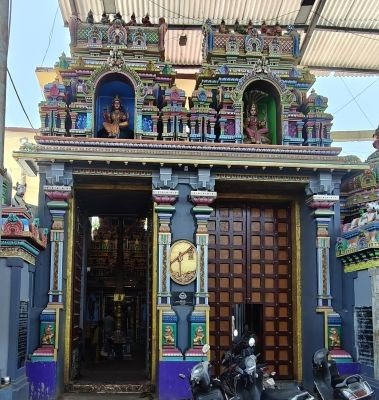
Nagapattinam
Some quick example text to build on the card title and make up the bulk of the card's content.
Go somewherein Other Cities