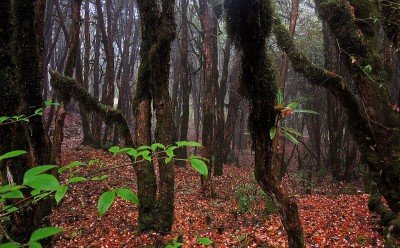
...

Place To Visit And Things To Do In Geyzing

Sikkim, India
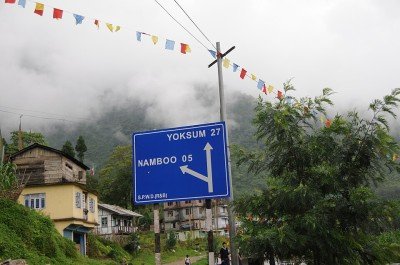
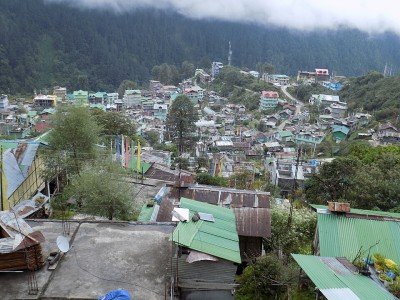
Administrative and Cultural Center: Geyzing, also known as Gyalshing, is the headquarters of the West Sikkim district. Situated at an altitude of about 6,500 feet, it is a town of great historical and religious importance. It serves as the main commercial hub for the surrounding villages and tourist spots like Pelling and Yuksom. The town is inhabited mostly by the Nepali community, and their vibrant culture is reflected in the local markets. It offers a more authentic and less commercialized experience compared to other major towns. Gateway to Ancient History: The town is located close to the ancient capital of Sikkim, Yuksom, where the first Chogyal was crowned. It is also the jumping-off point for visiting some of the oldest monasteries in the state, such as Pemayangtse. The history of the region is deeply intertwined with the royal lineage of Sikkim. Walking through the streets of Geyzing, one can feel the legacy of the bygone era. It is a place where history meets the natural grandeur of the Himalayas. Scenic Surroundings: Geyzing is surrounded by lush green forests and terraced fields of cardamom and maize. It offers spectacular views of the Kanchenjunga range on clear days. The climate is temperate and pleasant for most of the year, making it a comfortable base for exploration. Numerous hiking trails lead out of the town into the deeper wilderness of West Sikkim. The peaceful environment is a major draw for those looking to escape the hustle of city life. Local Economy and Life: The economy of Geyzing is primarily agrarian, with a focus on high-quality cardamom production. The local bazaar is a lively place where farmers from nearby hills come to sell their produce. You can find traditional Sikkimese handlooms and local organic products here. The town has seen steady growth in infrastructure while maintaining its rustic charm. It provides essential services like hospitals and schools to the entire western region.

Things To Do

Card image cap
Darap Village

Darap Village is a picturesque settlement that serves as a living testimony of the Limboo culture and tradition in the heart of West Sikkim. Nestled ...
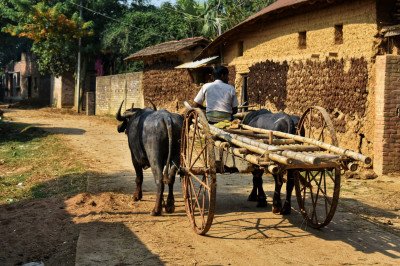
Darap Village is a picturesque settlement that serves as a living testimony of the Limboo culture and tradition in the heart of West Sikkim. Nestled at an altitude of approximately 5,500 feet, this village offers a genuine peek into the serene sights of rustic Himalayan life where time seems to slow down significantly. The landscape of Darap is uniquely characterized by its gently sloped terrain, which is quite rare in the otherwise steep and rugged topography of the West Sikkim region. This environmental feature has made it a hub for sustainable village tourism, where visitors can escape the maddening crowds of mainstream tourist spots like Pelling. The name Darap originates from the Limboo word 'Tan-lop', which literally translates to a plain or even land, perfectly describing its welcoming geography. The village is primarily inhabited by the Limboo community, but it is also a melting pot of other ethnic groups including Bhutias, Chettris, Tamangs, Rais, Gurungs, and Lepchas living in perfect harmony. Travelers visiting Darap often find themselves immersed in a lifestyle that revolves around nature and community-driven agriculture. The village is surrounded by lush green terraced fields, vibrant cardamom plantations, and thick forests that are home to various migratory birds. The hospitality here is centered around cozy, eco-friendly homestays that allow guests to participate in daily activities like milking cows, gardening, and learning the art of traditional food preparation. It is an ultimate refuge for peace seekers who wish to connect with the authentic soul of Sikkim while enjoying the majestic views of the Himalayan range. The local youth have taken great initiatives to promote the village as a prime destination for eco-tourism, ensuring that modern comforts are blended seamlessly with traditional values. Whether you are walking along the narrow village trails or listening to the stories of the elders by a fireplace, Darap offers a spiritual and emotional rejuvenation that is hard to find elsewhere.
Card image cap
Dentam Village

Dentam Village is a breathtakingly beautiful valley located in the West Sikkim district, sitting at an elevation of about 1,500 meters above sea leve...
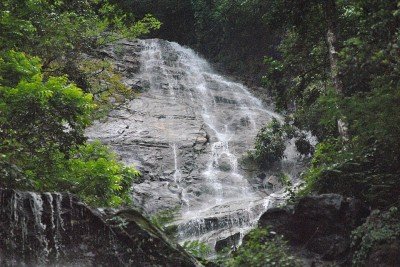
Dentam Village is a breathtakingly beautiful valley located in the West Sikkim district, sitting at an elevation of about 1,500 meters above sea level. This destination is often described as a hidden paradise due to its lush greenery, terraced slopes, and the constant, majestic presence of the Kanchenjunga range that guards the horizon. The village is surrounded by dense forests of rhododendrons, which transform the entire landscape into a riot of colors during the blooming season. Dentam serves as an important agricultural hub for the region, famous for its Alpine Cheese factory and extensive cardamom plantations. The name Dentam is derived from the local language, signifying a "low-lying land" or valley, which contrasts beautifully with the towering peaks surrounding it. The village is home to a warm and welcoming community, primarily the Bhutia and Nepali ethnic groups, who have preserved their traditional way of life amidst the changing times. For nature lovers and bird watchers, Dentam is nothing short of a sanctuary, offering sightings of rare Himalayan birds and a variety of flora that thrives in its temperate climate. The valley is also a strategic gateway for trekkers heading towards the Varsey Rhododendron Sanctuary or the Singalila Ridge. Unlike the more crowded tourist hubs, Dentam offers a sense of profound solitude, where the only sounds you hear are the rustling of leaves and the distant roar of mountain rivers. The local economy is deeply rooted in organic farming, and a visit here provides an opportunity to taste some of the freshest dairy and vegetable produce in the state. The village's charm lies in its simplicity—from the smoke rising from traditional kitchens to the sight of school children walking through mist-covered paths. It is a place where nature and man coexist in a delicate, beautiful balance, making it a must-visit for anyone seeking an authentic Sikkimese experience.
Card image cap
Kanchenjunga Falls

Kanchenjunga Falls is one of the most magnificent and largest waterfalls in the state of Sikkim, acting as a major draw for tourists exploring the we...

Kanchenjunga Falls is one of the most magnificent and largest waterfalls in the state of Sikkim, acting as a major draw for tourists exploring the western circuit. Located about an hour's drive from Pelling, this perennial waterfall is believed to originate high up in the glaciers of Mount Kanchenjunga, the third highest peak in the world. For decades, this natural wonder remained hidden from the mainstream tourist map, tucked away in the dense greenery of the mountains. It only came into the limelight in the 1990s when a local tour operator named Topjor Bhutia accidentally discovered it while exploring the area. Today, it stands as a symbol of the raw, untouched beauty of the Himalayas. The waterfall cascades down from a height of approximately 100 feet into a large, crystal-clear pool, creating a thunderous roar that can be heard from a distance. The water is freezing cold and remarkably pure, reflecting the pristine nature of its glacial source. To reach the main falls, visitors must climb a series of about 50 stone steps from the roadside, which adds a bit of adventure to the experience. The area surrounding the falls is rich in biodiversity, with moss-covered rocks and ferns creating a lush, tropical-like atmosphere in the heart of the mountains. Small food stalls have cropped up along the steps, selling local snacks like Maggi, tea, and spiced chickpeas, making it a popular picnic spot for families. For the more adventurous souls, there is an option for rope sliding across the stream, providing a thrilling view of the falls from above. The sheer volume of water, especially after the monsoon season, is a sight to behold, as the double-pronged cascade snakes its way across dark boulders and jutting branches. It is a place where one can truly feel the power of nature and find a moment of solitude amidst the misty spray of the falling water.
Card image cap
Kings Palace Ruins

The Kings Palace Ruins, also known as the Rabdentse Ruins, represent a significant chapter in the history of the erstwhile Kingdom of Sikkim. This ar...

The Kings Palace Ruins, also known as the Rabdentse Ruins, represent a significant chapter in the history of the erstwhile Kingdom of Sikkim. This archaeological site was the second capital of the kingdom from 1670 to 1814, established by the second Chogyal (King), Tensung Namgyal. The capital was shifted here from the original seat at Yuksom to provide a more central and defensible location. For over a century, Rabdentse flourished as a center of power and spirituality until it was tragically destroyed by the invading Gurkha army from Nepal in the early 19th century. Today, the site is protected and maintained by the Archaeological Survey of India (ASI), offering visitors a hauntingly beautiful glimpse into a lost era. The ruins are perched on a ridge that provides commanding views of the entire valley and the majestic Kanchenjunga peaks. To reach the ruins, one must undertake a scenic 15-minute walk through a dense forest of chestnut and cherry trees, passing by a serene lake that adds to the mystical atmosphere. As you emerge from the forest, the "chunky wall stubs" of the former palace come into view, standing as silent witnesses to the rise and fall of a dynasty. The complex is divided into several sections, including the royal living quarters, the prayer halls, and the public courtyard where the subjects once gathered. The meticulous preservation work allows history buffs to visualize the layout of the palace, including the stone throne from which the kings once delivered judgments. The site is also home to the Sidkeong Tulku Bird Park, making it a double attraction for history lovers and nature enthusiasts. Walking through these ruins, surrounded by the sound of birdsong and the whispering wind, one can almost hear the echoes of the royal court that once dictated the fate of this Himalayan kingdom. It is often referred to as the "Machu Picchu of India" due to its elevated location and historical significance.
Card image cap
Lahringphu Cave

Lahringphu Cave, also known as Lhari Nyingphu, is revered as the holiest of the four sacred caves in Sikkim. It is located in a remote, high-altitude...

Lahringphu Cave, also known as Lhari Nyingphu, is revered as the holiest of the four sacred caves in Sikkim. It is located in a remote, high-altitude region and is deeply associated with Guru Padmasambhava, who is said to have meditated here in the 8th century. The cave's name translates to "Heart of the Gods," and it serves as a major pilgrimage site for practitioners of Tibetan Buddhism. Reaching the cave requires a challenging trek through dense forests and steep mountain terrain, making it a destination for the truly devout and adventurous. Inside, the atmosphere is heavy with spiritual energy, and the walls are adorned with natural formations believed to be sacred relics. The journey to the cave offers breathtaking views of the Kanchenjunga range and the pristine wilderness of West Sikkim. Pilgrims often spend several days trekking to reach this sanctified spot to seek blessings for long life and spiritual realization. It is a place where nature and divinity converge in total silence.
Card image cap
Legship River Bridge

The Legship River Bridge is a vital structural marvel spanning the emerald green waters of the Rangit River. Known as the "Gateway to West Sikkim," t...

The Legship River Bridge is a vital structural marvel spanning the emerald green waters of the Rangit River. Known as the "Gateway to West Sikkim," this bridge connects the bustling town of Legship with the road toward Geyzing, Pelling, and Tashiding. The bridge is not just a transit point but a scenic destination in itself, offering sweeping views of the river valley and the surrounding lush hills. Beneath the bridge, the river creates a wide basin often used for water sports and picnics. The area is spiritually significant due to its proximity to the Kirateshwar Mahadev Temple, where the river's sound provides a constant meditative background. Travelers often stop here to admire the engineering against the backdrop of the rugged Himalayan terrain. The bridge serves as a junction for multiple routes, making it one of the busiest yet most picturesque spots in the district. It represents the link between the traditional spiritual sites and the modern infrastructure of the state.
Card image cap
Lhadrup Choeten

Lhadrup Choeten, also referred to as a Chorten, is a magnificent white stupa situated on the ridge between Geyzing and Pelling. This religious monume...

Lhadrup Choeten, also referred to as a Chorten, is a magnificent white stupa situated on the ridge between Geyzing and Pelling. This religious monument was built to ward off evil spirits and to bring peace and prosperity to the valley. It follows the traditional Tibetan style of architecture, characterized by its bell-shaped dome and golden spire. The complex is surrounded by 108 prayer wheels, which devotees spin in a clockwise direction while chanting the sacred mantra "Om Mani Padme Hum." The site offers a tranquil environment for meditation and a panoramic view of the Kanchenjunga peaks on clear days. It is often a quiet alternative to the busier monasteries in the region, providing a space for deep reflection. The Chorten is particularly beautiful during the morning hours when the sunlight hits the golden finial, and the sound of fluttering prayer flags fills the air. It serves as a spiritual landmark for the local community and a stopover for travelers seeking a moment of peace.
Card image cap
Manilakhang Temple

The Manilakhang Temple in Geyzing is a vital center for community worship and spiritual gathering for the local Bhutia and Lepcha populations. Unlike...

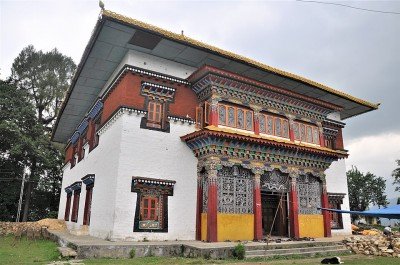
The Manilakhang Temple in Geyzing is a vital center for community worship and spiritual gathering for the local Bhutia and Lepcha populations. Unlike the larger, isolated monasteries, this temple is located right in the heart of the town, making it easily accessible for daily prayers. The term "Manilakhang" refers to a temple dedicated to the chanting of the "Mani" mantra. The temple houses several large, beautifully painted prayer wheels and an ornate altar featuring statues of Chenrezig (the Buddha of Compassion). The walls are decorated with intricate thangka paintings and frescoes depicting Buddhist cosmology. It serves as a social hub where elderly residents gather to chant and spin their handheld prayer wheels throughout the day. The atmosphere is warm and welcoming, filled with the scent of incense and the low hum of rhythmic chanting. It is a perfect place to witness the living culture of Sikkim and the daily religious practices of its people. The temple also hosts various local community events and teaching sessions by visiting lamas.
Card image cap
Sangachoeling Monastery

Sangachoeling Monastery is a premier spiritual hub located in the serene heights of West Sikkim, established in 1697 by Lama Lhatsun Chempo. It is wi...

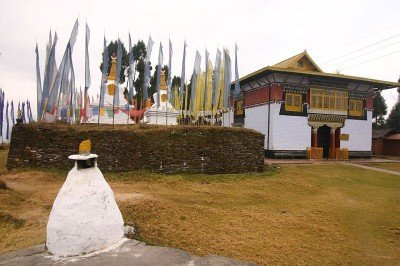
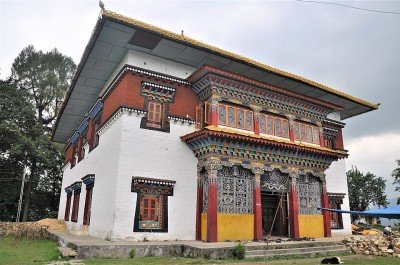
Sangachoeling Monastery is a premier spiritual hub located in the serene heights of West Sikkim, established in 1697 by Lama Lhatsun Chempo. It is widely recognized as one of the oldest monasteries in the state, belonging to the Nyingmapa order of Tibetan Buddhism. The name "Sangachoeling" translates to the "place of secret mantra teachings," reflecting its role as a center for deep tantric meditation and learning. Reaching this sacred site requires a moderate 45-minute uphill trek through dense pine and magnolia forests, which adds an element of pilgrimage and adventure to the visit. The path is often covered in mist, providing a mystical atmosphere that prepares the mind for the tranquility found at the summit. Inside the monastery, visitors are greeted by a vast collection of ancient wall paintings, rare clay statues, and sacred scriptures that have survived centuries. Despite a fire in the past, the structure has been meticulously restored to preserve its original aesthetic and spiritual integrity. The monastery is situated directly opposite the Pemayangtse Monastery, offering a unique perspective of the surrounding valleys and the towering Kanchenjunga range. It is a place where time seems to stand still, allowing travelers to escape the hustle of modern life. The rhythmic chanting of monks and the aroma of burning incense create a sensory experience that is both grounding and uplifting. It is an essential stop for anyone looking to understand the core of Sikkimese Buddhist heritage and culture.
Card image cap
Sidkeong Bird Park

Sidkeong Bird Park is a specialized sanctuary dedicated to the conservation of Himalayan bird species, named after Sidkeong Tulku, the 10th Chogyal o...

Sidkeong Bird Park is a specialized sanctuary dedicated to the conservation of Himalayan bird species, named after Sidkeong Tulku, the 10th Chogyal of Sikkim. Located near the historic Rabdentse Ruins, the park serves as a bridge between nature and heritage, offering a lush environment for over 200 species of birds. The park is designed with an open concept, featuring walk-in aviaries that allow visitors to observe vibrant birds like the Himalayan Monal and Green Imperial Pigeon in a habitat that mimics their natural surroundings. The area is a moist temperate forest filled with oak and chestnut trees, creating a cool and refreshing atmosphere for a leisurely walk. The park is not just a tourist attraction but also a research center that focuses on the breeding and veterinary care of rare avian species. Visitors can walk through well-maintained trails that wind through dense undergrowth and open forest patches. The cacophony of birdsongs, combined with the distant chanting from nearby monasteries, creates a unique auditory experience. It is an ideal spot for families and students to learn about the biodiversity of the Eastern Himalayas. Educational signboards are placed throughout the trails to provide information about the resident and migratory birds. The park's commitment to eco-tourism makes it a peaceful retreat away from the more crowded spots in Pelling.
Card image cap
Singshore Bridge

Singshore Bridge is a breathtaking suspension bridge that stands as a testament to modern engineering in the heart of the Himalayas. Suspended at a h...
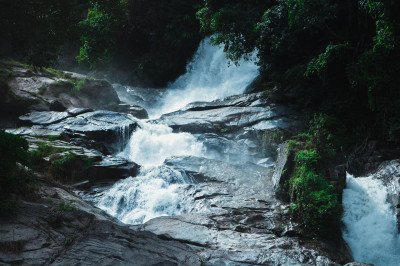
Singshore Bridge is a breathtaking suspension bridge that stands as a testament to modern engineering in the heart of the Himalayas. Suspended at a height of over 100 meters above a deep gorge, it is the highest bridge in Sikkim and the second-highest gorge bridge in all of Asia. The bridge spans a length of approximately 198 meters, connecting two lush green hillsides near the village of Dentam. Walking across the bridge is an adrenaline-pumping experience, as the structure occasionally sways with the wind, providing a thrilling sense of height and scale. From the center of the bridge, visitors can look down into the abyss to see a roaring river and the mist-covered floor of the valley far below. The surrounding landscape is characterized by dense forests, cascading waterfalls, and terraced fields that showcase the rural beauty of West Sikkim. It is a vital link for the local communities of Dentam and Uttarey, but it has transformed into a major tourist landmark over the years. Plans for bungee jumping activities have been discussed by local authorities, which would further enhance its reputation as an adventure destination. The bridge is often shrouded in clouds, creating a dramatic and photogenic setting that attracts travelers from across the globe. It is a perfect spot for those who appreciate both man-made marvels and the raw power of nature. Visiting this bridge is often combined with a trip to the nearby alpine forests and alpine villages that offer a glimpse into the traditional lifestyle of the Bhutia and Lepcha people.
Card image cap
Sirijunga Falls

Sirijunga Falls is a majestic and culturally significant waterfall located in the West Sikkim district, near the village of Bermiok. It is named afte...
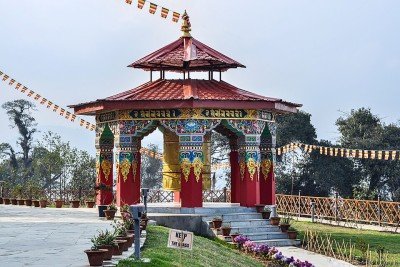
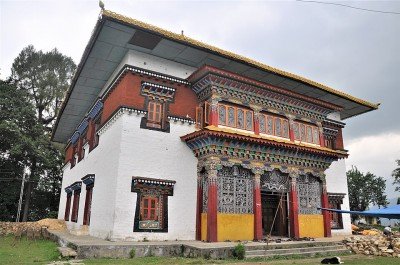
Sirijunga Falls is a majestic and culturally significant waterfall located in the West Sikkim district, near the village of Bermiok. It is named after the legendary Limboo scholar and visionary, Te-ongsi Sirijunga, who is credited with reviving the Limboo script and culture. The waterfall is tucked away in a verdant valley, surrounded by dense forests and sacred caves that are of great importance to the local Limboo community. The water cascades down from a considerable height, creating a thunderous sound that echoes through the quiet hills. Near the base of the falls, there is a holy cave known as the Sirijunga Cave, where the scholar is said to have meditated and taught his followers. The site is a blend of natural beauty and religious pilgrimage, attracting both nature lovers and those interested in the indigenous history of Sikkim. The trek to the falls involves walking through scenic village paths and forested trails, providing an immersive experience of the rural Himalayan landscape. During the monsoon, the falls transform into a powerful torrent of white water, while in the winter, they offer a more delicate and serene view. The area around the falls is also home to diverse flora and fauna, making it a great spot for nature photography. It remains one of the relatively offbeat destinations in the Geyzing region, offering a peaceful alternative to the more commercialized waterfalls in the state. Visiting Sirijunga Falls provides a deep insight into the spiritual connection that the people of Sikkim share with their natural environment.
Card image cap
Skywalk

The Skywalk (Pelling) is a modern marvel located at an altitude of 7,200 feet. It was inaugurated in November 2018 as India's first glass skywalk. Th...

The Skywalk (Pelling) is a modern marvel located at an altitude of 7,200 feet. It was inaugurated in November 2018 as India's first glass skywalk. The complex houses a massive 137-foot tall statue of the Buddhist deity Chenrezig, which is the fourth tallest in the world. Visitors can walk on a transparent glass floor that hangs over a deep valley, providing a spine-chilling yet exciting experience. The site is surrounded by the snow-capped Himalayan peaks, including the majestic Kanchenjunga. This place is a blend of spiritual devotion and modern engineering, attracting thousands of tourists every year. The walkway is designed with high-quality reinforced glass to ensure safety. Walking here feels like floating in the clouds while looking down at the lush green forest. The spiritual vibe is enhanced by the sound of prayer wheels and chanting monks. It is a must-visit for adventure seekers and pilgrims alike.
Card image cap
Tashiding Monastery

Tashiding Monastery is considered the spiritual heart of Sikkim. It belongs to the Nyingma sect of Tibetan Buddhism and was founded in 1641. The mona...
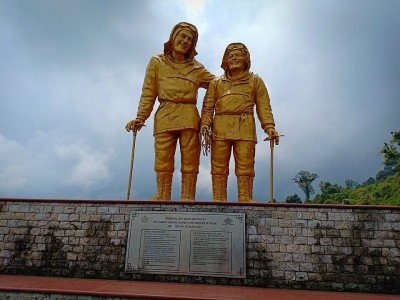
Tashiding Monastery is considered the spiritual heart of Sikkim. It belongs to the Nyingma sect of Tibetan Buddhism and was founded in 1641. The monastery is located on top of a heart-shaped hill, rising between the Rathong and Rangeet rivers. Legend says that Guru Padmasambhava shot an arrow into the air to find a place for meditation, and it landed right here. The monastery is most famous for the Bumchu festival, where a sacred pot of water is opened to predict the future of the state. The site is filled with numerous holy Chortens (stupas) and stone plates carved with mantras. It is believed that even a glimpse of the monastery can cleanse a person of all their sins. The atmosphere is extremely peaceful, surrounded by lush orange orchards and cardamom plantations. The reconstruction of the main building has preserved its ancient sanctity while making it safer for pilgrims.
Card image cap
Tenzing Hilary Park

Tenzing Hilary Park is a beautifully landscaped memorial located in the high-altitude village of Uttarey. It was inaugurated in 2015 to honor the two...

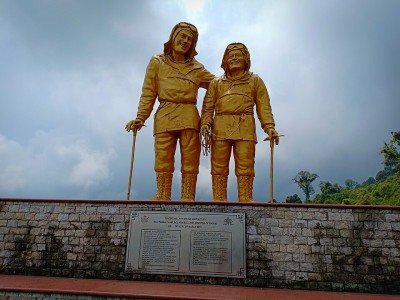
Tenzing Hilary Park is a beautifully landscaped memorial located in the high-altitude village of Uttarey. It was inaugurated in 2015 to honor the two legendary mountaineers, Tenzing Norgay and Sir Edmund Hillary, who first conquered Mount Everest in 1953. The park is situated at an elevation of about 8,000 feet, offering a majestic view of the Singalila Range. It features two large life-size statues of the mountaineers standing tall against the backdrop of the Himalayas. The park is part of an eco-tourism initiative to promote Uttarey as a major trekking hub. Visitors can enjoy a peaceful walk among manicured gardens and exotic Himalayan flowers. The air here is incredibly crisp and clean, making it a perfect spot for relaxation. It also serves as a gateway for several high-altitude treks towards the Nepal border. The park is often enveloped in mist, creating a dreamlike atmosphere for travelers.
Card image cap
Uttarey Village

Uttarey Village is a serene, offbeat destination located in the far west of Sikkim, very close to the Nepal border. Sitting at an altitude of 6,600 f...

Uttarey Village is a serene, offbeat destination located in the far west of Sikkim, very close to the Nepal border. Sitting at an altitude of 6,600 feet, it is known for its tranquility, lush green mountains, and the famous Titanic Park, a building shaped like the ship. The village serves as a base camp for adventurous treks like the Uttarey-Singalila-Dzongri route. It is surrounded by dense forests of rhododendron and oak. The local population consists mainly of Limboo, Sherpa, and Bhutia communities, offering a rich cultural experience. Visitors can enjoy fresh trout from the local government-run farm and visit the Kagyu Monastery, which dates back to 1711. The village is much quieter than Pelling, making it ideal for nature lovers seeking peace. The surrounding hills offer stunning views of Kanchenjunga and several high-altitude waterfalls.
Card image cap
Varsey Rhododendron Sanctuary

Varsey Rhododendron Sanctuary (also spelled Barsey) covers an area of 104 square KMS along the Singalila Ridge. It is a paradise for botanists and tr...

Varsey Rhododendron Sanctuary (also spelled Barsey) covers an area of 104 square KMS along the Singalila Ridge. It is a paradise for botanists and trekkers, especially during the months of March and April when the hills turn bright red, pink, and white with blooming rhododendrons. The sanctuary is home to over 600 species of flora and rare animals like the Red Panda and Black Bear. The most popular way to visit is a 4 KM easy trek from Hilley to Varsey, often called the "Honeymoon Trek" due to its gentle slopes and romantic scenery. At the end of the trek, there is a Trekker's Hut called Guras Kunj where one can stay overnight. The sanctuary offers a stunning, unobstructed view of the Kanchenjunga range. It is an offbeat destination that provides a deep connection with nature away from any urban noise. The silence of the forest is only broken by the chirping of high-altitude birds.
Show All

Geyzing Itineray And Cost:-

Information about New and Updated Locations() of Sikkim Has Been Added :-
Card subtitle

Note:-

Information provided here in good Faith and for reference only.

All information and pictures will be updated soon, please keep visiting.

Near Places
...
Chungthang

Some quick example text to build on the card title and make up the bulk of the card's content.

Go somewhere
...
Gangtok

Some quick example text to build on the card title and make up the bulk of the card's content.

Go somewhere
...
Geyzing

Some quick example text to build on the card title and make up the bulk of the card's content.

Go somewhere
...
Jorethang

Some quick example text to build on the card title and make up the bulk of the card's content.

Go somewhere
...
Lachen

Some quick example text to build on the card title and make up the bulk of the card's content.

Go somewhere
...
Lachung

Some quick example text to build on the card title and make up the bulk of the card's content.

Go somewhere
...
Mangan

Some quick example text to build on the card title and make up the bulk of the card's content.

Go somewhere
...
Namchi

Some quick example text to build on the card title and make up the bulk of the card's content.

Go somewhere
...
Pakyong

Some quick example text to build on the card title and make up the bulk of the card's content.

Go somewhere
...
Pelling

Some quick example text to build on the card title and make up the bulk of the card's content.

Go somewhere
in Other Cities