Karan Mahal
General information
-
Ideal Duration:
30 - 45 Minutes:Place Type:
Historic Rajput Palace (Inside Fort):Entry Fees:
Included in Fort Entry Ticket: Entry to Karan Mahal is typically included in the main consolidated entry ticket for the Gwalior Fort complex (Approx.
Rs.75 for Indians, Rs.250 for Foreigners):
Separate Guides: Th...Included in Fort Entry Ticket: Entry to Karan Mahal is typically included in the main consolidated entry ticket for the Gwalior Fort complex (Approx.
Rs.75 for Indians, Rs.250 for Foreigners):
Separate Guides: The cost of hiring a private or authorized fort guide is separate (negotiable, usually Rs.300 - Rs.500):Timing:
Regular Timings: 9:00 AM to 5:00 PM (Generally consistent with the main fort's historical structures):
Ideal Visit Time: Morning (9:00 AM to 11:00 AM) is ideal for exploring this section of the fort before the heat of the day and before the c...Regular Timings: 9:00 AM to 5:00 PM (Generally consistent with the main fort's historical structures):
Ideal Visit Time: Morning (9:00 AM to 11:00 AM) is ideal for exploring this section of the fort before the heat of the day and before the crowds gather in the main fort area:Special Events:
Fort Festivals: Any historical or cultural events held within the Gwalior Fort complex:
Archaeological Research: The palace is under the Archaeological Survey of India (ASI), and occasional restoration work or historical tours may be consider...Fort Festivals: Any historical or cultural events held within the Gwalior Fort complex:
Archaeological Research: The palace is under the Archaeological Survey of India (ASI), and occasional restoration work or historical tours may be considered a special event:Best Photo Spots:
The Main Stone Facade: Capture the robust and unadorned exterior, emphasizing the structural strength of the Rajput style:
The Internal Pillars and Arches: Capture the repeating patterns of the strong, load-bearing pillars within the halls:The Main Stone Facade: Capture the robust and unadorned exterior, emphasizing the structural strength of the Rajput style:
The Internal Pillars and Arches: Capture the repeating patterns of the strong, load-bearing pillars within the halls:
Framing the Sky: Use the palace's open rooflines to frame the blue sky or the occasional cloud:Photo Gallery
Things To Do
-
Explore the Halls: Walk through the large, simple halls and courtyards to appreciate the scale and functional design of the early Rajput palace:
Historical Comparison: Compare its relatively plain stone structure with the elaborate tilework and carvings of the nearby Man Mandir Palace:
Photography: Capture the sturdy stone arches and the simple, defensive-looking facade of the palace:
Fort View: Use the palace's elevated position to take photos of the other structures within the fort complex:
Contemplation: Reflect on the fort's long history, as this palace predates many of the later structures:
Architecture Study: Study the simple Chattri domes and stone friezes that define the early Tomar style:...Explore the Halls: Walk through the large, simple halls and courtyards to appreciate the scale and functional design of the early Rajput palace:
Historical Comparison: Compare its relatively plain stone structure with the elaborate tilework and carvings of the nearby Man Mandir Palace:
Photography: Capture the sturdy stone arches and the simple, defensive-looking facade of the palace:
Fort View: Use the palace's elevated position to take photos of the other structures within the fort complex:
Contemplation: Reflect on the fort's long history, as this palace predates many of the later structures:
Architecture Study: Study the simple Chattri domes and stone friezes that define the early Tomar style:
Information
-
Why Famous:
Tomar Dynasty Legacy: It is famously known for being built by Raja Kirti Singh and representing the architectural style of the powerful Tomar dynasty, who were responsible for the fort's golden age of construction before the Mughals:
Simplicity a...Tomar Dynasty Legacy: It is famously known for being built by Raja Kirti Singh and representing the architectural style of the powerful Tomar dynasty, who were responsible for the fort's golden age of construction before the Mughals:
Simplicity and Strength: Its starker, more robust Rajput architecture stands in contrast to the tile-work of the neighboring Man Mandir, offering a different perspective on the fort's structural history: -
Architecture:
Early Rajput Architecture and Simplicity: The palace showcases a simpler, sturdier form of early Rajput architecture compared to the later palaces, emphasizing defensive strength and functional design:
Features and Dimension: The building is ...Early Rajput Architecture and Simplicity: The palace showcases a simpler, sturdier form of early Rajput architecture compared to the later palaces, emphasizing defensive strength and functional design:
Features and Dimension: The building is mostly plain, with large, open halls and chambers supported by massive stone pillars, reflecting a transitionary phase of architectural style: It is a two-storey structure with an open court and is situated near the Vikram Mahal (which was also built by a Tomar ruler): Its dimension is substantial, designed for royal residence, and the construction is primarily from the local red sandstone: It features small ornamental domes (Chattris) and simple friezes: -
How To Reach:
By Air: Gwalior Airport (GWL) is approx.
10 KMs away:
Hire a taxi or cab to the fort's main entrance:
By Train: Gwalior Junction (GWL) is approx.
...By Air: Gwalior Airport (GWL) is approx.
10 KMs away:
Hire a taxi or cab to the fort's main entrance:
By Train: Gwalior Junction (GWL) is approx.
3-4 KMs away: Hire an auto-rickshaw or taxi to drive up the gentler western road (Urvai Gate) inside the fort:
By Road: The fort is a prominent landmark, accessible via the main road that climbs the hill:
By Local Transport: Shared taxis or auto-rickshaws often run to the fort entrance, but negotiating a dedicated ride up to the palace inside is highly recommended for time efficiency: -
Weather and Best Time to Visit:
Best Season: Winter Season (October to March) is perfect for the long walk/climb necessary to explore the entire fort complex:
Different Parts of the Day: Early Morning is best to start the comprehensive fort tour and appreciate the palace's ...Best Season: Winter Season (October to March) is perfect for the long walk/climb necessary to explore the entire fort complex:
Different Parts of the Day: Early Morning is best to start the comprehensive fort tour and appreciate the palace's architecture in good light: -
Near Tourist Places:
Vikram Mahal (0.
1 KM, inside fort): Jahangir Mahal (0.
5 KM, inside fort): Man Mandir Palace (0.
5 KM, inside fort):
Teli Ka Mandir (
1 KM, inside fort):
Sas-Bahu Temple (
1 KM, inside fort): Siddhachal Jain Caves (1 KM, along Urvai Gate road): Gujari Mahal (Archaeological Museum) (2 KMs, at fort base):
Jai Vilas Palace (4 KMs):
Tansen's Tomb (5 KMs):
Gopachal Parvat Jain Statues (2 KMs):
Tourism Tips
-
Health & Safety: The fort is a large site;
wear sturdy shoes and carry water: Stick to the designated paths and do not climb on the ancient structures:
Packing:
Carry a hat/cap an...Health & Safety: The fort is a large site;
wear sturdy shoes and carry water: Stick to the designated paths and do not climb on the ancient structures:
Packing:
Carry a hat/cap and sunscreen: Bring a Fort Map to navigate the complex of palaces and temples efficiently:
Accommodation: Stay in the Lashkar or Gwalior Fort area for easy access to the monuments:
Other Topics: Plan the visit to include the adjacent Vikram Mahal and the nearby Man Mandir Palace for a comparative study of the fort's architectural evolution:
Reviews
FAQs
Gwalior Itineray And Cost:-
Other Places In Gwalior :-
Other States In India :-
Information about New and Updated Locations() of Madhya Pradesh Has Been Added :-
Card subtitle
Note:-
Information provided here in good Faith and for reference only.
Near Places

Assi Khamba Ki Bawadi
Some quick example text to build on the card title and make up the bulk of the card's content.
Go somewhere
Bhadawana Waterfall
Some quick example text to build on the card title and make up the bulk of the card's content.
Go somewhere
Captain Roop Singh Stadium
Some quick example text to build on the card title and make up the bulk of the card's content.
Go somewhere
Durbar Hall
Some quick example text to build on the card title and make up the bulk of the card's content.
Go somewhere
Gopachal Parvat
Some quick example text to build on the card title and make up the bulk of the card's content.
Go somewhere
Gopachal Parvat Jain Sculptures
Some quick example text to build on the card title and make up the bulk of the card's content.
Go somewhere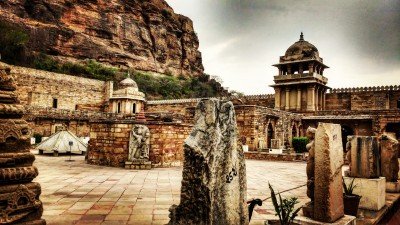
Gujari Mahal Archaeological Museum
Some quick example text to build on the card title and make up the bulk of the card's content.
Go somewhere
Gurudwara Data Bandi Chhod
Some quick example text to build on the card title and make up the bulk of the card's content.
Go somewhere
Gwalior Fort
Some quick example text to build on the card title and make up the bulk of the card's content.
Go somewhere
Gwalior Safari
Some quick example text to build on the card title and make up the bulk of the card's content.
Go somewhere
Gwalior Trade Fair Ground
Some quick example text to build on the card title and make up the bulk of the card's content.
Go somewhere
Hazira Chowk
Some quick example text to build on the card title and make up the bulk of the card's content.
Go somewhere
Jai Vilas Palace & Museum
Some quick example text to build on the card title and make up the bulk of the card's content.
Go somewhere
Jiyaji Chowk Bazaar
Some quick example text to build on the card title and make up the bulk of the card's content.
Go somewhere
Ladhedi Gate
Some quick example text to build on the card title and make up the bulk of the card's content.
Go somewhere
Lashkar City Area
Some quick example text to build on the card title and make up the bulk of the card's content.
Go somewherein Other Cities