

Vikram Mahal
General information
-
Ideal Duration:
1 HourPlace Type:
Historical Site, Palace/Mahal, Architectural RuinEntry Fees:
Entry to Gwalior Fort: The palace is located inside the Gwalior Fort. Entry is covered by the comprehensive ticket for the fort complex, which includes most ASI-maintained monuments within the fort, such as the Teli Ka Mandir and Sas-Bahu Temple.
Read MoreEntry to Gwalior Fort: The palace is located inside the Gwalior Fort. Entry is covered by the comprehensive ticket for the fort complex, which includes most ASI-maintained monuments within the fort, such as the Teli Ka Mandir and Sas-Bahu Temple.
Fort Ticket Price: The standard fee for Indian nationals is approximately Rs. 25 per person, and for Foreign tourists, it is around Rs. 300 per person. Keep your ticket safe as it may be checked at the entrance to different fort sections.
Photography and Other Fees: There is generally no additional charge for still cameras or mobile phones for personal photography. Professional video equipment or commercial shoots require prior permission from the ASI and may incur a fee.
Donations: Since the Shiva Lingam is a functioning shrine, a small, voluntary donation box may be present, but offering money is not mandatory for entry or viewing.Timing:
Regular Timings: 8:00 AM to 6:00 PM on all days of the week. Being part of the fort complex, its access is tied to the main fort timings. It is usually one of the earliest to open among the fort palaces.
Ideal Visit Time: Mid-Morning (9:00...Regular Timings: 8:00 AM to 6:00 PM on all days of the week. Being part of the fort complex, its access is tied to the main fort timings. It is usually one of the earliest to open among the fort palaces.
Ideal Visit Time: Mid-Morning (9:00 AM - 11:00 AM). This time allows the sun to fully light the structure, making the red sandstone pop, and the central Baradari will demonstrate its brilliant light and shadow play. The weather is still pleasant for walking between the palaces.
Fort Light and Sound Show: The palace is near the site of the fort's nightly Sound and Light Show (usually near Man Singh Palace). While the Mahal is closed in the evening, seeing it lit up from the outside as part of the overall fort show is a special night-time experience.Special Events:
Gwalior Fort Heritage Day: As part of the Gwalior Fort complex, the Mahal is often a focal point during the annual heritage days or state-sponsored cultural events, usually held in the winter months (November or December). These events may include special guided tours or sm...Gwalior Fort Heritage Day: As part of the Gwalior Fort complex, the Mahal is often a focal point during the annual heritage days or state-sponsored cultural events, usually held in the winter months (November or December). These events may include special guided tours or small historical re-enactments.
Maha Shivaratri Gathering: Given its historical role as the Vikram Mandir dedicated to Shiva, the area around the Mahal, particularly the front courtyard with the re-established Shiva Lingam, sees a small, devoted gathering for prayers and rituals during the festival of Maha Shivaratri (usually February or March).
Special ASI Documentation and Walks: The Archaeological Survey of India (ASI) occasionally organizes special, expert-led heritage walks focusing on the Tomar architecture of the palaces, where Vikram Mahal is highlighted as a key transitional piece. These are specialized events that provide deep academic insight.Best Photo Spots:
Framing with the Man Singh Palace: Take a photograph that captures the simple, sturdy architecture of the Vikram Mahal with a corner of the highly decorated, colorful tilework of the adjacent Man Singh Palace in the background or frame. This shot visually contrasts the arch...Framing with the Man Singh Palace: Take a photograph that captures the simple, sturdy architecture of the Vikram Mahal with a corner of the highly decorated, colorful tilework of the adjacent Man Singh Palace in the background or frame. This shot visually contrasts the architectural styles and tells a story of the Tomar family's different tastes.
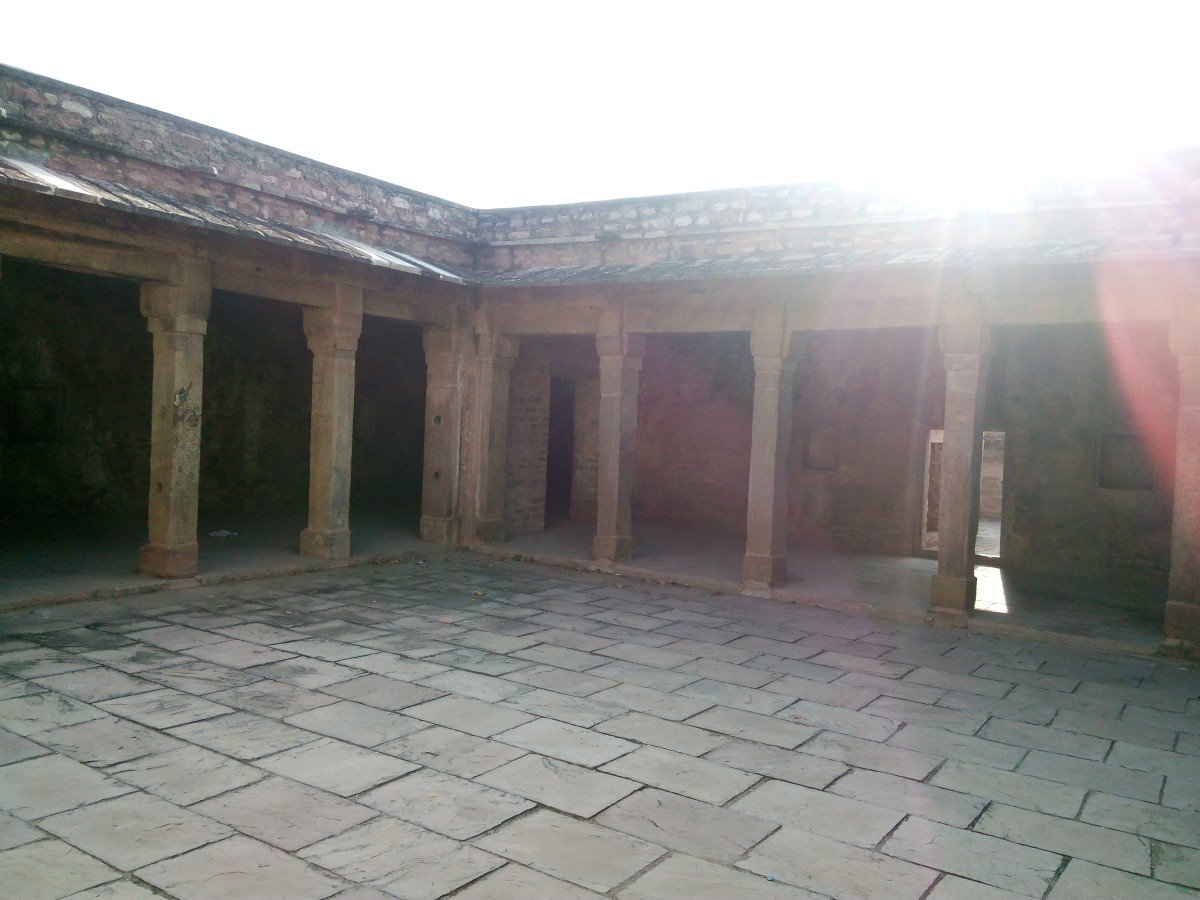
The Pillar and Archway Close-up: Focus on the remaining pillars and archways of the Baradari to capture the intricate, simple carvings and the texture of the old red sandstone. Use the archways as a natural frame for the sky or the distant fort walls, emphasizing the ruin's picturesque quality.
The Shiva Lingam in the Courtyard: A respectful shot of the restored Shiva Lingam and the small offerings placed there, set against the backdrop of the large, ancient palace walls, is a powerful cultural photo that captures the essence of history and faith co-existing.
Panoramic View from a Window: Look for a surviving window or opening in the wall of the palace. Frame a shot of the landscape or the distant city through this opening. This creates a powerful visual metaphor of looking through the window of the past and into the present.Photo Gallery
Things To Do
-
Explore the Architectural Layout: Walk through the various sections of the ruin, paying close attention to the structural remnants of the central Baradari hall and the surrounding chambers. Try to mentally reconstruct the original layout, differentiating between the residential and temple parts of the building.
Visit the Re-established Shrine: Offer a moment of silent respect at the Shiva Lingam re-established in the front courtyard. This spiritual act connects you to the site's original function as the Vikram Mandir. You can see local devotees making small offerings here.
Contextual Fort Tour: Since the palace is a key part of the fort complex, combine the visit with neighboring palaces like the Karan Mahal and the spectacular Man Singh Palace. Understanding their proximity and contrasting a...Explore the Architectural Layout: Walk through the various sections of the ruin, paying close attention to the structural remnants of the central Baradari hall and the surrounding chambers. Try to mentally reconstruct the original layout, differentiating between the residential and temple parts of the building.
Visit the Re-established Shrine: Offer a moment of silent respect at the Shiva Lingam re-established in the front courtyard. This spiritual act connects you to the site's original function as the Vikram Mandir. You can see local devotees making small offerings here.
Contextual Fort Tour: Since the palace is a key part of the fort complex, combine the visit with neighboring palaces like the Karan Mahal and the spectacular Man Singh Palace. Understanding their proximity and contrasting architectural styles is essential to fully appreciating the Tomar royal court's layout.
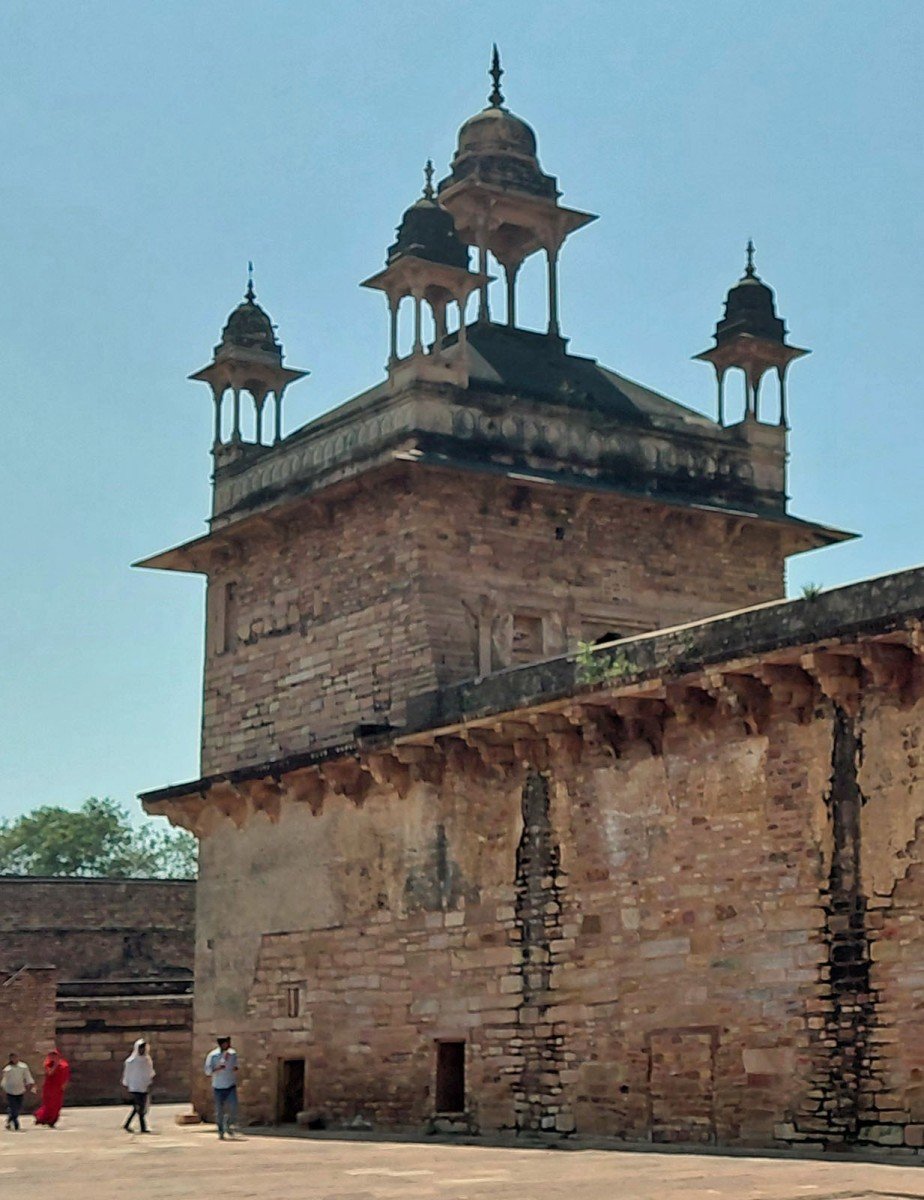
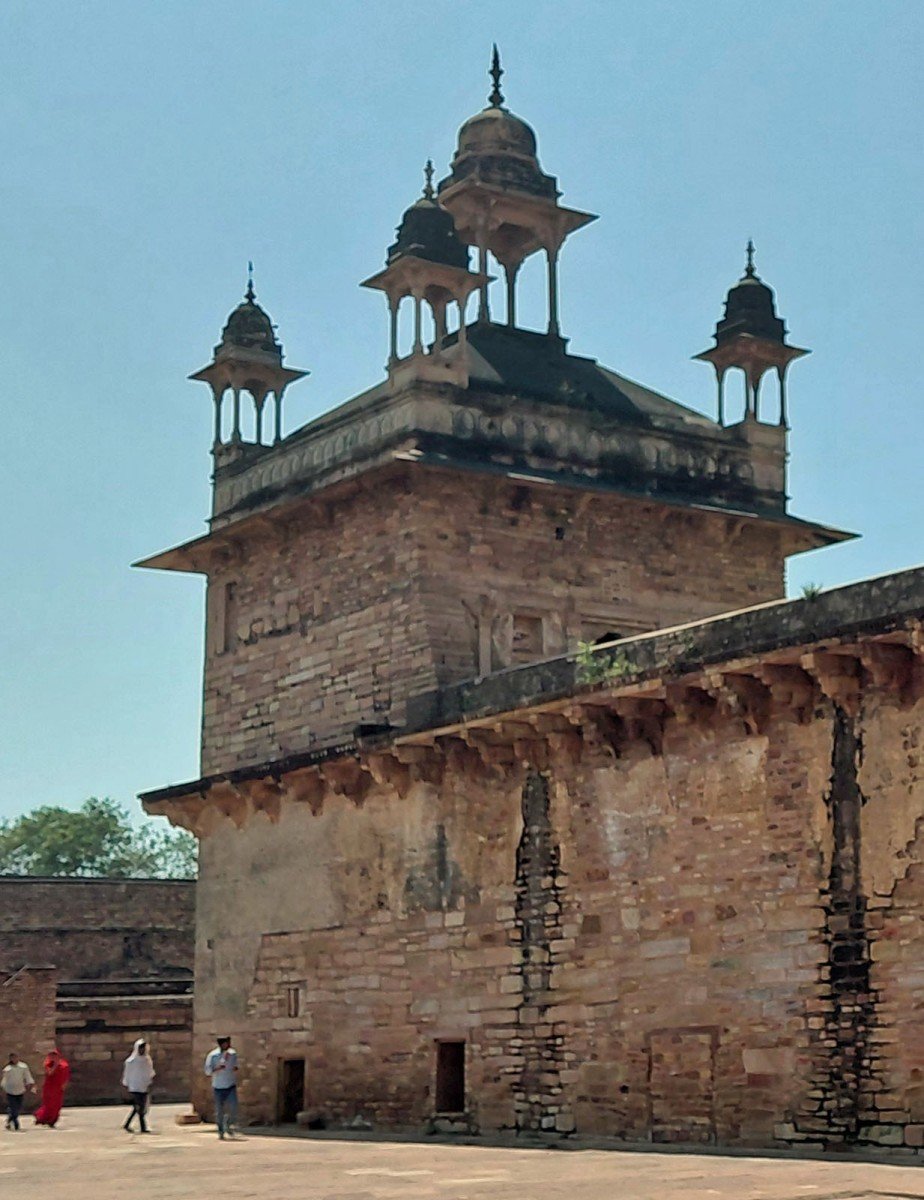
Photography of the Ruins: The weathered red sandstone walls and the surviving pillars, set against the blue sky, offer excellent opportunities for dramatic photography, especially shots that focus on the contrast between the rough stone and the distant fort ramparts. The building's ruinous state provides a sense of timelessness.
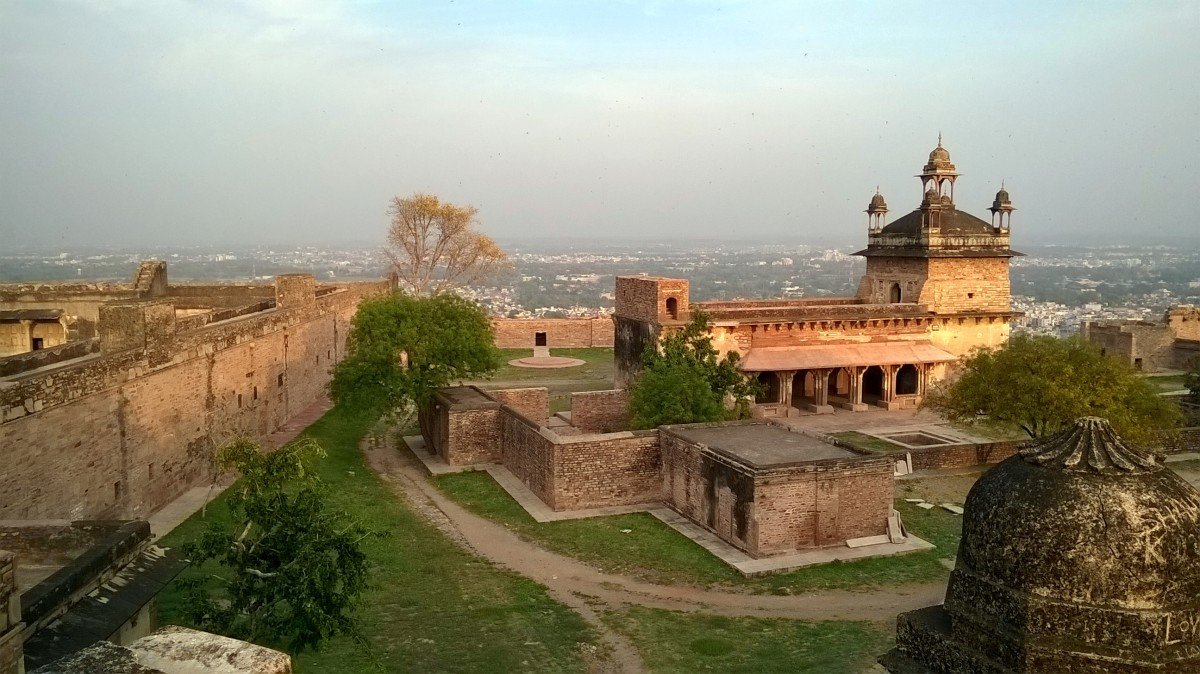
Look for the Viewpoints: The palace is situated on the plateau of the fort. Walk to the nearest edge or window opening that offers a view over the city. This perspective helps in understanding the strategic importance of the fort complex where the palace is located.
Historical Reading and Reflection: Carry a guidebook or read the on-site information plaques provided by the ASI to fully grasp the importance of Vikramaditya Singh's rule and the history of the Tomar dynasty in Gwalior. The site is a place for historical reflection on the transition of power.
Witnessing Cultural Programs: Occasionally, the fort complex (and sometimes the area around the palace) hosts cultural events or plays. Check local listings for any scheduled performances that might use the historic setting as a backdrop.
Information
-
Why Famous:
Testament to the Tomar Dynasty: Its fame lies in its direct connection to Vikramaditya Singh and his father, Raja Man Singh Tomar. The palace marks the final phase of major construction under the Hindu Tomar rulers before the fort fell to the Sultanate, making it an essenti...Testament to the Tomar Dynasty: Its fame lies in its direct connection to Vikramaditya Singh and his father, Raja Man Singh Tomar. The palace marks the final phase of major construction under the Hindu Tomar rulers before the fort fell to the Sultanate, making it an essential historical marker of the 16th-century Gwalior court.
The Integrated Shiva Temple: It is well-known as the Vikram Mandir because of the once-prominent Shiva shrine it housed on its upper story. This fusion of a royal residential structure with a major temple inside a fort is a rare example of the integration of faith and power in medieval Indian kingship.
Strategic Location within the Fort: The Mahal is famous for its location between the two other significant palaces, Man Singh Palace and Karan Mahal. This placement suggests its critical role in the fort's royal administrative and residential cluster, underscoring its historical importance as a center of power.
A Palace of Survival: Having survived multiple sieges, battles, and periods of neglect, the Vikram Mahal stands as a powerful symbol of the resilience of Gwalior Fort itself. Its weathered look and restored sacred spot (the Shiva Lingam) speak volumes about the fort's turbulent and continuous history. -
Architecture:
Late Tomar Architectural Style: The Mahal represents the late-period Tomar dynasty style, characterized by a more functional and less ornamented design compared to the adjacent, highly decorative Man Singh Palace. The architecture is sturdy, built primarily of red sandstone...Late Tomar Architectural Style: The Mahal represents the late-period Tomar dynasty style, characterized by a more functional and less ornamented design compared to the adjacent, highly decorative Man Singh Palace. The architecture is sturdy, built primarily of red sandstone, featuring large, open spaces and a robust structure designed for both defense and habitation.
The Baradari and Central Hall: A key architectural feature is the large central pillared hall, often referred to as a Baradari (twelve-doored pavilion), designed to maximize light and air circulation. This hall formed the core of the palace, used for assemblies, ceremonies, or cooling off during the hot summers. This design element speaks to the climatic adaptations in Rajput architecture.
Dual Function (Palace and Temple): The structure is unique for its integrated dual purpose: a royal residence and a dedicated temple (Mandir). The upper floor originally housed a significant temple dedicated to Lord Shiva, a profound statement of the ruling king's personal faith, which led to the alternate name, Vikram Mandir.
Dimension and Ruin: While the specific, original dimensions of the rooms are not widely published, the ruin suggests a multi-story structure with a significant footprint, typical of a main royal residence within a fort. Today, the structure is a picturesque ruin, with remnants of walls, columns, and the outlines of rooms, but the overall outline and strategic placement remain intact. -
How To Reach:
By Air: The nearest airport is Gwalior Airport (GWL), approximately 10-12 KMS from the fort's entrance. A hired taxi or cab is the best option for the roughly 30-minute drive.
By Train: The nearest major railway station is Gwalior Junction ...By Air: The nearest airport is Gwalior Airport (GWL), approximately 10-12 KMS from the fort's entrance. A hired taxi or cab is the best option for the roughly 30-minute drive.
By Train: The nearest major railway station is Gwalior Junction (GWL), only about 3-4 KMS from the fort entrance. From the station, you can hire a taxi or auto-rickshaw that will take you up the motorable road to the palace complex at the top of the fort. Always negotiate the price for the climb.
By Road: The fort complex, where the Mahal is located, is well-connected by road, and a vehicle can drive up to the plateau. If traveling by bus, you will need local transport from the city bus stand to the fort's main gates.
By Local Transport: Auto-rickshaws and taxis are the most convenient. Since the Mahal is deep inside the fort, ensure your hired vehicle has permission and is willing to drive up the hill. The most common entry for vehicles is the western road near the Urvahi Gate. -
Weather and Best Time to Visit:
Types of Seasons: Winter (October to March) is the Best Time to Visit. The weather is cool and dry, making the extensive walking required to explore the fort and the palaces comfortable. Summer is extremely hot, and the exposed stone surfaces should be avoided during mid-d...Types of Seasons: Winter (October to March) is the Best Time to Visit. The weather is cool and dry, making the extensive walking required to explore the fort and the palaces comfortable. Summer is extremely hot, and the exposed stone surfaces should be avoided during mid-day. Monsoon brings a lush green look to the fort walls but can make walking slippery.
Different Parts of the Day: Morning (9:00 AM - 12:00 PM) is the most ideal for its cooler temperatures and better photographic light. The red sandstone is beautifully illuminated. The complex is less crowded than in the mid-day rush. Visit the Vikram Mahal just before the Man Singh Palace to appreciate the architectural flow. -
Near Tourist Places:
Man Singh Palace (0. 5 KMS - Inside Fort), Karan Mahal (0. 1 KMS - Inside Fort), Teli Ka Mandir (1. 5 KMS - Inside Fort), Sas-Bahu Temple (2 KMS - Inside Fort), Gopachal Parvat Jain Sculptures (2 KMS - Fort Slope), Gujari Mahal Museum (3 KMS - Fort Base), Gwalior Fort Main Entrance (3-4 KMS), Jai Vilas Palace (5 KMS), Tansen's Tomb (7 KMS), Samadhi of Rani Laxmi Bai (7 KMS).
Tourism Tips
-
Health & Safety: Wear good walking shoes, as the floor is uneven in the ruin sections. Be cautious near the edges of the walls and watch out for low ceilings in some areas. Carry water. The site is generally very safe, being under ASI management within the main fort.
...Health & Safety: Wear good walking shoes, as the floor is uneven in the ruin sections. Be cautious near the edges of the walls and watch out for low ceilings in some areas. Carry water. The site is generally very safe, being under ASI management within the main fort.
Packing Essentials: Carry the single fort ticket safely, as it is needed to access this area. A wide-angle lens is useful for capturing the large halls and the extensive ruins. Sun protection (hat, sunscreen) is essential, as the Mahal is largely an open-air ruin.
Accommodation: Stay in a central Gwalior hotel, preferably near the base of the fort or in the Lashkar area, to ensure easy access to transport for the climb up.
Other Tips: Hire a licensed guide at the fort entrance. The history of the Tomar palaces is complex, and a guide can bring the stories of Vikramaditya and Man Singh Tomar to life. Plan your route to see the palaces sequentially for the best historical flow.
Reviews
FAQs
Gwalior Itineray And Cost:-
Other Places In Gwalior :-
Other States In India :-
Information about New and Updated Locations() of Madhya Pradesh Has Been Added :-
Card subtitle
Note:-
Information provided here in good Faith and for reference only.
Near Places

Assi Khamba Ki Bawadi
Some quick example text to build on the card title and make up the bulk of the card's content.
Go somewhere
Bhadawana Waterfall
Some quick example text to build on the card title and make up the bulk of the card's content.
Go somewhere
Captain Roop Singh Stadium
Some quick example text to build on the card title and make up the bulk of the card's content.
Go somewhere
Durbar Hall
Some quick example text to build on the card title and make up the bulk of the card's content.
Go somewhere
Gopachal Parvat
Some quick example text to build on the card title and make up the bulk of the card's content.
Go somewhere
Gopachal Parvat Jain Sculptures
Some quick example text to build on the card title and make up the bulk of the card's content.
Go somewhere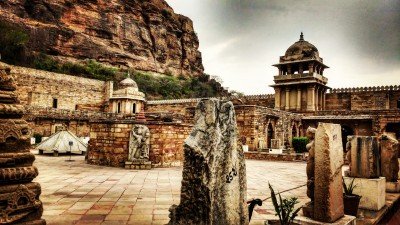
Gujari Mahal Archaeological Museum
Some quick example text to build on the card title and make up the bulk of the card's content.
Go somewhere
Gurudwara Data Bandi Chhod
Some quick example text to build on the card title and make up the bulk of the card's content.
Go somewhere
Gwalior Fort
Some quick example text to build on the card title and make up the bulk of the card's content.
Go somewhere
Gwalior Safari
Some quick example text to build on the card title and make up the bulk of the card's content.
Go somewhere
Gwalior Trade Fair Ground
Some quick example text to build on the card title and make up the bulk of the card's content.
Go somewhere
Hazira Chowk
Some quick example text to build on the card title and make up the bulk of the card's content.
Go somewhere
Jai Vilas Palace & Museum
Some quick example text to build on the card title and make up the bulk of the card's content.
Go somewhere
Jiyaji Chowk Bazaar
Some quick example text to build on the card title and make up the bulk of the card's content.
Go somewhere
Ladhedi Gate
Some quick example text to build on the card title and make up the bulk of the card's content.
Go somewhere
Lashkar City Area
Some quick example text to build on the card title and make up the bulk of the card's content.
Go somewherein Other Cities