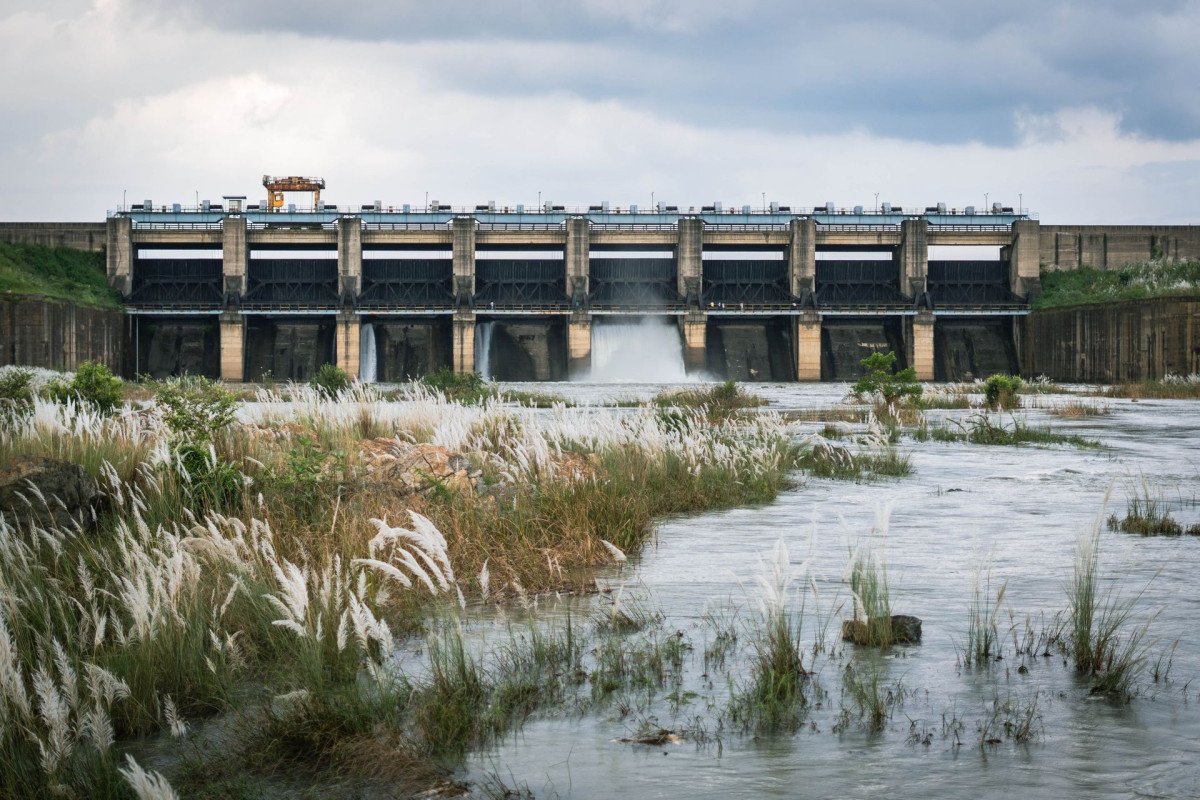
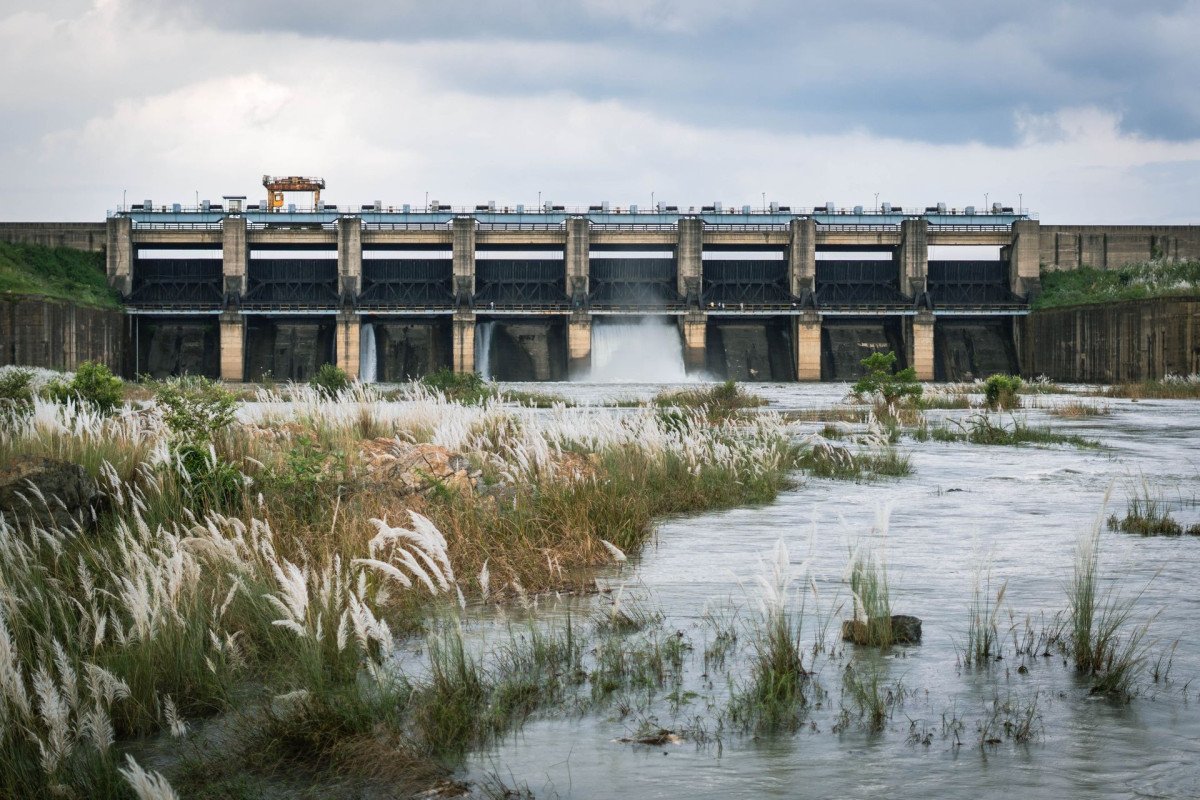
Tigra Dam
General information
-
Ideal Duration:
3-4 HoursPlace Type:
Dam, Reservoir, Nature/Picnic Spot, Water SportsEntry Fees:
General Admission: FREE. There is generally no entry fee to visit the dam site and walk around the crest/banks. The area is public infrastructure.
Boating and Activity Fees: There are charges for participating in water sports. The fees ar...General Admission: FREE. There is generally no entry fee to visit the dam site and walk around the crest/banks. The area is public infrastructure.
Boating and Activity Fees: There are charges for participating in water sports. The fees are nominal and vary based on the type of boat: Paddle Boats are around Rs. 100-150 per person; Speed Boats are typically higher, around Rs. 300-400 per ride or per person for a short trip. The costs are managed by the local tourism or private contractors and should be verified on-site.
Parking Fee: A small, nominal fee (e. g. , Rs. 20-50 per vehicle) is charged for parking cars or two-wheelers in the designated parking lot near the dam site, especially on weekends and holidays.Timing:
Regular Timings: 9:00 AM to 5:00 PM is the standard tourist-access timing, particularly for water activities. The dam site itself, being a public area, may be accessible earlier or later for walks, but is generally restricted after dark for safety.
Read MoreRegular Timings: 9:00 AM to 5:00 PM is the standard tourist-access timing, particularly for water activities. The dam site itself, being a public area, may be accessible earlier or later for walks, but is generally restricted after dark for safety.
Ideal Visit Time: Late Afternoon (4:00 PM - 5:00 PM) for the best sunset views and cooler weather, or Mid-Morning (9:00 AM - 11:00 AM) to comfortably enjoy the boating activities before the mid-day heat sets in.
Monsoon Timing: During peak monsoon, access to the dam crest may be temporarily restricted for safety reasons, especially during heavy rainfall or high water discharge. Check local conditions before visiting during the July-August period.Special Events:
Post-Monsoon Full Reservoir View: The most special time to visit is immediately after the peak monsoon season (late September to October). This is when the reservoir is completely full, and the sight of the water potentially flowing over the spillway is a dramatic and magni...Post-Monsoon Full Reservoir View: The most special time to visit is immediately after the peak monsoon season (late September to October). This is when the reservoir is completely full, and the sight of the water potentially flowing over the spillway is a dramatic and magnificent natural event. The surrounding hills are at their greenest.
Local Holidays and Picnics: The dam is a major destination on local and regional holidays (Republic Day, Independence Day, Diwali) for family picnics and group outings. Visiting on these days provides a vibrant, festive atmosphere, with more water sports and food stalls available, though it will also be more crowded.
Seasonal Boating Competitions: Although not fixed annual events, local authorities or clubs occasionally organize small seasonal boating or fishing competitions, especially when the water level is optimal, which adds an element of excitement to the visit.Best Photo Spots:
The Spillway Overflow (Post-Monsoon): The absolute best photo spot is when the dam is overflowing or releasing water. Capturing the white cascade of water over the spillway, set against the massive stone structure, is a rare and powerful photo opportunity that emphasizes th...The Spillway Overflow (Post-Monsoon): The absolute best photo spot is when the dam is overflowing or releasing water. Capturing the white cascade of water over the spillway, set against the massive stone structure, is a rare and powerful photo opportunity that emphasizes the dam's scale and force.
Wide-Angle Reservoir Shot: Capture a sweeping, wide-angle shot of the vast reservoir from the top of the dam's crest. The placid water meeting the distant, undulating horizon is perfect for a serene landscape photo. Try to include the full length of the crest to illustrate the dam's length (1,341 meters).
Sunset Reflections on Water: The dam is famous for its stunning sunset views. Capture the golden and orange hues of the setting sun reflecting perfectly on the calm surface of the large reservoir, providing a tranquil and colorful photo that is great for social media.
The Dam Wall Profile: Take a picture that highlights the curved profile and the historical masonry of the dam wall, either from the edge of the reservoir or from a boat on the water, showing the scale of this 1917-era civil engineering project.Photo Gallery
Things To Do
-
Boating and Water Activities:
Engage in the main attraction of the dam: boating. Options usually include simple paddle boats for a leisurely ride, speed boats for a thrill, and sometimes water scooters. Enjoying the calm water and the natural surroundings from the middle of the reservoir is highly recommended.
Picnicking and Relaxation: Find a scenic spot along the bank or in one of the designated areas for a leisurely picnic. The tranquil environment, especially in the shaded areas, is perfect for a relaxed family or group outing away from the city's noise and pollution.
Photography of the Reservoir: Capture the vast expanse of the reservoir, particularly at sunrise or sunset when the water surface reflects the sky. The long, curved dam wall itself, set again...Boating and Water Activities:
Engage in the main attraction of the dam: boating. Options usually include simple paddle boats for a leisurely ride, speed boats for a thrill, and sometimes water scooters. Enjoying the calm water and the natural surroundings from the middle of the reservoir is highly recommended.
Picnicking and Relaxation: Find a scenic spot along the bank or in one of the designated areas for a leisurely picnic. The tranquil environment, especially in the shaded areas, is perfect for a relaxed family or group outing away from the city's noise and pollution.
Photography of the Reservoir: Capture the vast expanse of the reservoir, particularly at sunrise or sunset when the water surface reflects the sky. The long, curved dam wall itself, set against the water and the hills, is a great subject for landscape photography, illustrating the impressive scale of the structure.
Walking along the Dam Crest: Take a walk along the top of the dam (if access is permitted and safe). This provides a unique view of the dam's structure, the water on one side, and the valley on the other, offering a deeper appreciation for the engineering and the sheer volume of the water body.
Exploring the Nearby Village: Take a short detour to the local Tighra Village to interact with the residents and experience the rural life of Madhya Pradesh. This cultural experience provides a valuable contrast to the urban Gwalior sightseeing.
Bird Watching: Dedicate time in the early morning or late afternoon to quiet bird watching along the less-crowded parts of the shoreline. Carry a pair of binoculars and a bird guide to spot the diverse avian life attracted to the reservoir ecosystem, which is a local biodiversity highlight.
Enjoying Local Eateries: Try the street food and snacks from the stalls set up near the dam, such as roasted corn or local tea. There is also an MP Tourism cafe that offers light refreshments.
Information
-
Why Famous:
Gwalior's Water Lifeline: Its primary fame is its crucial and historical role as the main source of water supply for the city of Gwalior. Built in the early 20th century by the Scindias, it is a key piece of civic infrastructure that has sustained the city for over a hundre...Gwalior's Water Lifeline: Its primary fame is its crucial and historical role as the main source of water supply for the city of Gwalior. Built in the early 20th century by the Scindias, it is a key piece of civic infrastructure that has sustained the city for over a hundred years. This practical, life-giving utility is the source of its local renown.
Scenic Beauty and Tranquility: It is highly famous as a premier weekend getaway and picnic spot for locals. The vast, placid reservoir, especially when full after the monsoon, is surrounded by natural, hilly terrain, offering a refreshing contrast to the fort and palaces of the city. The beautiful views are a major draw.
Boating and Water Sports Hub: The dam and its reservoir are well-known for offering various recreational activities, particularly boating. Tourists can enjoy paddle boating, speed boating, and sometimes even water scooters on the large lake, making it a favorite destination for families and adventure seekers.
Scindia Patronage and History: The dam's history is closely tied to the ruling Scindia Dynasty of Gwalior. Its construction between 1913 and 1917 is cited as an example of the progressive public works undertaken by Maharaja Madho Rao Scindia, providing a historical context of infrastructural development in the princely state era. -
Architecture:
Dam Type and Construction: The Tigra Dam is a masonry gravity dam, meaning its stability against water pressure is achieved solely by its massive weight and internal resistance. It was built using locally available rubble masonry bonded with lime mortar, and faced with ashl...Dam Type and Construction: The Tigra Dam is a masonry gravity dam, meaning its stability against water pressure is achieved solely by its massive weight and internal resistance. It was built using locally available rubble masonry bonded with lime mortar, and faced with ashlar stone masonry, reflecting the early 20th-century engineering capabilities of the princely state of Gwalior.
Dimension and Scale: The dam stands at an impressive height of approximately 26 meters (86 feet) and has a considerable crest length of about 1,341 meters (4,400 feet). The resulting reservoir has a significant storage capacity (in the range of 4. 8 million cubic meters) and a catchment area of roughly 414 square kilometers, showcasing its large-scale utility.
Spillway and Gates: The dam features an overflow spillway section designed to manage flood discharge. While originally it might have relied on uncontrolled overflow, subsequent modifications have introduced sluice gates (historically recorded as 16 sluice gates) to better regulate the reservoir level and water release, which is critical for Gwalior's water supply.
Setting and Environment: The dam’s architecture is less about ornamentation and more about functionality, fitting seamlessly into the surrounding natural landscape. The structure is set in an undulating, forested area, with the massive, curved wall of the dam contrasting against the expanse of the reservoir, creating a scenic and impressive piece of early modern civil engineering. -
How To Reach:
By Air: The nearest airport is Gwalior Airport (GWL), approximately 20-25 KMS away. A taxi or hired cab is necessary, as there is no direct public transport. The ride takes about 45 minutes to an hour.
By Train: The nearest major railway s...By Air: The nearest airport is Gwalior Airport (GWL), approximately 20-25 KMS away. A taxi or hired cab is necessary, as there is no direct public transport. The ride takes about 45 minutes to an hour.
By Train: The nearest major railway station is Gwalior Junction (GWL), which is approximately 23-25 KMS from the dam site. You must hire a private taxi or an auto-rickshaw for a round trip, as public transport options are very limited. Negotiate a fixed return fare, as finding an auto for the return trip can be difficult.
By Road: The dam is located on the Gwalior-Sheopur Road and is easily accessible by a good, paved road. It is a scenic 45-minute to 1-hour drive from the main Gwalior city center. Private cars, hired taxis, and ride-sharing cabs are the most convenient and recommended ways to reach the dam.
By Local Transport: Direct local bus service is irregular. The best local option is an extended auto-rickshaw ride, but ensure the fare covers the return journey and waiting time, as the location is outside the main city limits. A hired cab for a half-day or full-day itinerary is the least stressful option. -
Weather and Best Time to Visit:
Types of Seasons: Winter (October to March) is the Best Time to Visit. The weather is cool and perfect for outdoor activities like picnics and boating. Post-Monsoon (late September to October) is also highly recommended, as the reservoir is full and the surrounding landsca...Types of Seasons: Winter (October to March) is the Best Time to Visit. The weather is cool and perfect for outdoor activities like picnics and boating. Post-Monsoon (late September to October) is also highly recommended, as the reservoir is full and the surrounding landscape is at its most beautiful, green state. Summer is very hot and should be avoided for a daytime visit.
Different Parts of the Day: Late Afternoon is the most preferred time. The heat subsides, and the stunning sunset view over the water is the major draw. For boating, mid-morning before the sun is at its peak (9:00 AM - 11:00 AM) is also a good choice. Lunchtime should be avoided. -
Near Tourist Places:
Gwalior Fort (18. 3 KMS), Sas-Bahu Temple (18. 9 KMS), Teli Ka Mandir (19. 3 KMS), Jivaji Rao Scindia Museum/Jai Vilas Palace (17. 6 KMS), Phool Bagh (18. 3 KMS), Tomb of Muhammad Ghaus (20. 3 KMS), Tansen's Tomb (20. 3 KMS), Sun Temple (28 KMS), Chaturbhuj Temple (20 KMS - inside Fort), Man Mandir Palace (20 KMS - inside Fort).
Tourism Tips
-
Health & Safety: Be careful near the water's edge, especially with children, as the banks can be uneven or slippery. If boating, always wear a life jacket provided by the vendor. The water is deep, so swimming is strictly discouraged. The sun can be intense, even in winte...Health & Safety: Be careful near the water's edge, especially with children, as the banks can be uneven or slippery. If boating, always wear a life jacket provided by the vendor. The water is deep, so swimming is strictly discouraged. The sun can be intense, even in winter, so take precautions.
Packing Essentials: Carry a picnic lunch or snacks, as food options are limited to small stalls. Bring sunscreen, a hat, and sunglasses. A pair of binoculars can enhance the bird watching experience. Wear comfortable clothing suitable for a casual outdoor outing.
Accommodation: Accommodation is not available at the dam site; you must stay in Gwalior city. Choose a hotel near the city center or the fort area for convenience.
Travel Planning: Due to its remote location (23 KMS from the city), it is highly advisable to arrange for a round-trip taxi or auto-rickshaw service, including waiting time, as finding return transport can be difficult and expensive. The dam is best visited as a half-day trip, ideally combined with other scenic drives.
Reviews
FAQs
Gwalior Itineray And Cost:-
Other Places In Gwalior :-
Other States In India :-
Information about New and Updated Locations() of Madhya Pradesh Has Been Added :-
Card subtitle
Note:-
Information provided here in good Faith and for reference only.
Near Places

Assi Khamba Ki Bawadi
Some quick example text to build on the card title and make up the bulk of the card's content.
Go somewhere
Bhadawana Waterfall
Some quick example text to build on the card title and make up the bulk of the card's content.
Go somewhere
Captain Roop Singh Stadium
Some quick example text to build on the card title and make up the bulk of the card's content.
Go somewhere
Durbar Hall
Some quick example text to build on the card title and make up the bulk of the card's content.
Go somewhere
Gopachal Parvat
Some quick example text to build on the card title and make up the bulk of the card's content.
Go somewhere
Gopachal Parvat Jain Sculptures
Some quick example text to build on the card title and make up the bulk of the card's content.
Go somewhere
Gujari Mahal Archaeological Museum
Some quick example text to build on the card title and make up the bulk of the card's content.
Go somewhere
Gurudwara Data Bandi Chhod
Some quick example text to build on the card title and make up the bulk of the card's content.
Go somewhere
Gwalior Fort
Some quick example text to build on the card title and make up the bulk of the card's content.
Go somewhere
Gwalior Safari
Some quick example text to build on the card title and make up the bulk of the card's content.
Go somewhere
Gwalior Trade Fair Ground
Some quick example text to build on the card title and make up the bulk of the card's content.
Go somewhere
Hazira Chowk
Some quick example text to build on the card title and make up the bulk of the card's content.
Go somewhere
Jai Vilas Palace & Museum
Some quick example text to build on the card title and make up the bulk of the card's content.
Go somewhere
Jiyaji Chowk Bazaar
Some quick example text to build on the card title and make up the bulk of the card's content.
Go somewhere
Ladhedi Gate
Some quick example text to build on the card title and make up the bulk of the card's content.
Go somewhere
Lashkar City Area
Some quick example text to build on the card title and make up the bulk of the card's content.
Go somewherein Other Cities