

Saas-Bahu Temples
General information
-
Ideal Duration:
1 to 1. 5 hoursPlace Type:
Religious Temple/Architectural MarvelEntry Fees:
Temple Entry Fee: There is No Separate Entry Fee for the Saas-Bahu Temples themselves. They are open to all visitors.
Fort Entry Fee: Since the temples are located inside the Gwalior Fort, visitors must pay the fort's common entry ticket. ...Temple Entry Fee: There is No Separate Entry Fee for the Saas-Bahu Temples themselves. They are open to all visitors.
Fort Entry Fee: Since the temples are located inside the Gwalior Fort, visitors must pay the fort's common entry ticket. The fee is approximately INR 75 for Indian Nationals and INR 250 for Foreign Tourists. This single ticket grants access to the temples along with other major fort monuments like the Man Mandir Palace and Teli Ka Mandir.
Camera Fees: There are typically No Charges for still photography or videography. The open nature and scale of the temples are conducive to free photography.
Guide Services: Guide fees are an optional expense, typically negotiated for a tour covering all the major monuments within the fort complex, including these temples. Budget for an additional INR 500-1500 for a full tour guide. The temples are essentially a cost-free addition once the main fort entry fee is paid, making them a high-value historical experience. :Timing:
Regular Timings: The Saas-Bahu Temples (inside the Gwalior Fort) are generally open daily from 8:00 AM to 5:00 PM (or similar to the main fort hours, which can be 6:00 AM to 5:30 PM). Always confirm the fort's gate timings.
Ideal Visit Time:Regular Timings: The Saas-Bahu Temples (inside the Gwalior Fort) are generally open daily from 8:00 AM to 5:00 PM (or similar to the main fort hours, which can be 6:00 AM to 5:30 PM). Always confirm the fort's gate timings.
Ideal Visit Time: The temples are best visited during the Late Morning (around 10:00 AM to 12:00 PM). The sun at this angle helps to illuminate the deep, intricate carvings of the ceiling and pillars inside the Mandapa, which are hard to see in low light. The early morning also offers cooler temperatures for the walk to the temples within the fort complex.
Visit Duration: Allocate about 1 to 1. 5 hours specifically for the temples and the adjacent Teli Ka Mandir.
Closed Days: The temples are open Seven Days a Week. Fridays or other specific days of the week do not typically affect their accessibility, unlike some other monuments in India.
Seasonal Recommendation: October to March remains the most comfortable travel window. :Special Events:
No Major Independent Event: The Saas-Bahu Temples do not host a large, independent annual festival, as they are part of the larger Gwalior Fort complex. The events are typically integrated into the fort's main festivals.
Dussehra and Navaratri ...No Major Independent Event: The Saas-Bahu Temples do not host a large, independent annual festival, as they are part of the larger Gwalior Fort complex. The events are typically integrated into the fort's main festivals.
Dussehra and Navaratri Celebrations: Being ancient Hindu temples, the complex is a focus for pilgrims and local devotees, especially during major Hindu festivals like Dussehra and the nine days of Navaratri. Special prayers (Pujas) and small religious gatherings are held, particularly at the remaining sanctum areas.
Historical and Architectural Seminars: Due to their architectural significance, the temples are often the subject of academic seminars, lectures, and field trips organized by the Archaeological Survey of India (ASI) or local universities, focusing on 11th-century Kachchhapaghata sculpture and temple architecture.
Temple Anniversary: Local temple committees or heritage groups may observe the anniversary of the temples' consecration (completed in 1098 AD) with special religious and cultural programs, though these are typically small-scale and for the local community. :Best Photo Spots:
The Intricate Pillars of the Mandapa: The main photo spot is within the large 'Saas' temple's Mandapa (hall). Focus on capturing the riot of sculpture on the surviving octagonal pillars and the elaborate architraves, emphasizing the complexity of the 11th-century craftsmans...The Intricate Pillars of the Mandapa: The main photo spot is within the large 'Saas' temple's Mandapa (hall). Focus on capturing the riot of sculpture on the surviving octagonal pillars and the elaborate architraves, emphasizing the complexity of the 11th-century craftsmanship.
The Lotus Ceiling: The spectacular, intricately carved, lotus-shaped ceiling of the main hall is a must-photograph spot. Use a wide-angle lens and proper lighting (or a tripod, if allowed) for an upward shot to capture the concentric circles of the design.
Framing the View: Use the decorative pillars and remaining archways to frame the view of the fort ramparts or the Man Mandir Palace in the distance. This provides a sense of the temples' elevated position and historical context.
The Saas-Bahu Comparison: A contextual shot of the twin temples side-by-side, or a framed shot of the smaller 'Bahu' temple through the arches of the larger 'Saas' temple, illustrates the contrast in scale and the story of the mother-in-law and daughter-in-law.
Close-ups of Surviving Deities: Capture close-up, macro shots of the best-preserved sculptures of deities, especially the figures of Brahma, Vishnu, and Saraswati above the door lintel, highlighting the artistic detail that survived centuries of damage.
Sunset from the Temple Platform: Photograph the temples during the late afternoon, with the warm light illuminating the red-brown sandstone, creating a warm, historic glow before sunset. :Photo Gallery
Things To Do
-
Observe the Carvings and Sculpture: The most important activity is the detailed examination of the temple's intricate carvings. Look closely at the pillars, doorframes, and ceiling of the larger 'Saas' temple's Mandapa. Try to identify the various mythological figures, scenes from the Puranas, and the representations of Brahma, Vishnu, and Saraswati.
Look Up at the Ceiling: Be sure to look straight up in the center of the main hall to see the spectacular, lotus-shaped, concentric-circle ceiling design. This is a masterful piece of preserved stone artistry from the 11th century.
Compare the Twin Temples: Take time to compare the two temples. The larger, ornate 'Saas' temple (dedicated to Vishnu) and the smaller, simpler 'Bahu' temple (dedicated to Shiva) beautifully illustrate the religious to...Observe the Carvings and Sculpture: The most important activity is the detailed examination of the temple's intricate carvings. Look closely at the pillars, doorframes, and ceiling of the larger 'Saas' temple's Mandapa. Try to identify the various mythological figures, scenes from the Puranas, and the representations of Brahma, Vishnu, and Saraswati.
Look Up at the Ceiling: Be sure to look straight up in the center of the main hall to see the spectacular, lotus-shaped, concentric-circle ceiling design. This is a masterful piece of preserved stone artistry from the 11th century.
Compare the Twin Temples: Take time to compare the two temples. The larger, ornate 'Saas' temple (dedicated to Vishnu) and the smaller, simpler 'Bahu' temple (dedicated to Shiva) beautifully illustrate the religious tolerance and the architectural style variation within the same complex.
Understand the Fort Context: The temples' location near the Man Mandir Palace and Teli Ka Mandir makes them part of a continuous religious and royal circuit within the Gwalior Fort. Plan your visit to connect these sites chronologically to understand the fort's evolution.
Capture the Scale: Photograph the temples from a distance to capture their monumental scale on the high plateau of the fort. Use the remaining pillars and walls to frame the views of the fort's defenses.
Interpret the Mythology: If possible, hire a local guide to explain the stories and legends depicted in the stone reliefs. Understanding the Vaishnavite and Shaivite narratives enriches the experience of the artwork.
Reflect on the Harmony: Reflect on the story behind the name 'Saas-Bahu' as a symbol of domestic and religious harmony, a powerful message embedded in the stone of a thousand-year-old monument. :
Information
-
Why Famous:
Symbol of Religious Harmony: The temples are most famous for their popular name, 'Saas-Bahu' (Mother-in-law and Daughter-in-law) Temples, which elegantly explains the co-existence of two different Hindu sects—Vaishnavism (Vishnu worship) and Shaivism (Shiva worship)—in o...Symbol of Religious Harmony: The temples are most famous for their popular name, 'Saas-Bahu' (Mother-in-law and Daughter-in-law) Temples, which elegantly explains the co-existence of two different Hindu sects—Vaishnavism (Vishnu worship) and Shaivism (Shiva worship)—in one complex, built by one family (King Mahipala's mother and wife).
Architectural Ornate Sculpture: Their fame rests on the astonishingly detailed and profuse stone carvings. The larger temple's surviving Mandapa (hall) features a riot of sculpture on its pillars, walls, and octagonal ceiling, showcasing the zenith of 11th-century Kachchhapaghata artistry, including figures of various deities and scenes from Hindu epics.
Historical Significance: The original name, Sahastrabahu Temple (Lord Vishnu with a thousand arms), marks it as a major royal temple of the Kachhwaha dynasty, the most ancient major structure within the mighty Gwalior Fort complex. : -
Architecture:
Nagara Style and Pillars: The temples are prime examples of the intricate 11th-century Kachchhapaghata style, a form of the North Indian Nagara architecture. The larger Saas Temple had a towering pyramidal roof (Shikhara) that has been mostly destroyed. The temple platform...Nagara Style and Pillars: The temples are prime examples of the intricate 11th-century Kachchhapaghata style, a form of the North Indian Nagara architecture. The larger Saas Temple had a towering pyramidal roof (Shikhara) that has been mostly destroyed. The temple platform (Jagati) is notably large (approx. 100 feet by 63 feet).
Intricate Carvings and Dimension: The temple is famed for its profusion of sculptured columns and pilasters. The interior is a large assembly hall (Mandapa) with three entrances. The ceiling is supported by octagonal pillars and features gorgeous, intricate carvings, including a circular, lotus-shaped ceiling design. The walls and lintels are covered with carvings depicting scenes from Vaishnavism, Shaivism, and Shaktism, and including figures of Brahma, Vishnu, and Saraswati above the main entrance. The larger temple measures approximately 32 meters long and 22 meters wide, making it a monumental structure. : -
How To Reach:
By Air: Gwalior Airport (GWL) is the nearest airport, located about 10-12 KMS from the Gwalior Fort. Taxis and private cabs are the only convenient options from the airport, taking about 30 minutes to reach the fort gate.
By Train: Gwalior ...By Air: Gwalior Airport (GWL) is the nearest airport, located about 10-12 KMS from the Gwalior Fort. Taxis and private cabs are the only convenient options from the airport, taking about 30 minutes to reach the fort gate.
By Train: Gwalior Junction Railway Station (GWL) is about 4-5 KMS from the fort. The temples are located inside the fort, so visitors must first reach the main fort complex. Auto-rickshaws and taxis are readily available from the station for the 15-20 minute ride.
By Road (Bus/Car): The fort is well-marked and is the city's most prominent landmark, easily reachable via all major roads. Visitors can drive their private vehicles up the steep fort road (like the Sithole Ghati), with parking available on the plateau. A short walk from the parking lot is required to reach the temples.
By Local Transport (Auto/Taxi): An auto-rickshaw or taxi will take you to the base of the fort or the main entrance gate. From the gate, you will need to walk a significant distance or take a local internal transport service (shared cab/auto on the fort plateau) to reach the Saas-Bahu Temples, which are located on the southern part of the upper fort area. : -
Weather and Best Time to Visit:
Winter Season (October to March): This is the Best Time to Visit for exploring the Saas-Bahu Temples and the surrounding Gwalior Fort. The weather is cool and dry, perfect for the long walks and climbs required within the fort complex.
Summer S...Winter Season (October to March): This is the Best Time to Visit for exploring the Saas-Bahu Temples and the surrounding Gwalior Fort. The weather is cool and dry, perfect for the long walks and climbs required within the fort complex.
Summer Season (April to June): Summer is challenging. The open-air location of the temples means they are exposed to the direct, intense sun, making the stone platform very hot. Visits must be carefully timed to avoid the worst of the heat.
Monsoon Season (July to September): The Monsoon season can be picturesque, with the stone washed clean and the surrounding hills green. However, the open platform can become slippery, and sudden downpours may interrupt sightseeing. Late Morning (10:00 AM to 12:00 PM) The Best Part of the Day to visit. The sun's angle at this time provides the best internal illumination of the deep carvings and the spectacular ceiling of the larger 'Saas' temple's Mandapa, which are otherwise hard to see. Early Morning is also great for avoiding heat and crowds, but the light inside the temple may be lower. : -
Near Tourist Places:
Nearby Places for Saas-Bahu Temples: Man Mandir Palace (0. 5 KMS, inside Fort), Teli Ka Mandir (0. 8 KMS, inside Fort), Jahangir Mahal (0. 7 KMS, inside Fort), Scindia School (0. 5 KMS, inside Fort), Gopachal Parvat (Jain Sculptures, 1. 5 KMS), Gwalior Fort Light and Sound Show Venue (0. 5 KMS), Suraj Kund (inside Fort, 1. 0 KMS), Jai Vilas Palace and Museum (5. 0 KMS), Tansen's Tomb (4. 5 KMS), Phool Bagh (4. 0 KMS). :
Tourism Tips
-
Health & Safety: The temples are located on a high, windy plateau within the fort. Be careful when walking near the edges or the exposed ramparts. The old, worn stone steps and platforms can be slippery, especially during the Monsoon. The sun is very strong; stay hydrate...Health & Safety: The temples are located on a high, windy plateau within the fort. Be careful when walking near the edges or the exposed ramparts. The old, worn stone steps and platforms can be slippery, especially during the Monsoon. The sun is very strong; stay hydrated and use sun protection.
Packing Essentials: Wear comfortable, sturdy shoes for walking on the uneven, historical stone surfaces. A hat and sunglasses are a must. Carry a light jacket in Winter, as the fort plateau can get breezy.
Accommodation: Book your stay in the main city or Lashkar. The fort area has no tourist accommodation.
Hiring a Guide: Highly recommended. A guide can help you decipher the complex mythological scenes and architectural significance of the countless carvings, which are the main draw of the temples.
Temple Etiquette: As a religious site, dress respectfully. While no formal shoe removal is required for the ruins, respect any local requests. Do not climb on the remaining structural elements.
Photography: Carry a torch or use your phone's flashlight to better see the intricate carvings on the ceiling and inside the dark corners of the Mandapa. Use a wide-angle lens to capture the scale and height of the temple's structure. :
Reviews
FAQs
Gwalior Itineray And Cost:-
Saas-Bahu Temples Tourism:-
Other Places In Gwalior :-
Other States In India :-
Information about New and Updated Locations() of Madhya Pradesh Has Been Added :-
Card subtitle
Note:-
Information provided here in good Faith and for reference only.
Near Places

Assi Khamba Ki Bawadi
Some quick example text to build on the card title and make up the bulk of the card's content.
Go somewhere
Bhadawana Waterfall
Some quick example text to build on the card title and make up the bulk of the card's content.
Go somewhere
Captain Roop Singh Stadium
Some quick example text to build on the card title and make up the bulk of the card's content.
Go somewhere
Durbar Hall
Some quick example text to build on the card title and make up the bulk of the card's content.
Go somewhere
Gopachal Parvat
Some quick example text to build on the card title and make up the bulk of the card's content.
Go somewhere
Gopachal Parvat Jain Sculptures
Some quick example text to build on the card title and make up the bulk of the card's content.
Go somewhere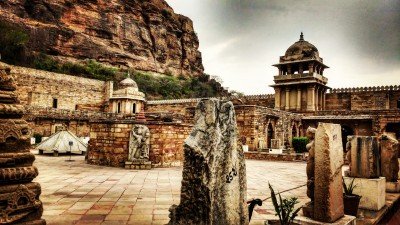
Gujari Mahal Archaeological Museum
Some quick example text to build on the card title and make up the bulk of the card's content.
Go somewhere
Gurudwara Data Bandi Chhod
Some quick example text to build on the card title and make up the bulk of the card's content.
Go somewhere
Gwalior Fort
Some quick example text to build on the card title and make up the bulk of the card's content.
Go somewhere
Gwalior Safari
Some quick example text to build on the card title and make up the bulk of the card's content.
Go somewhere
Gwalior Trade Fair Ground
Some quick example text to build on the card title and make up the bulk of the card's content.
Go somewhere
Hazira Chowk
Some quick example text to build on the card title and make up the bulk of the card's content.
Go somewhere
Jai Vilas Palace & Museum
Some quick example text to build on the card title and make up the bulk of the card's content.
Go somewhere
Jiyaji Chowk Bazaar
Some quick example text to build on the card title and make up the bulk of the card's content.
Go somewhere
Ladhedi Gate
Some quick example text to build on the card title and make up the bulk of the card's content.
Go somewhere
Lashkar City Area
Some quick example text to build on the card title and make up the bulk of the card's content.
Go somewherein Other Cities