
Mohammed Ghaus Tomb
General information
-
Ideal Duration:
45 minutes to 1 hourPlace Type:
Mausoleum/Tomb/Spiritual SiteEntry Fees:
Entry Fee for Tomb: The Tomb of Mohammed Ghaus complex (which also includes Tansen's Tomb) is generally managed by the Archaeological Survey of India (ASI) and is an Open-Access site. There is No Entry Fee to visit the complex, making it completely Free for all visitors (In...Entry Fee for Tomb: The Tomb of Mohammed Ghaus complex (which also includes Tansen's Tomb) is generally managed by the Archaeological Survey of India (ASI) and is an Open-Access site. There is No Entry Fee to visit the complex, making it completely Free for all visitors (Indian and Foreign).
Access and Charges: The complex is easily accessible in the Hazira area of the city. There are no parking charges or additional fees for wandering the gardens or viewing the architecture.
Photography/Videography: There are No Fees for still photography or videography, allowing for ample time to capture the beauty of the Jali work and the historical atmosphere of the site.
Event Fees (Tansen Samaroh): The major exception is the annual Tansen Samaroh music festival in November/December. While many parts of the festival are free, special seating or specific programs might require an entry ticket, which is managed by the State Government's Department of Culture and is announced separately.
Donation: Visitors may choose to make a small voluntary donation at a collection box for the maintenance of the tombs, but this is optional. :Timing:
Regular Timings: The Mohammed Ghaus Tomb complex is an open-air, active spiritual site. It is typically open from Sunrise to Sunset, generally from around 6:00 AM to 6:00 PM, Seven Days a Week. There are no formal gates that close the compound entirely, but activity after ...Regular Timings: The Mohammed Ghaus Tomb complex is an open-air, active spiritual site. It is typically open from Sunrise to Sunset, generally from around 6:00 AM to 6:00 PM, Seven Days a Week. There are no formal gates that close the compound entirely, but activity after dark is not encouraged.
Ideal Visit Time: The single Best Time to Visit is the Early Morning (between 6:00 AM and 9:00 AM). The soft, angled light perfectly accentuates the intricate Jali work, creating dramatic shadows and highlighting the sandstone color. The atmosphere is also most tranquil and spiritual at this time.
Visit during the Tansen Samaroh: For a completely different experience, visiting in November or December during the Tansen Samaroh is ideal, though it will be crowded and focused on musical performances rather than quiet sightseeing.
Seasonal Recommendation: The mild weather of the Winter months (October to March) is most suitable. The heat of the Summer months can make the open courtyard and gardens uncomfortable for long periods. :Special Events:
The Tansen Samaroh (Music Festival): This is the most significant and famous special event. Held annually in late November or early December, the complex, particularly the area near the tombs, becomes the venue for a prestigious, four-day national music festival dedicated t...The Tansen Samaroh (Music Festival): This is the most significant and famous special event. Held annually in late November or early December, the complex, particularly the area near the tombs, becomes the venue for a prestigious, four-day national music festival dedicated to Mian Tansen. The event draws top classical musicians from across India, performing in the open air near their guru’s and mentor’s resting places, a powerful tribute to the Guru-Shishya tradition.
Urs of Mohammed Ghaus: The annual Urs (death anniversary) of Shaikh Muhammad Ghaus is a special religious event, drawing Sufi devotees and pilgrims to the tomb. It involves traditional Sufi rituals, prayers, and sometimes Qawwali performances, maintaining the spiritual sanctity of the site.
Heritage Walks: Local heritage groups often organize specialized 'musical history' or 'Sufi trail' walks, particularly during the cooler winter months. These walks offer an in-depth, scholarly exploration of the complex, highlighting the intertwined legacies of music, spirituality, and Mughal architecture.
A Night of Qawwali: Occasionally, non-annual, special evening concerts of Qawwali (Sufi devotional music) are organized at the tomb complex, a fitting musical tribute to the Sufi saint and a beautiful experience under the stars. :Best Photo Spots:
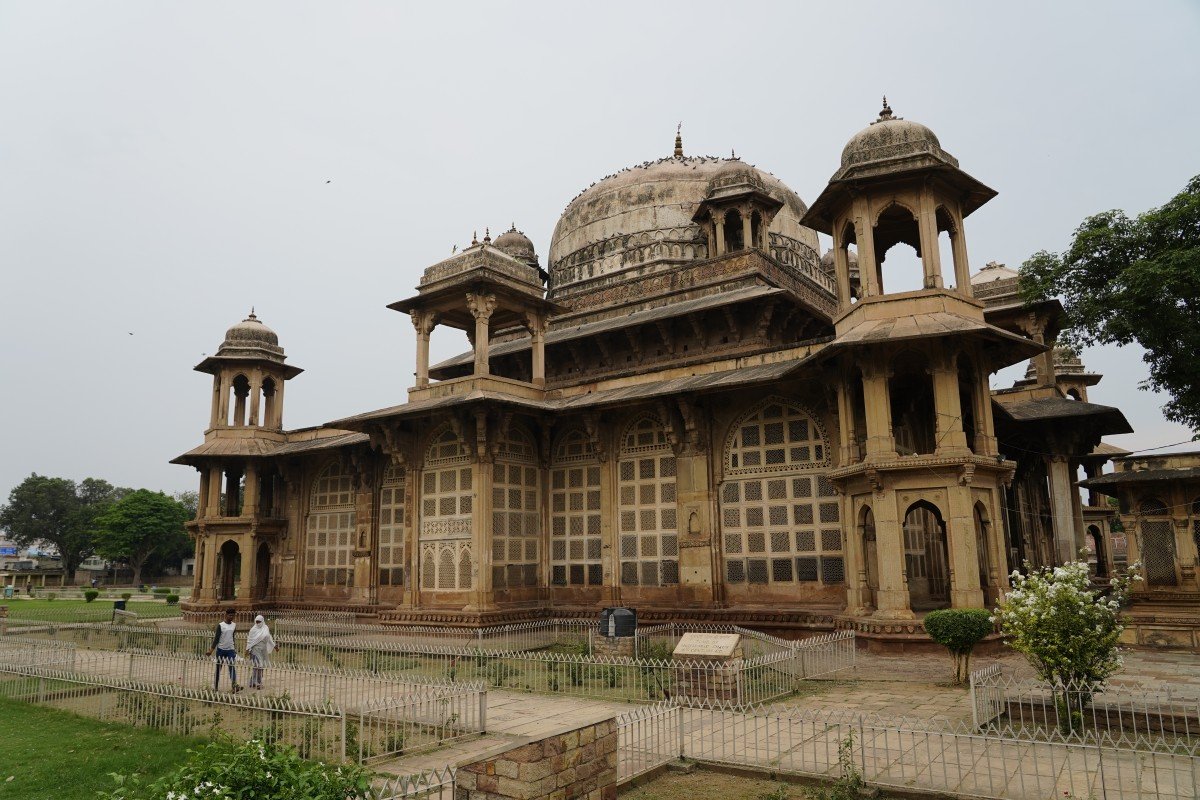
The Central Dome and Hexagonal Towers: The best photo is a wide shot of the tomb, capturing the massive, symmetrical central dome and the four flanking hexagonal towers. Position yourself in the Charbagh garden to use the perfectly aligned pathways to lead the eye to the mo...The Central Dome and Hexagonal Towers: The best photo is a wide shot of the tomb, capturing the massive, symmetrical central dome and the four flanking hexagonal towers. Position yourself in the Charbagh garden to use the perfectly aligned pathways to lead the eye to the monument.
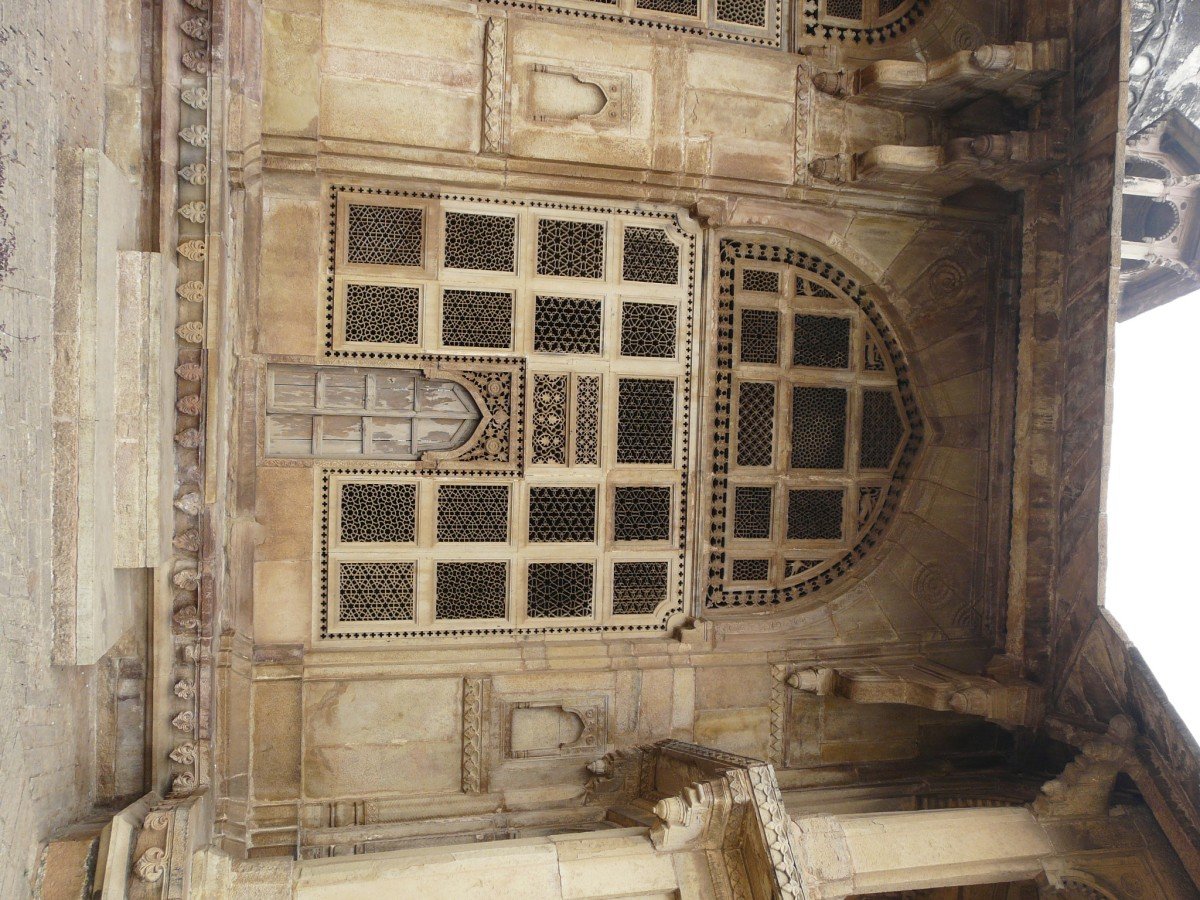
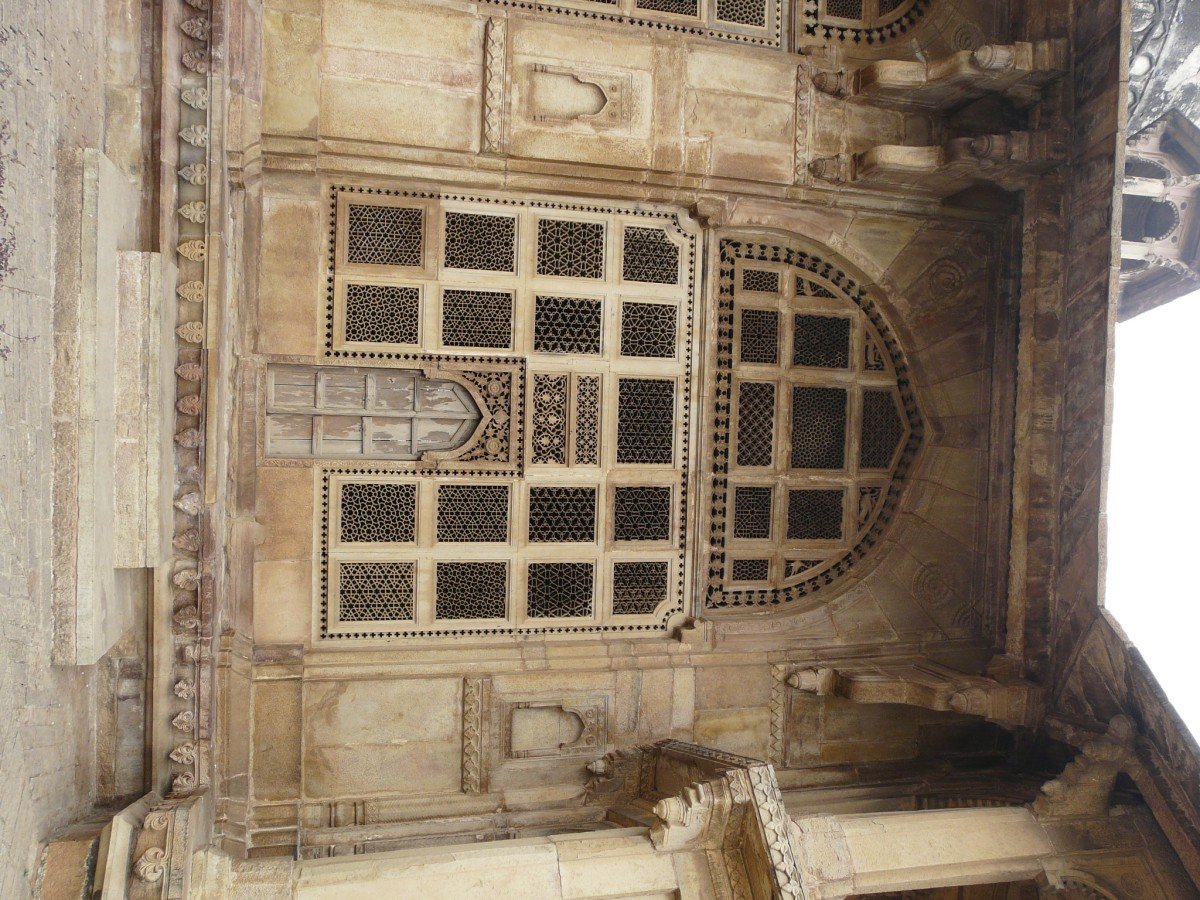
Exquisite Jali Work Close-up: Focus on close-up shots of the pierced stone lattice screens (Jalis). Capture the intricate geometric and floral patterns, emphasizing the delicate, lace-like quality. The best time is mid-morning or late afternoon when the sun creates dramatic patterns of light and shadow on the tomb floor.
Tansen's Tomb and the Tamarind Tree: Photograph Tansen's simple tomb, positioning it to include the larger tomb of Mohammed Ghaus in the background. Frame the shot with the legendary Tamarind Tree (or its descendant) to capture the powerful Guru-Shishya narrative.
Architectural Symmetry from Inside: Stand inside the tomb chamber and look up to capture the geometry of the dome and the arches, using the filtered light from the Jalis to create an ethereal, spiritual atmosphere.
The Charbagh Garden Pathways: Use the formal Mughal garden layout (Charbagh) to create symmetrical, tranquil photos, especially when the gardens are well-maintained, using the green lawns as a foreground for the sandstone monument.
Capturing the Mystical Light: Visit in the early morning for soft light that highlights the tomb's sandstone color and provides a peaceful, mystical glow, perfect for serene, reflective photos. :Photo Gallery
Things To Do
-
Pay Respects at the Tomb: The primary activity is to spend time in quiet reverence at the tomb of the Sufi saint, Mohammed Ghaus. The complex is a spiritual site, and visitors are encouraged to respect the peaceful atmosphere.
Admire the Jali Work: Dedicate a significant amount of time to observing the spectacular pierced stone lattice screens (Jalis) that enclose the veranda. Study the intricate geometric and floral patterns, and watch the captivating play of light and shadow created by the sun filtering through the stone. This is the architectural highlight of the site.
Visit Tansen's Tomb: Walk a few steps to the adjacent, simpler tomb of Mian Tansen. Reflect on the profound Guru-Shishya bond between the saint and the musician. The site is a cultural monument as much as a religious one. <...Pay Respects at the Tomb: The primary activity is to spend time in quiet reverence at the tomb of the Sufi saint, Mohammed Ghaus. The complex is a spiritual site, and visitors are encouraged to respect the peaceful atmosphere.
Admire the Jali Work: Dedicate a significant amount of time to observing the spectacular pierced stone lattice screens (Jalis) that enclose the veranda. Study the intricate geometric and floral patterns, and watch the captivating play of light and shadow created by the sun filtering through the stone. This is the architectural highlight of the site.
Visit Tansen's Tomb: Walk a few steps to the adjacent, simpler tomb of Mian Tansen. Reflect on the profound Guru-Shishya bond between the saint and the musician. The site is a cultural monument as much as a religious one.
Search for the Tamarind Tree: Seek out the legendary Tamarind Tree (or its descendant seedling) near Tansen's grave. Though the original is gone, the spot remains a symbol of musical legacy and folklore.
Attend the Tansen Samaroh: If visiting in November or December, try to attend the annual Tansen Samaroh (Music Festival) held at the complex. This is the ultimate cultural experience, hearing the best of Indian classical music where its greatest exponent is buried.
Photography and Architectural Detail: The symmetry of the Mughal tomb and the delicate Jali work make it a superb subject for architectural photography. Capture the large central dome and the smaller hexagonal chhatris (domes).
Relax in the Charbagh Garden: The tomb is set within a traditional Charbagh (four-part Mughal garden). Spend time relaxing in the tranquil gardens, a perfect contrast to the city's bustle. :
Information
-
Why Famous:
Spiritual Nexus of Music: The tomb is supremely famous as the resting place of Mohammad Ghaus, the revered Sufi saint, and as the sacred site adjacent to the tomb of his most famous disciple, Mian Tansen. This proximity symbolizes the profound Guru-Shishya Parampara (teache...Spiritual Nexus of Music: The tomb is supremely famous as the resting place of Mohammad Ghaus, the revered Sufi saint, and as the sacred site adjacent to the tomb of his most famous disciple, Mian Tansen. This proximity symbolizes the profound Guru-Shishya Parampara (teacher-disciple tradition) in Indian culture and links the site eternally to the history of Hindustani classical music.
Mughal Jali Work: The monument is architecturally famous for its exquisite, intricate Jali (pierced stone lattice screens) work. The delicate, lace-like patterns carved into the sandstone are considered a masterpiece of early Mughal craftsmanship, creating a serene and beautifully lit interior space.
Tansen Samaroh Venue: The entire complex is the traditional and spiritual venue for the annual Tansen Samaroh (Tansen Music Festival) in November/December, drawing classical musicians and aficionados from across the globe, cementing its fame as a vital cultural hub. : -
Architecture:
Mughal Style and Jali Work: The tomb is an outstanding example of early Mughal architecture from the 16th century, built during the reign of Emperor Akbar. It follows a distinct square plan with a large central dome, influenced by the Pathan style, and is surrounded by four...Mughal Style and Jali Work: The tomb is an outstanding example of early Mughal architecture from the 16th century, built during the reign of Emperor Akbar. It follows a distinct square plan with a large central dome, influenced by the Pathan style, and is surrounded by four hexagonal corner towers, each topped with smaller domes (chhatris).
Dimension and Layout: The mausoleum rests on a high platform. The central tomb chamber is a large square room. The most striking architectural feature is the expansive use of Jali (pierced stone lattice screens) work. These intricate screens enclose the veranda and are carved from yellowish-grey sandstone, exhibiting complex geometric and floral patterns that create a captivating play of light and shadow inside the structure.
Material and Ornamentation: While the central dome was originally covered with vibrant blue glazed tiles, much of this has faded or fallen away over time. The rest of the structure is built of locally sourced stone, highlighting the fusion of local building materials with the evolving, sophisticated aesthetic of the Mughal Imperial style. : -
How To Reach:
By Air: Gwalior Airport (GWL) is located about 10-12 KMS from the Hazira area where the tomb is situated. Travelers arriving by air can hire a pre-paid taxi or a ride-share service at the terminal. The drive to the tomb complex will take approximately 30 minutes.
<...By Air: Gwalior Airport (GWL) is located about 10-12 KMS from the Hazira area where the tomb is situated. Travelers arriving by air can hire a pre-paid taxi or a ride-share service at the terminal. The drive to the tomb complex will take approximately 30 minutes.
By Train: Gwalior Junction Railway Station (GWL) is the main rail head, located very close to the tomb complex, approximately 4-5 KMS away. The tomb is in the well-known Hazira locality, which is a major junction. This proximity makes it very easy to reach the tomb by a short, 15-20 minute ride from the station.
By Road (Bus/Car): The tomb is situated on the road leading from the railway station towards the Gwalior Fort (Kila Gate area), making it highly accessible by road. The tomb's location in Hazira is a major city landmark. Buses are available, but a private car or taxi is more convenient for a direct drop-off.
By Local Transport (Auto/Taxi): The tomb complex is a very well-known landmark, easily identifiable as the location of Tansen's Tomb and the annual Tansen Samaroh. Auto-rickshaws and taxis can drop you directly at the gate of the complex. The fare will be nominal due to its proximity to the city center and railway station. It is a highly accessible and easy monument to find. : -
Weather and Best Time to Visit:
Winter Season (October to March): This is the Best Time to Visit due to the perfect weather conditions—cool, dry, and mild temperatures (averaging 15°C to 25°C). This season is also the time of the annual Tansen Samaroh (Music Festival), making it the prime cultural per...Winter Season (October to March): This is the Best Time to Visit due to the perfect weather conditions—cool, dry, and mild temperatures (averaging 15°C to 25°C). This season is also the time of the annual Tansen Samaroh (Music Festival), making it the prime cultural period.
Summer Season (April to June): Summer is very hot, with high temperatures making the open courtyard and gardens uncomfortable for extended periods. Visits must be strictly limited to the very early morning.
Monsoon Season (July to September): The Monsoon season is moderately good. The rain can enhance the greenery of the Charbagh garden and make the sandstone appear richer. However, humidity can be high. Early Morning (Sunrise to 9:00 AM) The Best Part of the Day to visit. The soft, eastern light dramatically highlights the exquisite Jali work, creating the most beautiful photographic and spiritual atmosphere in the peaceful quiet of the morning. Late Afternoon (4:00 PM to 6:00 PM) A great time for a leisurely visit. The setting sun casts a warm, golden glow on the sandstone, and the crowds begin to thin out, allowing for a more serene experience near sunset. : -
Near Tourist Places:
Nearby Places for Mohammed Ghaus Tomb: Tansen's Tomb (Adjacent, 0. 1 KMS), Gwalior Fort (Main Gate, 2. 0 KMS), Sarod Ghar (Museum of Music) (4. 5 KMS), Gujari Mahal Archaeological Museum (4. 0 KMS), Jai Vilas Palace and Museum (5. 5 KMS), Ladhedi Gate (1. 5 KMS), Gopachal Parvat (Jain Sculptures, 2. 5 KMS), Sun Temple (Surya Mandir) (10. 0 KMS), Chhatris of Scindia Dynasty (5. 0 KMS), Maharaj Bada (City Center, 4. 0 KMS). :
Tourism Tips
-
Health & Safety: The tomb complex is a peaceful, open spiritual space. The main safety concern is heat stroke in the Summer, as the courtyard is open to the sun. The floor can be uneven, so watch your step. As a holy site, remove your shoes before entering the main mausol...Health & Safety: The tomb complex is a peaceful, open spiritual space. The main safety concern is heat stroke in the Summer, as the courtyard is open to the sun. The floor can be uneven, so watch your step. As a holy site, remove your shoes before entering the main mausoleum chamber.
Packing Essentials: Carry water, sunscreen, and a hat. Since shoes must be removed, it is wise to carry an extra pair of socks or a small towel, as the stone floor can get very hot in the sun. Dress conservatively, covering shoulders and knees, out of respect for the religious site (Sufi tomb).
Accommodation: Stay in the city center or near the railway station. The Hazira area is close to other attractions, but accommodation options are mostly local guesthouses.
Etiquette at the Tomb: Maintain quiet and solemnity inside the mausoleum chamber and the garden. Photography is generally allowed, but be respectful and avoid using a flash on the graves. If visiting during the Urs or Tansen Samaroh, prepare for dense crowds and high security.
Local Transport: The tomb complex is near the Tansen statue and is a well-known landmark, making local transport easy. It is highly recommended to combine this visit with the Gwalior Fort and Sarod Ghar due to their geographical and historical proximity.
Food and Refreshments: Very few commercial stalls are available near the tomb. Plan to eat before or after your visit in the main city area. :
Reviews
FAQs
Gwalior Itineray And Cost:-
Mohammed Ghaus Tomb Tourism:-
Other Places In Gwalior :-
Other States In India :-
Information about New and Updated Locations() of Madhya Pradesh Has Been Added :-
Card subtitle
Note:-
Information provided here in good Faith and for reference only.
Near Places

Assi Khamba Ki Bawadi
Some quick example text to build on the card title and make up the bulk of the card's content.
Go somewhere
Bhadawana Waterfall
Some quick example text to build on the card title and make up the bulk of the card's content.
Go somewhere
Captain Roop Singh Stadium
Some quick example text to build on the card title and make up the bulk of the card's content.
Go somewhere
Durbar Hall
Some quick example text to build on the card title and make up the bulk of the card's content.
Go somewhere
Gopachal Parvat
Some quick example text to build on the card title and make up the bulk of the card's content.
Go somewhere
Gopachal Parvat Jain Sculptures
Some quick example text to build on the card title and make up the bulk of the card's content.
Go somewhere
Gujari Mahal Archaeological Museum
Some quick example text to build on the card title and make up the bulk of the card's content.
Go somewhere
Gurudwara Data Bandi Chhod
Some quick example text to build on the card title and make up the bulk of the card's content.
Go somewhere
Gwalior Fort
Some quick example text to build on the card title and make up the bulk of the card's content.
Go somewhere
Gwalior Safari
Some quick example text to build on the card title and make up the bulk of the card's content.
Go somewhere
Gwalior Trade Fair Ground
Some quick example text to build on the card title and make up the bulk of the card's content.
Go somewhere
Hazira Chowk
Some quick example text to build on the card title and make up the bulk of the card's content.
Go somewhere
Jai Vilas Palace & Museum
Some quick example text to build on the card title and make up the bulk of the card's content.
Go somewhere
Jiyaji Chowk Bazaar
Some quick example text to build on the card title and make up the bulk of the card's content.
Go somewhere
Ladhedi Gate
Some quick example text to build on the card title and make up the bulk of the card's content.
Go somewhere
Lashkar City Area
Some quick example text to build on the card title and make up the bulk of the card's content.
Go somewherein Other Cities