

Sithole Ghati
General information
-
Ideal Duration:
30 minutes (as part of the fort climb/tour)Place Type:
Historical Gateway/Pass/Rock-Cut Sculpture SiteEntry Fees:
Gateway Entry Fee: The Sithole Ghati itself is a historical path/road and does Not have a separate entry fee. It is part of the general fort complex's access.
Fort Entry Fee: Visitors using the Ghati to ascend to the fort must pay the Gwali...Gateway Entry Fee: The Sithole Ghati itself is a historical path/road and does Not have a separate entry fee. It is part of the general fort complex's access.
Fort Entry Fee: Visitors using the Ghati to ascend to the fort must pay the Gwalior Fort's common entry ticket at the main counter (approx. INR 75 for Indian Nationals and INR 250 for Foreign Tourists). This ticket covers all monuments once inside the fort.
Jain Sculpture Fee: There is No Separate Fee to view the colossal Jain rock-cut sculptures that line the path. They are an open, historical feature of the Ghati.
Parking/Driving Fee: If driving a private vehicle up the Ghati/Fort Road (which is usually possible up to a certain point), there will be a separate, small charge for the vehicle's entry/parking, which is distinct from the per-person entry fee.
Accessibility: The access to the Ghati is unrestricted, and the experience of viewing the rock-cut art is essentially free once the main fort entry is paid, making it a highly accessible cultural site. :Timing:
Regular Timings: The Sithole Ghati is an open road/pass to the Gwalior Fort. It is typically Accessible 24 Hours a Day (for pedestrian traffic), but the main fort gate and ticket counter at the top/end of the Ghati operate from approximately 6:00 AM to 5:30 PM. Vehicle tra...Regular Timings: The Sithole Ghati is an open road/pass to the Gwalior Fort. It is typically Accessible 24 Hours a Day (for pedestrian traffic), but the main fort gate and ticket counter at the top/end of the Ghati operate from approximately 6:00 AM to 5:30 PM. Vehicle traffic may be restricted outside these hours.
Ideal Visit Time: The single Best Time to Visit is the Early Morning (Sunrise). The eastern light illuminates the colossal Jain rock-cut sculptures that line the path, bringing out their detail and scale dramatically. The air is also much cooler for the ascent.
Photography Highlight: The light is excellent for landscape and architectural photography during the Golden Hour (just after sunrise or before sunset).
Avoid Midday Ascent: Avoid the steep climb/drive during the harsh midday sun (11 AM to 4 PM), especially in Summer, as the stone walls reflect a high amount of heat.
Seasonal Recommendation: October to March provides the most comfortable conditions for the physical ascent and viewing of the open-air carvings. :Special Events:
Gwalior Fort Festivals: The Sithole Ghati, as the main historical access point, is integral to any large-scale festival held at the fort, such as the Gwalior Carnival or historical reenactments. Any event that uses the fort as its venue naturally passes through or highlight...Gwalior Fort Festivals: The Sithole Ghati, as the main historical access point, is integral to any large-scale festival held at the fort, such as the Gwalior Carnival or historical reenactments. Any event that uses the fort as its venue naturally passes through or highlights this gateway.
Jain Pilgrimage Days: The presence of the colossal Jain rock-cut sculptures means that the Ghati becomes a site of increased religious activity during major Jain holy days (Parv), where pilgrims will ascend to pay respects to the Tirthankaras.
Heritage Photography Workshops: The Ghati's unique vantage points and the monumental Jain sculptures make it a frequent location for photography workshops and heritage drawing camps, often organized in the cool months to capture the fort and city views.
Historical Reenactments: Given its military and strategic role, the Ghati is sometimes used as the setting for historical reenactments of famous battles or sieges of the Gwalior Fort, providing a dramatic and authentic backdrop for the events. :Best Photo Spots:
The Colossal Jain Sculptures: The absolute best photo spot is capturing the scale of the massive Jain Tirthankar rock-cut sculptures that line the path, especially the enormous statue of Lord Adinath. Use a person in the frame to emphasize the monumental size of the carving...The Colossal Jain Sculptures: The absolute best photo spot is capturing the scale of the massive Jain Tirthankar rock-cut sculptures that line the path, especially the enormous statue of Lord Adinath. Use a person in the frame to emphasize the monumental size of the carvings.
Winding Road Perspective: Stand at a vantage point to capture the winding, steep ascent of the Ghati itself, emphasizing the strategic challenge and the defensive engineering of the pass. This is an excellent shot for conveying movement and scale.
Framing the City: Use the rugged, carved rock faces and the defensive stone walls of the Ghati as a natural frame for a distant view of the Gwalior city and the surrounding plain, emphasizing the elevation of the fort.
Close-ups of the Carvings: Take detailed close-up shots of the surviving facial features and hand gestures (Mudras) of the Tirthankara statues, highlighting the artistic detail of the 15th-century rock-cut technique.
The Gateway Arch: Capture the simple, functional stone archway that marks the pass itself, using its rough-hewn texture to contrast with the smooth stone of the fort's main monuments.
Sunset at the Pass: The dramatic lighting of the late afternoon can cast long shadows across the rock-cut sculptures, creating a spectacular effect that emphasizes their three-dimensional nature against the cliff face. :Photo Gallery
Things To Do
-
Climb/Drive the Historic Pass: The main activity is the journey itself. Either drive or climb the winding road of the Sithole Ghati to appreciate its strategic military significance. Feel the scale of the fortification it protects.
View the Jain Rock-Cut Sculptures: The highlight of the Ghati is the series of colossal Jain rock-cut sculptures, or 'Jain Tirthankar ki Pratima', that line the cliff face. Spend time admiring their scale and the detail of the carvings, particularly the massive statue of Lord Adinath.
Photography of the Panorama: Stop at the various vantage points along the Ghati's ascent/descent to capture panoramic photos of the city below. The views are spectacular, especially during the early morning or late afternoon.
Examine the Defensive Walls:<...Climb/Drive the Historic Pass: The main activity is the journey itself. Either drive or climb the winding road of the Sithole Ghati to appreciate its strategic military significance. Feel the scale of the fortification it protects.
View the Jain Rock-Cut Sculptures: The highlight of the Ghati is the series of colossal Jain rock-cut sculptures, or 'Jain Tirthankar ki Pratima', that line the cliff face. Spend time admiring their scale and the detail of the carvings, particularly the massive statue of Lord Adinath.
Photography of the Panorama: Stop at the various vantage points along the Ghati's ascent/descent to capture panoramic photos of the city below. The views are spectacular, especially during the early morning or late afternoon.
Examine the Defensive Walls: Study the massive stone defensive walls and buttresses that line the Ghati, remnants of the fort's elaborate security system. Look for the ancient stone cisterns and any remaining gate hinges.
Connect to the Fort History: Use the Ghati as a physical transition from the modern city to the ancient fortress. It is the original, hard-won path, providing context for the battles and sieges the fort endured.
Combine with other Fort Gates: If time permits, compare the Sithole Ghati with other fort entrances like the Hathiyapaur Gate or the Badalgarh Gate to understand the different architectural and defensive strategies used throughout the fort complex. :
Information
-
Why Famous:
The Path of the Jain Tirthankaras: Sithole Ghati is famous as the historical ascent to the fort that showcases the magnificent Jain rock-cut sculptures. These colossal carvings, dating to the Tomar period, are a profound display of religious devotion and artistic scale, wit...The Path of the Jain Tirthankaras: Sithole Ghati is famous as the historical ascent to the fort that showcases the magnificent Jain rock-cut sculptures. These colossal carvings, dating to the Tomar period, are a profound display of religious devotion and artistic scale, with the immense Lord Adinath carving being a spectacular landmark.
Strategic Fort Access: Historically, it was a vital, defensible pass (Ghati) that controlled movement into the fort complex, essential for military strategy. Its steep, winding nature is a testament to the defensive planning of the fort builders, making the journey up a walk through military history.
Panoramic Views: The elevation and the winding road of the Ghati offer some of the best panoramic, sweeping views of the entire Gwalior city below and the vast plains beyond, making it a favorite vantage point for visitors and a stunning introduction to the fort complex. : -
Architecture:
Functionality and Strategic Design: The Sithole Ghati is less a decorative structure and more a piece of historical military engineering. It is a steep, winding ascent carved into the hillside of the fort plateau, protected by high, sheer rock faces and flanking walls. The...Functionality and Strategic Design: The Sithole Ghati is less a decorative structure and more a piece of historical military engineering. It is a steep, winding ascent carved into the hillside of the fort plateau, protected by high, sheer rock faces and flanking walls. The road or path itself is a functional design feature meant to slow down and expose invaders to defenders on the walls above.
Rock-Cut Sculpture: The key architectural feature nearby is the series of colossal Jain rock-cut sculptures, or 'Jain Tirthankar ki Pratima', which line the cliff face along the path. These figures, dating back to the Tomar period (15th century), are carved in high relief and represent Jain Tirthankaras. This combination of military/strategic design with religious sculpture makes the pathway unique. The largest statue is a massive carving of Lord Adinath, over 50 feet high. The gate's physical dimensions are dictated by the narrowness of the pass. : -
How To Reach:
By Air: Gwalior Airport (GWL) is approximately 10-12 KMS from the base of the fort. Visitors can hire a taxi or cab. The Ghati is the ascent path to the top. The drive to the base of the Ghati takes about 30 minutes.
By Train: Gwalior Jun...By Air: Gwalior Airport (GWL) is approximately 10-12 KMS from the base of the fort. Visitors can hire a taxi or cab. The Ghati is the ascent path to the top. The drive to the base of the Ghati takes about 30 minutes.
By Train: Gwalior Junction Railway Station (GWL) is about 4-5 KMS away. An auto-rickshaw or taxi can take you to the base of the fort, near the Hazira area, which is the starting point of the Ghati/climb. The journey takes about 15-20 minutes.
By Road (Bus/Car): The Ghati is the main motorable road up the fort. Drivers can follow GPS directions to the Gwalior Fort road. A small fee is charged for the vehicle to drive up the steep pass. The path is narrow and requires cautious driving.
By Local Transport (Auto/Taxi): Auto-rickshaws and taxis can be hired to take you to the top of the fort via the Ghati road. Alternatively, you can take an auto to the base and then walk up the historical path (Sithole Ghati) to experience the monument and the colossal Jain sculptures along the way. Local shared cabs also run up and down the fort road. : -
Weather and Best Time to Visit:
Winter Season (October to March): This is the Best Time to Visit. The cool, dry weather is perfect for the steep walk or drive up the pass. The air is clear, offering the best panoramic views of the city. This season is also ideal for photography.
Read MoreWinter Season (October to March): This is the Best Time to Visit. The cool, dry weather is perfect for the steep walk or drive up the pass. The air is clear, offering the best panoramic views of the city. This season is also ideal for photography.
Summer Season (April to June): Summer is the Worst Time to Visit. The ascent is extremely difficult due to the exposed, sun-drenched stone path, with temperatures soaring. The rock-cut sculptures also reflect the intense heat, making the experience unpleasant.
Monsoon Season (July to September): Monsoon is picturesque but risky. The path can become slippery, and sudden landslides/rock falls are a minor risk. However, the washed stone and the green fort hill are stunning to view. Early Morning (Sunrise to 9:00 AM) The Best Part of the Day to visit. The rising sun dramatically lights up the colossal Jain sculptures along the path, which face east. The temperature is also the coolest, making the walk most comfortable. Late Afternoon (4:
00 PM to Sunset): A good time to descend, catching the golden hour light on the carvings and the warm glow on the city below. :Near Tourist Places:
Nearby Places for Sithole Ghati (Gateway): Gopachal Parvat (Jain Sculptures, Along the path), Gwalior Fort Gate (0. 5 KMS up), Tomb of Mohammed Ghaus (2. 5 KMS, at base), Tansen's Tomb (2. 5 KMS, at base), Man Mandir Palace (1. 0 KMS up), Saas-Bahu Temples (1. 2 KMS up), Teli Ka Mandir (1. 5 KMS up), Gujari Mahal Archaeological Museum (3. 0 KMS, outside Fort), Jai Vilas Palace and Museum (5. 0 KMS), Ladhedi Gate (4. 0 KMS). :Tourism Tips
-
Health & Safety: This is a steep, sometimes winding, road/path. If walking, wear hiking-grade or very sturdy walking shoes. Watch for vehicles if walking on the motorable road. Do not try to climb onto the Jain sculptures. Carry ample water, as the climb can be exhaustin...Health & Safety: This is a steep, sometimes winding, road/path. If walking, wear hiking-grade or very sturdy walking shoes. Watch for vehicles if walking on the motorable road. Do not try to climb onto the Jain sculptures. Carry ample water, as the climb can be exhausting, especially in the heat.
Packing Essentials: Sun protection (hat, sunglasses, sunscreen) is crucial, as the path is completely exposed. A good camera with a wide-angle lens is perfect for capturing the scale of the Jain carvings and the panoramic city views.
Accommodation: Stay in the central city area. The base of the Ghati in Hazira is mostly local.
Physical Fitness: Be prepared for a significant physical effort if you choose to walk the entire path. If driving, be cautious on the steep, sometimes narrow turns.
Best Time to View Carvings: Plan your ascent or descent to be in the Early Morning to take full advantage of the sunlight illuminating the rock-cut Jain figures, which are the highlight of the path.
Local Transport: If hiring an auto-rickshaw to take you to the top, ensure the driver is comfortable driving the steep Ghati road. :
Reviews
FAQs
Gwalior Itineray And Cost:-
Other Places In Gwalior :-
Other States In India :-
Information about New and Updated Locations() of Madhya Pradesh Has Been Added :-
Card subtitle
Note:-
Information provided here in good Faith and for reference only.
Near Places

Assi Khamba Ki Bawadi
Some quick example text to build on the card title and make up the bulk of the card's content.
Go somewhere
Bhadawana Waterfall
Some quick example text to build on the card title and make up the bulk of the card's content.
Go somewhere
Captain Roop Singh Stadium
Some quick example text to build on the card title and make up the bulk of the card's content.
Go somewhere
Durbar Hall
Some quick example text to build on the card title and make up the bulk of the card's content.
Go somewhere
Gopachal Parvat
Some quick example text to build on the card title and make up the bulk of the card's content.
Go somewhere
Gopachal Parvat Jain Sculptures
Some quick example text to build on the card title and make up the bulk of the card's content.
Go somewhere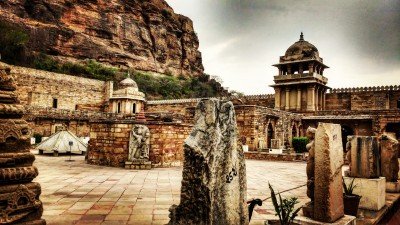
Gujari Mahal Archaeological Museum
Some quick example text to build on the card title and make up the bulk of the card's content.
Go somewhere
Gurudwara Data Bandi Chhod
Some quick example text to build on the card title and make up the bulk of the card's content.
Go somewhere
Gwalior Fort
Some quick example text to build on the card title and make up the bulk of the card's content.
Go somewhere
Gwalior Safari
Some quick example text to build on the card title and make up the bulk of the card's content.
Go somewhere
Gwalior Trade Fair Ground
Some quick example text to build on the card title and make up the bulk of the card's content.
Go somewhere
Hazira Chowk
Some quick example text to build on the card title and make up the bulk of the card's content.
Go somewhere
Jai Vilas Palace & Museum
Some quick example text to build on the card title and make up the bulk of the card's content.
Go somewhere
Jiyaji Chowk Bazaar
Some quick example text to build on the card title and make up the bulk of the card's content.
Go somewhere
Ladhedi Gate
Some quick example text to build on the card title and make up the bulk of the card's content.
Go somewhere
Lashkar City Area
Some quick example text to build on the card title and make up the bulk of the card's content.
Go somewherein Other Cities