...

Place To Visit And Things To Do In Kolhapur

Maharashtra, India
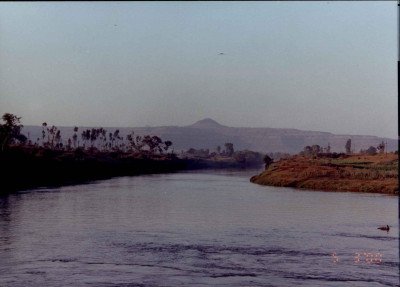
Historical Significance: Kolhapur is an ancient city located on the banks of the Panchganga River. It has a rich history dating back to the Satavahana era. The city is world-famous for its unique culture and traditions. It serves as a major spiritual hub for devotees of Goddess Mahalakshmi. The roya l heritage of the Bhosale clan is still visible in the city's lifestyle and governance. Visitors can experience a blend of spirituality, history, and vibrant local life in every corner of this historic town. Social Life: The people of Kolhapur are known for their hospitality and love for wrestling. The city houses many Talims where traditional wrestling is practiced daily. It is also a major center for the Marathi film industry, often called the Chitrashala. Local festivals like Navratri and Vijayadashami are celebrated with immense grandness and energy. The cuisine of Kolhapur, especially the spicy Tamba and Pandhra Rassa, is a treat for food lovers. It is a city that perfectly balances its glorious past with modern development. Natural Beauty: Surrounded by the Sahyadri mountain ranges, the city offers beautiful landscapes and lakes. Rankala Lake is a prime example of scenic beauty within the city limits. The nearby Panhala Fort provides a panoramic view of the lush green valleys. The monsoon season turns the entire region into a verdant paradise with several waterfalls nearby. Nature enthusiasts can enjoy peaceful walks and bird watching around the water bodies. The city's environment is a refreshing mix of urban bustle and natural serenity. Economic Growth: Kolhapur is a thriving industrial and agricultural hub in Western Maharashtra. It is globally recognized for the manufacture of Kolhapuri Chappals, which are handcrafted leather sandals. The region is also famous for its high-quality Jaggery and sugar production. Many textile industries and engineering units contribute significantly to the state's economy. The city's markets, like Mahadwar Road, are always buzzing with trade and commerce. It remains a key destination for business travelers and tourists alike.

Things To Do

Card image cap
Amber Khana

@@The Historical Legacy of Amber Khana: Located within the massive Panhala Fort, the Amber Khana (or Ambar Khana) is a set of three enormous granaries...
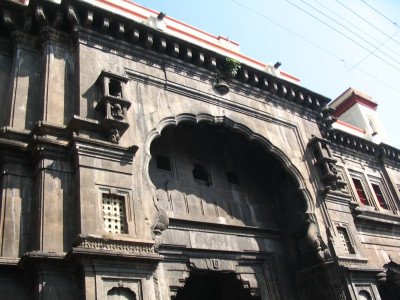
@@The Historical Legacy of Amber Khana: Located within the massive Panhala Fort, the Amber Khana (or Ambar Khana) is a set of three enormous granaries named Ganga, Yamuna, and Saraswati. Built by the Bijapur Sultanate and later used extensively by Chhatrapati Shivaji Maharaj, these structures played a vital role during long sieges, such as the one by Siddhi Johar in 1660. The granaries were designed to store thousands of tons of food grains, ensuring the fort's inhabitants never faced starvation while fighting. Walking through these cool, stone chambers allows visitors to appreciate the foresight of medieval military planners. Today, it stands as a robust symbol of the Maratha Empire’s strategic self-sufficiency. @@The Strategic Significance: The Amber Khana was the heartbeat of the fort’s defense mechanism. During wartime, the ability to store grain for months was the difference between victory and surrender. Shivaji Maharaj spent a significant amount of time at Panhala, and these granaries were crucial during his famous escape. The structures have survived centuries of weather and warfare, remaining largely intact. Visitors often feel a sense of awe at the sheer scale of the storage capacity. The site provides a deep educational insight into how ancient citadels managed logistics. It is a must-visit for anyone interested in the military history of Maharashtra.
Card image cap
Bhavani Mandap

@@History and Royal Significance: Bhavani Mandap is a historic palace and court of the Chhatrapati Maharaja of Kolhapur, mainly constructed between 17...

@@History and Royal Significance: Bhavani Mandap is a historic palace and court of the Chhatrapati Maharaja of Kolhapur, mainly constructed between 1785 and 1800 by Shivaji Maharaj II. It served as the central hub of administration, where the King would conduct important meetings, hold his royal court, and celebrate major festivals. It is a powerful symbol of the Maratha heritage and the administrative heart of the former princely state. The structure once comprised 14 squares, but after a major fire caused by an invasion in 1813, only seven survived and were repaired. Today, it beautifully blends its administrative history with its religious importance. It houses the sacred shrine of Goddess Tulja Bhavani, the tutelary deity of the Maratha empire, making it a place of both historical study and deep spiritual devotion. The presence of the preserved stuffed animals, particularly a tiger hunted by Chhatrapati Shahu Maharaj, adds a unique element, showcasing the royal family’s traditions. The proximity to the famous Mahalaxmi Temple positions it as an essential stop on the pilgrimage and cultural circuit of Kolhapur. It offers a tangible link to the lifestyle and governance of the Maratha royal lineage. Visitors often feel a strong sense of pride and historical connection while exploring its halls.
Card image cap
Binkhambi Ganesh Mandir

@@Temple's Unique Origin and Name: The Binkhambi Ganesh Mandir is a unique and ancient Hindu temple dedicated to Lord Ganesha (Ganapati). It is famous...

@@Temple's Unique Origin and Name: The Binkhambi Ganesh Mandir is a unique and ancient Hindu temple dedicated to Lord Ganesha (Ganapati). It is famous for its name, Binkhambi, which literally translates to "without pillar," because the main sanctum (garbhagriha) of the temple is constructed in a way that its roof is supported without any internal pillars. This remarkable architectural feat, built in 1882, is a major point of interest for both devotees and architectural enthusiasts. The idol of Lord Ganesha is believed to be much older than the temple structure itself, reportedly discovered while a well was being repaired in the area. This adds a layer of mystical antiquity to the modern structure. Situated right in the middle of a bustling market, the temple provides a spiritual sanctuary amidst the commercial heart of Kolhapur. It is also locally known as the Joshirao Ganapati Temple, further cementing its long-standing connection to the local community's history and faith. The temple is a testament to the skill of the artisans who achieved this engineering marvel over a century ago.
Card image cap
Chandra Kant Mandare Art Gallery

The Chandra Kant Mandare Art Gallery, also known as the Chandrakant Mandare Kala Sanghralay, is a unique cultural gem in Kolhapur. It is established i...

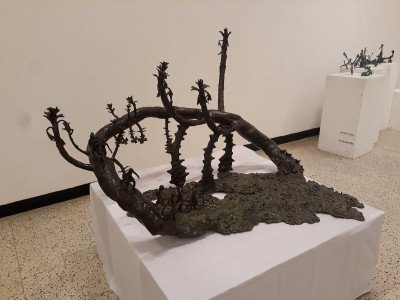
The Chandra Kant Mandare Art Gallery, also known as the Chandrakant Mandare Kala Sanghralay, is a unique cultural gem in Kolhapur. It is established in the former residence of the renowned Marathi film actor and painter, Chandrakant Mandare. The gallery showcases a magnificent collection of his portraits, reflecting his deep love for nature and his exceptional artistic skill. It is a tribute to the legacy of the talented Mandare brothers, Chandrakant and Suryakant, who significantly contributed to the city's art domain. Beyond the captivating portraits, the museum also houses various antique items, providing visitors with a glimpse into a bygone era. Mr. Chandrakant Mandare generously handed over this precious collection and building to the archaeological department, inspired by the ideals of Rajarshi Shahu Maharaj. The gallery serves as an enriching experience, bridging the gap between art, history, and the cultural heritage of Kolhapur. It's more than just a gallery; it's a testament to the confluence of cinema and fine art, making it a compelling stop for tourists and art enthusiasts alike. The quiet setting in Rajarampuri offers a tranquil escape for contemplation of the exquisite artworks. The meticulously curated exhibits ensure that every visit is a journey through the artistic and cultural soul of the region, ensuring that this landmark is a must-visit for anyone seeking a deeper understanding of Kolhapur's creative spirit.
Card image cap
Dajipur Wildlife Sanctuary

@@The Biodiversity Hotspot: Dajipur Wildlife Sanctuary, also known as Radhanagari Wildlife Sanctuary, is a lush expanse nestled in the Western Ghats. ...

@@The Biodiversity Hotspot: Dajipur Wildlife Sanctuary, also known as Radhanagari Wildlife Sanctuary, is a lush expanse nestled in the Western Ghats. It was the first wildlife sanctuary declared in Maharashtra in 1958, originally serving as a private hunting ground for the Maharajas of Kolhapur. The sanctuary is famous for its dense tropical evergreen forests and is a recognized UNESCO World Heritage site due to its ecological importance. It covers a vast area, providing a safe haven for the Indian Bison (Gaur), which is the star attraction here. The sanctuary is also home to leopards, sloth bears, and wild boars. Birdwatchers find this place a paradise with over 260 species of birds fluttering through the canopy. @@Natural Beauty and Conservation: The sanctuary acts as a vital catchment area for the Radhanagari and Kalammawadi dams. This water source supports the entire ecosystem, creating a vibrant landscape of streams and waterfalls during the rainy season. The forest department manages the area strictly to protect the endangered species and their habitats. Educational tours and safaris are organized to raise awareness about wildlife conservation. The silence of the jungle, interrupted only by the calls of birds and the rustle of leaves, offers a soul-stirring experience. It is a perfect retreat for those looking to escape the urban chaos of Kolhapur. The sanctuary remains a critical corridor for wildlife movement across the Sahyadri range.
Card image cap
Dargah of Hazrat Pir Syed Shah Badruddin

@@The Sacred Shrine: The Dargah of Hazrat Pir Syed Shah Badruddin is a highly revered spiritual site located near the Panhala Fort. This shrine is ded...
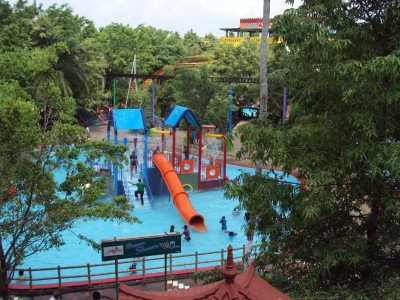
@@The Sacred Shrine: The Dargah of Hazrat Pir Syed Shah Badruddin is a highly revered spiritual site located near the Panhala Fort. This shrine is dedicated to a Sufi saint who is believed to have brought messages of peace and communal harmony to the region centuries ago. The Dargah attracts thousands of devotees from various faiths, embodying the inclusive spirit of India. The atmosphere inside the shrine is one of profound peace and devotion, with the scent of incense and the sound of prayers filling the air. Pilgrims come here to seek blessings for health, prosperity, and spiritual guidance. The Dargah is particularly lively during the annual Urs festival, which celebrates the saint's life. @@Cultural Integration: The presence of a prominent Sufi shrine within a historical Maratha stronghold like Panhala highlights the cultural melting pot of the Deccan. It stands as a testament to the coexistence of different religious traditions over the centuries. Local legends tell stories of the saint's miracles and his role in helping the local population during times of distress. The architecture reflects traditional Islamic styles but fits seamlessly into the rugged landscape of the fort. For visitors, it offers a moment of quiet reflection away from the trekking trails. The Dargah is not just a religious site but a historical landmark that adds a layer of spiritual depth to the Panhala experience. It remains a beacon of hope and faith for the local community and travelers alike.
Card image cap
Dream World Water Park

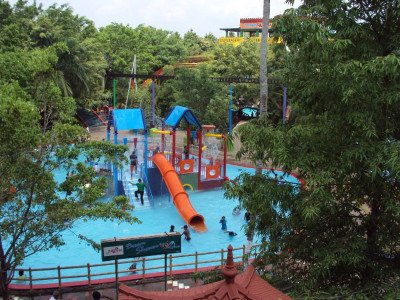
Dream World Water Park is a popular recreational destination near Kolhapur City, offering a fun-filled escape for families and friends. Established in...

Dream World Water Park is a popular recreational destination near Kolhapur City, offering a fun-filled escape for families and friends. Established in the year 2000 and managed by the Shetty – Naidu Group, it has become a go-to spot for an exciting day out. The park is renowned for its diverse array of rides and activities, catering to all age groups, from thrilling speed slides for adrenaline junkies to gentle family rides and specialized play areas for young children. The atmosphere is designed to be entertaining and enjoyable, ensuring cherished memories for all visitors. The park boasts features like dragon rides, body rides, tube rides, and a special kids' play park tailored for the little champions. It is located conveniently on Kasaba Bawda Road, making it accessible from various parts of the city. The entire setup is focused on providing a comprehensive water-based leisure experience, especially during the warmer months. Visitors appreciate the variety of activities that keep the entire family engaged, transforming a simple outing into an adventure. The establishment has garnered a reputation for its commitment to visitor satisfaction and its role as a premier entertainment provider in Kolhapur. The park's presence adds a contemporary touch to the city's traditional attractions, offering a perfect balance for tourists seeking both cultural exploration and modern recreation. The well-maintained premises and focus on safety further enhance the overall positive experience at the Dream World Water Park.
Card image cap
Gaganbawada

@@The Hill Station Charm: Gaganbawada is a scenic hill station situated on the crest of the Western Ghats, overlooking the Konkan region. Known for it...
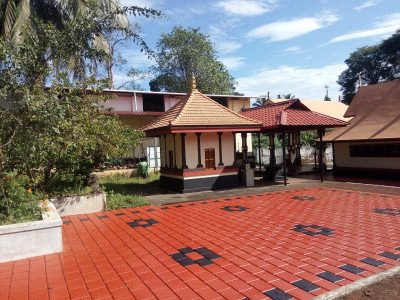
@@The Hill Station Charm: Gaganbawada is a scenic hill station situated on the crest of the Western Ghats, overlooking the Konkan region. Known for its breathtaking panoramic views, it is often referred to as the "Cherrapunji of Maharashtra" due to the heavy rainfall it receives. The town is famous for the Karul Ghat and Bhuibawada Ghat, two winding roads that offer some of the most spectacular drives in the state. It is a place where clouds literally touch the ground, especially during the monsoon season. The landscape is a carpet of lush green forests, hidden waterfalls, and misty peaks. It provides a cool climate throughout the year, making it a popular weekend getaway for people from Kolhapur and Pune. @@Eco-Tourism and Serenity: Unlike many commercialized hill stations, Gaganbawada has maintained its raw, natural beauty. It is an ideal spot for eco-tourism, trekking, and photography. The town is also home to the Gagangad Fort and the Gagangiri Maharaj Ashram, which add a spiritual and historical dimension to the visit. The biodiversity here is rich, with many rare species of flora and fauna found in the surrounding forests. Travelers often come here to find solitude and reconnect with nature. The view from the top of the ghats, where the land drops sharply into the Konkan plains, is a sight that stays in the memory forever. It is truly a hidden jewel in the crown of Kolhapur district.
Card image cap
Katyayani Temple

The Katyayani Temple, nestled amidst the serene beauty of Kolhapur, is an ancient and revered Hindu shrine dedicated to Goddess Katyayani, the sixth f...
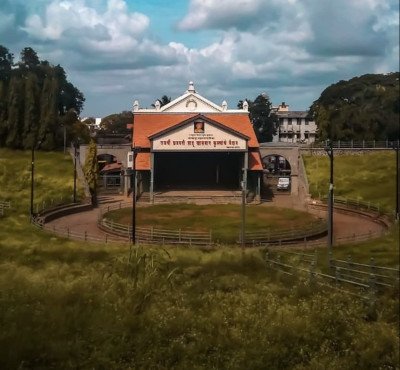
The Katyayani Temple, nestled amidst the serene beauty of Kolhapur, is an ancient and revered Hindu shrine dedicated to Goddess Katyayani, the sixth form of Navadurga. Located in the village of Balinge, this temple is considered a hidden treasure of peace and serenity, attracting devotees and tourists seeking divine intervention and a spiritual environment. According to local belief and ancient texts like the Devi Saptsati, the Goddess here is often described as trinetradhari (three-eyed) and is believed to be a helper to Kolhapur's patron deity, Goddess Mahalakshmi (Ambabai), and also to Bhairava. The temple is intertwined with fascinating mythological tales; one legend suggests that Goddess Katyayani appeared to vanquish the demon Mahishasura, symbolizing the triumph of good over evil. The temple’s origins are said to be linked to the sage Kardam or, as per other accounts, to the great Rishi Katyayan, whose wish for the Goddess to be born as his daughter led to her name. It holds deep religious significance, especially during the nine-day festival of Navratri, when devotees flock to offer prayers for harmony, fertility, and protection. Historically, the temple has been supported and influenced by various dynasties, including the Chalukyas, Yadavas, and Marathas, each leaving their mark on its religious and architectural importance. The serene and lush green surroundings further enhance the spiritual aura, making it an ideal spot for prayer and meditation away from the city's hustle.
Card image cap
Khasbag Maidan

The Khasbag Maidan, officially known as the Rajarshi Shahu Khasbag Wrestling Stadium, is a monumental and historic wrestling arena in Kolhapur. Constr...

The Khasbag Maidan, officially known as the Rajarshi Shahu Khasbag Wrestling Stadium, is a monumental and historic wrestling arena in Kolhapur. Constructed nearly a century ago by Shree Rajarshi Shahu Maharaj, it stands as the largest wrestling stadium in India, boasting an impressive seating capacity of over 30,000 spectators. This heritage site is a living testament to Kolhapur's rich wrestling heritage, known locally as kushti. The stadium's unique design resembles a circular concave bowl or saucer, ensuring that the central wrestling ring, known as the Houd, is clearly visible from every corner of the maidan. This architectural feature highlights the foresight of its builders in promoting the traditional sport. The stadium has witnessed countless small to medium-scale wrestling competitions, hosting renowned wrestlers and satisfying crores of spectators over the years, making it a place of honor for the wrestling community. Special seating arrangements were historically reserved for members of the Kolhapur royal family on the east side of the Houd. While primarily dedicated to kushti, the venue is also used for large-scale cultural events, such as singing programs and shows by cine artists, utilizing a big stage on the east side of the ground. Its proximity to the Old Palace makes it an easily accessible and significant cultural landmark. The ground continues to uphold the tradition of wrestling, a sport that Kolhapur is famously known for, drawing enthusiasts who wish to experience this vibrant part of Maratha culture and history firsthand.
Card image cap
Kopeshwar Temple

@@The Architectural Marvel: The Kopeshwar Temple in Khidrapur is one of the most stunning examples of ancient Indian temple architecture. Dedicated to...

@@The Architectural Marvel: The Kopeshwar Temple in Khidrapur is one of the most stunning examples of ancient Indian temple architecture. Dedicated to Lord Shiva, it was built primarily during the Shilahara and Yadava dynasties between the 11th and 12th centuries. The temple is unique because it contains shrines for both Shiva and Vishnu, which is rare in traditional temple layouts. The most striking feature is the Swarga Mandap, an open-to-the-sky circular hall with 48 intricately carved pillars. Legend says the temple was built to appease Shiva's anger (Kopa) after the death of Sati. Every inch of the black basalt stone is covered with exquisite carvings of gods, goddesses, and celestial dancers. @@A Hidden Historical Treasure: Located on the banks of the Krishna River, the temple remained relatively unknown to the outside world for many years. It is a masterpiece that rivals the famous temples of Hampi or Khajuraho in its detail and craftsmanship. The architecture reflects the transition between various southern and central Indian styles. Despite facing damage during historical invasions, the core structures remain magnificently preserved. Visitors are often mesmerized by the mathematical precision of the circular ceiling in the Swarga Mandap. It is a place where history, mythology, and art converge into a single spiritual experience. The temple serves as a reminder of the glorious artistic heights reached by medieval Indian craftsmen. It is an essential stop for any lover of art and history.
Card image cap
Narsinhwadi Datta Mandir

This holy pilgrimage site is situated at the confluence of the Krishna and Panchganga rivers. It is dedicated to Narsinh Saraswati, who lived here fo...

This holy pilgrimage site is situated at the confluence of the Krishna and Panchganga rivers. It is dedicated to Narsinh Saraswati, who lived here for 12 years and is considered the second incarnation of Lord Dattatreya. The temple is unique because there is no idol, but instead, the Swayambhu Padukas (footprints) are worshipped. Devotees believe that a dip in the holy river here washes away sins and brings mental peace. The atmosphere is filled with Vedic chants and the soothing sound of the flowing river. Many pilgrims visit to perform special rituals like the Guru Charitra Parayan to seek spiritual growth and relief from worldly troubles. The surrounding Audumbar trees add to the sanctity and natural beauty of the area.
Card image cap
New Palace Museum

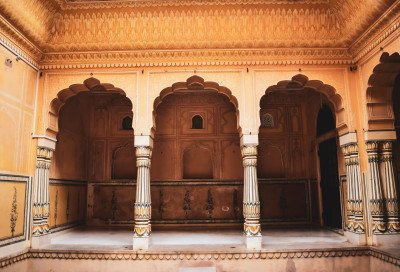
@@Legacy of Chhatrapati Shahu Maharaj: The New Palace Museum, also known as the Shri Chhatrapati Shahu Museum, is housed in the ground floor of the Ne...
@@Legacy of Chhatrapati Shahu Maharaj: The New Palace Museum, also known as the Shri Chhatrapati Shahu Museum, is housed in the ground floor of the New Palace, a magnificent residence of the Kolhapur royal family. The palace itself was constructed between 1877 and 1884 during the reign of Chhatrapati Shahu Maharaj, the most revered ruler known for his progressive social reforms and dedication to the welfare of the oppressed. The palace continues to be the residence of the current heir of the Kolhapur royal family, with the museum occupying a dedicated section. The museum's collections are dedicated to showcasing the personal belongings, artifacts, and historical documents of the Chhatrapati rulers, giving visitors a deep insight into their opulent lifestyle, political contributions, and cultural interests. This museum is not just a display of wealth but a profound tribute to the progressive reign of Shahu Maharaj, highlighting his commitment to education and social equality. The entire site, surrounded by expansive grounds and a zoo, offers a comprehensive historical experience of the region's royal heritage.
Card image cap
Panchganga Ghat

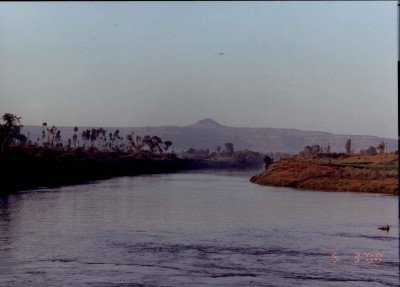
The Panchganga Ghat is an ancient and profoundly significant historical and religious site in Kolhapur, located on the banks of the Panchganga River. ...
The Panchganga Ghat is an ancient and profoundly significant historical and religious site in Kolhapur, located on the banks of the Panchganga River. This river, considered the lifeline of Kolhapur, is formed by the confluence of four streams: Kasari, Kumbhi, Tulsi, and Bhogawati, with a local tradition also recognizing an underground stream, Saraswati, hence the name Panchganga (Five Rivers). The ghat features well-maintained stone steps leading down to the river, traditionally used for bathing and religious cleansing rituals. The area is dotted with numerous small temples, some of which are situated right in the riverbed, enhancing the spiritual aura. Of particular historical significance is the strengthened construction beside the river that houses the cemetery (Chhatris) of the Kolhapur royal family. The monuments erected in memory of royal figures, such as Shivaji II, Shivaji III, Shambhu alias Abasaheb Maharaj, and Shahaji alias Baba Saheb, are major historical landmarks. The Chhatri of the Third Shivaji, built in 1815, is noted for its beautiful carvings and imposing size. Adjoining the ghat is the Brahmapuri Picnic Point, a developed garden on a high mound, offering picturesque views of the expansive riverbed, especially during sunset. This area, known as Brahmapuri, was once an ancient, well-developed town, and archaeological excavations here have unearthed artifacts dating back 2500 to 3000 years, which are now preserved in the Town Hall Museum. The ghat is thus a confluence of history, spirituality, and natural beauty.
Card image cap
Panhala Fort

Panhala Fort is one of the largest and most significant forts in the Deccan region, standing at an altitude of 3,177 feet. Built by Raja Bhoja II in ...
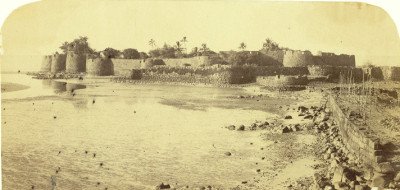
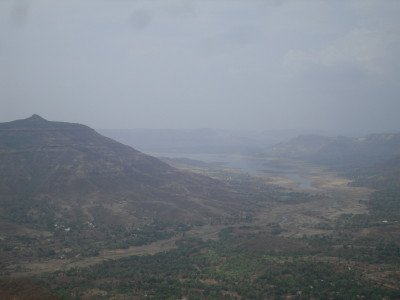
Panhala Fort is one of the largest and most significant forts in the Deccan region, standing at an altitude of 3,177 feet. Built by Raja Bhoja II in the 12th century, it witnessed the heroic escape of Chhatrapati Shivaji Maharaj from the siege of Siddhi Johar. The fort is famous for its massive fortifications, spanning over 14 kilometers in circumference. It offers a panoramic view of the green Sahyadri ranges and the Warana river valley. Inside, you can see historical monuments like the Teen Darwaza, Sajja Kothi, and the Andhar Bavadi. The fort is a hill station in itself, providing a cool climate and lush greenery throughout the year, making it a favorite for history buffs and nature lovers alike.
Card image cap
Radhanagari Dam

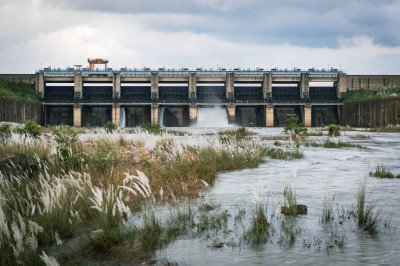
Built by Rajarshi Shahu Maharaj in 1907, this is one of the oldest dams in India. It is constructed across the Bhogawati river and is an engineering ...

Built by Rajarshi Shahu Maharaj in 1907, this is one of the oldest dams in India. It is constructed across the Bhogawati river and is an engineering marvel known for its unique automatic gates. When the water level reaches the maximum capacity, these gates open without any electricity or human intervention. The dam is nestled within the Radhanagari Wildlife Sanctuary, a UNESCO World Heritage site known for its population of the Indian Bison (Gava). The surrounding area is a dense forest filled with diverse flora and fauna. It serves as a vital source of water for irrigation and hydro-electric power for the entire Kolhapur district, symbolizing the visionary governance of the Maharajah.
Card image cap
Ramling Caves

Located in the scenic village of Palsambe, the Ramling Caves are ancient monolithic structures dedicated to Lord Shiva. These caves are carved out of...

Located in the scenic village of Palsambe, the Ramling Caves are ancient monolithic structures dedicated to Lord Shiva. These caves are carved out of a single rock and are believed to date back to the Pandava era. The main attraction is the Shivlinga which is naturally showered by a constant drip of water from the cave ceiling. During the monsoon, a beautiful waterfall cascades over the entrance of the caves, creating a mystical and serene atmosphere. The site is surrounded by dense forests and provides a perfect escape from city life. It is not just a religious site but also a spot for nature lovers who enjoy the sound of trickling water and the sight of ancient rock architecture.
Card image cap
Rankala Chowpatty

Rankala Lake is a historic lake constructed by Maharajah Shri Shahu Chhatrapati in the 19th century. Once a stone quarry, it was transformed into a b...
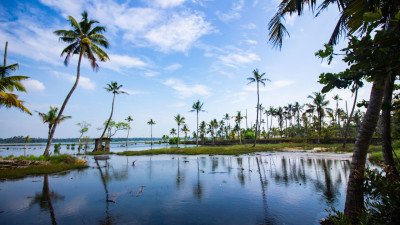
Rankala Lake is a historic lake constructed by Maharajah Shri Shahu Chhatrapati in the 19th century. Once a stone quarry, it was transformed into a beautiful water body and later developed into a popular hangout spot known as Rankala Chowpatty. The lake is surrounded by a well-paved promenade, gardens, and the majestic Shalini Palace on one side. It is the heart of Kolhapur's social life, where locals and tourists gather in the evenings to enjoy the cool breeze and street food. The atmosphere is festive with children playing, people boating, and vendors selling the famous Kolhapuri Bhel. It is often compared to Mumbai's Marine Drive because of its vibrant energy and scenic sunset views.
Card image cap
Rankala Lake

@@Historical Context and Natural Beauty: The origins of Rankala Lake are fascinating, tracing back to a 9th-century earthquake that transformed a ston...

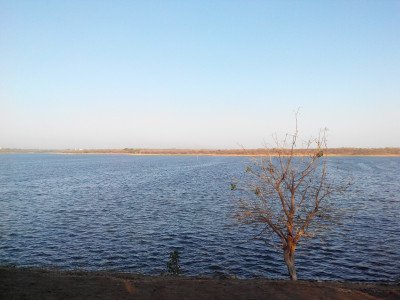
@@Historical Context and Natural Beauty: The origins of Rankala Lake are fascinating, tracing back to a 9th-century earthquake that transformed a stone quarry into a natural depression, which was then filled by underground water sources. It is widely believed that the lake is named after the ancient Rankabhairav temple, now submerged beneath its western part, adding a layer of mythological significance. This man-made-turned-natural lake has been central to the social and cultural life of Kolhapur for centuries, especially after development efforts by the erstwhile rulers, particularly Maharajah Shri Shahu Chhatrapati, who enhanced the area by constructing the Chaupati and surrounding gardens. The lake covers an expansive area of approximately 60 acres, offering a vast surface of tranquil water. It is a vital spot for the community, serving as a picturesque venue for recreation and leisure, and holds a spiritual connection due to the submerged temple legend. The lake's surroundings, featuring lush greenery, a vibrant atmosphere, and views of the magnificent Shalini Palace, make it a prime attraction. It perfectly embodies a blend of Kolhapur's geological history, royal patronage, and contemporary recreational use, attracting visitors for its peaceful ambiance, recreational facilities, and stunning views, especially at sunset. The development around the lake includes modern amenities and pathways, ensuring it remains an accessible and cherished public space. The folklore surrounding the Nandi bull, which allegedly moves closer to the lake daily and whose arrival would signal the apocalypse, further deepens the local legend and mystery surrounding this prominent landmark. The lake stands as a living testament to Kolhapur's rich heritage, natural beauty, and cultural vitality, far exceeding its mere function as a water body. The area thrives with local vendors and activity, particularly in the evenings, turning it into a social hub for families and tourists alike. This historical evolution from a quarry to a celebrated public lake encapsulates a unique aspect of the city’s past and present, providing a much-needed green and blue space in the urban environment. :
Card image cap
Rautwadi Waterfall

@@The Natural Splendor of Rautwadi: Rautwadi Waterfall is a seasonal marvel located in the Radhanagari wildlife range. It is famous for its milky whit...

@@The Natural Splendor of Rautwadi: Rautwadi Waterfall is a seasonal marvel located in the Radhanagari wildlife range. It is famous for its milky white water that gushes down from a height of approximately 100 feet during the peak Monsoon months of July and August. The waterfall is surrounded by the dense evergreen forests of the Western Ghats, providing a refreshing atmosphere for nature lovers and trekkers. Unlike other commercial spots, it offers a raw and serene experience where one can hear the symphony of falling water and chirping birds. Visitors often spend hours here enjoying the cool mist and the lush green landscape that covers the Sahyadri mountains. The area serves as a vital water source for local biodiversity and is a part of the eco-sensitive zone near the Radhanagari Dam. Traveling to this spot involves a scenic drive through winding roads and small hamlets. It is an ideal escape for those looking to avoid the city's hustle and bustle. The local community is very protective of this site, ensuring that the natural beauty remains untouched. The water flow is most majestic just after heavy rainfall, creating a spectacular sight for photographers. It is a perfect spot for a family picnic or a solo soul-searching trip.
Card image cap
Sagareshwar Deer Sanctuary

@@A Green Miracle at Sagareshwar: Sagareshwar Deer Sanctuary is a unique ecological success story, being India’s first man-made sanctuary. Spread ov...

@@A Green Miracle at Sagareshwar: Sagareshwar Deer Sanctuary is a unique ecological success story, being India’s first man-made sanctuary. Spread over 10.87 square kilometers, it was developed through extensive afforestation efforts by local activists and villagers. The sanctuary is home to a variety of deer species, including the Sambar, Chital, and Blackbuck, which roam freely across the grassy slopes. The landscape is a mix of dry deciduous forests and open meadows, providing a perfect habitat for wildlife. Apart from mammals, the sanctuary is a haven for birds like peacocks and various reptiles. It is located at the meeting point of three tehsils in the Sangli district but is highly accessible from Kolhapur. The sanctuary also holds religious importance due to the ancient Sagareshwar Shiva Temple located within its boundaries. It serves as an educational hub for conservationists and students interested in forestry. The panoramic views of the Krishna River from the hilltop points are simply breathtaking. It is a peaceful retreat that showcases how human intervention can successfully restore nature. Visitors can explore the park through organized jungle safaris or on foot in designated areas.
Card image cap
Sajja Kothi

@@Echoes of Maratha Valour: Sajja Kothi is a magnificent three-storied structure located within the massive Panhala Fort. Built in 1500 CE by Ibrahim ...

@@Echoes of Maratha Valour: Sajja Kothi is a magnificent three-storied structure located within the massive Panhala Fort. Built in 1500 CE by Ibrahim Adil Shah, it originally served as a viewing pavilion and a strategic watchtower. The structure gained immense historical significance during the Maratha period when Chhatrapati Shivaji Maharaj used it for secret meetings. It is also the place where his son, Chhatrapati Sambhaji Maharaj, was confined for a period. The architecture is a blend of Bijapuri and Maratha styles, featuring intricate stone carvings and arched balconies. Sitting at a high altitude, it offers a bird's-eye view of the surrounding valleys and the war-torn paths of the past. The building is made of solid basalt stone, which has withstood the test of time and weather. Today, it stands as a silent witness to the bravery and strategic brilliance of the Maratha Empire. Walking through its corridors, one can almost feel the weight of history and the intensity of the battles fought nearby. It is one of the most visited spots within the fort, attracting historians and tourists alike. The cool breeze flowing through the "Sajja" (balcony) makes it a pleasant spot even during the afternoon.
Card image cap
Shalini Palace

@@History and Architectural Glory: Shalini Palace is a magnificent royal residence built between 1931 and 1934 at a substantial cost of Rs. 8,00,000, ...

@@History and Architectural Glory: Shalini Palace is a magnificent royal residence built between 1931 and 1934 at a substantial cost of Rs. 8,00,000, and it was named after Princess Shalini Raje of Kolhapur. This historic palace stands majestically on the west bank of the picturesque Rankala Lake, creating a stunning visual harmony with the natural landscape. The palace is an exquisite example of Indo-Saracenic architecture, reflecting the regal grandeur of the princely state of Kolhapur. It was famously converted into a luxury three-star heritage hotel in 1987, becoming the first and only palace hotel in Maharashtra at the time, which brought it international recognition. For a period, it served as a glamorous backdrop for numerous Indian films, further highlighting its aesthetic appeal. Although the hotel operation ceased in 2014, the structure remains a vital historical landmark. The construction materials include finely carved black stone (Basalt) and imported Italian marble, which contribute to its striking appearance. The palace's location, surrounded by lush gardens and towering palm trees, enhances its romantic and majestic aura. Its detailed woodwork and etched Belgian glass showcase the high level of craftsmanship patronized by the Kolhapur royalty. The palace is a true symbol of the opulence and refined taste of the Chhatrapati dynasty, preserving a significant chapter of the region's royal history and architecture. The palace is a silent custodian of the era of the Maharajahs and the architectural transition during the late colonial period. The imposing facade and grand design continue to captivate visitors, even in its current non-operational status. The palace represents the fusion of Indian and European architectural styles. :
Card image cap
Shree Mahalaxmi Temple

@@Historical Significance and Deity Detail: The Shree Mahalaxmi Temple, universally known as Ambabai Mandir, is one of the most revered and sacred sit...
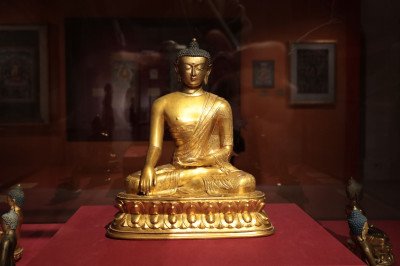
@@Historical Significance and Deity Detail: The Shree Mahalaxmi Temple, universally known as Ambabai Mandir, is one of the most revered and sacred sites in India, counted among the three and a half Shakti Peethas (places where parts of Goddess Sati's body are believed to have fallen). It is dedicated to Goddess Mahalaxmi, the deity of wealth and prosperity, who is considered the consort of Lord Vishnu and the presiding deity of the region. The temple’s history dates back to the 7th century CE, with its original structure credited to the Chalukya dynasty ruler Karandev. The idol of the Goddess is unique, carved from a black stone (gemstone, as per some texts), standing about three feet tall and weighing approximately 40 kilograms. The idol is notable for facing west (Pashchim), which is unusual for Hindu deities, and holds a citrus fruit (Matulinga), a mace, a shield, and a drinking bowl. The temple has witnessed centuries of history, with later expansions and renovations by the Yadavas and Maratha rulers. It stands as a living testament to the rich spiritual and cultural heritage of Kolhapur, attracting millions of devotees annually who seek blessings for fortune and spiritual fulfillment. The atmosphere inside the complex is profoundly spiritual and tranquil, making it a pivotal pilgrimage destination in Maharashtra. @@Legend of Kolhasura: One of the core legends associated with the temple is the story of Goddess Mahalaxmi destroying the powerful demon Kolhasura at this very spot, which is how the city of Kolhapur is believed to have received its name. This legend reinforces her power as Shakti, the divine feminine energy. The temple complex itself is vast, housing other smaller shrines dedicated to Mahakali, Mahasaraswati, and other deities, making it a comprehensive center of worship.
Card image cap
Siddhagiri Gramjivan Museum

The Siddhagiri Gramjivan Museum, popularly known as Kaneri Math, is a breathtaking open-air wax museum that brings the traditional village life of Ma...

The Siddhagiri Gramjivan Museum, popularly known as Kaneri Math, is a breathtaking open-air wax museum that brings the traditional village life of Maharashtra to life. Spread across 7 acres, it was the dream project of Mahatma Gandhi, realized by H.H. Kadsiddheshwar Swamiji. The museum features over 3,000 lifelike statues depicting 80 different scenes of self-sufficient village ecosystems before the Mughal era. Every sculpture is crafted with minute detail, showing people engaged in occupations like farming, pottery, and weaving. It is not just a museum but a spiritual hub centered around an ancient Shiva temple that dates back over 1,000 years. The serene environment and lush greenery make it an educational retreat for visitors of all ages. It beautifully captures the essence of "Gramjivan" (village life) with a focus on human values and harmony.
Card image cap
Teen Darwaza

Teen Darwaza is the most significant and grand entrance of the historic Panhala Fort. Built during the Adil Shahi era, this gate is a masterpiece of ...

Teen Darwaza is the most significant and grand entrance of the historic Panhala Fort. Built during the Adil Shahi era, this gate is a masterpiece of military engineering and architectural beauty. The name "Teen Darwaza" refers to the three consecutive gates that an intruder would have to cross to enter the main citadel. This strategic design was intended to trap enemies in a small courtyard between the gates, where they could be easily attacked by soldiers from the ramparts above. It gained legendary status during the Maratha period, especially during the siege by Siddhi Johar when Chhatrapati Shivaji Maharaj stayed at the fort. The gate features intricate carvings, including motifs of Lord Ganesha and Persian inscriptions, reflecting the mixed cultural history of the region. Today, it stands as a silent witness to the bravery of Baji Prabhu Deshpande and the strategic genius of the Maratha empire. The surrounding atmosphere is misty and cool, as Panhala is a hill station located at an altitude of over 3,000 feet.
Card image cap
Temlabai Mandir

@@Legend and Panoramic Vistas: Temlabai Mandir is a revered Hindu shrine dedicated to Goddess Renuka (locally known as Temlabai or Yamai Devi), who is...

@@Legend and Panoramic Vistas: Temlabai Mandir is a revered Hindu shrine dedicated to Goddess Renuka (locally known as Temlabai or Yamai Devi), who is a form of Goddess Durga. The temple is perched atop Temlabai Hill, offering panoramic, breathtaking views of the entire Kolhapur city and the surrounding landscape. The temple's history is steeped in local legend, which posits that Goddess Temlabai is the younger sister of Goddess Mahalaxmi (Ambabai) from the main city temple. The legend explains that after aiding Mahalaxmi in slaying a demon, Temlabai felt disrespected and retreated to the hill, sitting with her back towards her sister's temple, which is why the two deities face opposite directions (Mahalaxmi faces West, Temlabai faces East). The hill, prior to independence, was also used as a sanatorium for treating tuberculosis patients due to its clean, fresh air. The temple complex is not just a religious spot but also a popular vantage point and a peaceful retreat from the city bustle. The royal family of Kolhapur has historically been actively involved in the temple's celebrations. The serene environment and the cultural folklore associated with the two sister goddesses make this temple a unique and important part of the city's spiritual map, attracting devotees who pray for the well-being of their husbands or for a desired spouse. The temple also hosts a large idol of Ganpati and a small bust of Chhatrapati Shivaji in its plateau section. :
Card image cap
Town Hall Museum

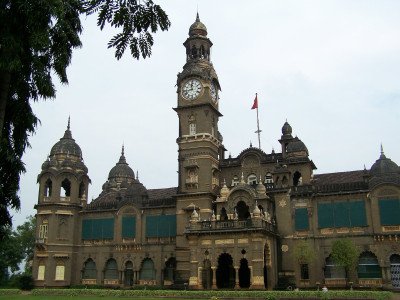
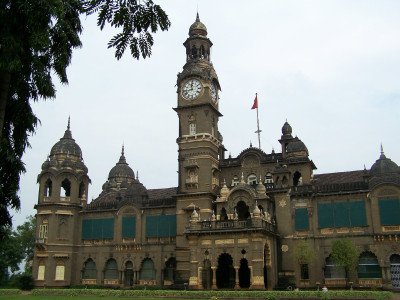
@@A Glimpse into Ancient and Modern Kolhapur: The Town Hall Museum is a historical institution housed in a stately Neo-Gothic building constructed bet...

@@A Glimpse into Ancient and Modern Kolhapur: The Town Hall Museum is a historical institution housed in a stately Neo-Gothic building constructed between 1872 and 1876 under the supervision of the British engineer Charles Mant. The building itself, which originally served as a government office, is an architectural marvel. The museum was officially inaugurated in 1945-46, with its primary goal being the preservation of priceless artifacts recovered from the significant archaeological excavations at Brahmapuri Hill in the 1940s. These excavations unearthed materials dating back to the Satavahana period (ca. 200 BCE to CE 200) and the later Shilahara-Bahmani periods. The diverse collection includes rare items that confirm Kolhapur's ancient trade links with the Greco-Roman world, such as a bronze statue of the Greek god Poseidon (replica) and a Roman medallion. The museum's collection expanded over time, incorporating artwork by renowned local artists like Abalal Rahiman and Baburao Painter, as well as a section dedicated to weaponry. It is organized into several dedicated galleries showcasing archaeological remains, sculptures, bronze objects, ivory filigree, and old coins. The museum is surrounded by expansive, well-maintained gardens, which feature rare botanical species and a historic glasshouse built in 1904, making the entire complex a treasure trove of history, art, and nature. It serves as a comprehensive window into the city's rich, multi-layered past, far preceding the Maratha era, and is an essential visit for understanding the city's antiquity. :
Card image cap
Vishalgad Fort

Vishalgad Fort, originally known as Khelna, is one of the most significant mountain forts in the Sahyadri range. Located at an altitude of 3,500 feet...

Vishalgad Fort, originally known as Khelna, is one of the most significant mountain forts in the Sahyadri range. Located at an altitude of 3,500 feet, it earned the name "Vishal" (Grand) after Chhatrapati Shivaji Maharaj captured it in 1659. The fort is immortalized in history due to the Battle of Pavan Khind, where Baji Prabhu Deshpande sacrificed his life to ensure Shivaji Maharaj's safe passage to this very fort. The fort area is massive, covering over 1,130 acres, and is surrounded by deep valleys and dense forests. Today, it is a major pilgrimage site due to the Dargah of Hazrat Malik Rehan Meera Saheb, which attracts people of all faiths. The fort also houses ancient temples like the Amruteshwar Temple. The journey to the fort involves a scenic drive through the Amba Ghat region, offering breathtaking views of the Konkan plains below. Despite being partially in ruins, the massive bastions and the entrance gates still radiate a sense of ancient power and military might.
Show All

Note:-

Information provided here in good Faith and for reference only.

All information and pictures will be updated soon, please keep visiting.

Near Places
...
Ajanta Caves

Some quick example text to build on the card title and make up the bulk of the card's content.

Go somewhere
...
Alibag

Some quick example text to build on the card title and make up the bulk of the card's content.

Go somewhere
...
Alibaug

Some quick example text to build on the card title and make up the bulk of the card's content.

Go somewhere
...
Amravati

Some quick example text to build on the card title and make up the bulk of the card's content.

Go somewhere
...
Aurangabad

Some quick example text to build on the card title and make up the bulk of the card's content.

Go somewhere
...
Bhandardara

Some quick example text to build on the card title and make up the bulk of the card's content.

Go somewhere
...
Diveagar

Some quick example text to build on the card title and make up the bulk of the card's content.

Go somewhere
...
Ganpatipule

Some quick example text to build on the card title and make up the bulk of the card's content.

Go somewhere
...
Karjat

Some quick example text to build on the card title and make up the bulk of the card's content.

Go somewhere
...
Khandala

Some quick example text to build on the card title and make up the bulk of the card's content.

Go somewhere
in Other Cities