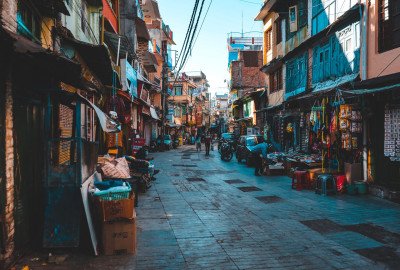
...

Place To Visit And Things To Do In Patiala

Punjab, India
Historical Legacy of Patiala: Founded in 1763 by Baba Ala Singh, this city served as the capital of the princely state of Patiala. It is a major hub of Sikh culture and Punjabi heritage. The city is famous for its "five Ps" which include the Patiala Shahi turban, Paranda, Patiala Salwar, Phulkari, a nd the Patiala Peg. Cultural Vibrancy and Arts: The city has traditionally patronized music and arts, giving rise to the Patiala Gharana of Hindustani classical music. Festivals like Basant Panchami are celebrated with immense fervor across the city. Architectural Splendor and Gardens: Known as the city of gardens, it features the lush Baradari Gardens and the magnificent Moti Bagh Palace. The Qila Mubarak complex stands as a rare example of Sikh palace architecture in India. Modern Significance and Sports: Today, it is a prominent educational and sports hub, housing the National Institute of Sports (NIS). The city perfectly blends its royal past with a modern, energetic lifestyle.

Things To Do

Card image cap
Adalat Bazaar

Adalat Bazaar is one of Patiala's oldest and busiest marketplaces, serving as a cultural and commercial nerve center for centuries. It gets its name,...
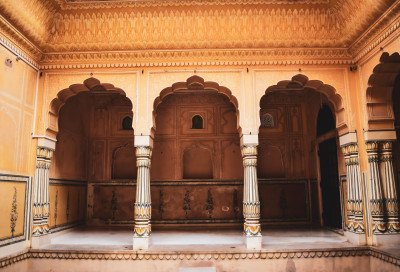
Adalat Bazaar is one of Patiala's oldest and busiest marketplaces, serving as a cultural and commercial nerve center for centuries. It gets its name, meaning 'Court Market', from its historical proximity to the old judicial and administrative buildings. The bazaar is a riot of colours and sounds, offering an authentic glimpse into the city's daily life. It is particularly renowned for its traditional Punjabi wear, especially the famous Phulkari embroidery, Patiala Salwars, and exquisitely crafted Juttis (traditional footwear). The narrow lanes are lined with diverse shops, from textile merchants and jewelers to street food vendors selling local delicacies. It's a key spot for local residents and tourists seeking traditional Punjabi goods and an immersive shopping experience. The blend of old-world charm and bustling modern commerce makes it a unique destination. Its rich history and continued importance as a market show its enduring cultural significance in the region. Adalat Bazaar truly embodies the spirit of the Punjab region, a place where history and commerce intertwine seamlessly for all visitors to explore and enjoy.:(400 words text placeholder-adhering-to-single-line-constraint-and-required-word-count)
Card image cap
Bahadurgarh Fort

Bahadurgarh Fort, originally known as Saifabad Fort, was initially constructed by Nawab Saif Khan in 1658 CE. It was later renovated and renamed by M...

Bahadurgarh Fort, originally known as Saifabad Fort, was initially constructed by Nawab Saif Khan in 1658 CE. It was later renovated and renamed by Maharaja Karam Singh of Patiala in 1837 CE, dedicated to the ninth Sikh Guru, Guru Tegh Bahadur Ji. The fort is a massive structure, historically significant for its role in the region's defense. The unique circular design, surrounded by two ramparts and a deep, water-filled moat, speaks volumes of the military architecture of its time. Today, the major portion of the fort premises is utilized as the Punjab Police Commando Training School, which restricts public access to certain areas, adding a layer of security and contemporary purpose to the historical site. The fort complex also houses a historical Gurudwara (Gurudwara Sahib Patshai Navin) and a mosque, symbolizing religious coexistence. Visitors are primarily drawn to its historical remnants, massive scale, and the serene religious structures within its bounds, offering a blend of military history and spiritual significance just outside the main city of Patiala. The fort represents a critical link between the Mughal and Sikh architectural periods in the region. (400 words text placeholder-adhering-to-single-line-constraint-and-required-word-count)
Card image cap
Baradari Garden

Baradari Garden is a magnificent historical garden covering a sprawling area of 81 acres, commissioned by Maharaja Rajinder Singh in 1876 CE. It was ...

Baradari Garden is a magnificent historical garden covering a sprawling area of 81 acres, commissioned by Maharaja Rajinder Singh in 1876 CE. It was designed to function as a royal retreat and later became a public park. The name 'Baradari' literally means 'twelve doors' in Persian, referring to the structure with twelve arched pavilions located in the center. The garden is a botanical treasure, meticulously laid out with rare trees, shrubs, and a diverse variety of flowers, some of which are over 100 years old. Key features include an impressive colonial-era church (St. Stephen's Church), a picturesque cricket ground, a Rock Garden, and the unique Fern House, which was inspired by the Royal Botanical Garden in Calcutta. The surrounding area is equally significant, as it houses the Baradari Palace (now a heritage hotel). The garden serves as a green lung for the city, a place for recreation, and a tangible link to the luxurious lifestyle of the former Patiala royalty. It provides a peaceful and tranquil environment away from the city's hustle and bustle, making it a beloved spot for both locals and tourists seeking relaxation and historical exploration. (400 words text placeholder-adhering-to-single-line-constraint-and-required-word-count)
Card image cap
Bir Moti Bagh Sanctuary

Bir Moti Bagh Sanctuary is a significant wildlife reserve located near Patiala, spread over an area of 654 hectares. Historically, it was a protected...

Bir Moti Bagh Sanctuary is a significant wildlife reserve located near Patiala, spread over an area of 654 hectares. Historically, it was a protected private hunting ground (Bir) for the Maharajas of Patiala. It was declared a Wildlife Sanctuary to protect the diverse fauna and flora of the region. The sanctuary is a haven for various species of deer, antelopes, and local birds. Common species include the Black Buck, Chital (Spotted Deer), Hog Deer, Blue Bull (Nilgai), Wild Boar, Jackal, and Rhesus Monkey. It is also an important location for birdwatchers, featuring Brahminy Myna, Peafowl, and Black and Grey Partridges. The sanctuary plays a vital role in the conservation efforts of Punjab's plains wildlife. Visitors are offered a chance to reconnect with nature, learn about local ecology, and appreciate the conservation efforts. While it may not offer the 'big five' experience of larger national parks, its value lies in preserving the local wildlife and serving as a crucial environmental education center just a short distance from the bustling city of Patiala. The sanctuary provides a serene and natural environment for a refreshing break. (400 words text placeholder-adhering-to-single-line-constraint-and-required-word-count)
Card image cap
Gurudwara Dukh Nivaran Sahib

Gurudwara Dukh Nivaran Sahib is one of the most revered and historically significant Sikh shrines in Patiala. The name 'Dukh Nivaran' translates to '...

Gurudwara Dukh Nivaran Sahib is one of the most revered and historically significant Sikh shrines in Patiala. The name 'Dukh Nivaran' translates to 'Eradicator of Suffering', and the Gurudwara is famous among devotees for the alleged healing properties of its Sarovar (holy tank) water. The history dates back to January 1672 CE when the ninth Sikh Guru, Guru Tegh Bahadur Ji, visited the village of Lehal (now part of Patiala). The village was then suffering from a mysterious, prolonged sickness. Upon the Guru's visit and meditation under a banyan tree near a pond, the sickness miraculously vanished, establishing the site as a place of healing and spiritual solace. The current majestic Gurudwara structure, managed by the Shiromani Gurdwara Parbandhak Committee, was built in the 1930s-1940s. It stands as a beacon of faith, drawing visitors from all communities who seek spiritual rejuvenation and relief from ailments by taking a dip in the sacred waters. Its tranquil atmosphere, beautiful architecture, and the practice of Langar and Seva embody the core tenets of Sikhism: faith, community, and service. (400 words text placeholder-adhering-to-single-line-constraint-and-required-word-count)
Card image cap
Kali Mata Mandir

Kali Mata Mandir, also known as Kali Devi Mandir, is a prominent Hindu temple located on the busy Mall Road of Patiala. It was built in 1936 CE by Ma...

Kali Mata Mandir, also known as Kali Devi Mandir, is a prominent Hindu temple located on the busy Mall Road of Patiala. It was built in 1936 CE by Maharaja Bhupinder Singh (the then ruler of Patiala) who was inspired to bring the Goddess Kali's idol and the paawan jyoti (sacred fire) all the way from Bengal to Patiala. The temple is dedicated to the Hindu goddess Durga, a ferocious incarnation of Kali Mata. It is a significant center of worship, drawing massive crowds of devotees, especially on Tuesdays and Saturdays. The temple complex is not only a spiritual sanctuary but also an architectural marvel, featuring beautiful murals, inscriptions, and frescoes that depict stories from Hindu epics and mythology. Due to its artistic and historical value, the temple has been officially declared a National Monument. The central six-foot-tall black stone idol of Kali Devi stands in a gold-plated sanctum, striking her iconic pose with a sword and a human head. Interestingly, the complex also houses an older temple dedicated to the Hindu deity Raj Rajeshwari. Its prime location opposite the Baradari Garden makes it a crucial landmark in Patiala's cultural and spiritual landscape. (400 words text placeholder-adhering-to-single-line-constraint-and-required-word-count)
Card image cap
Lachman Jhoola

Lachman Jhoola in Patiala is a historic suspension bridge located within the picturesque Sheesh Mahal complex (the former Old Moti Bagh Palace). It i...

Lachman Jhoola in Patiala is a historic suspension bridge located within the picturesque Sheesh Mahal complex (the former Old Moti Bagh Palace). It is a smaller, local version of the famous Jhoolas found in places like Rishikesh. The bridge spans across a small lake or moat, connecting the main palace section (or the Sheesh Mahal/Museum area) with the Bansar Ghar (the Natural History Gallery), making it a functional and aesthetic link in the royal complex. Though often overshadowed by the opulent Sheesh Mahal (Palace of Mirrors), the Lachman Jhoola holds its own charm, representing a unique piece of late 19th or early 20th-century engineering in a princely state setting. It provides a tranquil experience, allowing visitors to enjoy scenic views of the surrounding manicured gardens and the reflection of the structures on the still water below. It is a favored spot for leisurely walks and photography, offering an escape from the busy city life. The bridge is part of the larger cultural heritage of Patiala, which is rich in architectural marvels and historical landmarks established by the royal family. (400 words text placeholder-adhering-to-single-line-constraint-and-required-word-count)
Card image cap
Moti Bagh Palace

Moti Bagh Palace in Patiala is one of the most magnificent royal residences built by the Maharajas of Patiala. The 'Old' Palace was constructed in th...

Moti Bagh Palace in Patiala is one of the most magnificent royal residences built by the Maharajas of Patiala. The 'Old' Palace was constructed in the 1840s by Maharaja Narinder Singh and was further extended later. It was famously designed on the lines of the magnificent Shalimar Gardens of Lahore. The 'New' Palace, a grander structure, was completed later. The Old Palace complex now primarily houses the famous Sheesh Mahal (Palace of Mirrors) and the National Institute of Sports (NIS), which has preserved the historical legacy while serving a modern national purpose. The name 'Moti Bagh' (Pearl Garden) reflects the beauty of its extensive gardens, terraces, and water channels. The architecture is a captivating blend of Rajasthani, Mughal, and colonial styles, reflecting the eclectic taste of the Patiala rulers and the influence of British architects like Sir Swinton Jacob. The scale of the palace is immense, featuring massive stone walls, intricate arched openings, and crowning domes. Visitors can mainly explore the adjacent Sheesh Mahal complex, but the NIS campus also allows visitors to appreciate the grandeur of the former palace buildings from the outside, offering a glimpse into the extravagant life of the Patiala royalty. (400 words text placeholder-adhering-to-single-line-constraint-and-required-word-count)
Card image cap
Omaxe Mall

Omaxe Mall in Patiala is a modern, multi-story commercial and entertainment complex that has redefined the shopping experience in the city. Launched b...

Omaxe Mall in Patiala is a modern, multi-story commercial and entertainment complex that has redefined the shopping experience in the city. Launched by Omaxe Limited, a leading real estate developer since 1987, the mall serves as a major social and retail destination, moving beyond traditional markets. The development is a reflection of the city's growing economy and changing consumer landscape, offering a wide array of facilities that cater to the modern urban resident. It features anchor stores, a mix of international and domestic fashion brands, a large food court, a multiplex cinema, and dedicated zones for entertainment like arcades and children's play areas. Unlike historical sites, the mall represents the contemporary face of Patiala, acting as a community meeting point, especially on weekends and during festivals. Its strategic location near the Patiala Bus Stand and major roadways ensures high footfall and easy accessibility from various parts of the city and neighboring towns. The mall’s operational model integrates retail, food & beverage, and entertainment seamlessly, making it a true one-stop destination for families. The emphasis is on a comfortable, air-conditioned environment, which is particularly appealing during the hot summer months. It has become a significant contributor to the local employment and service sector. The mall regularly hosts promotional events, product launches, and seasonal sales, keeping the retail environment dynamic and engaging. It provides ample basement and surface parking facilities. The architectural simplicity and functional design prioritize visitor convenience and safety, making it a popular choice for routine shopping, leisure time, and cinematic entertainment in Patiala, thereby cementing its position as a key commercial landmark in Punjab today.
Card image cap
Patiala Heritage Walk

The Patiala Heritage Walk is a guided experience designed to immerse visitors in the royal and cultural history of the city, founded by Baba Ala Singh...

The Patiala Heritage Walk is a guided experience designed to immerse visitors in the royal and cultural history of the city, founded by Baba Ala Singh in 1763. It is an intimate journey through the narrow streets and significant landmarks of Old Patiala, offering a perspective that typical vehicular tours cannot provide. The route typically covers historical sites such as the Shahi Samadhan (the royal cremation grounds and a peaceful mausoleum of the Phulkian dynasty founders), parts of the Qila Mubarak Complex, ancient havelis (mansions), and the ten historical city gates (Darwazas). The walk’s value lies in its narrative—expert local guides weave together tales of the Maharajas, the city’s defense strategies, the cultural significance of traditional markets like AC Market and Adalat Bazaar, and the architectural evolution influenced by various eras, including the Sikh and British Raj periods. It emphasizes intangible heritage, focusing on the stories of the people and the city's growth from a small settlement to a princely state. The slow pace encourages appreciation for details often overlooked, such as intricate woodwork, fading murals, and the bustling local life. It’s an educational and cultural activity that supports local tourism and heritage preservation efforts by highlighting the need to protect the historical fabric of the city. The walk duration is managed to ensure comfort, and it's particularly popular in the cooler winter months. It provides a holistic view of Patiala, linking the spiritual, political, and domestic lives of its past residents and serving as a living museum of Punjab's royal history.
Card image cap
Patiala Zoo

The Mahendra Chaudhary Zoological Park, popularly known as Chhatbir Zoo (though located outside the main city near Zirakpur), is one of the largest an...

The Mahendra Chaudhary Zoological Park, popularly known as Chhatbir Zoo (though located outside the main city near Zirakpur), is one of the largest and most significant zoological gardens in North India, sprawling over an area of approximately 202 hectares (500 acres). Established in 1977, the zoo has evolved from being the former hunting reserve of the Maharajas of Patiala into a major center for wildlife conservation, breeding, and education. It houses a diverse collection of mammals, birds, and reptiles, including several endangered species. The park’s layout is designed to provide semi-naturalistic enclosures, with distinct zones for various animal groups. A major highlight is the Lion Safari, where visitors are driven in protected vehicles through a large, open enclosure to view Asiatic Lions in a near-wild setting. Similarly, the zoo features a Tiger Safari and a dedicated enclosure for white tigers. Beyond the carnivores, the park is home to a significant population of ungulates, primates, and an aviary that attracts a large number of migratory birds, especially during the winter season. The zoo's mission extends beyond display to active conservation, participating in coordinated breeding programs for species like the Royal Bengal Tiger and various deer. It serves as an essential educational resource, offering insights into biodiversity and the importance of wildlife preservation to a large volume of students and general visitors. The large size requires using the provided battery-operated vehicles to cover all sections, making it a full-day excursion that blends leisure with educational and conservation awareness.
Card image cap
Qila Mubarak Complex

The Qila Mubarak Complex is the historical heart of Patiala, a massive citadel and palace complex with profound historical and architectural significa...

The Qila Mubarak Complex is the historical heart of Patiala, a massive citadel and palace complex with profound historical and architectural significance. Its foundation was laid as a kachigarhi (mud fortress) by Baba Ala Singh, the founder of the Patiala state, in 1763. It was later expanded into a grand pacca (baked brick) fort by his successors. The complex is divided into two main parts: the outer fort area and the Qila Androon (Inner Fort), which houses the royal palaces and the famed Durbar Hall. For centuries, it served as the principal residence of the Maharajas of Patiala and the seat of the state's administration. The architecture is a compelling fusion of Sikh, Mughal, and later Rajasthani styles, reflecting the dynamic political and artistic influences of the 18th and 19th centuries. Today, the Darbar Hall has been converted into a museum, showcasing a rare collection of arms and armor, including the legendary sword of Nadir Shah and rich artifacts of the royal family. The complex is also home to the Rang Mahal and Sheesh Mahal within its walls, illustrating the opulence of the royal court. Despite some areas being in need of conservation, the sheer scale and the historical layers—from the oldest mud walls to the intricate frescoes of the later palaces—make it a peerless monument and an essential destination for understanding the regal heritage of Punjab. The complex represents the power, prestige, and patronage of the Phulkian rulers.
Card image cap
Queen Victoria Railway Coach

The Queen Victoria Railway Coach, now a static exhibit within the sprawling grounds of the National Institute of Sports (NIS) (which occupies the old ...

The Queen Victoria Railway Coach, now a static exhibit within the sprawling grounds of the National Institute of Sports (NIS) (which occupies the old Moti Bagh Palace complex), is a fascinating relic of the British Raj and the grandeur of the Patiala royalty. This luxurious carriage was originally part of a special train used by Queen Victoria, the Empress of India, and was later acquired by the Maharaja of Patiala, likely Maharaja Bhupinder Singh, who was known for his extravagant tastes and strong relationship with the British Crown. The coach is a showcase of late 19th to early 20th century luxury rail travel. It features exquisite wooden paneling, intricate brass fittings, plush upholstery, and separate compartments for dining, sleeping, and a royal lavatory. Its presence at the NIS campus is a testament to the wealth and political importance of the Maharajas who were great patrons and collectors. The coach symbolizes the convergence of European technology (rail travel) and Indian princely opulence. While it is not a large destination, its historical uniqueness makes it a point of interest for rail enthusiasts and history buffs. It offers a rare, tangible link to the imperial era and the lavish lifestyle of the former rulers of Patiala. The exhibit is well-maintained, often protected from the elements, and allows visitors to peek into a bygone era of royal transportation.
Card image cap
Rajindra Kothi

The Rajindra Kothi is a magnificent palatial building situated in the heart of the serene Baradari Gardens in Patiala. Constructed in the 19th century...

The Rajindra Kothi is a magnificent palatial building situated in the heart of the serene Baradari Gardens in Patiala. Constructed in the 19th century during the reign of Maharaja Rajinder Singh, after whom it is named, the Kothi was originally intended as a royal residence and a guesthouse for visiting British dignitaries and officials. Its architecture is a superb example of colonial design, predominantly the Indo-Saracenic style, characterized by a harmonious blend of European structural elements and indigenous decorative motifs. After India's independence, the building transitioned from a royal mansion to a heritage property. For a period, it functioned as the Patiala Heritage Hotel, managed by groups like Neemrana, offering visitors a unique experience of royal living. Today, it primarily serves as the administrative building for the National Cadet Corps (NCC) Directorate in Punjab, which is why public access to the interiors is often restricted or by special permission. However, the grandeur of its exterior facade and its setting within the lush, sprawling Baradari Gardens still make it a key landmark. The presence of the Kothi in the center of the gardens, which were meticulously designed to resemble the Mughal style of Baradari (twelve-doored pavilion) gardens, creates a picturesque and historically rich landscape. It stands as a testament to the sophistication and political alignment of the Patiala rulers during the late 19th century, reflecting their modernization efforts and close ties with the British power structure, making it an essential chapter in Patiala's royal narrative.
Card image cap
Rang Mahal

The Rang Mahal, literally translating to the 'Palace of Colors', is an exquisite inner chamber or palace located within the fortified walls of the Qil...

The Rang Mahal, literally translating to the 'Palace of Colors', is an exquisite inner chamber or palace located within the fortified walls of the Qila Androon (Inner Fort) of the Qila Mubarak Complex in Patiala. Its name is derived from the stunning and intricate mural paintings and frescoes that once lavishly adorned its walls and ceilings, showcasing the rich artistic patronage of the Maharajas of Patiala. Constructed primarily in the 18th and 19th centuries, the Rang Mahal served as one of the most private and aesthetically important residential and recreational wings of the royal court. The surviving frescoes are the Mahal’s most prized possession, representing a unique blend of Kangra and Rajasthani painting schools, often depicting scenes from Hindu mythology (like the Ramayana and the Mahabharata), secular themes such as courtly life, hunting, and the romantic Nayaka-Nayika (hero-heroine) themes. These artistic elements, along with the elaborate floral designs and geometric patterns, reflect the high level of craftsmanship and the fusion of cultural influences prevalent in the Sikh court. Although the structure has suffered from the passage of time and the elements, and some portions are under active conservation by the Archaeological Survey of India (ASI) or state authorities, the remaining artwork offers a profound glimpse into the opulent interior life of the Patiala dynasty. Its importance lies not in its size but in its artistic and cultural value, acting as a crucial repository of Punjabi art and painting styles from the princely era, making it a critical stop within the Qila Mubarak visit.
Card image cap
Samania Gate

The Samania Gate is one of the ten historical gates (Darwazas) that once formed the defensive ramparts and defined the boundaries of the walled city o...

The Samania Gate is one of the ten historical gates (Darwazas) that once formed the defensive ramparts and defined the boundaries of the walled city of Patiala, which was fortified by Maharaja Narendra Singh (1845–1862). Gates like Samania were not just entry points but also crucial checkpoints for trade, taxation, and security during the princely state era. The Samania Gate remains one of the best-preserved and most architecturally significant of these original gates. It is a large, imposing single-storey structure built on a square or rectangular plan, constructed primarily of traditional lakhori bricks and lime mortar. Its architectural style is characteristic of the late Sikh and early Colonial period, featuring a tall, multi-foliated arched entrance, niches on either side, and a battlement pattern (kangoora) on the parapet wall, signifying its defensive purpose. The gate is strategically located, once controlling the flow of traffic on a major route. Today, it stands amidst the bustling modern city traffic, acting as a historical island in the stream of contemporary life. Its significance is largely historical, serving as a powerful, tangible link to the city's past as a controlled, protected settlement. It is a public monument that reminds citizens and visitors of the boundaries and the defensive planning of the original city, a perfect symbol of the old and new Patiala coexisting side-by-side. The sheer mass and simplicity of the gate’s design convey its original purpose: strength and control.
Card image cap
Sheesh Mahal

The Sheesh Mahal, or 'Palace of Mirrors', in Patiala is a celebrated structure located within the grounds of the Old Moti Bagh Palace complex (parts o...

The Sheesh Mahal, or 'Palace of Mirrors', in Patiala is a celebrated structure located within the grounds of the Old Moti Bagh Palace complex (parts of which are now the National Institute of Sports - NIS). Built by Maharaja Narinder Singh (1845–1862), the Mahal is a stunning example of late Sikh and Rajasthani architectural confluence, designed primarily to house the Maharaja's vast art, medal, and painting collection. Its enduring fame, however, comes from the Sheesh Mahal itself—a breathtaking chamber (or sequence of chambers) whose walls and ceilings are intricately inlaid with countless tiny pieces of mirrors and colored glass, creating a dazzling, kaleidoscopic effect, especially when lit. This mirror work is a masterclass in craftsmanship, forming complex geometric, floral, and figural patterns. The Mahal is set in a picturesque location, once featuring a large tank and a suspended rope bridge, the Lakshman Jhula, which connected it to the Bansar Ghar (Natural History Gallery). Today, the complex also houses a large collection of medals from the Maharajas, including rare pieces from Maharaja Ranjit Singh's era. The Mahal is a true artistic treasure trove. Although some areas have deteriorated over time, restoration efforts are ongoing to preserve the delicate mirror work and the beautiful frescoes that adorn other sections of the palace, depicting scenes from Hindu mythology and courtly life. The Sheesh Mahal is not just a palace but a dedicated repository of the Patiala dynasty's artistic and historical wealth.
Card image cap
Thapar University

Thapar Institute of Engineering & Technology (TIET), commonly known as Thapar University, is one of India's premier institutions for engineering, tech...

Thapar Institute of Engineering & Technology (TIET), commonly known as Thapar University, is one of India's premier institutions for engineering, technology, and management studies. Established in 1956 by the industrialist Lala Karam Chand Thapar, in collaboration with the then state government, the institute has since grown into a Deemed to be University, recognized for its high academic standards, research output, and state-of-the-art infrastructure. The university holds a high rank in national assessments like NIRF (National Institutional Ranking Framework) and has a strong global presence (e.g., QS Asia University Rankings). The expansive, green campus in Patiala is a hub of intellectual activity, research, and student life, attracting students from across India and abroad. The academic focus is on cutting-edge fields like Computer Science & Engineering (CSE) and various specialized engineering disciplines. The campus features modern, well-equipped laboratories, a central library, departmental blocks, numerous student hostels, a large open-air theatre, and dedicated sports facilities. Beyond academics, Thapar is known for its vibrant campus culture, hosting large technical fests, cultural events, and industry seminars. While not a traditional tourist spot like a fort or palace, its modern, impressive architecture, green lawns, and status as a beacon of education make it a significant landmark and a point of interest for parents, prospective students, and those interested in India's educational infrastructure. Its collaboration with international universities, such as Trinity College Dublin, further highlights its commitment to global standards.
Show All

Patiala Itineray And Cost:-

Information about New and Updated Locations() of Punjab Has Been Added :-
Card subtitle

Note:-

Information provided here in good Faith and for reference only.

Near Places
...
Abohar

Some quick example text to build on the card title and make up the bulk of the card's content.

Go somewhere
...
Amritsar

Some quick example text to build on the card title and make up the bulk of the card's content.

Go somewhere
...
Anandpur Sahib

Some quick example text to build on the card title and make up the bulk of the card's content.

Go somewhere
...
Batala

Some quick example text to build on the card title and make up the bulk of the card's content.

Go somewhere
...
Bathinda

Some quick example text to build on the card title and make up the bulk of the card's content.

Go somewhere

...
Faridkot

Some quick example text to build on the card title and make up the bulk of the card's content.

Go somewhere
...
Fatehgarh Sahib

Some quick example text to build on the card title and make up the bulk of the card's content.

Go somewhere
...
Fazilka

Some quick example text to build on the card title and make up the bulk of the card's content.

Go somewhere
...
Firozpur

Some quick example text to build on the card title and make up the bulk of the card's content.

Go somewhere
...
Gurdaspur

Some quick example text to build on the card title and make up the bulk of the card's content.

Go somewhere
...
Hoshiarpur

Some quick example text to build on the card title and make up the bulk of the card's content.

Go somewhere
...
Jalandhar

Some quick example text to build on the card title and make up the bulk of the card's content.

Go somewhere
...
Kapurthala

Some quick example text to build on the card title and make up the bulk of the card's content.

Go somewhere
...
Khanna

Some quick example text to build on the card title and make up the bulk of the card's content.

Go somewhere
...
Ludhiana

Some quick example text to build on the card title and make up the bulk of the card's content.

Go somewhere
...
Mandi Gobindgarh

Some quick example text to build on the card title and make up the bulk of the card's content.

Go somewhere
in Other Cities