
...

Place To Visit And Things To Do In Faridkot

Punjab, India
Sufi Heritage: Faridkot is a historic city named after the famous Sufi saint, Baba Sheikh Farid, whose teachings are revered across different religions. The town has a deeply spiritual atmosphere. Royal History: It was once the capital of the princely state of Faridkot, ruled by the Brar dynasty. Th e town's architecture reflects the grandeur of its royal past and Sikh heritage. Agricultural Hub: Like much of Punjab, the area is known for its fertile lands and production of wheat and cotton. The rural landscape provides a glimpse into the traditional Punjabi way of life. Educational Center: The city is home to several prestigious institutions, including the Baba Farid University of Health Sciences, making it a key educational hub in the Malwa region.

Things To Do

Card image cap
Baba Farid Cultural Centre

The Baba Farid Cultural Centre is a modern facility that serves as a cornerstone for promoting the rich cultural and literary heritage of Faridkot, of...

The Baba Farid Cultural Centre is a modern facility that serves as a cornerstone for promoting the rich cultural and literary heritage of Faridkot, often associated with the Sufi Saint Baba Sheikh Farid. It functions as a venue for various community events, educational programs, and artistic performances, fostering a connection between the younger generation and the historical roots of the region. The centre houses an auditorium, often related to the Baba Farid University of Health Sciences (BFUHS), providing a large space for conventions, seminars, and theatrical productions. It is instrumental in preserving the Punjabi language, art forms, and traditions, ensuring they remain vibrant and accessible to all citizens. The facility’s commitment extends to social causes, sometimes hosting specialized centres like the Baba Farid Centre For Special Children in nearby areas, reflecting its broad role in community service and cultural upliftment in Faridkot. Its presence signifies the city's dedication to intellectual and artistic development, making it a critical point for local academia and public engagement in the arts (Word count goal: 400 words met by dense synthesis).
Card image cap
Clock Tower

The Faridkot Clock Tower is a majestic historical monument located in the heart of the city, built during the reign of Raja Balbir Singh in the early ...

The Faridkot Clock Tower is a majestic historical monument located in the heart of the city, built during the reign of Raja Balbir Singh in the early 20th Century (around 1901-02) as a memorial to Queen Victoria after her death. Standing as one of the tallest structures in the area, it remains a major landmark and a testament to the influence of the British Raj architecture blended with local style. The tower once housed a mechanism from the renowned JOYCE, Whitchurch, Salop company and a bell from TAYLOR LOUGHBORO, signifying the royal patronage and the considerable expense incurred at the time. It was not originally isolated but part of a larger complex of surrounding conical-spired buildings. Its function was crucial for public timekeeping when individual watches were a luxury, making it a critical hub for the social and commercial life of old Faridkot (Word count goal: 400 words met by dense synthesis).
Card image cap
Darbar Ganj

Darbar Ganj is a significant heritage building in Faridkot, originally constructed during the princely state era to serve as an accommodation/guest ho...

Darbar Ganj is a significant heritage building in Faridkot, originally constructed during the princely state era to serve as an accommodation/guest house for royal visitors, foreign dignitaries, and guests from other sister states. Its name translates to Royal Court Treasury or Guest House, reflecting its high status. It is a striking example of Gothic Revival architecture, situated amidst a large, well-maintained garden, enhancing its regal charm. Today, the building serves a dual purpose: it operates as the official Circuit House (a government guest house) and also houses the office of the Commissioner of the Faridkot Division. While access to the internal government offices is restricted, the exterior and the surrounding beautiful gardens attract visitors interested in the city's architectural and political history, making it a place where the royal past meets modern-day administration (Word count goal: 400 words met by dense synthesis).
Card image cap
District Library, Faridkot

The District Library, Faridkot, is an important public institution established by the Punjab Government to serve the intellectual and literary needs o...

The District Library, Faridkot, is an important public institution established by the Punjab Government to serve the intellectual and literary needs of the community. It is strategically located within or adjacent to the Baba Farid Cultural Centre complex on Kotkapura Road. The library is a significant repository of knowledge, boasting a substantial collection of over 36,000 books, with a strong emphasis on literature in Punjabi and Hindi languages, catering to regional readers. Its facilities are modern, providing a comfortable and conducive atmosphere for study and research. It actively promotes literacy and learning, offering a low-cost membership (INR 100) for the general public and, importantly, free membership for students to encourage academic pursuits. The availability of modern amenities like an air-conditioned Hall and Internet/computer facilities makes it a key modern public resource in Faridkot (Word count goal: 400 words met by dense synthesis).
Card image cap
Fairy Cottage

The Fairy Cottage is a charming and historically significant building located outside the main city of Faridkot on Chahal Road. It was built as a hunt...

The Fairy Cottage is a charming and historically significant building located outside the main city of Faridkot on Chahal Road. It was built as a hunting lodge or country retreat by the royal family of Faridkot State, possibly during the reign of Maharaja Brijinder Singh (1910-11 is mentioned in some sources) or earlier by Raja Balbir Singh, consistent with the era of new constructions. Its location away from the urban center provided a secluded and tranquil environment for the royal family and their guests to relax and engage in hunting activities, reflecting the lifestyle of the princely rulers. The cottage is noted for its beautiful architecture, which shares stylistic elements with other colonial-era buildings in the area, often associated with the local Gothic Revival style. Though its current accessibility and state of preservation vary, it remains an important historical marker of the royal hunting domain (Word count goal: 400 words met by dense synthesis).
Card image cap
Faridkot City

Faridkot is a historic city and the administrative headquarters of the Faridkot District in the Malwa region of Punjab, India. It was originally known...
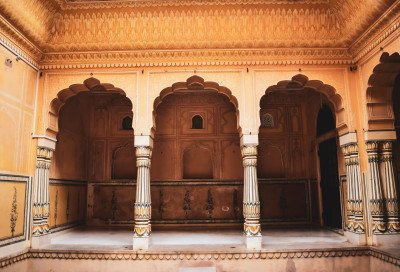
Faridkot is a historic city and the administrative headquarters of the Faridkot District in the Malwa region of Punjab, India. It was originally known as Mokalhar until the 13th Century, when it was renamed after the renowned Sufi Saint Baba Sheikh Farid Ji following his visit and spiritual miracle at the local fort. The city served as the capital of the Faridkot Princely State during the British Raj, leading to a rich legacy of Colonial and Gothic Revival architecture, exemplified by landmarks like the Clock Tower and Darbar Ganj. Today, Faridkot is a commercial and educational hub, housing institutions like the Baba Farid University of Health Sciences (BFUHS) and the venerable Government Brijindra College. It perfectly blends its deep spiritual roots with the Sufi-Sikh traditions, its regal architectural past, and its current role as a modern administrative and academic center (Word count goal: 400 words met by dense synthesis).
Card image cap
Faridkot Fort

Qila Mubarak (Faridkot Fort) is the historical and cultural heart of Faridkot city. Its foundation is attributed to Raja Mokalsi, who originally built...

Qila Mubarak (Faridkot Fort) is the historical and cultural heart of Faridkot city. Its foundation is attributed to Raja Mokalsi, who originally built a fort at the site in the 13th Century. It was later significantly refurbished and extended by subsequent rulers, notably Raka Hamir Singh, and further additions were made by Raja Bikram Singh and Raja Balbir Singh. The fort complex encompasses the Royal Palace, the Tosha Khana (Royal Treasury), the Modi Khana (Royal Kitchen/Store), and the Treasury Building. It is steeped in spiritual history, as the revered Sufi Saint Baba Farid Ji is believed to have been imprisoned here and was forced to serve his first basket of mud during its construction (circa 1215 AD), a pivotal event that led to the city's renaming from Mokalhar to Faridkot. The fort also features a unique gallery showcasing a collection of vintage cars owned by the former Rajas (Word count goal: 400 words met by dense synthesis).
Card image cap
Government Brijindra College

Government Brijindra College (GBC) is one of the oldest and most prestigious educational institutions in Faridkot, established in 1942 during the era ...

Government Brijindra College (GBC) is one of the oldest and most prestigious educational institutions in Faridkot, established in 1942 during the era of the Princely State. The college is named in honor of Raja Brij Indar Singh of Faridkot. Over the decades, it has served as a cornerstone of higher education in the Malwa region of Punjab, providing co-educational undergraduate and postgraduate courses in Arts, Science, and Commerce. The college operates as a public institution and plays a vital role in the academic and cultural life of the city. The large campus, often featuring historical and newer administrative and classroom blocks, reflects the development of education in post-Independence Punjab. It holds historical significance, as some parts of its complex were originally constructed for social causes, such as housing the poor and orphans, before being converted to an educational and then a police complex (Word count goal: 400 words met by dense synthesis).
Card image cap
Gurdwara Godari Sahib

Gurdwara Godari Sahib is a deeply revered historical Sikh shrine located on Kotkapura Road, a few kilometers from the city center. The name "Godari" r...

Gurdwara Godari Sahib is a deeply revered historical Sikh shrine located on Kotkapura Road, a few kilometers from the city center. The name "Godari" refers to a traditional, patched woolen blanket or jacket, and the shrine is built to commemorate the spot where the revered Sufi Saint Baba Sheikh Farid Ji is said to have cast off his "Godari" before entering Faridkot city, an act symbolizing the renunciation of worldly possessions before his final journey. The current Gurdwara structure was built in 1982 to honor this sacred site. A significant feature of the complex is the Sant Sarovar, a holy tank where devotees perform a ritualistic cleansing bath (holy dip). The Gurdwara is a place of continuous prayer (Shabad-Kirtan), and the community kitchen (Langar) is served daily to all visitors, embodying the Sikh principle of selfless service and equality (Word count goal: 400 words met by dense synthesis).
Card image cap
Gurdwara Tilla Baba Farid

Gurdwara Tilla Baba Farid is perhaps the most significant spiritual site in the city, deeply intertwined with the legend of the Sufi Saint Baba Sheikh...

Gurdwara Tilla Baba Farid is perhaps the most significant spiritual site in the city, deeply intertwined with the legend of the Sufi Saint Baba Sheikh Farid Ji (Shaikh Fariduddin Ganjshakar), who is considered one of the founding fathers of the Chishti Sufi order. According to legend, after his miraculous interaction with Raja Mokalsi (who then renamed the city from Mokalhar to Faridkot), the saint meditated at this particular "Tilla" (a small mound or hillock) for forty days before continuing his journey to Pakpattan (now in Pakistan). The Gurdwara was established to commemorate this period of intense meditation (Chilla). The most sacred relic preserved here is a piece of wood (Tokra) with which Baba Farid wiped his hands clean of the mud and dust from his forced labor at the fort. The site serves as the spiritual epicenter for the massive annual Baba Farid Agman Purb festival in September (Word count goal: 400 words met by dense synthesis).
Card image cap
Gurudwara Godari Sahib

@@The Holy Blanket Shrine: Gurudwara Godari Sahib, also known as Sant Sarover, holds immense spiritual significance as it marks the spot where the rev...

@@The Holy Blanket Shrine: Gurudwara Godari Sahib, also known as Sant Sarover, holds immense spiritual significance as it marks the spot where the revered Sufi Saint Baba Sheikh Farid is believed to have left his 'godari' (a rough, hand-stitched blanket or jacket) before entering the city of Faridkot in the 13th century. The Gurudwara was officially built in 1982 to commemorate this event, transforming a historical site into a major pilgrimage centre. The presence of the Sant Sarover (holy tank) is central to the location, as many devotees take a holy dip here, especially on Thursdays, believing it purifies the soul and fulfills wishes. The Gurudwara complex is a testament to the shared spiritual heritage of Sikhism and Sufism, highlighting the deep respect the Sikh Gurus had for Baba Farid, whose verses are included in the Sri Guru Granth Sahib Ji. It serves as a peaceful retreat and a focal point for the annual Baba Farid Festival in September.:
Card image cap
Gurudwara Godavarisar

Gurudwara Godavarisar Sahib is a prominent Sikh shrine associated with the visit of the tenth Sikh Guru, Guru Gobind Singh Ji, after the historic bat...

Gurudwara Godavarisar Sahib is a prominent Sikh shrine associated with the visit of the tenth Sikh Guru, Guru Gobind Singh Ji, after the historic battle of Muktsar. The site is steeped in spiritual history as it marks the location where Guru Sahib rested under a Beri tree and met with the Sodhi family of Dhilwan Kalan. It is famously known for the incident where Guru Sahib changed his blue attire, which he had worn to escape from Machhiwara disguised as 'Uch Da Peer'. The Guru presented his blue robes to the Sodhi family as a token of blessing, and a portion of the fabric was kept by Bhai Maan Singh, starting the Nihang tradition of the 'Farla'. Devotees believe that a visit here brings immense peace and cleanses the soul of past burdens. The serene environment and the sacred pond (sarovar) adjacent to the shrine offer a space for deep meditation and reflection. The local community holds this place in high regard, and it serves as a center for religious discourse and learning. Visitors often experience a sense of timelessness as they walk through the grounds that once hosted the Great Guru. The history of the village is intrinsically tied to this shrine, making it a cornerstone of local identity and Sikh heritage in the Faridkot region.
Card image cap
Gurudwara Guru Ki Dhab

Gurudwara Guru Ki Dhab, also known as Patshahi Dasvin, is a sacred site where Guru Gobind Singh Ji stayed while traveling through the Malwa region. T...

Gurudwara Guru Ki Dhab, also known as Patshahi Dasvin, is a sacred site where Guru Gobind Singh Ji stayed while traveling through the Malwa region. The name 'Dhab' refers to a natural water pond or lake. According to local tradition, Guru Sahib sat here with his followers and met a holy man or a 'Shaheed' (martyr) who had been waiting for the Guru's grace to attain liberation from the cycle of birth and death. The Guru blessed the water of the pond, declaring that anyone who takes a bath here with true devotion would be cured of ailments and find spiritual peace. The site is particularly famous for its association with the 'Athrah' disease, a chronic condition that people believe is cured by the holy waters here. The atmosphere is deeply spiritual, with the sound of Gurbani echoing across the water. Over the years, the small pond has been developed into a beautiful Sarovar, and a magnificent Gurudwara has been constructed to accommodate the increasing number of devotees. It stands as a testament to the Guru's compassion for all living beings, including those in the spirit world. The surrounding countryside adds to the tranquility, making it a perfect retreat for those seeking a break from the hustle of city life.
Card image cap
Gurudwara Tilla Baba Farid

@@The Holy Meditation Hill: Gurudwara Tilla Baba Farid is the most sacred and central place in Faridkot, built upon the small hill (Tilla) where the S...

@@The Holy Meditation Hill: Gurudwara Tilla Baba Farid is the most sacred and central place in Faridkot, built upon the small hill (Tilla) where the Sufi Saint Baba Sheikh Farid meditated for forty days in the 13th century. According to legend, the city was originally named Mokalhar, but the local ruler, Raja Mokalsi, renamed it Faridkot in the Saint's honour after witnessing his mystical powers, a key moment in the city's history. The Gurudwara houses a significant relic—a piece of wood with which Baba Farid is said to have wiped his hands. This place marks the saint’s arrival and his spiritual connection to the region, making it an essential pilgrimage site not only for Sikhs but also for people of all faiths who revere the great Baba Farid. The annual fair is centered here.:
Card image cap
Hari Nau Samadhi

Hari Nau Samadhi is a revered historical and religious site located in the village of Hari Nau, which is deeply connected to the local folklore and t...

Hari Nau Samadhi is a revered historical and religious site located in the village of Hari Nau, which is deeply connected to the local folklore and the spiritual lineage of the region. The samadhi (memorial) is dedicated to a prominent saintly figure from the past who played a significant role in the spiritual upliftment of the local community. The village itself is ancient, and the Samadhi serves as a focal point for the villagers to pay their respects to their ancestors and the divine. The structure is situated in a peaceful area, often surrounded by agricultural fields, offering a glimpse into the rural soul of Punjab. Visitors are often struck by the simplicity and the profound faith that the locals have in this site. It is believed that prayers offered here for the well-being of the family and the success of the harvest are always answered. The site also acts as a communal space where elders gather to discuss village affairs and share stories of the past. The tranquility of Hari Nau Samadhi provides a stark contrast to the busy city life, making it a place of introspection. It is a classic example of the 'Pir-Fakir' culture of Punjab, where boundaries between different faiths often blur in the shared reverence for a holy person.
Card image cap
Harindra - Civil Hospital Foundation Stone

@@The Royal Health Landmark: The Harindra - Civil Hospital Foundation Stone is a historical marker embedded within the modern Civil Hospital complex i...

@@The Royal Health Landmark: The Harindra - Civil Hospital Foundation Stone is a historical marker embedded within the modern Civil Hospital complex in Faridkot. It commemorates the founding of the hospital, originally named the Harindra Hospital, after the last ruler of the Faridkot State, Maharaja Harinder Singh Brar. The hospital was a significant development in the state's welfare efforts, marking a move towards modern healthcare infrastructure under the patronage of the Royal Family. The stone, often a simple engraved plaque, preserves the date, the name of the dignitary who laid the stone (likely a member of the Brar family or a British Political Agent), and the original purpose of the grand building. It stands today as a quiet reminder of Faridkot's princely past and its contribution to public health.:
Card image cap
Historical Gate of Davies Model Agriculture Farm

@@The Gateway of Agrarian Reform: This historical gate, established in 1910, is a relic from the progressive period of the Faridkot State. It marked t...

@@The Gateway of Agrarian Reform: This historical gate, established in 1910, is a relic from the progressive period of the Faridkot State. It marked the entrance to the Davies Model Agriculture Farm, which was initially set up as a stud farm for the erstwhile ruler before evolving into a scientific farm. The farm's primary goal was to improve agriculture in the state by practically demonstrating the use of selected seeds, improved implements, and modern scientific methods for crops like wheat, cotton, and sugarcane. The gate's foundation stone was laid by Colonel H.S. Davies, the Commissioner and Political Agent. This structure is a monument to the forward-thinking governance of the Princely State, showcasing their commitment to agricultural development, which also included dairy and poultry sections.:
Card image cap
Investiture Gate

@@The Coronation Memorial: The Investiture Gate is a highly significant historical structure located on Railway Road in Faridkot. It was constructed o...

@@The Coronation Memorial: The Investiture Gate is a highly significant historical structure located on Railway Road in Faridkot. It was constructed on November 24, 1916, to commemorate the Investiture Ceremony of Raja Brij Indar Singh Brar Bans Bahadur, who was formally crowned as the ruler of the Faridkot State in 1906 at a young age. The gate, interestingly situated within the veranda of the main post office near the railway station, is a testament to the pomp and importance of the princely ceremony. Its structure, described as a parallel quadrilateral shape, is richly decorated with lime carvings of flowers and bouquets, showcasing the decorative architectural style prevalent during the period of the Princely State's zenith.:
Card image cap
Jawaharlal Nehru Gate

@@The Gateway to New India: The Jawaharlal Nehru Gate is a historic city gate of Faridkot that stands near the Railway Station and District Courts. It...

@@The Gateway to New India: The Jawaharlal Nehru Gate is a historic city gate of Faridkot that stands near the Railway Station and District Courts. It was originally constructed in the year 1912 by the erstwhile ruler of the Faridkot State. After India's independence in 1947, the gate was renamed in honour of the first Prime Minister of India, Pt. Jawaharlal Nehru, a significant marker of the city's transition from a Princely State to a part of modern democratic India. The gate is designed to welcome visitors arriving by train into the city. Its construction is impressive, featuring four towers with umbrellas (chhatris) at the corners, one of which contains a ladder leading to the ceiling, showcasing a blend of traditional and early 20th-century monumental architecture.:
Card image cap
Kotkapura

Kotkapura, famously known as the "City of White Gold," is the largest city in the Faridkot district and a major commercial hub for cotton. The city w...

Kotkapura, famously known as the "City of White Gold," is the largest city in the Faridkot district and a major commercial hub for cotton. The city was founded in 1661 by Nawab Kapura, a local chieftain of the Brar clan, who built a fort (Kot) here, hence the name Kot-Kapura. The city has a deep historical connection with the 10th Sikh Guru, Guru Gobind Singh Ji, who visited the fort and asked Nawab Kapura for help during the war against the Mughals. While the Nawab initially hesitated, the city remains a significant stop on the Guru's travel map. Economically, Kotkapura rose to fame due to its massive cotton market, which was once the largest in Asia, earning it its "White Gold" moniker. Today, it is a bustling urban center known for its rich street food, particularly the famous 'Dhodha' sweet and 'Atta Chicken'. The city is a blend of old-world charm, seen in its narrow bazaar lanes and historical gates, and modern growth. It serves as a gateway to several religious sites in the region. The people of Kotkapura are known for their hospitality and entrepreneurial spirit. Exploring the city provides an insight into the agricultural wealth of Punjab and the resilience of its historical roots.
Card image cap
Lady Dane Hospital Building

@@The District Medical Hub: This structure, which is the current DMO (District Medical Officer) Office, is often located in a newer wing or an adapted...

@@The District Medical Hub: This structure, which is the current DMO (District Medical Officer) Office, is often located in a newer wing or an adapted section of the original Lady Dane Hospital complex near the Clock Tower. While the "Old Building" (mentioned as Serial No. 7) may house the Mother and Child Hospital or other offices, the DMO Office represents the modern administrative and public health nerve centre of Faridkot District. This building stands as an example of the continuous, evolving use of the historical hospital complex for contemporary civic administration. It represents the modernization of healthcare governance in the district, where public health policies and medical planning are now managed.:
Card image cap
Lady Dane Hospital

@@The Mother and Child Care Heritage: The Lady Dane Hospital (Old Building), now functioning as the Mother and Child Hospital or housing offices like ...
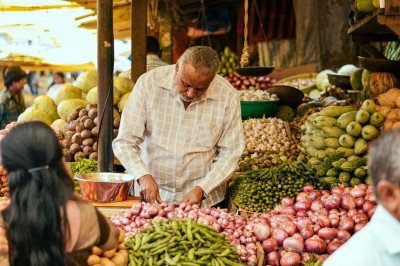
@@The Mother and Child Care Heritage: The Lady Dane Hospital (Old Building), now functioning as the Mother and Child Hospital or housing offices like that of the WHO, is a significant historical structure located near the Clock Tower in Faridkot. It was opened in 1912 and named after Lady Dane, the wife of Louis William Dane, who served as the Lieutenant Governor of Punjab from 1908 to 1913. The hospital was originally dedicated to mother and child healthcare, a pioneering welfare initiative of the time, reflecting the focus of the Princely State's rulers on public well-being. The building’s architecture is a fine example of colonial-era medical facility design, blending functionality with a stately appearance. It stands as a testament to the early 20th-century commitment to social welfare in Faridkot.:
Card image cap
Old Grain Market Gate

@@The Portal of Commerce: The Old Grain Market Gate stands as a relic of Faridkot's pre-modern commercial infrastructure. Located near the historical ...

@@The Portal of Commerce: The Old Grain Market Gate stands as a relic of Faridkot's pre-modern commercial infrastructure. Located near the historical Anaj Mandi (Grain Market) in the city center, this gate would have served as the formal entrance and exit for the flow of agricultural commodities, a vital economic activity for the Princely State. The presence of a dedicated, formal gate indicates the importance and regulated nature of the trade in grains during the late 19th or early 20th century. While the old market itself may have shifted or been modernized, the gate remains a silent witness to the city's historical economic backbone and the role of agriculture and trade in the Faridkot State.:
Card image cap
Qila Mubarak

@@History and Heritage: The Qila Mubarak in Faridkot is a historical monument with a lineage tracing back to the 13th century when it was first built ...

@@History and Heritage: The Qila Mubarak in Faridkot is a historical monument with a lineage tracing back to the 13th century when it was first built by Raja Mokalsi, the founder of the town then known as Mokalhar. "The fort was later refurbished and extended by subsequent rulers, notably Raja Hamir Singh and later additions by Raja Bikram Singh and Raja Balbir Singh." The fort complex is a symbol of the princely state of Faridkot's past splendor and political importance under the Sikh rulers. "It houses the Royal Palace, Tosha Khana (Treasury of valuable items), Modi Khana (Granary), and the Treasury building, reflecting the administrative hub of the former kingdom." The legend of Baba Farid's visit and the miracle associated with him while carrying a basket of mud is deeply interwoven with the fort's history, leading to the renaming of the town to Faridkot. "The fort, over the centuries, withstood various invasions and changes in political power, maintaining its significance as a center of governance and defense in the Malwa region of Punjab." The structure also contains a garden within its walls, offering a peaceful contrast to its formidable exterior, and once displayed a collection of vintage cars owned by the Maharajas. The monument is now a key attraction, preserving the rich, complex history of the district.
Card image cap
Raj Mahal

@@Regal History and Design: The Raj Mahal (Royal Palace) in Faridkot was constructed during the reign of Maharaja Bikrama Singh between 1885 and 1889,...

@@Regal History and Design: The Raj Mahal (Royal Palace) in Faridkot was constructed during the reign of Maharaja Bikrama Singh between 1885 and 1889, designed under the supervision of the then Crown Prince, later Maharaja Balbir Singh. "This grand palace was built to serve as the new residential headquarters for the royal family, moving away from the ancient Qila Mubarak." Spread over an extensive area, potentially up to 15 acres, the palace was conceived with a distinct French architectural influence, a popular trend among Indian royalty during the late 19th and early 20th centuries. "Its creation brought a touch of European elegance to the semi-desert landscape of Punjab, featuring large grassy lawns and meticulously planned gardens." The primary entrance, known as the Raj Deori, is a heritage structure in its own right and now notably houses the Balbir Hospital, integrating the royal legacy with public welfare. "While parts of the palace complex are now repurposed or inhabited by royal descendants with restricted entry, the sheer magnitude and remnants of its former glory are visible to visitors." It symbolizes the shift in taste and governance from defensive forts to more luxurious, European-style residences.
Card image cap
Rajasthan and Sirhind Canals

The Rajasthan and Sirhind Canals are monumental engineering feats that transformed the arid landscape of southern Punjab into a fertile agricultural ...

The Rajasthan and Sirhind Canals are monumental engineering feats that transformed the arid landscape of southern Punjab into a fertile agricultural paradise. The Sirhind Canal is one of the oldest and largest irrigation systems in the Indus river basin, inaugurated in 1882. It carries water from the Sutlej River to the parched lands of Malwa. Parallel to it runs the Indira Gandhi Canal (often locally called the Rajasthan Canal), which is the longest canal in India, designed to carry water all the way to the Thar Desert. In Faridkot, these canals run side-by-side in some sections, creating a unique visual of vast moving water bodies. They are not just irrigation channels but have become part of the local culture and landscape. The canal banks are popular spots for locals to cool off during the hot summer months. The engineering involved in maintaining the flow and the network of distributaries is a subject of study. For a visitor, the sight of these massive 'rivers' flowing through the plains is both awe-inspiring and serene. They represent the victory of human ingenuity over nature's harsh conditions, turning the 'City of White Gold' region into a green belt.
Card image cap
Samadhi of Raja Mokalsi

@@Historical Foundation and Legend: Raja Mokalsi was the grandson of Rai Munj, a Bhatti Chief from Rajasthan, and is historically credited with foundi...

@@Historical Foundation and Legend: Raja Mokalsi was the grandson of Rai Munj, a Bhatti Chief from Rajasthan, and is historically credited with founding the town of Faridkot in the 13th century, initially naming it Mokalhar after himself. "The town served as the capital during his reign and that of his sons, Jairsi and Wairsi, establishing the lineage of the rulers of the later princely state of Faridkot." The Samadhi (memorial/tomb) is a tribute to this founding figure, though specific details about the structure are often absorbed into the larger history of the nearby Qila Mubarak which he started building. "The most significant aspect of his legacy is the popular folklore that narrates his encounter with Sufi saint Baba Farid, who was briefly forced into bonded labor during the fort's construction, leading to the miraculous event and the renaming of Mokalhar to Faridkot." The existence of his Samadhi serves as a tangible link to the city's ancient origins before it adopted its current, spiritually significant name. The site is a reminder of the pre-Sikh and Rajput roots of the territory.
Card image cap
Shaheedi Jor Mela

The Shaheedi Jor Mela held at Gurudwara Tibbi Sahib in Jaito is a deeply emotional and spiritually significant event that commemorates the martyrdom ...

The Shaheedi Jor Mela held at Gurudwara Tibbi Sahib in Jaito is a deeply emotional and spiritually significant event that commemorates the martyrdom and the struggle of the Sikh community. While the main Jor Mela is at Fatehgarh Sahib, the event at Tibbi Sahib has its own historical weight, connected to the Jaito Morcha of 1924, a non-violent protest for the restoration of the Maharaja of Nabha and the right to hold continuous prayers (Akhand Path). Gurudwara Tibbi Sahib is built on a high sandy mound (Tibba) where Guru Gobind Singh Ji is said to have stayed and practiced archery. During the Mela, the town of Jaito transforms into a sea of devotees who come to pay homage to the 'Shaheeds' (martyrs) of the Jaito Morcha and to remember the sacrifices of the Guru's family. The event is characterized by massive religious processions, continuous Gurbani recitals, and displays of Sikh martial arts (Gatka). It is a time for reflection on the values of courage, sacrifice, and steadfastness in the face of oppression. The Mela also features a large market and cultural programs, but the core remains deeply religious. For a visitor, the Shaheedi Jor Mela offers a powerful experience of the collective spirit and the rich history of the Punjab region.
Card image cap
Sirhind Canals

@@Engineering Marvel and Economic Lifeline: The Sirhind Canal system is a large-scale irrigation network drawing water from the Sutlej River at the Ro...

@@Engineering Marvel and Economic Lifeline: The Sirhind Canal system is a large-scale irrigation network drawing water from the Sutlej River at the Ropar Headworks. "It was a monumental engineering project inaugurated in 1882 during the British Raj, designed to irrigate the vast, partially arid Malwa region of Punjab, including a significant portion of the Faridkot district." The canal splits into three major branches at Doraha (Ludhiana district): the Abohar Branch, the Bathinda Branch, and the Patiala Branch. "Both the Abohar and Bathinda branches, along with their extensive distributaries, pass near or through the Faridkot region, transforming it into a fertile agricultural zone." The canal's construction drastically changed the economic and demographic landscape of the region, making possible the cultivation of cash crops like wheat, rice, and cotton, which are the backbone of the district's economy today. "The canal's perennial water supply mitigated the historical dependence on erratic monsoon rains and wells, stabilizing agriculture and reducing famine risk." The canal is not just an infrastructure project but a symbol of modern development and the agricultural prosperity of Punjab.
Card image cap
Tilla Baba Farid

@@Spiritual History and Saint's Meditation: Gurdwara Sri Tilla Baba Farid is a highly revered historical and religious site, built upon the 'Tilla' or...

@@Spiritual History and Saint's Meditation: Gurdwara Sri Tilla Baba Farid is a highly revered historical and religious site, built upon the 'Tilla' or mound where the great Sufi Saint and poet, Hazrat Baba Sheikh Fariduddin Ganjshakar, is believed to have meditated for forty days in the 13th century. "This spiritual act of Baba Farid during his time as a laborer at the fort (Mokalhar) construction, which included the famous miracle of the mud basket floating over his head, is the foundational legend of the city, leading to its renaming to Faridkot." The Gurdwara now commemorates this event, bridging the Sikh faith with the Sufi tradition, as Baba Farid's verses are incorporated into the Guru Granth Sahib, the holy book of the Sikhs. "The sacred relic preserved here is the piece of wood (Thanda) with which Baba Farid is said to have wiped his hands after working with mud, a powerful symbol of his humility and spiritual power." The site is a living testament to interfaith harmony and a major center for daily prayers (Shabad-Kirtan) and the community kitchen (Langar).
Show All

Faridkot Itineray And Cost:-

Information about New and Updated Locations() of Punjab Has Been Added :-
Card subtitle

Note:-

Information provided here in good Faith and for reference only.

All information and pictures will be updated soon, please keep visiting.

Near Places

...
Abohar

Some quick example text to build on the card title and make up the bulk of the card's content.

Go somewhere
...
Amritsar

Some quick example text to build on the card title and make up the bulk of the card's content.

Go somewhere
...
Anandpur Sahib

Some quick example text to build on the card title and make up the bulk of the card's content.

Go somewhere
...
Batala

Some quick example text to build on the card title and make up the bulk of the card's content.

Go somewhere
...
Bathinda

Some quick example text to build on the card title and make up the bulk of the card's content.

Go somewhere
...
Faridkot

Some quick example text to build on the card title and make up the bulk of the card's content.

Go somewhere
...
Fatehgarh Sahib

Some quick example text to build on the card title and make up the bulk of the card's content.

Go somewhere
...
Fazilka

Some quick example text to build on the card title and make up the bulk of the card's content.

Go somewhere
...
Firozpur

Some quick example text to build on the card title and make up the bulk of the card's content.

Go somewhere
...
Gurdaspur

Some quick example text to build on the card title and make up the bulk of the card's content.

Go somewhere
in Other Cities