
...

Place To Visit And Things To Do In Ludhiana

Punjab, India
City Overview: Ludhiana is a sprawling industrial hub often called the 'Manchester of India' for its textile dominance. It is the largest city in Punjab and offers a unique blend of historical sites and modern lifestyle. Visitors can explore the ancient Lodhi Fort or enjoy the greenery of Nehru Rose Garden. The city is a major center for hosiery and cycle manufacturing worldwide. Its vibrant culture is reflected in its local festivals and bustling street markets like Chaura Bazaar. Historical Legacy: The city was founded by the Lodhi Dynasty in 1480 on the banks of the Sutlej River. It has witnessed the rise and fall of several empires, including the Mughals and the British. Many historical monuments like the Phillaur Fort still stand as silent witnesses to its glorious past. The Maharaja Ranjit Singh War Museum beautifully captures the military history of the region. Cultural Vibrancy: The local lifestyle is deeply rooted in Punjabi traditions and hospitality. People are known for their love for food, music, and hard work in the industrial sectors. Festivals like Lohri and Baisakhi are celebrated with immense fervor and joy. The Punjab Agricultural University museum offers a deep dive into the rural heritage of the state. Modern Development: Today, Ludhiana is a hub of shopping malls and educational institutions. Markets like Sarabha Nagar and Ghumar Mandi are popular for high-end fashion and local crafts. The city has developed rapidly with modern infrastructure and entertainment zones. It remains a key destination for business travelers and tourists exploring North India.

Things To Do

Card image cap
Alamgir Gurudwara

This holy shrine, also known as Gurdwara Manji Sahib, is situated in the village of Alamgir near Ludhiana. It holds immense historical and religious s...

This holy shrine, also known as Gurdwara Manji Sahib, is situated in the village of Alamgir near Ludhiana. It holds immense historical and religious significance as it is the very spot where Guru Gobind Singh Ji, the tenth Sikh Guru, stopped to rest for three days following the battle of Chamkaur Sahib. The name Manji Sahib is derived from the Manji (a small cot or palanquin) that was used to carry the Guru in the disguise of the 'Pir of Uch' to escape the pursuing Mughal army. The narrative associated with this place is truly miraculous and inspiring. An old lady once told the Guru there was no water nearby, only a distant well guarded by a large python. The Guru, seeking water for a bath, shot an arrow into the ground, causing a spring of pure drinking water to bubble forth, which cured the old lady's leprosy when she bathed in it. This sacred pool is now known as Tirsar (Arrow Lake), adding to the spiritual aura of the Gurudwara. The Gurudwara complex is extensive, maintaining a peaceful and devout atmosphere, where hundreds of devotees visit daily to seek blessings and partake in the Langar, the community meal. The preserving of the original Manji in the Bhora Sahib further enhances the sense of historical connection for visitors. The place serves as a powerful symbol of the Guru's endurance, miraculous power, and the profound principles of the Sikh faith, especially selfless service and charity, exemplified by its massive Langar hall. This place is not just a religious site but a historical monument, reflecting the rich heritage of Punjab and the life of one of its most revered figures.
Card image cap
Bir Jiwan Singh Wildlife Sanctuary

Bir Jiwan Singh Wildlife Sanctuary is one of the important bir (forest) areas in Punjab, located near Ludhiana. Although it is one of the smaller prot...

Bir Jiwan Singh Wildlife Sanctuary is one of the important bir (forest) areas in Punjab, located near Ludhiana. Although it is one of the smaller protected areas, its role as a natural habitat is crucial for the regional biodiversity. The sanctuary acts as a significant green lung, providing essential ecological services and a refuge for local flora and fauna, particularly birds and certain mammals. It is managed by the Punjab Forest and Wildlife Preservation Department. The term Bir is historically used in Punjab for a patch of forest or scrubland preserved by local rulers, often for hunting, and later converted into a sanctuary. This particular sanctuary, while not as vast as others, is vital for the conservation of species like the Blue Bull (Nilgai), Jackal, Jungle Cat, and various species of deer and hare. The dense cover of native trees and shrubs offers an environment for birdwatching, making it a favorite spot for nature enthusiasts, researchers, and students. The sanctuary is part of the larger effort to protect the remaining forest cover and the unique semi-arid scrub forest ecosystem of the region. Visitors are encouraged to explore the trails and observation points, always respecting the wildlife and maintaining the natural integrity of the habitat. It serves as an educational center as well, highlighting the importance of conservation, often having signboards detailing the native plant species and animal sightings. Its proximity to the industrial city of Ludhiana makes it a precious and easily accessible natural retreat.
Card image cap
Clock Tower

The Clock Tower of Ludhiana, locally known as the Ghanta Ghar, is one of the city's most enduring and historically significant landmarks. Its construc...

The Clock Tower of Ludhiana, locally known as the Ghanta Ghar, is one of the city's most enduring and historically significant landmarks. Its construction, started in 1862 and finally completed in 1906, was an ambitious project by the British Raj. It was initially named the Queen Victoria Memorial Clock Tower to commemorate the Silver Jubilee (25 years) of Queen Victoria's reign, symbolizing the permanence and authority of British rule in India. The tower was designed by John Gordon, the Municipal Chief Engineer of Amritsar, and represents a distinctive example of Indo-Saracenic Revival architecture, standing prominently in the heart of the Old City. For many years, it was one of the tallest structures in Old Ludhiana. Over time, it has transitioned from a colonial symbol to an emblem of the city itself, a hub of both commercial and political activity, located adjacent to the bustling Chura Bazar. In a nod to local sentiment, the tower was later renamed the Bhagwan Mahavir Jain Clock Tower. After a period of disrepair and silence, the clock was meticulously renovated under the Smart City Mission, and today, the sound of its bell rings again, complemented by a modern, colorful LED lighting system that illuminates the structure at night with changing shades, bringing the old monument into the modern age while respecting its deep historical roots.
Card image cap
Grand Walk Mall

Grand Walk Mall is recognized as one of the premier shopping, dining, and entertainment complexes in Ludhiana and the wider Punjab region. Strategical...

Grand Walk Mall is recognized as one of the premier shopping, dining, and entertainment complexes in Ludhiana and the wider Punjab region. Strategically located on the busy Ferozepur Road, the mall is easily accessible and serves as a major lifestyle hub for the city's affluent and modern population, as well as visitors. The mall spans a significant area, offering multiple floors of retail space that house a diverse mix of international and prominent Indian brands, ranging from luxury high-end stores to affordable fashion and lifestyle outlets, catering to a wide spectrum of tastes and budgets. The architectural design is modern and elegant, featuring a distinctive glass facade that allows ample natural light to permeate the vast internal spaces, creating a bright and welcoming ambiance. Beyond shopping, a key attraction is the comprehensive entertainment and food court section, which is a destination in itself. The mall includes a multiplex cinema on the top floor, screening the latest Bollywood and Hollywood releases, and a large gaming zone featuring arcade games and modern virtual reality experiences. The food court offers a plethora of dining options, from global fast-food chains to regional and traditional Indian cuisine, ensuring visitors have numerous culinary choices. The Grand Walk Mall is not merely a place for commerce; it's a social space, a venue for various events, fashion shows, and cultural activities held in its central atrium, making it a vibrant and multi-functional center for urban life in Ludhiana.
Card image cap
Guru Nanak Bhawan

Guru Nanak Bhawan is a significant cultural and performing arts center located in the heart of Ludhiana. It was inaugurated in 1969 and is named in ho...

Guru Nanak Bhawan is a significant cultural and performing arts center located in the heart of Ludhiana. It was inaugurated in 1969 and is named in honor of Guru Nanak Dev Ji, the revered founder of the Sikh faith. The center was established with the noble objective of actively promoting and preserving art, culture, and education within the Punjab region. Architecturally, the building is distinct, featuring a unique circular design constructed from white marble, culminating in a large, prominent dome at the top, a blend of traditional reverence and modern functional design. The facility boasts a massive main auditorium, which is a state-of-the-art venue with a seating capacity of over 1,000 people, complete with modern sound and lighting systems, making it suitable for grand-scale performances. In addition, it houses a smaller auditorium for more intimate events, a library with an extensive collection of books on history, literature, and art, and several meeting and banquet halls. Over the decades, the Bhawan has played a pivotal role in the cultural life of the city, hosting a wide array of high-profile national and international events, including theater festivals, music concerts, and literary seminars. It also serves as a popular and affordable venue for social gatherings, corporate conferences, and private functions like weddings and receptions, making it a truly multi-functional cultural and civic center managed by the Ludhiana Improvement Trust.
Card image cap
Guru Nanak Stadium

Guru Nanak Stadium is one of the most prominent and historically significant sports complexes in Ludhiana and a vital athletic venue for the entire st...

Guru Nanak Stadium is one of the most prominent and historically significant sports complexes in Ludhiana and a vital athletic venue for the entire state of Punjab. It was constructed in 1953 and proudly named after Guru Nanak Dev Ji, the founder of Sikhism, reflecting the cultural value placed on sportsmanship and health in the region. The stadium is a multipurpose facility, which has a massive seating capacity of approximately 30,000 spectators, making it one of the largest in Punjab. It is primarily utilized for hosting major football matches, having served as a home ground for I-League teams like Punjab FC and formerly JCT FC, and it features a well-maintained Bermuda grass pitch. Beyond football, it is fully equipped for track and field athletics, boasting a modern synthetic track that meets international standards. The stadium has an illustrious history, including the privilege of hosting the 31st National Games of India in 2001, cementing its status as a top-tier venue. An adjacent indoor stadium complements the main arena, catering to sports like basketball and volleyball, and the overall complex is managed by the Punjab Sports Department. In addition to competitive sports, the complex is often used for large-scale cultural events, regional festivals, concerts by famous Punjabi artists (like Diljit Dosanjh), and significant civic and political rallies, making it a truly integral part of Ludhiana's community life.
Card image cap
Gurudwara Charankanwal Sahib

Gurudwara Charankanwal Sahib is a deeply revered historical shrine located in the town of Machhiwara, a significant distance from Ludhiana city, but s...

Gurudwara Charankanwal Sahib is a deeply revered historical shrine located in the town of Machhiwara, a significant distance from Ludhiana city, but still within the district. This place holds immense spiritual importance for Sikhs as it commemorates the visit of Guru Gobind Singh Ji, the tenth Sikh Guru, following the tumultuous battle of Chamkaur Sahib. According to historical accounts, after a daring escape, the Guru reached the jungles of Machhiwara, utterly exhausted. The Gurudwara marks the very spot in a garden where he sat to relax under a Jand tree (a tree still preserved or represented today) and had a drink of water from a nearby well. It was here, while remembering God, that the Guru recited the famous, soulful Shabad (hymn) "Mitar Pyare Nu Haal Murida Da Kehna" ("Tell the Beloved Friend the plight of the disciples"). Furthermore, it was at this location that two of his devoted Panj Piaras (Five Beloved Ones), Bhai Daya Singh Ji and Bhai Dharam Singh Ji, along with Bhai Man Singh Ji, successfully reunited with him. The name Charankanwal means "Lotus Feet," a reference to the sacred touch of the Guru's feet on this hallowed ground. An annual congregation fair (Jor Mela) is held in December to mark the days of the Guru's stay, drawing thousands of devotees to this spiritual, historical, and deeply moving site, a poignant memorial to the Guru's perseverance.
Card image cap
Gurudwara Gauji Sahib

Gurudwara Gauji Sahib, also commonly referred to as Gurdwara Sri Gau Ghat Sahib, is a historically significant Sikh shrine nestled in the heart of Old...

Gurudwara Gauji Sahib, also commonly referred to as Gurdwara Sri Gau Ghat Sahib, is a historically significant Sikh shrine nestled in the heart of Old Ludhiana city, near the Buddha Nala and Gaushala Road. This revered Gurudwara is consecrated to Guru Nanak Dev Ji, the founder of the Sikh faith, who is believed to have visited this very spot around 1515 AD during his extensive travels (Udasis). At the time of the Guru's visit, the area was on the banks of the Satluj River, which frequently flooded the nascent town of Ludhiana. The local Nawab of the Lodhi dynasty, Jalal-ud-din, sought the Guru's blessings and intervention to protect the city from the river's erosion. Guru Nanak Dev Ji advised the Nawab to rule and serve his people with justice (Insaaf), prophesying that if he did so, the Satluj River would recede miles away, and the city would prosper. This prophecy is believed to have come true, as the river has indeed shifted its course significantly away from the city. The name Gau Ghat (Cow Riverbank) is derived from the proximity of the site to a local Gau Shala (Cow Shelter). The Gurudwara stands today as a testament to the Guru's spiritual power, his message of righteous conduct for rulers, and the historical presence of Sikhism's founder in Ludhiana, drawing a continuous stream of devotees.
Card image cap
Gurudwara Nanaksar Jagraon

Gurudwara Nanaksar Sahib, located in the village of Kaleran near Jagraon, is a globally renowned Sikh shrine, a major center of pilgrimage in the Ludh...

Gurudwara Nanaksar Sahib, located in the village of Kaleran near Jagraon, is a globally renowned Sikh shrine, a major center of pilgrimage in the Ludhiana district. It is not directly linked to the historical Gurus but is revered as the sacred site where the great 20th-century Sikh saint, Baba Nand Singh Ji Maharaj, performed intense meditation (Tap) and penance for many years, seeking the divine presence of Guru Nanak Dev Ji. It is believed that Baba Nand Singh Ji received the darshan (sacred glimpse) of Guru Nanak Dev Ji at this very location. After his passing in 1943, his successor, Baba Ishwar Singh Ji Maharaj, took on the task of building the current, magnificent, and permanent Gurudwara complex, which covers an expansive area of approximately 50 acres. The shrine is unique for its strict adherence to certain principles, most notably that cash, offerings, or donations of any kind are strictly not accepted inside the main Darbar Sahib, in accordance with the wishes of Baba Nand Singh Ji. Devotees can only offer their service (Sewa) or physical goods. The complex features an impressive Sarovar (holy tank), where a dip is believed to cure sorrows and diseases. The Gurudwara is a spiritual powerhouse, drawing hundreds of thousands of followers, particularly during its major annual festivals, making it one of the most important post-Guru period shrines.
Card image cap
Hardy's World Amusement Park

Hardy's World Amusement Park is a popular and expansive leisure destination located conveniently on the Grand Trunk Road (NH1) near Ludhiana. It is on...
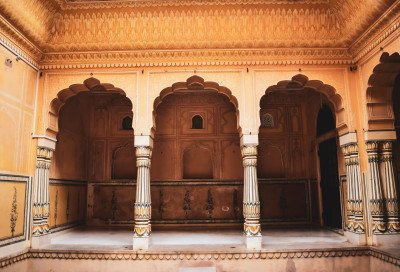
Hardy's World Amusement Park is a popular and expansive leisure destination located conveniently on the Grand Trunk Road (NH1) near Ludhiana. It is one of the largest and most well-established amusement parks in Punjab, designed to offer a complete day of fun and excitement for visitors of all ages, from small children to thrill-seeking adults. The park is broadly divided into two main zones: the Amusement Park and the Water Park (seasonal). The Amusement Park section features a variety of thrilling, adrenaline-pumping rides, including a long Roller Coaster (60 feet high), high-speed rides like The Pendulum (a swinging thrill ride), and classic family favorites like Striking Cars (bumper cars) and the Swing Chair. The Water Park is a major draw during the hot Punjab summers, offering large water slides, wave pools, and dedicated splash pads for children, providing a much-needed retreat from the heat. The park complex also includes various food outlets, cafes, and a souvenir shop. Its strategic location and reputation for having a wide range of attractions make it a favorite destination for families, student groups, and friends looking for a fun, action-packed day trip or weekend outing from Ludhiana and the neighboring cities. The park is consistently managed and offers a high-value entertainment experience, making it a key modern leisure landmark of the region.
Card image cap
Lodhi Fort

@@Historical Origin:: The Lodhi Fort, locally called Purana Qila or Old Fort, stands as a powerful testament to the military and administrative prowes...

@@Historical Origin:: The Lodhi Fort, locally called Purana Qila or Old Fort, stands as a powerful testament to the military and administrative prowess of the Lodhi Dynasty. It was constructed by Sikandar Lodhi (son of Bahlul Khan Lodhi) approximately 500 years ago during his reign in the early 16th century. Originally, its strategic location on the banks of the Sutlej River was chosen specifically to serve as a formidable military headquarters and a vital transit point for controlling the northern territories. This location was key for monitoring movement and defending the surrounding area. The fort's construction used traditional Mughal and pre-Mughal building materials like small baked bricks, known as Lakhauri bricks, and robust lime mortar, ensuring its defensive strength. @@Post-Lodhi Eras:: After the decline of the Lodhi Dynasty and the subsequent rise of the Mughal Empire, the fort retained its military importance, frequently being occupied and modified by succeeding rulers. It saw periods of maintenance and strategic use under the powerful Mughal Emperors, and later, it was significantly maintained and utilized by Maharaja Ranjit Singh in the 19th century, marking its importance even in the Sikh Empire. The British colonial administration also used the fort for various purposes, including housing the Government Institute of Textile Chemistry and Knitting Technology initially, before it was moved. This long history highlights its consistent strategic value across centuries and multiple ruling powers. @@The Current State and Conservation:: Today, much of the Lodhi Fort is in a state of ruin, a victim of time, neglect, and natural erosion, especially being situated near the river's changing course. Despite its dilapidated state, the remaining walls, gateways, and internal structures vividly reflect the original architectural ambition and scale. Recognizing its profound historical significance, the fort was formally declared a state-protected monument in December 2013 by the government of Punjab. There have been ongoing, though often slow, conservation efforts aimed at preserving the existing structure and preventing further decay, making it a critical site for history enthusiasts and archaeological study in the Ludhiana region. @@A Local Landmark:: For the people of Ludhiana, it is an important, though often overlooked, landmark. It provides a unique opportunity for visitors to walk through centuries of history, from the Lodhi era to the British Raj, all within a few acres. The site is characterized by its quiet, reflective atmosphere, contrasting sharply with the busy urban environment of modern Ludhiana. The lush greenery that now surrounds the crumbling walls adds a natural, almost romantic, layer to the historical ruin, making it a popular spot for both early morning visitors and those seeking a moment of peace.
Card image cap
Maharaja Duleep Singh Memorial

@@Historical Significance:: The Maharaja Duleep Singh Memorial is housed in the beautifully restored Bassian Kothi, a historic hunting lodge or rest h...
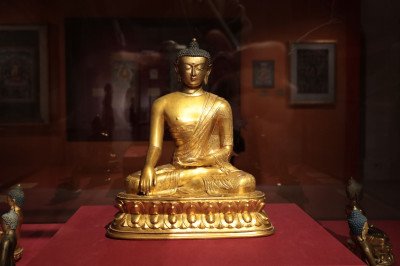
@@Historical Significance:: The Maharaja Duleep Singh Memorial is housed in the beautifully restored Bassian Kothi, a historic hunting lodge or rest house located in the village of Bassian near Raikot. Its historical importance is profound: this is the site where Maharaja Duleep Singh, the last ruler of the Sikh Empire, spent his final night on the soil of his kingdom, Punjab, before being exiled to Britain by the British in December 1849 following the Second Anglo-Sikh War. This event marks the end of sovereign Sikh rule in the region. The Kothi itself was a relic, having fallen into significant ruin before a major conservation project was undertaken by INTACH (Indian National Trust for Art and Cultural Heritage) starting in 2011 and concluding in 2015. The restoration converted the lodge into a dedicated museum. @@Museum and Exhibits:: The memorial now functions as a dedicated museum that chronicles the tragic and complex life of the Maharaja. The exhibits include replicas of his personal belongings, such as his clothing, weapons, and correspondence, along with numerous historical paintings and documents. The displays vividly narrate his early childhood accession to the throne, the annexation of Punjab, his forced separation from his mother, Maharani Jind Kaur, his conversion to Christianity, his life in England, and his later attempts to reclaim his heritage and kingdom. The focus is to educate visitors on his personal journey and the wider political context of the end of the Sikh Empire. @@Restoration and Inauguration:: The successful conservation efforts by INTACH ensured that the architectural integrity of the Kothi was maintained while adapting the structure to modern museum standards. The restoration was a highly celebrated project, and the memorial was inaugurated by the then Chief Minister of Punjab, Shri Prakash Singh Badal. The effort was praised for reviving a crucial, often forgotten, landmark associated with a pivotal moment in Punjab's history. @@A Pilgrimage for Heritage:: For many Sikhs and history lovers, the memorial is a place of pilgrimage, representing a poignant historical moment and serving as a tribute to the legacy of the Sikh Empire and its final ruler. It stands as a solemn, educational, and emotionally resonant site that encourages reflection on the sacrifices and losses of the 19th-century conflicts that reshaped the Indian subcontinent. It actively preserves the memory of the Maharaja who was separated from his homeland at a young age and died in exile.
Card image cap
Maharaja Ranjit Singh War Museum

The Maharaja Ranjit Singh War Museum, established in 1999 by the Government of Punjab, is a monumental tribute spread across four acres to honor the b...

The Maharaja Ranjit Singh War Museum, established in 1999 by the Government of Punjab, is a monumental tribute spread across four acres to honor the brave soldiers of Punjab who participated and sacrificed their lives in various wars, including those of the Sikh Empire and the post-independence era. It aims to educate citizens about the defense forces' role and the military history of the region. The museum features 12 galleries, including the Ancient History Gallery, Post Independence History Gallery, and a War Hero's Gallery, displaying a rich collection of artifacts, weaponry, and historical documents. A majestic statue of Maharaja Ranjit Singh greets visitors, emphasizing the rich martial heritage of the state. The exhibits showcase the courage and struggles of the Sikh people during a transformative period, making it a significant educational and cultural landmark.:
Card image cap
Mughal Sarai

The Mughal Sarai, popularly known as Doraha Sarai, is a historic caravanserai located in the town of Doraha on the old Grand Trunk (GT) Road. Construc...

The Mughal Sarai, popularly known as Doraha Sarai, is a historic caravanserai located in the town of Doraha on the old Grand Trunk (GT) Road. Constructed by the Mughal Emperor Jahangir in the 17th century, it served as a vital resting place and fortified inn for travelers, merchants, and imperial caravans along the ancient trade route connecting Delhi and Lahore. Once a magnificent example of Mughal architecture, the structure, though partially dilapidated, still showcases imposing gateways on its northern and southern sides. It is famously associated with the movie Rang De Basanti, where a section of the fort was used as a filming location, often confused with the nearby Serai Lashkari Khan (the actual RDB Fort). The monument is now protected by the Archaeological Survey of India (ASI).:
Card image cap
Nehru Rose Garden

Established in 1967, the Nehru Rose Garden is one of the oldest and largest leisure spots in Ludhiana, sprawling over an area of 27-30 acres right in ...

Established in 1967, the Nehru Rose Garden is one of the oldest and largest leisure spots in Ludhiana, sprawling over an area of 27-30 acres right in the heart of the city. It is a stunning horticultural marvel and a popular picnic spot, housing an incredible collection of over 17,000 plants encompassing 1,600 different varieties of roses. Beyond the extensive, beautifully landscaped lawns and fragrant flower beds, the garden features several attractions designed for family enjoyment. These include decorative water fountains that are illuminated with colorful lights and music every night, well-maintained jogging and walking tracks, a mini-zoo, and an artificial pool that sometimes offers boating facilities. The garden is a green lung for the city, attracting morning walkers, joggers, families, and tourists alike, making it an essential destination for nature lovers.:
Card image cap
Payal Fort

The Payal Fort, also known as Qila Payal, is a historical monument located in the town of Payal, approximately 40 KMs from Ludhiana city center. The f...

The Payal Fort, also known as Qila Payal, is a historical monument located in the town of Payal, approximately 40 KMs from Ludhiana city center. The fort was built in 1771 by Maharaja Amar Singh of the Patiala Riyasat with cooperation from the Mughals. Originally, the town of Payal was known as Sahibgarh. While the exact reason for the name change is unknown, the fort stands as a testament to the architectural and military history of the region in the 18th century. It features a unique blend of Mughal and Rajput architectural styles. Although much of the structure is now in a deteriorating state, the Archaeological Survey of India (ASI) has undertaken extensive renovation work on a large part of the fort. It remains a must-visit for history enthusiasts interested in the forgotten strongholds of Punjab's princely states.:
Card image cap
Punjab Agricultural University Museum

The Punjab Agricultural University Museum (officially the Museum of Social History and Rural Life of Punjab) is located within the sprawling campus of...

The Punjab Agricultural University Museum (officially the Museum of Social History and Rural Life of Punjab) is located within the sprawling campus of the prestigious PAU on Ferozepur Road. It is a unique cultural hub designed to resemble a traditional rural Punjabi house, offering a fascinating glimpse into the rich history, culture, and traditional lifestyle of Punjab's villages from the 18th century onwards. The museum's exhibits house a rare and extensive collection of artifacts, including antique household items, traditional farming implements, unique folk musical instruments (like the tumba, sarangi, and nagara), traditional handicrafts, jewelry, and rare coins, some dating back to the Harappan era. Spanning over 4,000 sq. ft, it aims to preserve and showcase the socio-economic and religious life of yesteryear's rural Punjab, making it a vital resource for cultural education and heritage preservation.:
Card image cap
Rakh Bagh Park

Rakh Bagh Park is a historic and beloved public park situated in the heart of Ludhiana, serving as a prime recreational and leisure space for locals a...

Rakh Bagh Park is a historic and beloved public park situated in the heart of Ludhiana, serving as a prime recreational and leisure space for locals and tourists. Dating back to the British Era, the park has been revamped but retains its charm with a lush green landscape and well-maintained gardens. The park's main attraction, especially for children, is the famous Toy Train that runs along a track encircling the park's perimeter, a nostalgic feature for many residents. It is a haven for fitness enthusiasts, offering a dedicated jogging and walking track, as well as separate tracks for bicycle riders. With exercising machines in the children's play area, a swimming pool for learners nearby, and food joints around the premises, Rakh Bagh is a habitual, all-age leisure spot, popular for morning and evening walks and weekend family outings.:
Card image cap
Tiger Safari

The Tiger Safari, officially part of the Ludhiana Zoo (also known as Guru Nanak Dev Zoological Park), is a key attraction for wildlife lovers, located...

The Tiger Safari, officially part of the Ludhiana Zoo (also known as Guru Nanak Dev Zoological Park), is a key attraction for wildlife lovers, located near the Kadiyan Reserve Forest on the GT Road. Established in 1988, it was initially focused on the captive breeding and conservation of the Royal Bengal Tiger. While it began as a specialized Tiger Safari with seven specimens, it has since evolved into a recognized, small zoo encompassing a wider variety of species. The park now hosts a range of animals and birds, including Himalayan Black Bears, Black Bucks, Sambar, Emu, and various exotic birds. Visitors can take a special safari bus ride through the tiger enclosure to observe the magnificent animals safely in a near-natural environment. The zoo focuses on wildlife awareness and ex-situ conservation efforts.:
Card image cap
Wave Mall

The Wave Mall is one of Ludhiana's premier and most popular lifestyle destinations, located strategically on the bustling Ferozepur Road. It is a mode...

The Wave Mall is one of Ludhiana's premier and most popular lifestyle destinations, located strategically on the bustling Ferozepur Road. It is a modern, one-stop hub that seamlessly integrates high-end retail, diverse dining options, and quality entertainment, reflecting the city's modern, urban lifestyle. The mall features a wide array of stores and outlets, catering to a vast palate with a blend of international and popular Indian brands across clothing, cosmetics, electronics, and home decor. The entertainment options are varied, often including a multiplex cinema (PVR), a gaming zone, and special activity areas for all age groups, making it a perfect weekend destination for families, youth, and shoppers. Its superior infrastructure, location next to prominent hotels (Hyatt Regency), and lively ambiance establish it as a major landmark in the city.:
Show All

Ludhiana Itineray And Cost:-

Information about New and Updated Locations() of Punjab Has Been Added :-
Card subtitle

Note:-

Information provided here in good Faith and for reference only.

All information and pictures will be updated soon, please keep visiting.

Near Places

...
Abohar

Some quick example text to build on the card title and make up the bulk of the card's content.

Go somewhere
...
Amritsar

Some quick example text to build on the card title and make up the bulk of the card's content.

Go somewhere
...
Anandpur Sahib

Some quick example text to build on the card title and make up the bulk of the card's content.

Go somewhere
...
Batala

Some quick example text to build on the card title and make up the bulk of the card's content.

Go somewhere
...
Bathinda

Some quick example text to build on the card title and make up the bulk of the card's content.

Go somewhere
...
Faridkot

Some quick example text to build on the card title and make up the bulk of the card's content.

Go somewhere
...
Fatehgarh Sahib

Some quick example text to build on the card title and make up the bulk of the card's content.

Go somewhere
...
Fazilka

Some quick example text to build on the card title and make up the bulk of the card's content.

Go somewhere
...
Firozpur

Some quick example text to build on the card title and make up the bulk of the card's content.

Go somewhere
...
Gurdaspur

Some quick example text to build on the card title and make up the bulk of the card's content.

Go somewhere
in Other Cities