
...

Place To Visit And Things To Do In Moga

Punjab, India
Patriotic Heritage: Moga is a significant city in Punjab, best known as the birthplace of the great freedom fighter Lala Lajpat Rai. The city was founded by Moga Singh Gill and is part of the Malwa region. It is a major hub for the food processing industry, particularly dairy products. The Nestle fa ctory here is one of the oldest and largest in the country. It combines historical pride with modern industrial growth. Educational Center: The city is home to numerous colleges and schools, making it a key educational hub for the surrounding rural areas. It has a young and vibrant atmosphere due to the large student population. The local libraries and cultural centers often host events commemorating the freedom struggle. It is a city that values its history while looking toward the future. Agricultural Might: Being in the heart of the fertile plains, Moga is a major producer of wheat and rice. The local grain market (mandi) is one of the busiest in the state during the harvest season. The city’s economy is deeply tied to the land and the hardworking farmers of the region. Visitors can see modern farming techniques being implemented alongside traditional methods. Spiritual Landscape: Numerous gurudwaras and temples dot the city and its outskirts. Gurudwara Lohgarh Sahib is a prominent site with historical significance. The religious diversity and harmony are evident in the city's peaceful coexistence of different communities. It offers a tranquil environment for spiritual seekers and history buffs alike.

Things To Do

Card image cap
Daroli Bhai Gurudwara

@@Historical Significance: The Gurudwara complex at Daroli Bhai is a collection of four shrines, deeply revered as it is associated with the Sixth Sik...

@@Historical Significance: The Gurudwara complex at Daroli Bhai is a collection of four shrines, deeply revered as it is associated with the Sixth Sikh Guru, Sri Guru Hargobind Sahib Ji. He visited the village at the request of his brother-in-law, Sai Das Khatri. The village is historically significant as the birthplace of Baba Gurditta Ji, Guru Sahib's eldest son, and the cremation site (Angitha Sahib) of his wife, Mata Damodari Ji. This location serves as a crucial link to the early life and family history of the Guru, making it a pivotal pilgrimage destination for the Sikh community. It preserves a vital part of Sikh history and culture, drawing devotees from all over the world for spiritual solace and historical reflection.:
Card image cap
Golden Gate Haveli

Golden Gate Haveli is a majestic heritage-style structure located near the village of Ghaloti in Moga. This haveli serves as a prominent landmark and...

Golden Gate Haveli is a majestic heritage-style structure located near the village of Ghaloti in Moga. This haveli serves as a prominent landmark and a cultural hub that showcases the grandeur of traditional Punjabi architecture. Spanning a vast area, it provides a glimpse into the lifestyle of the landed gentry of Punjab during the colonial and pre-colonial eras. The haveli is often used for cultural gatherings, film shoots, and private events, making it a lively center of activity. Visitors are drawn to its massive wooden doors and the intricate carvings that adorn its walls, telling stories of a bygone era. The place is meticulously maintained, ensuring that every brick reflects the historical significance of the Malwa region. It acts as a bridge between the past and the present, offering a serene environment away from the city's hustle. The lush green surroundings add to its charm, making it a perfect spot for those looking to immerse themselves in authentic Punjabi culture. The haveli also hosts traditional music performances on special occasions, bringing the local heritage to life for tourists and locals alike. It stands as a testament to the enduring spirit and artistic richness of the people of Moga.
Card image cap
Gurdwara Gurusar

@@Historical Significance: Gurdwara Gurusar Sahib Maddoke is an important historical Gurdwara, primarily associated with the Sixth Sikh Guru, Sri Guru...

@@Historical Significance: Gurdwara Gurusar Sahib Maddoke is an important historical Gurdwara, primarily associated with the Sixth Sikh Guru, Sri Guru Hargobind Sahib Ji. Guru Sahib is believed to have visited this village twice. His first visit was in 1631 where he met Sikhs and is credited with revealing a thief by washing the stolen buffaloes, which magically changed color. The second, more notable visit was in 1634, after his victory in the Battle of Mehraj. The most famous miracle associated with this place is the rejuvenation of a dry tree by Guru Sahib, which then turned green, hence the name 'Gurusar' (Guru's Sarovar/Tank) signifying a place of spiritual power and revival. It serves as a reminder of the Guru's spiritual and temporal authority.:
Card image cap
Gurdwara Lohgarh Sahib

@@Historical Significance: Gurdwara Lohgarh Sahib, also known as Gurdwara Dina Sahib, is an immensely important historical site, especially in the con...

@@Historical Significance: Gurdwara Lohgarh Sahib, also known as Gurdwara Dina Sahib, is an immensely important historical site, especially in the context of the Tenth Sikh Guru, Sri Guru Gobind Singh Ji. It was here, in December 1705, after the evacuation of Anandpur Sahib and the martyrdom of his sons, that Guru Sahib rested and was served by the local Sikhs. Crucially, it is believed that during his stay here or at the nearby village of Kangar, Guru Gobind Singh Ji composed the Zafarnama (Epistle of Victory)—a powerful letter in Persian addressed to the Mughal Emperor Aurangzeb. This Gurdwara stands as a monument to the Guru's courage, resilience, and spiritual authority even during a period of immense adversity.:
Card image cap
Gurdwara Nanak Sahib

@@Historical Significance: The Gurdwara Nanak Sar Sahib in Takhtupura is unique because it is sanctified by the visits of three Sikh Gurus: Sri Guru N...

@@Historical Significance: The Gurdwara Nanak Sar Sahib in Takhtupura is unique because it is sanctified by the visits of three Sikh Gurus: Sri Guru Nanak Dev Ji (First Guru), Sri Guru Hargobind Sahib Ji (Sixth Guru), and Sri Guru Gobind Singh Ji (Tenth Guru). The complex consists of three separate shrines, collectively known as Nanaksar, named after the sacred pool (Sarovar). Guru Nanak Dev Ji is believed to have discoursed here with Siddhayogis. Guru Hargobind Sahib Ji stayed for nearly 45 days, and Guru Gobind Singh Ji visited in December 1705 on his way to Dina. This convergence of three Guru-periods makes it an extremely significant and revered spiritual site.:
Card image cap
Gurdwara Seetal Sar

Gurdwara Seetal Sar is a significant religious site located in the heart of Moga city. Known for its large and serene sarovar (holy pond), it serves ...

Gurdwara Seetal Sar is a significant religious site located in the heart of Moga city. Known for its large and serene sarovar (holy pond), it serves as a spiritual sanctuary for thousands of devotees who visit daily. The name "Seetal Sar" translates to "Cool Pool," referring to the calming effect the water and the atmosphere have on the pilgrims. The Gurdwara is dedicated to the memory of the Sikh Gurus who traveled through this region, spreading the message of equality and devotion. The complex is expansive, featuring a large prayer hall where the Guru Granth Sahib is installed and hymns (Kirtan) are sung continuously. The architecture is a blend of traditional Sikh style with modern touches, characterized by its white marble finish and golden domes. One of the highlights of this place is the Langar (community kitchen), which serves free meals to everyone regardless of their caste or religion. This practice exemplifies the Sikh principle of Sewa (selfless service). The environment inside the Gurdwara is one of deep meditation and peace, making it a must-visit for anyone seeking spiritual solace. During major Sikh festivals, the entire complex is illuminated, creating a breathtaking sight that can be seen from far away. The Gurdwara also plays a vital role in the social life of Moga, hosting community weddings and educational programs for the youth.
Card image cap
Maharaja Jassa Singh Ramgarhia Chowk

@@Historical Significance: Maharaja Jassa Singh Ramgarhia Chowk is a significant landmark in the heart of Moga city, established to honor the legendar...
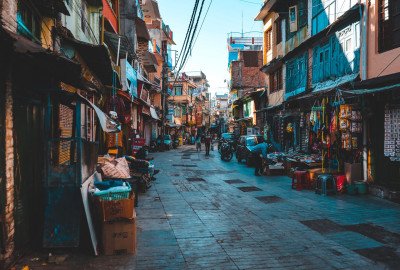
@@Historical Significance: Maharaja Jassa Singh Ramgarhia Chowk is a significant landmark in the heart of Moga city, established to honor the legendary Sikh warrior and leader, Maharaja Jassa Singh Ramgarhia (1723-1803). As the head of the Ramgarhia Misl (confederacy), he played a crucial role in establishing Sikh power during the turbulent 18th century, especially against the Mughal and Afghan invaders. His architectural skill, earning him the title of the community's master craftsman, is symbolized by his contribution to the Golden Temple complex. The chowk serves as a constant civic reminder of the warrior's bravery, architectural contributions, and the Ramgarhia community's legacy in Punjab.:
Card image cap
Main Bazaar Moga

@@Historical Significance: The Main Bazaar is the traditional commercial heart of Moga city, serving as a hub for trade, social interaction, and local...

@@Historical Significance: The Main Bazaar is the traditional commercial heart of Moga city, serving as a hub for trade, social interaction, and local culture for decades. It is where the city’s commerce flourished from the time Moga was a small town, particularly known in the early 20th century for its tea trade (the phrase 'Moga Chah Joga' meaning 'Moga only has tea' attests to this). Today, the bazaar remains the central marketplace, reflecting the economic vitality and cultural diversity of the region. It is a bustling, vibrant area where traditional Punjabi goods, clothing, and local cuisine are traded, giving visitors a genuine taste of life in a Malwa region city.:
Card image cap
Partition Masjid

Partition Masjid is a poignant historical site in Moga that stands as a silent witness to the events of 1947. Unlike many other religious structures,...

Partition Masjid is a poignant historical site in Moga that stands as a silent witness to the events of 1947. Unlike many other religious structures, this mosque is uniquely known for its association with the mass migration that occurred during the Partition of India. It was built in a style that reflects the Islamic architecture of the mid-20th century, featuring slender minarets and a central dome. For many years after the partition, the mosque remained a symbol of the displaced population, but today it serves as a place of worship and a historical landmark that reminds visitors of the region's diverse past. The mosque is situated in the older part of the city, surrounded by narrow lanes and bustling traditional markets. The interior is simple yet elegant, with prayer mats laid out on a polished floor and walls inscribed with verses from the Quran. The atmosphere is one of quiet dignity, attracting not only worshippers but also history enthusiasts who wish to understand the communal heritage of Punjab. The mosque has undergone several renovations to preserve its structure, yet it retains an old-world charm that transports visitors back in time. It is a place where one can reflect on the complexities of history and the resilience of the local community. The surrounding neighborhood is also home to several old houses that date back to the pre-independence era, making the entire area a rich site for historical exploration.
Card image cap
Shahidi Park

@@Historical Significance: Shahidi Park (Martyr's Park) is a significant green space in Moga, dedicated to honoring the sacrifices of local heroes and...

@@Historical Significance: Shahidi Park (Martyr's Park) is a significant green space in Moga, dedicated to honoring the sacrifices of local heroes and martyrs of the region. While it serves as a serene recreational area today, its primary importance lies in its role as a commemorative space, reminding visitors of the cultural and historical struggles of Punjab. It is a place where nature and history blend, providing a quiet place for reflection. The park is often a venue for cultural and civic activities, further cementing its role as a vital social and historical asset for the residents of Moga.:
Card image cap
Shiv Mandir

Shiv Mandir in Moga is one of the oldest and most revered Hindu temples in the district. It is dedicated to Lord Shiva and is a central point for rel...

Shiv Mandir in Moga is one of the oldest and most revered Hindu temples in the district. It is dedicated to Lord Shiva and is a central point for religious activities for the local Hindu community. The temple is located near the beautiful Kashmiri Park, providing a calm and green environment for the devotees. The main sanctum houses a beautifully crafted Shivling, which is the focus of daily rituals and prayers. The temple complex also includes smaller shrines dedicated to other deities like Goddess Parvati, Lord Ganesha, and Lord Hanuman. The atmosphere inside the temple is filled with the scent of incense and the sound of bells, creating a deeply meditative experience. During the festival of Maha Shivratri, the temple attracts thousands of pilgrims from across the state, and the entire area is transformed into a vibrant fair. The temple trust also manages various social welfare activities, including a local dispensary and educational support for underprivileged children. The architecture of the temple has been updated over the years, featuring colorful paintings and intricate marble work that depict various mythological scenes. It is not just a place of worship but also a center for cultural learning, where traditional bhajans and religious discourses are held regularly. The peaceful vibrations of the temple make it a popular spot for locals to spend their evenings in prayer and community interaction.
Card image cap
Theme of Moga

@@Historical Significance: The theme of Moga is the unique blend of its identity as the 'Spiritual Breadbasket' and a major NRI (Non-Resident Indian) ...

@@Historical Significance: The theme of Moga is the unique blend of its identity as the 'Spiritual Breadbasket' and a major NRI (Non-Resident Indian) center of Punjab. Historically, the district is part of the fertile Malwa region, making it a major agricultural producer of wheat and rice, hence the 'Breadbasket' moniker, exemplified by the presence of large food processing industries like Nestle. Spiritually, it is sanctified by the visits of several Sikh Gurus (Guru Nanak Dev Ji, Guru Hargobind Sahib Ji, Guru Gobind Singh Ji). Furthermore, Moga has seen significant emigration, making it a hub for families with strong international ties, visible in the modern infrastructure and lifestyle. The theme is thus a confluence of agriculture, deep spirituality, and a modern, globally connected diaspora culture.:
Card image cap
Tomb Thumnes

@@Historical Significance: The Tomb Thumnes is a lesser-known but historically significant structure in Moga, representing a fragment of the region's ...

@@Historical Significance: The Tomb Thumnes is a lesser-known but historically significant structure in Moga, representing a fragment of the region's medieval history, possibly dating back to the Sultanate or early Mughal periods. The term 'Tomb' (Maqbara) suggests it is a resting place for a local dignitary, saint, or administrator from those eras. Such tombs, often found across Punjab, are silent witnesses to the shifting political and religious landscapes of the region over centuries, predating the rise of the modern city of Moga. While not as famous as the major Gurudwaras, it offers a crucial window into the area's non-Sikh, ancient architectural and historical layers, providing a contrast to the later developments.:
Show All

Moga Itineray And Cost:-

Information about New and Updated Locations() of Punjab Has Been Added :-
Card subtitle

Note:-

Information provided here in good Faith and for reference only.

All information and pictures will be updated soon, please keep visiting.

Near Places

...
Abohar

Some quick example text to build on the card title and make up the bulk of the card's content.

Go somewhere
...
Amritsar

Some quick example text to build on the card title and make up the bulk of the card's content.

Go somewhere
...
Anandpur Sahib

Some quick example text to build on the card title and make up the bulk of the card's content.

Go somewhere
...
Batala

Some quick example text to build on the card title and make up the bulk of the card's content.

Go somewhere
...
Bathinda

Some quick example text to build on the card title and make up the bulk of the card's content.

Go somewhere
...
Faridkot

Some quick example text to build on the card title and make up the bulk of the card's content.

Go somewhere
...
Fatehgarh Sahib

Some quick example text to build on the card title and make up the bulk of the card's content.

Go somewhere
...
Fazilka

Some quick example text to build on the card title and make up the bulk of the card's content.

Go somewhere
...
Firozpur

Some quick example text to build on the card title and make up the bulk of the card's content.

Go somewhere
...
Gurdaspur

Some quick example text to build on the card title and make up the bulk of the card's content.

Go somewhere
in Other Cities