

...

Place To Visit And Things To Do In Wayanad

Kerala, India
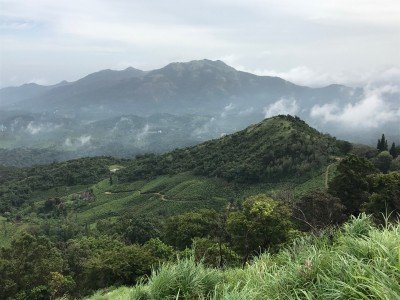
Place Overview: Wayanad is a high-altitude district in Kerala that is a treasure trove of waterfalls, caves, and spice plantations. Part of the Nilgiri Biosphere Reserve, it is known for its lush green mountains and cool climate throughout the year. The name is derived from "Vayal Nadu," which trans lates to the land of paddy fields, reflecting its rich agricultural heritage. Ancient History: The region is home to the Edakkal Caves, which contain rock carvings dating back to the Neolithic age. These carvings provide evidence of prehistoric human settlements in this part of the world, making Wayanad a site of immense archaeological importance. Walking through these caves feels like stepping back thousands of years into human history. Wildlife and Nature: Much of Wayanad is covered in dense forests, home to the Wayanad Wildlife Sanctuary. Here, tourists can spot elephants, tigers, and deer in their natural habitat. The district also boasts the Banasura Sagar Dam, which is the largest earthen dam in India, offering stunning views of the surrounding hills and islands. Sustainable Tourism: The district has focused on eco-tourism and sustainable living, with many resorts being built using eco-friendly materials. It is a place where you can stay in a treehouse or a mud cottage while enjoying the fresh aroma of coffee and pepper from the nearby plantations. It is the perfect destination for those seeking an authentic mountain experience in Kerala.

Things To Do

Card image cap
1

@@ Overview: The Padinjarathara Dam, widely known as Banasura Sagar Dam, is a magnificent engineering marvel nestled in the heart of Wayanad. It holds...

@@ Overview: The Padinjarathara Dam, widely known as Banasura Sagar Dam, is a magnificent engineering marvel nestled in the heart of Wayanad. It holds the prestigious title of being the largest earthen dam in India and the second largest in all of Asia. This massive embankment is constructed using enormous stacks of boulders and stones, creating a sturdy barrier that holds back the pristine waters of the Karamanathodu tributary of the Kabini River. The dam is named after Banasura, the son of the legendary King Mahabali, who is believed to have performed severe penance on the surrounding hills. Visitors are greeted by a breathtaking sight where the turquoise reservoir water contrasts beautifully against the emerald green Banasura Hills. During the monsoon season, the rising water levels create small, picturesque islands within the reservoir, which are often compared to the scenic landscapes of Vietnam. The area has been developed into a premier tourism hub, offering a blend of adventure and relaxation. The sprawling gardens near the entrance are meticulously maintained, featuring colorful flower beds and paved walkways for tourists to enjoy. The dam serves multiple purposes, including supporting the Kakkayam Hydroelectric Project and providing essential irrigation water to the surrounding agricultural lands. It is a place where nature's serenity meets human ingenuity, making it a must-visit for anyone traveling through the Western Ghats. The mist-covered peaks in the background provide a dramatic setting for morning walks or evening sunset views. Many local legends are associated with this site, adding a layer of cultural depth to the physical beauty of the landscape. The reservoir is also home to various species of freshwater fish, and the surrounding forests host a variety of local flora and fauna. As you walk across the massive dam wall, the wind from the valley provides a refreshing experience that rejuvenates the spirit of every traveler.
Card image cap
2

@@ Overview: Pakshipathalam Bird Sanctuary is an absolute paradise for nature enthusiasts, ornithologists, and adventure seekers located deep within t...

@@ Overview: Pakshipathalam Bird Sanctuary is an absolute paradise for nature enthusiasts, ornithologists, and adventure seekers located deep within the Brahmagiri Hills. The name "Pakshipathalam" literally translates to "birds in the netherworld," a fitting description for a place that feels untouched by the modern world. This sanctuary is situated at an elevation of over 1740 meters above sea level, providing a cool and misty environment throughout the year. The terrain is characterized by dense evergreen forests, sprawling grasslands, and massive rock boulders that have formed natural caves over centuries. These caves serve as the primary nesting grounds for various rare bird species, most notably the Edible Nest Swiftlet, which is famous for building nests made of its own saliva. To reach the heart of the sanctuary, one must undertake a challenging 8 KM trek through the wilderness, which requires physical stamina and a spirit of exploration. Along the trail, trekkers can encounter a rich variety of biodiversity, including giant Malabar squirrels, gaurs, and occasionally wild elephants. The sanctuary is not just about birds; it is a holistic ecosystem where rare medicinal plants and orchids thrive in the damp, shaded corners of the forest. Folklore suggests that this was a place of meditation for ancient sages, and local tribes still hold the hills in high religious regard. The silence of the forest is only broken by the melodic calls of cuckoos, woodpeckers, and jungle fowl that inhabit the canopy. Because it is a protected area, the sanctuary remains pristine and free from commercial clutter, offering a raw experience of the Western Ghats. The vantage points along the trek offer panoramic views of the Wayanad valley and the neighboring state of Karnataka. It is a destination that demands respect for nature, requiring visitors to follow strict conservation guidelines to preserve the delicate balance of this avian haven. For those who complete the arduous journey, the sight of hundreds of birds emerging from the rocky crevices at dawn or dusk is a memory that lasts a lifetime.
Card image cap
3

@@ Overview: Pallikunnu Church, officially known as Our Lady of Lourdes Church, is one of the most significant and beautiful religious landmarks in No...

@@ Overview: Pallikunnu Church, officially known as Our Lady of Lourdes Church, is one of the most significant and beautiful religious landmarks in North Kerala. Established in 1908 by a visionary French priest named Fr. Jefreno, this church stands as a testament to the long-standing Christian heritage of the Wayanad region. What makes this church truly unique is its fascinating blend of traditional Christian values and local Kerala cultural practices. Over the decades, it has evolved into a center of religious harmony, where people from all faiths come to seek solace and blessings. The church is situated in a serene location surrounded by lush green landscapes and coffee plantations, providing a tranquil atmosphere for prayer and meditation. Its historical significance is deeply rooted in the early 20th century when the region was primarily a wilderness, and the church served as a beacon of hope for the local community. The architecture of the church is simple yet elegant, reflecting the modest style of that era while incorporating elements that resonate with the local aesthetic. One of the most striking features of Pallikunnu Church is the presence of several rituals that are traditionally associated with Hindu temples, such as the offering of oil lamps and specific types of processions. This cultural synthesis is a beautiful representation of the "melting pot" nature of Kerala society. The church gained immense popularity due to the belief in the miraculous powers of Our Lady of Lourdes, with many devotees claiming to have been healed of ailments after praying here. The annual festival held in February is a massive event that transforms the quiet village of Pallikunnu into a bustling pilgrimage site. Despite the large crowds, the church maintains an aura of sacredness and peace that captivates every visitor. It is not just a place of worship but a historical monument that narrates the story of faith and perseverance in the rugged terrains of the Western Ghats. For tourists, it offers a glimpse into the diverse spiritual fabric of India, making it an essential stop on any cultural tour of the district.
Card image cap
4

@@ Overview: The Papanasini River, located near the ancient Thirunelli Temple, is considered one of the holiest water bodies in South India. The name ...

@@ Overview: The Papanasini River, located near the ancient Thirunelli Temple, is considered one of the holiest water bodies in South India. The name "Papanasini" is derived from Sanskrit, where "Papa" means sins and "Nasini" means destroyer, signifying its power to wash away the sins of the living and the dead. This sacred stream originates from the Brahmagiri Hills and flows gracefully over rocks and through dense forests before reaching the temple vicinity. It is a site of immense spiritual importance, often referred to as the Dakshina Kashi (Kashi of the South). Devotees believe that a ritual dip in these waters provides salvation and cleanses the soul of worldly taints. The river is also the primary site for performing Bali Tharpanam, a ritual dedicated to ancestors, where offerings are made to ensure the peaceful transition of departed souls. According to Hindu mythology, the river was blessed by Lord Vishnu himself, who promised that its waters would remain eternally pure and sanctifying. The surroundings of the river are incredibly picturesque, with ancient stone steps leading down to the water and thick canopies of trees overhead. The sound of the flowing water combined with the distant chanting of temple priests creates a meditative environment that is both calming and profound. Interestingly, the river contains several unique rock formations and small natural pools that have been used by pilgrims for centuries. In 1991, the ashes of former Prime Minister Rajiv Gandhi were immersed here, further cementing its national significance as a site of reverence. The water of the Papanasini is surprisingly cold and clear, even during the peak of summer, owing to its high-altitude forest origin. For nature lovers, the walk from the Thirunelli Temple to the riverbank is a short but beautiful journey through a forest trail that feels like stepping back in time. The spiritual energy of the place is palpable, making it a destination where one can truly disconnect from the chaos of modern life and reconnect with the ancient traditions of the land.
Card image cap
5

@@ Overview: The Pazhassi Raja Tomb is a solemn and majestic memorial dedicated to Veera Pazhassi Raja, the legendary prince of the Kottayam royal fam...

@@ Overview: The Pazhassi Raja Tomb is a solemn and majestic memorial dedicated to Veera Pazhassi Raja, the legendary prince of the Kottayam royal family who is fondly remembered as the Kerala Simham or the "Lion of Kerala." This site marks the very spot where the great warrior was cremated after he fell in battle against the British East India Company in 1805. Pazhassi Raja was one of the earliest Indian rulers to wage a relentless guerrilla war against colonial rule, utilizing the dense, mist-laden forests of Wayanad to his advantage. The tomb is not just a graveyard but a powerful symbol of resistance, courage, and the indomitable spirit of the people of Kerala. It is located in the town of Mananthavady and is surrounded by a beautifully landscaped park that offers a peaceful retreat for history buffs and casual tourists alike. In the mid-1990s, the site was further developed by the State Archaeological Department to include a specialized museum that houses a variety of artifacts from the Raja's era. This museum provides a deep dive into the life of the warrior king, showcasing his weapons, coins, and personal belongings. The tomb itself is a simple yet dignified structure that reflects the respect the local population has for their fallen hero. Walking through the memorial, one can feel the weight of history and the sacrifices made by the Raja and his loyal tribal warriors, the Kurichias, who fought by his side. The garden surrounding the tomb is filled with rare plants and trees, creating a "green museum" effect that complements the historical displays. For students of history, this place is a goldmine of information regarding the early anti-colonial movements in South India. The tranquil atmosphere, occasionally interrupted by the chirping of birds, makes it an ideal spot for reflection on the price of freedom. The memorial serves as a constant reminder of the "Lion" who refused to bow down to foreign oppressors, making it a site of national pride and a key landmark in the cultural landscape of Wayanad.
Card image cap
Ambalavayal Heritage Museum

The Ambalavayal Heritage Museum, also known as the Wayanad Heritage Museum, stands as one of the most significant archaeological repositories in Kera...
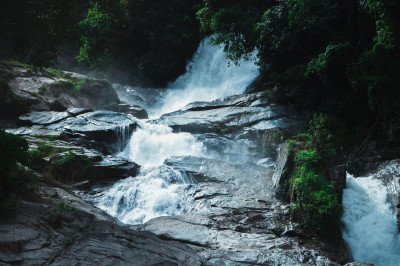
The Ambalavayal Heritage Museum, also known as the Wayanad Heritage Museum, stands as one of the most significant archaeological repositories in Kerala. This museum is a treasure trove of artifacts that date back as far as the 2nd century AD, offering a profound glimpse into the Neolithic age and the sophisticated civilizations that once inhabited the Western Ghats. The facility is divided into four main blocks: Devasmruthi, Gothrasmruthi, Veerasmruthi, and Jeevanasmruthi, each meticulously curated to represent different facets of ancient life. Visitors can find an array of terracotta figurines, tribal hunting equipment, and exquisite stone idols that reflect the artistic and spiritual depth of the indigenous people. The museum serves as an educational hub, preserving the rich legacy of the Adivasi communities like the Paniyas and Kurichiyas. It is not just a collection of objects but a narrative of human survival and cultural evolution in the rugged terrains of Wayanad. The tranquil surroundings of the museum enhance the experience, allowing history buffs to immerse themselves in the bygone eras without the rush of modern life. It is arguably the best-maintained heritage site in the region, providing context to the nearby Edakkal Caves. The museum also features a multi-media theatre that screens informative documentaries about the excavations and the history of the Malabar region. Exploring this site is essential for anyone wishing to understand the soul of Wayanad beyond its natural beauty. :
Card image cap
Banasura Sagar Dam

Banasura Sagar Dam is an engineering marvel and the largest earthen dam in India, and the second-largest of its kind in Asia. Located at the foot of ...
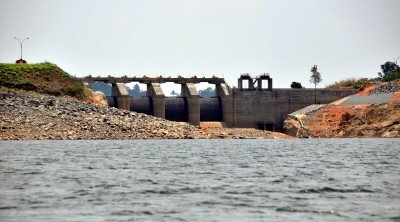
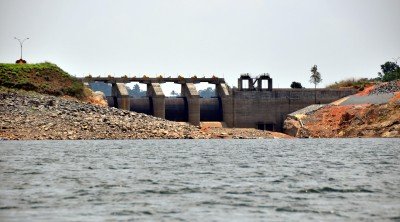
Banasura Sagar Dam is an engineering marvel and the largest earthen dam in India, and the second-largest of its kind in Asia. Located at the foot of the Banasura Hills, it is built across the Karamanathodu River, a tributary of the Kabini River. The reservoir is famous for the group of small islands that were formed when the reservoir submerged the surrounding areas during the monsoon. These islands, set against the backdrop of the majestic Banasura Hill, create a breathtaking vista that is often compared to the landscapes of Switzerland. The dam serves the dual purpose of providing irrigation and supporting the Kakkayam Hydro Electric Power Project. For tourists, it is a hub of adventure and serenity. The massive embankment is made of stacked boulders and earth, stretching nearly a kilometer in length. Walking along the top of the dam offers a 360-degree view of the mist-covered mountains and the shimmering blue waters of the lake. The area is managed by the District Tourism Promotion Council (DTPC), ensuring a clean and safe environment for families. It is a preferred spot for those who want to experience the raw power of nature combined with human ingenuity. Whether you are looking for a high-speed boat ride or a quiet spot for a picnic, this dam provides the perfect setting for a memorable day in Wayanad. :
Card image cap
Chain Tree

The Chain Tree of Lakkidi is one of the most intriguing and mystical spots in Wayanad. Located right beside the National Highway 766, it is a massive...

The Chain Tree of Lakkidi is one of the most intriguing and mystical spots in Wayanad. Located right beside the National Highway 766, it is a massive Ficus tree with a heavy iron chain hanging from its branches. The legend associated with this tree dates back to the British Colonial era. It is said that a British engineer took the help of a local tribal youth named Karinthandan to find the secret route through the dense forests of the Thamarassery Ghat. After the route was discovered, the engineer killed Karinthandan to take sole credit for the discovery. Legend has it that the ghost of the tribal youth haunted travelers on this route until a priest chained the restless spirit to this very tree. Locals believe that the chain grows in length along with the tree every year. Today, it stands as a memorial to Karinthandan, who is considered the first martyr of Wayanad. A small temple dedicated to him is located right next to the tree. Every traveler passing through the Gateway of Wayanad stops here to pay their respects and marvel at the eerie sight of the rusted chain merging into the bark. The atmosphere at Lakkidi is often foggy and cool, adding a layer of mystery to the legend. It is a quick but essential stop that connects the modern traveler to the dark and colonial history of the region. :
Card image cap
Chembra Peak

Chembra Peak is the highest summit in Wayanad, standing tall at an elevation of 2,100 meters above sea level. It is a part of the Western Ghats and i...
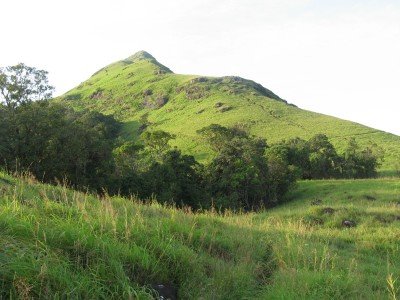
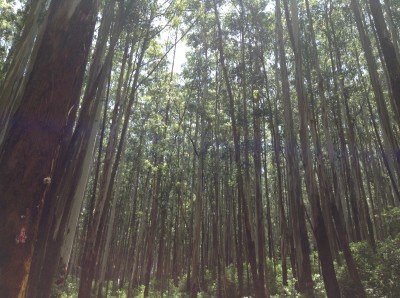
Chembra Peak is the highest summit in Wayanad, standing tall at an elevation of 2,100 meters above sea level. It is a part of the Western Ghats and is a paradise for trekkers and nature lovers. The trek to the top is regulated by the South Wayanad Forest Development Agency. The most famous attraction on the way to the summit is the Heart-Shaped Lake, locally known as Hridaya Thadakam. This natural lake is believed to have never dried up, even in the harshest summers, and its perfect heart shape is a marvel of nature. The trek starts through lush tea plantations, transitions into dense tropical forests, and finally opens up into expansive grasslands. From the top, one can see almost the entire Wayanad district and even parts of Kozhikode and Malappuram on a clear day. The peak is home to a variety of flora and fauna, some of which are endemic to this region. Due to its ecological sensitivity, the number of trekkers per day is strictly limited, and plastic is completely banned. It is a challenging yet rewarding climb that takes about 4 to 5 hours to complete. The misty atmosphere, the cool mountain breeze, and the sight of the heart-shaped lake amidst the green hills make it the most sought-after trekking destination in Kerala. It is a must-visit for anyone seeking an adrenaline rush in the lap of nature. :
Card image cap
Chethalayam Waterfalls

Chethalayam Waterfalls is one of the lesser-known, "offbeat" gems of Wayanad. Located near the Wayanad Wildlife Sanctuary, this seasonal waterfall is...

Chethalayam Waterfalls is one of the lesser-known, "offbeat" gems of Wayanad. Located near the Wayanad Wildlife Sanctuary, this seasonal waterfall is a sanctuary for those who wish to escape the crowded tourist spots. Unlike the more popular Soochipara or Meenmutty, Chethalayam requires a bit of effort to reach, making the experience more rewarding. The waterfall cascades down from a moderate height, and while it may dry up during the peak of summer, it transforms into a vigorous stream during and after the Monsoon. To reach the falls, one must undertake a 4-kilometer trek through the dense forest, which is often home to various species of birds and butterflies. The trail is rugged and offers a raw experience of the Western Ghats' wilderness. It is an ideal spot for trekking enthusiasts and bird watchers. The pool at the base of the waterfall is shallow and safe for a refreshing dip in the crystal-clear water. Since it is located within the forest range, a permit from the Forest Department is necessary, and visitors are usually accompanied by a guide. The silence of the forest, broken only by the chirping of birds and the sound of falling water, makes Chethalayam a perfect destination for meditation and nature photography. It is truly a hidden treasure for the soul seeking peace. :
Card image cap
E3 Theme Park

E3 Theme Park is one of the most versatile recreational destinations in South India, focusing on three core pillars: Entertainment, Education, and En...

E3 Theme Park is one of the most versatile recreational destinations in South India, focusing on three core pillars: Entertainment, Education, and Environment. Spanning a vast green landscape in Vellamunda, this park offers over 15 distinct themes ranging from high-adrenaline adventure zones to peaceful botanical gardens. Visitors can immerse themselves in the Dinosaur Park, which features life-sized moving models that provide a Jurassic-like experience for children and adults alike. The park is meticulously designed to blend with the natural topography of Wayanad, ensuring that the construction does not disturb the local ecology. It serves as a perfect getaway for families seeking a mix of thrill and learning, with facilities for scientific exploration and cultural performances. The "Environment" aspect is highlighted through the preservation of local flora, making the park a green lung in the region. Whether you are interested in the 12D theater, the magnetic free fall, or the moss garden, E3 Theme Park offers a comprehensive day-out experience. It has quickly become a landmark in Kerala tourism, attracting thousands of visitors who want to escape the mundane and dive into a world of excitement. The park also features a massive action zone for kids and a variety of food courts serving local Kerala delicacies and international snacks.
Card image cap
Edakkal Caves

Edakkal Caves are not technically caves in the traditional sense; they are a natural fissure or rift in the rock, created by a massive boulder wedged...

Edakkal Caves are not technically caves in the traditional sense; they are a natural fissure or rift in the rock, created by a massive boulder wedged between two larger rocks. Located 1,200 meters above sea level on the Ambukuthi Hills, these "caves" contain Neolithic petroglyphs (rock carvings) dating back to 6,000 BCE. Discovered by Fred Fawcett in 1890, the carvings depict human and animal figures, ancient symbols, and scripts that hint at a connection with the Indus Valley Civilization. The trek up to the caves is a moderate challenge, involving a steep walk through coffee and pepper plantations followed by a climb of over 300 steps. Once inside, the atmosphere is cool and mystical, with light filtering through the overhead crevices to illuminate the ancient art. This site is managed by the Archaeology Department of Kerala and is considered one of the most important historical sites in India. The view from the top of the hill offers a breathtaking panoramic vista of the Wayanad plateau and the surrounding mountain ranges. It is a place where history meets adventure, offering visitors a rare glimpse into the lives of our prehistoric ancestors. The trek itself is a sensory delight, filled with the aroma of wild spices and the sounds of local birdlife.
Card image cap
Jain Temple

The Jain Temple at Sulthan Bathery is a majestic 13th-century structure that stands as a silent witness to the religious and military history of Waya...
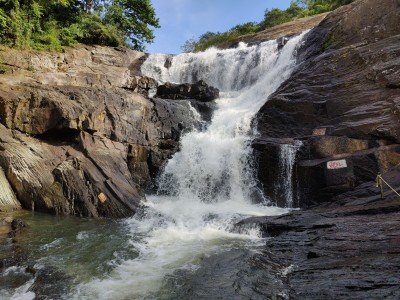
The Jain Temple at Sulthan Bathery is a majestic 13th-century structure that stands as a silent witness to the religious and military history of Wayanad. Built during the reign of the Vijayanagara Empire, the temple is dedicated to the Jain Tirthankara, Ananthanatha Swami. It is constructed entirely of granite and showcases the exquisite Dravidian style of architecture. In the 18th century, the temple gained historical notoriety when Tipu Sultan of Mysore used it as a battery (ammunition store) during his invasion of the Malabar region. This event led to the town being renamed from Ganapathivattom to Sulthan Bathery. Despite its military use in the past, the temple has been restored and is now a protected monument under the Archaeological Survey of India. The interiors are minimalist yet spiritual, featuring square granite pillars adorned with carvings of floral motifs, snakes, and deities. The sanctum sanctorum, though now empty of its main idol, still exudes a sense of ancient peace. The temple is surrounded by a well-maintained lawn, making it a quiet retreat from the bustling town. It serves as a prime example of the peaceful co-existence of different cultures in Kerala over the centuries.
Card image cap
Kanthanpara Waterfalls

Kanthanpara Waterfalls is a hidden gem tucked away in the lush forests of Meppadi. Unlike the more famous Soochipara or Meenmutty falls, Kanthanpara ...
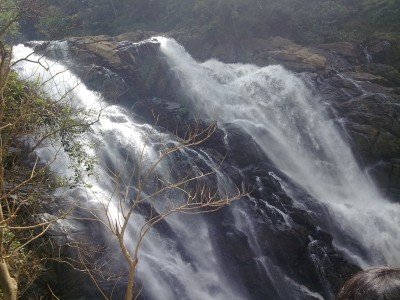
Kanthanpara Waterfalls is a hidden gem tucked away in the lush forests of Meppadi. Unlike the more famous Soochipara or Meenmutty falls, Kanthanpara is smaller, standing at about 30 meters, but it offers a much more tranquil and private experience. The falls are characterized by two tiers of cascading water that drop into a shallow, clear pool. The surrounding area is a dense canopy of tropical trees, coffee plantations, and bamboo groves, making it a paradise for nature lovers. The approach to the waterfall involves a short, easy trek through scenic tea gardens, which is accessible to people of most age groups. The atmosphere here is incredibly peaceful, with the only sound being the rhythmic splash of water against the rocks. It is an ideal spot for a family picnic or for those looking to meditate in nature's lap. The water flow is perennial, though it becomes a roaring spectacle during the monsoon months. Because it is less crowded, the area remains pristine and clean, offering a refreshing break from the typical tourist trails of Wayanad. The local villagers are welcoming, and the path to the falls is well-marked. It is a place that invites you to slow down and appreciate the subtle beauties of the Western Ghats.
Card image cap
Karapuzha Dam

Karapuzha Dam is one of the largest earth dams in India, built across the Karapuzha River, a tributary of the Kabini. Unlike concrete dams, this stru...

Karapuzha Dam is one of the largest earth dams in India, built across the Karapuzha River, a tributary of the Kabini. Unlike concrete dams, this structure uses compacted layers of earth, giving it a more natural look that blends perfectly with the surrounding Western Ghats. The reservoir is a vast expanse of turquoise water dotted with small green islands and surrounded by rolling hills. In recent years, the area has been developed into a major tourism hub, featuring a well-manicured garden, a children's park, and an adventure zone. One of the highlights is the Adventure Park, which offers activities like ziplining over the water and human slingshots. The dam serves as a vital irrigation source for the region, but for tourists, it is a place of immense scenic beauty. The sunset at Karapuzha is particularly famous, as the sky turns into a canvas of orange and pink, reflecting off the calm waters of the reservoir. It is a birdwatcher's paradise, especially during the winter months when migratory birds frequent the islands. The dam's proximity to Kalpetta makes it an easy addition to any Wayanad itinerary. Whether you want to enjoy a quiet walk along the dam's walkway or seek thrills in the park, Karapuzha offers something for everyone.
Card image cap
Karlad Lake & Water Sports

@@ Natural Serenity and Fun : Karlad Lake is the second largest freshwater lake in the state of Kerala, tucked away in the lush greenery of the Wester...

@@ Natural Serenity and Fun : Karlad Lake is the second largest freshwater lake in the state of Kerala, tucked away in the lush greenery of the Western Ghats. Unlike the more famous Pookode Lake, this spot offers a more secluded and quiet atmosphere for those looking to escape the typical tourist crowds. The lake is spread over a sprawling area and is surrounded by dense bamboo forests and tropical trees that reflect beautifully on the water's surface. It has been developed into a major adventure tourism destination by the Wayanad Tourism Promotion Council, making it a favorite for youngsters and families. The tranquil environment combined with the adrenaline of water sports creates a perfect balance for a day outing. Visitors can spend hours just watching the ripples on the water or engaging in various physical activities that the park provides. The area is also known for its rich biodiversity, with many local bird species frequenting the banks. It serves as a vital water source for the surrounding flora and remains a pristine example of Wayanad's natural wealth. Whether you are an adventure junkie or a peace seeker, this lake provides an unforgettable experience in the heart of nature.
Card image cap
Krishnagiri Cricket Stadium

@@ A Sporting Marvel in the Clouds : The Krishnagiri Cricket Stadium, also known as the Wayanad Cricket Stadium, is one of the most picturesque sporti...

@@ A Sporting Marvel in the Clouds : The Krishnagiri Cricket Stadium, also known as the Wayanad Cricket Stadium, is one of the most picturesque sporting venues in India. Situated at an altitude of about 2,100 feet above sea level, it holds the distinction of being the highest-altitude stadium in the country dedicated exclusively to cricket. The stadium was built by the Kerala Cricket Association (KCA) to provide a world-class training ground in a high-altitude environment, which helps athletes improve their stamina and performance. The location was chosen for its cool climate and stunning backdrop of the Western Ghats, specifically the view of the Phantom Rock and Kolagappara hills. Unlike typical concrete stadiums, Krishnagiri is known for its "grass mound" seating, where spectators can sit on lush green slopes to watch the matches, reminiscent of classic English or South African grounds. The stadium has hosted several first-class matches, including India-A games, and serves as a primary coaching center for the state's budding cricketers. For a tourist, it is a place of serene beauty where the leather ball's sound echoes against the silent mountains. Even when matches aren't scheduled, the stadium remains a point of interest for its sheer aesthetic value and the peaceful vibe of the surrounding countryside.
Card image cap
Kuruva Island

@@ An Uninhabited Riverine Haven : Kuruva Island, locally known as Kuruva Dweep, is a massive protected river delta on the Kabini River. Spreading ove...
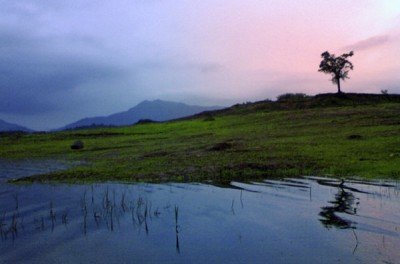
@@ An Uninhabited Riverine Haven : Kuruva Island, locally known as Kuruva Dweep, is a massive protected river delta on the Kabini River. Spreading over 950 acres, this cluster of islands is uninhabited and remains one of the most ecologically sensitive zones in the Western Ghats. The island is accessible only by bamboo rafts or fiber boats provided by the Forest Department, adding a sense of adventure to the journey. Once on the island, you are surrounded by a dense canopy of evergreen trees, rare orchids, and herbal plants that have remained untouched for centuries. It is a haven for birdwatchers, with many migratory species choosing these quiet woods for nesting. The gentle streams of the Kabini River flow between the small islets, creating shallow pools where visitors can wade through the water. The silence of the island is only broken by the chirping of birds and the rustle of bamboo leaves. Due to its ecological importance, the number of visitors is strictly regulated daily to prevent environmental degradation. It is a perfect example of eco-tourism where the beauty of the wild is preserved for future generations to appreciate.
Card image cap
Meenmutty Waterfalls

@@ Majesty in Three Stages : Meenmutty Waterfalls is arguably the most spectacular waterfall in Wayanad, known for its massive 300-meter drop over thr...

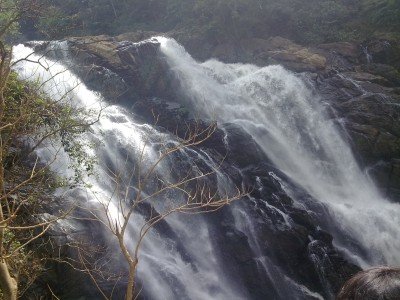
@@ Majesty in Three Stages : Meenmutty Waterfalls is arguably the most spectacular waterfall in Wayanad, known for its massive 300-meter drop over three distinct tiers. The name "Meenmutty" translates to "where fish are blocked," referring to the natural barriers the falls create in the river. To reach the falls, one must embark on a 2 KM trek through dense teak forests and coffee plantations, which adds a sense of discovery to the visit. Each of the three tiers requires a separate hike, with the difficulty level increasing as you go higher. The first tier is easily accessible and features a large pool where visitors can safely swim. The second and third tiers offer more dramatic views but require climbing over slippery rocks and using ropes for support. The sheer power of the water crashing down the rocks creates a mist that cools the entire area, even in the peak of summer. It is a place of raw, unbridled natural beauty that captures the essence of the Western Ghats' wild side. Because it is located away from the main highway, it remains relatively pristine and is a favorite for those who enjoy a bit of a challenge before the reward.
Card image cap
Neelimala View Point

@@ A Sky-High Perspective : Neelimala View Point is an offbeat gem that offers one of the most breathtaking panoramic vistas in all of Kerala. Located...
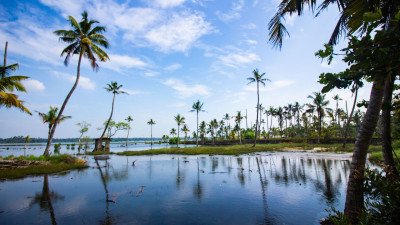
@@ A Sky-High Perspective : Neelimala View Point is an offbeat gem that offers one of the most breathtaking panoramic vistas in all of Kerala. Located near Vaduvanchal, this viewpoint requires a moderate trek through coffee and ginger plantations followed by a forest trail. Once you reach the summit, the world opens up to show the rolling hills of the Western Ghats, shrouded in mist and carpeted in every shade of green imaginable. The highlight of the view is the distant sight of the Meenmutty Waterfalls, appearing as a white silver streak amidst the dark green forest. The air at the top is incredibly fresh and carries the faint scent of wild blossoms and spice plants from the valleys below. Unlike the more commercialized viewpoints, Neelimala retains a raw and quiet charm, making it a favorite for soul-seekers and serious trekkers. The trail itself is an experience, passing through tribal hamlets where you can see the traditional way of life. It is the perfect place to sit in silence and watch the clouds float by at eye level, feeling completely disconnected from the hustle of city life.
Card image cap
Phantom Rock

Phantom Rock, locally known as Cheengeri Mala, is one of the most unique archaeological wonders in India. This massive metamorphic rock formation nat...
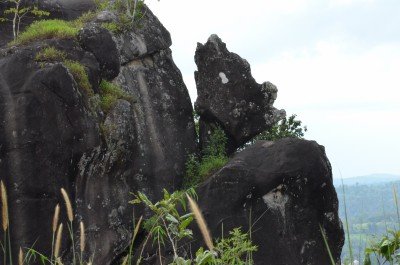
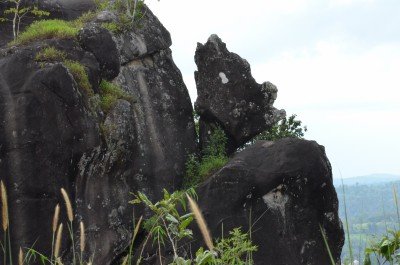
Phantom Rock, locally known as Cheengeri Mala, is one of the most unique archaeological wonders in India. This massive metamorphic rock formation naturally resembles a human skull, specifically the masked face of the comic hero Phantom. Perched at an altitude of 2600 feet above sea level, it offers a panoramic view of the lush greenery and coffee plantations of Wayanad. The site is a favorite for geologists and nature enthusiasts who marvel at how wind and water erosion over millennia carved such a distinct shape into the granite. Unlike many other tourist spots that are heavily commercialized, Phantom Rock retains a raw and mystical aura. The surrounding landscape is characterized by narrow paths and rocky terrains, making it a dream destination for those seeking solitude. As you stand before this towering structure, the silence of the valley and the sheer size of the rock create a humbling experience. It serves as a silent guardian of the Ambalavayal region, reflecting the prehistoric geological shifts of the Western Ghats. Visitors often feel a sense of mystery as they explore the base of the rock, wondering about the ancient secrets it might hold. The area is also rich in biodiversity, with local flora clinging to the crevices of the stone. It is not just a sightseeing spot but a place where one can contemplate the power of natural forces. The rock stands as a testament to the rugged beauty of Kerala, offering a stark contrast to the verdant forests that typically define the district. It is a must-visit for anyone looking for something beyond the usual waterfalls and tea gardens.:
Card image cap
Pookode Lake

Pookode Lake is a natural freshwater lake nestled amidst the evergreen forests and mountain slopes of the Western Ghats. Situated at an altitude of 7...
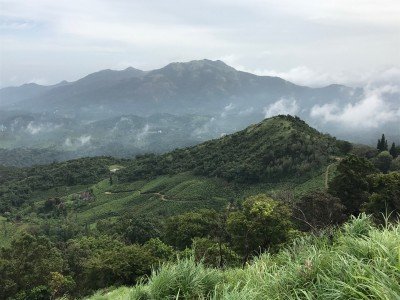
Pookode Lake is a natural freshwater lake nestled amidst the evergreen forests and mountain slopes of the Western Ghats. Situated at an altitude of 770 meters, it is the highest altitude freshwater lake in Kerala. The most fascinating feature of the lake is its natural shape, which remarkably resembles the map of India when viewed from above. The lake is filled with blue lotuses and a variety of freshwater fish, including the endemic Pethia pookodensis. Surrounded by lush greenery, the lake offers a tranquil escape for those looking to connect with nature. The walking path that circles the lake is about 1.5 kilometers long and is shaded by tall trees, providing a cool environment even during the noon hours. It serves as the source of the Panamaram River, a major tributary of the Kabini River. The area is managed by the South Wayanad Forest Division, ensuring that the ecological balance is maintained. Tourists flock here for the boating facilities, which allow them to glide over the calm, crystal-clear waters. The reflection of the surrounding mountains on the lake's surface creates a magical atmosphere that is perfect for relaxation. It is a family-friendly destination with a children's park and a small aquarium on-site. The presence of wild animals in the surrounding forests, occasionally seen drinking water at the far ends, adds a touch of wilderness to the experience. Whether you are a honeymooning couple or a family on vacation, Pookode Lake provides a quintessential Wayanad experience characterized by mist, water, and woods. The lake's depth is approximately 6.5 meters, and its waters remain perennial throughout the year, even during the peak of summer. It is truly the "Blue Jewel" of the district.:
Card image cap
Priyadarshini Tea Environs

Priyadarshini Tea Environs is more than just a tea estate; it is a significant socio-economic project aimed at rehabilitating the bonded tribal labor...
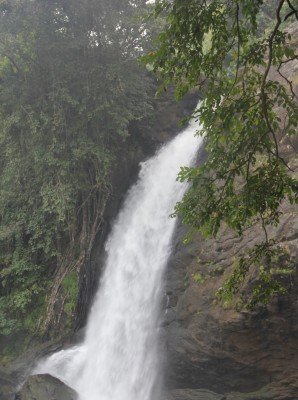
Priyadarshini Tea Environs is more than just a tea estate; it is a significant socio-economic project aimed at rehabilitating the bonded tribal laborers of Wayanad. Established in 1984, this 500-acre estate is home to the Paniyar tribe and is one of the largest tribal resettlement projects in Asia. The estate is nestled adjacent to the Brahmagiri forest range, offering a misty and pollution-free environment. Visitors here can experience the entire process of tea production, from the plucking of tender leaves to the final processing in the fully functional tea factory. The estate features a tea museum that chronicles the history of tea in the region and the struggle of the tribal communities. The landscape is a breathtaking carpet of jade green tea bushes that roll over the undulating hills. For those seeking adventure, the estate offers trekking to Vishwas Point, the highest peak in the area, providing views of the Karnataka border. The project is managed by a cooperative society, and the income supports the local tribal families. It is an ideal spot for "Tea Tourism," where one can stay in tree houses or ethnic cottages. The air here is infused with the fragrance of fresh tea and the cool breeze from the Arabian Sea that travels across the Western Ghats. It offers a rare glimpse into the sustainable harmony between man and nature. The estate is known for producing high-quality CTC tea. Visiting this place provides a deep sense of peace, far removed from the commercial bustle of larger hill stations. It is a place of stories—stories of resilience, growth, and the quiet beauty of the highlands.:
Card image cap
Soochipara Waterfalls

Soochipara Waterfalls, also known as Sentinel Rock Falls, is one of the most spectacular natural attractions in Kerala. The name "Soochipara" is deri...

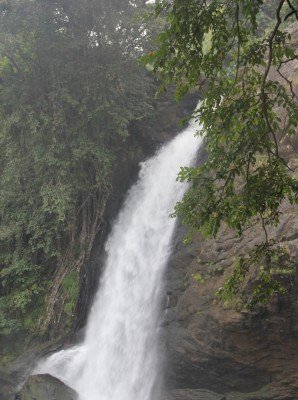
Soochipara Waterfalls, also known as Sentinel Rock Falls, is one of the most spectacular natural attractions in Kerala. The name "Soochipara" is derived from the Malayalam words 'Soochi' (needle) and 'Para' (rock), referring to the needle-shaped rock at the base. This waterfall is a three-tiered cascade that plunges from a height of over 200 meters. To reach the falls, visitors must embark on a 2-kilometer trek through dense evergreen forests and tea plantations. The path is well-paved but involves climbing several steps, making it an adventurous journey. As you approach the falls, the thunderous roar of the water and the cool mist in the air create an exhilarating sensation. At the base of the waterfall, there is a large natural pool where visitors can take a refreshing dip. The water is crystal clear and remains cold throughout the year. The surrounding cliffs are made of solid granite and are popular among rock climbers. The area is exceptionally rich in biodiversity, and the forest canopy is home to various species of monkeys and birds. During the monsoon, the waterfall becomes a raging torrent, offering a majestic sight of nature's power. However, for safety reasons, the pool may be closed during heavy rains. The site is managed as a plastic-free zone to preserve its pristine environment. It is a perfect spot for those who love combining a physical trek with a scenic reward. The drive to the entrance is equally beautiful, passing through some of the finest tea estates in Wayanad. Soochipara is not just a destination; it is a sensory experience of the Western Ghats' raw beauty.:
Card image cap
Sultan Bathery

Sultan Bathery is the largest town in the Wayanad district and serves as its commercial and historical hub. Originally known as Ganapathivattom, it w...
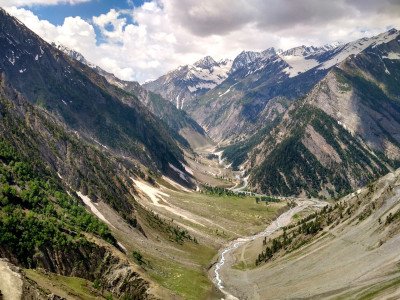
Sultan Bathery is the largest town in the Wayanad district and serves as its commercial and historical hub. Originally known as Ganapathivattom, it was a prominent center for the Jain community and local tribal groups. The town's modern name is derived from Tipu Sultan, who utilized the ancient Jain temple as a military station (battery) during his 18th-century campaigns. Today, the town is a bustling mix of old-world charm and modern convenience. It is the cleanest town in Kerala and serves as a base for exploring the eastern parts of Wayanad, including the wildlife sanctuaries and caves. The town is surrounded by sprawling pepper and coffee plantations, and its altitude of 930 meters ensures a pleasant climate throughout the year. Visitors can explore the historic Ganapathi Temple, shop for high-quality spices, or enjoy authentic Malabar cuisine in the local eateries. The town is also known for its excellent infrastructure and is a major transit point for travelers coming from Karnataka and Tamil Nadu. Despite its growth, Sultan Bathery has maintained its green cover, with trees lining its wide roads. It is a perfect example of a town that honors its history while embracing the future, making it a must-visit for anyone traveling through the Western Ghats.
Card image cap
Sunrise Valley

Sunrise Valley, located in the Mooppainad panchayat near Vaduvanchal, is widely considered the most stunning viewpoint in the entire Wayanad district...

Sunrise Valley, located in the Mooppainad panchayat near Vaduvanchal, is widely considered the most stunning viewpoint in the entire Wayanad district. As the name suggests, it is the premier spot to witness the first light of day as it illuminates the deep valleys and the winding Chaliyar River below. The viewpoint offers a panoramic gaze at the confluence of two magnificent waterfalls—Meenmutty and another at Attamala. The valley is characterized by deep gorges and steep mountain slopes covered in dense tropical forests. At dawn, a thick blanket of mist often covers the valley, which slowly dissipates as the sun rises, revealing a sea of green. It is a place of profound silence, occasionally broken by the distant roar of the waterfalls or the call of wild birds. The location is also an excellent starting point for various trekking expeditions into the Nilgiri biosphere. The terrain is rugged and untouched, making it a favorite for offbeat travelers who want to escape the more commercialized viewpoints. The local hospitality in the surrounding farms adds a warm touch to the experience. Visitors can walk through pepper and coffee plantations to reach the cliff's edge. The view from here is not just a sight but a dramatic display of light and shadow. It is where one truly understands why Wayanad is called the "Land of Paddy Fields" and "Misty Hills." For those who missed the sunrise, the valley remains equally beautiful during the day, offering clear views of the river's origin. It is a sanctuary for the soul, providing a perspective that makes one feel both small and connected to the vastness of nature.:
Card image cap
Thirunelli Temple

The Thirunelli Temple is an ancient religious site nestled in the Brahmagiri hills of Wayanad. It is dedicated to Lord Vishnu and is often called the...

The Thirunelli Temple is an ancient religious site nestled in the Brahmagiri hills of Wayanad. It is dedicated to Lord Vishnu and is often called the Kashi of the South due to its spiritual significance. The temple is over 3000 years old and is surrounded by dense forests and mountain springs. Pilgrims visit to perform Bali Tharpanam for their ancestors, believing the waters of Papanasini wash away sins. The temple's location at 900m altitude provides a mist-filled, ethereal atmosphere that calms the soul instantly. According to legend, Lord Brahma established the idol of Vishnu here on an Amla tree. The temple is unique because it is the only shrine where rituals from birth to death can be performed. The Papanasini stream is said to have the powers of the Ganga and Saraswathi rivers combined. Visitors often find the trek to the stream as rewarding as the temple visit itself. The surrounding Brahmagiri range adds a layer of natural protection and beauty to this sacred space. The temple remains a focal point of Kerala's heritage and a must-visit for anyone seeking peace. It stands as a testimony to the ancient civilizations that thrived in the Western Ghats. The temple's quietude is broken only by the chants of priests and the chirping of forest birds. Every stone here tells a story of devotion and timelessness that spans across centuries of history.
Card image cap
Vythiri

Vythiri is a lush, high-altitude hill station known for its rainforests and iconic tree house resorts. This area is the epitome of eco-tourism in Way...

Vythiri is a lush, high-altitude hill station known for its rainforests and iconic tree house resorts. This area is the epitome of eco-tourism in Wayanad, offering visitors a chance to live literally among the branches of the forest. The tree houses here are built using traditional methods and natural materials like bamboo and thatch, ensuring they blend into the environment. Living in a tree house provides a unique perspective of the jungle, where you wake up to the sound of Malabar squirrels and tropical birds. The region is famous for its cool climate, even during the peak of summer, making it a favorite for honeymooners and nature lovers. Vythiri is also known for its spice plantations, where the air is constantly fragrant with the smell of cardamom and coffee. The resorts in this area focus on sustainability and provide a "digital detox" experience for their guests. Many tree houses are perched at heights of 30 to 90 feet, offering breathtaking views of the valley below. The mist that often blankets the area gives it a fairy-tale appearance, especially during the monsoon season. Apart from luxury stays, Vythiri offers rugged trekking trails and hidden waterfalls that are perfect for adventure seekers. It serves as a base for exploring other parts of Wayanad due to its central yet secluded location. The local cuisine in Vythiri, featuring fresh spices and coconut, is another highlight for visitors staying in the tree houses.
Card image cap
Wayanad Heritage Museum

The Wayanad Heritage Museum, also known as the Ambalavayal Heritage Museum, is one of the largest archaeological museums in Kerala. It houses a vast ...

The Wayanad Heritage Museum, also known as the Ambalavayal Heritage Museum, is one of the largest archaeological museums in Kerala. It houses a vast collection of artifacts that date back to the 2nd Century AD, showcasing the rich history of the region. The museum is divided into four main blocks: Veerasmruthi, Gothrasmruthi, Devasmruthi, and Jeevanasmruthi. Each block focuses on different aspects of tribal life, heroic legends, and religious evolution. Visitors can see ancient stone weapons, terracotta figurines, and "Hero Stones" that depict the battles of tribal warriors. The museum provides deep insights into the lives of the early settlers of the Wayanad plateau. It is an essential stop for history buffs who want to understand the cultural fabric of Kerala's high country. The artifacts were mostly collected from various parts of Wayanad during excavations. The museum also features a library and a multi-media theater for researchers and students. The peaceful garden surrounding the building offers a nice spot for a quick break between exploring the galleries. The "Hero Stones" or Veerakkallu are particularly interesting, as they narrate stories of bravery through intricate carvings. You can also find 14th-century temple relics and tribal musical instruments on display. The museum is maintained by the District Tourism Promotion Council and is kept in excellent condition. It serves as a vital bridge between the modern world and the ancient tribal roots of the region. Exploring the museum takes you back in time, revealing how people lived, fought, and worshipped centuries ago.
Card image cap
Wayanad Wildlife Sanctuary

The Muthanga Wildlife Sanctuary is the second largest sanctuary in Kerala and a vital part of the Nilgiri Biosphere Reserve. It shares borders with B...

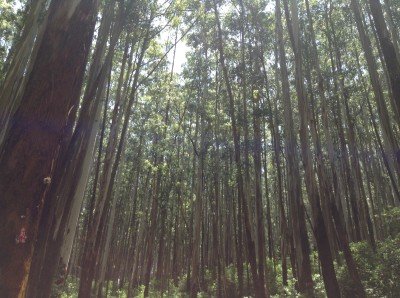
The Muthanga Wildlife Sanctuary is the second largest sanctuary in Kerala and a vital part of the Nilgiri Biosphere Reserve. It shares borders with Bandipur in Karnataka and Mudumalai in Tamil Nadu, allowing wildlife to roam freely across state lines. Established in 1973, it is most famous for its large population of Asian Elephants, which are frequently spotted during safaris. The forest type varies from moist deciduous to semi-evergreen, providing a rich habitat for tigers, leopards, and gaurs. The sanctuary is part of Project Elephant and plays a crucial role in conservation. A jeep safari is the only way for tourists to enter the deep forest zones, where the chance of animal sightings is quite high. The landscape is dominated by teak and eucalyptus trees, along with vast stretches of bamboo. Birdwatchers can find rare species like the Malabar Grey Hornbill and various woodpeckers. The sanctuary is also home to various tribal communities who live in harmony with the wild. Visiting Muthanga offers a raw and unfiltered look at the biodiversity of the Western Ghats. The forest department manages the safaris strictly to ensure the safety of both animals and visitors. The early morning safari is particularly magical as the forest wakes up and the mist lifts from the bamboo groves. It is a must-visit for anyone looking for a genuine wildlife adventure in South India. The conservation efforts here have successfully maintained a healthy tiger population as well. Every trip into the woods is a different experience, as the movements of the animals are unpredictable and exciting.
Show All

Wayanad Itineray And Cost:-

Information about New and Updated Locations() of Kerala Has Been Added :-
Card subtitle

Note:-

Information provided here in good Faith and for reference only.

Near Places
...
Athirappilly:

Some quick example text to build on the card title and make up the bulk of the card's content.

Go somewhere
...
Attingal

Some quick example text to build on the card title and make up the bulk of the card's content.

Go somewhere
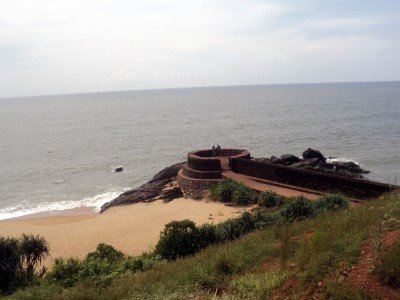
...
Bekal

Some quick example text to build on the card title and make up the bulk of the card's content.

Go somewhere
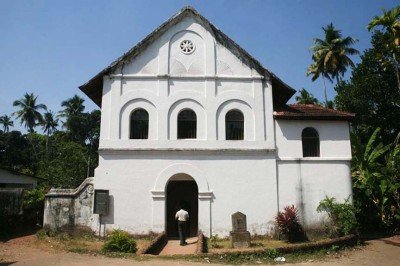
...
Ernakulam

Some quick example text to build on the card title and make up the bulk of the card's content.

Go somewhere
...
Guruvayur

Some quick example text to build on the card title and make up the bulk of the card's content.

Go somewhere
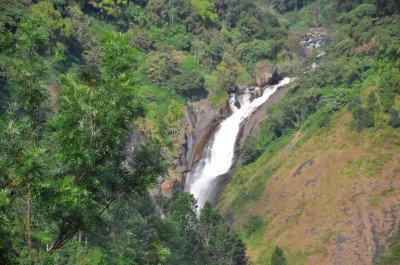
...
Idukki

Some quick example text to build on the card title and make up the bulk of the card's content.

Go somewhere
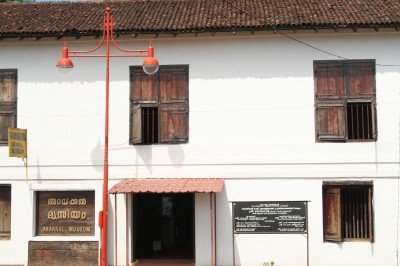
...
Kannur

Some quick example text to build on the card title and make up the bulk of the card's content.

Go somewhere
...
Kasaragod

Some quick example text to build on the card title and make up the bulk of the card's content.

Go somewhere
...
Kollam

Some quick example text to build on the card title and make up the bulk of the card's content.

Go somewhere
...
Kottayam

Some quick example text to build on the card title and make up the bulk of the card's content.

Go somewhere
...
Kovalam

Some quick example text to build on the card title and make up the bulk of the card's content.

Go somewhere
...
Kozhikode

Some quick example text to build on the card title and make up the bulk of the card's content.

Go somewhere
...
Kumarakom

Some quick example text to build on the card title and make up the bulk of the card's content.

Go somewhere
...
Kuttanad

Some quick example text to build on the card title and make up the bulk of the card's content.

Go somewhere
...
Malappuram

Some quick example text to build on the card title and make up the bulk of the card's content.

Go somewhere
...
Marari Beach

Some quick example text to build on the card title and make up the bulk of the card's content.

Go somewhere
in Other Cities