...

Place To Visit And Things To Do In Yuksom

Sikkim, India
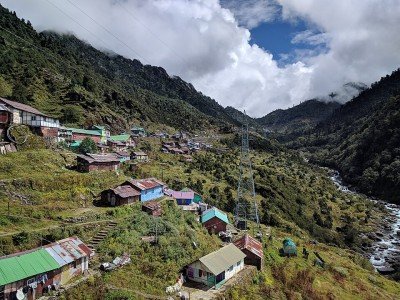
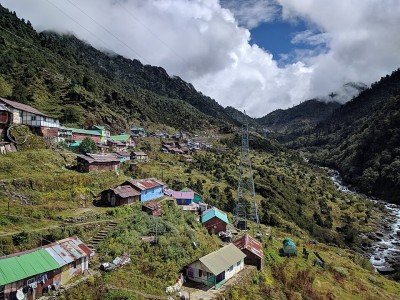
Historical Significance: Yuksom is a historical town that served as the first capital of the Kingdom of Sikkim, established in 1642. It was here that the first Chogyal, Phuntsog Namgyal, was consecrated by three learned lamas who traveled from Tibet. The name Yuksom literally translates to the "meet ing place of the three learned monks," marking its sacred origins. For the Bhutia community, this town holds immense religious and cultural importance as a cradle of their royal history. Sacred Landscape: Known as one of the four religious sites of "Demazong" or the valley of rice, it is believed to represent the third eye of the human body. The landscape is blessed by Guru Padmasambhava and is filled with ancient monasteries and holy lakes. Every stone and tree in Yuksom is said to carry a spiritual energy that connects the physical world with the divine. It remains a major destination for pilgrims who follow the Buddhist religious circuit of the state. Natural Gateway: Perched at an altitude of 5,840 feet, the town sits in a basin-like valley surrounded by majestic mountain ranges. It is the head of the Khangchendzonga National Park and serves as the primary base camp for high-altitude treks. The natural environmental setting is ensconced amidst rich forests of pine, fir, and maple trees. Travelers are often captivated by the sight of Mt. Kabur and Mt. Pandim which loom large over the village horizon. Cultural Heritage: The village is a living museum where traditional Sikkimese culture is preserved in its purest form. Residents still follow ancient customs, and the village architecture reflects the aesthetic of the 17th century. From the stone throne of the Chogyals to the oldest monastery in the state, the town is a treasure trove of heritage. Staying here offers a unique opportunity to imbibe the real essence of Himalayan village life through community homestays.

Things To Do

Card image cap
Bakkhim Village

Bakkhim Village is a picturesque forest settlement perched at an altitude of approximately 2,743 meters within the Kanchenjunga National Park. This t...

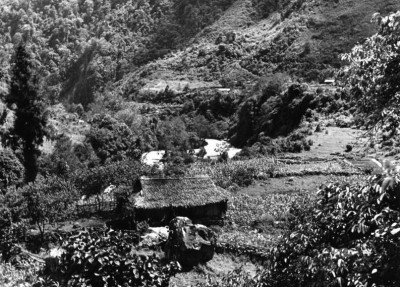
Bakkhim Village is a picturesque forest settlement perched at an altitude of approximately 2,743 meters within the Kanchenjunga National Park. This tiny hamlet serves as the first major resting point for trekkers embarking on the famous Goecha La and Dzongri expeditions. Historically, it was home to a few families, but today it primarily functions as a vital transit point offering basic shelter and a forest rest house. The village is surrounded by dense thickets of Rhododendron, Magnolia, and Oak trees, providing a lush green canopy that changes color with the seasons. From here, one can catch the first glimpses of the snow-clad peaks of the Mount Pandim and Kabru ranges. The atmosphere is characterized by the sound of whistling birds and the rustle of mountain winds, making it a sanctuary for those seeking solitude. Bakkhim Village is not just a geographical marker but a spiritual threshold where the air grows thinner and the majesty of the high Himalayas begins to reveal itself to the weary traveler. It represents the raw, untamed beauty of Sikkim, where nature remains largely undisturbed by modern infrastructure.
Card image cap
Coronation Throne of Norbugang Park

@@Historical Significance: The Norbugang Park is historically pivotal as the sacred site where the first Chogyal (King) of Sikkim, Phunshog Namgyal, w...

@@Historical Significance: The Norbugang Park is historically pivotal as the sacred site where the first Chogyal (King) of Sikkim, Phunshog Namgyal, was consecrated in 1642 by three revered Tibetan Lamas: Lhatsun Chempo, Rinzing Chempo, and Kartok Chempo: The three Lamas who founded the Namgyal dynasty came from different directions and met at this spot, signifying the spiritual unity of Sikkim. This event marked the political and religious beginning of the kingdom, making it the first capital of Sikkim: The core of the park is the Norbugang Coronation Throne (made of stone) and the Norbugang Chorten (stupa): The ceremony was performed under a massive Cryptomeria Pine tree, which still stands today: The park is a central point of the Buddhist pilgrimage circuit in Sikkim, linking with Dubdi Monastery and Kathok Lake: The Chorten is reputed to contain soil and water collected from all parts of Sikkim, symbolizing the unified land. The overall environment is highly serene, preserved as a heritage garden, and serves as a powerful symbol of Sikkimese identity and heritage: The peaceful atmosphere reflects the ancient Buddhist principles upon which the state was founded.
Card image cap
Coronation Throne of Norbugang

The Coronation Throne of Norbugang, also known as the Norbugang Chorten, is the most significant historical site in Sikkim. This is the exact spot wh...
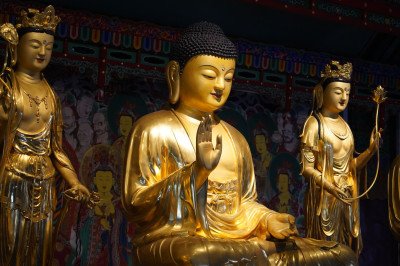
The Coronation Throne of Norbugang, also known as the Norbugang Chorten, is the most significant historical site in Sikkim. This is the exact spot where the first Chogyal (King), Phuntsog Namgyal, was crowned in 1642 by three learned lamas: Lhatsun Namkha Jigme, Sampa Chempo, and Rinzing Chempo. The word "Yuksom" itself means the "meeting place of the three learned ones," referring to this historic event. The site features a simple stone throne located under a giant Pine (Cryptomeria) tree, which is believed to have grown from the staff of one of the lamas. Opposite the throne stands a massive Chorten (stupa), which reportedly contains soil and water from all parts of Sikkim, symbolizing the unification of the kingdom. The entire complex is a quiet, meditative park filled with fluttering prayer flags and ancient stone structures. Visitors can see the footprints of the head lama embedded in a rock near the throne, which locals consider highly sacred. This site represents the transition of Sikkim from a collection of tribal lands to a unified Buddhist kingdom. It is a place of immense pride for the Sikkimese people and offers a deep insight into the spiritual and political foundations of the state. The park is beautifully maintained, offering a peaceful retreat where history and spirituality intertwine under the shade of centuries-old trees.
Card image cap
Dubdi Monastery

@@Historical Significance: Built in 1701 after the coronation of the first Chogyal, Dubdi Monastery is considered the Oldest Monastery in Sikkim and a...

@@Historical Significance: Built in 1701 after the coronation of the first Chogyal, Dubdi Monastery is considered the Oldest Monastery in Sikkim and a significant historical landmark: Its name, Dubdi, translates to the Hermit’s Cell, attributed to its founder, Lhatsun Namkha Jigme, one of the three founding Lamas: The monastery is an integral part of the Buddhist religious pilgrimage circuit: It was constructed soon after the state's founding, establishing the Nyingma school's religious authority in the newly established kingdom: The structure sits at an altitude of approximately 2,100 meters and is only accessible by a quiet, scenic, one-hour uphill trek through dense chestnut and oak forests from Yuksom: Inside the monastery, visitors can see ancient manuscripts, religious texts, and statues of the three founding Lamas who consecrated the first king, serving as a tangible link to the beginning of the Namgyal dynasty: The serene, elevated location of the monastery, away from the main village, reflects the spiritual pursuit of solitude and contemplation, making it a true spiritual retreat: The journey through the forest is as much a part of the spiritual experience as the visit to the monastery itself.
Card image cap
Goechala Trek Start Point

@@Trekking Significance: Yuksom serves as the historic and legal Trailhead for the famous Goechala Trek—a challenging, high-altitude trek that spans...

@@Trekking Significance: Yuksom serves as the historic and legal Trailhead for the famous Goechala Trek—a challenging, high-altitude trek that spans approximately 90 KMS over 10-11 days and reaches a maximum altitude of around 4,600 meters (15,100 feet) at Viewpoint 1: It is one of the most sought-after treks in the Indian Himalayas, celebrated for its spectacular, up-close views of Mount Khangchendzonga (Kanchenjunga), the world's third-highest peak: The trail begins formally at a checkpoint just beyond the village and immediately enters the dense forests of the Khangchendzonga National Park (KNP), a UNESCO World Heritage Site: The starting point is a hub of activity, where trekkers, guides, porters, and mule-drivers finalize preparations and paperwork: The initial stages involve crossing the Rathong and Prek rivers and passing through dense rhododendron and oak forests, with the first camp at Sachen (8 KMS): The trek is not just an adventure but a pilgrimage for many, as the region is revered by both Buddhists (Beyul) and the indigenous Lepcha people (Mayel Lyang).
Card image cap
Guheswari Temple

@@Religious Significance: The Guheswari Temple in Yuksom is a local Hindu shrine dedicated to Goddess Guheswari (Goddess Shakti), an important deity i...
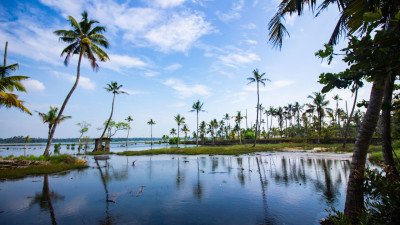
@@Religious Significance: The Guheswari Temple in Yuksom is a local Hindu shrine dedicated to Goddess Guheswari (Goddess Shakti), an important deity in the Hindu pantheon, particularly revered in Tantric traditions: While the most famous Guheswari Temple is a Shakti Peetha located in Kathmandu, Nepal (where the Guhya/Anus of Sati is said to have fallen), the Yuksom temple serves as a sacred spot of devotion for the local Hindu and Nepali-speaking communities within the village: This temple symbolizes the syncretic nature of religious worship in Sikkim, where Buddhist and Hindu spiritual traditions often coexist and blend seamlessly: The temple is a place for daily worship, community gatherings, and celebrating Hindu festivals, offering a contrast to the primarily Buddhist historical sites in the immediate vicinity of Yuksom: It provides a peaceful, local place for reflection and prayer: The deity is seen as a protector of the area, and devotees visit to seek blessings for prosperity and protection: The simple, accessible location within the village makes it a daily part of the local community's life: Its presence enriches the cultural tapestry of Yuksom.
Card image cap
Kartok Lake

@@Spiritual Significance: Kartok Lake, also sometimes referred to as Kuthok Lake, is a small, serene, and highly Sacred freshwater lake in the heart o...

@@Spiritual Significance: Kartok Lake, also sometimes referred to as Kuthok Lake, is a small, serene, and highly Sacred freshwater lake in the heart of Yuksom: The lake is profoundly significant as its pristine waters were used for the consecration ceremony of Phunshog Namgyal, the first Chogyal (King) of Sikkim, in 1642 at the nearby Norbugang Coronation Throne: This historical event links the lake directly to the founding of the kingdom and the establishment of the Namgyal dynasty: The name Kartok is a variation of Kathok, honoring one of the three founding Lamas (Kartok Chempo) who participated in the ceremony: Surrounded by colorful prayer flags (Lung Ta) and dense trees, the lake's tranquil surface often reflects the adjacent Kathok Wodsalin Gompa and the surrounding hills, creating a deeply spiritual and picturesque environment: The local community treats the lake with reverence, viewing it as an abode of spiritual power and a living relic of the kingdom's inception: The area is maintained as a peaceful, consecrated zone: It is an ideal spot for quiet reflection and a key stop on the village's sacred circuit.
Card image cap
Kartok Monastery

Kartok Monastery is one of the three most important religious institutions in Yuksom, the others being Dubdi and Ngadak. It is named after a celebrat...

Kartok Monastery is one of the three most important religious institutions in Yuksom, the others being Dubdi and Ngadak. It is named after a celebrated lama, Kartok Kuntu Zangpo, who played a pivotal role in the coronation of the first king of Sikkim. The monastery is an exquisite example of Tibetan Buddhist architecture, featuring a vibrant red facade with golden accents that stand out against the backdrop of the emerald green hills. Inside the monastery, the atmosphere is heavy with the scent of juniper incense and the low hum of monks chanting their daily prayers. The walls are adorned with intricate Thangka paintings and frescoes depicting various Buddhist deities and scenes from the life of Guru Rinpoche. The main altar houses a majestic statue of Lord Buddha surrounded by traditional butter lamps. This monastery belongs to the Nyingma sect, the oldest school of Tibetan Buddhism. Its proximity to the holy Kartok Lake makes it a central part of the spiritual life of the villagers. Visiting Kartok Monastery offers a more intimate and less crowded experience than other famous monasteries in Sikkim, allowing travelers to truly connect with the local culture and observe the daily rituals of the resident monks in a tranquil setting.
Card image cap
Kathok Lake

Kathok Lake is a small, serene, and deeply sacred body of water located in the heart of Yuksom. It is considered the "Soul Lake" of the first King of...

Kathok Lake is a small, serene, and deeply sacred body of water located in the heart of Yuksom. It is considered the "Soul Lake" of the first King of Sikkim. According to legend, the waters of this lake were used by the three holy lamas for the consecration ceremony of Phuntsog Namgyal in 1642. Before the ceremony, the lamas are said to have sanctified the water with gold and precious gems, giving it its holy status. The lake is surrounded by a dense fringe of trees and is beautifully adorned with thousands of multi-colored prayer flags that flutter in the mountain breeze, sending prayers to the heavens. The water is remarkably still, acting as a perfect mirror for the surrounding landscape. Local residents hold the lake in such high regard that fishing or bathing in its waters is strictly prohibited. Every year, a special "Chho-Tsho" ritual is performed here to please the lake deity and ensure the prosperity of the village. For a traveler, Kathok Lake offers a space of profound silence and beauty, where one can sit on the wooden benches and observe the play of light on the water. It is a place where the history of Sikkim feels alive, and the spiritual energy of the ancient coronation ceremony still seems to linger in the misty air.
Card image cap
Kathok Wodsalin Gompa

@@Historical Significance: The Kathok Wodsalin Gompa is a relatively Newer structure but holds profound historical and religious value, as it is named...

@@Historical Significance: The Kathok Wodsalin Gompa is a relatively Newer structure but holds profound historical and religious value, as it is named after one of the three revered Tibetan Lamas (Kartok Chempo) who consecrated the first Chogyal of Sikkim in 1642: The original site's significance is ancient, linking back to the founding of the kingdom, even if the current building is modern: The monastery belongs to the Nyingma school of Tibetan Buddhism, which is the dominant school in Sikkim, particularly associated with the teachings of Guru Padmasambhava (Guru Rinpoche): The main prayer hall features a large, impressive statue of Guru Padmasambhava, who is considered the Second Buddha and the patron saint of Sikkim: Its location, directly across from the sacred Kartok Lake, whose water was used for the coronation, cements its place in the sacred historical landscape of Yuksom: It is a vibrant center for local worship and monastic learning, contrasting with the ancient, secluded atmosphere of the Dubdi Monastery: The monastery is actively involved in preserving the local Buddhist culture and traditions of the area.
Card image cap
Khangchendzonga National Park

@@Ecological and Cultural Significance: The Khangchendzonga National Park (KNP) is a massive UNESCO World Heritage Site, recognized as a "Mixed Herita...

@@Ecological and Cultural Significance: The Khangchendzonga National Park (KNP) is a massive UNESCO World Heritage Site, recognized as a "Mixed Heritage" site for its exceptional natural and cultural value: It is one of the world's few reserves with a colossal vertical sweep, ranging from 1,220m to the summit of Mount Khangchendzonga (8,586m), the world's third-highest peak: This range supports an unsurpassed diversity of ecosystems, from subtropical forests to alpine meadows and glaciers (including the Zemu Glacier): The park is a major global biodiversity hotspot, home to endangered species like the Snow Leopard, Red Panda, Himalayan Tahr, and over 550 species of birds: Culturally, it is revered by Buddhists as a Beyul (Sacred Hidden Land) and by the indigenous Lepcha people as Mayel Lyang (Land of Promise), making the land itself an object of worship: The gateway in Yuksom is the primary access point for the challenging, multi-day treks into the core zone (like the Goechala Trek), making it a starting point for both a physical adventure and a spiritual pilgrimage into the sacred heartland of Sikkim.
Card image cap
Khecheopalri Lake

Khecheopalri Lake, originally known as Kha-Chot-Palri, is one of the most sacred lakes in the world for both Buddhists and Hindus. It is part of the ...

Khecheopalri Lake, originally known as Kha-Chot-Palri, is one of the most sacred lakes in the world for both Buddhists and Hindus. It is part of the "Demazong" valley, meaning the valley of rice. Legend says the lake is the footprint of the Goddess Tara Jetsun Dolma (Buddhists) or Lord Shiva (Hindus). A fascinating and widely observed phenomenon is that no leaves are ever seen floating on the lake's surface; it is said that birds diligently pick up any leaf that falls into the water to keep it pure. The lake is surrounded by a dense temperate forest and sits at an altitude of 1,700 meters. A long wooden jetty, lined with hundreds of prayer wheels, leads pilgrims to the water's edge. The silence of the lake is punctuated only by the distant sound of monastery bells and the chanting of pilgrims. For many, it is known as the "Wishing Lake," and devotees travel from across the globe to offer prayers and seek blessings. The water is believed to have curative properties and is used in various religious ceremonies across Sikkim. The lake is not just a body of water but a spiritual powerhouse, surrounded by ancient caves where great masters like Guru Padmasambhava are said to have meditated.
Card image cap
Kirateshwar Mahadev Temple

The Kirateshwar Mahadev Temple is one of the most revered Hindu pilgrimage sites in the state of Sikkim. Situated on the banks of the Rangeet River i...

The Kirateshwar Mahadev Temple is one of the most revered Hindu pilgrimage sites in the state of Sikkim. Situated on the banks of the Rangeet River in Legship, this ancient shrine is dedicated to Lord Shiva. According to local legends and the epic Mahabharata, it is at this very spot that Lord Shiva appeared before Arjuna in the form of a Kirat (hunter) to test his devotion before granting him the powerful Pasupata Astra. The temple complex is not just a religious site but a spiritual sanctuary where the sound of the flowing river creates a meditative atmosphere. It is widely believed that a sincere prayer here can fulfill one’s deepest wishes. The temple is a symbol of the harmonious coexistence of diverse cultures in Sikkim, attracting both local ethnic groups and tourists from across India. The serene environment, surrounded by dense forests and the emerald green waters of the river, makes it a perfect retreat for those seeking peace and divine intervention.
Card image cap
Legship River Bridge

The Legship River Bridge is a vital infrastructure marvel and a scenic landmark situated over the Rangeet River. This bridge serves as a crucial junc...

The Legship River Bridge is a vital infrastructure marvel and a scenic landmark situated over the Rangeet River. This bridge serves as a crucial junction connecting the towns of Jorethang, Pelling, Tashiding, and Yuksom. For travelers, it isn't just a transit point but a destination to witness the raw power of the river below. The bridge offers a panoramic view of the Legship valley and the turquoise waters of the Rangeet. It is often the first stop for tourists entering the West Sikkim circuit. Standing on the bridge, one can feel the cool breeze from the river and hear the thunderous roar of the water. The surrounding hills are draped in sub-tropical vegetation, creating a lush green frame for the metallic structure. It represents the engineering resilience of the Himalayan region, where bridges are lifelines for the remote mountain communities.
Card image cap
Ngadak Chorling Monastery

Ngadak Chorling Monastery, also known as the Ngadak Gumpa, is one of the most significant spiritual centers in the historical town of Yuksom. It belo...
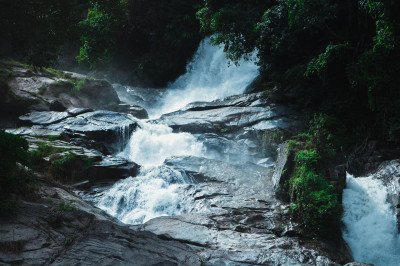
Ngadak Chorling Monastery, also known as the Ngadak Gumpa, is one of the most significant spiritual centers in the historical town of Yuksom. It belongs to the Nyingmapa sect of Tibetan Buddhism, which is the oldest of the four major schools. The monastery is deeply tied to the history of Sikkim's first capital. It was established to serve the spiritual needs of the local community and the royal family. The atmosphere here is one of profound silence, broken only by the fluttering of prayer flags and the distant chanting of monks. Unlike the more touristy monasteries in Gangtok, Ngadak Chorling offers a raw, authentic glimpse into the monastic life of West Sikkim. It is situated on a gentle slope, surrounded by pine and rhododendron trees, offering a view of the snow-capped peaks. The monastery serves as a school for young monks, who can often be seen practicing their debates or learning traditional arts in the courtyard.
Card image cap
Phamrong Falls

Phamrong Falls is a majestic natural wonder located between Yuksom and Gerethang. It is widely recognized as one of the highest and most beautiful wa...

Phamrong Falls is a majestic natural wonder located between Yuksom and Gerethang. It is widely recognized as one of the highest and most beautiful waterfalls in Sikkim. The water cascades down from the high cliffs of the Kanchenjunga range, creating a mist that cools the entire valley. The falls are surrounded by dense virgin forests, making the air incredibly fresh and oxygen-rich. A bridge has been constructed across the stream, allowing visitors to stand directly in front of the falling water and feel the spray. For the more adventurous, a stone staircase leads up to a higher viewpoint, offering a breathtaking perspective of the water plunging into the rocks below. It is a place where the power of nature is on full display, providing a sensory experience of sound, sight, and touch. The site is a favorite for picnickers and nature photographers who wish to capture the raw beauty of the Himalayas.
Card image cap
Phamrong Waterfall

@@Natural Beauty and Scale: Phamrong Waterfall is one of the Biggest and most majestic perennial waterfalls in the West Sikkim district, known for its...

@@Natural Beauty and Scale: Phamrong Waterfall is one of the Biggest and most majestic perennial waterfalls in the West Sikkim district, known for its significant height and multi-tiered cascade: The water plummets down a steep, rocky cliff face, creating a cloud of mist and a thunderous sound, especially during the peak flow season: The falls are set amidst a backdrop of dense, lush green hills and forests, making it a stunning example of Sikkim's pristine natural beauty: The cascade is easily visible from the main road, but a steep, maintained set of stairs and a short trail lead visitors closer to a dedicated Viewpoint for a panoramic sight: This spot is a major stopover for tourists traveling between Yuksom and Pelling due to its impressive scale and easy accessibility: The tranquil, natural setting surrounding the falls is home to a variety of local flora and fauna, offering a perfect spot for nature lovers and photographers: It is a refreshing sight and a natural antidote to the strenuous trekking preparation in Yuksom: The immense volume of water symbolizes the powerful, untamed nature of the Himalayan environment: The area around the falls is generally cool and misty.
Card image cap
Rabdentse Ruins

The Rabdentse Ruins are the archaeological remains of the second capital of the former Kingdom of Sikkim. Established in 1670 by the second Chogyal, ...

The Rabdentse Ruins are the archaeological remains of the second capital of the former Kingdom of Sikkim. Established in 1670 by the second Chogyal, this site was the seat of power until 1814, when it was destroyed by the invading Gurkha army. Today, it is a protected monument under the Archaeological Survey of India (ASI). The walk to the ruins is an experience in itself, passing through a dense forest known for its birdlife and ancient chestnut trees. As you reach the ridge, the ruins open up to reveal stone thrones, palace foundations, and three stupas (chortens) that have stood the test of time. The site offers one of the most spectacular views of the Kanchenjunga range. It is a place of deep historical reflection, where one can imagine the royal processions and the strategic importance of this mountain fortress. The silence of the ruins, contrasted with the majestic peaks in the distance, makes it a must-visit for history buffs and seekers of tranquility.
Card image cap
Rongkup River Camping

@@Detailed Description of Rongkup River Camping: This serene campsite is located near the Rongkup River in the Darap region, serving as a tranquil esc...

@@Detailed Description of Rongkup River Camping: This serene campsite is located near the Rongkup River in the Darap region, serving as a tranquil escape for nature lovers and adventure enthusiasts seeking a break from urban chaos. The site is characterized by the soothing sound of rushing water, lush emerald greenery, and the towering presence of the Himalayan foothills that create a secluded sanctuary for relaxation and rejuvenation. Camping here offers a raw, authentic experience where guests sleep in sturdy tents under a canopy of billion stars, waking up to the melodious chirping of mountain birds and the refreshing mist of the river. The area is famous for its vibrant biodiversity, where one can spot unique alpine flora and occasionally glimpse rare avian species while walking along the rocky riverbanks. Unlike commercial resorts, this location focuses on sustainability and eco-tourism, encouraging visitors to connect deeply with the land through primitive fire-cooking and guided nature walks. The river itself is a focal point, with its crystal-clear glacial waters providing a cool respite during the day and a rhythmic lullaby at night. Travelers often visit this spot to experience the "Old Sikkim" charm, where the pace of life slows down and the beauty of the Kanchenjunga National Park feels within arm's reach. It is an ideal spot for soul-searching, meditation, or simply bonding with friends over a crackling bonfire in the middle of the wilderness. :
Card image cap
Sachen Village

@@Detailed Description of Sachen Village: Situated at an altitude of approximately 7200 Feet, Sachen is the first significant stop and settlement on t...
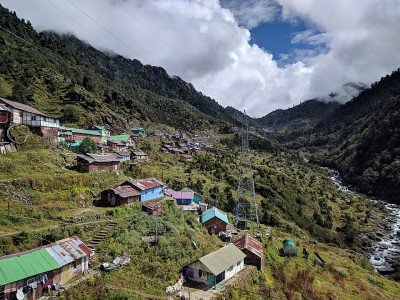
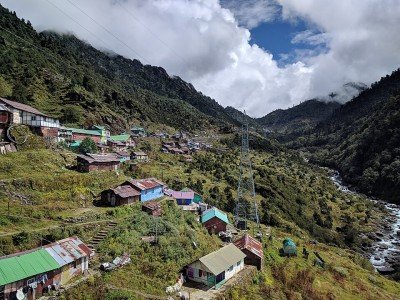
@@Detailed Description of Sachen Village: Situated at an altitude of approximately 7200 Feet, Sachen is the first significant stop and settlement on the legendary Goechala trek, acting as a vital resting point for trekkers. The village is small and primitive, consisting of a few traditional huts and a forest bungalow that provide basic shelter to those venturing into the high-altitude heart of the Himalayas. The surrounding landscape is dominated by dense, primeval forests of Rhododendron, Oak, and Magnolia, which create a thick green canopy that barely lets sunlight touch the forest floor. Sachen is more of a rhythmic pause than a bustling town, where the only sounds are the rustling leaves and the distant roar of the Prek Chu river flowing deep in the valley. The air here is thin and exceptionally pure, carrying the scent of damp earth and moss-covered stones that define the high-altitude ecosystem of West Sikkim. For many, this village represents the true start of the wilderness, as mobile signals fade away and the modern world is replaced by the raw majesty of the mountains. The locals are warm and hospitable, often sharing stories of the mountains and the sacred peaks that guard the region while serving hot tea to weary travelers. Living in Sachen, even for a night, offers a profound sense of isolation and peace, making it a favorite for hikers who appreciate the quietude of the deep woods. It serves as a physical and mental transition point between the developed village of Yuksom and the snowy heights of the upper Himalayas. :
Card image cap
Singshore Bridge

@@Detailed Description of Singshore Bridge: This spectacular suspension bridge is a masterpiece of modern engineering, connecting two lush green mount...

@@Detailed Description of Singshore Bridge: This spectacular suspension bridge is a masterpiece of modern engineering, connecting two lush green mountains across a massive gorge that drops hundreds of feet into a rocky riverbed. Spanning nearly 198 Meters in length, it is celebrated as the highest bridge in Sikkim and the second highest in all of Asia, making it a bucket-list destination for travelers. The bridge was constructed to facilitate better connectivity between the remote villages of Dentam and Uttarey, but its sheer scale and the breathtaking views it offers have turned it into a major tourist hub. Standing in the middle of the bridge, visitors can feel a slight, thrilling sway as the wind whistles through the iron cables, offering a panoramic view of the valley. The sight of cascading waterfalls in the distance and the dense forest cover below creates a sense of standing on the edge of the world, suspended in mid-air. The bridge is not just a transit route but a vantage point to witness the immense scale of the Himalayan geography, with the sky feeling closer and the earth further away. It is often shrouded in a light veil of mist during the monsoon, giving it an ethereal, "bridge to the clouds" appearance that is highly popular for photography. For those who aren't afraid of heights, walking across the bridge provides a perspective of the landscape that cannot be found anywhere else in the region, showcasing the harmony between human ingenuity and nature. It remains a symbol of progress in West Sikkim while maintaining the pristine beauty of its natural surroundings, drawing thousands of visitors annually. :
Card image cap
Tashi Tenka Royal Complex

@@Historical Significance: Tashi Tenka was the site of the Royal Palace Complex of the first Chogyals (Kings) of Sikkim after the coronation in 1642, ...
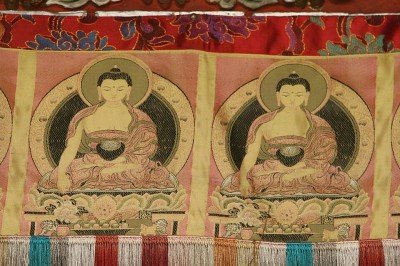
@@Historical Significance: Tashi Tenka was the site of the Royal Palace Complex of the first Chogyals (Kings) of Sikkim after the coronation in 1642, serving as the capital's administrative and royal heart during the early years of the Namgyal dynasty: The site is a significant piece of Sikkim's political history, predating the later capital at Rabdentse: While the palace structures themselves are now largely in Ruins—mostly just the foundations and grounds remain—the location retains immense historical resonance: The name Tashi Tenka means "Auspicious Royal Seat": The hilltop location was strategically chosen for its commanding panoramic views of the entire Yuksom valley, the surrounding forested hills, and distant monasteries like Dubdi and potentially the Rathong Valley: It is a contemplative site where visitors can imagine the early workings of the kingdom: The ruins symbolize the original center of power and the foundational era of the Sikkimese monarchy.
Card image cap
Tashiding Monastery

@@Tashiding Monastery Details: Tashiding Monastery is considered one of the most sacred and holiest monasteries in Sikkim, belonging to the Nyingma se...

@@Tashiding Monastery Details: Tashiding Monastery is considered one of the most sacred and holiest monasteries in Sikkim, belonging to the Nyingma sect. It was founded in 1641 by Ngadak Sempa Chempo Phunshok Rigzing, who was one of the three wise lamas who crowned the first king. The name Tashiding translates to "The Devoted Central Glory," and it is believed that the mere sight of the monastery can cleanse one of all sins. It is nestled on a hilltop between the Rathong and Rangeet rivers, creating a stunning spiritual landscape. The monastery is famous for the Bhumchu festival, which involves a sacred water ceremony held in February. Thousands of devotees from Bhutan, Nepal, and India travel here to receive a few drops of the holy water. The monastery complex is vast, housing several ancient chortens and shrines. The architecture is a beautiful example of Tibetan Buddhist style, featuring intricate wood carvings and vibrant murals. Legend has it that Guru Padmasambhava blessed this land in the 8th century by shooting an arrow from a distance. The spot where the arrow landed became the site of this holy monastery. The spiritual energy of the place is palpable, with hundreds of prayer flags fluttering in the mountain breeze. It serves as the "heart" of the Buddhist pilgrimage circuit in West Sikkim. The interior of the main prayer hall is filled with statues of deities and ancient scriptures. The monastery has undergone several renovations, most notably after the 1717 expansion by the third Chogyal. Despite modern updates, the ancient soul of the structure remains intact. The surrounding gardens are meticulously maintained, offering a space for quiet contemplation. Visitors often describe the experience as transformative and deeply moving. The monastery also provides an incredible view of Mount Kanchenjunga on clear days. It is a place where time seems to stand still amidst the chanting of monks and the smell of juniper incense. The site is a primary center for Buddhist learning and spiritual practice in the region.
Card image cap
Tenzing Hilary Memorial Park

@@Tenzing Hilary Park Details: Tenzing Hilary Park is a relatively new but popular tourist attraction in Yuksom, built to honor the legends of mountai...

@@Tenzing Hilary Park Details: Tenzing Hilary Park is a relatively new but popular tourist attraction in Yuksom, built to honor the legends of mountaineering. It was established in 2015 to commemorate the historic first ascent of Mount Everest by Tenzing Norgay and Sir Edmund Hillary in 1953. The park features life-sized statues of these two iconic figures, standing tall against the backdrop of the Himalayas. It serves as an inspiration for the many trekkers who start their journey to Goecha La from this very town. The park is beautifully landscaped with a variety of local flowers, including vibrant Rhododendrons and Orchids. It offers a tranquil environment for families and solo travelers to relax and enjoy the mountain air. The design of the park includes several viewpoints that offer stunning vistas of the surrounding peaks. It is a symbol of the indomitable human spirit and the deep connection between Sikkim and the world of mountaineering. The park also serves as a small botanical garden, showcasing the diverse flora of the Himalayan region. Visitors can enjoy leisurely walks along the well-paved paths that wind through the greenery. It is a great place to spend an afternoon after a long morning of sightseeing. The statues are a popular spot for photography, representing the partnership between the Sherpa community and international explorers. During the May season, the flowers are in full bloom, making the park a colorful paradise. The local government maintains the park to ensure a clean and welcoming environment for all tourists. It has become a landmark in Yuksom, bridging the gap between historical heritage and modern tourism. The park is particularly popular among children who can learn about the history of Everest in an engaging setting. Many tour operators include this park as a standard stop in their West Sikkim itineraries. It provides a peaceful alternative to the more rugged trekking trails in the area. The air here is exceptionally fresh, making it a "green lung" for the town of Yuksom. It truly celebrates the legacy of the "Tigers of the Snow" in a dignified and beautiful manner.
Card image cap
Yangtey Viewpoint

@@Natural Scenery and Vistas: Yangtey Viewpoint is a highly popular and easily accessible scenic spot known for offering one of the most magnificent P...

@@Natural Scenery and Vistas: Yangtey Viewpoint is a highly popular and easily accessible scenic spot known for offering one of the most magnificent Panoramic Vistas of the high Himalayan Peaks in West Sikkim: The viewpoint, perched at a significant elevation, offers unobstructed, sweeping views of the entire range: On a clear day, visitors can see the majestic snow-capped peaks of the Khangchendzonga Massif (including the third-highest peak, Mount Khangchendzonga itself), along with Mount Kabru, Mount Pandim, Mount Siniolchu, and other neighboring peaks: The viewpoint also provides a sweeping sight of the surrounding lush green valleys, terraced fields, and the small settlements nestled in the hills: Its location on the main tourist route makes it a frequent stopover, often visited in combination with attractions near Pelling and Gyalshing: The changing hues of the sky during sunrise and sunset, as they illuminate the snowy peaks, are a major draw, making it a haven for landscape photographers and nature lovers: It truly showcases the immense scale and natural grandeur of the Sikkimese Himalayas.
Show All

Yuksom Itineray And Cost:-

Information about New and Updated Locations() of Sikkim Has Been Added :-
Card subtitle

Note:-

Information provided here in good Faith and for reference only.

All information and pictures will be updated soon, please keep visiting.

Near Places
...
Chungthang

Some quick example text to build on the card title and make up the bulk of the card's content.

Go somewhere
...
Gangtok

Some quick example text to build on the card title and make up the bulk of the card's content.

Go somewhere
...
Geyzing

Some quick example text to build on the card title and make up the bulk of the card's content.

Go somewhere
...
Jorethang

Some quick example text to build on the card title and make up the bulk of the card's content.

Go somewhere
...
Lachen

Some quick example text to build on the card title and make up the bulk of the card's content.

Go somewhere
...
Lachung

Some quick example text to build on the card title and make up the bulk of the card's content.

Go somewhere
...
Mangan

Some quick example text to build on the card title and make up the bulk of the card's content.

Go somewhere
...
Namchi

Some quick example text to build on the card title and make up the bulk of the card's content.

Go somewhere
...
Pakyong

Some quick example text to build on the card title and make up the bulk of the card's content.

Go somewhere
...
Pelling

Some quick example text to build on the card title and make up the bulk of the card's content.

Go somewhere
in Other Cities