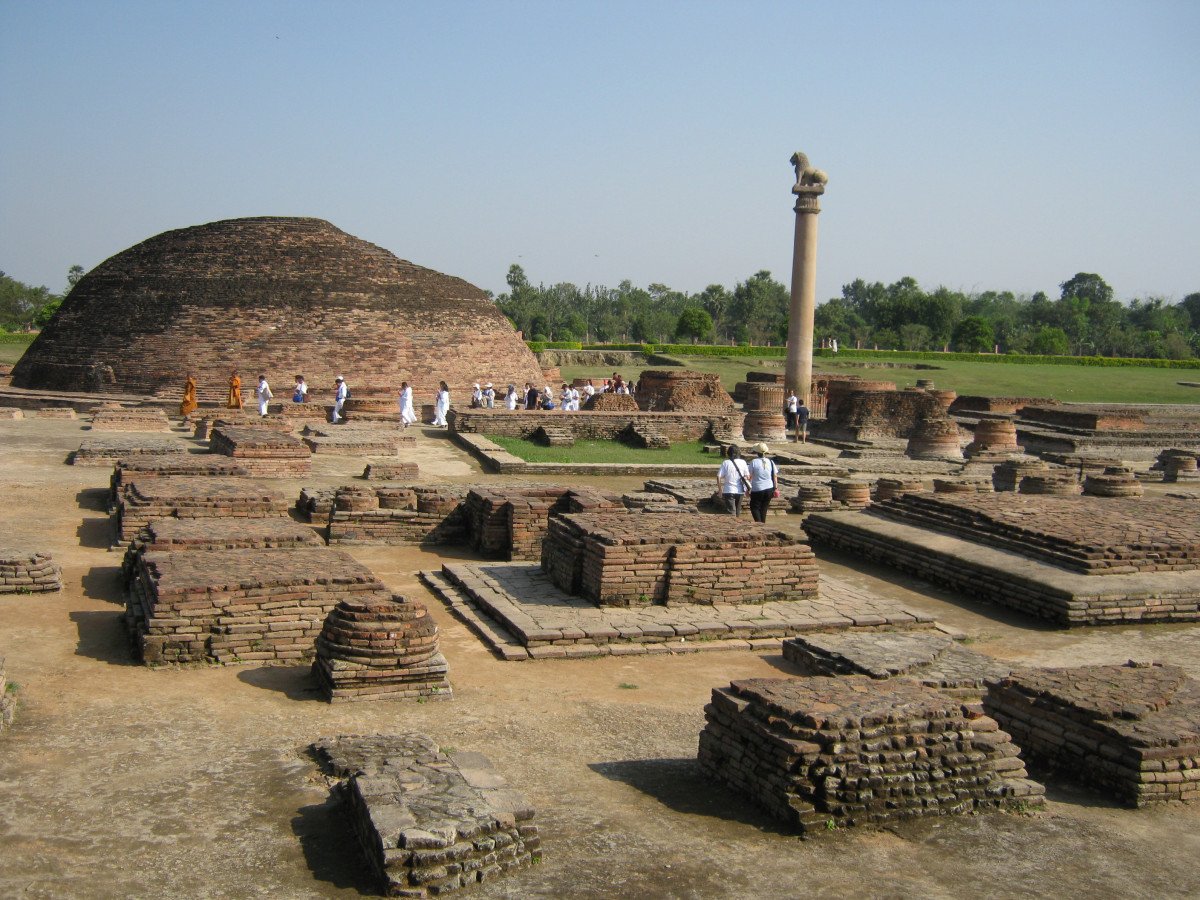
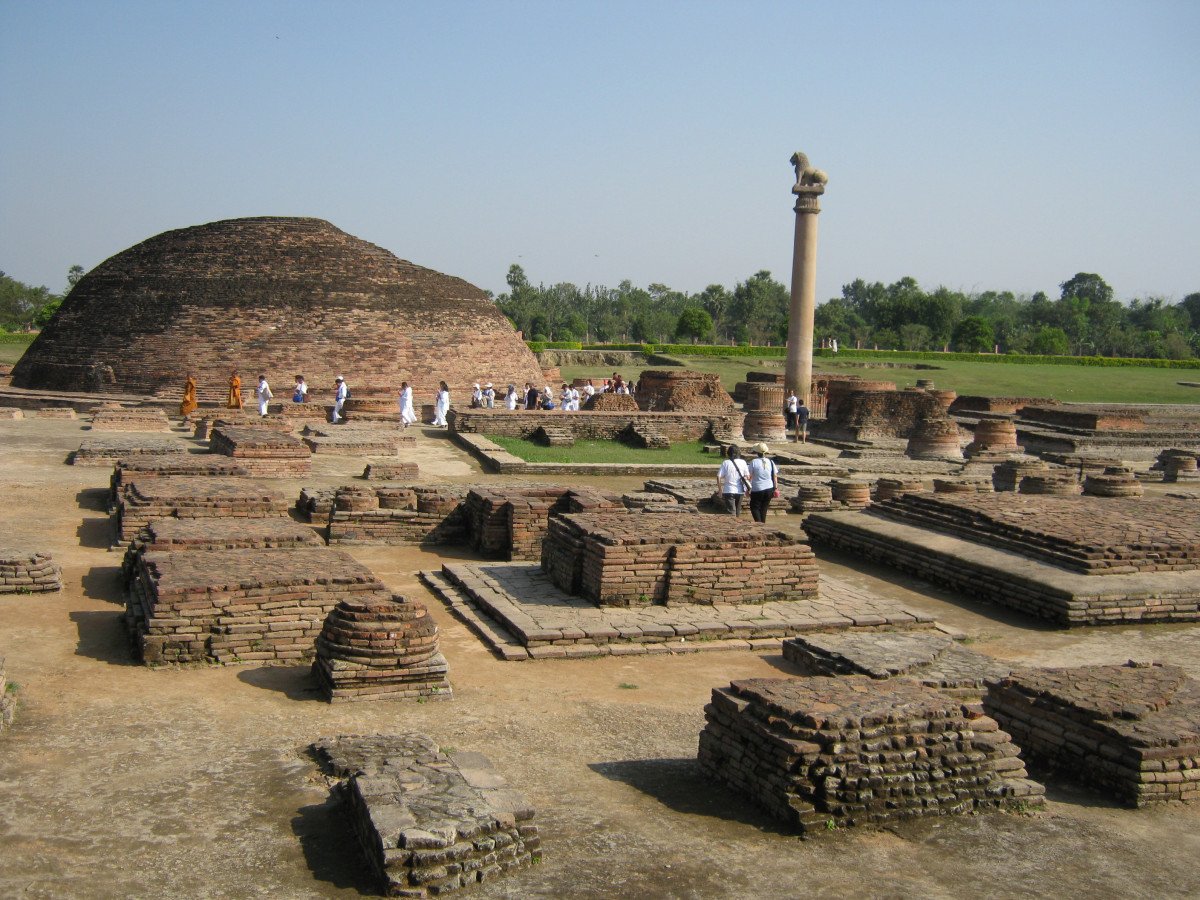
Vaishali Archaeological Museum
General information
-
Ideal Duration:
1 HourPlace Type:
History, Culture, and Archaeology MuseumEntry Fees:
Indian, SAARC, BIMSTEC Visitors: The entry fee for citizens of India, SAARC nations (like Nepal, Bhutan, Bangladesh), and BIMSTEC nations is very affordable, typically Rs.20 per person. This token fee contributes to the maintenance of the facility and the preservation of the ...Indian, SAARC, BIMSTEC Visitors: The entry fee for citizens of India, SAARC nations (like Nepal, Bhutan, Bangladesh), and BIMSTEC nations is very affordable, typically Rs.20 per person. This token fee contributes to the maintenance of the facility and the preservation of the artifacts.
Foreign Nationals: Visitors from all other international countries are subject to a higher entry fee, usually around Rs.250 per person. This fee is standard across major ASI museums and protected sites.
Exemptions and Concessions: Children below the age of 15 are generally granted free entry to the museum. There are often concessions for students or large educational groups, but this requires official application and approval from the ASI authorities. The fee must be paid before entering the gallery area, and visitors should keep the ticket safe as proof of purchase.
No Separate Camera Fees: Unlike the outdoor monuments, there are usually no separate fees for still photography inside the museum, provided flash is not used. However, professional video camera equipment may require a special permit.Timing:
Regular Museum Hours: 10:00 AM to 5:
00 PM: The museum is typically open from 10:00 AM in the morning until 5:00 PM in the evening. It is important to note that the museum is CLOSED on Fridays, which is the weekly holiday, and on certain nati...Regular Museum Hours: 10:00 AM to 5:
00 PM: The museum is typically open from 10:00 AM in the morning until 5:00 PM in the evening. It is important to note that the museum is CLOSED on Fridays, which is the weekly holiday, and on certain national holidays. Always confirm the working hours before planning a visit, especially on public holidays.
Ideal Visit Time:
Midday Break: The museum is an ideal spot for a midday visit, especially between 12:00 PM and 3:00 PM, as it provides an excellent air-conditioned or shaded respite from the intense heat experienced at the outdoor archaeological sites like the Vihara and Stupas. Since it takes only about an hour to comfortably browse the four galleries, it fits perfectly as a break between morning and afternoon outdoor exploration.
Queue and Crowd Avoidance: Weekdays, particularly mid-week, tend to have fewer visitors, offering a more peaceful environment for detailed viewing of the exhibits. Weekends and holidays can sometimes see small tour groups, so visiting early in the day (shortly after 10:00 AM) or later in the afternoon helps avoid crowds.Special Events:
World Heritage Day Programs: On World Heritage Day (April 18th), the museum often hosts special educational programs, guided tours by ASI experts, and temporary exhibits to raise awareness about the importance of preserving Vaishali's heritage. Entry may sometimes be free o...World Heritage Day Programs: On World Heritage Day (April 18th), the museum often hosts special educational programs, guided tours by ASI experts, and temporary exhibits to raise awareness about the importance of preserving Vaishali's heritage. Entry may sometimes be free or discounted on this specific day.
Archaeological Seminars and Workshops: Occasionally, especially during the winter academic season, the museum serves as a venue for archaeological seminars, workshops, or lectures organized by the ASI or local universities. These events bring leading historians and archaeologists to the site, offering a chance for visitors to gain deeper insights into the latest research on Vaishali and Buddhism. Check local notices or the ASI Patna Circle website for schedules.Best Photo Spots:
Sculptures in Natural Light: Many of the stone and metal sculptures are displayed in areas where they receive soft, natural light, which is ideal for capturing the texture and detail of the carvings without using flash. Focus on the expressions and craftsmanship of the Gupt...Sculptures in Natural Light: Many of the stone and metal sculptures are displayed in areas where they receive soft, natural light, which is ideal for capturing the texture and detail of the carvings without using flash. Focus on the expressions and craftsmanship of the Gupta and Kushan era sculptures.
The Terracotta Display's Depth: The numerous terracotta figurines offer an excellent subject for macro photography. Focus on a single case to capture the sheer volume and variety of the clay objects, emphasizing the artistry in miniature form, which reflects the daily life and religious beliefs of the past.
Museum Exterior and Surroundings: The exterior of the museum, with its proximity to the Abhishek Pushkarini (Coronation Tank) and the vast open grounds, provides a good spot to frame the contemporary structure against the ancient landscape. Use the contrast between the modern building and the historical site for interesting shots.
Documentary Photography of Plinths: Take photos of the well-designed information plinths and labels provided by the ASI. These photographs are not just for documentation, but also serve as important educational aids for recalling details and sharing accurate historical context.Photo Gallery
Things To Do
-
Gallery Exploration and Timeline Tracing: Systematically walk through the four galleries, following the chronological and thematic arrangement of the exhibits. Spend time focusing on the transitions between the major historical periods (Mauryan, Shunga, Kushan, Gupta). Use the provided exhibit descriptions to trace the evolution of art, coinage, and pottery styles over nearly 2,000 years of Vaishali's history.
Analyzing Terracotta Art: Dedicate a session to observing the extraordinary detail and diversity of the terracotta collection. The figurines, seals, and plaques demonstrate the high level of skill of ancient local artisans. Try to identify the purpose of the various animal figures—were they toys, cult objects, or decorative piecesRs. This exercise in observation enhances appreciation for the ancient culture.Gallery Exploration and Timeline Tracing: Systematically walk through the four galleries, following the chronological and thematic arrangement of the exhibits. Spend time focusing on the transitions between the major historical periods (Mauryan, Shunga, Kushan, Gupta). Use the provided exhibit descriptions to trace the evolution of art, coinage, and pottery styles over nearly 2,000 years of Vaishali's history.
Analyzing Terracotta Art: Dedicate a session to observing the extraordinary detail and diversity of the terracotta collection. The figurines, seals, and plaques demonstrate the high level of skill of ancient local artisans. Try to identify the purpose of the various animal figures—were they toys, cult objects, or decorative piecesRs. This exercise in observation enhances appreciation for the ancient culture.
Studying Ancient Coinage and Seals: Focus on the gallery exhibiting ancient coins (e. g. , cast copper coins) and inscribed seals. These objects are primary sources for understanding ancient trade, economic systems, and governance in the Licchavi Republic. Seals often bear names and official titles, offering tangible proof of the administrative structure.
Photography of Non-Flash Exhibits: While flash photography is strictly prohibited to protect the delicate artifacts, non-flash photography is usually allowed (confirm this with the staff). Take detailed photographs of the key sculptures, such as the headless Buddha sculpture and the Hindu deity figures, to study the iconography and style later.
Reading the ASI Information: The museum provides excellent detailed information boards and placards from the ASI. Instead of rushing, spend time reading the context of the excavations, the significance of the findings, and the history of Vaishali as explained by the official archaeological body.
Purchasing Museum Publications: Check the museum counter for any available publications, brochures, or books published by the ASI about the Vaishali excavations. These often contain scholarly details and photographs of the artifacts, serving as a high-value souvenir and reference material.
A Moment of Indoor Break: Utilize the quiet, air-conditioned environment of the museum (if available) as a welcome break, especially during the hot summer months, to calmly process the vast archaeological and historical information gathered during the outdoor visits to the nearby ruins.
Information
-
Why Famous:
Custodian of Licchavi Relics: The museum's primary fame rests on its role as the custodian of artifacts from one of the world's earliest known republics, the Licchavi state, whose capital was Vaishali. The objects displayed—coins, seals, and daily-use items—provide inva...Custodian of Licchavi Relics: The museum's primary fame rests on its role as the custodian of artifacts from one of the world's earliest known republics, the Licchavi state, whose capital was Vaishali. The objects displayed—coins, seals, and daily-use items—provide invaluable primary evidence of the administrative, economic, and political structure of this ancient democratic experiment, distinguishing it as a site of profound historical research.
Showcase of Mauryan and Gupta Art: The museum holds a significant collection of artwork and craftwork spanning the most flourishing periods of Indian history, namely the Mauryan, Kushan, and Gupta eras. Exhibits like the headless stone sculpture of Buddha in Bhumisparsha Mudra and stone sculptures of Vishnu and Uma-Shankar showcase the evolution of artistic styles and the co-existence of Buddhist and Hindu iconographies in the region. This artistic timeline attracts art historians and culture enthusiasts. -
Architecture:
Gallery Structure and Artifact Grouping: The museum's architecture follows a typical small-scale museum design, created to maximize display space and security for the artifacts. It is organized into four distinct galleries. The first gallery primarily houses an extensive c...Gallery Structure and Artifact Grouping: The museum's architecture follows a typical small-scale museum design, created to maximize display space and security for the artifacts. It is organized into four distinct galleries. The first gallery primarily houses an extensive collection of terracotta objects, including intricate human figurines, religious plaques (like Durga and Naigamesha), and plaques of Buddha and Bodhisattva. The second gallery is dedicated to terracotta animal figurines (e. g. , horses, monkeys, bulls), along with ancient seals, sealings, beads, and cast copper coins, illustrating the daily life and commerce of the ancient city.
Display Dimensions and Materials: The museum building itself is a modest structure, built primarily with modern bricks and concrete, adhering to functional museum standards. Inside, the artifacts are displayed in well-lit glass showcases and on pedestals. The third gallery features objects made from organic and metallic materials, such as bone objects, copper and iron implements (tools, weapons), and antlers, while the fourth gallery focuses on a vast collection of earthenware and pottery from various historical periods. The architecture is designed to lead the visitor logically through the city’s history. -
How To Reach:
By Air (Patna International Airport): The museum is about 55-60 KMS from Patna Airport (PAT). From the airport, a taxi or private car is the most comfortable way to reach Vaishali. The route involves crossing the Ganga river. Pre-booking a taxi is advisable for a hassle-f...By Air (Patna International Airport): The museum is about 55-60 KMS from Patna Airport (PAT). From the airport, a taxi or private car is the most comfortable way to reach Vaishali. The route involves crossing the Ganga river. Pre-booking a taxi is advisable for a hassle-free journey.
By Train (Hajipur Junction): The nearest well-connected railway station is Hajipur Junction (HJP), approximately 25 KMS away. Upon arrival at Hajipur, one can hire an auto-rickshaw or a local taxi to reach the museum complex near the Vishwa Shanti Stupa in Vaishali. The journey takes about 45 minutes to an hour.
By Road (Bus and Private Vehicle): Vaishali is on the state road network, accessible from Patna and Muzaffarpur. From the main Vaishali Bus Stand (Basarh), the museum is just a short auto-rickshaw ride of about 3 KMS. Driving a private vehicle or a hired car is straightforward, as the museum is clearly signposted near the major archaeological sites. National Highways connect the region well to the rest of Bihar.
By Local Transport (Cycle-Rickshaw and Walk): Since the museum is centrally located within the main archaeological zone of Vaishali (adjacent to the Coronation Tank and near the Vishwa Shanti Stupa), it is best reached from other local sites by a short walk or a cycle-rickshaw ride. Cycle-rickshaws are a charming, eco-friendly local way to travel between the nearby monuments. -
Weather and Best Time to Visit:
Peak Tourist Season (October to March): The moderate and pleasant temperatures during these Winter months make it the most comfortable and therefore the Best Time to Visit. The weather is cool enough to allow for extended exploration of the outdoor ruins before and after th...Peak Tourist Season (October to March): The moderate and pleasant temperatures during these Winter months make it the most comfortable and therefore the Best Time to Visit. The weather is cool enough to allow for extended exploration of the outdoor ruins before and after the museum visit.
Off-Season (April to June): The intense heat of the Summer makes this the least desirable time for visiting the entire Vaishali complex. However, the museum, being an indoor, often air-conditioned facility, serves as a necessary Oasis of Coolness during the peak heat of the day, making it the most sensible thing to visit during this time.
Monsoon Season (July to September): The moderate rainfall is generally manageable. The indoor nature of the museum provides good protection from the rain, and the cooler post-rain temperature makes the approach walk pleasant. The surrounding grounds are exceptionally green and photogenic during this season.
Best Part of the Day:
Midday: Visiting the museum during the Midday is highly recommended to escape the sun. Furthermore, this time often sees the least crowd, allowing for a focused and unhurried appreciation of the artifacts, particularly the small, detailed exhibits like the terracotta seals. -
Near Tourist Places:
1. Vishwa Shanti Stupa (0. 5 KMS) 2. Abhishek Pushkarini (Coronation Tank) (0. 1 KMS) 3. Relic Stupa (1 KMS) 4. Ashoka Pillar at Kolhua (3 KMS) 5. Kutagarasala Vihara (3 KMS) 6. Bawan Pokhar Temple (3 KMS) 7. Raja Vishal Ka Garh (2 KMS) 8. Vaishali Mahotsav Ground (Approx. 2 KMS) 9. Chaumukhi Mahadev Mandir (5 KMS) 10. Kundalpur (Lord Mahavira's Birthplace) (Approx. 4 KMS)
Tourism Tips
-
Health & Safety:
Careful Handling of Artifacts: Visitors must not touch any of the artifacts, as the oils from hands can cause irreversible damage to ancient materials like pottery and terracotta. Maintain a safe distance from all displays. ...Health & Safety:
Careful Handling of Artifacts: Visitors must not touch any of the artifacts, as the oils from hands can cause irreversible damage to ancient materials like pottery and terracotta. Maintain a safe distance from all displays. The museum itself is a safe, indoor environment.
Packing Essentials:
Photography Restrictions: While the museum is indoors, carry reading glasses if needed, as the exhibit labels can be small. Do not bring large bags, which must often be deposited in a cloakroom upon entry. A notepad for taking notes is highly recommended for history enthusiasts.
Accommodation:
Utilizing Patna's Facilities: The lack of high-quality dining and accommodation options in Vaishali means most tourists opt to stay in the capital city, Patna, and travel to Vaishali as a full-day trip. Ensure your transportation arrangements for the return journey are secure.
Other Tips:
Focus on Details and Context: Don't treat the museum as a quick stop. Its small size belies the immense historical weight of its collection. Focus on the details of the artifacts—the expressions on the terracotta faces, the scripts on the seals—to understand the depth of the Vaishali civilization. Engage with the security or information staff if you have specific questions about the exhibits.
Reviews
FAQs
Vaishali Itineray And Cost:-
Vaishali Archaeological Museum Tourism:-
Other Places In Vaishali :-
Other States In India :-
Information about New and Updated Locations() of Bihar Has Been Added :-
Card subtitle
Note:-
Information provided here in good Faith and for reference only.
Near Places

Abhishek Pushkarn
Some quick example text to build on the card title and make up the bulk of the card's content.
Go somewhere
Ananda Stupa Site
Some quick example text to build on the card title and make up the bulk of the card's content.
Go somewhere
Ashoka Pillar
Some quick example text to build on the card title and make up the bulk of the card's content.
Go somewhere
Baba Bateshwarnath Temple
Some quick example text to build on the card title and make up the bulk of the card's content.
Go somewhere
Baithakji Hajipur
Some quick example text to build on the card title and make up the bulk of the card's content.
Go somewhere
Baraila Lake
Some quick example text to build on the card title and make up the bulk of the card's content.
Go somewhere
Bawan Pokhar Temple
Some quick example text to build on the card title and make up the bulk of the card's content.
Go somewhere
Buddh Stupa-II
Some quick example text to build on the card title and make up the bulk of the card's content.
Go somewhere
Buddha Relic Stupa
Some quick example text to build on the card title and make up the bulk of the card's content.
Go somewhere
Budhi Mai Temple
Some quick example text to build on the card title and make up the bulk of the card's content.
Go somewhere
Chaturbhuj Temple
Some quick example text to build on the card title and make up the bulk of the card's content.
Go somewhere
Chaumukhi Mahadev Temple
Some quick example text to build on the card title and make up the bulk of the card's content.
Go somewhere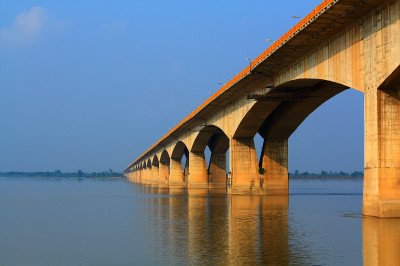
Gandhi Setu Bridge
Some quick example text to build on the card title and make up the bulk of the card's content.
Go somewhere
Govindpur Singhara Shaktipeeth
Some quick example text to build on the card title and make up the bulk of the card's content.
Go somewhere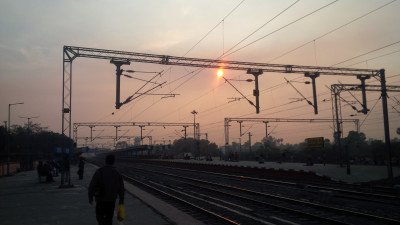
Hajipur Junction Railway Station
Some quick example text to build on the card title and make up the bulk of the card's content.
Go somewhere
Kaunhara Ghat
Some quick example text to build on the card title and make up the bulk of the card's content.
Go somewherein Other Cities