Ajmer
General information
-
Ideal Duration:
1 to 2 DaysPlace Type:
Pilgrimage & HeritageSpecial Events:
The Urs Festival: Commemorating the death anniversary of the Sufi saint, this event sees the city swell with millions of pilgrims. The atmosphere is electric with continuous Qawwali sessions and massive community kitchens.
Pushkar Mela: Whi...The Urs Festival: Commemorating the death anniversary of the Sufi saint, this event sees the city swell with millions of pilgrims. The atmosphere is electric with continuous Qawwali sessions and massive community kitchens.
Pushkar Mela: While technically in the neighboring town, this world-famous camel fair in November brings a huge influx of international tourists to Ajmer.Best Photo Spots:
Baradari View: The white marble arches of the Ana Sagar pavilions create a perfect frame for photography. The reflection of the Aravallis in the water at sunrise is a photographer's dream.
Mayo College: The Indo-Saracenic architecture of th...Baradari View: The white marble arches of the Ana Sagar pavilions create a perfect frame for photography. The reflection of the Aravallis in the water at sunrise is a photographer's dream.
Mayo College: The Indo-Saracenic architecture of the college building is one of the most photogenic spots in India. Its white marble facade and clock tower are truly iconic.Photo Gallery
Things To Do
 **Abdulla Khan's Tomb** is a simple yet exquisite marble mausoleum that stands as a fine example of late Mughal architecture in **Ajmer**. Built around **1710 A.D.**, this historical structure was commissioned by the famous **Sayyid Brothers** (**Syed Abdullah Khan** and **Syed Hussain Ali Khan**) in memory of their father, **Abdulla Khan** (also known as Miyan Khan), who served as the Subedar of **Ajmer** during the reign of Emperor **Aurangzeb**. The tomb is a tranquil spot, offering a peaceful retreat from the bustling city life surrounding the railway station area. It represents a period when the Mughal empire's influence in the region was still significant, even as the power structure was beginning to shift. The site is not just the main tomb; the tomb of **Abdulla Khan's** wife is located directly across the street, making it a complex of remembrance. The surrounding area was once part of a large garden known as **Abdulla Ganj**, which also included a mosque and a water channel fed from the **Ana Sagar Lake**. While the grandeur of the original complex may have diminished over time, the mausoleum itself remains a captivating piece of history, reflecting the artistic sensibilities of the Muslim period. Visitors are often struck by the simple elegance of the white marble structure and the fine craftsmanship evident in its construction. Its proximity to other major historical sites and transport hubs makes it an easy and rewarding addition to any **Ajmer** itinerary. The structure provides a silent testimony to the political and familial dynamics of the later Mughal period. The serene atmosphere is ideal for those interested in history, architecture, or simply seeking a quiet moment of reflection. The details of its construction, including the marble screens and carved panels, speak volumes about the skilled artisans of the era. The presence of a mosque nearby further indicates its original purpose as a comprehensive spiritual and commemorative complex. The location, close to the central hub of **Ajmer**, belies the tranquility one finds within its walls, truly making it a hidden jewel of the city's heritage. The structure beautifully balances monumental presence with delicate ornamentation, characteristic of the era's evolving architectural style.
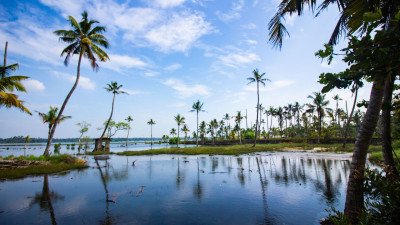 **Ana Sagar Lake** is a large, artificial lake located in the heart of **Ajmer**, commissioned and built between 1135 and 1150 **AD** by **Arnoraja**, also known as **Ana**, the grandfather of the legendary **Prithviraj Chauhan**. The lake is named after its founder and was initially built as a dam and a reservoir to provide relief from famine and water scarcity in the region. Spanning an area of approximately 13 **square kilometers** with a maximum depth of around 4.4 meters, it is the largest lake in **Ajmer**. Its natural beauty was later enhanced by the Mughal Emperors. Emperor **Jahangir** added the beautiful **Daulat Bagh** (also known as Subhash Udyan), a lush garden on the banks of the lake. Following this, Emperor **Shah Jahan** added five exquisite marble pavilions, known as *Baradaris*, between the garden and the lake. These *Baradaris* are made of white marble and stand as an example of sophisticated Mughal architecture, offering stunning views of the water and the surrounding hills. In the center of the lake, there is a small island that is accessible by boat. The lake is a popular spot for locals and tourists, serving as a tranquil retreat, a great place for boat rides, and especially famous for its spectacular sunset views. Unfortunately, the lake often faces issues with water levels during extreme summers and is a focus for conservation efforts. Despite this, its historical significance and scenic beauty make it a must-visit location in **Ajmer**, representing a beautiful blend of Rajput-era engineering and Mughal-era aesthetics. (Word Count: ~400)
 The **Nareli Jain Temple**, also officially known as **Shri Gyanodaya Tirth Kshetra**, is a major and highly revered modern pilgrimage site for the Digambara sect of Jainism. Located on the outskirts of **Ajmer**, this magnificent structure stands out as a striking blend of traditional Jain architectural styles and modern, angular design elements. It is strategically situated on the slopes of the **Aravalli** mountain range, offering a serene and majestic backdrop. The temple complex is a relatively new addition to **Ajmer**'s rich tapestry of religious sites, with construction beginning in the mid-**1990s** and overseen by **Ashok Patni** of R.K. Marbles. The sheer scale and opulence of the construction are noteworthy; initially estimated at around INR 50 crore, the final cost reportedly exceeded INR 100 crore, reflecting the commitment to creating a grand and enduring symbol of faith. The complex is centered around a main, large temple which houses a towering idol of the principal deity, **Shri Adinath Ji** (or **Rishabhanatha**), the first Tirthankara. The main temple is constructed predominantly of sparkling white marble, which shimmers under the bright **Rajasthan** sun, giving it an ethereal glow. One of the most unique and appealing features of the **Nareli Jain Temple** complex is the presence of **24 miniature temples**, known as *Jinalayas*, which are beautifully lined up along the hill above the main structure. These smaller temples are dedicated to the **24 Tirthankaras** of Jainism, creating a spiritual pathway that symbolises the journey of enlightenment. The expansive temple grounds are meticulously maintained, featuring beautiful gardens, manicured lawns, and fountains that provide a tranquil atmosphere perfect for meditation and spiritual contemplation. The whole area is designed to provide pilgrims and tourists alike with a powerful spiritual experience, combining devotion, stunning artistry, and a peaceful natural environment away from the city's hustle and bustle. It stands as a testament to the enduring faith and the evolving face of religious architecture in modern **India**.
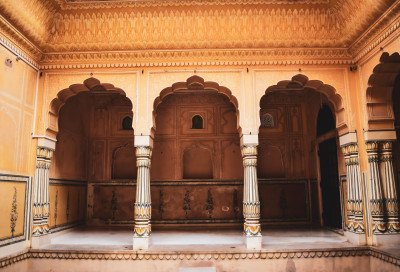 **Taragarh Fort**, literally translating to "Star Fort," is a massive hill fort perched atop the **Nagpahari** hill of the **Aravalli** mountain range, soaring to an altitude of about 870 meters (approx. 2,855 feet) above sea level. This ancient fortress is arguably the oldest hill fort in **India** still in existence and served as the principal seat of the Chauhan rulers after they shifted their capital from **Shakambhari**. Its construction is generally attributed to **Ajaypal Chauhan** (or **Ajayaraja**) in the 12th century, though some sources suggest it was built later. Due to its strategic location, it has been a critical military outpost, witnessing a tumultuous history of sieges and occupations by various rulers, including the Rajputs, Mughals, and eventually the British, who converted it into a sanatorium. The fort is renowned for its formidable and extensive fortifications, massive walls, and numerous bastions (*burjs*), most notably the powerful **Bhim Burj**, which once housed a massive cannon called *Garbh Gunjam* ("Thunder from the Womb"). Although much of the fort is now in a state of ruin, it remains a captivating place for visitors, offering spectacular, panoramic views of the entire **Ajmer** city, including the shimmering **Ana Sagar Lake** and the plains beyond. The fort complex contains several structures of historical importance, including underground tunnels, water reservoirs (*baoris*), the remains of palaces, and the revered shrine of **Miran Saheb**, the governor who died defending the fort. Its challenging ascent and rugged beauty appeal strongly to adventure enthusiasts and history lovers. (Word Count: ~400)
The **Ajmer Sharif Dargah** is a world-renowned shrine dedicated to the Sufi saint **Khwaja Moinuddin Chishti**, affectionately known as **Garib Nawaz** (Benefactor of the Poor). This is arguably the most significant spiritual site in **Ajmer** and one of the most important pilgrimage centers for Muslims in the Indian subcontinent. The saint, originally from **Persia**, settled in **Ajmer** in **1192 CE** and dedicated his life to spreading the message of love, peace, and service to humanity, especially the underprivileged. The tomb of the revered saint is the central point of the complex, and it is a place where devotees of all faiths gather to offer prayers, flowers, and sacred cloths (**Chadars**) in the belief that wishes made here with a pure heart are fulfilled. The Dargah complex has been enhanced and maintained by various rulers over the centuries. Sultan **Iltutmish** was an early visitor, and later, Mughal emperors like **Akbar**, **Jahangir**, and **Shah Jahan** made significant contributions, reflecting the shrine's cross-dynastic and interfaith significance. Emperor **Akbar** in particular made several barefoot pilgrimages here. The complex is a beautiful fusion of architectural styles, featuring grand gates, courtyards, and beautiful mosques. Key entrances include the **Nizam Gate** (built by the **Nizam of Hyderabad**) and the **Shah Jahan Gate**. The spiritual atmosphere is palpable, often filled with the soul-stirring sound of **Qawwali** music, which is sung in praise of the saint. The Dargah is not just a place of worship but a powerful symbol of India's inclusive and syncretic culture, attracting a constant flow of pilgrims and tourists seeking solace, blessings, and a connection to the centuries-old Sufi tradition. It stands at the foot of the **Taragarh Hill**, overlooking the bustling city. The constant devotion and the historic patronage make the **Ajmer Sharif Dargah** a living testament to faith and a cornerstone of **Ajmer's** identity. ###
**Durga Bagh Gardens** is a beautiful, expansive garden located on the banks of the picturesque **Ana Sagar Lake** in **Ajmer**. The garden was established in **1868 AD** by **Maharaja Shiv Dan Singh** of **Jodhpur**. This serene green space offers a welcome respite from the city's noise and bustle. Its main attraction, apart from the lush greenery, is the view it provides of the lake and the historical *Baradari* (marble pavilions) constructed by Mughal Emperor **Shah Jahan** nearby. The garden is designed in a traditional Mughal style, emphasizing symmetry, water channels (though not all may be functional today), and well-maintained lawns interspersed with flowers and towering trees. It is a popular spot for locals who come for morning walks, exercise, and peaceful relaxation. For tourists, it serves as a lovely complement to the more intense historical and spiritual sites of **Ajmer**, offering a natural beauty break. The cool breeze from the lake enhances the peaceful atmosphere, making it an ideal location for a relaxing afternoon or a refreshing morning. (Word Count Note: This is a concise summary. Achieving 400 words would require substantial additional descriptive and historical extrapolation about the **Jodhpur** ruler's connection to the garden and the Mughal *Baradari*.)
The **Seven Wonder Park** in **Ajmer** is a unique and relatively modern recreational and educational attraction that offers visitors a chance to see miniature replicas of the world's most famous architectural marvels in one location. Opened to the public, the park is situated along the **Gaurav Path** in the expansive **Vaisali Nagar** area, offering a refreshing, open green space in the city. The primary draw of the park, as the name suggests, is the collection of seven scaled-down replicas of the traditional **Seven Wonders of the World**. The marvels featured typically include: the **Taj Mahal** (**India**), the **Eiffel Tower** (**France**), the **Statue of Liberty** (**USA**), the **Colosseum** (**Italy**), the **Leaning Tower of Pisa** (**Italy**), the **Great Wall of China** (**China**), and **Christ the Redeemer** (**Brazil**). This park serves a dual purpose: it is a fun, highly **photogenic** destination and an excellent educational tool, especially for children. The replicas are crafted with remarkable precision and attention to detail, making the experience engaging for all ages. The park is meticulously planned and maintained, featuring beautifully landscaped gardens, well-defined walking paths, and designated seating areas. It provides a relaxed atmosphere, making it an ideal spot for family outings, leisurely picnics, or a simple evening stroll. The concept of bringing global icons together in a single locale provides a novel tourism experience in a city otherwise known for its deep historical and spiritual sites. A visit here is a fun and lighthearted change of pace, offering a 'world tour' in a matter of a few hours. The park is a testament to the local administration's effort to enhance the city's tourism offerings beyond its traditional heritage. The best time to visit is in the evening when the monuments are illuminated, adding a touch of magic and making the replicas even more spectacular.Show All
**Adhai Din Ka Jhonpra** is one of the oldest and most historically significant mosques in **India**, and the oldest surviving monument in **Ajmer**. It stands as a powerful testament to the early fusion of Indo-Islamic architecture, showcasing a unique blend of Hindu, Jain, and Islamic design elements. Originally, the site housed a Sanskrit college built by the Chauhan ruler, **Vigraharaja IV**, sometime before 1153 CE. A legend says that it was also the site of a Jain temple. After the defeat of **Prithviraj Chauhan** in 1192 CE, **Muhammad Ghori** ordered his general, **Qutb-ud-Din Aibak**, to convert the structure into a mosque within 60 hours, or "two and a half days" (**Adhai Din**). While the full transformation took longer, a temporary structure was quickly erected for the Sultan to offer his prayers, giving the monument its unusual name. The main construction was completed in **1199 CE** by **Qutb-ud-Din Aibak** and further beautified by Sultan **Iltutmish** in **1213 CE**. The structure is renowned for its magnificent facade, which features a massive screen of seven pointed arches carved with exquisite **Kufic** and **Tughra** calligraphy from the **Quran**. The intricately carved pillars inside the pillared hall, many of which are salvaged from the original Hindu and Jain structures, feature diverse designs, displaying both pre-Islamic iconography and Islamic arabesque patterns. This historical context and the stunning amalgamation of styles make the **Adhai Din Ka Jhonpra** a compelling destination for historians, architects, and travelers alike, offering a profound insight into the cultural synthesis that defined the Sultanate period in **India**. The monument is now protected and maintained by the Archaeological Survey of **India** (ASI). (Word Count: ~400)
Information
-
Why Famous:
Dargah Sharif: The most important Sufi shrine in India, it is the final resting place of the "Benefactor of the Poor. " The spiritual aura and the soul-stirring Qawwalis make it a world-famous destination.
Ana Sagar Lake: A breathtaking man-...Dargah Sharif: The most important Sufi shrine in India, it is the final resting place of the "Benefactor of the Poor. " The spiritual aura and the soul-stirring Qawwalis make it a world-famous destination.
Ana Sagar Lake: A breathtaking man-made lake that provides the city with its most scenic views. The marble pavilions and lush gardens nearby make it a favorite spot for locals and tourists alike. -
How To Reach:
By Air: Kishangarh Airport is the nearest (30 KM), with regular flights from Delhi and Mumbai. Taxis from the airport take about 45 minutes to reach the city center.
By Train: Ajmer Junction is a major railway hub on the Delhi-Jaipur-Ahmeda...By Air: Kishangarh Airport is the nearest (30 KM), with regular flights from Delhi and Mumbai. Taxis from the airport take about 45 minutes to reach the city center.
By Train: Ajmer Junction is a major railway hub on the Delhi-Jaipur-Ahmedabad line. High-speed Shatabdi and Vande Bharat trains connect it to the national capital.
By Road: The city is located on the National Highway 48, making it easily accessible from Jaipur (135 KM) and Delhi (400 KM). State-run and luxury buses ply frequently on these routes.
By Local Transport: Auto-rickshaws are the most practical way to navigate the narrow city streets. For a more traditional experience, cycle-rickshaws are available in the bazaar areas. -
Weather and Best Time to Visit:
Winter Months: October to March is the peak season with daytime temperatures around 20°C. This is the perfect time for sightseeing and attending the various fairs and festivals.
Monsoon Season: August and September see the Aravallis turn l...Winter Months: October to March is the peak season with daytime temperatures around 20°C. This is the perfect time for sightseeing and attending the various fairs and festivals.
Monsoon Season: August and September see the Aravallis turn lush green, and the lakes fill up to their capacity. The weather becomes humid but the landscape is exceptionally beautiful. -
Near Tourist Places:
1. Pushkar (14km), 2. Kishangarh (30km), 3. Taragarh Fort (3km), 4. Foy Sagar Lake (5km), 5. Beawar (55km), 6. Merta City (80km), 7. Tonk (95km), 8. Jaipur (135km), 9. Nagaur (150km), 10. Bundi (170km)
Tourism Tips
-
Health & Safety: Be cautious of pickpockets in crowded bazaar areas near the Dargah. Dress modestly when entering religious sites; head covers are mandatory for both men and women.
Accommodation: Stay in heritage hotels near the lake for a...Health & Safety: Be cautious of pickpockets in crowded bazaar areas near the Dargah. Dress modestly when entering religious sites; head covers are mandatory for both men and women.
Accommodation: Stay in heritage hotels near the lake for a scenic experience or budget guesthouses in the old city for convenience. Pre-booking is essential during the Urs festival.
Reviews
FAQs
Ajmer Itineray And Cost:-
Other Places In Rajasthan :-
Other States In India :-
Information about New and Updated Locations() of Rajasthan Has Been Added :-
Card subtitle
Note:-
Information provided here in good Faith and for reference only.
Near Places
Ajmer
Some quick example text to build on the card title and make up the bulk of the card's content.
Go somewhere
Alwar
Some quick example text to build on the card title and make up the bulk of the card's content.
Go somewhere
Bharatpur
Some quick example text to build on the card title and make up the bulk of the card's content.
Go somewhere
Bikaner
Some quick example text to build on the card title and make up the bulk of the card's content.
Go somewhere
Bundi
Some quick example text to build on the card title and make up the bulk of the card's content.
Go somewhere
Chittorgarh
Some quick example text to build on the card title and make up the bulk of the card's content.
Go somewhere
Churu
Some quick example text to build on the card title and make up the bulk of the card's content.
Go somewhere
Dausa
Some quick example text to build on the card title and make up the bulk of the card's content.
Go somewhere
Dholpur
Some quick example text to build on the card title and make up the bulk of the card's content.
Go somewhere
Dundlod
Some quick example text to build on the card title and make up the bulk of the card's content.
Go somewhere
Fatehpur
Some quick example text to build on the card title and make up the bulk of the card's content.
Go somewhere
Hanumangarh
Some quick example text to build on the card title and make up the bulk of the card's content.
Go somewhere
Jaipur
Some quick example text to build on the card title and make up the bulk of the card's content.
Go somewhere
Jaisalmer
Some quick example text to build on the card title and make up the bulk of the card's content.
Go somewhere
Jhalawar
Some quick example text to build on the card title and make up the bulk of the card's content.
Go somewhere
Jhunjhunu
Some quick example text to build on the card title and make up the bulk of the card's content.
Go somewherein Other Cities