
Bharatpur
General information
-
Ideal Duration:
1 to 2 DaysPlace Type:
Wildlife & HeritageSpecial Events:
Brij Festival: Celebrated a few days before Holi, this festival is a grand display of folk dances and music. It commemorates the eternal love of Radha and Krishna through colorful performances.
Foundation Day: The city celebrates its histor...Brij Festival: Celebrated a few days before Holi, this festival is a grand display of folk dances and music. It commemorates the eternal love of Radha and Krishna through colorful performances.
Foundation Day: The city celebrates its historical roots with parades and cultural shows that honor the memory of Maharaja Suraj Mal. It is a time of great pride for the local residents.Best Photo Spots:
Keoladeo Marshes: The golden light of the setting sun hitting the water while thousands of birds take flight is a world-class photo opportunity. A telephoto lens is essential for wildlife shots.
Deeg Fountains: If you visit during festivals...Keoladeo Marshes: The golden light of the setting sun hitting the water while thousands of birds take flight is a world-class photo opportunity. A telephoto lens is essential for wildlife shots.
Deeg Fountains: If you visit during festivals when the fountains are active, the mist and the old palace architecture create a fairytale setting for photography.Photo Gallery
Things To Do
 The Rana Sanga Smarak is a majestic memorial dedicated to Maharana Sangram Singh, popularly known as Rana Sanga, the legendary ruler of Mewar. Located in the historic village of Khanua, this site marks the location of the epic Battle of Khanwa fought in 1527 between the Rajput confederacy and the Mughal forces of Babur. Rana Sanga is remembered as one of the most valiant warriors in Indian history, who continued to fight despite having 80 wounds on his body and losing an arm and an eye. The memorial was constructed to honor his sacrifice and the spirit of Rajput bravery. The site features a larger-than-life statue of the Rana, standing tall as a symbol of resistance against foreign invasion. Surrounding the statue is a beautifully landscaped park and a museum/panorama that depicts scenes from the battle and the life of the great king. The atmosphere here is one of solemnity and patriotism, attracting history enthusiasts from across the country. Recent developments by the state government have enhanced the site with informative plaques and better visitor facilities. It serves as an educational hub for younger generations to learn about the complexities of medieval Indian geopolitics. Visiting this monument provides a profound insight into the valor that defined the Rajput era. It is a place where history feels tangible, standing on the very grounds where the fate of India was once contested.
The Anah Darwaja is a monumental gateway that serves as one of the primary historical entrances to the walled city of Bharatpur. This massive structure was an integral part of the city's defense mechanism, designed to protect the Lohagarh Fort and the surrounding royal settlements from invading forces. It stands as a silent witness to the valor of the Jat rulers, particularly Maharaja Suraj Mal, who fortified the city against numerous sieges. The gate is constructed with heavy stones and lime mortar, featuring large iron-studded wooden doors that could withstand heavy battering. Today, it remains a bustling landmark where the old city meets the modern outskirts, reflecting the transition of time. Visitors can observe the deep marks of history on its weathered walls, which have seen centuries of change. The area around the gate is often crowded with local markets, offering a vibrant atmosphere filled with the sights and sounds of traditional Rajasthan. Historically, this gate was strategically positioned to control the movement of troops and trade, making it a vital nerve center for the kingdom. Even today, its imposing presence dictates the flow of traffic in the city, standing as a proud symbol of the iron-fortress legacy that Bharatpur is famous for across the country.
 Chawad Devi Temple is a profound spiritual landmark located on the outskirts of Bharatpur. This ancient shrine is dedicated to Chawad Devi, a local deity revered for her protective powers. The temple serves as a central point of faith for the surrounding villages and has stood for several centuries. Its location on a small hillock offers a panoramic view of the mustard fields and rural Rajasthan. Visitors often describe the atmosphere as incredibly tranquil compared to the bustling city temples. The temple complex is modest yet carries a deep sense of historical and cultural weight. Local folklore suggests the goddess self-manifested here to protect the Rajput warriors during ancient battles. It is a place where one can witness authentic local rituals away from the tourist crowds. The temple is especially quiet during the afternoons, making it ideal for meditation. Many pilgrims travel from nearby districts to seek blessings for safe journeys and family prosperity. The path to the temple is lined with small shops selling traditional offerings like coconuts and red bangles. It remains a testament to the living traditions of the Braj region.
@@Historical Significance: The Gopal Bhawan is the most magnificent and grand building within the Deeg Palace complex, which served as a luxurious summer resort for the Jat rulers of Bharatpur. Built in 1760 by Maharaja Suraj Mal, it represents the zenith of Jat power and their architectural ambition during the 18th century. The palace was strategically positioned to provide a cool refuge from the scorching Rajasthani summers, utilizing an advanced water cooling system. It sits gracefully on the banks of the Gopal Sagar tank, reflecting its grandeur in the still waters. Historically, it hosted royal guests and was the primary residence within the garden palace. The building is a silent witness to the bravery and artistic taste of the Jat kings who managed to create a paradise in the semi-arid region. Visitors today can still feel the regal atmosphere that once filled these halls during the peak of the Bharatpur kingdom. The preservation of the interior furniture and decor provides a rare glimpse into the lifestyle of the past royalty. This place is not just a building but a narrative of victory and aesthetic evolution.
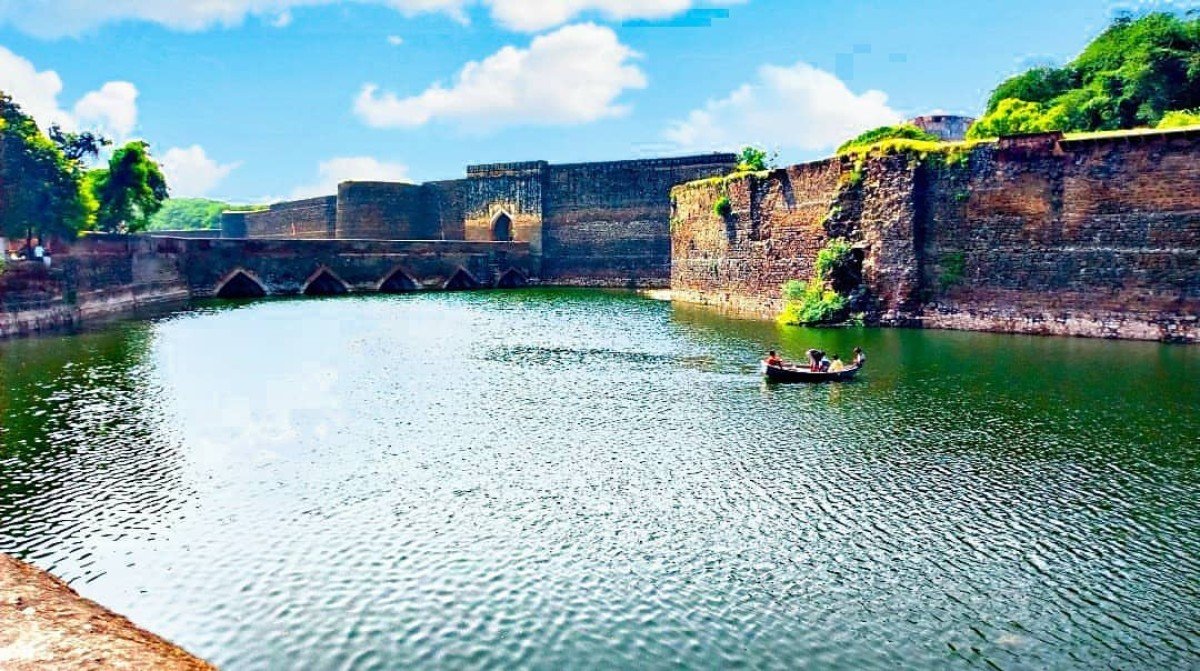
 The **Lohagarh Fort**, literally meaning 'Iron Fort,' is a testament to the might and military genius of the Jat rulers of **Bharatpur**. It was built in the early 18th century (starting around 1732) by the founder of **Bharatpur** state, Maharaja **Suraj Mal**. The fort earned its name and reputation for its seemingly **impregnable defenses**. Unlike the grand, aesthetic forts of other **Rajasthani** kingdoms, **Lohagarh** was built primarily for protection and resilience, employing an innovative military architectural style. Its most distinguishing feature is the elaborate dual system of fortifications: a thick, massive outer wall made of **mud** and earth, designed to absorb the shock of cannonball fire, followed by a wide, deep **moat** (ditch) filled with water, making it extremely difficult for attackers to reach the main structure. This unique mud-and-water defense system proved effective, as the fort withstood repeated attacks, including notable sieges by the **British Army** under **Lord Lake** in **1805**, who failed to breach its defenses, a rare feat in Indian history. The fort complex houses several significant structures, including the **Jawahar Burj** (Victory Tower) and **Fateh Burj** (Victory Tower), built to commemorate victories over the Mughals and the British respectively. Within the fort premises are the **Kishori Mahal**, **Mahal Khas**, and the **Government Museum, Bharatpur**, which displays a rich collection of artifacts, sculptures, and paintings from the glorious past of the region. The fort stands as a proud symbol of the resilience and independence of the Jat people. ***
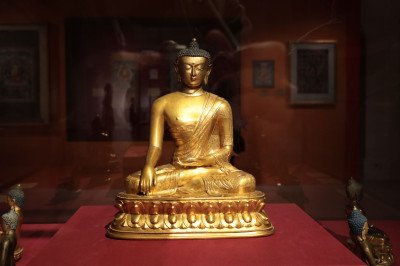 The Bharatpur Palace is a stunning example of royal architecture that serves as a bridge between the city's glorious past and its present. Built in multiple phases by different Maharajas, the palace is a harmonious blend of Mughal and Rajput styles. A significant portion of this palace, specifically the Kamra Khas, was converted into the Government Museum in 1944. This museum is a treasure trove for history buffs, housing a vast collection of artifacts that reflect the cultural heritage of the Jat rulers. The museum's inventory includes over 580 stone sculptures, 860 pieces of local art and craft, and numerous ancient scriptures. One of the highlights is the collection of 2nd-century inscriptions and weapons used by the Bharatpur army. The palace itself is famous for its intricate floor tiles, which are decorated with exquisite patterns, and its large rooms that once hosted royal durbars. The walls are adorned with paintings that provide a glimpse into the lifestyle and traditions of the royalty. The museum is organized into several sections, including an archaeological gallery, an arms gallery, and an arts gallery. Visitors can see beautifully carved pillars and statues recovered from nearby sites like Kaman and Bayana. The arms gallery is particularly impressive, showcasing daggers, swords, and even small cannons used in historical battles. The architecture of the palace, with its sprawling courtyards and ornate balconies, offers a grand visual experience. It is situated within the secure confines of the Lohagarh Fort, surrounded by high walls and moats, reinforcing the theme of "unconquerable" strength that defines Bharatpur. A visit here provides a deep contextual understanding of why this region was so pivotal in North Indian history.
Fateh Burj is one of the most prominent towers situated within the massive Lohagarh Fort. It was built by Maharaja Suraj Mal in 1732 to commemorate his significant victory over the Mughal forces. The name "Fateh" literally translates to "Victory," and "Burj" means "Tower." This structure served both as a memorial and a strategic observation post. From its height, soldiers could monitor the movement of enemy troops for miles across the flat plains of Bharatpur. The tower is an integral part of the fort's defenses, which were famous for being "Iron-clad" (Lohagarh). Unlike many other towers of that era, Fateh Burj was built with mud-plastered walls over a stone core, which allowed it to absorb the impact of heavy cannon fire without crumbling. This innovative use of materials is why the fort remained unconquered by the British after multiple sieges. Today, the tower stands as a symbol of Jat pride and military ingenuity. Visitors can climb to the top to get a panoramic view of the entire Bharatpur city. The surrounding area within the fort is filled with other historical monuments like the Jawahar Burj and the Government Museum. It is a must-visit for anyone interested in the history of the 18th Century in North India.Show All
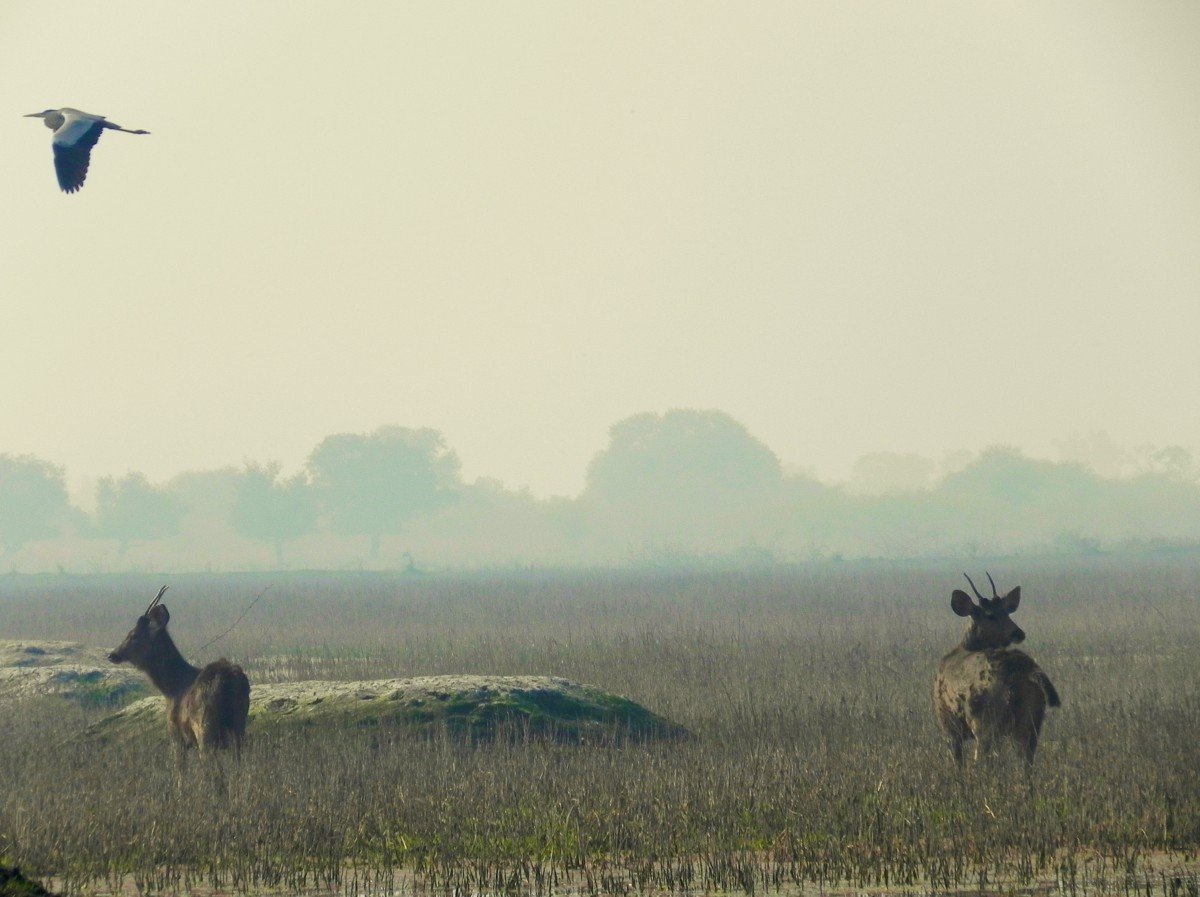
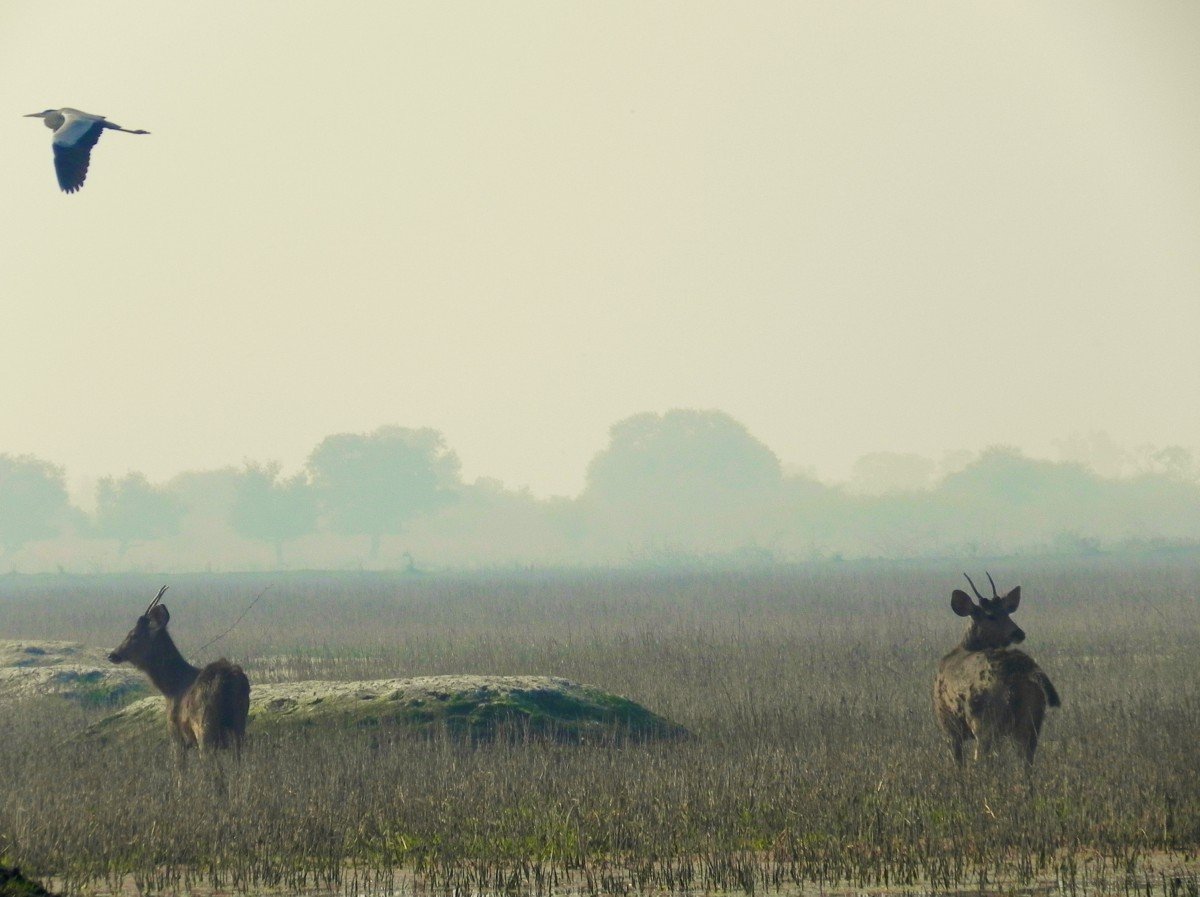
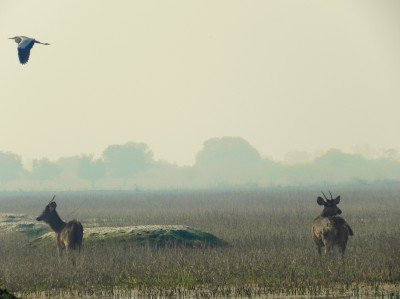 **Keoladeo National Park**, formerly the **Bharatpur Bird Sanctuary**, is a massive man-made wetland ecosystem and a declared **UNESCO World Heritage Site** since 1985. Spanning about 29 square kilometers, the park is a mosaic of woodlands, dry grasslands, and, most importantly, shallow wetlands, which are crucial for the park's function. The park was originally created about 250 years ago by the then-ruler, Maharaja **Suraj Mal**, who constructed an artificial dam (the 'Ajan Bandh') at the confluence of the Gambhir and Ban Ganga rivers to protect the city from floods and supply water. The area was later developed into a duck-shooting reserve for the Maharajas and the British. Post-independence, it was converted into a protected area and eventually a National Park in 1982. It is an internationally important wintering ground for large numbers of aquatic birds from places like **Afghanistan**, **Siberia**, **Central Asia**, and **China**. Over **370 species** of birds have been recorded here, including resident breeding birds like storks, pelicans, cormorants, and herons, and migratory species like the now-rare **Siberian Crane**. Besides birds, the park is home to over 50 species of fish, 7 species of turtles, and other animals like the **Nilgai** (Blue Bull), **Sambar Deer**, **Python**, and various amphibians. The park is a globally recognized haven for ornithologists and nature lovers, offering a serene environment for bird watching, walking, cycling, and rickshaw rides. The park's ecosystem is heavily dependent on water supply, making the monsoon and controlled water release from external sources vital for its survival and the massive bird congregation during the breeding and wintering seasons. ***
Information
-
Why Famous:
Keoladeo Bird Sanctuary: A paradise for ornithologists, where species like the Siberian Crane were once frequent visitors. Today, it remains a vital stop for migratory birds from as far as Europe and China.
Lohagarh Fort: A symbol of Jat pr...Keoladeo Bird Sanctuary: A paradise for ornithologists, where species like the Siberian Crane were once frequent visitors. Today, it remains a vital stop for migratory birds from as far as Europe and China.
Lohagarh Fort: A symbol of Jat pride and resilience that stood firm against the British Empire. The fort's museum contains rare manuscripts and weapons that chronicle the bravery of the local rulers. -
How To Reach:
By Air: Agra Airport is the nearest (55 KM), but Delhi International Airport (200 KM) offers better connectivity. From Delhi, one can take a train or hire a private taxi for a 4-hour drive.
By Train: Bharatpur Junction is a major station on...By Air: Agra Airport is the nearest (55 KM), but Delhi International Airport (200 KM) offers better connectivity. From Delhi, one can take a train or hire a private taxi for a 4-hour drive.
By Train: Bharatpur Junction is a major station on the Delhi-Mumbai main line. Several superfast trains like the Golden Temple Mail and Rajdhani stop here regularly.
By Road: The city is well-connected via the Jaipur-Agra National Highway. It is about a 3-hour drive from Jaipur (180 KM) and just an hour and a half from Agra (55 KM).
By Local Transport: Cycle-rickshaws are the most popular way to get around the city and are the only motorized transport allowed inside the main areas of the bird sanctuary. -
Weather and Best Time to Visit:
Peak Winter: November to February is the absolute best time when the migratory birds arrive in thousands. The weather is cool and crisp, making long walks in the park very pleasant.
Post-Monsoon: August to October is great for seeing local ...Peak Winter: November to February is the absolute best time when the migratory birds arrive in thousands. The weather is cool and crisp, making long walks in the park very pleasant.
Post-Monsoon: August to October is great for seeing local resident birds and the lush green vegetation. The water bodies are full, providing a beautiful backdrop for photography. -
Near Tourist Places:
1. Deeg (32km), 2. Agra (55km), 3. Fatehpur Sikri (25km), 4. Mathura (38km), 5. Vrindavan (50km), 6. Dholpur (100km), 7. Jaipur (180km), 8. Alwar (115km), 9. Sariska (150km), 10. Gwalior (160km)
Tourism Tips
-
Health & Safety: Mosquito repellent is a must when visiting the wetlands to avoid bites. Stay on the designated paths in the sanctuary and avoid feeding the animals or birds.
Packing Tips: Carry a good pair of binoculars and a bird identifi...Health & Safety: Mosquito repellent is a must when visiting the wetlands to avoid bites. Stay on the designated paths in the sanctuary and avoid feeding the animals or birds.
Packing Tips: Carry a good pair of binoculars and a bird identification guide to enhance your experience. Wear neutral-colored clothing to blend into the natural environment and avoid scaring birds.
Reviews
FAQs
Bharatpur Itineray And Cost:-
Other Places In Rajasthan :-
Other States In India :-
Information about New and Updated Locations() of Rajasthan Has Been Added :-
Card subtitle
Note:-
Information provided here in good Faith and for reference only.
Near Places
Ajmer
Some quick example text to build on the card title and make up the bulk of the card's content.
Go somewhere
Alwar
Some quick example text to build on the card title and make up the bulk of the card's content.
Go somewhere
Bharatpur
Some quick example text to build on the card title and make up the bulk of the card's content.
Go somewhere
Bikaner
Some quick example text to build on the card title and make up the bulk of the card's content.
Go somewhere
Bundi
Some quick example text to build on the card title and make up the bulk of the card's content.
Go somewhere
Chittorgarh
Some quick example text to build on the card title and make up the bulk of the card's content.
Go somewhere
Churu
Some quick example text to build on the card title and make up the bulk of the card's content.
Go somewhere
Dausa
Some quick example text to build on the card title and make up the bulk of the card's content.
Go somewhere
Dholpur
Some quick example text to build on the card title and make up the bulk of the card's content.
Go somewhere
Dundlod
Some quick example text to build on the card title and make up the bulk of the card's content.
Go somewhere
Fatehpur
Some quick example text to build on the card title and make up the bulk of the card's content.
Go somewhere
Hanumangarh
Some quick example text to build on the card title and make up the bulk of the card's content.
Go somewhere
Jaipur
Some quick example text to build on the card title and make up the bulk of the card's content.
Go somewhere
Jaisalmer
Some quick example text to build on the card title and make up the bulk of the card's content.
Go somewhere
Jhalawar
Some quick example text to build on the card title and make up the bulk of the card's content.
Go somewhere
Jhunjhunu
Some quick example text to build on the card title and make up the bulk of the card's content.
Go somewherein Other Cities