





Kota
General information
-
Ideal Duration:
1-2 DaysPlace Type:
Modern & HeritageSpecial Events:
Place Special Event:
Kota Dussehra: The Dussehra festival in Kota is one of the most famous in India, marked by a month-long fair. A massive effigy of the demon king Ravana, over 75 feet tall, is burnt in a grand ceremony. The fair features...Place Special Event:
Kota Dussehra: The Dussehra festival in Kota is one of the most famous in India, marked by a month-long fair. A massive effigy of the demon king Ravana, over 75 feet tall, is burnt in a grand ceremony. The fair features cultural performances, rural competitions, and a huge market selling everything from local crafts to modern gadgets. It attracts thousands of visitors from across the country and is a vibrant display of local traditions.
Chambal Challenge: For sports enthusiasts, the Chambal Challenge is a marathon and cycling event held annually to promote fitness and the natural beauty of the river. It takes participants through the scenic routes along the river and through the rocky terrain of the Hadoti region. The event has gained popularity in recent years and attracts athletes from different states. It is a modern addition to the city's cultural calendar.
:Best Photo Spots:
Place Best Photo Spots:
Seven Wonders Park (Night): The illuminated replicas of the Eiffel Tower and the Taj Mahal against the night sky provide a fantastic opportunity for long-exposure photography. The reflection of the lights in the lake ...Place Best Photo Spots:
Seven Wonders Park (Night): The illuminated replicas of the Eiffel Tower and the Taj Mahal against the night sky provide a fantastic opportunity for long-exposure photography. The reflection of the lights in the lake adds a magical dimension to the shots. It is arguably the most photographed spot in Kota. The evening "Golden Hour" is also great for capturing the monuments with a soft, natural glow.
Garadia Mahadev Viewpoint: The wide-angle shot of the Chambal River bend from the cliff top is one of the most iconic nature photos in Rajasthan. The contrasting colors of the blue water and the brownish-grey cliffs create a stunning visual. It is best to visit during the early morning or late afternoon for the best light. The rugged terrain also provides many interesting foreground elements for landscape photography.
Chambal Riverfront: The various artistically designed ghats and the massive statues at the Chambal Riverfront offer endless architectural and street photography options. Each section of the riverfront has a unique theme, providing a variety of backdrops for your photos. The light and sound show in the evening is also a great subject to capture. It is a place where modern design meets traditional aesthetics beautifully.
:Photo Gallery






Things To Do
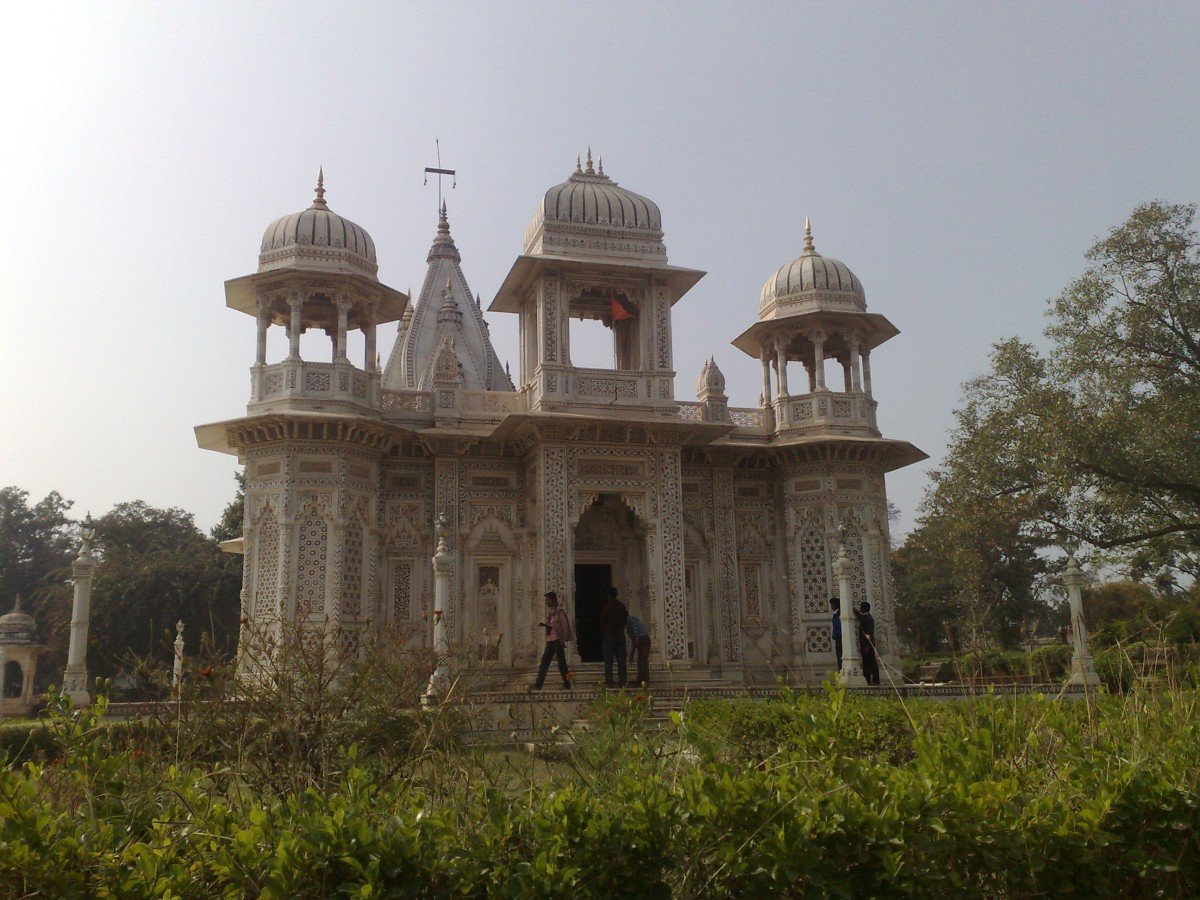
 Keshar Bagh is a magnificent garden complex that serves as the final resting place for the rulers of the Hada Rajput dynasty of Kota. It houses numerous Chhatris or cenotaphs, which are elevated, dome-shaped pavilions typical of Rajasthani architecture. These structures are built to commemorate the kings, queens, and princes of the royal family, with the earliest dating back to the late 16th century. Each cenotaph is unique, featuring intricate carvings of elephants, horses, and various deities, reflecting the artistic style of the period it was built in. The garden itself is lush and well-maintained, providing a quiet sanctuary in the middle of the city. As you walk through the rows of marble and sandstone pavilions, you get a sense of the grandeur and martial history of the Kota state. The site is particularly beautiful during the golden hour when the setting sun casts long shadows through the pillars. It is a place of history, art, and deep silence, often overlooked by the fast-moving tourist crowds but deeply rewarding for those who appreciate fine craftsmanship and royal heritage.
 @@Mandir History: Mathuradheesh Mandir is one of the most important pilgrimage sites for followers of the Pushti Marg. It is dedicated to Lord Krishna, who is worshipped here in his Mathuradheesh form. The temple was established in the 18th Century under the patronage of the Hada rulers. The deity was originally brought from Mathura to protect it from invaders. The temple is famous for its elaborate Aarti ceremonies and daily rituals. It follows the Haveli style of temple culture where the Lord is treated as a king. Thousands of devotees visit daily to seek blessings and peace. The atmosphere inside is filled with the chanting of hymns and the smell of incense. It is considered the head seat of the first pith of the Vallabh sect. The temple plays a central role in the religious life of the people of Kota. During festivals, the entire street leading to the temple is decorated with lights. It is a place where tradition and devotion meet in a beautiful way.
 Umed Bhavan Palace is a magnificent architectural gem that stands as a symbol of the transition between traditional Rajput style and modern Western influence. Built in 1905 by Maharao Umed Singh II, this palace was designed by the renowned British architect Sir Samuel Swinton Jacob. Today, it serves as a luxury heritage hotel managed by the WelcomHeritage group, while a portion of it remains the residence of the royal family. The palace is set amidst 25 acres of lush green gardens, offering a tranquil escape in the heart of the city. Its facade is made of buff-colored sandstone, which glows beautifully during the golden hour. Inside, the palace is a treasure trove of Edwardian furniture, hunting trophies, and exquisite ceiling paintings. The grand ballroom and the dining halls are decorated with crystal chandeliers and rare artifacts that speak of a bygone era of opulence. Unlike the older Garh Palace, Umed Bhavan feels more like a royal manor, blending Victorian comfort with Indian hospitality. The palace grounds also house a private museum that displays personal memorabilia of the rulers. Guests staying here can experience life like royalty, with rooms that have been meticulously restored to their original glory. It is a must-visit for those who appreciate fine architecture and want to see how the Rajput royalty adapted to the changing times of the early 20th century.
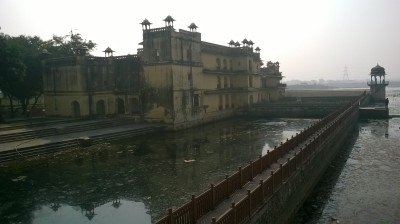 @@Historical Overview: Abheda Mahal is an 18th-century marvel built by Maharajah Ummed Singh. It originally served as a royal hunting lodge where the rulers of Kota would relax amidst nature. The palace is uniquely positioned near a large pond that was once home to pet crocodiles. Today, it stands as a testament to the leisure life of the Rajput kings. The surrounding park has been developed to provide a peaceful environment for tourists. Visitors can enjoy the sight of thousands of lotus flowers blooming in the water. The palace reflects beautifully on the surface of the pond, creating a magical atmosphere. It is a place where history meets natural beauty in a quiet corner of the city. The Mahal is often used as a backdrop for various cultural stories in the region. Tourists love to explore the old stone walls and the ventilated corridors. The park area is perfect for families to spend a quiet afternoon together. It remains one of the most picturesque heritage sites in the Hadoti region.
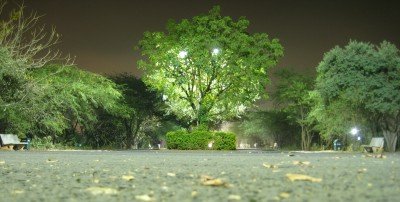 City Park, also famously known as the Oxyzone Park, is a magnificent green lung located in the heart of Kota. Spanning over 30 hectares, it was developed to provide a refreshing environment for the thousands of coaching students and locals in the city. The park features a unique theme of "Health and Happiness," offering a lush escape from the urban hustle. It contains over 2 lakh trees of various species, creating a dense canopy that significantly improves the local air quality. The centerpiece is a long artificial canal where visitors can enjoy Shikara boat rides, reminiscent of Kashmir. There are dedicated zones for yoga, meditation, and exercise, making it a holistic wellness destination. The park also houses an aviary with exotic birds and a beautiful kinetic sculpture garden. For foodies, the glass-top restaurant offers a panoramic view of the entire landscape. It is not just a garden but a modern engineering marvel that blends nature with contemporary urban design. The walking tracks are meticulously paved, and the lighting at night transforms the place into a glowing wonderland. It serves as a vital social space where people of all ages gather for leisure and recreation.
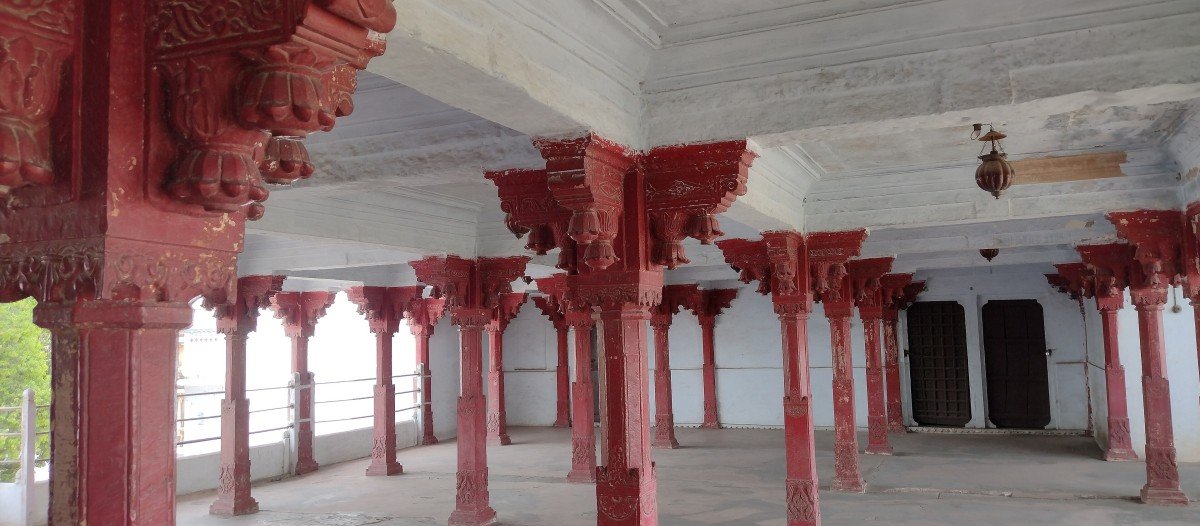
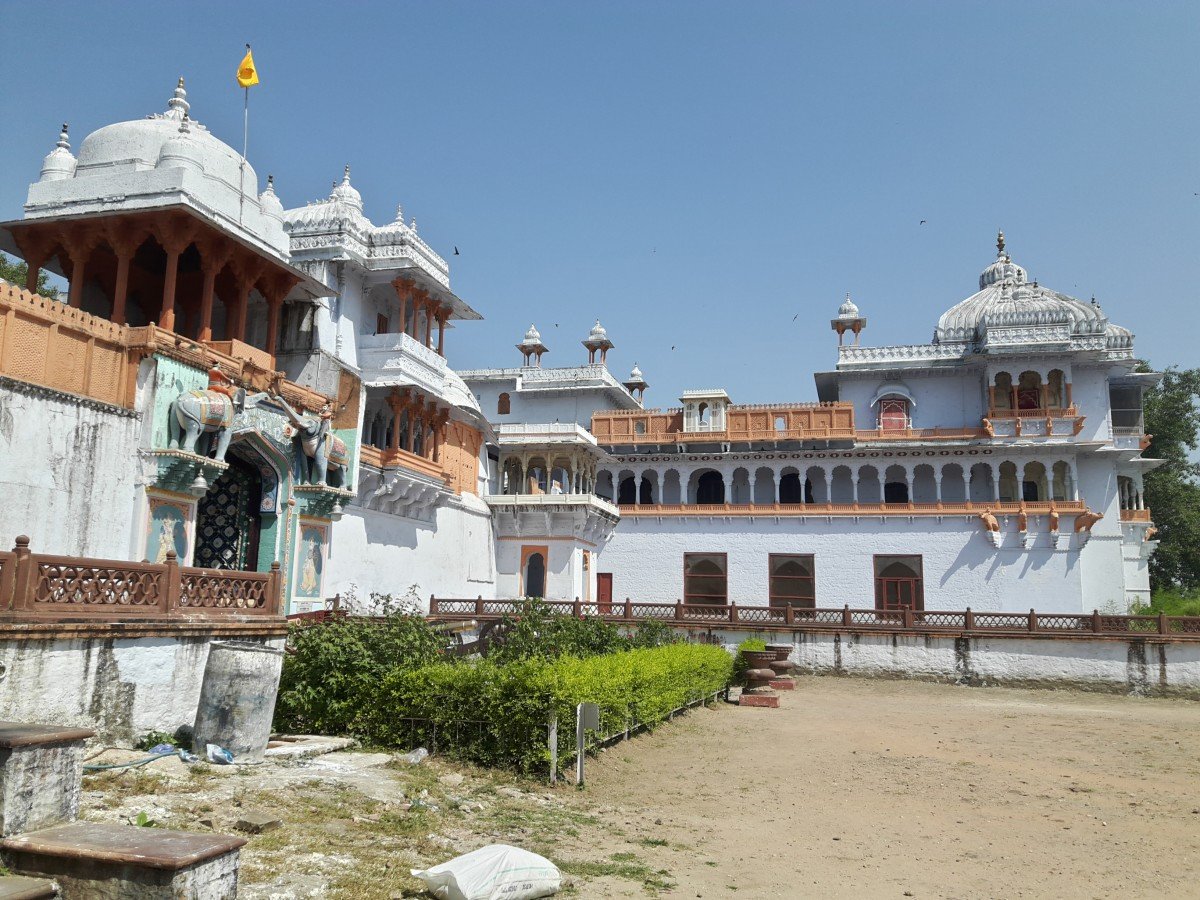
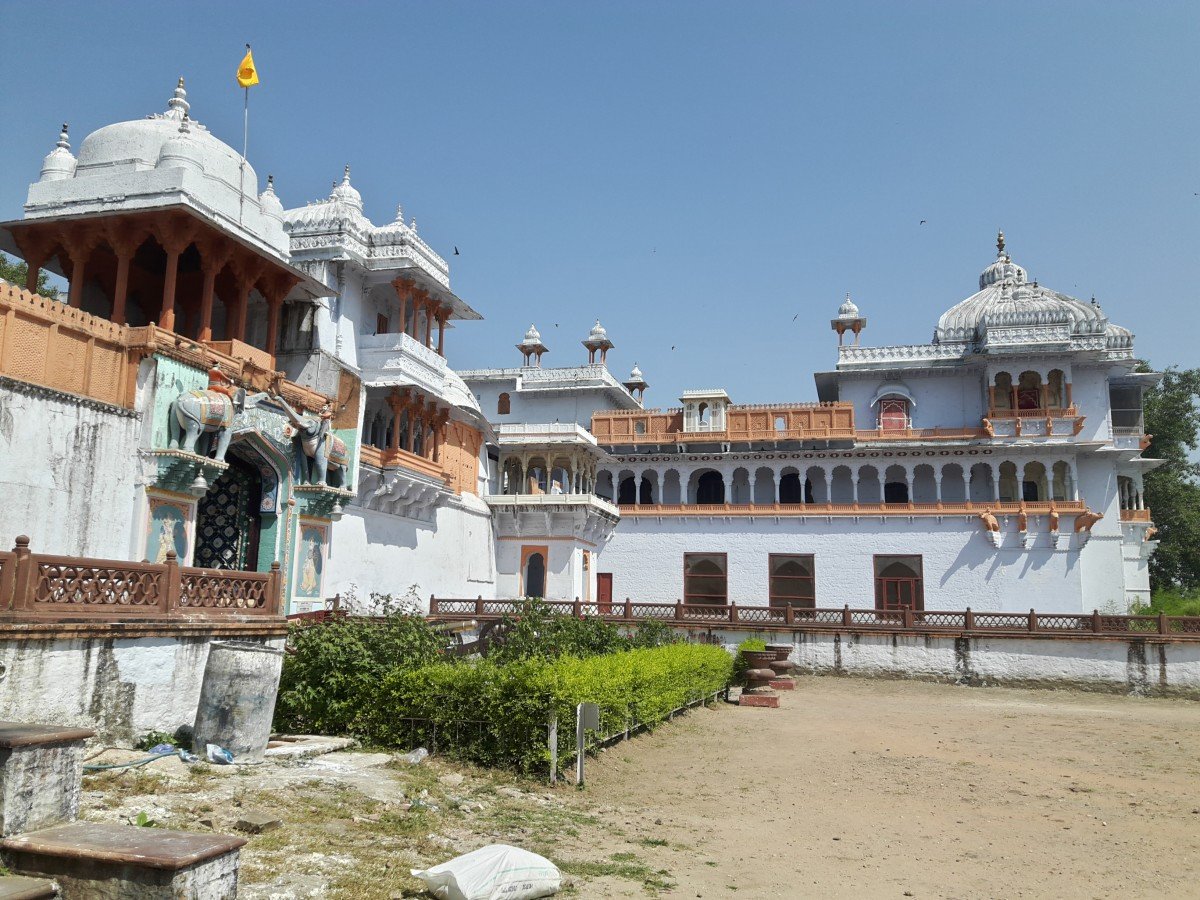
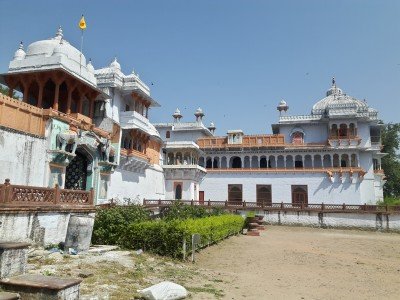 The Garh Palace, widely known as the City Palace, is the crown jewel of Kota. This majestic complex dates back to 1264 AD and serves as a living testimony to the Rajput dynasty's valor and artistic patronage. As you walk through the massive gates, you are greeted by an atmosphere of royal antiquity that has been meticulously preserved over centuries. The palace was built by various rulers, with significant contributions from Rao Madho Singh in the 17th century. It houses the famous Rao Madho Singh Museum, which displays an incredible collection of royal artifacts, including silver furniture, ancient weapons, and royal costumes. The palace is not just a building but a sprawling chronicle of Kota’s history, featuring various mahals like the Raj Mahal and Badal Mahal. Visitors often find themselves lost in the beauty of the intricate frescoes and murals that depict hunting scenes and royal processions. The palace overlooks the serene Chambal River, adding a natural charm to its historical grandeur. It is an essential stop for anyone wanting to understand the soul of Rajasthan’s third-largest city. The palace echoes the stories of the Hada Rajputs, making it a pivotal site for cultural exploration and historical study in the region:
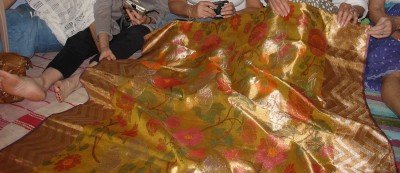 Kaithoon is a legendary weaving cluster famous for the production of Kota Doria saris, a craft that has been passed down through generations. The name "Doria" refers to the threads, and the fabric is known for its "Khat" or square-check pattern, which is created by a precise blend of cotton and silk. This unique weaving technique was originally brought from Mysore by Rao Kishore Singh of Kota, leading to the name "Masuria" in earlier times. Today, the village is a vibrant hub where almost every household is involved in the handloom industry, with women playing a primary role in the weaving process. The fabric is prized for being lightweight, transparent, and extremely breathable, making it perfect for the hot Indian climate. In 2005, the craft received the Geographical Indication (GI) tag, ensuring that only fabric made here can be called authentic Kota Doria. A visit to Kaithoon offers a deep dive into the lives of these artisans, where the rhythmic sound of the handlooms creates a unique melody. It is not just a shopping destination but a cultural immersion into one of India’s most delicate textile traditions.Show All
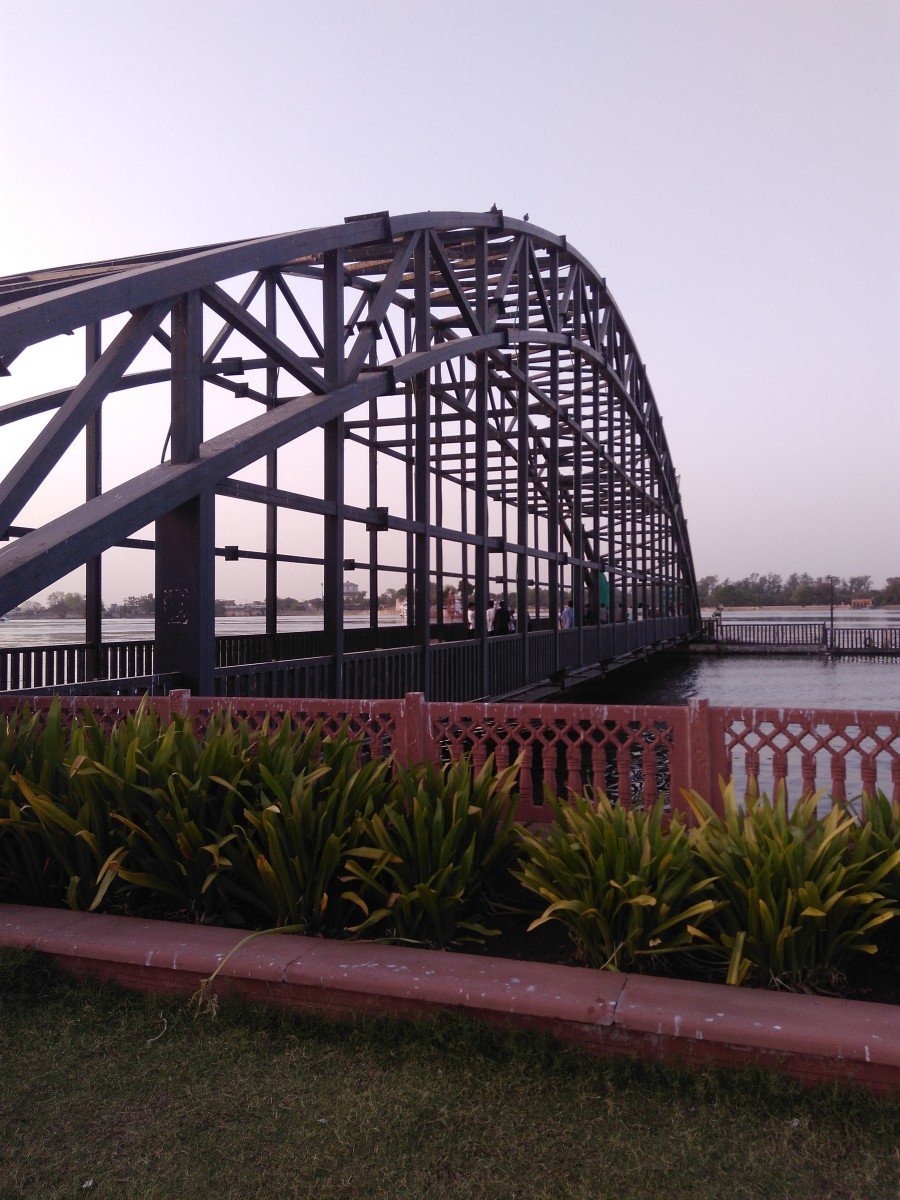
@@Barrage History: Kota Barrage is the fourth and final dam in the Chambal Valley Project series. It was constructed in 1960 to store water released from previous dams for irrigation. The water is diverted into canals that supply the dry lands of Rajasthan and Madhya Pradesh. It is an essential part of the city’s infrastructure and a popular hangout spot. During the monsoon, the opening of the gates is a spectacular sight for everyone. The sound of the rushing water can be heard from far away. It helps in irrigating over 20,000 acres of agricultural land. The bridge over the barrage connects two major parts of the city. Tourists often stop here to watch the powerful flow of the Chambal River. The barrage has stood the test of time and remains a vital lifeline for farmers. It is a symbol of modern engineering in the heart of the historic city. Visitors find the massive structure both intimidating and beautiful at the same time.
Information
-
Why Famous:
Why Famous Place:
Coaching Hub: Kota is world-famous as the "Coaching Capital of India," attracting hundreds of thousands of students every year for engineering and medical entrance exams. This educational ecosystem has shaped the city's mod...Why Famous Place:
Coaching Hub: Kota is world-famous as the "Coaching Capital of India," attracting hundreds of thousands of students every year for engineering and medical entrance exams. This educational ecosystem has shaped the city's modern culture and economy, making it a vibrant and youthful place. The "Kota Factory" life is a unique phenomenon that has been popularized in media and represents the competitive spirit of young India.
Seven Wonders Park: The city gained international fame for its Seven Wonders Park, where miniature replicas of the Taj Mahal, Eiffel Tower, and Pyramid of Giza are displayed. This park has become a major tourist attraction, offering a "world tour" in a single location. It is beautifully situated on the banks of the Kishore Sagar Lake and is especially famous for its evening lighting and photography spots. It represents the city's innovative approach to tourism.
: -
How To Reach:
Place How to Reach:
By Air: The Kota Airport has limited commercial flights. The most convenient major airport is Sangeaneer Airport in Jaipur (JAI), located about 245 KMS away. You can hire a private taxi or take a superfast train from Jai...Place How to Reach:
By Air: The Kota Airport has limited commercial flights. The most convenient major airport is Sangeaneer Airport in Jaipur (JAI), located about 245 KMS away. You can hire a private taxi or take a superfast train from Jaipur to reach Kota. Alternatively, Indore Airport is also an option for those coming from central India. The drive from Jaipur to Kota takes about 4-5 hours.
By Train: Kota Junction is a major station on the New Delhi-Mumbai main line and is exceptionally well-connected to all parts of India. Many prestigious trains like the Rajdhani Express, August Kranti, and Shatabdi Express stop here. The station is a vital hub for travelers heading towards Udaipur, Jaipur, or Madhya Pradesh. It is located within the city, making it very easy to reach your hotel via taxi or auto.
By Road: Kota is situated on the junction of National Highway 52 and National Highway 27, making it easily accessible by road from all directions. There are frequent luxury and state-run RSRTC buses from Jaipur (240 KMS), Udaipur (280 KMS), and Ajmer (200 KMS). Private cars and taxis are also a popular choice for the journey. The roads are generally in excellent condition and offer a smooth travel experience.
By Local Transport: Within Kota, auto-rickshaws are the primary mode of transportation and are easily available throughout the city. For a more modern experience, you can use app-based taxi services like Ola or Uber. City buses also ply on major routes, which is a budget-friendly option. For visiting far-off spots like Garadia Mahadev, hiring a private taxi for the day is the most comfortable and reliable choice.
: -
Weather and Best Time to Visit:
Place Best Time to Visit:
Winter Season: October to March is the most pleasant time to visit Kota. The weather is cool and perfect for exploring the parks, riverfront, and historical sites. This period also coincides with the grand Kota Dus...Place Best Time to Visit:
Winter Season: October to March is the most pleasant time to visit Kota. The weather is cool and perfect for exploring the parks, riverfront, and historical sites. This period also coincides with the grand Kota Dussehra fair and other local festivals. The temperature stays between 10°C and 28°C, providing an ideal climate for outdoor activities and sightseeing.
Monsoon Season: July to September is a beautiful time to visit as the Chambal River is in full flow and the surrounding hills of Mukundara turn lush green. The waterfalls near the city are active and make for great day trips. While it can be humid, the natural beauty during the rains is spectacular. Summers (April to June) are very hot and are not recommended for tourism.
: -
Near Tourist Places:
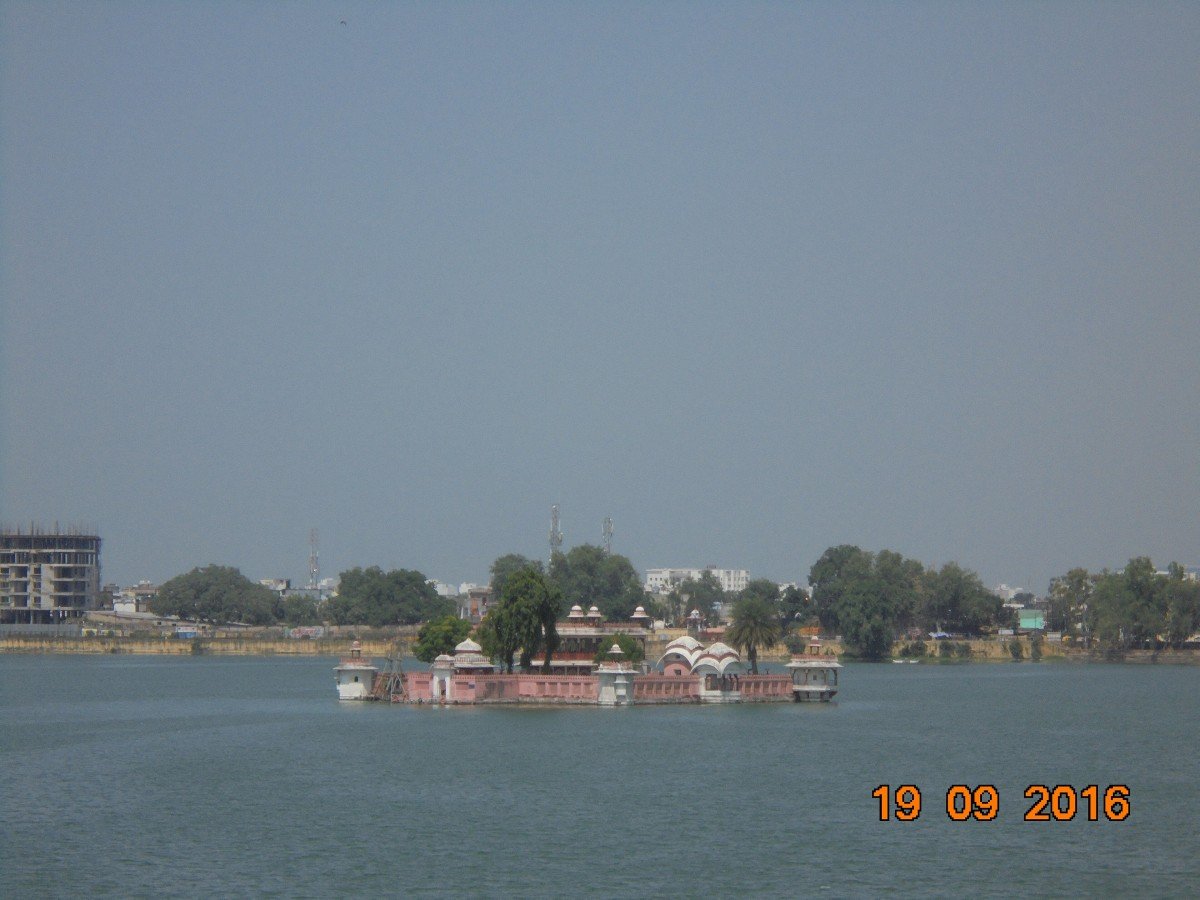
City Palace (2 KMS), Seven Wonders Park (3 KMS), Jagmandir Palace (3 KMS), Chambal Garden (4 KMS), Garadia Mahadev (25 KMS), Abheda Mahal (8 KMS), Bundi (35 KMS), Mukundara Hills National Park (50 KMS), Gaipernath Waterfall (22 KMS), Alnia Dam (25 KMS)
Tourism Tips
-
Place Tourism Tips:
Health & Safety: Stay hydrated as the heat can be intense even during the transition months. While the city is generally safe, be cautious when visiting the riverbanks and follow all safety signs regarding crocodiles. Us...Place Tourism Tips:
Health & Safety: Stay hydrated as the heat can be intense even during the transition months. While the city is generally safe, be cautious when visiting the riverbanks and follow all safety signs regarding crocodiles. Use mosquito repellent in the evenings, especially near the lakes and parks. There are excellent medical facilities in Kota due to its large student and industrial population.
Packing Essentials: Wear light and breathable cotton clothes for the day. Comfortable walking shoes are a must for exploring the large palace complex and the long riverfront. Don't forget to carry a good camera to capture the Seven Wonders and the river gorge. During winter, a light sweater or jacket is sufficient for the evenings. Carrying a portable power bank is also recommended for long days out.
Accommodation: Kota offers a wide variety of hotels from luxury heritage stays to budget-friendly lodges. Many hotels are located near the Railway Station and the Gumanpura market area. For a more peaceful experience, look for stays near the Chambal River or the Kishore Sagar Lake. Since the city is an educational hub, there are many affordable guest houses and hostels available as well.
Cultural Etiquette: While Kota is quite modern, it is still respectful to dress modestly when visiting temples and old city areas. Interacting with the student community can give you a unique perspective on the city's modern identity. Always ask before taking photographs of people or inside private properties. Being polite and patient with the local auto-rickshaw drivers will make your commute much smoother and pleasant.
:
Reviews
FAQs
Kota Itineray And Cost:-
Other Places In Rajasthan :-
Other States In India :-
Information about New and Updated Locations() of Rajasthan Has Been Added :-
Card subtitle
Note:-
Information provided here in good Faith and for reference only.
Near Places
Ajmer
Some quick example text to build on the card title and make up the bulk of the card's content.
Go somewhere
Alwar
Some quick example text to build on the card title and make up the bulk of the card's content.
Go somewhere
Bharatpur
Some quick example text to build on the card title and make up the bulk of the card's content.
Go somewhere
Bikaner
Some quick example text to build on the card title and make up the bulk of the card's content.
Go somewhere
Bundi
Some quick example text to build on the card title and make up the bulk of the card's content.
Go somewhere
Chittorgarh
Some quick example text to build on the card title and make up the bulk of the card's content.
Go somewhere
Churu
Some quick example text to build on the card title and make up the bulk of the card's content.
Go somewhere
Dausa
Some quick example text to build on the card title and make up the bulk of the card's content.
Go somewhere
Dholpur
Some quick example text to build on the card title and make up the bulk of the card's content.
Go somewhere
Dundlod
Some quick example text to build on the card title and make up the bulk of the card's content.
Go somewhere
Fatehpur
Some quick example text to build on the card title and make up the bulk of the card's content.
Go somewhere
Hanumangarh
Some quick example text to build on the card title and make up the bulk of the card's content.
Go somewhere
Jaipur
Some quick example text to build on the card title and make up the bulk of the card's content.
Go somewhere
Jaisalmer
Some quick example text to build on the card title and make up the bulk of the card's content.
Go somewhere
Jhalawar
Some quick example text to build on the card title and make up the bulk of the card's content.
Go somewhere
Jhunjhunu
Some quick example text to build on the card title and make up the bulk of the card's content.
Go somewherein Other Cities