









Bikaner
General information
-
Ideal Duration:
2 to 3 DaysPlace Type:
Desert & CultureSpecial Events:
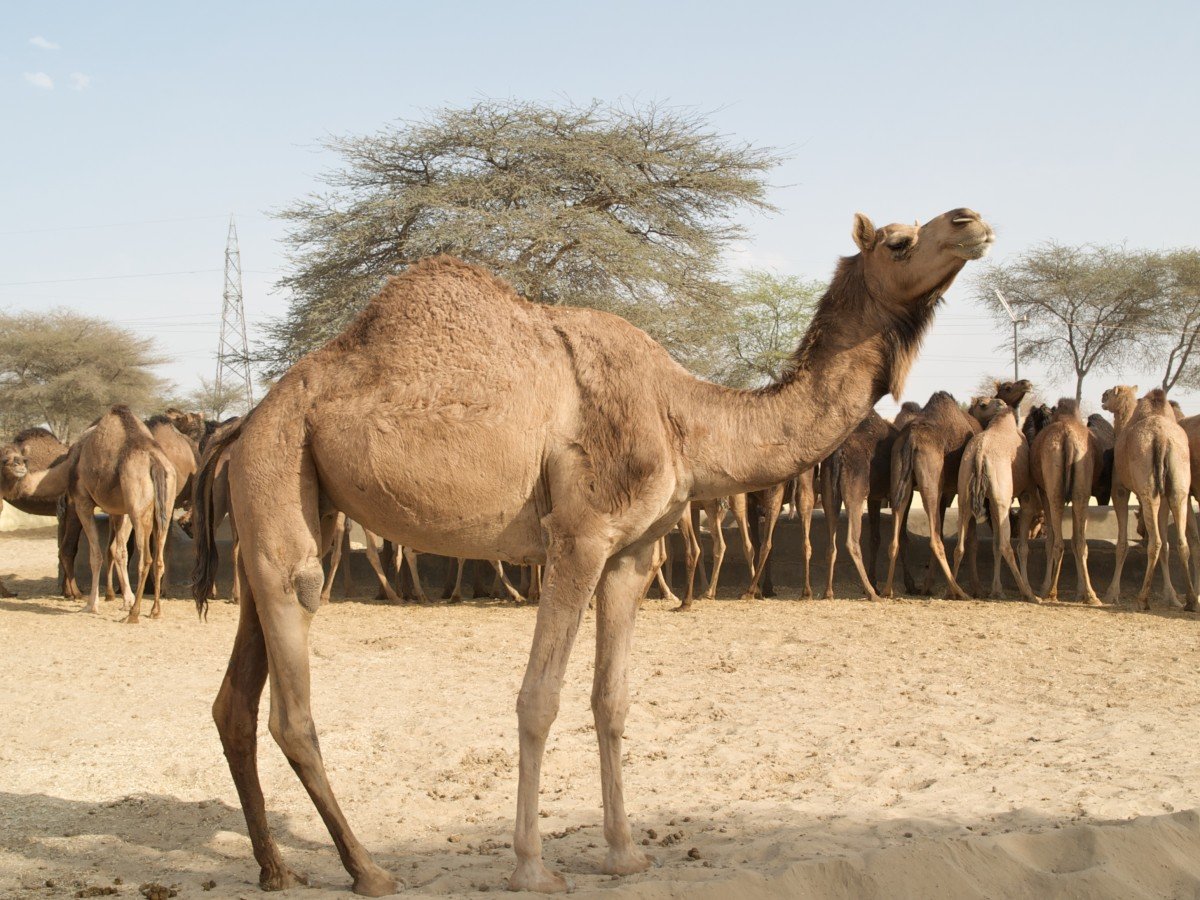
Bikaner Camel Festival: Held in January, this event features decorated camels, camel races, and folk performances. It is a colorful celebration of the "ship of the desert" and attracts global crowds.
Karni Mata Fair: Held twice a year durin...Bikaner Camel Festival: Held in January, this event features decorated camels, camel races, and folk performances. It is a colorful celebration of the "ship of the desert" and attracts global crowds.
Karni Mata Fair: Held twice a year during the Navratras, this fair brings thousands of pilgrims to the temple. It is a time of intense devotion and vibrant local traditions.Best Photo Spots:
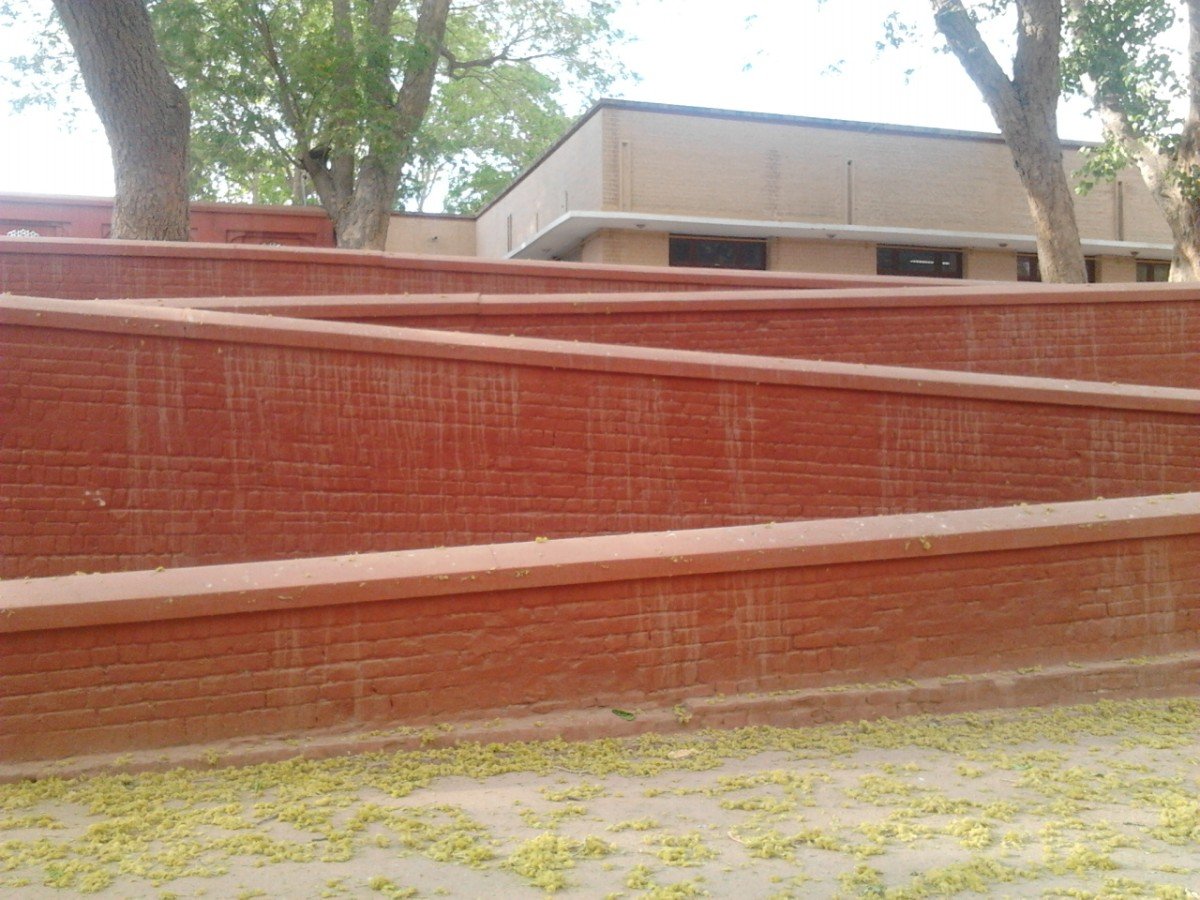
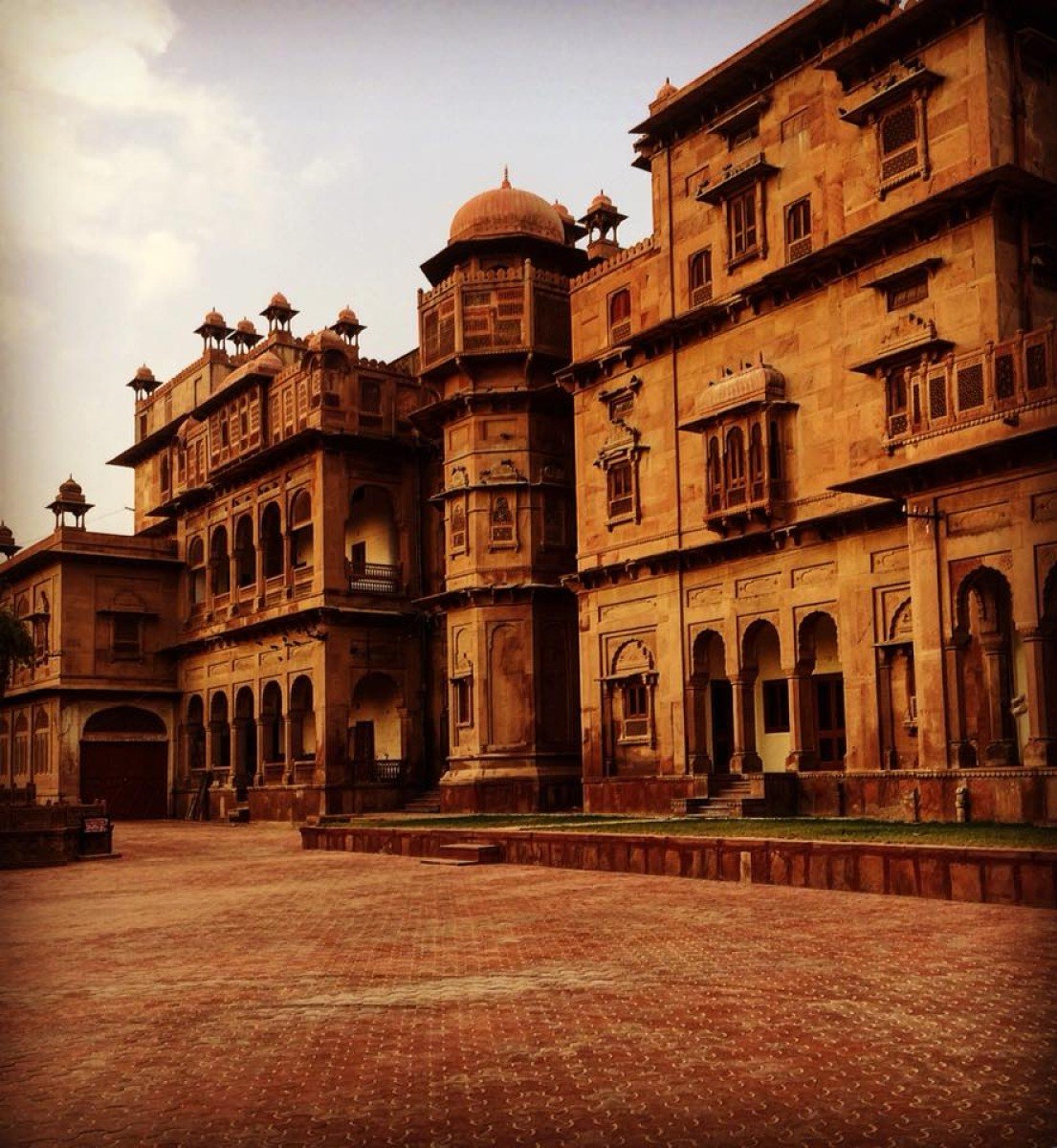
Junagarh Courtyards: The symmetry and the red-and-white patterns of the fort's courtyards are perfect for Instagram-worthy shots. The morning light brings out the best textures of the sandstone.
Desert Sunsets: The vast, uninterrupted horiz...Junagarh Courtyards: The symmetry and the red-and-white patterns of the fort's courtyards are perfect for Instagram-worthy shots. The morning light brings out the best textures of the sandstone.
Desert Sunsets: The vast, uninterrupted horizon of the Thar provides a dramatic canvas for sunset photography. Capturing a camel silhouette against the orange sky is a classic shot.Photo Gallery









Things To Do
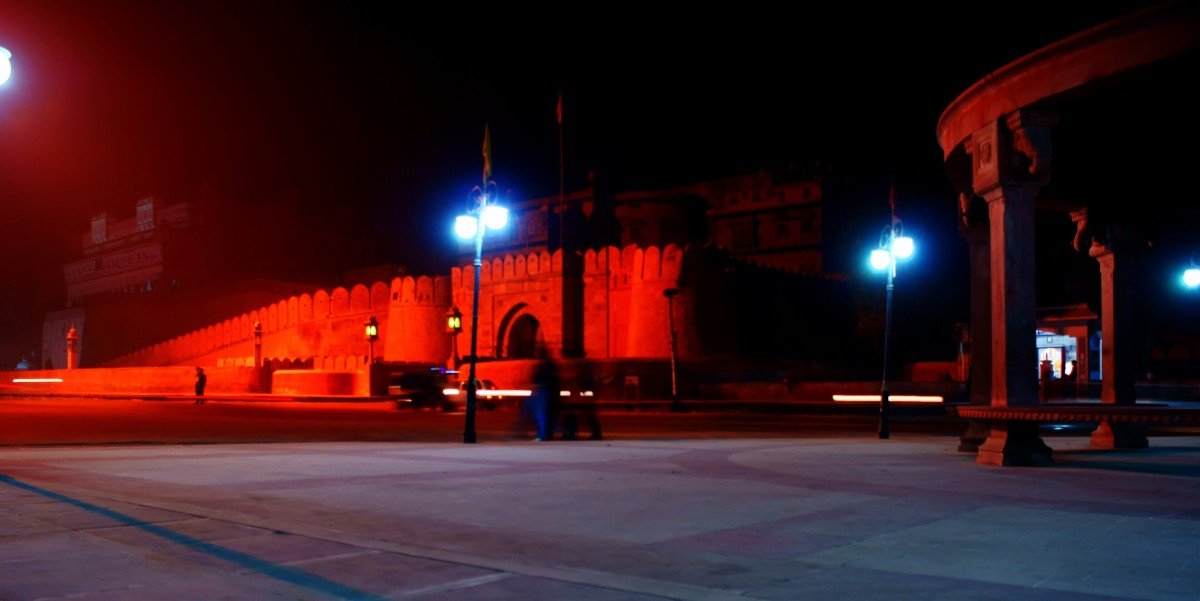
 Kote Gate is not just an architectural structure but the throbbing heart and a powerful symbol of **Bikaner**'s historical and contemporary existence. Constructed in the 16th century, the gate served as the principal and most important entrance to the old, fortified city, which was established by **Rao Bika** in **1488**. Its original purpose was purely defensive: to protect the rapidly expanding mercantile city and its royal treasures, like the nearby **Junagarh Fort**, from external threats and to control the flow of goods and people. The Kote Gate effectively marks the physical and metaphorical boundary between the ancient, walled city, characterized by its labyrinthine lanes, exquisite **Havelis** (like the **Rampuria Havelis**), and traditional structures, and the newer, modern commercial developments of **Bikaner**. Passing through the majestic archway is literally like stepping back into centuries of history and tradition. Today, the historical gate stands proudly as a grand roundabout, but its true significance lies in the massive, bustling market that sprawls around and beyond it. The area is a vibrant sensory feast, a hub of commerce that has sustained the local economy for centuries. The surrounding lanes and markets, such as the famous **Bada Bazaar**, are renowned for a dazzling array of authentic Rajasthani products. These include the world-famous savory snack **Bikaneri Bhujia**, vibrant tie-and-dye textiles (**Bandhani** and **Leheriya**), intricately designed gold and silver jewelry (**Kundan** work), and a unique range of durable camel hide products like footwear (**Mojaris**) and belts. The atmosphere is consistently lively, characterized by the constant hustle of vendors, the cheerful chatter of shoppers, and the aromatic blend of street food spices and fresh tea. Kote Gate is, therefore, the quintessential **Bikaner** landmark, a place where history, culture, and daily life converge in a spectacular and unforgettable display. ###
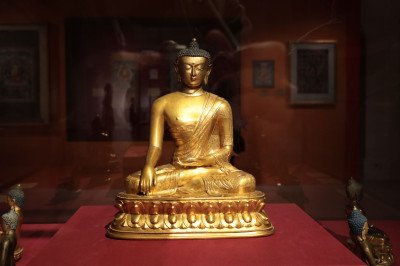 The **Prachina Museum** is a specialized heritage center located within the magnificent **Junagarh Fort** complex. It was established in **2000** by **Princess Siddhi Kumari** of **Bikaner** with the specific aim of preserving and showcasing the cultural heritage and royal traditions of the **Bika** dynasty. Uniquely, the museum is housed in a former *karkhana* (royal workshop) that belonged to the Princess's grandmother. Historically, royal women in **Bikaner** supervised these workshops where local artisans practiced and perfected their crafts. The museum's collection offers a captivating and intimate glimpse into the royal lifestyle, focusing on items associated with three generations of royal women and the former Maharaja, **Narender Sinhji**. Key collections include the **Aristocratic Textiles and Costume Gallery**, which displays magnificent *poshaks* (traditional royal dresses) of **Bikaner** and **Chamba**. This gallery documents the exquisite, now-lost traditional craftwork and design of royal garments. Another significant exhibit is the **Gallery of Aristocratic Transportation**, featuring embellished *raths* (bullock-driven carts) and other royal carriages, which predate the British-era horse-drawn vehicles. The **Ritual Art Gallery** houses idols and objects used in local royal worship, such as those for **Gangaur** and clan goddesses. Furthermore, the museum highlights the art of **Usta** craftsmen?renowned artists of **Bikaner** skilled in gold ornamentation on materials like camel hide and stucco. By focusing on textiles, accessories, transportation, and art, **Prachina Museum** provides a crucial, non-military perspective on the splendor, customs, and craftsmanship that defined the **Bikaner** royal court. ***
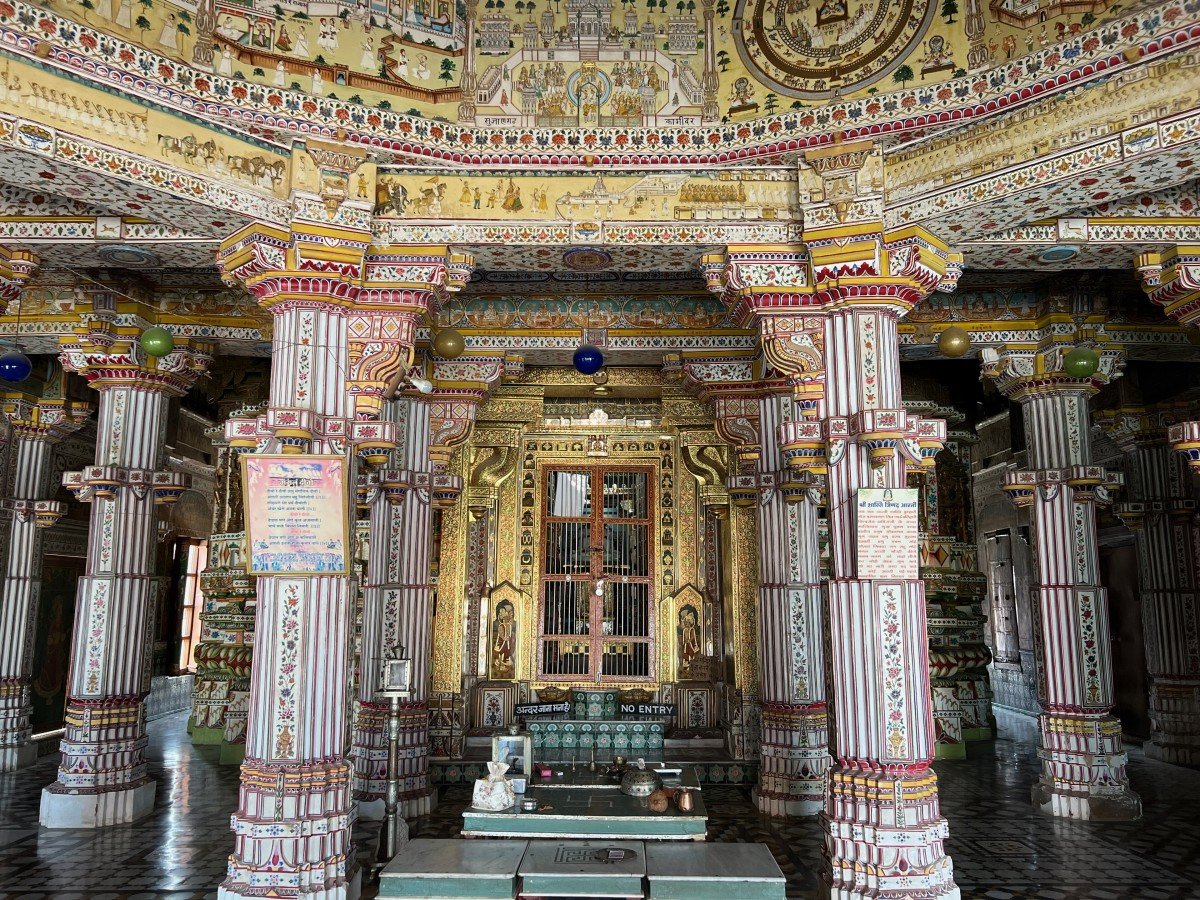
 The **Seth Bhandasar Jain Temple** is a truly remarkable and historically significant place of worship in **Bikaner**, dedicated to **Sumatinath** Ji, the Fifth **Jain Tirthankara**. Its construction was started in **1468** by a wealthy **Jain** merchant named **Bhanda Shah** and was completed by his daughter in **1541**. The temple is renowned globally for one incredible legend: it is said that the foundation was laid using a massive quantity of pure clarified butter, or **ghee** (**approximately 40,000 kilograms**), instead of water and mortar. This unique history gives the temple its lasting fame, and it is a common belief that the **ghee** sometimes seeps through the walls on a hot **day**, although this is more a testament to the legend than a guaranteed sighting. The temple is a stunning three-storied structure built primarily of **red sandstone** and white marble, representing a high point of **Jain** and **Rajput** architectural craftsmanship of the 15th century. The interiors are a visual feast, adorned with beautiful **frescoes**, intricate mirror work, and exquisite **gold leaf paintings** that depict stories from the lives of the 24 **Tirthankaras** and other **Jain** mythologies. It's a peaceful sanctuary that attracts both devout pilgrims and art history enthusiasts. The temple's location within the historic, walled area of **Old Bikaner** provides a glimpse into the city's ancient character and rich trading past. The **Archaeological Survey of India** protects this monument, preserving its unique heritage for generations. *** ###
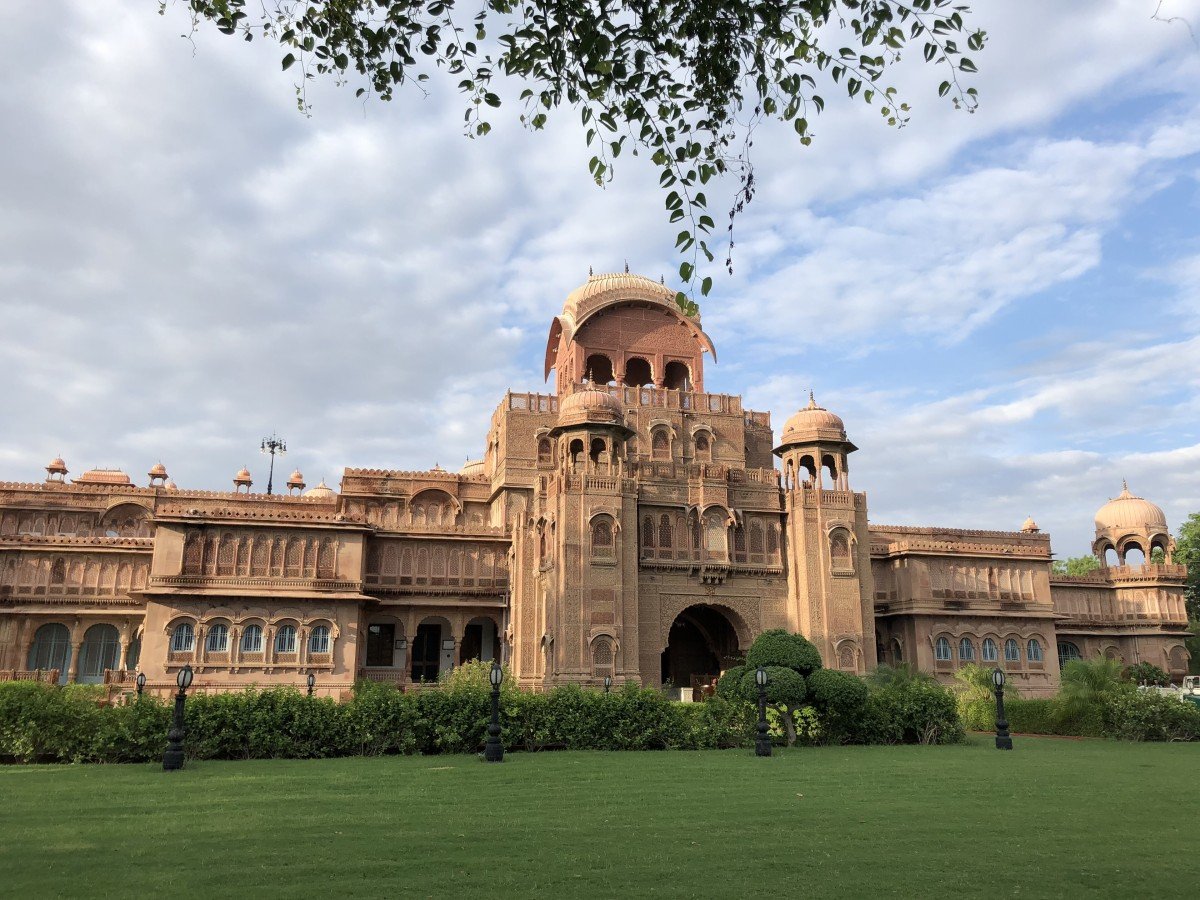
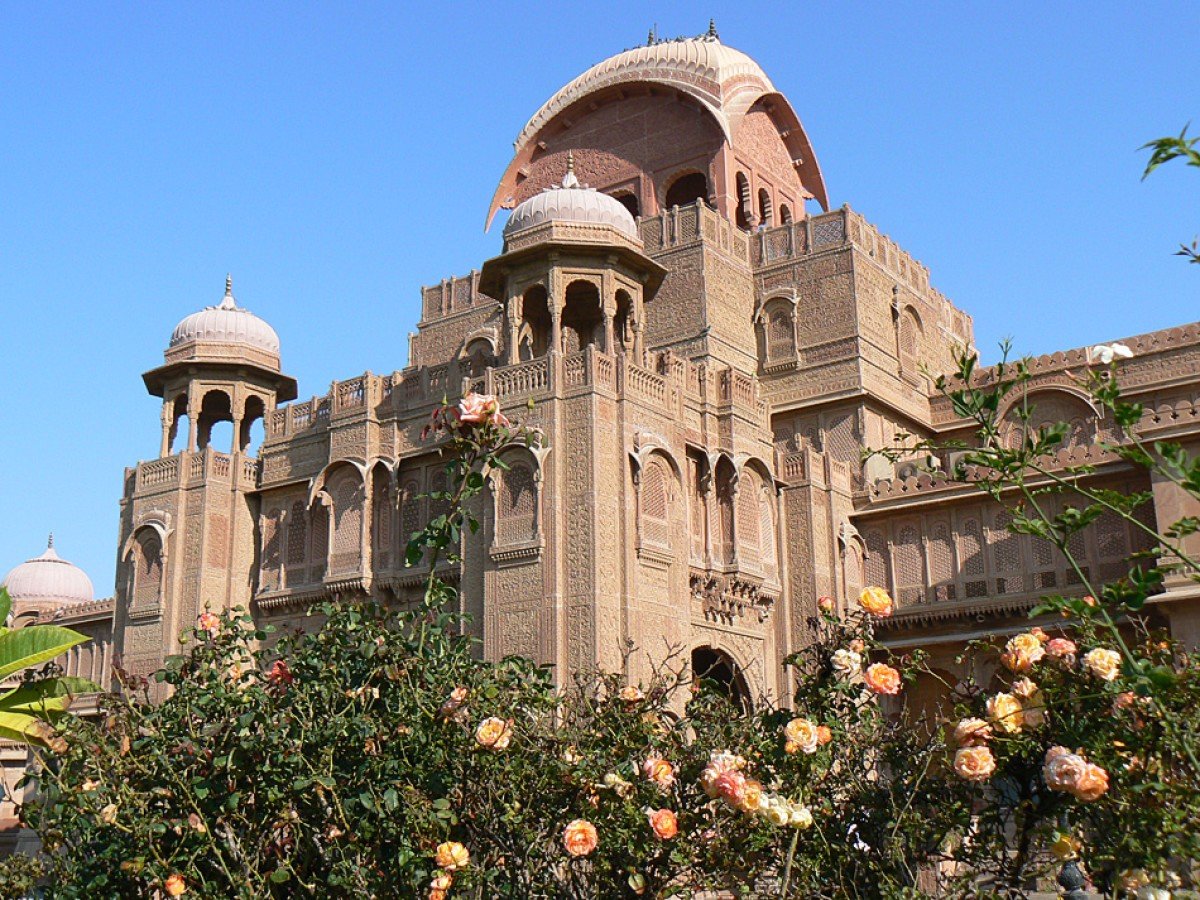
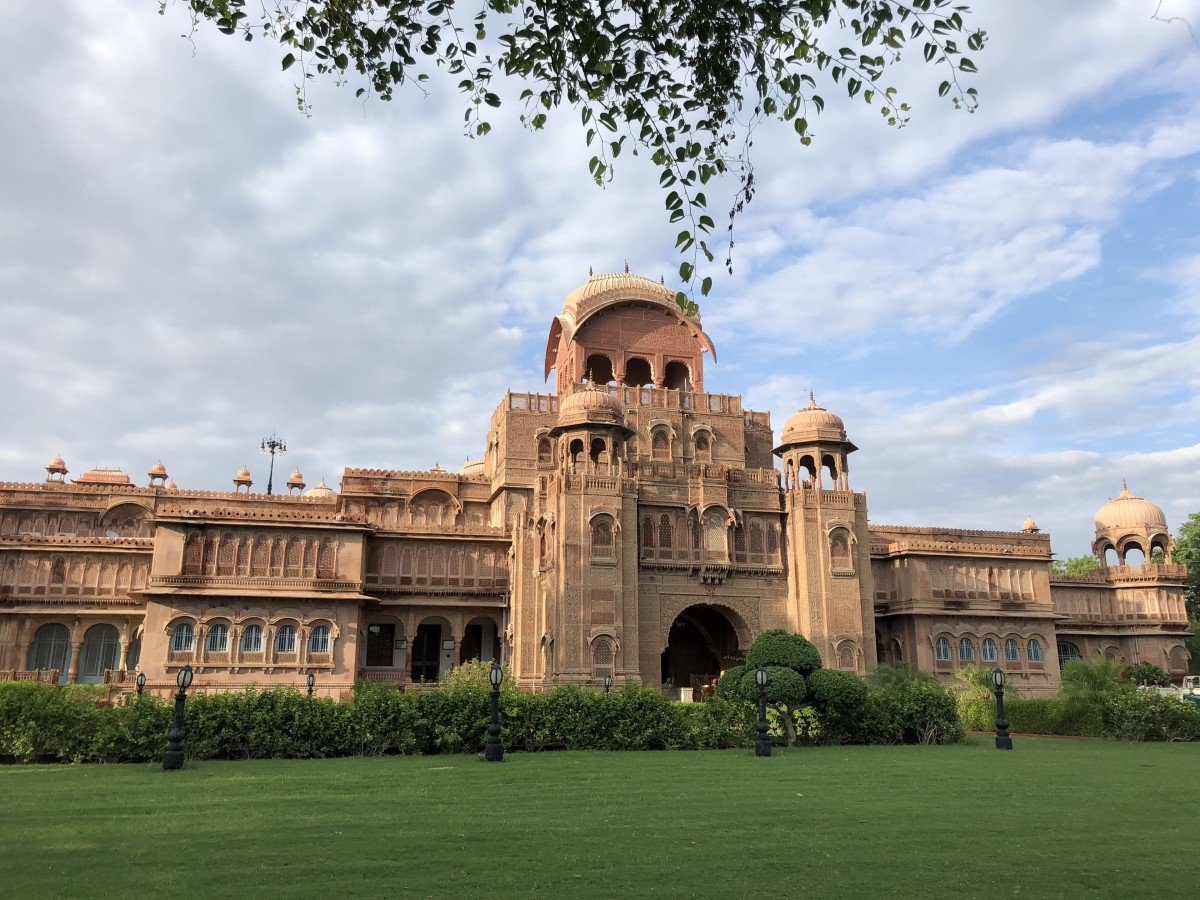
 Udai Niwas, often confused with palaces in Udaipur city but actually a distinct royal wing within the Bikaner palace complexes, represents the private luxury of the Bikaner Maharajas. This structure was primarily designed as a residence that offered more modern comforts while retaining the soul of Rajputana aesthetics. Named after Maharana Udai Singh (referencing the ancestral lineage) or specific royal family members, this "Udaipur Palace" section of Bikaner's royal estate is famous for its intricate interior decoration. It features massive halls with high ceilings, decorated with authentic Usta Art (gold floral patterns on leather or plaster) and Belgian glass mirrors. The palace served as a venue for private royal gatherings and as a guest house for visiting dignitaries from other princely states. The architecture is a transition from the medieval defensive style of Junagarh to the residential luxury of the 20th century. Surrounded by well-manicured gardens and fountains, the palace provides a glimpse into the opulent lifestyle of the Rathore rulers. The walls are adorned with portraits of the kings, ancient weaponry, and gifts from European monarchs. The use of the famous red sandstone of Bikaner gives the palace a warm, glowing appearance at sunset. Today, parts of such royal residences in Bikaner are maintained as museums or heritage hotels, allowing common people to step into the shoes of royalty. The Udai Niwas section is particularly noted for its "Zenana" (ladies') quarters which feature some of the most delicate stone lattice work (Jali) in all of Rajasthan.
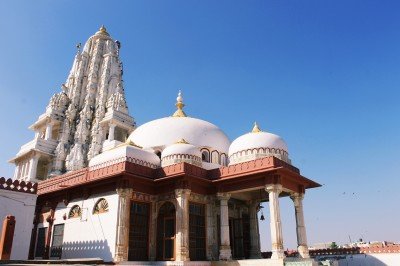 The **Bhandasar Jain Temple**, also known as the **Bhanda Shah Jain Temple**, is one of the oldest and most exquisite **Jain** temples in **Bikaner**. It is dedicated to **Lord Sumatinath**, the fifth **Jain Tirthankara** (great teacher). The temple's construction was commissioned in the **15th century** (around **1468 AD**) by a wealthy **Jain** merchant named **Bhandasa Oswal** and was completed by his family later. The temple is famous globally for its unique foundational legend: it is said that the foundation was laid using **40,000 kilograms of pure Ghee** (clarified butter) and dried coconuts instead of water, a fact that is said to still be discernible on hot days when the walls secrete an oily substance. This legend signifies the immense wealth and dedication of the merchant **Bhandasa** and the sacredness of the construction. The three-story structure is a masterpiece of **Rajputana** and indigenous architecture. The central deity, a white marble idol of **Lord Sumatinath**, is enshrined in the *garbhagriha* (sanctum sanctorum). The temple's interiors are a visual spectacle, famed for their elaborate **frescoes**, intricate **gold leaf paintings**, and stunning **mirror work**. The upper floors offer a panoramic view of the **Bikaner** city skyline. The walls and ceilings are adorned with vibrant artwork depicting scenes from **Jain** mythology, including the lives of the **24 Tirthankaras**. The temple continues to be a vibrant center of **Jain** spiritual practice, attracting not only devotees but also tourists and art historians keen to study its unique history and architecture. It is a National Protected Monument, ensuring its preservation for future generations. ***
 Raisar Camp offers the most authentic desert experience in the Bikaner region, specializing in camel and jeep safaris. Located in the serene Raisar Village, it is far enough from the city to offer total peace but close enough for a day trip. The camp is famous for its high sand dunes which are relatively untouched compared to Jaisalmer. Guests are taken on a majestic camel ride through the rolling dunes, often timing the journey to witness the spectacular desert sunset. The camp itself is designed to provide a "Glamping" experience, with luxury tents that feature modern amenities while maintaining a rustic charm. In the evenings, the dunes come alive with the sound of Rajasthani folk music and the glow of a bonfire. Traditional meals are served under the open sky, consisting of Ker Sangri and Bajra Roti. It is a sanctuary for those looking to see the desert wildlife, as animals like the Desert Fox and Chinkara are frequently spotted in the surrounding scrubland. The hospitality at Raisar is deeply rooted in the local "Atithi Devo Bhava" culture, making every guest feel like royalty.
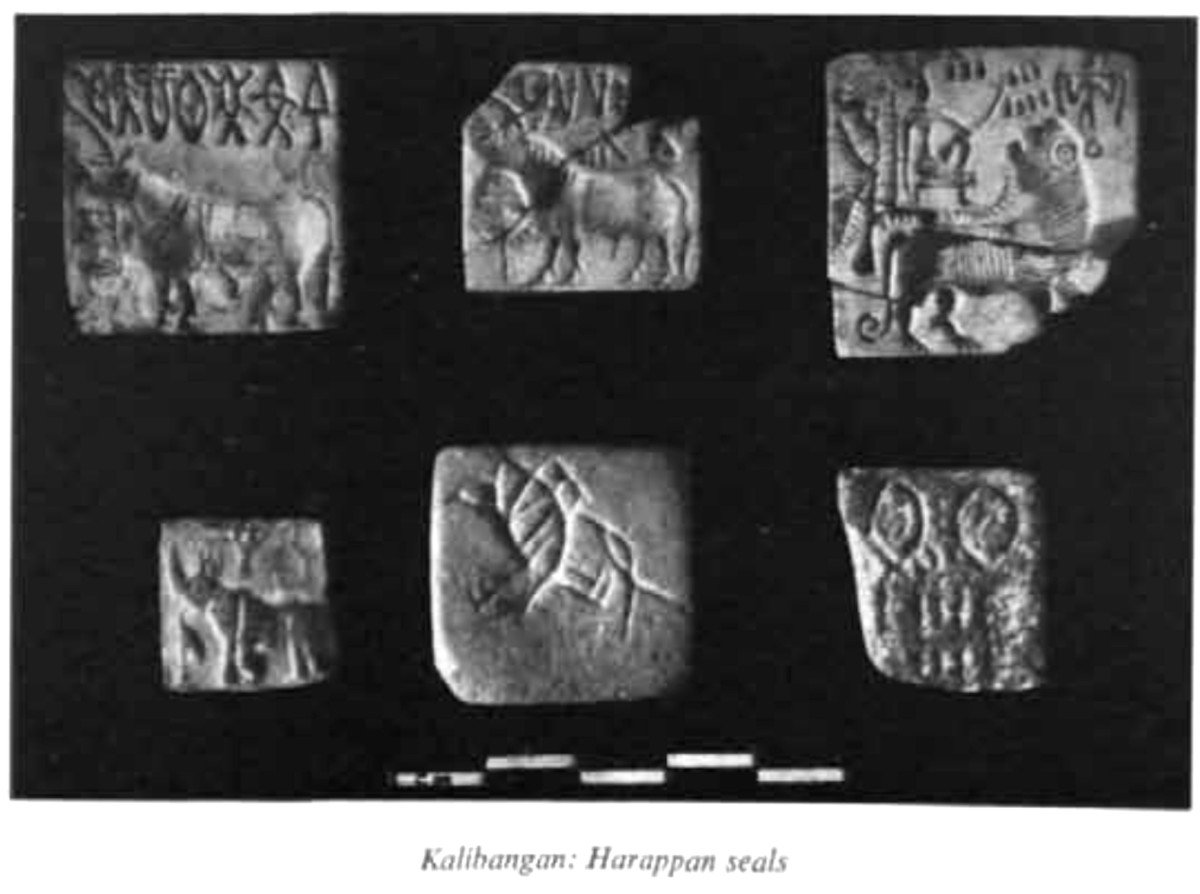
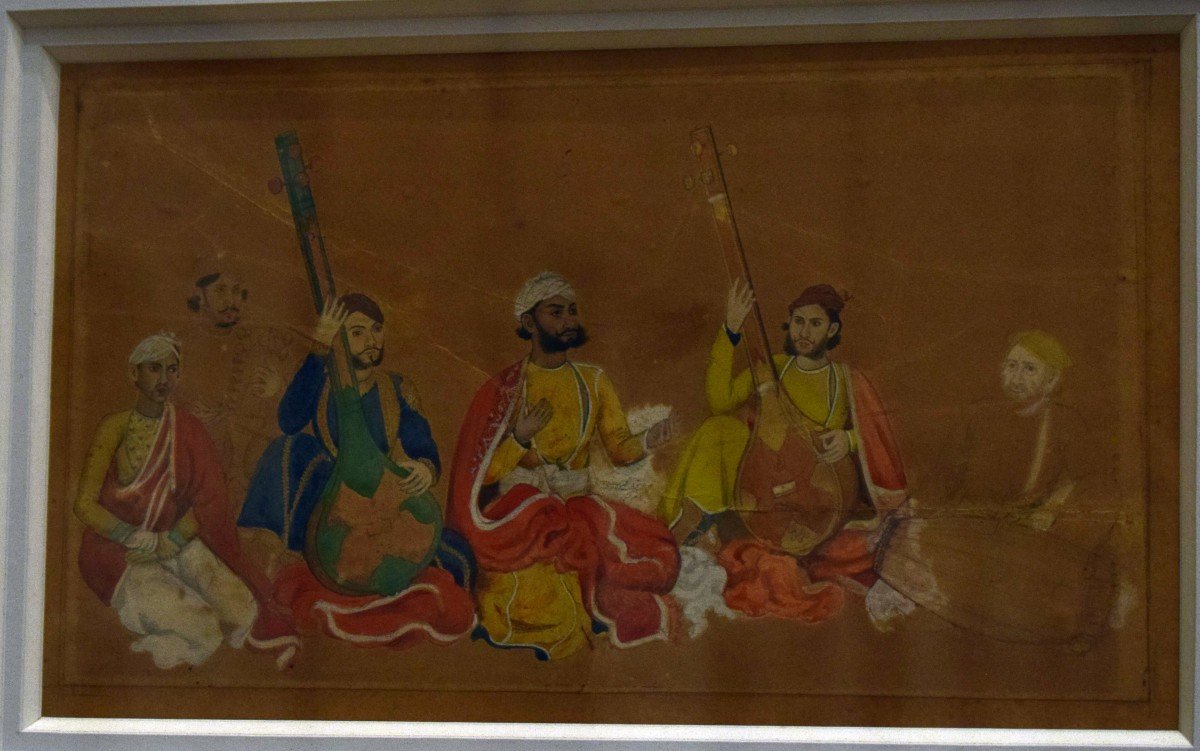
 The **Ganga Government Museum** is a major cultural and historical attraction in **Bikaner**, named after its founder, **Maharaja Ganga Singh**. Established initially in **1937** as the Ganga Golden Jubilee Museum to commemorate the Maharaja's Golden Jubilee reign, it was later taken over by the Government of **Rajasthan** in **1950** and relocated to its current, purpose-built structure, which opened in **1954**. The museum is celebrated for its vast and diverse collection that chronicles the history and art of the **Bikaner** region, and more broadly, the cultural trajectory of **Rajasthan**. The museum's galleries display a rich tapestry of artifacts, including significant archaeological finds, miniature paintings from the **Bikaner** school, terracotta works, ancient coins, historical weaponry, and sculptures. A highly notable part of the collection is the prehistoric artifacts, including pottery and terracotta from the Harappan civilization site of **Kalibangan** and others excavated in the former **Bikaner** state. The museum serves as a vital resource for scholars and tourists alike, providing deep insights into the pre-Mughal, Mughal, and **Rajput** eras. Furthermore, it houses an armory gallery showcasing a wide array of weapons used by the **Rajput** rulers and their armies. The museum is not just a display of objects; it's a narrative of the region's evolution, offering a window into the life, religion, and artistry of the people who inhabited this part of the **Thar Desert**. The effort to preserve these relics was championed by figures like **Dr. Luigi Pio Tessitori**, an Italian scholar appointed by **Maharaja Ganga Singh** to conduct a historical and bardic survey of the region in **1915**, underscoring the royal family's commitment to heritage. *** ###Show All
 **Kodamdeshwar Temple** is a highly revered ancient Hindu shrine located outside the main city of **Bikaner**, in the small village of **Kodamdesar**. The temple is dedicated to **Lord Bhairon**, a fierce manifestation of **Lord Shiva**. It holds immense historical and religious significance as it was founded by **Rao Bikaji**, the founder of **Bikaner** state, in **1465 AD**, making it one of the earliest spiritual centers established by the dynasty. A unique feature of the temple is its architecture: it intentionally **lacks a roof** over the main idol, a very rare sight in Hindu temple construction. This design is rooted in a local legend regarding the idol's installation. The presiding deity, **Lord Bhairon**, is often depicted with a wide-open mouth, signifying his immense appetite, and devotees traditionally place offerings directly into the idol's mouth. The temple complex is characterized by its marble flooring and an air of deep, traditional spirituality, attracting not just locals but also newlyweds and parents seeking blessings for their children's ceremonies like *Mundan* (first haircut). The serene desert location adds to its spiritual ambiance, offering a quiet retreat from the city. The temple serves as a cornerstone of the regional religious culture, embodying the deep faith of the people of **Bikaner** in the deity who is believed to protect the region. *** ###
Information
-
Why Famous:
Junagarh Fort: One of the few major forts in Rajasthan not built on a hilltop, it represents the peak of desert fortification. Its museum houses a DH-9DE Havilland warplane from World War I.
Camel Research Centre: The only one of its kind i...Junagarh Fort: One of the few major forts in Rajasthan not built on a hilltop, it represents the peak of desert fortification. Its museum houses a DH-9DE Havilland warplane from World War I.
Camel Research Centre: The only one of its kind in Asia, this center is dedicated to the preservation and breeding of camels. Visitors can taste camel milk products and enjoy camel rides across the dunes. -
How To Reach:
By Air: Bikaner Airport (Nal) has limited flights; Jodhpur Airport (250 KM) is the nearest major domestic terminal. From Jodhpur, it is a 4-hour scenic drive through the desert.
By Train: Bikaner Junction is well-connected to major cities ...By Air: Bikaner Airport (Nal) has limited flights; Jodhpur Airport (250 KM) is the nearest major domestic terminal. From Jodhpur, it is a 4-hour scenic drive through the desert.
By Train: Bikaner Junction is well-connected to major cities like Delhi, Jaipur, and Mumbai. The "Bikaner Mail" is a popular overnight choice for travelers from the national capital.
By Road: The city is on the crossroads of NH15 and NH11. It is a 6-hour drive from Jaipur and about 9 hours from Delhi via well-maintained highways.
By Local Transport: Auto-rickshaws and "Tongas" (horse carriages) are common in the city. The old city is best explored on foot as the lanes are too narrow for even small cars. -
Weather and Best Time to Visit:
Winter Season: October to March is the best time, with cool days and cold nights. This is the only season when desert safaris are comfortable and the camel festival takes place.
Summer Caution: Avoid April to June as temperatures can soar a...Winter Season: October to March is the best time, with cool days and cold nights. This is the only season when desert safaris are comfortable and the camel festival takes place.
Summer Caution: Avoid April to June as temperatures can soar above 45°C, making outdoor activities nearly impossible. The dry heat of the desert can be quite punishing for tourists. -
Near Tourist Places:
1. Deshnoke (30km), 2. Gajner Lake (32km), 3. Khimsar (155km), 4. Jaisalmer (330km), 5. Jodhpur (250km), 6. Nagaur (110km), 7. Phalodi (160km), 8. Kolayat (50km), 9. Ramdevra (220km), 10. Junagarh (0km)
Tourism Tips
-
Health & Safety: Stay hydrated and carry sunblock and hats even in winter, as the desert sun is very strong. Be respectful at the Karni Mata Temple and follow the local customs regarding the rats.
Accommodation: Stay in a heritage haveli in...Health & Safety: Stay hydrated and carry sunblock and hats even in winter, as the desert sun is very strong. Be respectful at the Karni Mata Temple and follow the local customs regarding the rats.
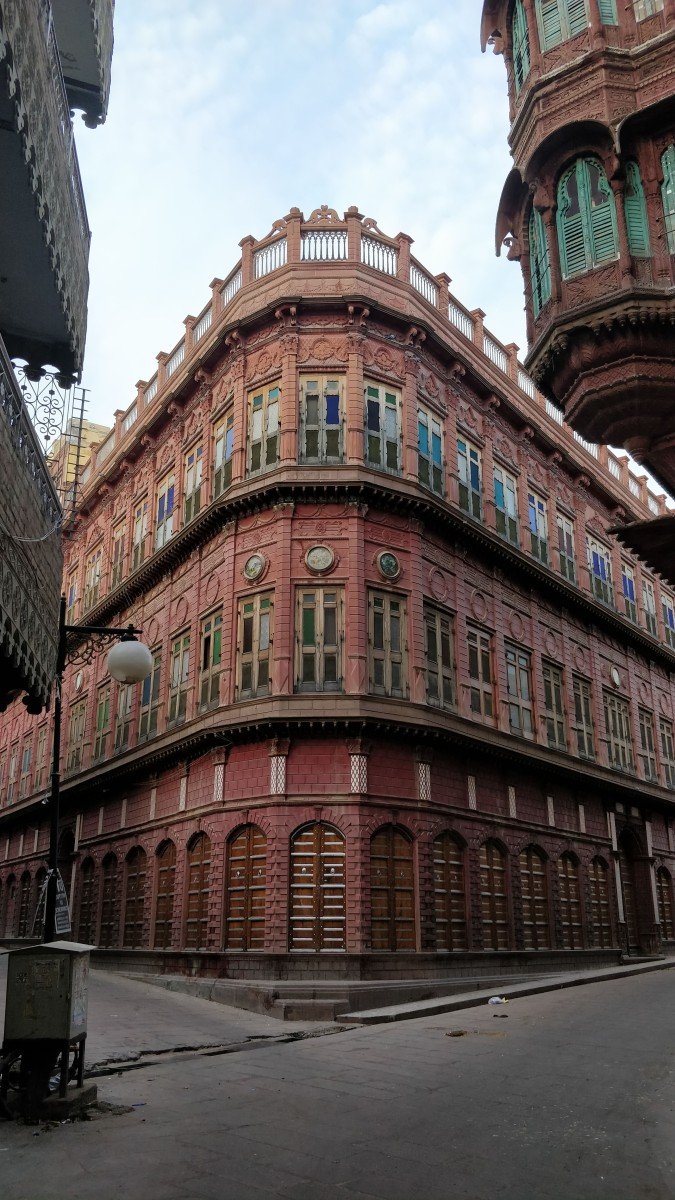
Accommodation: Stay in a heritage haveli in the old city for an authentic experience or a desert resort for luxury. Many havelis have been converted into beautiful boutique hotels.
Reviews
FAQs
Bikaner Itineray And Cost:-
Other Places In Rajasthan :-
Other States In India :-
Information about New and Updated Locations() of Rajasthan Has Been Added :-
Card subtitle
Note:-
Information provided here in good Faith and for reference only.
Near Places
Ajmer
Some quick example text to build on the card title and make up the bulk of the card's content.
Go somewhere
Alwar
Some quick example text to build on the card title and make up the bulk of the card's content.
Go somewhere
Bharatpur
Some quick example text to build on the card title and make up the bulk of the card's content.
Go somewhere
Bikaner
Some quick example text to build on the card title and make up the bulk of the card's content.
Go somewhere
Bundi
Some quick example text to build on the card title and make up the bulk of the card's content.
Go somewhere
Chittorgarh
Some quick example text to build on the card title and make up the bulk of the card's content.
Go somewhere
Churu
Some quick example text to build on the card title and make up the bulk of the card's content.
Go somewhere
Dausa
Some quick example text to build on the card title and make up the bulk of the card's content.
Go somewhere
Dholpur
Some quick example text to build on the card title and make up the bulk of the card's content.
Go somewhere
Dundlod
Some quick example text to build on the card title and make up the bulk of the card's content.
Go somewhere
Fatehpur
Some quick example text to build on the card title and make up the bulk of the card's content.
Go somewhere
Hanumangarh
Some quick example text to build on the card title and make up the bulk of the card's content.
Go somewhere
Jaipur
Some quick example text to build on the card title and make up the bulk of the card's content.
Go somewhere
Jaisalmer
Some quick example text to build on the card title and make up the bulk of the card's content.
Go somewhere
Jhalawar
Some quick example text to build on the card title and make up the bulk of the card's content.
Go somewhere
Jhunjhunu
Some quick example text to build on the card title and make up the bulk of the card's content.
Go somewherein Other Cities