



Mount Abu
General information
-
Ideal Duration:
2 to 3 DaysPlace Type:
Hill StationSpecial Events:
Summer Festival: This three-day festival in May features traditional folk performances, boat races, and fireworks. It celebrates the vibrant culture and spirit of Rajasthan.
Winter Festival: Held in December, it showcases the folk arts and ...Summer Festival: This three-day festival in May features traditional folk performances, boat races, and fireworks. It celebrates the vibrant culture and spirit of Rajasthan.
Winter Festival: Held in December, it showcases the folk arts and features a grand procession and musical concerts. It is a great way to experience the local traditions.Best Photo Spots:
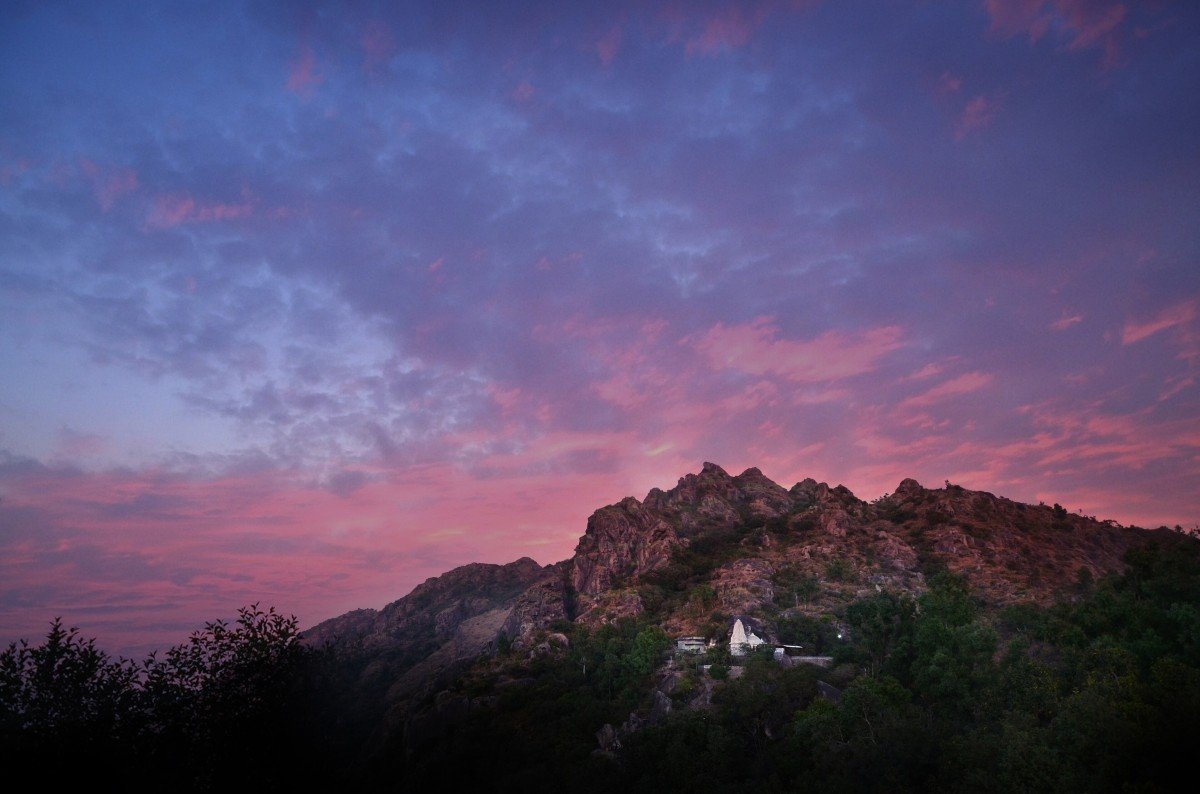
Sunset Point: This is the most popular spot for capturing the sun dipping behind the Aravalli hills. Arrive early to get a good spot as it can get very crowded.
Dilwara Interiors: Note that photography is restricted inside, but the exterior...Sunset Point: This is the most popular spot for capturing the sun dipping behind the Aravalli hills. Arrive early to get a good spot as it can get very crowded.
Dilwara Interiors: Note that photography is restricted inside, but the exterior and the surrounding gardens are very photogenic. The light on the white marble is beautiful.
Guru Shikhar: The highest point offers a panoramic view of the entire range and the clouds below. It is a great place for dramatic landscape shots and wide panoramas.Photo Gallery


Things To Do
 **Gyan Sarovar**, meaning 'Lake of Knowledge', is the second major campus established by the **Brahma Kumaris World Spiritual University (BKWSU)** in **Mount Abu**, serving as a global spiritual and educational retreat center. It was opened in **1996** as a part of the BKWSU's 60th-anniversary celebrations, succeeding the original Pandav Bhavan campus. Spanning approximately **25 acres** of lush, forested land in the **Aravalli hills**, the campus is designed as a model of a modern, eco-friendly village. The primary purpose of **Gyan Sarovar** is to host large-scale national and international conferences, workshops, and retreats focused on personal transformation, *Rajyoga* meditation, and spiritual growth. It is a peaceful sanctuary where individuals from all walks of life?including professionals, youth, and spiritual seekers?come together to learn about human, moral, and spiritual values. The complex provides accommodation for over 1,500 people and features extensive facilities, including a massive auditorium, seminar rooms, and dedicated meditation spaces. The entire environment is meticulously maintained to be smoke-free, alcohol-free, and centered on the principles of purity, peace, and spiritual knowledge (*Gyan*). Visitors often describe the atmosphere as profoundly tranquil, offering a necessary break from the stress of modern life. It operates with a strong commitment to environmental sustainability, utilizing solar power and water recycling plants, embodying a holistic approach to world renewal. The sheer scale and meticulous organization of the campus are a testament to the dedication of the **Brahma Kumaris** organization. **5.**
 **Mount Abu Wildlife Sanctuary** is a significant protected area located in the **Aravalli** mountain range, surrounding the scenic hill station of **Mount Abu**. Established in **1960**, it spans over approximately 288 square kilometers, offering a haven for a diverse range of flora and fauna. The sanctuary is known for its unique subtropical evergreen and dry deciduous forests. It is the only place in **Rajasthan** where the presence of the rare and endemic plant species like the *Dicerandra odoratissima* has been recorded. The varied topography includes rocky mountains, deep valleys, and plateaus, which contribute to its rich biodiversity. Visitors come here to experience the tranquility of nature, away from the hustle of city life. The sanctuary is crucial for conservation efforts in the region, safeguarding species like the **Leopard**, **Sloth Bear**, **Sambar Deer**, **Wild Boar**, and the rare **Grey Jungle Fowl**. It serves as an excellent site for nature education and photography. The high altitude and dense cover also make it a cooler and more pleasant retreat compared to the surrounding arid plains of **Rajasthan**. The sanctuary?s landscape changes beautifully with the seasons, offering a different experience whether visited during the lush green **monsoon** or the crisp clear air of **winter**. It?s a true treasure trove for wildlife enthusiasts and a testimony to **Rajasthan's** natural heritage.
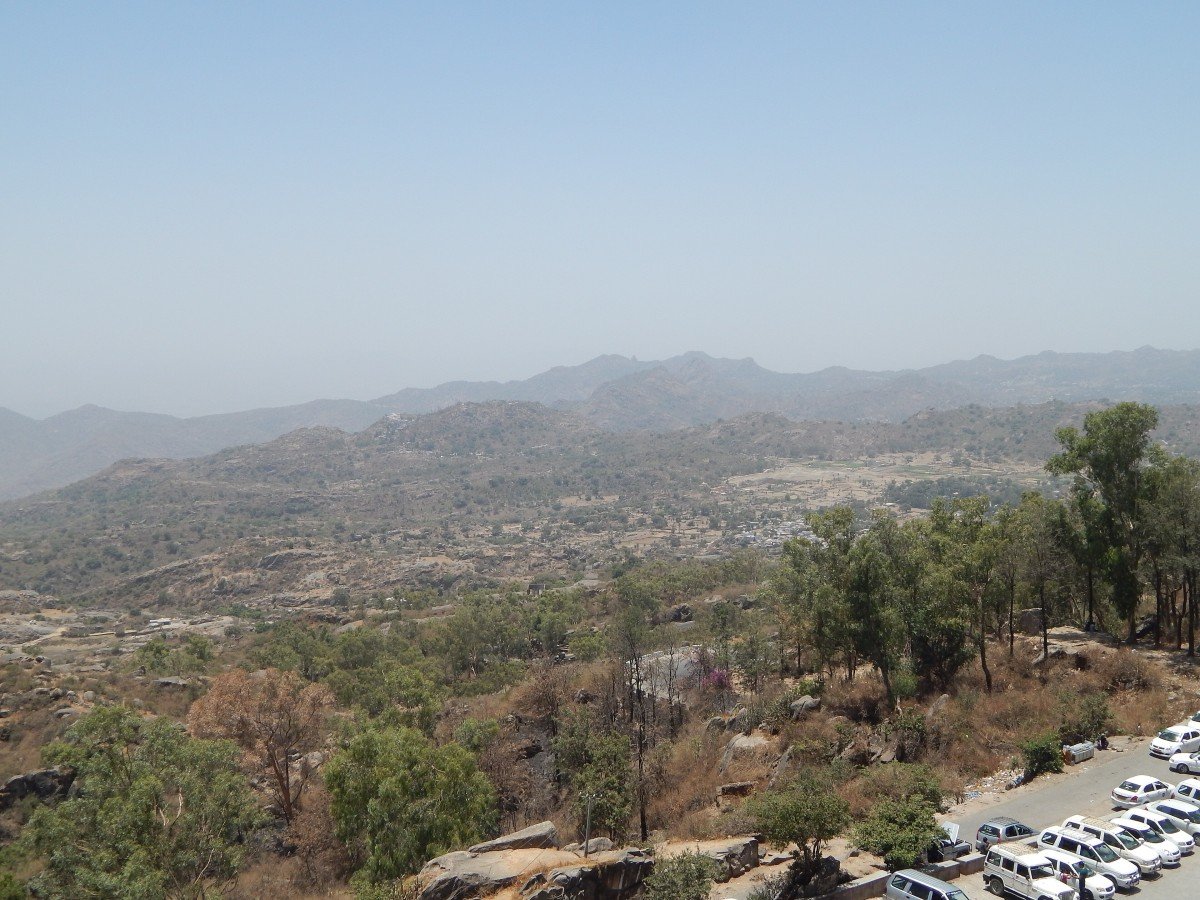
Sath Ghum View Point is located on the winding road that climbs up to Mount Abu. The name translates to "Seven Turns," referring to the hairpin bends of the ghat road. This point offers a breathtaking bird's-eye view of the plains of Rajasthan and Gujarat far below. It is the first major stop for travelers entering the hill station, providing a sense of the height they have ascended. The view is dominated by the vast expanse of the Thar Desert fringes and the rugged greenery of the Aravalli foothills. At high altitudes, the air here is significantly cooler and fresher. It is a popular spot for a quick break to enjoy the scenery and click photos of the valley. The wind velocity here can be quite high, adding to the thrill of the experience. During the monsoon, this point is often covered in thick clouds, making it feel like a walk in the sky. It is a place that showcases the dramatic transition from the hot plains to the cool hills.
@@ Abu View Point Details: Abu View Point is one of the most serene and visually stunning locations in the only hill station of Rajasthan. Situated at a high elevation, this spot provides a breathtaking 360-degree view of the lush green Aravalli Range and the sprawling plains below. It is a place where nature's grandeur meets the sky, offering a tranquil escape from the bustling city life. Visitors often flock here to witness the dramatic play of light during the golden hours of dawn and dusk. The cool breeze and the scent of wild flora make it a sensory delight for every traveler. This point is not just a scenic spot but also a hub for nature enthusiasts who want to study the unique topography of the region. The expansive views reach as far as the eye can see, making it a perfect spot for meditation and deep reflection. During the monsoon, the clouds seem to descend upon the viewpoint, creating a mystical atmosphere that is hard to find elsewhere in the state.
**Trevor's Tank**, also popularly known as **Trevor's Crocodile Park**, is a scenic and important ecological sanctuary located about **5 Kms** from the main **Mount Abu** town. This man-made water reservoir was established by a British engineer named Colonel G.H. Trevor, hence its name. The tank was originally constructed for the conservation and breeding of crocodiles, particularly the endangered Slender-snouted Crocodile. It is a haven for nature lovers and wildlife enthusiasts, serving as a protected environment amidst the lush green valleys of the **Aravalli** hills. While its primary function is conservation, the beautiful, tranquil setting and dense surrounding forest make it a popular spot for picnicking, nature walks, and birdwatching. Visitors can observe the crocodiles from a safe distance from designated viewpoints, often seeing them basking in the sun or swimming in the water. The area is also home to various species of local and migratory birds, especially during the **winter** months, making it an ornithologist's delight. The calm, cool atmosphere and the sight of wildlife in their natural or semi-natural habitat offer a refreshing and educational experience away from the bustling town. It is managed by the Forest Department, ensuring its ecological integrity.
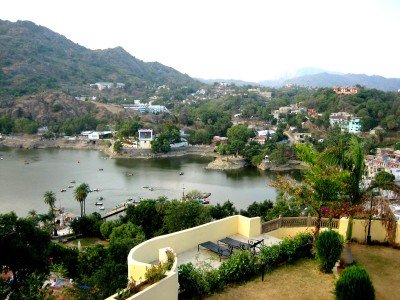 The **Adhar Devi Temple**, also famously known as the **Arbuda Devi Temple**, is one of the most revered and ancient Hindu temples in **Mount Abu**. Dedicated to the Hindu Goddess **Durga** (in her form as **Arbuda Devi**), the temple is a significant pilgrimage site and a **Shakti Peetha**, where a part of **Sati?s** body is believed to have fallen. The temple derives its unique name, *Adhar* (meaning 'lip' or 'support'), from the local legend that the *adhar* (lip or a part believed to be hanging in mid-air) of the Goddess fell here. Alternatively, the name is also linked to the idol being seemingly suspended or *adhar* (supported) within the cave. The journey to the temple is an experience in itself, requiring visitors to climb a strenuous flight of **365 steep steps**, a number symbolizing the days of the year, carved directly into the mountain rock. This climb is not just physical but is considered a spiritual act of devotion, offering stunning panoramic views of the surrounding **Aravalli Range** and the **Mount Abu** town below. The temple is not a conventional structure but a shrine nestled deep inside a natural rock cave (a rocky cleave). To reach the inner sanctum (**Garbagriha**), devotees must crawl through a small, narrow opening in the rock. Inside, the idol of **Goddess Durga** is a sight of immense spiritual power. The temple is especially significant to the local people and attracts a massive influx of pilgrims, particularly during the nine holy days of the **Navratri** festival in **October**. As one of the best examples of rock-cut temples in the region, the temple complex offers a profound mix of ancient mythology, natural beauty, and a unique spiritual adventure. Its location atop the hill, surrounded by lush green forests, provides a peaceful and serene environment, making the challenging trek worthwhile for the divine darshan and the breathtaking mountain views. The temple also holds historical importance, with its architecture reflecting influences, and is intrinsically linked to the legend of **Mount Abu** itself, which is said to be named after **Arbuda Devi**.
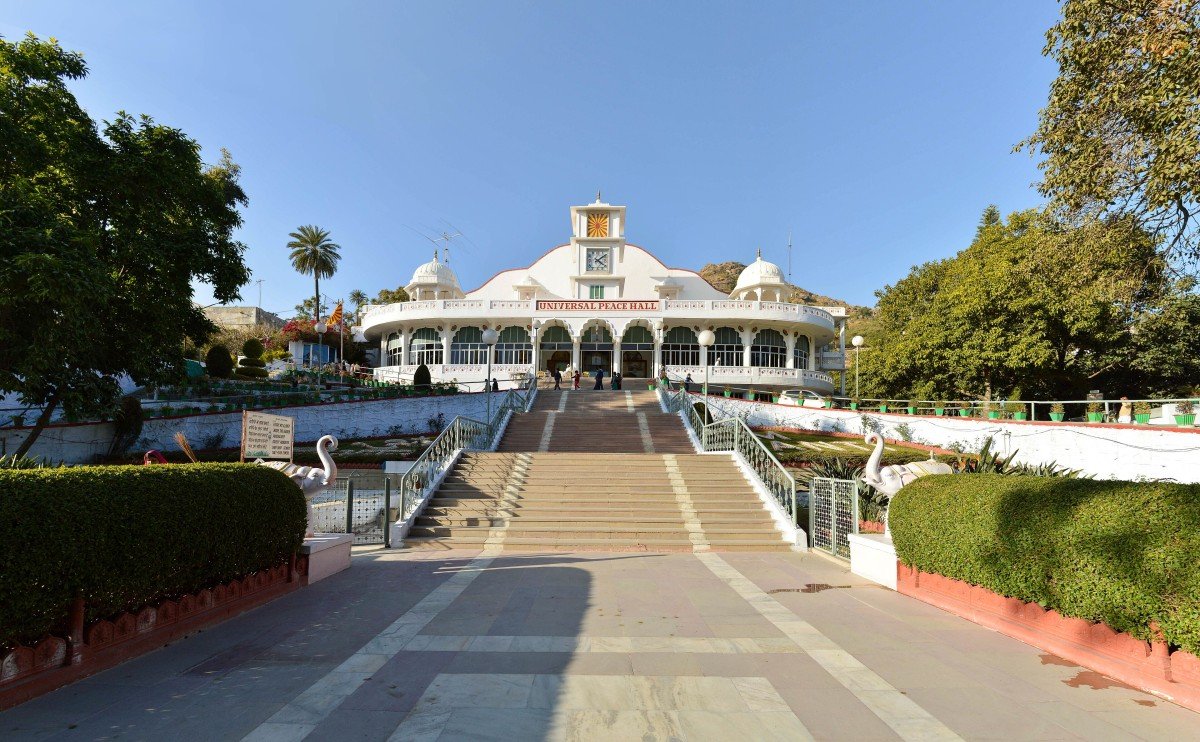
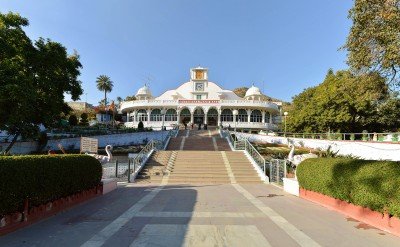 @@ Brahma Kumaris Details: The Brahma Kumaris Spiritual University, specifically the Pandav Bhawan and Museum, serves as the international headquarters of this global movement. Founded by Prajapita Brahma, the institution teaches Raja Yoga meditation and spiritual values. The campus is a model of cleanliness and discipline, offering a serene environment for self-transformation. Visitors can explore the Universal Peace Hall, which can seat thousands and is known for its acoustic perfection. The Museum provides insightful displays on the journey of the soul and the cycle of time. The movement is uniquely led by women, emphasizing the power of feminine spiritual leadership. The campus is filled with lush gardens and meditation rooms that are open to people of all faiths. It is not just a university but a spiritual retreat where one can learn to manage stress and find inner peace. The university also operates the Gyan Sarovar and Shantivan campuses, which are larger and host international conferences. A visit here is an education in human values and world peace.Show All
 **Gaumukh Temple**, literally meaning 'Cow's Mouth,' is one of the most significant and ancient pilgrimage sites in **Mount Abu**. This unique temple is famous for a natural spring that flows through a beautifully carved marble cow's mouth (*gaumukh*). The water from this spring is considered sacred, believed by some to be the source of the mythological **Saraswati River**. The temple complex is not just a place of worship but also the revered site of **Sage Vashishtha's** *ashram* (hermitage) where, according to Hindu mythology, he performed a grand *Yagna* (fire sacrifice). Legend has it that this *Yagna* led to the creation of the four major **Rajput** clans (*Agnikula*). The temple is reached by a challenging but rewarding descent of approximately **700-750 steps** cut into the rocky hillside, surrounded by dense forest and lush greenery. The dedication of the temple primarily includes **Lord Shiva** (whose vehicle, Nandi, is prominently featured) and statues of **Lord Krishna**, **Lord Rama**, and **Sage Vashishtha**. The complex also houses the **Agni Kund**, the sacred fire pit linked to the creation myth. Visiting **Gaumukh Temple** is a blend of a spiritual pilgrimage and a nature trek. The journey down the steps is peaceful, filled with the sounds of nature, and culminates in a deep valley location that offers a panoramic view of the surrounding Aravalli hills. The historical narratives connect the temple not only to Sage Vashishtha but also to the epic **Ramayana**, as it is believed Lord Rama and Lakshmana visited the sage here during their exile. This temple stands as a testament to the deep mythological and spiritual roots of the Arbud Kshetra (ancient name of **Mount Abu**).
Information
-
Why Famous:
Dilwara Temples: These temples are famous globally for having some of the most intricate marble carvings ever created by human hands. They are a must-see for art lovers.
Nakki Lake: It is famous for being a sacred man-made lake where boatin...Dilwara Temples: These temples are famous globally for having some of the most intricate marble carvings ever created by human hands. They are a must-see for art lovers.
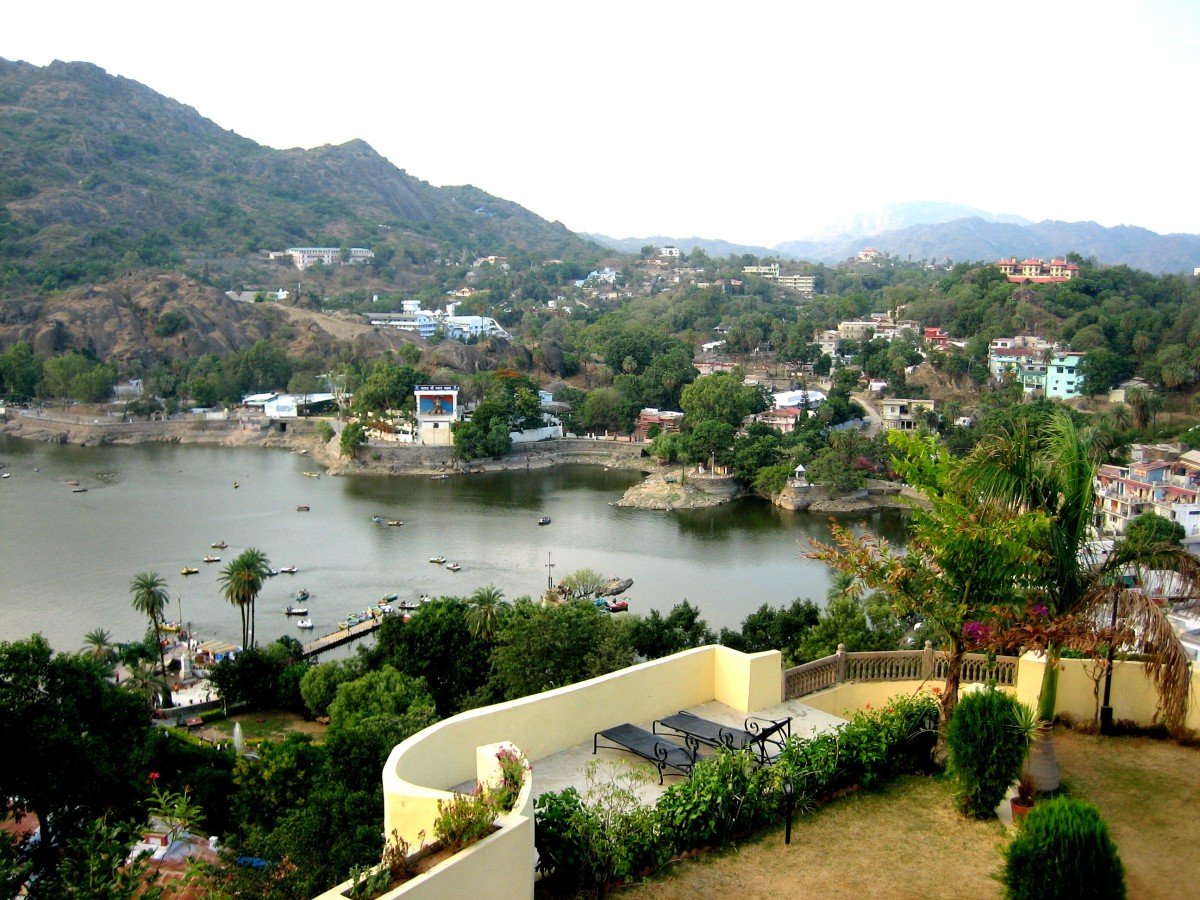
Nakki Lake: It is famous for being a sacred man-made lake where boating is a popular activity for all tourists. The surrounding landscape is very picturesque. -
How To Reach:
By Air: The nearest airport is Udaipur Airport, which is about 185 KMS away from Mount Abu. You can take a pre-paid taxi or a state transport bus from there.
By Train: Abu Road is the nearest railway station, located at the base of the hill...By Air: The nearest airport is Udaipur Airport, which is about 185 KMS away from Mount Abu. You can take a pre-paid taxi or a state transport bus from there.
By Train: Abu Road is the nearest railway station, located at the base of the hill about 28 KMS away. It is well-connected to major cities like Delhi, Mumbai, and Jaipur.
By Road: Mount Abu is well-connected by a winding hill road to major cities in Rajasthan and Gujarat. Regular buses ply from Udaipur, Ahmedabad, and Jodhpur to the hill station.
By Local Transport: Inside the town, you can hire unmetered taxis, auto-rickshaws, or rent scooters for local travel. Many of the main attractions are within walking distance of each other. -
Weather and Best Time to Visit:
Winter Season: From November to February, the weather is cold and pleasant, perfect for sightseeing and festivals. It is the peak season and can be quite busy with tourists.
Monsoon Season: From July to September, the mountains are covered ...Winter Season: From November to February, the weather is cold and pleasant, perfect for sightseeing and festivals. It is the peak season and can be quite busy with tourists.
Monsoon Season: From July to September, the mountains are covered in clouds and the waterfalls are in full flow. It is a very romantic time to visit for nature lovers.
Summer Season: From March to June, it is the best time to escape the heat of the plains. The weather remains much cooler than the rest of Rajasthan during these months. -
Near Tourist Places:
1. Achalgarh Fort (11 KM), 2. Guru Shikhar (15 KM), 3. Dilwara Temples (3 KM), 4. Abu Road (28 KM), 5. Ambaji (50 KM), 6. Udaipur (165 KM), 7. Jodhpur (260 KM), 8. Sirohi (80 KM), 9. Kumbhalgarh (170 KM), 10. Ranakpur (160 KM)
Tourism Tips
-
Health and Safety: Be careful while trekking on steep rocks and always carry a basic first aid kit. Use insect repellent when visiting the wildlife sanctuary or forest areas.
Packing: Even in summer, carry a light shawl or sweater as it can...Health and Safety: Be careful while trekking on steep rocks and always carry a basic first aid kit. Use insect repellent when visiting the wildlife sanctuary or forest areas.
Packing: Even in summer, carry a light shawl or sweater as it can get cool at night. Comfortable walking shoes are a must for exploring the hilly terrain and markets.
Accommodation: There are plenty of options from luxury resorts to budget guesthouses near Nakki Lake. It is advisable to book in advance during the peak summer and winter seasons.
Local Food: Don't miss the Rabri, a local sweet dish made from thickened milk, which is very famous here. Also try the traditional Rajasthani Thali for a complete meal.
Reviews
FAQs
Mount Abu Itineray And Cost:-
Other Places In Rajasthan :-
Other States In India :-
Information about New and Updated Locations() of Rajasthan Has Been Added :-
Card subtitle
Note:-
Information provided here in good Faith and for reference only.
Near Places
Ajmer
Some quick example text to build on the card title and make up the bulk of the card's content.
Go somewhere
Alwar
Some quick example text to build on the card title and make up the bulk of the card's content.
Go somewhere
Bharatpur
Some quick example text to build on the card title and make up the bulk of the card's content.
Go somewhere
Bikaner
Some quick example text to build on the card title and make up the bulk of the card's content.
Go somewhere
Bundi
Some quick example text to build on the card title and make up the bulk of the card's content.
Go somewhere
Chittorgarh
Some quick example text to build on the card title and make up the bulk of the card's content.
Go somewhere
Churu
Some quick example text to build on the card title and make up the bulk of the card's content.
Go somewhere
Dausa
Some quick example text to build on the card title and make up the bulk of the card's content.
Go somewhere
Dholpur
Some quick example text to build on the card title and make up the bulk of the card's content.
Go somewhere
Dundlod
Some quick example text to build on the card title and make up the bulk of the card's content.
Go somewhere
Fatehpur
Some quick example text to build on the card title and make up the bulk of the card's content.
Go somewhere
Hanumangarh
Some quick example text to build on the card title and make up the bulk of the card's content.
Go somewhere
Jaipur
Some quick example text to build on the card title and make up the bulk of the card's content.
Go somewhere
Jaisalmer
Some quick example text to build on the card title and make up the bulk of the card's content.
Go somewhere
Jhalawar
Some quick example text to build on the card title and make up the bulk of the card's content.
Go somewhere
Jhunjhunu
Some quick example text to build on the card title and make up the bulk of the card's content.
Go somewherein Other Cities