


Jodhpur
General information
-
Ideal Duration:
2-3 DaysPlace Type:
Forts & HeritageSpecial Events:
Place Special Event:
Rajasthan International Folk Festival (RIFF): Held in October at Mehrangarh Fort, this festival brings together folk musicians from Rajasthan and across the world. It is a UNESCO-supported event that celebrates the intan...Place Special Event:
Rajasthan International Folk Festival (RIFF): Held in October at Mehrangarh Fort, this festival brings together folk musicians from Rajasthan and across the world. It is a UNESCO-supported event that celebrates the intangible heritage of folk music and dance. The performances take place against the backdrop of the fort under the full moon. It is one of the most prestigious cultural festivals in India and attracts global artists.
World Sacred Spirit Festival: This festival takes place in February and focuses on spiritual and devotional music from various traditions. Artists from different parts of the world perform Sufi, Bhakti, and folk music in the serene settings of the fort and Jaswant Thada. The event aims to provide a soul-stirring experience through the power of sacred sounds. It is a must-attend for those who appreciate world music and spirituality.
:Best Photo Spots:
Place Best Photo Spots:
The Pachetia Hill: This is one of the best-kept secrets for a panoramic view of the blue houses and the Mehrangarh Fort. A short hike up the hill near the Fateh Pol gateway leads you to a vantage point that is perfect...Place Best Photo Spots:
The Pachetia Hill: This is one of the best-kept secrets for a panoramic view of the blue houses and the Mehrangarh Fort. A short hike up the hill near the Fateh Pol gateway leads you to a vantage point that is perfect for sunset photography. You can capture the sea of blue buildings as they light up in the evening. It is the best spot for that classic "Blue City" wide shot.
Stepwell (Toorji Ka Jhalra): The geometric patterns of the steps and the turquoise water make this a favorite for architectural photography. Early morning light creates long shadows on the steps, adding depth and texture to your photos. The surrounding cafes with their colorful decor also provide great lifestyle shots. It is a place where history and modern urban culture meet beautifully.
Umaid Bhawan Gardens: The sprawling lawns and the grand facade of the Umaid Bhawan Palace offer a royal backdrop for photography. The vintage car collection housed within the palace grounds is also a great subject for car enthusiasts. The palace's yellow sandstone and Art Deco details are best captured during the late afternoon. It is the perfect place for high-fashion or luxury-themed photo shoots.
:Photo Gallery



Things To Do
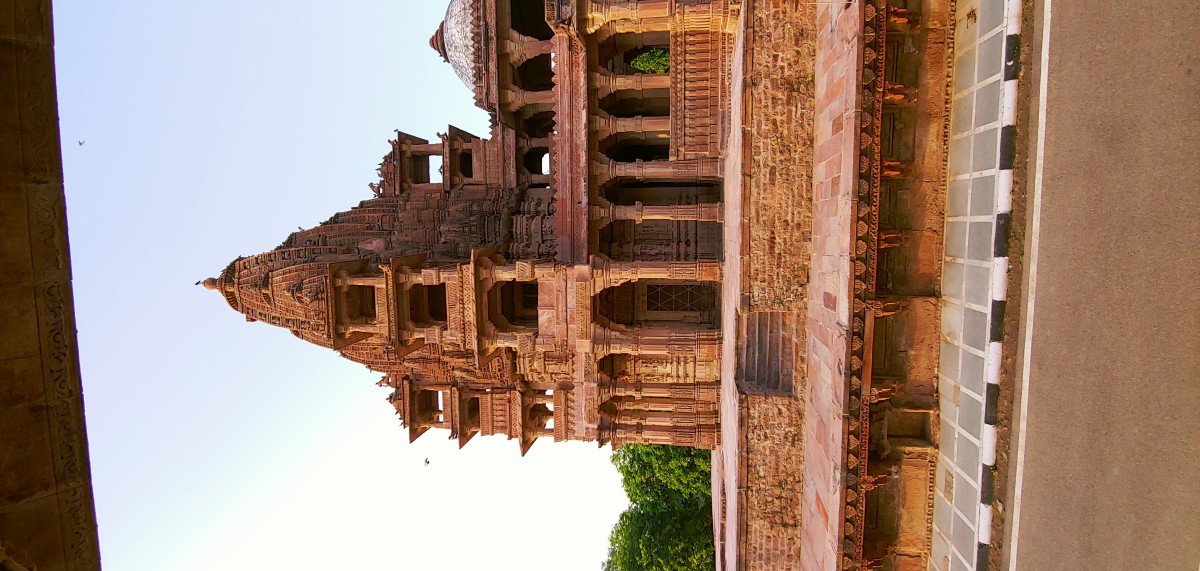
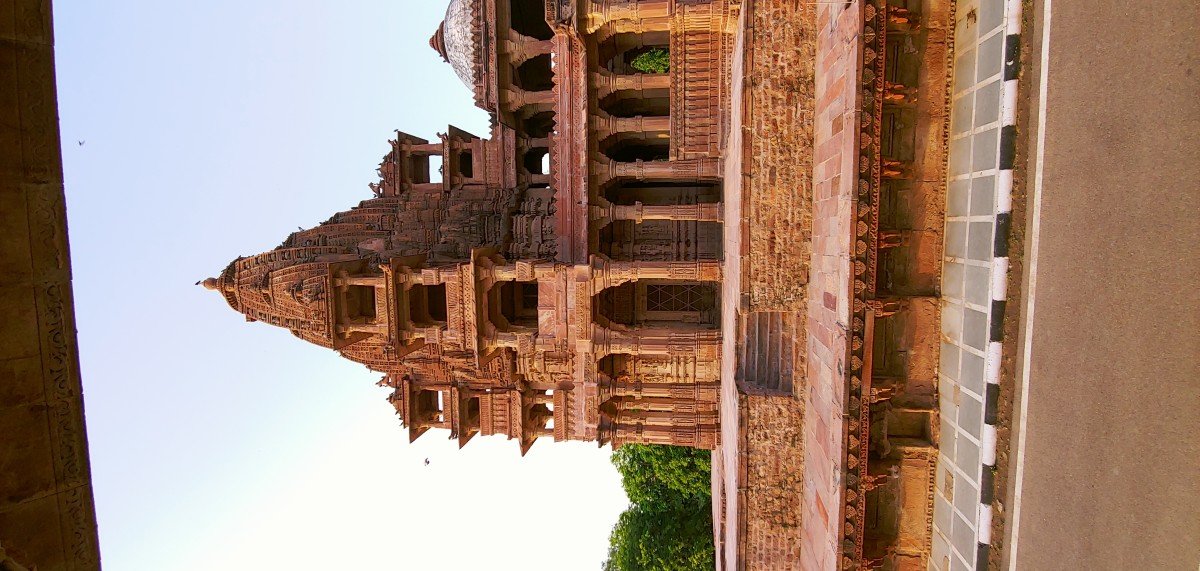
 The Mahamandir Temple is an architectural masterpiece dedicated to Lord Shiva, located on the road to Mandore. Built in 1812, this temple is not just a place of worship but a gallery of traditional Rajasthani craftsmanship. It is uniquely famous for its structure supported by 84 intricately carved pillars. These pillars are decorated with detailed carvings depicting various Yoga postures, which is a rare sight in Indian temple architecture. The atmosphere inside the temple is incredibly peaceful, offering a spiritual retreat from the noisy city. The temple complex is quite large and includes several smaller shrines within its walled enclosure. The main sanctum houses a beautifully crafted Shiva Lingam. The walls are adorned with ancient frescoes and traditional motifs that reflect the religious fervor of the Marwar rulers. Historically, it served as a significant center for the Nath sect, and its significance is deeply rooted in the local culture of Jodhpur. Many visitors come here not just for prayer but to study the architectural precision and the artistic representation of Vedic sciences. The temple's exterior, made of fine sandstone, glows beautifully during the early morning hours. It remains one of the most culturally significant landmarks in the city, representing the peak of 19th-century temple construction in the region.
 The Osian Temples are a cluster of ancient Hindu and Jain temples dating from the 8th to 12th centuries. Located in the desert town of Osian, these temples are renowned for their incredible architectural beauty and intricate stone carvings. Often called the 'Khajuraho of Rajasthan', they represent the peak of the Gurjara-Pratihara style of architecture. The most famous among them is the Sachiya Mata Temple, dedicated to the mother goddess, which sits atop a hill and offers a commanding view of the surrounding desert dunes. Another significant structure is the Mahavira Jain Temple, which is a major pilgrimage site for the Jain community and is known for its stunning vaulted ceilings and carved pillars. These temples were once part of a major trading hub on the Silk Route, and their wealth is reflected in the quality of the stone work. The carvings depict scenes from the Mahabharata, Ramayana, and various life forms of the era. The desert setting adds a mystical charm to the visit, especially as the golden sandstone of the temples matches the surrounding sand dunes. Visiting Osian provides a deep dive into the medieval history of Rajasthan, far away from the more commercialized tourist spots. It is a place where spirituality meets high art, and the silence of the desert enhances the experience of exploring these ancient ruins.
 @@General Description: Sardar Market is the busiest and most vibrant traditional bazaar in Jodhpur, sprawling around the iconic Ghanta Ghar (Clock Tower). Built by Maharaja Sardar Singh between 1880 and 1911, the market and the tower represent the commercial heart of the old city. It is a sensory explosion of colors, smells, and sounds, where thousands of tiny shops sell everything from hand-dyed textiles (Bandhej) to exotic spices and handcrafted jewelry. The market offers a genuine glimpse into the daily life of Jodhpur's residents and is a must-visit for any traveler looking for souvenirs or street food.
 **Phool Mahal**, literally translated as the "Flower Palace," is arguably the most lavish and exquisite of the many opulent halls within the massive **Mehrangarh Fort**. This spectacular reception hall was built in the **18th century** under the reign of **Maharaja Abhaya Singh** (1724?1749 AD). It was primarily used by the Maharajas for private audiences, entertainment, and grand celebrations, solidifying its status as a private playground for the royalty. The entire hall is a breathtaking display of Rajput craftsmanship and excessive royal luxury. The interior is renowned for its incredible use of **pure gold** in its ceiling design and frescoes. Historians suggest the gold was imported from **Ahmedabad**, indicating the immense wealth and trade connections of the **Marwar** state. The palace's walls are adorned with rich, intricate frescoes depicting various scenes from royal life, traditional motifs, Hindu gods and goddesses, and celestial figures like fairies and dancers. The vibrant colors and delicate artwork, combined with the polished marble floors, create an atmosphere of unparalleled grandeur. The name "Flower Palace" is derived not only from the floral motifs found in the art but possibly from the overall feeling of being in an exquisite, artificially created, and highly decorated "garden" of courtly pleasure. It provides a rare and intimate glimpse into the high-status social life of the Maharajas, contrasting sharply with the fort's robust exterior. (Word Count: $sim$290)
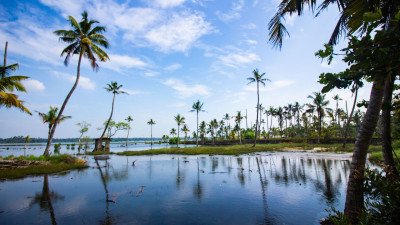 **Balsamand Lake** is a stunning artificial lake located on the **Jodhpur-Mandore** road, offering a peaceful retreat from the bustling city. Constructed in **1159 AD** by **Balak Rao Parihar**, it was primarily built as a water reservoir to meet the needs of the ancient **Mandore** region. Over the centuries, it transformed into a picturesque landscape, especially after the construction of the magnificent **Balsamand Lake Palace** overlooking its waters. The palace was built by **Maharaja Sur Singh** in the **17th century** as a summer resort for the royal family of **Marwar**. The lake itself stretches over a length of approximately **1** kilometer. It is surrounded by lush, well-maintained gardens, which feature a variety of flora, including groves of mango, papaya, pomegranate, and other fruit trees, making the area rich in greenery and a habitat for local fauna like peacocks and blue bulls. The presence of the heritage **Balsamand Lake Palace**, now converted into a luxury hotel, adds a touch of royal grandeur to the natural beauty of the lake. Visitors can stroll along the embankments, enjoying the cool breeze and the tranquil views of the water. The surrounding gardens, designed in the formal Mughal style, provide an ideal setting for leisurely walks and picnics. The palace, built of red sandstone in the traditional **Rajput** architectural style, is a visual delight, with intricate carvings and **jharokhas** (balconies) that offer panoramic views of the lake. The lake and its adjoining palace complex have become synonymous with luxury, serenity, and a blend of natural and historical splendor in **Jodhpur**. The atmosphere here is one of profound calm, attracting couples, families, and those seeking a quiet afternoon away from the city's main tourist crowds.
@@History and Overview: Hanwant Mahal is a magnificent sandstone structure named after the late Maharaja Hanwant Singh of Jodhpur, reflecting the royal grandeur of the Marwar dynasty through its exquisite design. This heritage building was originally part of the royal estate and now serves as one of the most premium luxury dining and event venues in the city, offering a peek into the lifestyle of the kings. The palace stands as a testimony to the 20th-century architectural shift where traditional Rajput elements met modern luxury, making it a favorite for those seeking a "Maharaja" experience. Surrounded by lush gardens and overlooking the sprawling Umaid Bhawan, it provides a serene escape from the urban hustle while staying rooted in the deep cultural history of Rajasthan. Visitors are treated to a blend of historical exhibits and world-class hospitality, ensuring that every guest feels the weight of the royal legacy that defines Jodhpur. The interiors are adorned with vintage photographs, hunting trophies, and royal memorabilia that narrate tales of valor and the royal family's personal life. It is not just a restaurant but a living museum that celebrates the spirit of the Blue City through its culinary excellence and majestic ambiance.
 @@Divine Architecture: Kunj Bihari Temple is a beautiful religious shrine dedicated to Lord Krishna, often referred to as the "Sri Nathji" of Jodhpur, and it stands as a masterpiece of the Rama Nandi Vaishnava sect. Constructed in 1847 by Maharaja Vinay Singh in memory of his son Sher Singh, the temple is an architectural replica of the famous Ghanshyamji Temple, showcasing the pinnacle of Rajput temple design. The temple is built using fine Makrana marble and local sandstone, featuring a grand entrance known as a 'Torana Dwar' that is intricately carved with celestial figures and floral patterns. Inside the sanctum, the idol of Kunj Bihari is surrounded by statues of other saints and deities like Meera Bai, Hanuman, and Saint Namdeo, creating a spiritual atmosphere. The temple is a hub of devotional music, especially during the evening hours when the chants and bells resonate through the narrow lanes of the old city market. Its high 'Shikhara' (spire) dominates the skyline of the surrounding area, serving as a beacon for pilgrims and architecture enthusiasts who come to admire its delicate craftsmanship. Despite being in a busy market area, the temple's courtyard offers a sense of profound peace and a connection to the royal spiritual traditions of the Marwar region.Show All
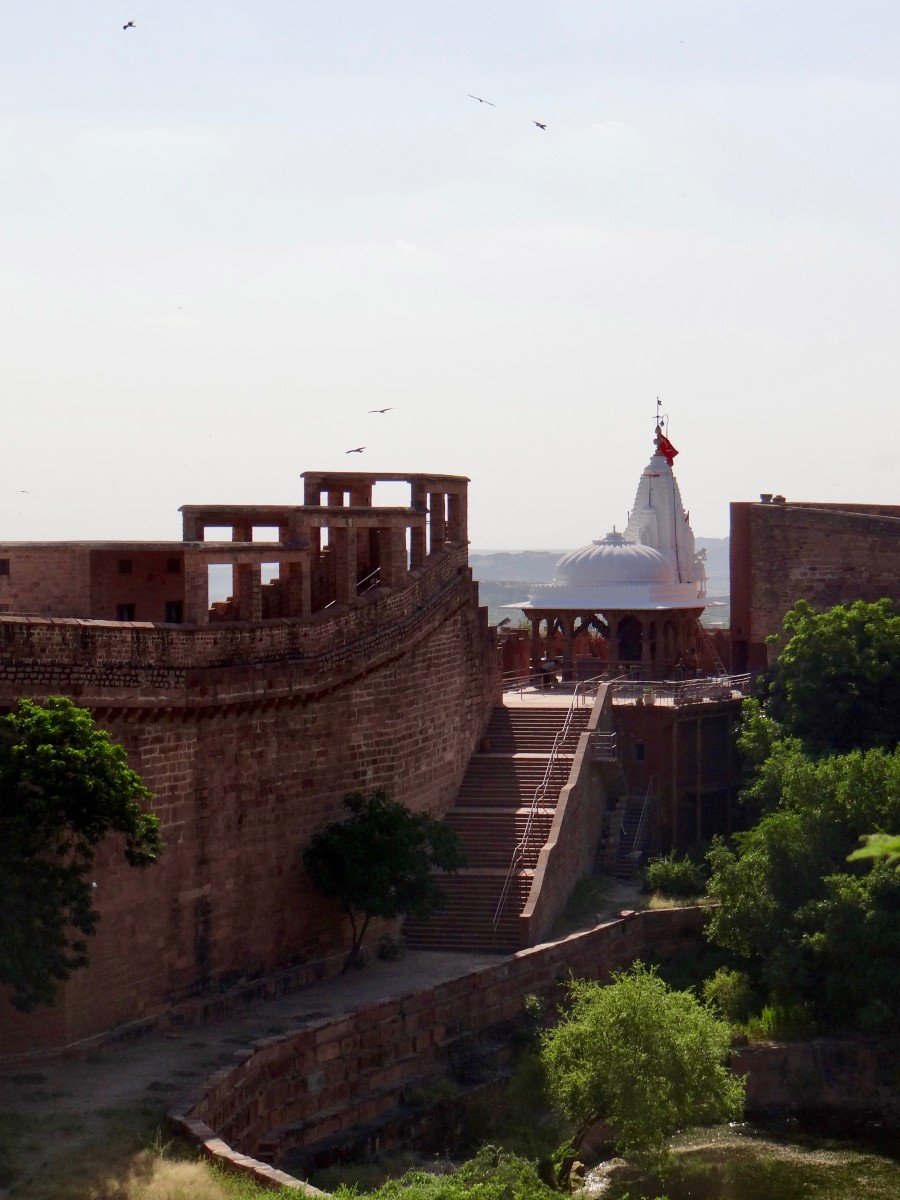
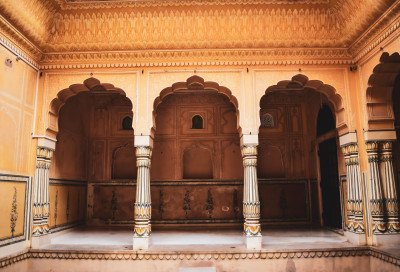 **Mehrangarh Fort** (meaning **'Fort of the Sun'**) is one of the largest and most magnificent forts in **India**. It was built around **1459** by **Rao Jodha**, the founder of **Jodhpur**, on a 400-foot-high hill named **Bhakurcheeria** (Mountain of Birds). The fort's huge, imposing walls, reaching up to **118 feet high** and **69 feet wide** in some places, seem to merge with the rocky base, giving it a powerful, intimidating presence. Most of the fort that stands today was completed during the rule of **Maharaja Jaswant Singh** in the **17th century**. The fort complex houses a breathtaking collection of palatial structures, including the **Moti Mahal (Pearl Palace)**, **Phool Mahal (Flower Palace)**, and **Sheesh Mahal (Mirror Palace)**, all known for their intricate carvings and beautiful courtyards. The fort's museum preserves an outstanding collection of weaponry, textiles, royal cradles, and miniature paintings, offering a comprehensive view of **Marwar's** royal heritage. It is a living testament to the military prowess and artistic refinement of the **Rathore** rulers. The ramparts not only hold historical cannons but also offer a spectacular, panoramic view of the blue-painted houses of the old city sprawling below. ###
Information
-
Why Famous:
Why Famous Place:
Mehrangarh Fort: Jodhpur is globally recognized for Mehrangarh Fort, one of the largest and best-preserved forts in India. Its museum is world-class, displaying a vast collection of palanquins, royal cradles, and weaponry. ...Why Famous Place:
Mehrangarh Fort: Jodhpur is globally recognized for Mehrangarh Fort, one of the largest and best-preserved forts in India. Its museum is world-class, displaying a vast collection of palanquins, royal cradles, and weaponry. The fort provides a panoramic view of the "Blue City" below, which is an iconic image of Rajasthan. It has also been a filming location for several Hollywood and Bollywood movies, including "The Dark Knight Rises.
" Blue Houses: The old city's blue-painted houses are a major attraction and the reason for the city's famous nickname. Historically, the color was used by Brahmins to distinguish their homes and keep them cool, but it soon became a tradition for the entire community. Walking through these blue lanes offers a unique aesthetic experience and endless photography opportunities. It is one of the most Instagrammed locations in the country.
: -
How To Reach:
Place How to Reach:
By Air: Jodhpur Airport (JDH) is a prominent domestic airport with regular flights from Delhi, Mumbai, Jaipur, and Ahmedabad. It is located about 5 KMS from the city center, and pre-paid taxis or auto-rickshaws are easily...Place How to Reach:
By Air: Jodhpur Airport (JDH) is a prominent domestic airport with regular flights from Delhi, Mumbai, Jaipur, and Ahmedabad. It is located about 5 KMS from the city center, and pre-paid taxis or auto-rickshaws are easily available. The airport is well-maintained and provides a quick entry into the city. For international travelers, connecting flights via Delhi or Mumbai are the best options.
By Train: Jodhpur Junction is a major railway hub in the North Western Railway zone. It is well-connected to almost all parts of India, including Chennai, Kolkata, Delhi, and Mumbai. Many express and superfast trains like the Suryanagari Express and Mandore Express serve this station. The station is located in the heart of the city, making it very convenient for travelers.
By Road: Jodhpur is connected to other cities via a network of well-paved national and state highways. You can take an RSRTC bus from Jaipur (330 KMS), Jaisalmer (280 KMS), or Udaipur (250 KMS). Private luxury buses are also a popular and comfortable way to travel between these cities. Driving from Jaipur takes about 6 hours and offers a chance to see the rural landscape of Rajasthan.
By Local Transport: Within Jodhpur, auto-rickshaws are the most efficient way to navigate the busy streets. In the old city, the lanes are too narrow for cars, so walking or using a two-wheeler is necessary. You can also hire a private taxi for a full day of sightseeing at fixed rates. Cycle-rickshaws are still available in some parts for a slow and traditional travel experience.
: -
Weather and Best Time to Visit:
Place Best Time to Visit:
Winter Season: October to March is the ideal time to visit Jodhpur as the weather is pleasant and sunny. The daytime temperatures are perfect for exploring the fort and markets, while the nights are cool and refresh...Place Best Time to Visit:
Winter Season: October to March is the ideal time to visit Jodhpur as the weather is pleasant and sunny. The daytime temperatures are perfect for exploring the fort and markets, while the nights are cool and refreshing. This is also the time when major festivals like RIFF and the Marwar Festival take place. It is the peak tourist season, so expect some crowds at major sites.
Summer & Monsoon: April to June is extremely hot with temperatures touching 45°C, which can make outdoor sightseeing very tiring. However, if you are a budget traveler, you can find great deals on luxury hotels. The monsoon season (July to September) brings some relief with occasional showers that turn the rocky landscape green. The humidity can be high, but the city looks beautiful under a cloudy sky.
: -
Near Tourist Places:
Mehrangarh Fort (2 KMS), Jaswant Thada (1 KM), Umaid Bhawan Palace (4 KMS), Mandore Gardens (9 KMS), Clock Tower (0. 5 KMS), Toorji Ka Jhalra (0. 5 KMS), Bishnoi Village (22 KMS), Osian Temples (65 KMS), Kaylana Lake (8 KMS), Balsamand Lake (5 KMS)
Tourism Tips
-
Place Tourism Tips:
Health & Safety: Drink plenty of water to stay hydrated in the dry desert climate. Be careful while walking in the old city as the lanes are narrow and busy with two-wheelers. Avoid over-friendly "guides" and always agre...Place Tourism Tips:
Health & Safety: Drink plenty of water to stay hydrated in the dry desert climate. Be careful while walking in the old city as the lanes are narrow and busy with two-wheelers. Avoid over-friendly "guides" and always agree on a price before starting a rickshaw ride. Keep a small first-aid kit with sunblock and basic medicines for travel-related issues.
Packing Essentials: Carry light cotton clothes for the day and a good pair of walking shoes. A hat, sunglasses, and a scarf are essential to protect against the sun and dust. During winters, a jacket or sweater is necessary for the early mornings and late nights. Don't forget a camera with a wide-angle lens to capture the fort and the blue cityscapes.
Accommodation: Jodhpur offers a range of stays from heritage "Havelis" in the old city to luxury resorts like Umaid Bhawan. Staying in the old city gives you an authentic experience of the "Blue City" but can be noisy. The Sardar Market area has many budget-friendly options with rooftop views of the fort. For a quieter stay, look for hotels in the newer parts of the city or near the airport.
Cultural Etiquette: Jodhpur is a culturally conservative city, so dress modestly, especially when visiting temples. Remove your footwear before entering religious places or someone's home. It is customary to greet locals with a "Namaste" or "Khamma Ghani. " Always ask before taking photos of people, particularly women and elders. Being respectful of local traditions will make your interaction with the people much more meaningful.
:
Reviews
FAQs
Jodhpur Itineray And Cost:-
Other Places In Rajasthan :-
Other States In India :-
Information about New and Updated Locations() of Rajasthan Has Been Added :-
Card subtitle
Note:-
Information provided here in good Faith and for reference only.
Near Places
Ajmer
Some quick example text to build on the card title and make up the bulk of the card's content.
Go somewhere
Alwar
Some quick example text to build on the card title and make up the bulk of the card's content.
Go somewhere
Bharatpur
Some quick example text to build on the card title and make up the bulk of the card's content.
Go somewhere
Bikaner
Some quick example text to build on the card title and make up the bulk of the card's content.
Go somewhere
Bundi
Some quick example text to build on the card title and make up the bulk of the card's content.
Go somewhere
Chittorgarh
Some quick example text to build on the card title and make up the bulk of the card's content.
Go somewhere
Churu
Some quick example text to build on the card title and make up the bulk of the card's content.
Go somewhere
Dausa
Some quick example text to build on the card title and make up the bulk of the card's content.
Go somewhere
Dholpur
Some quick example text to build on the card title and make up the bulk of the card's content.
Go somewhere
Dundlod
Some quick example text to build on the card title and make up the bulk of the card's content.
Go somewhere
Fatehpur
Some quick example text to build on the card title and make up the bulk of the card's content.
Go somewhere
Hanumangarh
Some quick example text to build on the card title and make up the bulk of the card's content.
Go somewhere
Jaipur
Some quick example text to build on the card title and make up the bulk of the card's content.
Go somewhere
Jaisalmer
Some quick example text to build on the card title and make up the bulk of the card's content.
Go somewhere
Jhalawar
Some quick example text to build on the card title and make up the bulk of the card's content.
Go somewhere
Jhunjhunu
Some quick example text to build on the card title and make up the bulk of the card's content.
Go somewherein Other Cities