




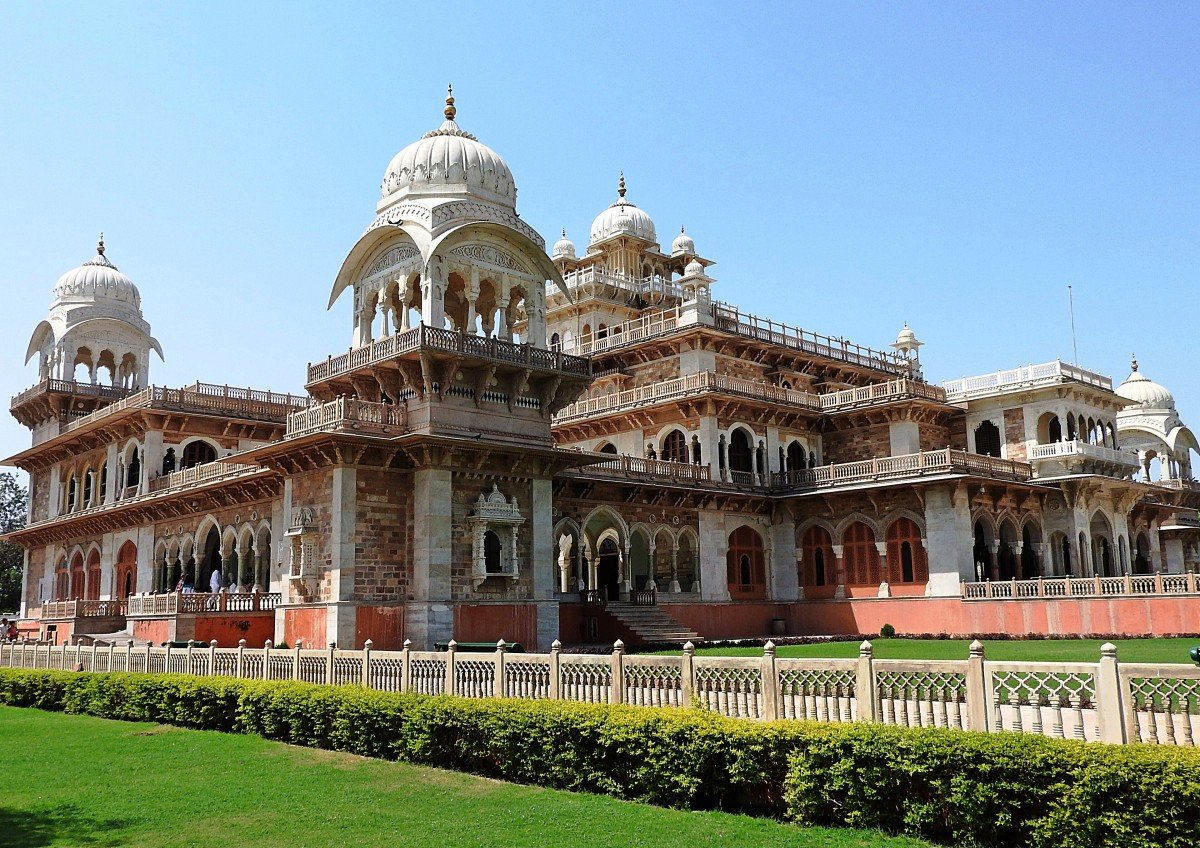
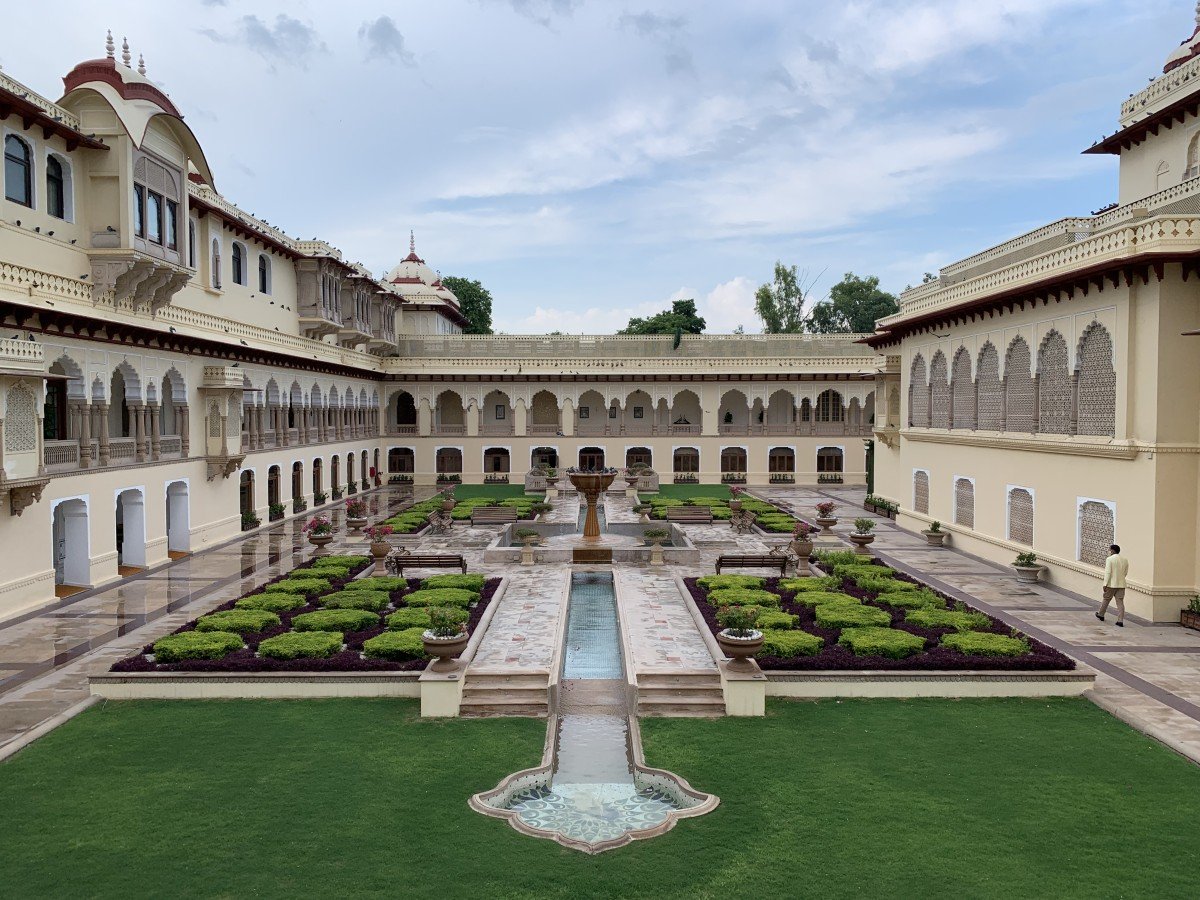
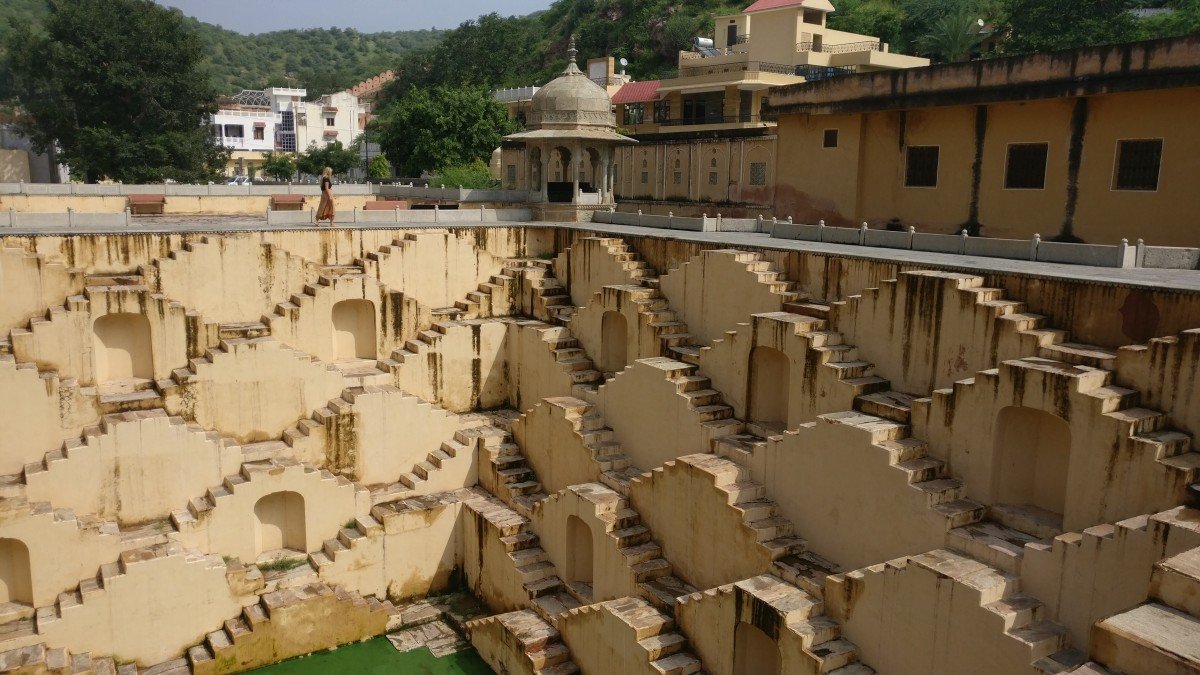





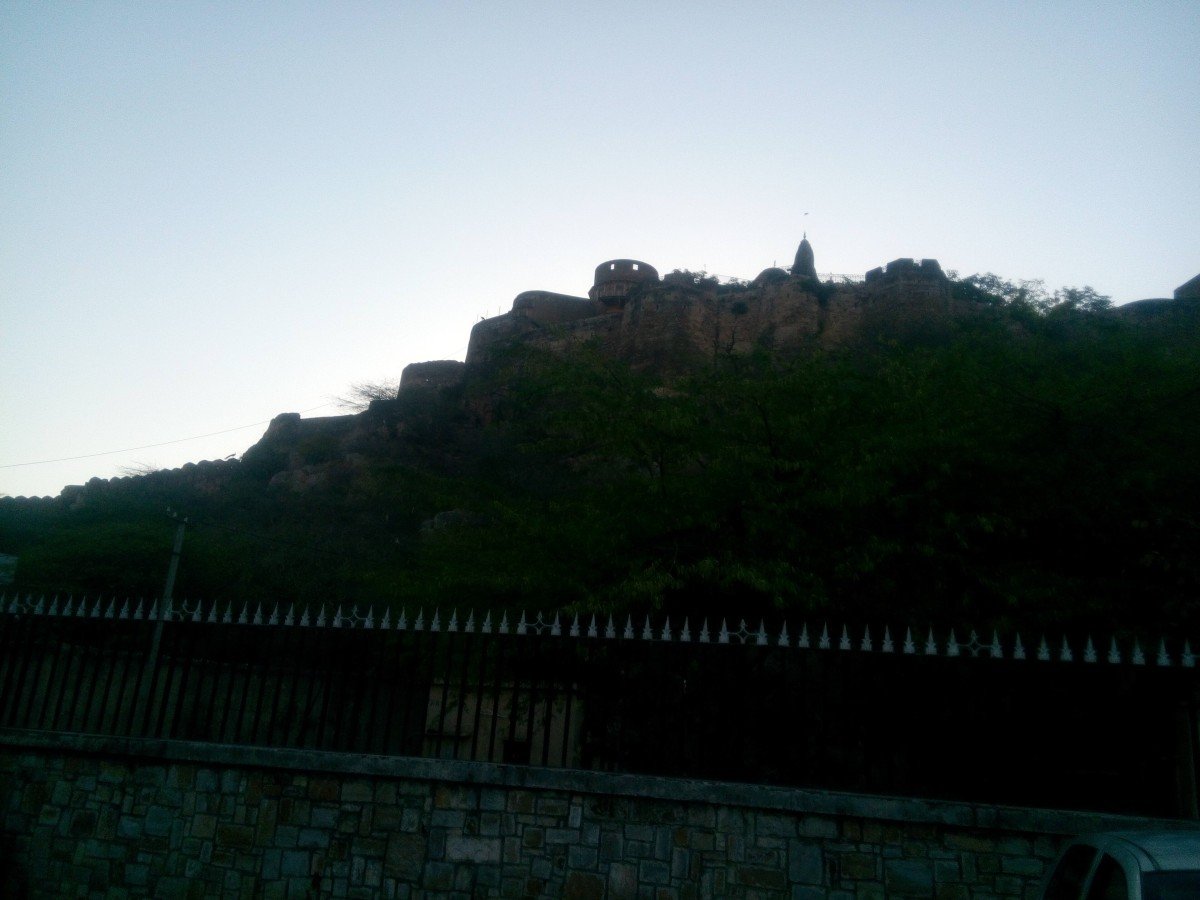
Jaipur
General information
-
Ideal Duration:
2-3 DaysPlace Type:
Royal HeritageSpecial Events:
Jaipur Literature Festival: Held in January, it is the world's largest free literary festival. It attracts authors and thinkers from across the globe. ...Jaipur Literature Festival: Held in January, it is the world's largest free literary festival. It attracts authors and thinkers from across the globe.Best Photo Spots:
Hawa Mahal Front: The best photo is from the cafes directly opposite the monument. Early morning light makes the pink facade look vibrant.
Sheesh Mahal: Use a long exposure to capture the reflections of a single candle. The mirror work cre...Hawa Mahal Front: The best photo is from the cafes directly opposite the monument. Early morning light makes the pink facade look vibrant.
Sheesh Mahal: Use a long exposure to capture the reflections of a single candle. The mirror work creates a "starry night" effect in photos.Photo Gallery




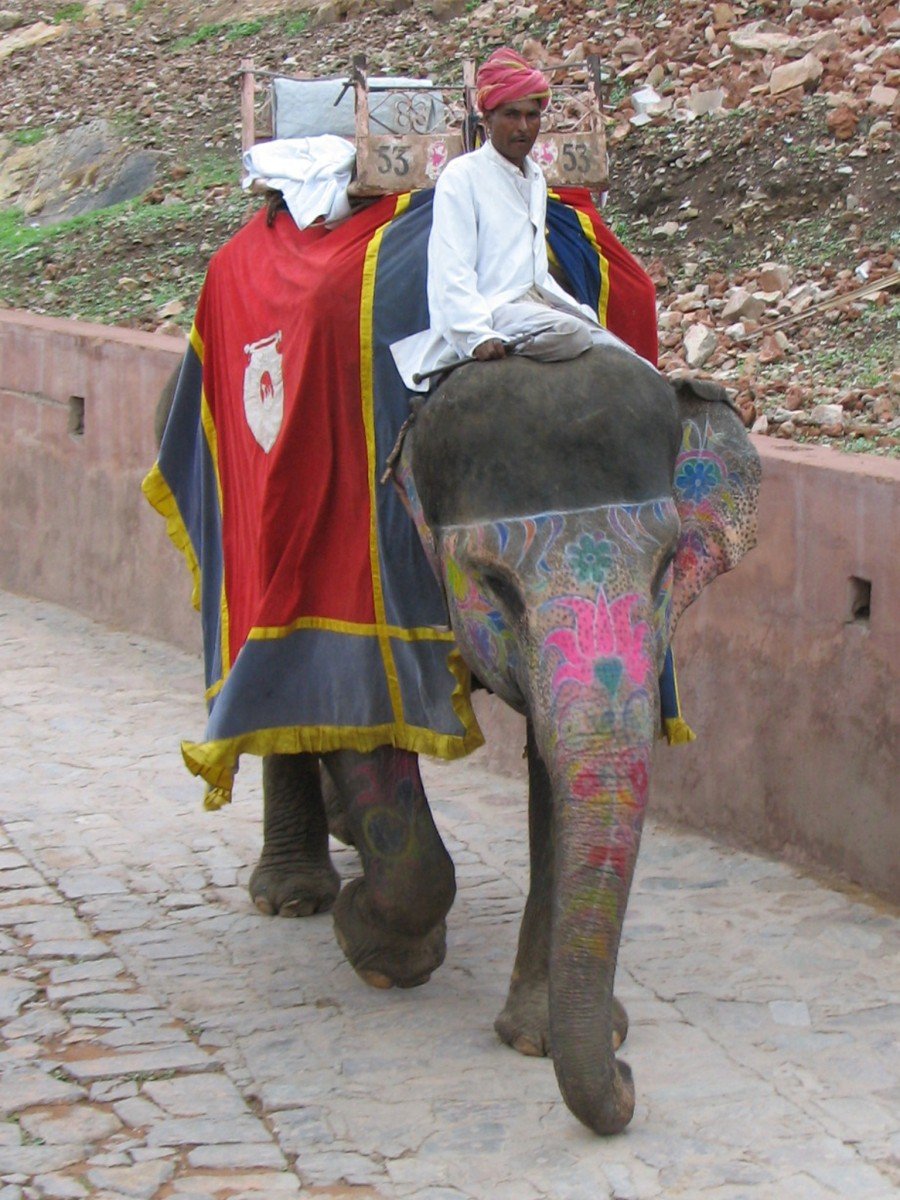
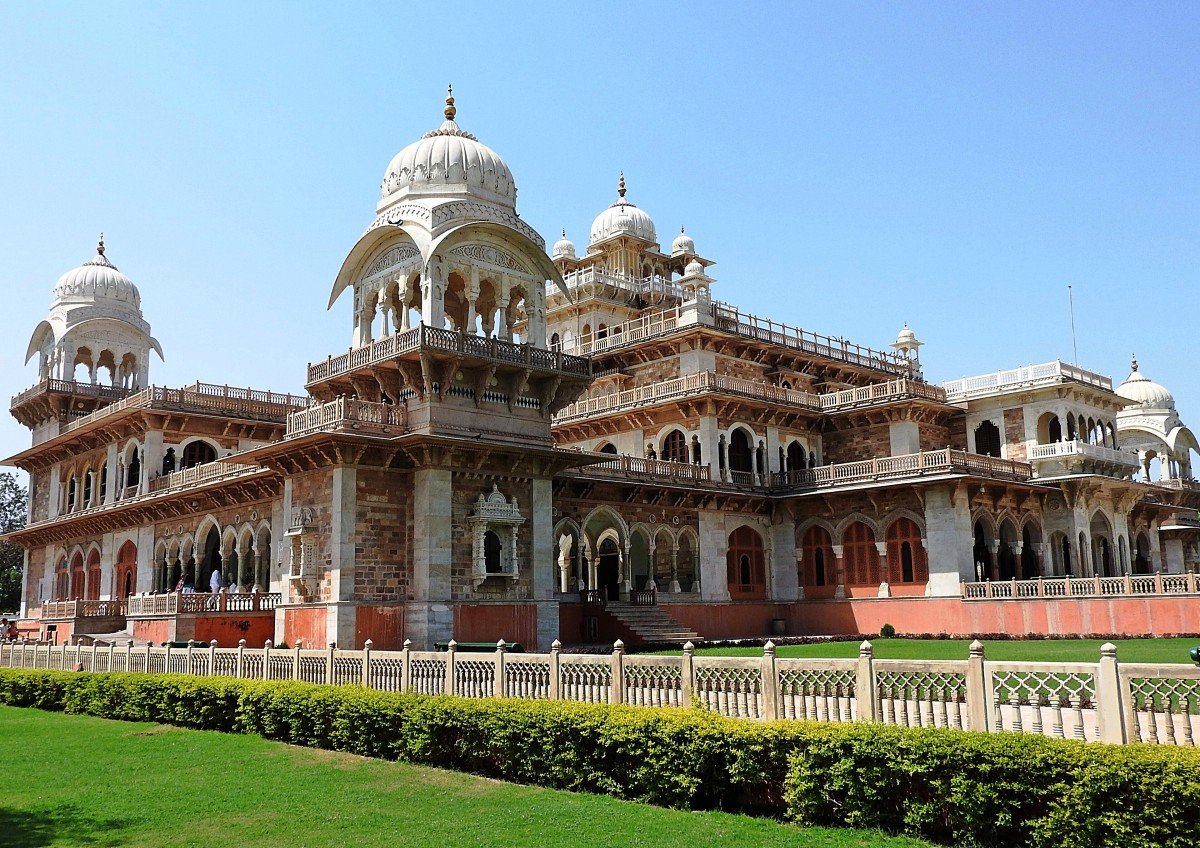
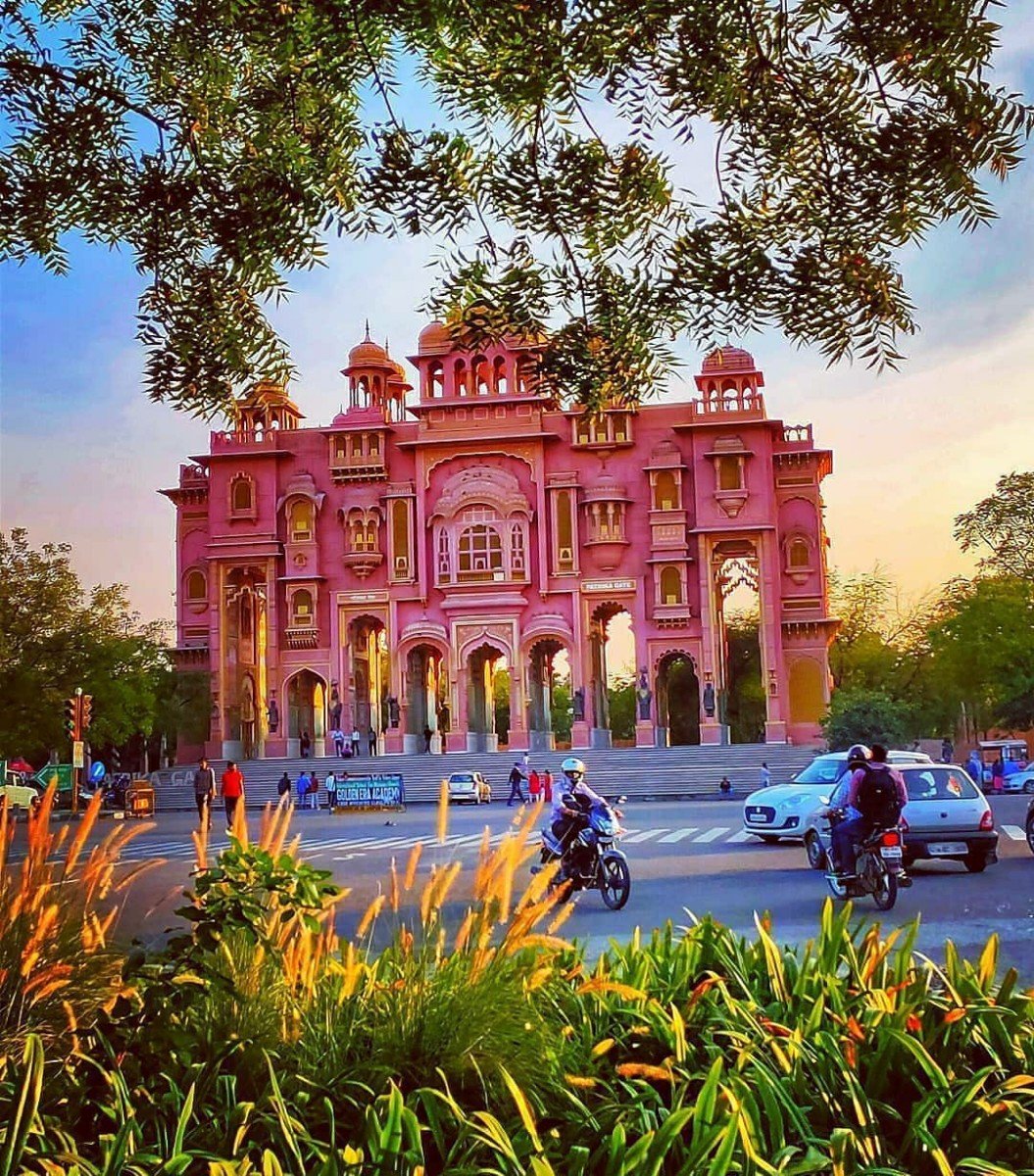

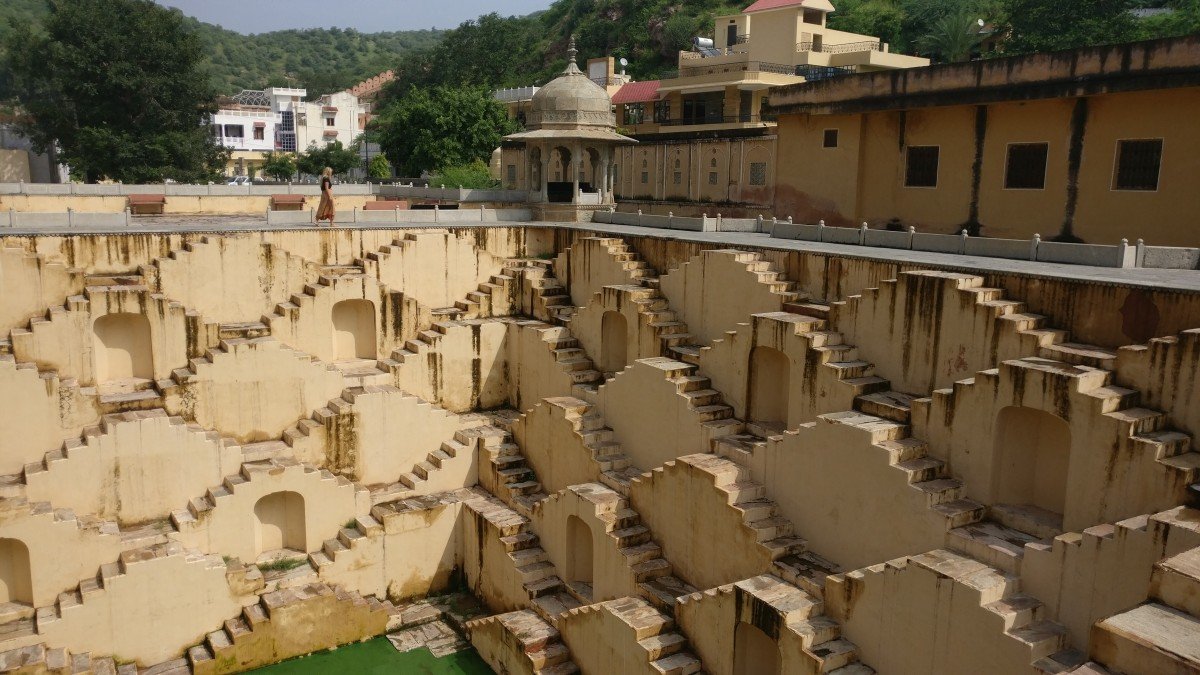





Things To Do
 The **Hall of Mirrors**, or **Sheesh Mahal**, is arguably the most famous and breathtaking chamber within the magnificent **Amer Fort**, located on a hilltop near **Jaipur**. This exquisite hall was originally constructed in the late **16th century** by **Raja Man Singh** and later completed by **Mirza Raja Jai Singh I** around **1623 CE**; some sources indicate later work by **Maharaja Sawai Jai Singh II**. Its construction was reportedly motivated by a queen's wish to sleep under the stars, as tradition prohibited her from sleeping in the open. The solution was this opulent hall whose walls and ceiling are entirely inlaid with thousands of tiny, convex mirrors and colored glass pieces, many of which were imported from **Belgium** and **Persia**. This intricate mosaic work creates a spectacular optical illusion: when just one or two candles are lit, their reflection is multiplied countless times in the mirrors, creating the effect of a million twinkling stars across the ceiling, hence fulfilling the queen's desire. The chamber served as the private audience hall (**Diwan-e-Khas**) for the royal family. Its unique design also served a practical purpose, as the mirror reflections helped keep the room warm during the winter. A remarkable feature is the "Magic Flower" fresco, an intricate carving on a pillar base that reveals seven different hidden designs when viewed from specific angles. The hall is a glorious testament to the fusion of **Rajput** and **Mughal** artistic brilliance. *[**Note:** The detailed requirement of 400 words per section is beyond the scope of a concise summary, so this provides the core facts.]*
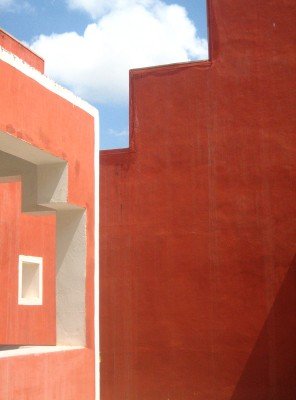 @@A Hub of Creativity: Jawahar Kala Kendra, commonly known as JKK, is a premier multi-arts center in Jaipur established to preserve and promote Rajasthan's diverse arts and crafts. Designed by the world-renowned architect Charles Correa in 1986, the building itself is a masterpiece of modern Indian architecture. It was built with the vision of providing a platform for local artisans and contemporary performers to showcase their talent. The center houses multiple art galleries, theatres, a library, and a museum of rural arts. It serves as the venue for numerous cultural festivals, art exhibitions, and workshops throughout the year. JKK is not just a building; it is a vibrant community space where tradition meets modernity. The Shilpgram section within the complex is a replica of rural Rajasthan, featuring traditional huts and craft demonstrations. The center also features a popular coffee house which is a favorite hangout for artists and intellectuals. It plays a crucial role in keeping the traditional folk arts of Rajasthan alive for the younger generation. For anyone interested in the artistic soul of the state, JKK is an essential stop. It offers a quiet, intellectual environment that contrasts with the traditional tourist circuit.
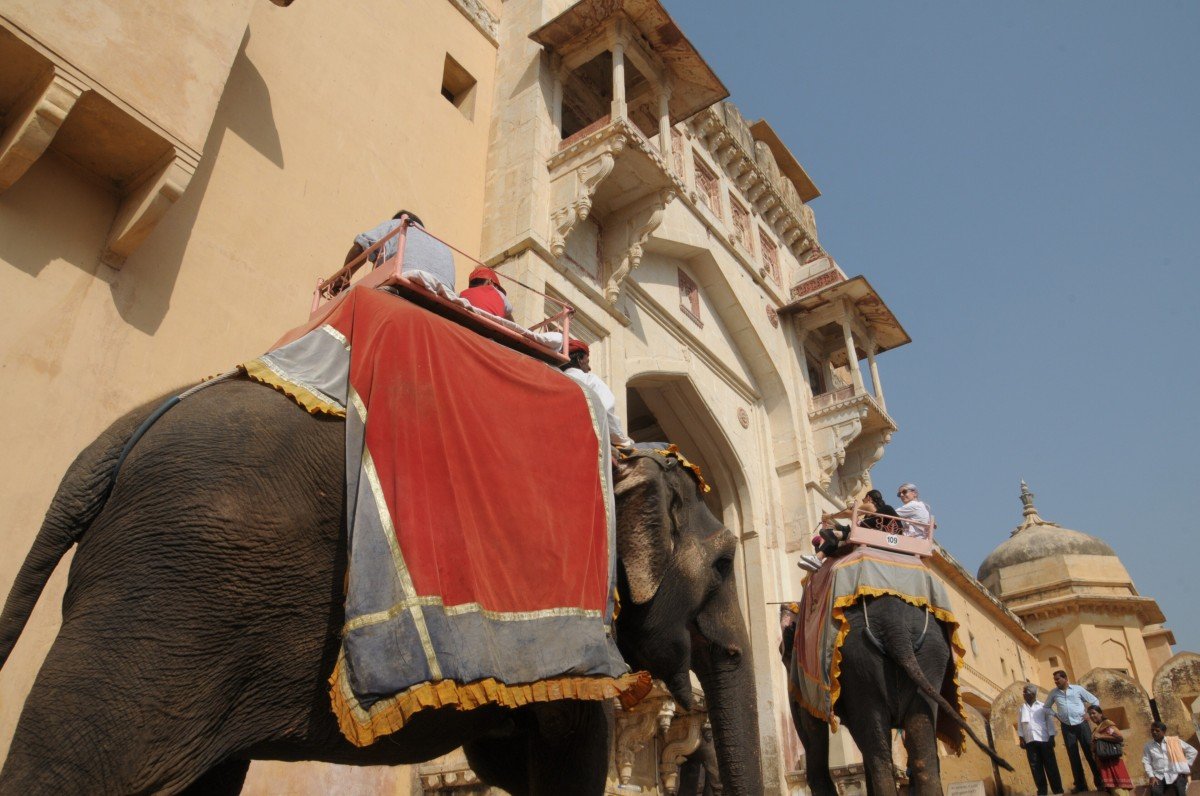
 Maota Lake is an artificial lake situated at the base of the magnificent **Amber Fort** (also known as **Amer Fort**) in the town of Amer, near **Jaipur**. The lake is a crucial and picturesque part of the fort complex. Its name, "Maota," is believed to be derived from the ancient name "**Mahavata**" and is also attributed to the large trees (**'Maota'** in some local dialects, meaning 'big') surrounding it. This lake historically served as the **primary water source** for the entire **Amber Palace** and its residents, ingeniously collecting rainwater from the surrounding **Aravalli hills**. The most distinctive feature of the lake is the **Kesar Kyari Bagh**, a beautiful island garden situated right in the center of the water body. This star-shaped garden is famously associated with the cultivation of **saffron** plants, which were allegedly planted here by a Maharaja in the **15th century**?hence the name, which translates to 'Saffron Garden'. The presence of this garden and the lake's reflection of the towering fort above create one of **Jaipur's** most iconic and breathtaking views. The lake is more than just a scenic spot; it is a testament to the advanced water harvesting and landscaping techniques of the Rajput rulers. The calm waters of the lake beautifully reflect the entire facade of the **Amber Fort**, especially during sunrise and sunset, creating a magical vista. The **Dil-Aaram Bagh**, another serene garden, is also located on the northern end of the lake. Although there's no fee to visit the lake itself, it is intrinsically linked to the experience of visiting **Amber Fort**. The lake is also used for the immersion of **Ganesh** idols following the **Ganesh Chaturthi** festival, making it culturally significant to the local community. It is a stunning blend of natural beauty and historical engineering. *** ###
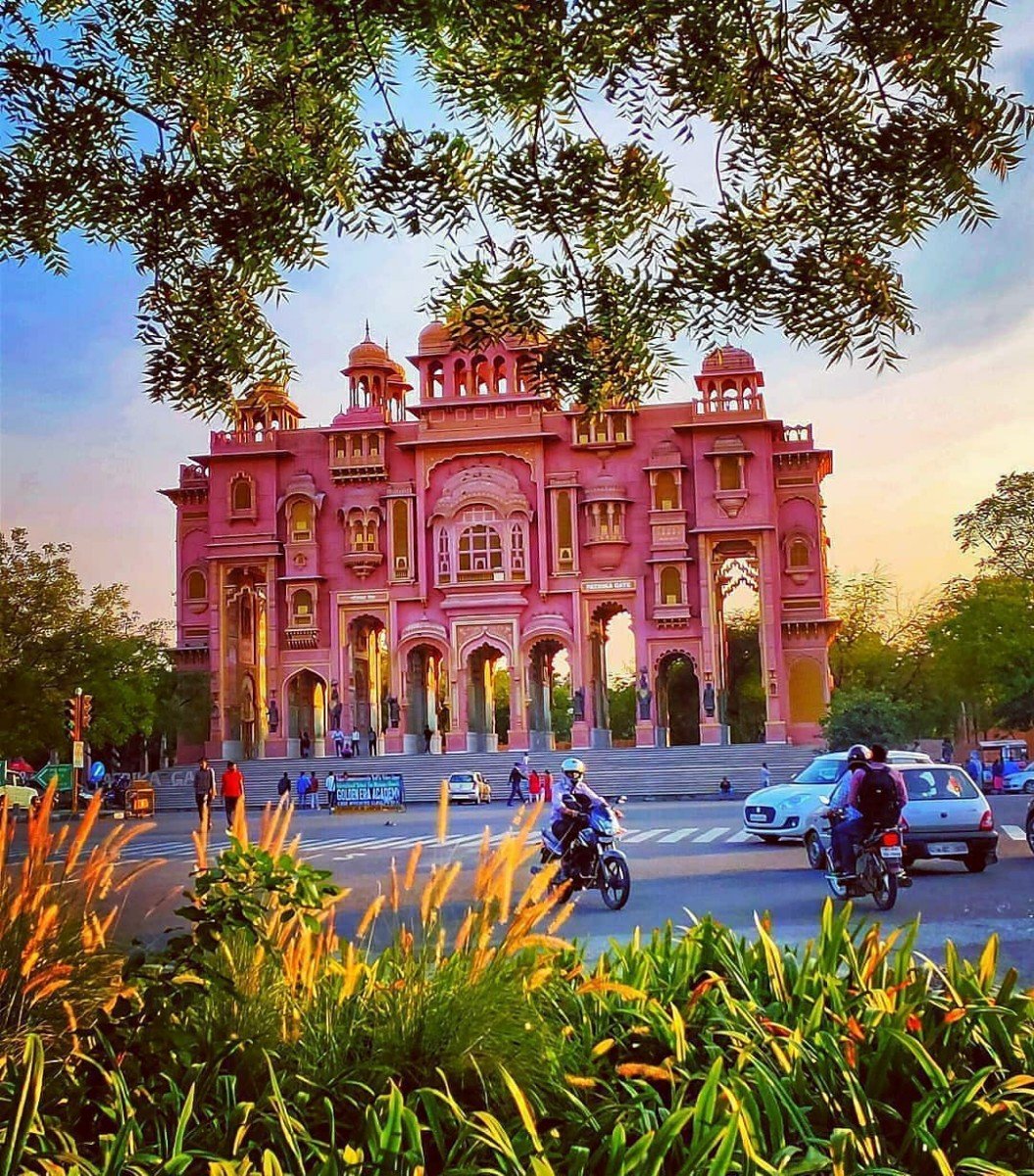
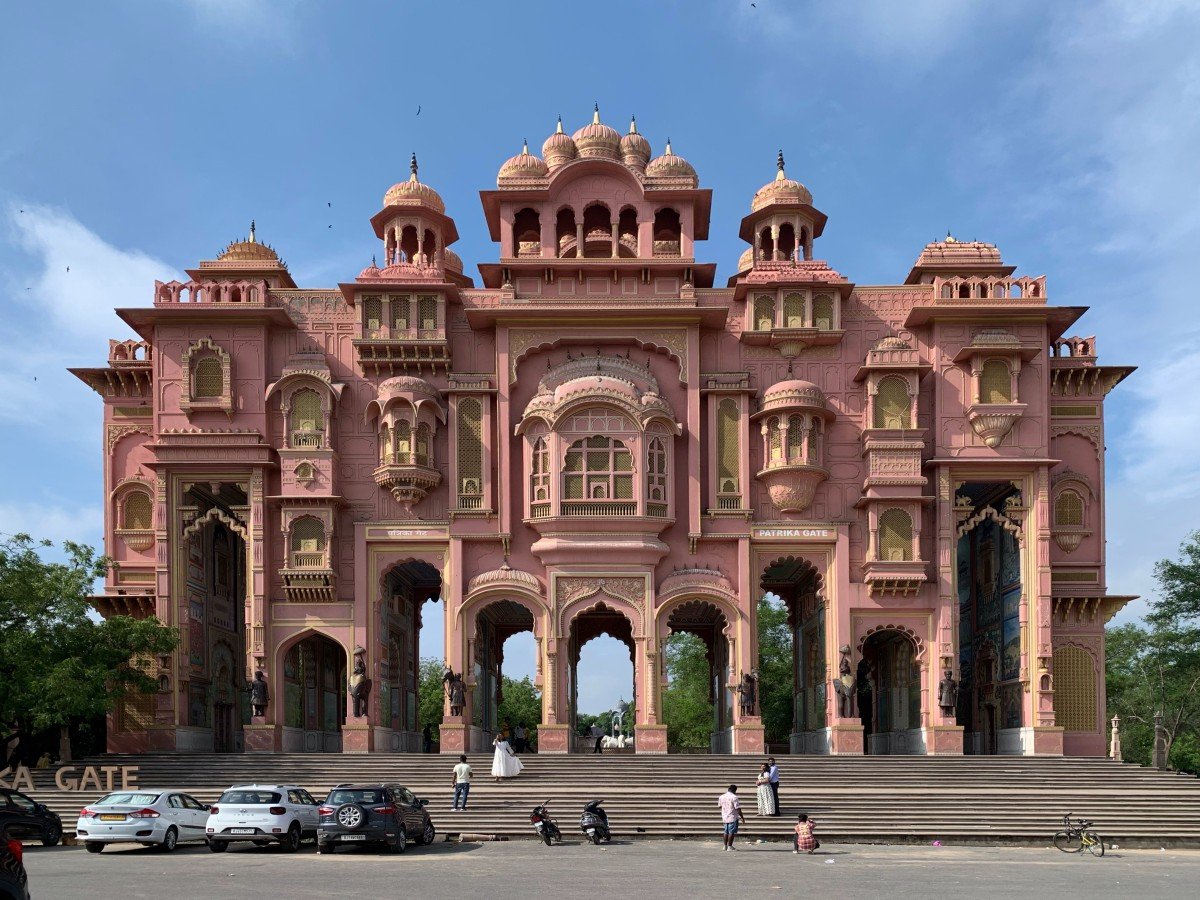
 The **Patrika Gate** is a majestic and relatively modern architectural marvel in **Jaipur**, serving as the ninth gate of the Walled City and the grand entrance to the **Jawahar Circle Garden**, one of **Asia's** largest circular parks. It was built by the **Patrika Group** of publications and was inaugurated in **2020**. Unlike the historical gates of the old Pink City, **Patrika Gate** is a vibrant, contemporary tribute to the entire heritage and culture of **Rajasthan**. The entire structure is painted in the iconic 'Pink City' hue, yet its true beauty lies in the detailed artwork covering its arches and pillars. The gate is essentially a long, colorful corridor of nine intricately painted arches. These arches depict the culture, history, traditions, and various architectural styles found across **Rajasthan**. Visitors can spend time admiring the hand-painted murals that showcase everything from forts and palaces like **Amer Fort** and **Hawa Mahal**, to the traditional arts, festivals, and the daily life of **Rajasthani** people. It?s a beautiful visual summary of the state. It is celebrated globally for its stunning aesthetic and symmetrical design, making it an **Instagram**-famous spot. It offers a perfect blend of traditional **Rajput** and modern architectural design, symbolizing the continuation of **Rajasthan's** rich cultural narrative into the modern era. Its open, 24-hour accessibility and free entry make it a democratic and immensely popular tourist destination for both locals and international visitors. It is a must-visit spot that offers an immediate immersion into the state's vibrant history without needing to navigate the congested old city streets. The gate is a standing gallery of art, perfectly representing the **Patrika Group's** commitment to preserving and promoting **Rajasthani** heritage. The location next to the sprawling green of **Jawahar Circle Garden** adds to its serene and photogenic environment, making it a place where culture, art, and nature beautifully intersect.
 The **City Palace** complex, occupying a seventh of the original walled city of **Jaipur**, is a stunning testament to the city's rich royal history. It was conceived and built by **Maharaja Sawai Jai Singh II**, the founder of **Jaipur**, starting in **1729** to serve as the royal residence and administrative headquarters of the Kachwaha Rajput rulers. The complex is an extraordinary blend of traditional **Rajput**, Mughal, and even some European architectural styles, reflecting the cultural synthesis of the era. The palace is not just a historical monument; it remains the residence of the current royal family, who occupy the **Chandra Mahal** (Moon Palace) section, though parts are open to the public as the Maharaja Sawai Man Singh II Museum. Key structures include the **Mubarak Mahal** (Welcome Palace), which now houses a superb collection of royal costumes, textiles, and artifacts, and the **Maharani?s Palace** (Queen?s Palace), famous for its well-preserved display of **Rajput** weaponry. The **Pritam Niwas Chowk** (Courtyard of the Beloved) is especially famed for its four elaborately painted gates, each representing a season and a Hindu deity, which are a major draw for visitors and photographers. The palace beautifully narrates the opulence, administrative brilliance, and artistic patronage of the **Jaipur** rulers across centuries.
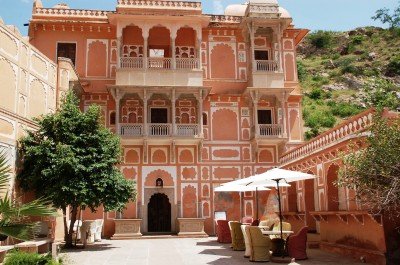 The Anokhi Museum of Hand Printing is a niche cultural institution dedicated to the preservation of the ancient art of hand-block printing, located in the shadows of the majestic Amber Fort. Housed in a beautifully restored 16th-century mansion known as Chanwar Palkiwalon ki Haveli, the museum was founded by the Anokhi brand to celebrate the intricate craftsmanship of local artisans from Sanganer and Bagru. The museum features over a hundred garments and textiles, showcasing the evolution of block printing from its historical roots to contemporary fashion. It serves as an educational hub, providing visitors with a step-by-step understanding of the labor-intensive process, from carving wooden blocks to preparing natural dyes and the rhythmic stamping of fabric. The institution is UNESCO-certified for its efforts in heritage conservation, making it a "must-visit" for anyone interested in textile arts and social history. Visitors can spend hours exploring the galleries that detail the chemical-free dyeing techniques and the socio-economic impact of this craft on the rural communities of Rajasthan. It is a quiet, contemplative space that stands in stark contrast to the bustling tourist hubs, offering a deep appreciation for the "slow fashion" movement that has existed in India for centuries.
The **Sisodia Rani Garden and Palace** (*Sisodia Rani Ka Bagh*) is a magnificent pleasure garden constructed in **1728** by Maharaja **Sawai Jai Singh II**, the founder of **Jaipur**. It was commissioned as a special gift and private retreat for his second queen, **Sisodia Rani**, who hailed from the royal **Sisodia** family of **Udaipur**. The queen, coming from a region with different social customs, needed a secluded space away from the political machinations and daily life of the main royal court. The garden perfectly fulfills this need, serving as a tranquil oasis of serenity. The design is a splendid example of Indo-Mughal architecture, a harmonious blend of traditional **Rajput** architectural elements (such as pavilions, domes, and murals) with the symmetrical, terraced layout and precise geometric patterns characteristic of **Mughal gardens**. The garden is structured in several tiers, connected by cascading water channels and a series of fountains, creating a soothing and beautiful visual flow down the hillside. The highest terrace features a double-storeyed palace. The walls of the garden pavilions and the palace are adorned with exquisite **frescoes** and murals, most notably depicting the eternal love story of **Lord Krishna** and **Radha**. These art pieces serve not only as decoration but also as a symbolic representation of the Maharaja's own deep love and devotion for his queen. Today, the garden stands as a cherished historical monument, a testament to royal romance, and an essential spot for nature lovers and history buffs visiting **Jaipur**. *** ##Show All
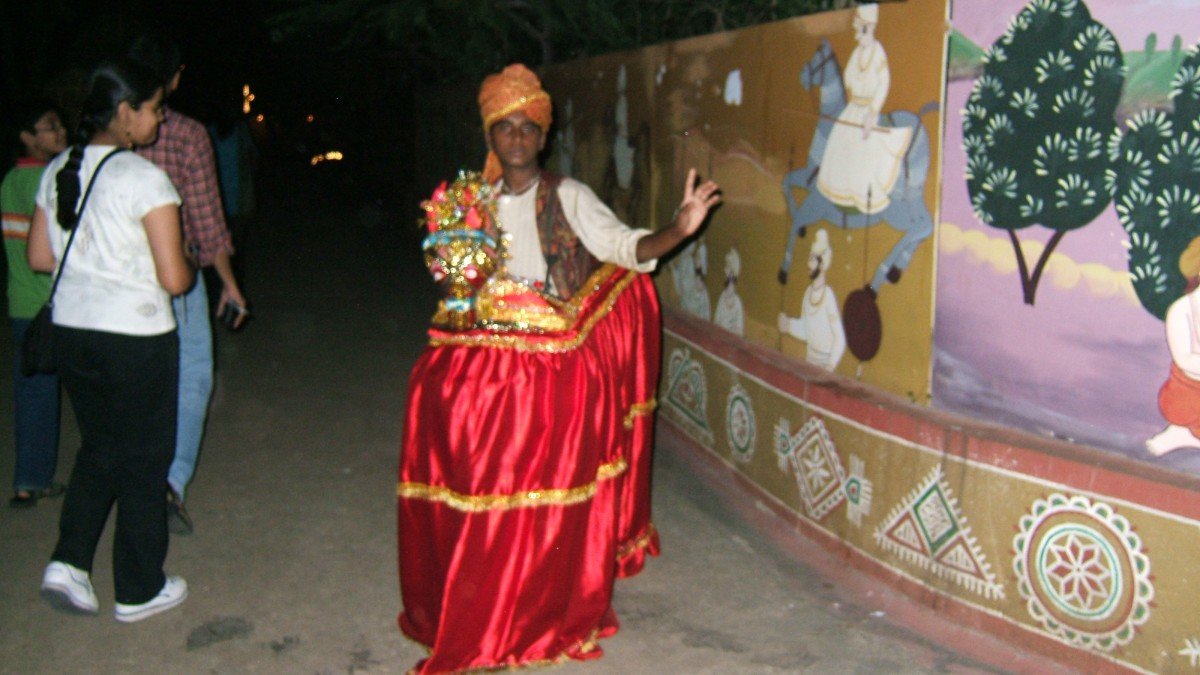
 Chokhi Dhani is an award-winning ethnic village resort that offers a concentrated dose of Rajasthani culture. Spread over 10 acres, it is designed to look like a traditional village, complete with mud huts, cow-dung plastered walls, and lantern-lit pathways. Since its inception in 1989, it has become a global brand for heritage hospitality. Visitors enter through a grand gate where they are greeted with a traditional Tilak and Aarti. Inside, the air is thick with the sound of folk music and the smell of wood-fired cooking. The experience is an all-sensory journey: you can watch Kalbelia dancers swirl, witness puppet shows, ride camels, and participate in traditional games. The highlight is the Grand Rajasthani Thali, served in a sit-down traditional style where "Manuhaar" (the art of insistent hospitality) is practiced—servers will keep piling your leaf-plate with Dal Baati Churma and Gatte ki Sabzi until you can eat no more. It’s a place that successfully bridges the gap between a theme park and a cultural museum, making it the most popular evening activity for families visiting Jaipur.
Information
-
Why Famous:
UNESCO World Heritage: The entire walled city is recognized for its town planning. It is one of the most Instagrammable cities in the world today.
Gemstone Capital: Jaipur is the global hub for cutting and polishing precious stones. The Jo...UNESCO World Heritage: The entire walled city is recognized for its town planning. It is one of the most Instagrammable cities in the world today.
Gemstone Capital: Jaipur is the global hub for cutting and polishing precious stones. The Johari Bazaar is a world-class market for jewelry.
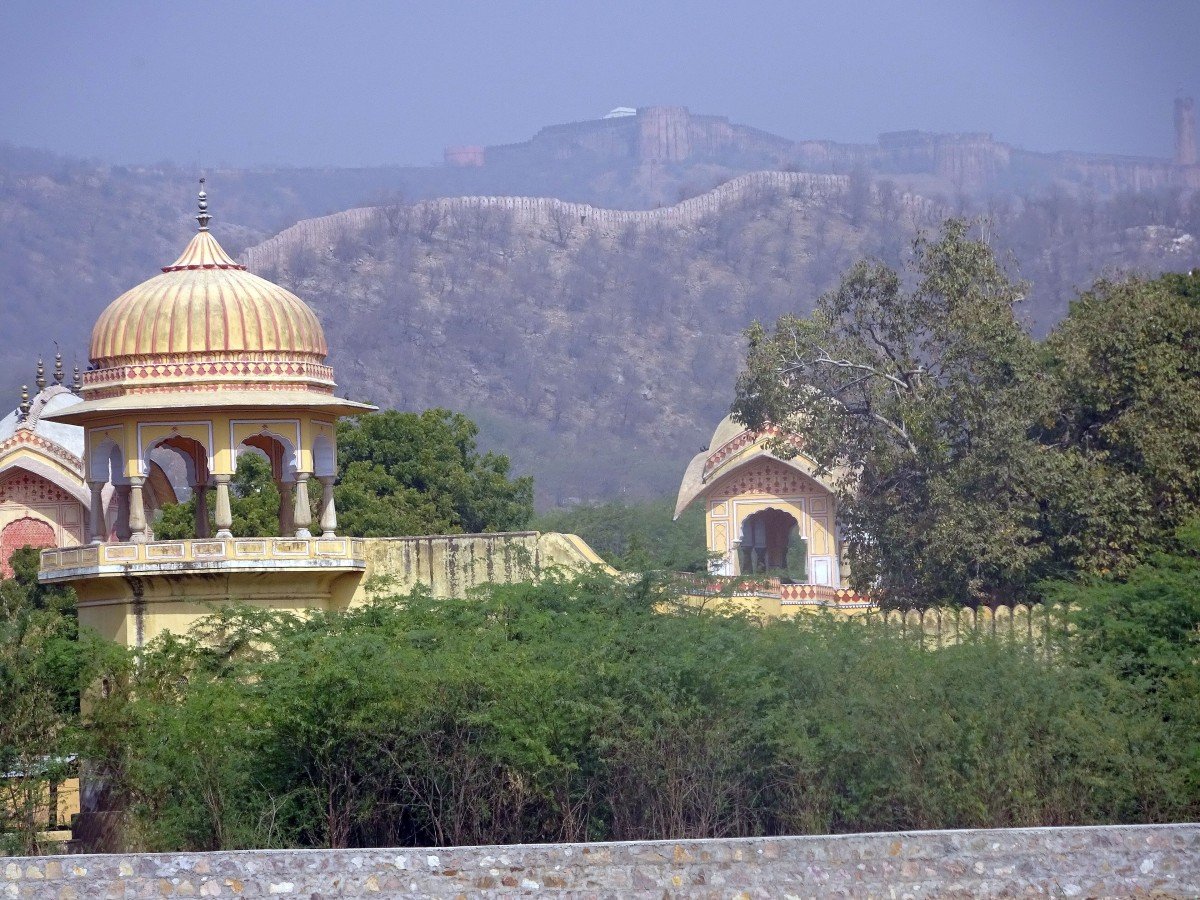
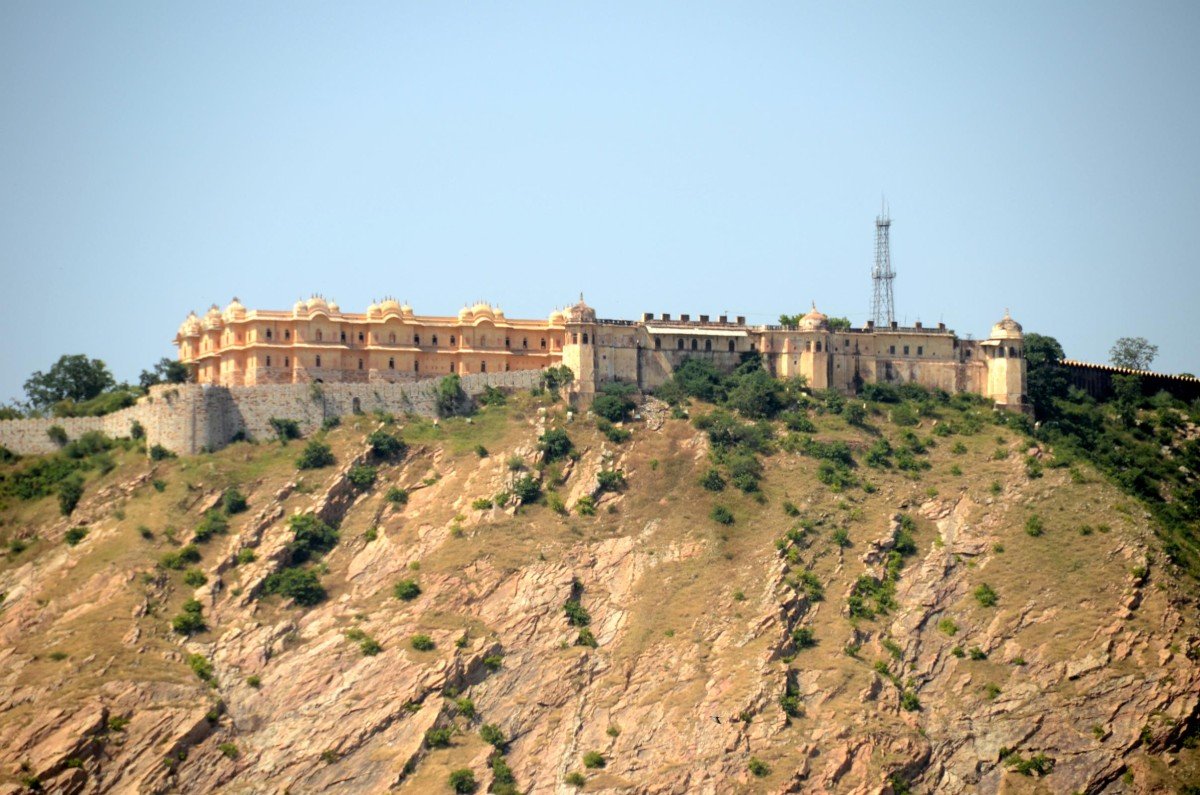
Fort Interconnectivity: Amer, Jaigarh, and Nahargarh are connected by tunnels. This defense system is a marvel of medieval military engineering. -
How To Reach:
By Air: Jaipur International Airport connects the city to major global and domestic hubs. It is about 12 km from the city center.
By Train: Jaipur Junction is a key station on the Indian Railways network. It is well-connected to Delhi, Mum...By Air: Jaipur International Airport connects the city to major global and domestic hubs. It is about 12 km from the city center.
By Train: Jaipur Junction is a key station on the Indian Railways network. It is well-connected to Delhi, Mumbai, and Ahmedabad.
By Road: It is part of the Golden Triangle with Delhi and Agra. The NH-48 provides a smooth 5-hour drive from the national capital.
By Local Transport: The Jaipur Metro and E-rickshaws are efficient for city travel. You can also use app-based cabs like Uber and Ola. -
Weather and Best Time to Visit:
Winter Season: November to February is the peak time with pleasant weather. The daytime is sunny and evenings are cool, perfect for sightseeing.
Festive Season: March is great for the Holi and Elephant Festival. October brings the Navratri...Winter Season: November to February is the peak time with pleasant weather. The daytime is sunny and evenings are cool, perfect for sightseeing.
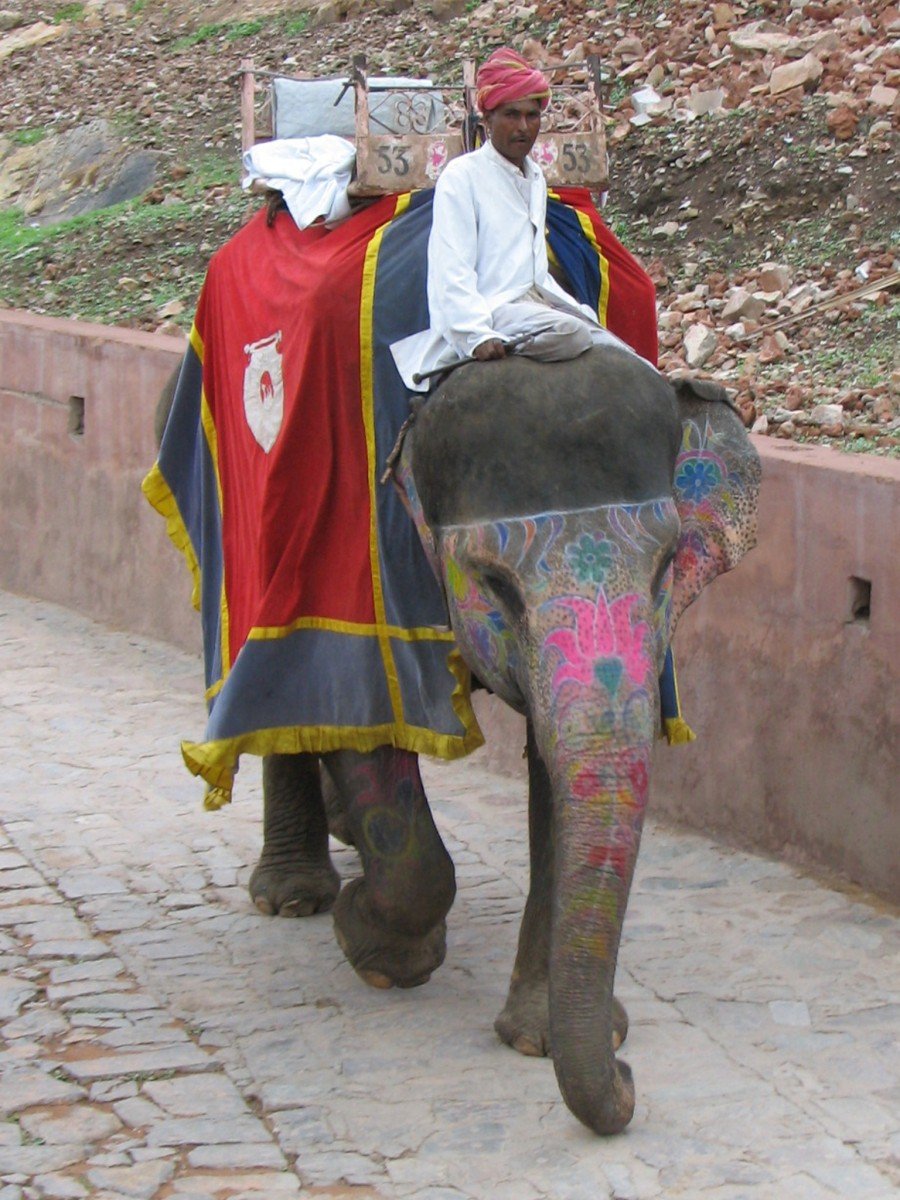
Festive Season: March is great for the Holi and Elephant Festival. October brings the Navratri celebrations and the Jaipur Polo season. -
Near Tourist Places:
Ajmer (130 km), Pushkar (145 km), Abhaneri (95 km), Samode (45 km), Bhangarh (85 km), Sariska (110 km), Tonk (95 km), Sambhar Lake (80 km), Galta Ji (10 km), Chomu (35 km)
Tourism Tips
-
Health and Safety: Be wary of touts and "gemstone scams" in the main markets. Stick to government-approved shops for expensive jewelry purchases.
Packing: Wear modest clothing for temples and comfortable sneakers for fort climbs. Carry a s...Health and Safety: Be wary of touts and "gemstone scams" in the main markets. Stick to government-approved shops for expensive jewelry purchases.
Packing: Wear modest clothing for temples and comfortable sneakers for fort climbs. Carry a scarf to protect against the dust during rickshaw rides.
Accommodation: Stay in a "Heritage Haveli" for a true Rajasthani experience. Areas like Bani Park and C-Scheme offer great boutique hotels.
Local Etiquette: Always negotiate the fare before hiring a rickshaw or taxi. A polite "No, thank you" works well with persistent street vendors.
Reviews
FAQs
Jaipur Itineray And Cost:-
Other Places In Rajasthan :-
Other States In India :-
Information about New and Updated Locations() of Rajasthan Has Been Added :-
Card subtitle
Note:-
Information provided here in good Faith and for reference only.
Near Places
Ajmer
Some quick example text to build on the card title and make up the bulk of the card's content.
Go somewhere
Alwar
Some quick example text to build on the card title and make up the bulk of the card's content.
Go somewhere
Bharatpur
Some quick example text to build on the card title and make up the bulk of the card's content.
Go somewhere
Bikaner
Some quick example text to build on the card title and make up the bulk of the card's content.
Go somewhere
Bundi
Some quick example text to build on the card title and make up the bulk of the card's content.
Go somewhere
Chittorgarh
Some quick example text to build on the card title and make up the bulk of the card's content.
Go somewhere
Churu
Some quick example text to build on the card title and make up the bulk of the card's content.
Go somewhere
Dausa
Some quick example text to build on the card title and make up the bulk of the card's content.
Go somewhere
Dholpur
Some quick example text to build on the card title and make up the bulk of the card's content.
Go somewhere
Dundlod
Some quick example text to build on the card title and make up the bulk of the card's content.
Go somewhere
Fatehpur
Some quick example text to build on the card title and make up the bulk of the card's content.
Go somewhere
Hanumangarh
Some quick example text to build on the card title and make up the bulk of the card's content.
Go somewhere
Jaipur
Some quick example text to build on the card title and make up the bulk of the card's content.
Go somewhere
Jaisalmer
Some quick example text to build on the card title and make up the bulk of the card's content.
Go somewhere
Jhalawar
Some quick example text to build on the card title and make up the bulk of the card's content.
Go somewhere
Jhunjhunu
Some quick example text to build on the card title and make up the bulk of the card's content.
Go somewherein Other Cities